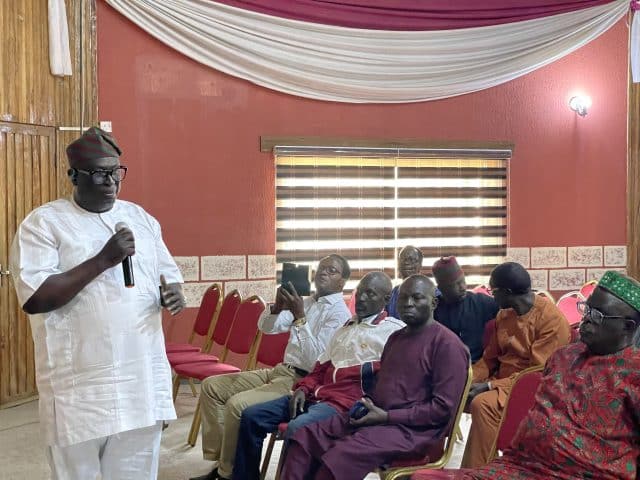
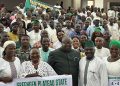
The Berom in Diaspora Coalition (BDC), in collaboration with the Berom Educational and Cultural Organisation (BECO), Berom Youth Movement (BYM), Berom Women Development Association (BEWDA), and Berom Elders Council (BEC), has made an impassioned call to the Nigerian government and international community to intervene in what they describe as a “prolonged genocide” against the Berom people and other indigenous communities of Plateau State.
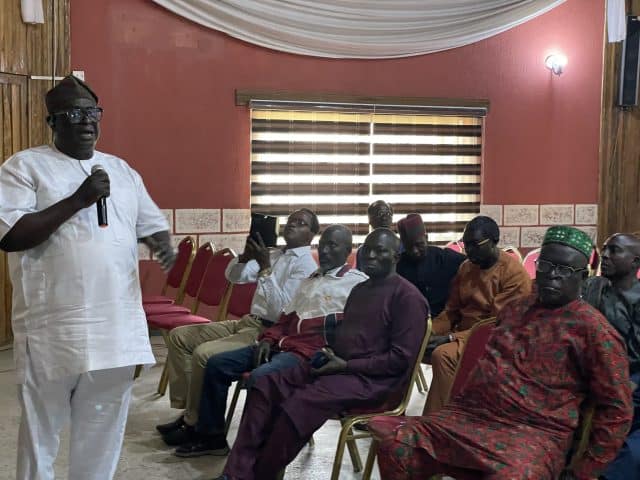
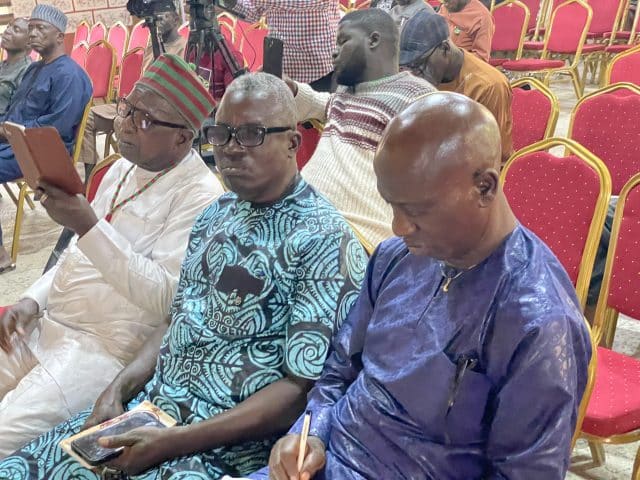
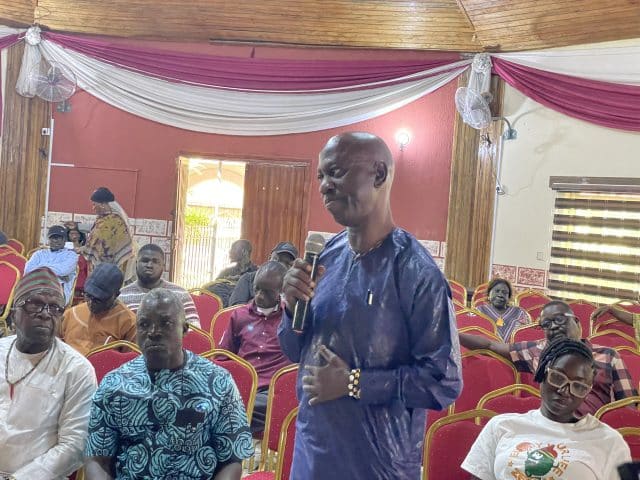
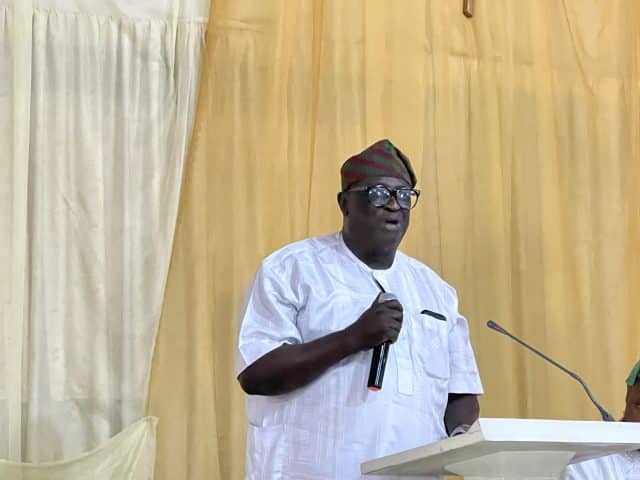
At a world press conference held on November 12, 2025, in Jos, Plateau State, the coalition declared that the killings, displacements, and land seizures by armed Fulani militias have persisted unchecked for over two decades, despite repeated appeals for justice and protection.
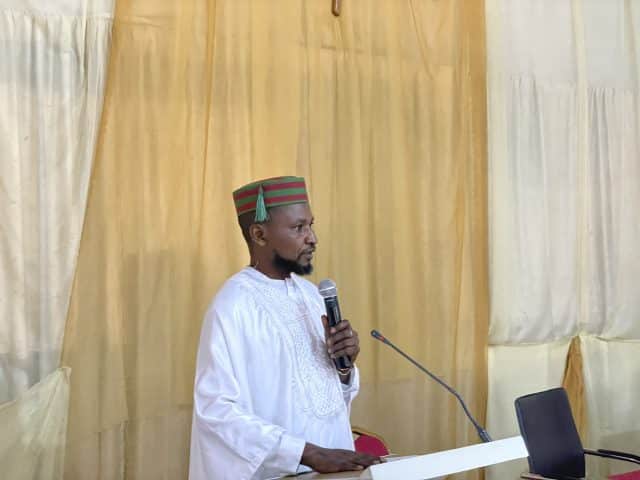
Representing the BDC, speakers lamented that entire generations of Berom families have been wiped out, their ancestral lands seized, and their cultural heritage threatened. “We have invited you here today with heavy hearts to draw attention to the brutal killings of innocent Berom men, women, and children, and our neighbours — the indigenous people of Plateau State,” the coalition stated.
A People Under Siege
The Berom, one of the oldest ethnic groups in central Nigeria, are mainly found across Jos North, Jos South, Riyom, and Barkin Ladi local government areas. With an estimated population of 2.6 million, the Berom are historically known for their iron works, rich agricultural practices, and peaceful coexistence. However, the BDC noted that since 2001, their land has become a theater of bloodshed.
“From Nding in 2001, where our village head and worshippers were massacred during morning devotion, to Dogo Na Hauwa in 2010 where over 501 lives were lost in one night, our communities have lived in fear and mourning,” the statement read.
The coalition accused the Nigerian government of turning a blind eye to what it called a “coordinated ethnic cleansing,” alleging that over 10,000 Berom people have been killed, 151 communities displaced, and vast lands forcefully occupied. “Families are mourning, children have been orphaned, and once-thriving communities now live in fear of extinction,” the group lamented.
Ongoing Threats and Occupied Territories
BDC also revealed intelligence reports indicating imminent attacks on notable Berom figures — Rev. Ezekiel Dachomo, Mr. Masara Kim, and Barr. Dalyop Solomon Mwantiri — by Fulani bandits allegedly operating from Nasarawa State. “These individuals are being targeted for exposing the truth about the genocide,” the coalition said, calling on security agencies to act swiftly.
The group listed several communities now allegedly occupied or renamed by Fulani militants, including Fass, Rankum (renamed Mahanga), and Shonong in Riyom LGA; Werre (renamed Lugere) and Jong in Barkin Ladi; Tahei hinterlands in Jos South; and Dajin-Gwomna and Josho in Bokkos LGA.
“These renamed territories have become terrorist enclaves. We call on the Nigerian government and international partners to recognize them as such and take immediate action,” the BDC urged.
Calls for Justice and Government Action
The coalition’s demands were clear and urgent:
- Declare Fulani militants as terrorists and launch military operations to reclaim occupied territories.
- Release ₦10 billion humanitarian funds earlier announced by former Vice President Yemi Osinbajo to support victims and displaced families.
- Prosecute perpetrators and dismantle the culture of impunity fueling the killings.
- Return occupied lands to rightful indigenous owners.
- Implement community-based security systems and early warning mechanisms.
- Hold National Assembly hearings to address rural terrorism.
- Invite global partners — including the UN, AU, and ECOWAS — to support peacebuilding efforts in Plateau State.
- Encourage media organizations to continue spotlighting the atrocities and amplify victims’ voices.
Leadership Silence and National Complacency
The coalition criticized what it called the “criminal silence” of Nigerian leaders and their obsession with politics at the expense of human lives. “Show me a country that gives amnesty to terrorists who massacre its citizens, and I will show you a nation led by men without souls,” one speaker declared.
The statement accused political leaders of prioritizing elections over human suffering, saying, “Our leaders are busy with rallies and defections, but not one word for the families wiped out in Plateau, not one moment of silence for soldiers dying daily, or for children abducted and forgotten.”
BDC warned that “a government that pampers killers and punishes victims is not a government but an accomplice,” calling on Nigerians to rise above religious and ethnic divisions to confront terrorism with a united voice.
Appeal for Unity Across Nigeria
The coalition emphasized that the crisis in Plateau is not just a Berom issue but a national one. It appealed to other ethnic groups — Tiv, Idoma, Tarok, Irigwe, Mwaghavul, Ron-Kulere, and others — to recognize their shared struggle. “It’s not about religion anymore; it’s about conscience. When truth becomes tribal and justice becomes selective, what remains is not a country — it’s a graveyard with a flag,” the statement read.
“Peace Without Justice is Fragile”
In its closing remarks, the Berom in Diaspora reaffirmed their commitment to peace and lawful advocacy but vowed not to remain silent. “The Berom people have always been peaceful and resilient. We will continue to pursue peace through lawful means — but peace without justice is fragile. We demand justice now, for the dead, for the displaced, and for generations yet unborn.”
The coalition concluded with a solemn plea: “May God bless the Berom people, Plateau State, and the Federal Republic of Nigeria.”
Signed by representatives of The Berom in Diaspora Coalition (BDC) across North America, Europe, Russia, Asia, Australia, and Africa, the press conference marked one of the strongest international appeals yet to end the decades-long killings in Nigeria’s Middle Belt.