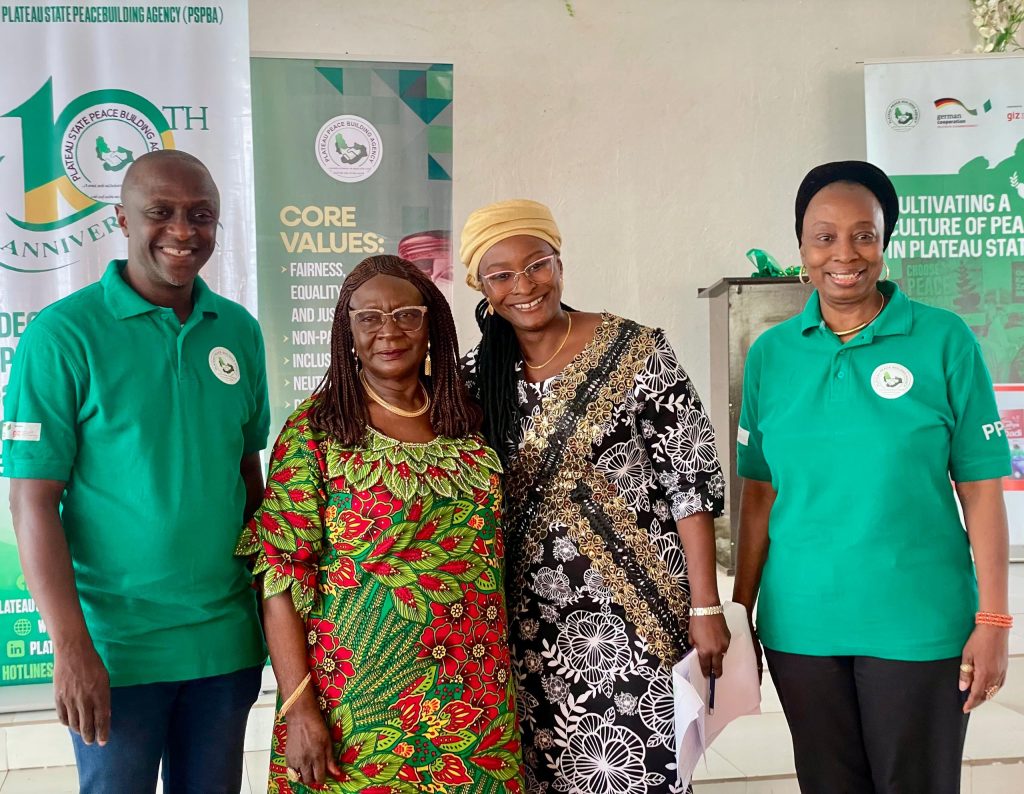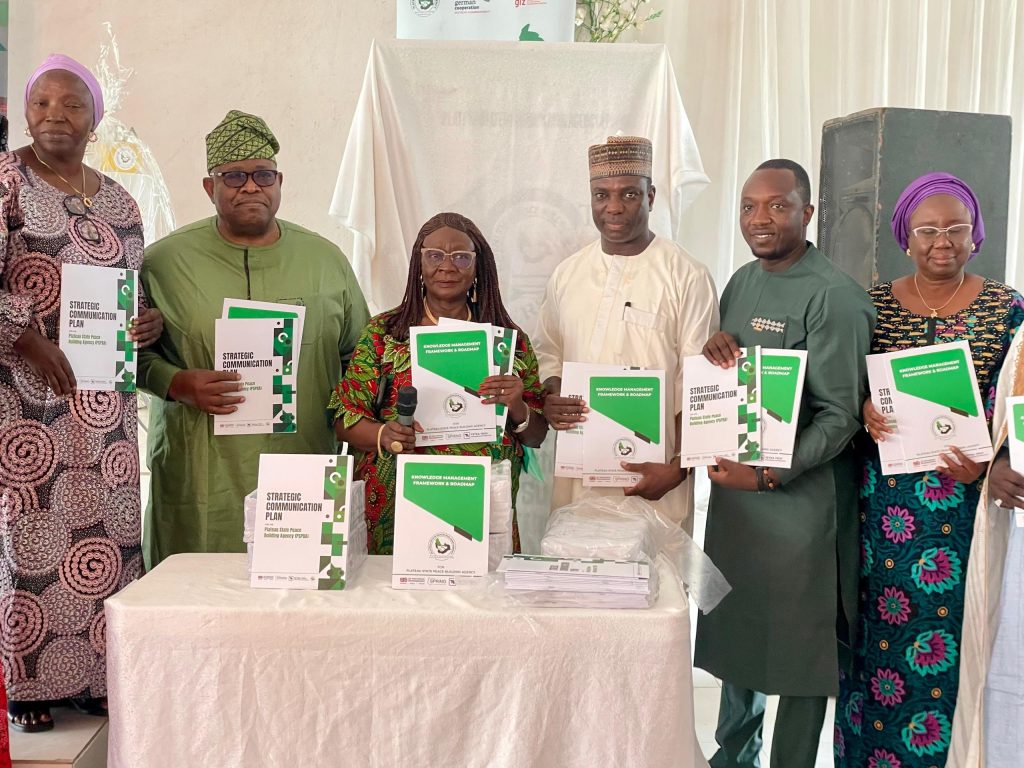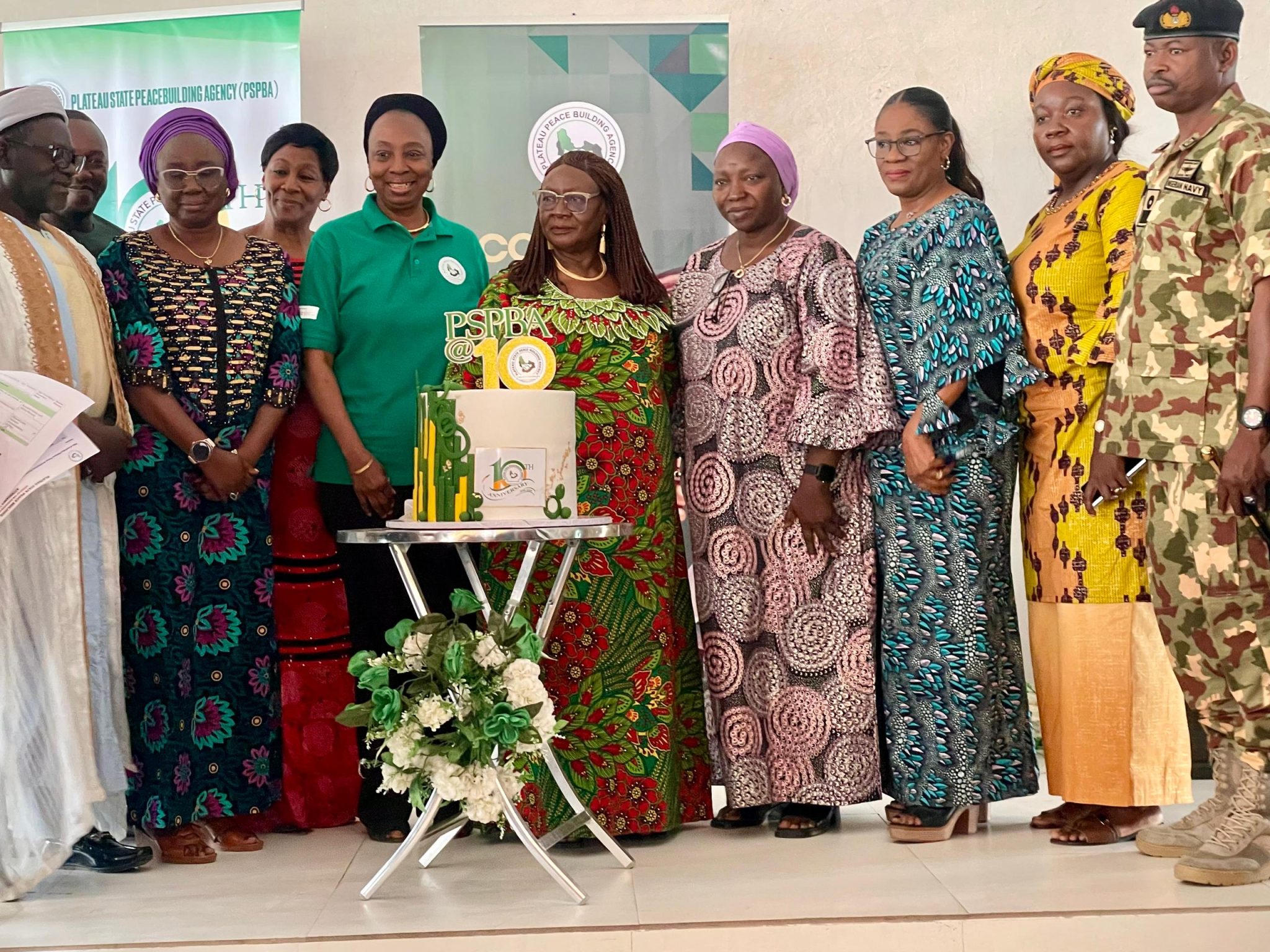
The Plateau Peace Building Agency (PSPBA) has commemorated its 10th anniversary with a landmark edition of the Plateau Peace Architecture Forum (PPAF), celebrating a decade of institutionalized peacebuilding and unveiling strategic frameworks aimed at strengthening sustainable peace efforts across the state.
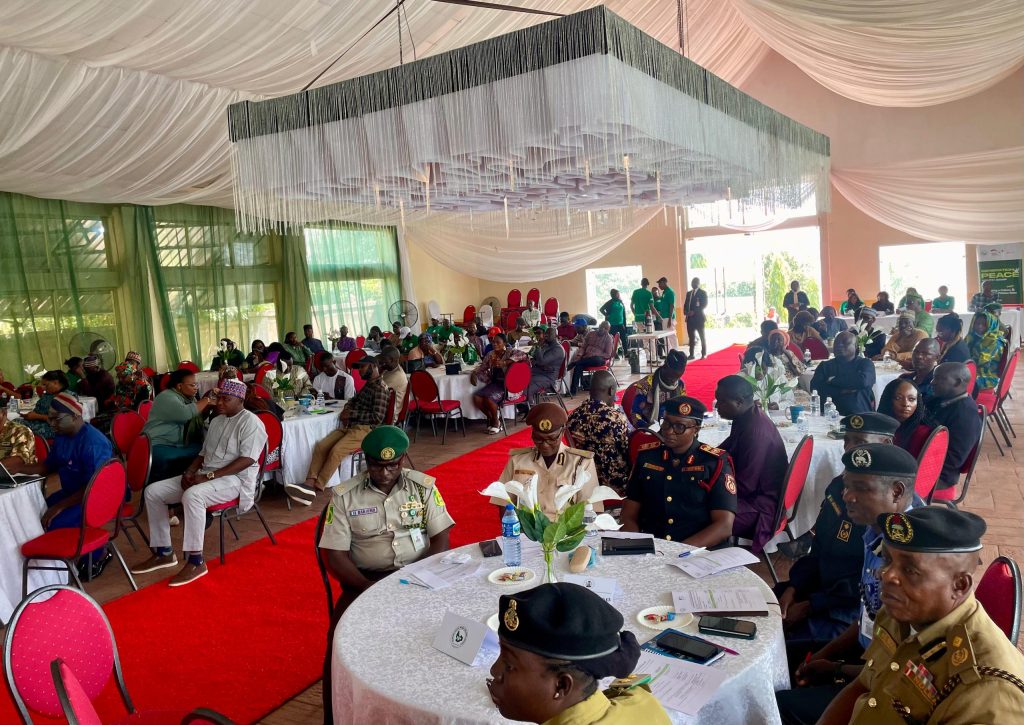
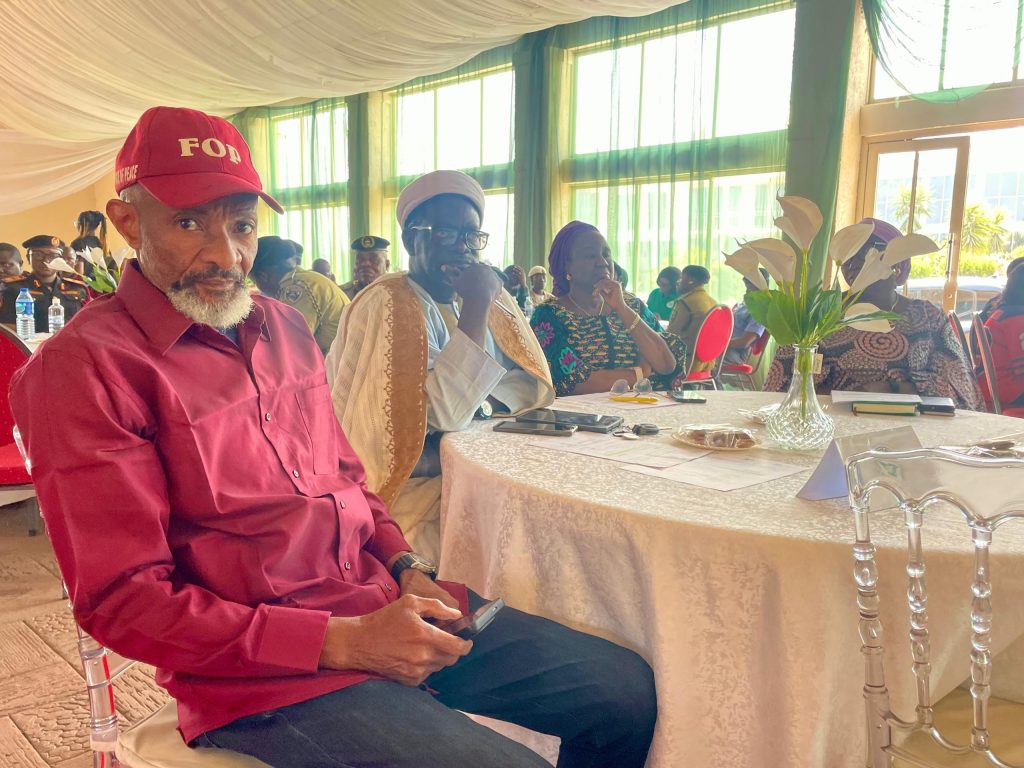
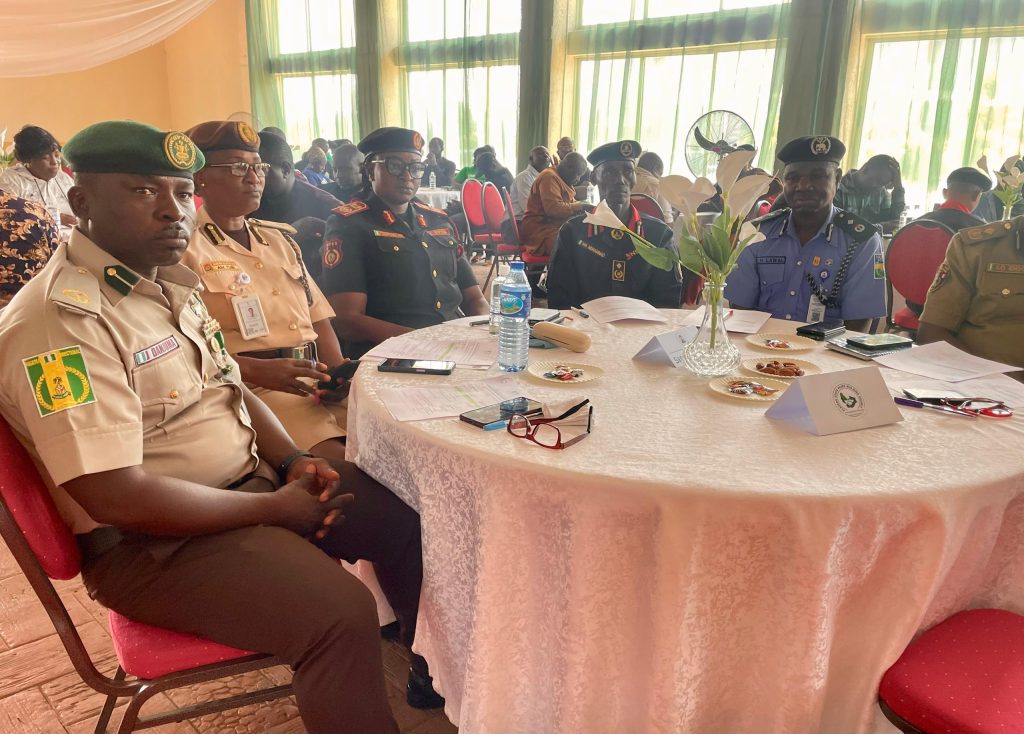
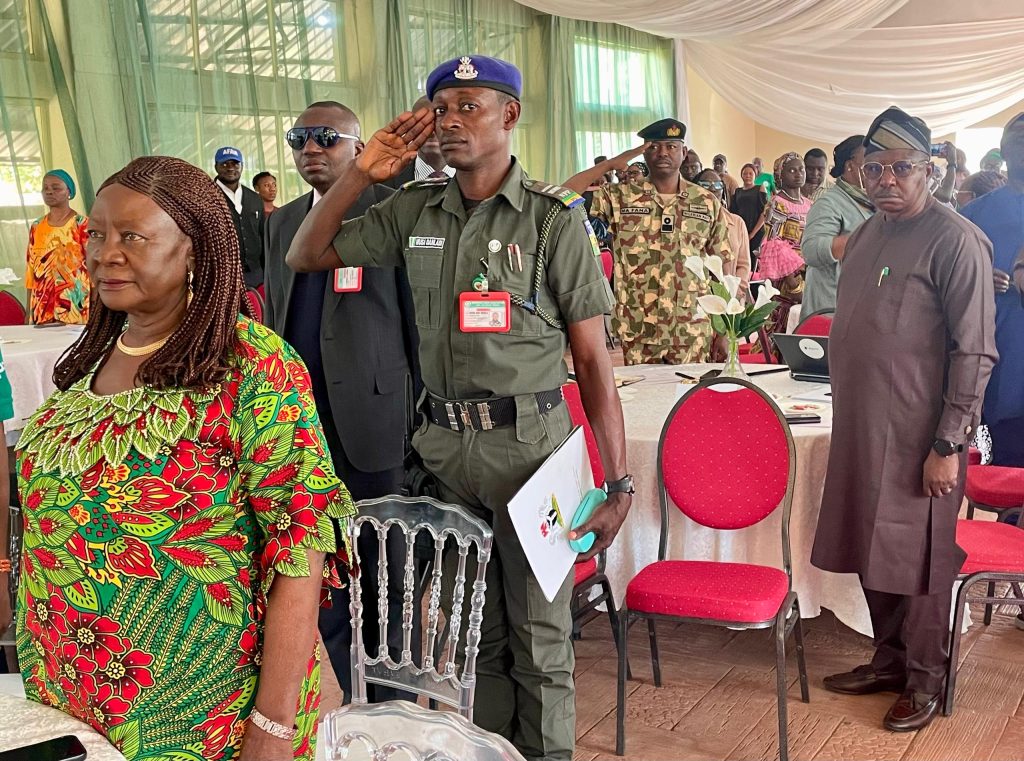
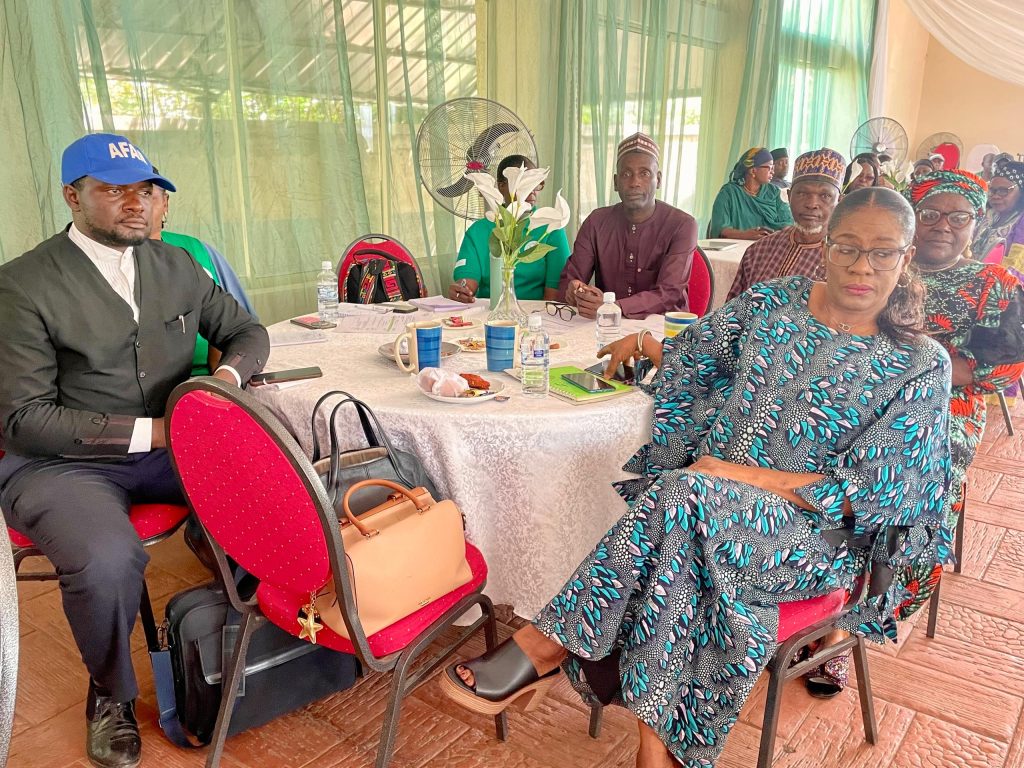
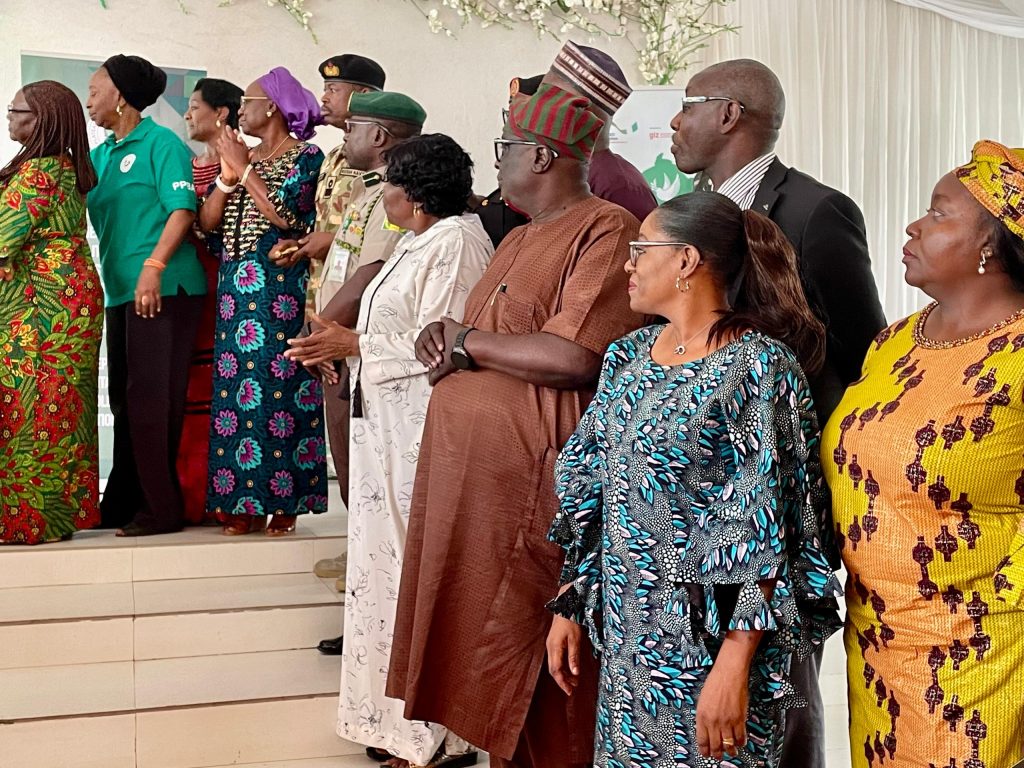
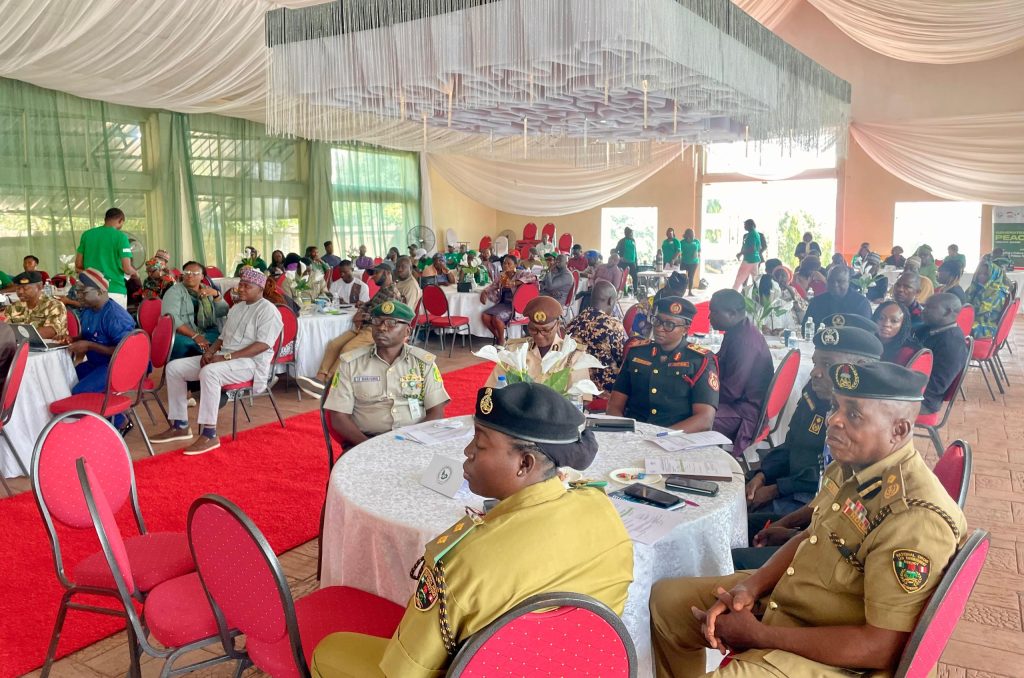
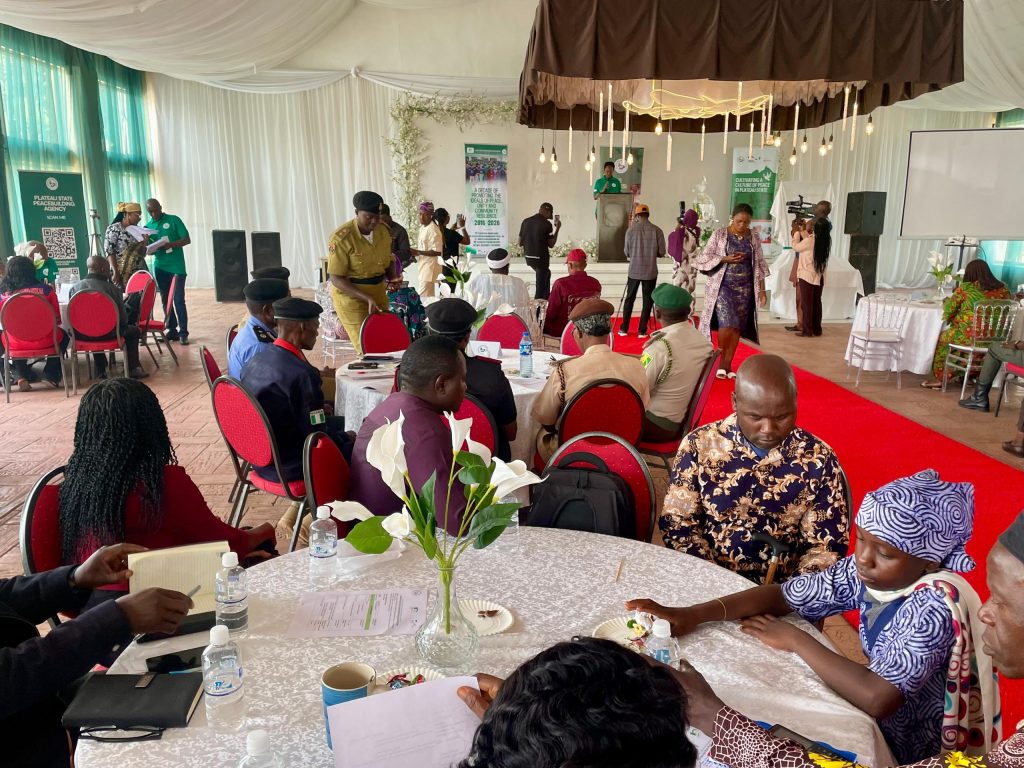
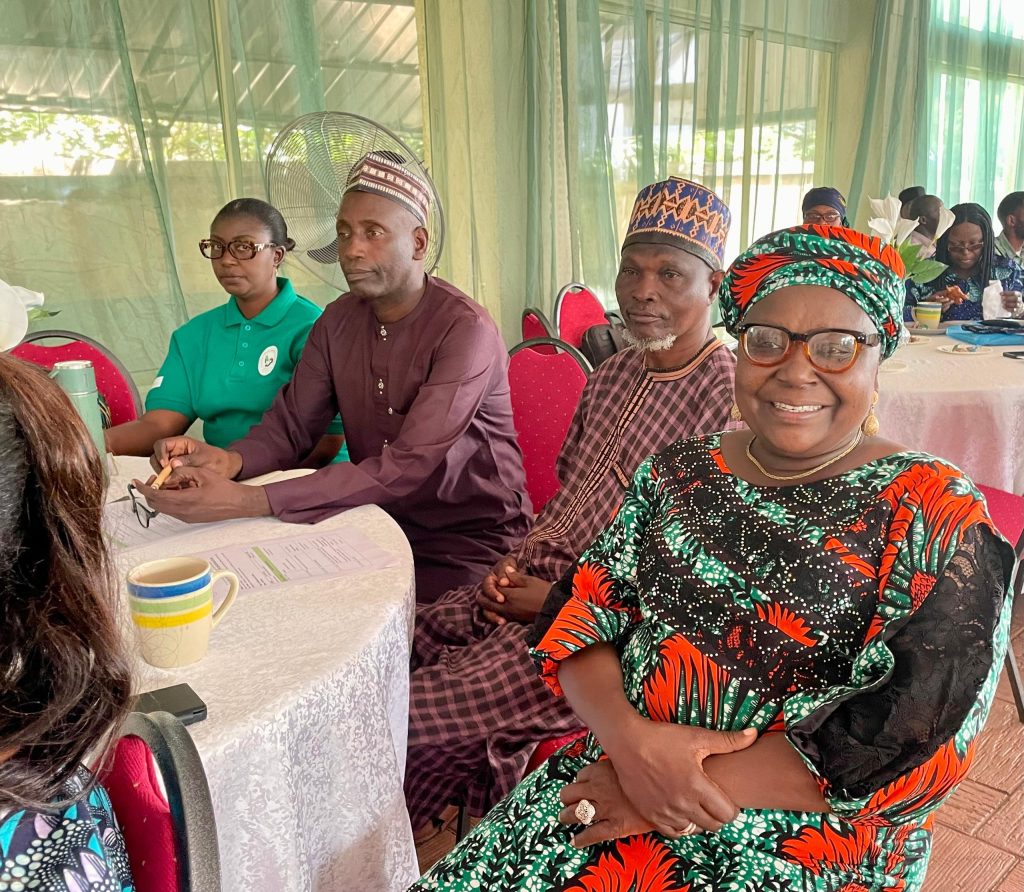
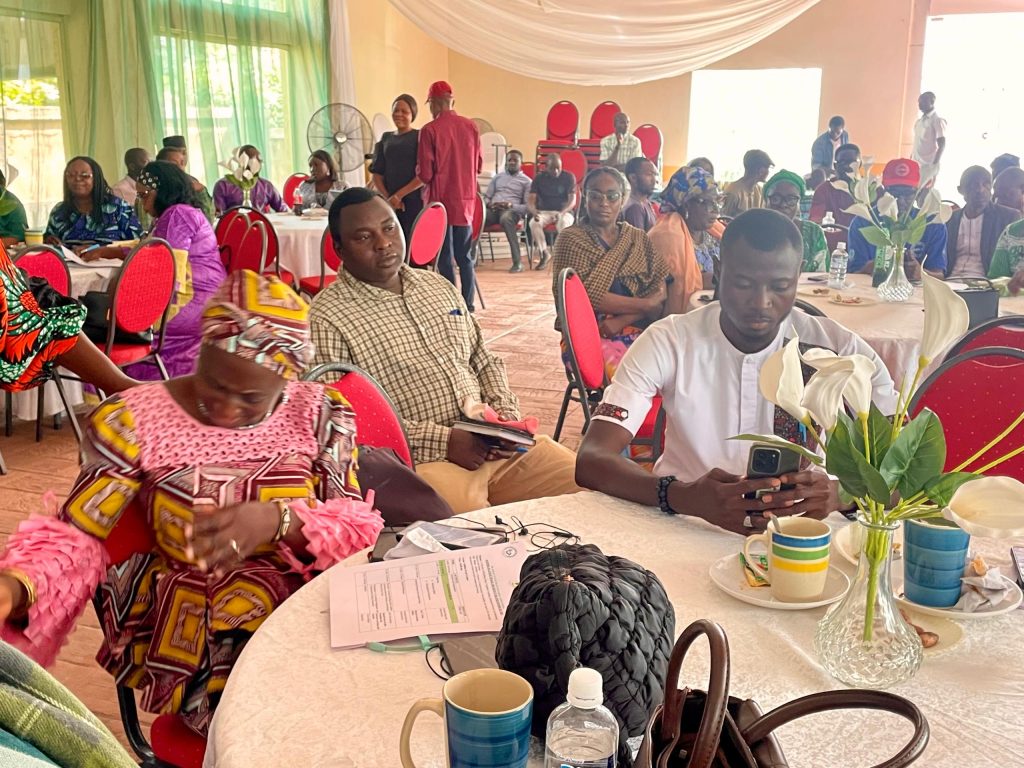
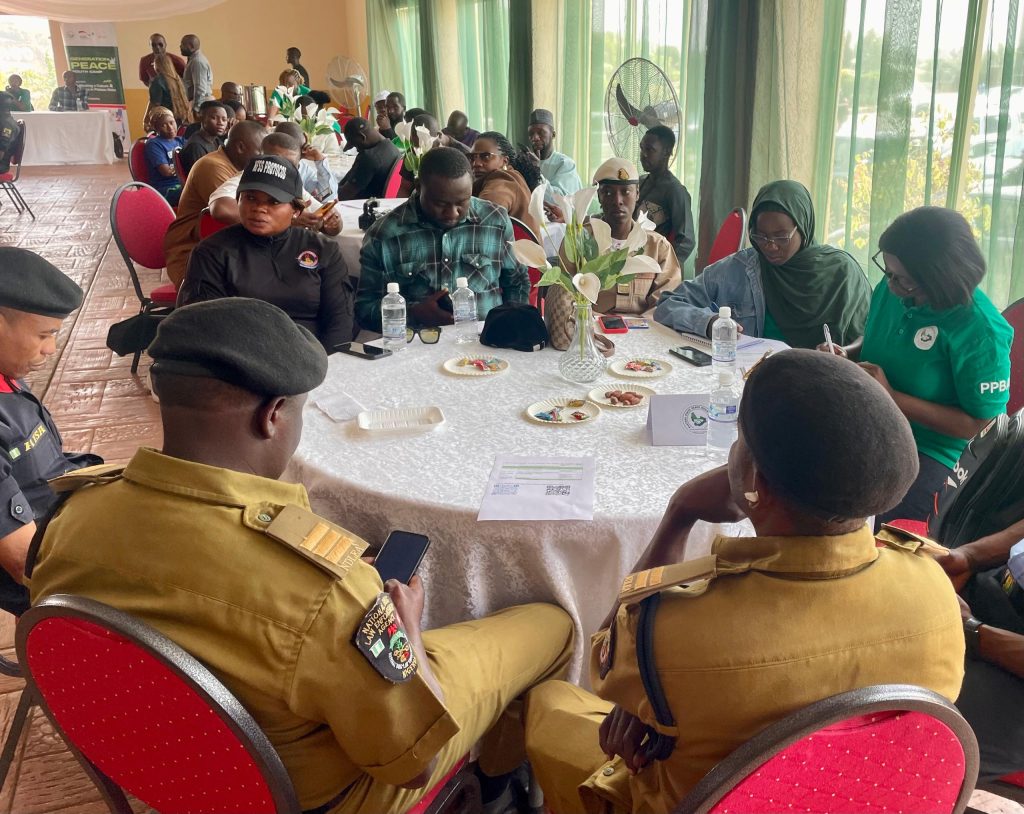
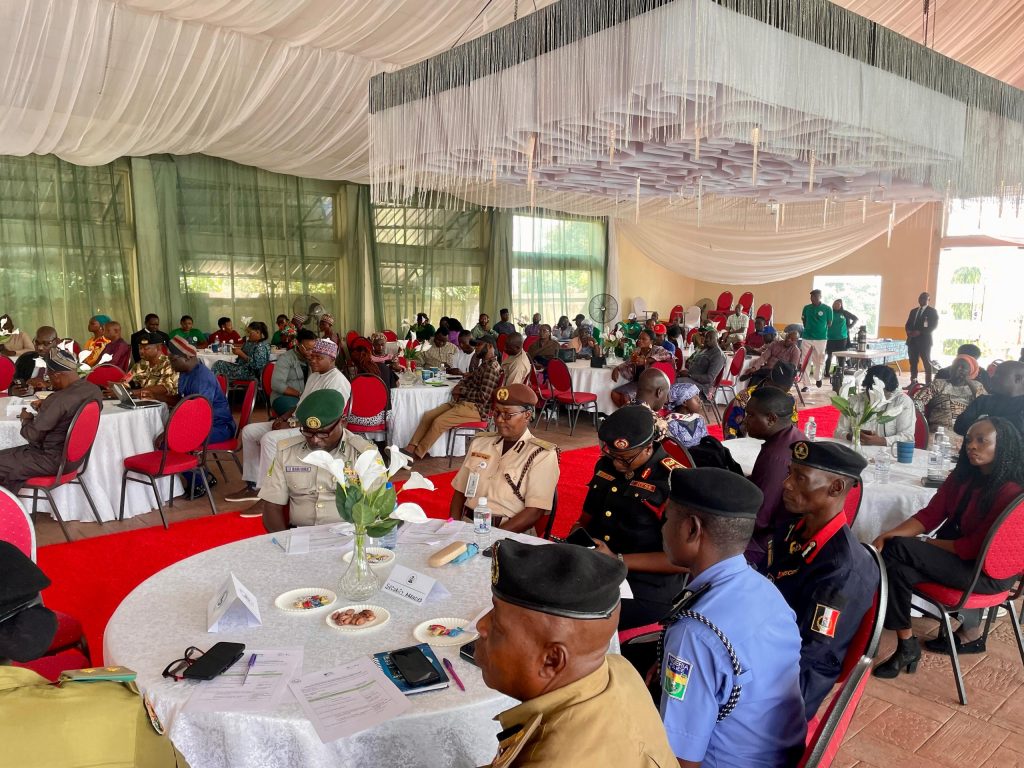
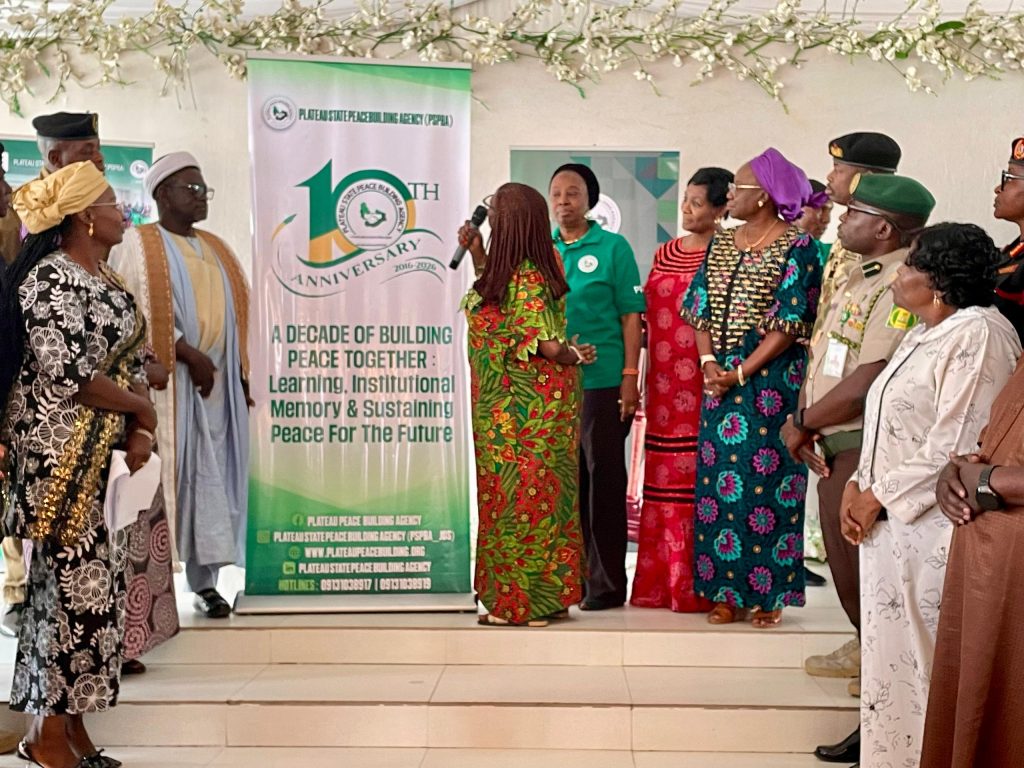
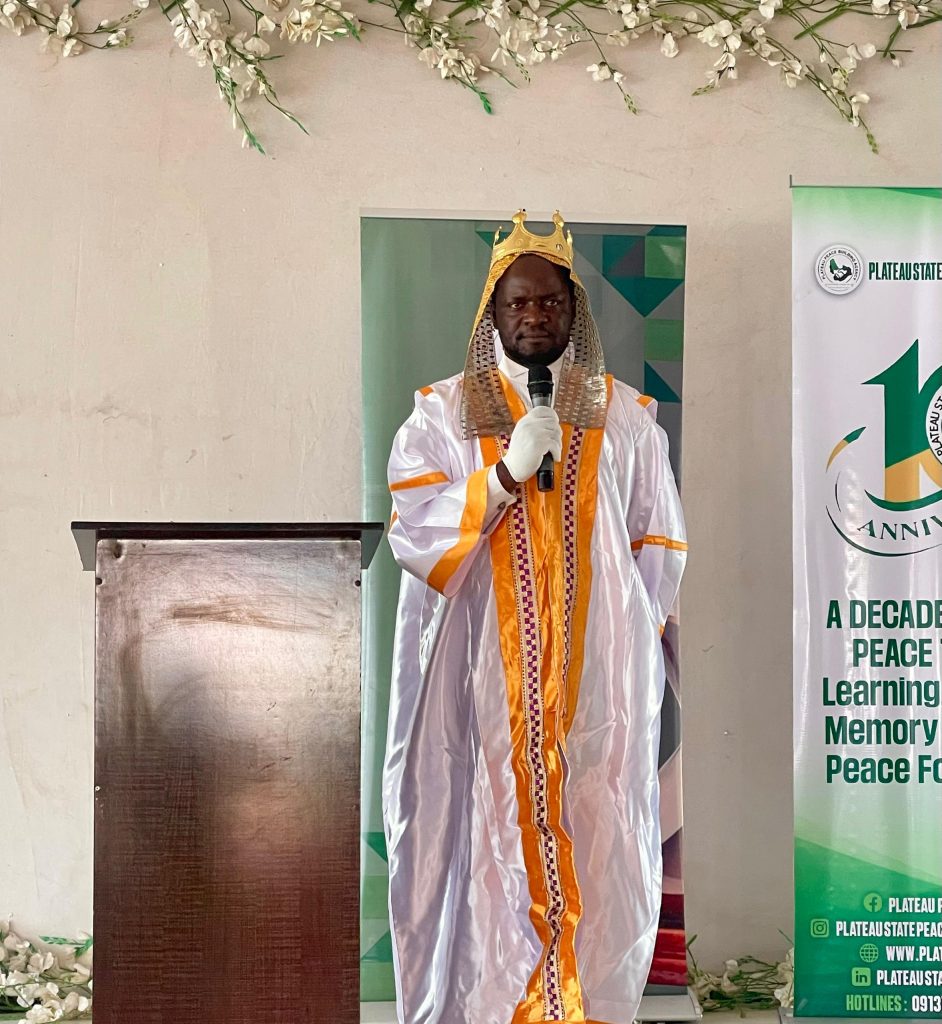
The February 2026 forum, themed “A Decade of Building Peace Together: Learning, Institutional Memory, and Sustaining Peace for the Future,” brought together government officials, peace practitioners, civil society actors, security agencies, and development partners at Odilins Event Center in Jos.
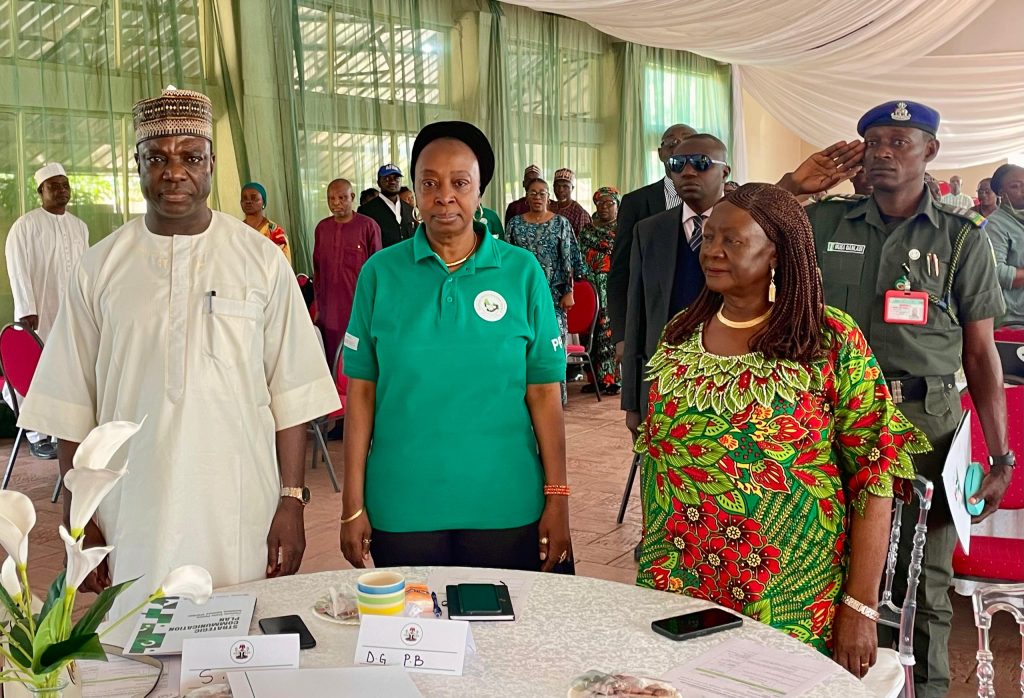
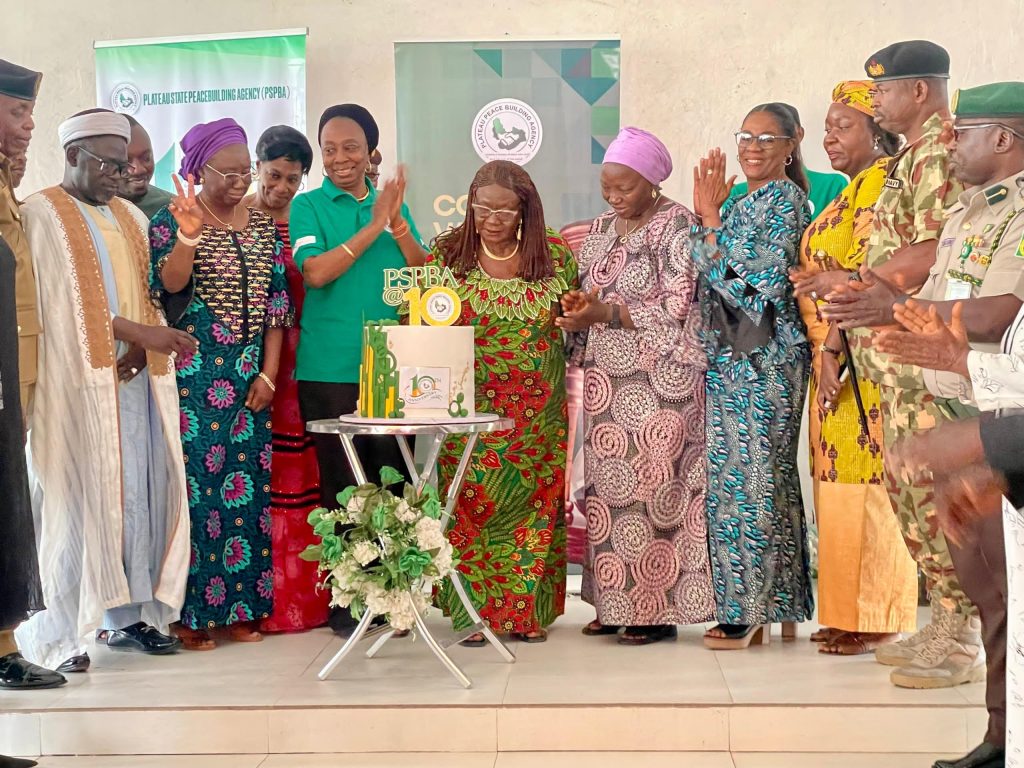
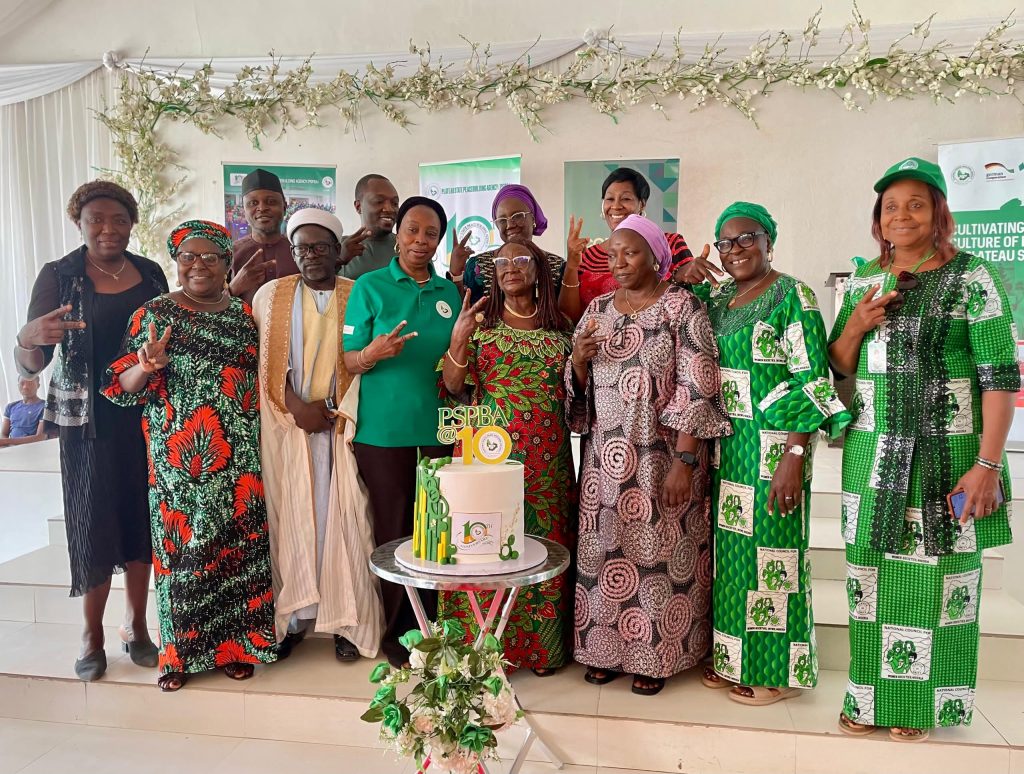
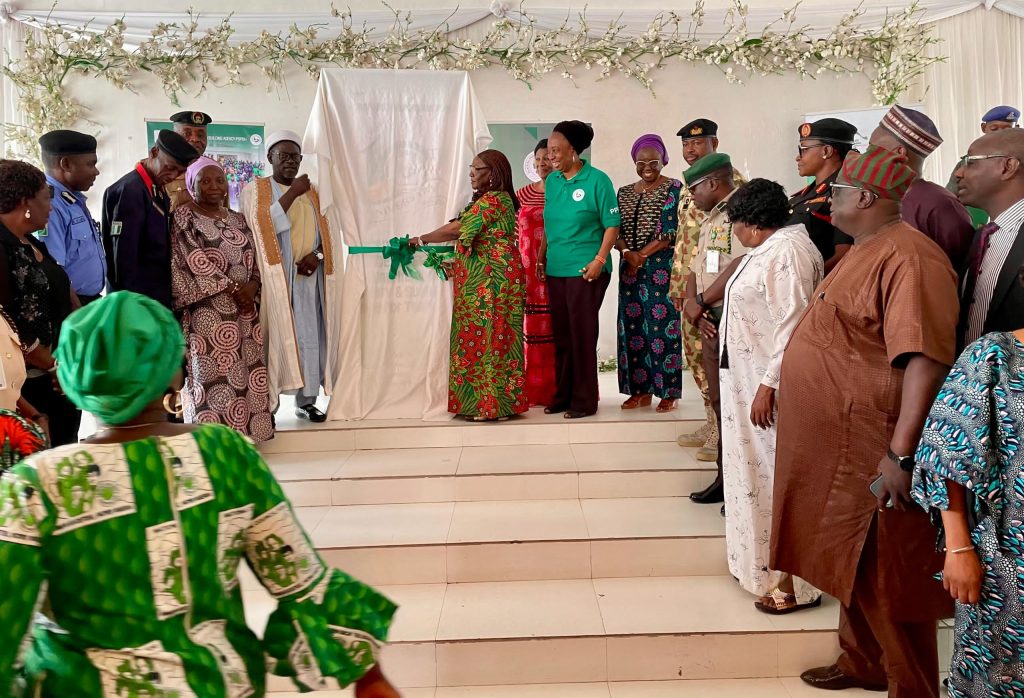
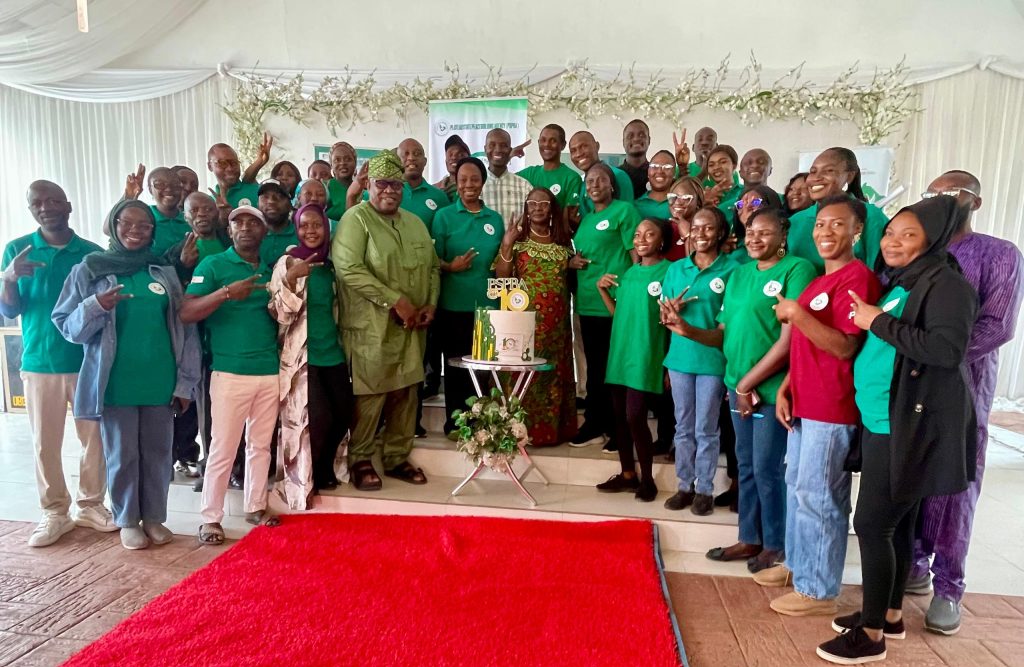
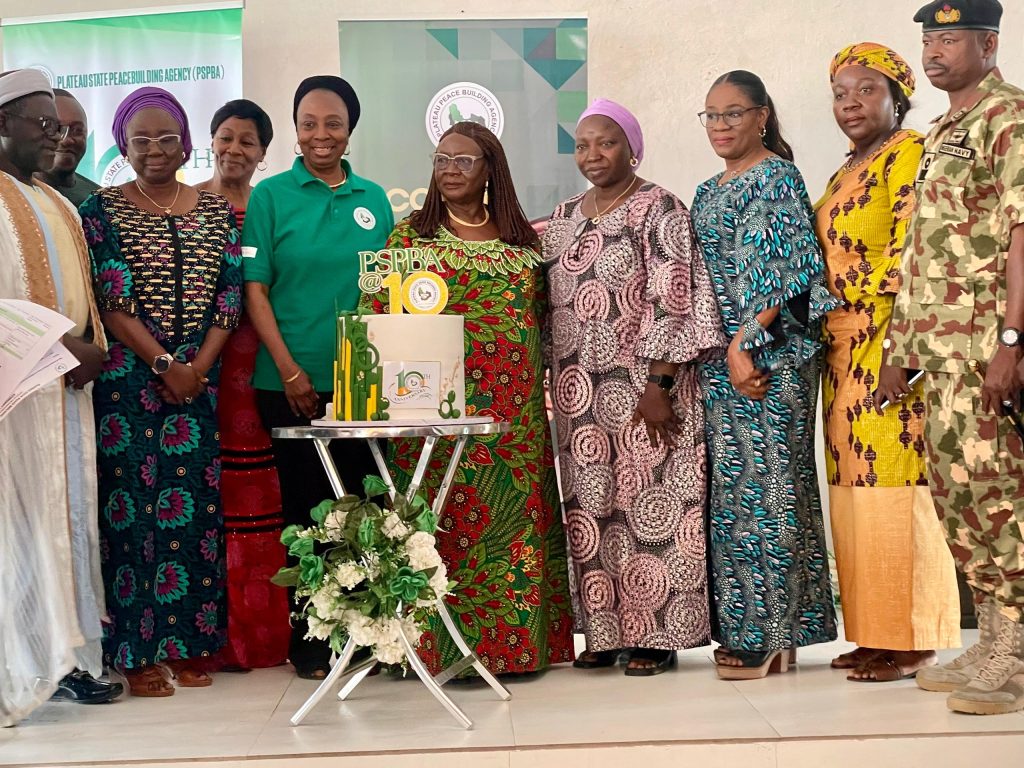
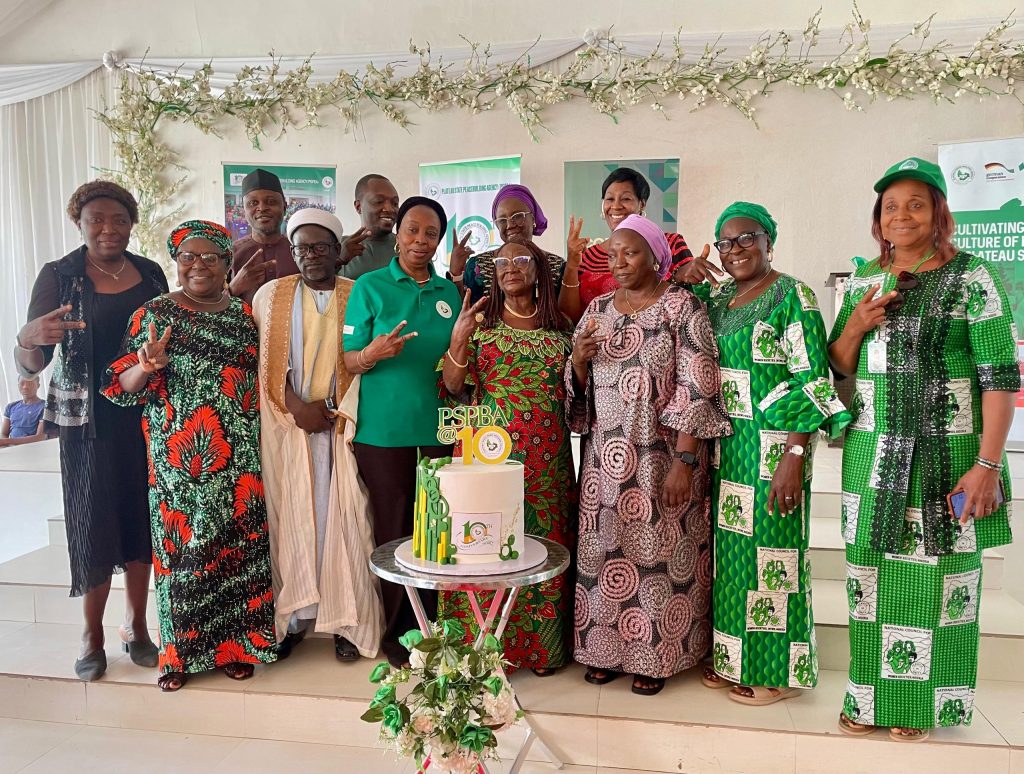
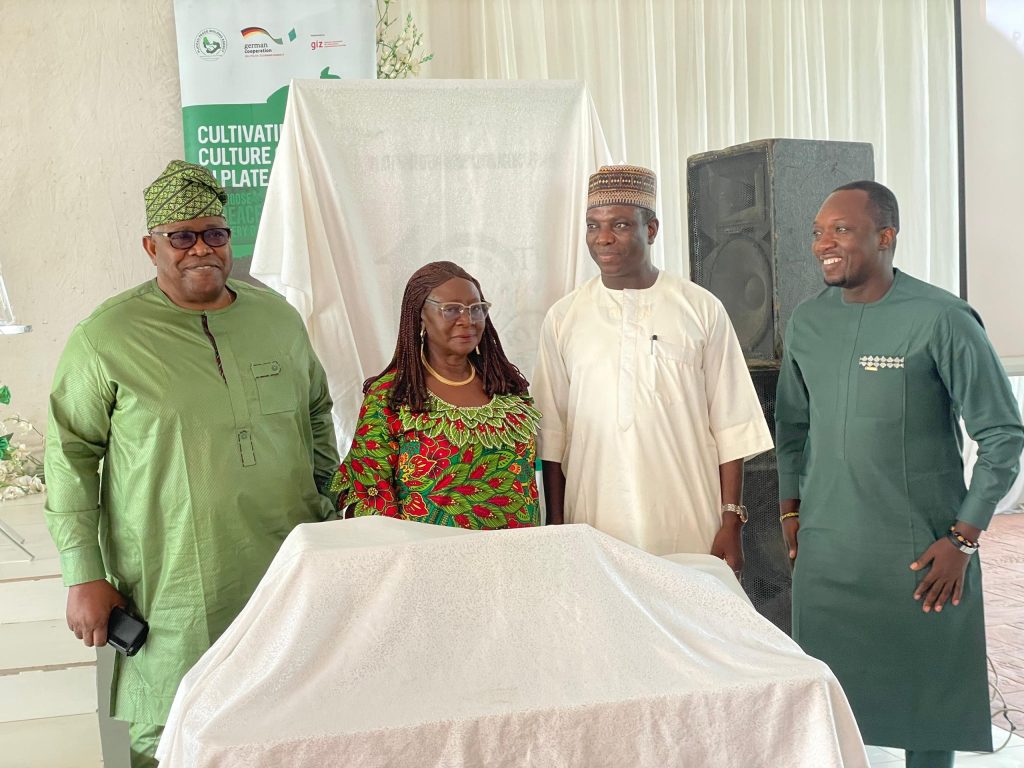
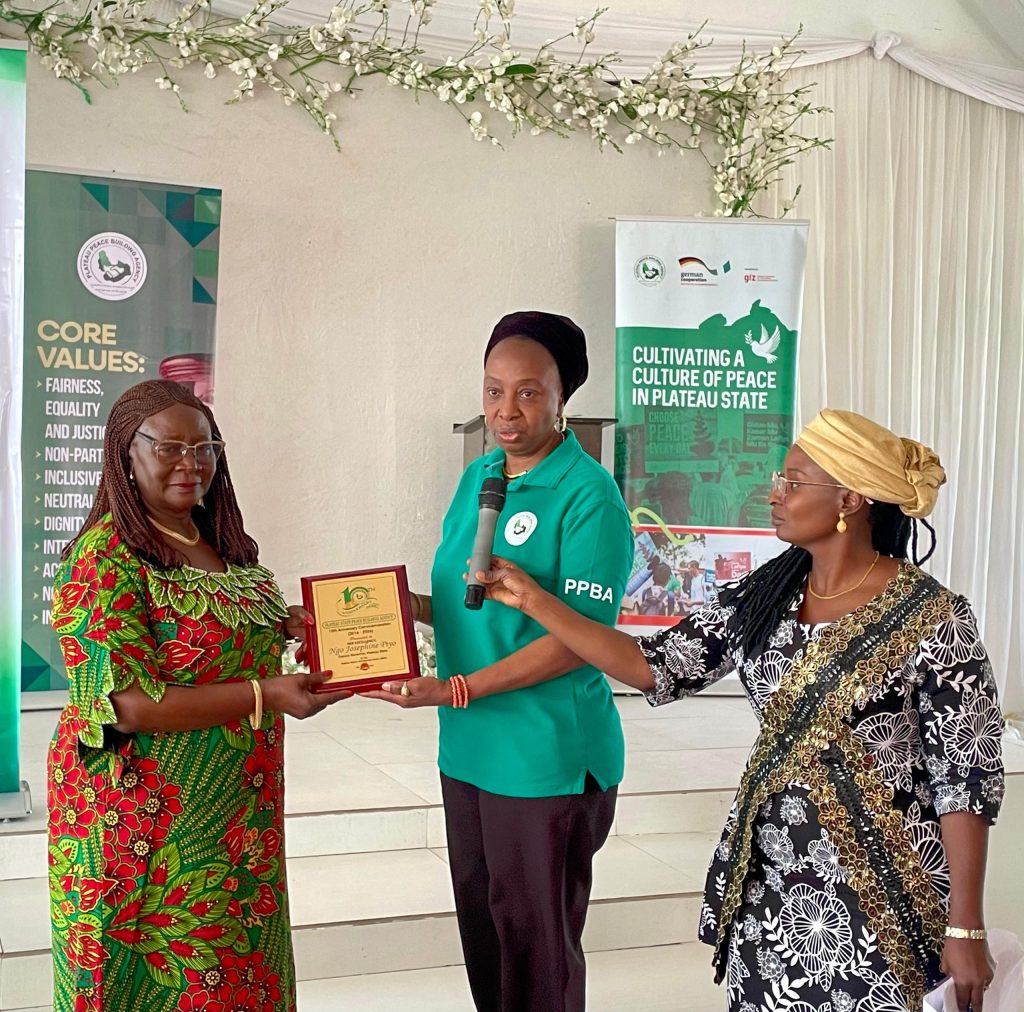
A major highlight of the event was the unveiling of the agency’s 10th anniversary logo and commemorative cake by the Deputy Governor of Plateau State. Her Excellency Ngo Josephine Piyo.
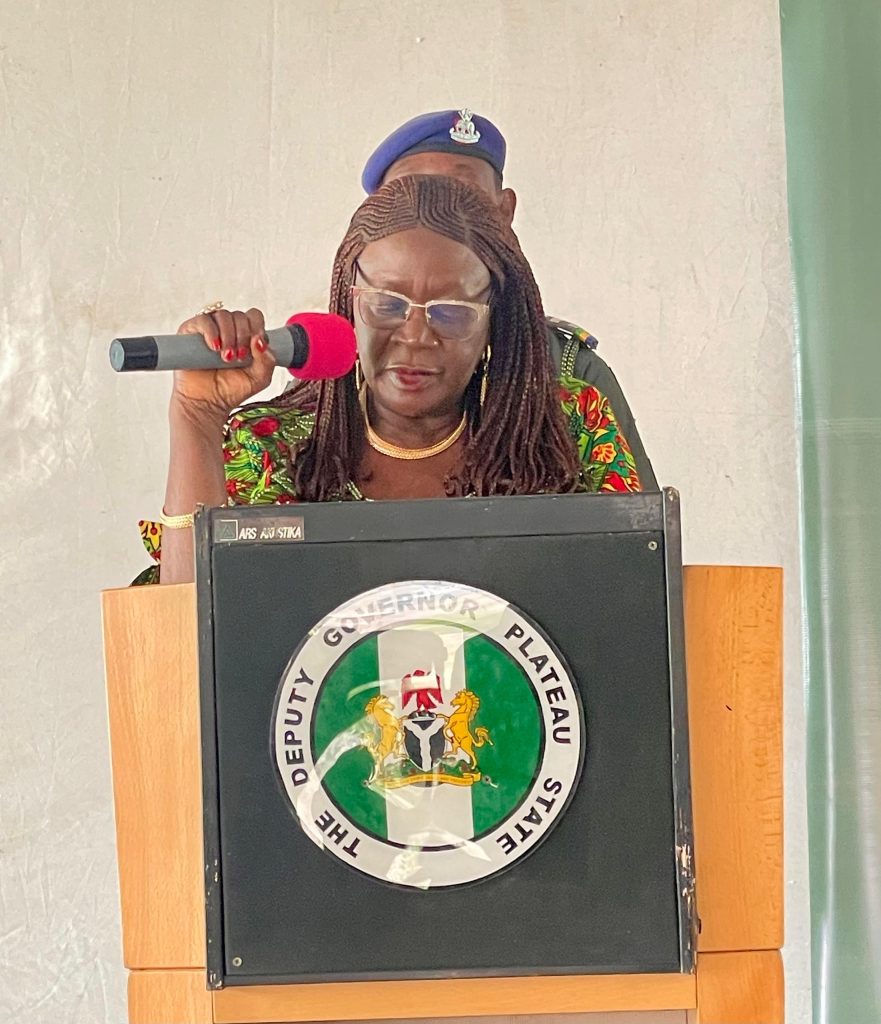
In her address, Piyo described the establishment of PSPBA in 2016 as a bold and historic step that institutionalized peacebuilding in Plateau State. According to her, peace is neither accidental nor automatic but must be deliberately structured, nurtured, and sustained through coordinated efforts including dialogue, early warning and response mechanisms, and consistent community engagement.
Reflecting on Plateau’s history of conflict and recovery, the deputy governor commended the resilience of citizens, the leadership of successive administrations, and the collective commitment of stakeholders that have helped move the state toward stability and reconciliation. She emphasized that peace remains the bedrock of development, investment, agricultural productivity, youth enterprise, and long-term security.
She called for inclusive participation in sustaining peace, stressing the need to deepen collaboration among traditional institutions, civil society organizations, security agencies, women groups, and youth networks. Piyo reaffirmed the government’s unwavering commitment to strengthening Plateau’s peace architecture and ensuring that the structures built over the last decade continue to evolve.
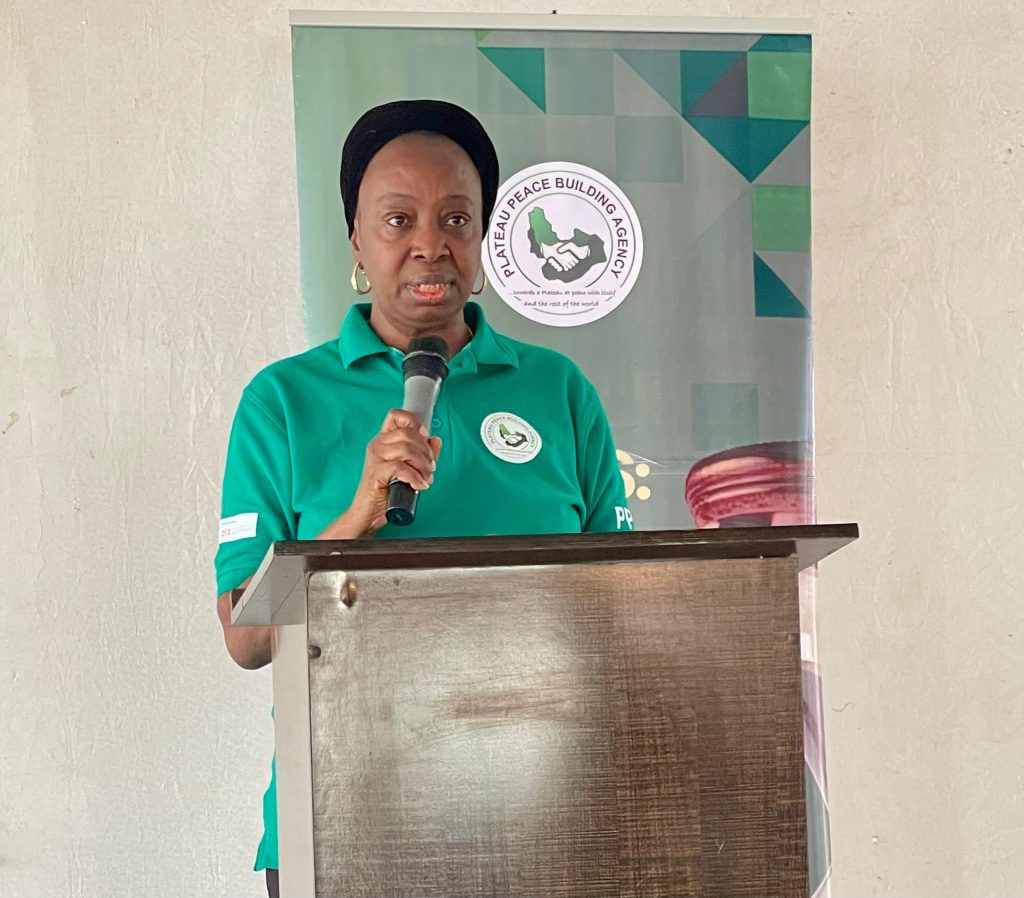
In her opening remarks, the Director General of PSPBA, Dr. Julie Sanda described the agency’s establishment on February 2, 2016, as a decisive shift from reactive crisis management to a structured, preventive, and coordinated peacebuilding framework.
Sanda paid tribute to government actors, civil society leaders, and community peacebuilders who laid the foundation for institutionalized peacebuilding in the state. She noted that over the past 10 years, the agency has strengthened dialogue platforms, facilitated mediation processes, supported early warning systems, and actively engaged traditional rulers, faith leaders, women, youth, and vulnerable populations.
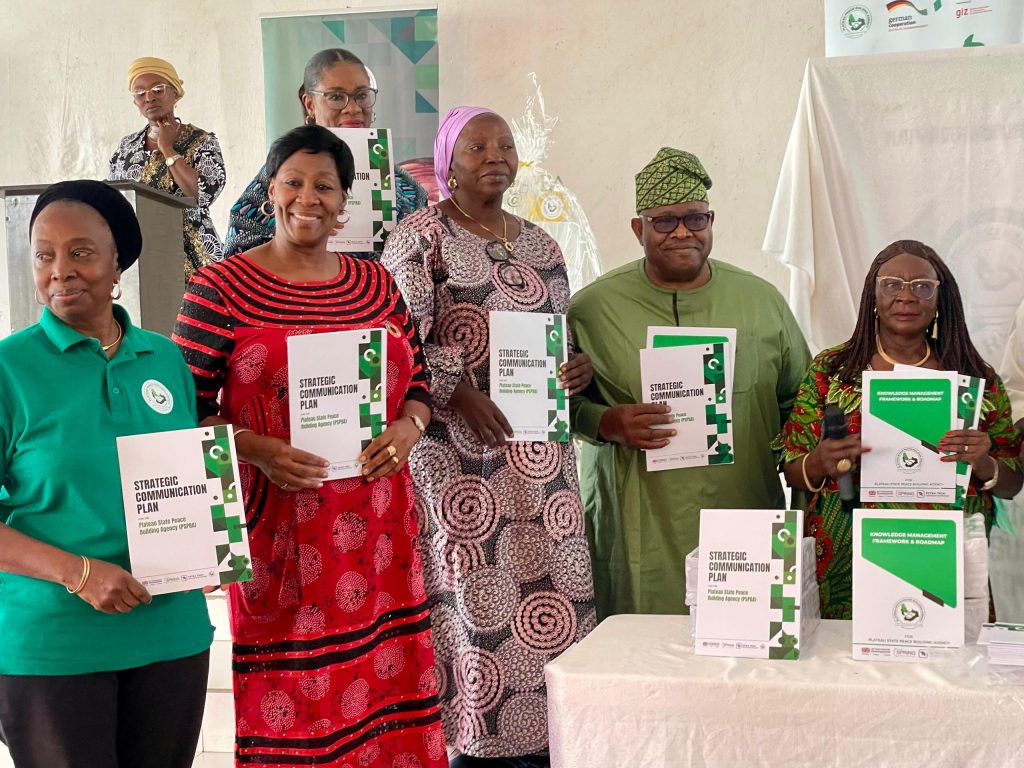
Highlighting key initiatives, she pointed to investments in youth engagement through the Generation Peace programme and the rollout of strategic peace messaging across communities. She also emphasized the importance of knowledge management, research partnerships, and evidence-based policy formulation in sustaining peace gains.
Sanda acknowledged ongoing concerns surrounding the resettlement of displaced persons and stressed that sustainable peace requires collaborative action, data-driven decisions, and a generational commitment that transcends political cycles.
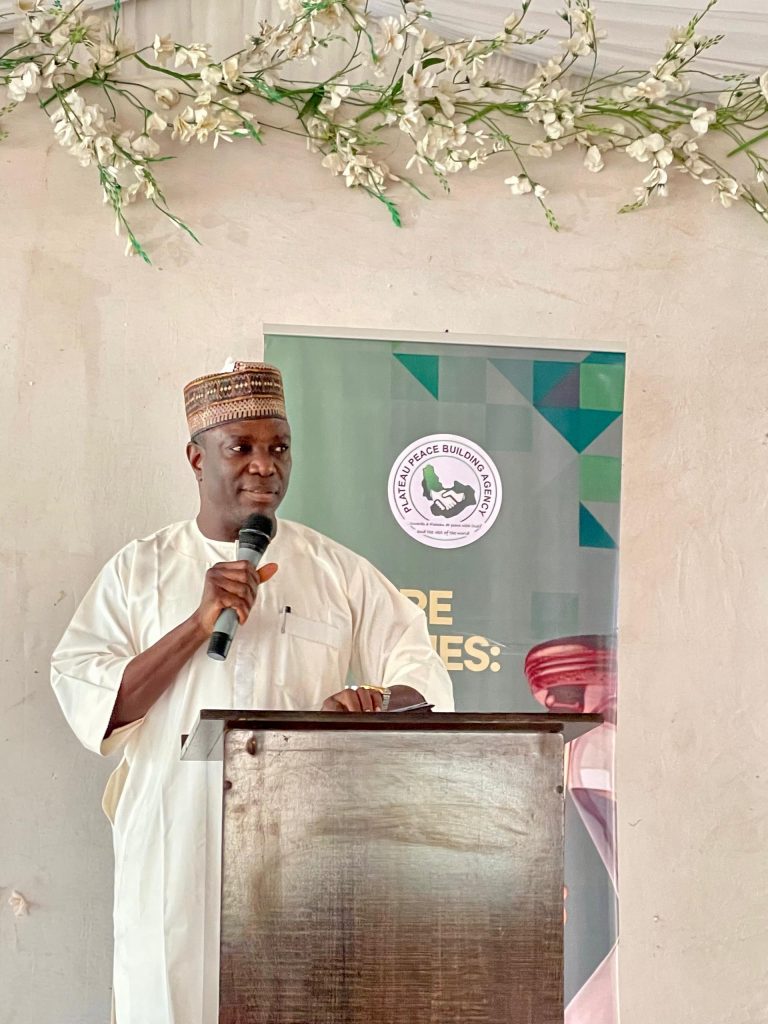
Delivering the keynote address, Special Envoy to Governor on Peace and Security, Prof. Chris Kwaja reflected on the 2016 vision that birthed the agency. He described it as a strategic departure from crisis response toward proactive and institutionalized peacebuilding.
Kwaja stressed that strong institutions outlive individuals and must be continuously strengthened to preserve lessons, institutional memory, and continuity. He advocated predictable funding, institutional independence, and insulation from partisan politics to safeguard the agency’s credibility.
“All conflicts are local,” he noted, urging deeper collaboration with grassroots actors to ensure community-driven solutions. He further called for bridging governance, security, and justice pillars to promote professionalism and fairness, adding that sustainable peace requires justice, inclusive leadership, research-based policy, and institutions that serve all citizens beyond political interests.
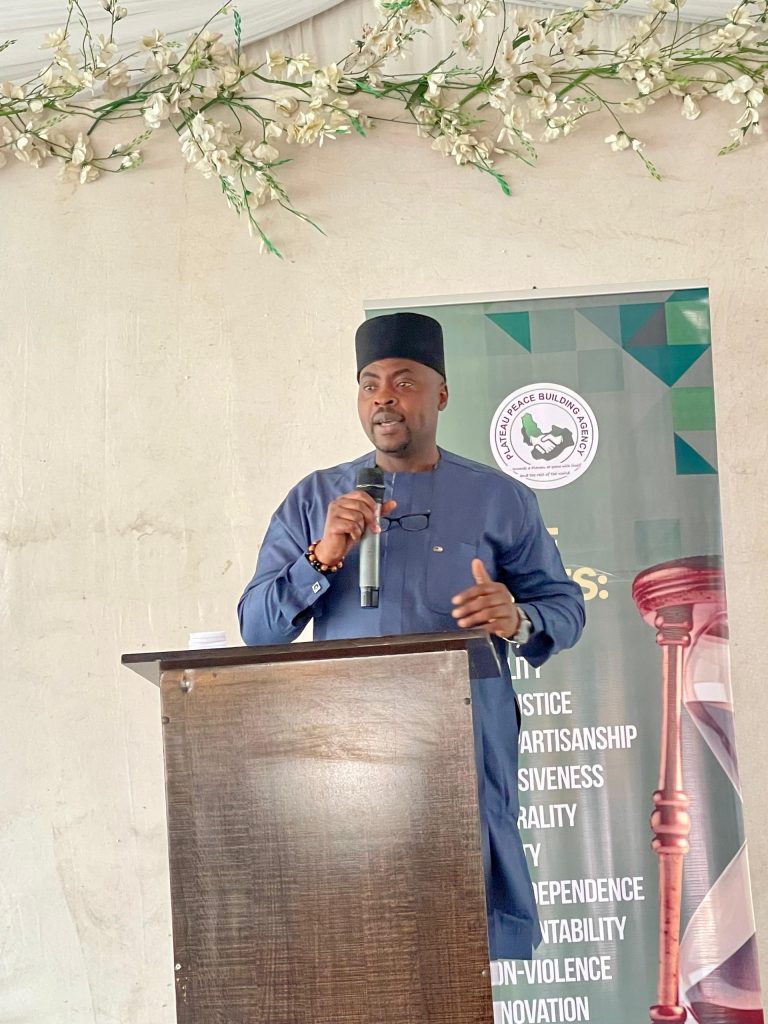
The President of the Plateau Peace Practitioners Network (PPPN), Nanman Bali congratulated the agency on its milestone anniversary, describing PPPN as a “midwife” in its birth. He acknowledged the founding members and peace actors who laid the groundwork for institutionalized peacebuilding and commended PSPBA’s grassroots structures across local government areas. Bali called for stronger collaboration among partners to deepen impact and sustain peace in Plateau.
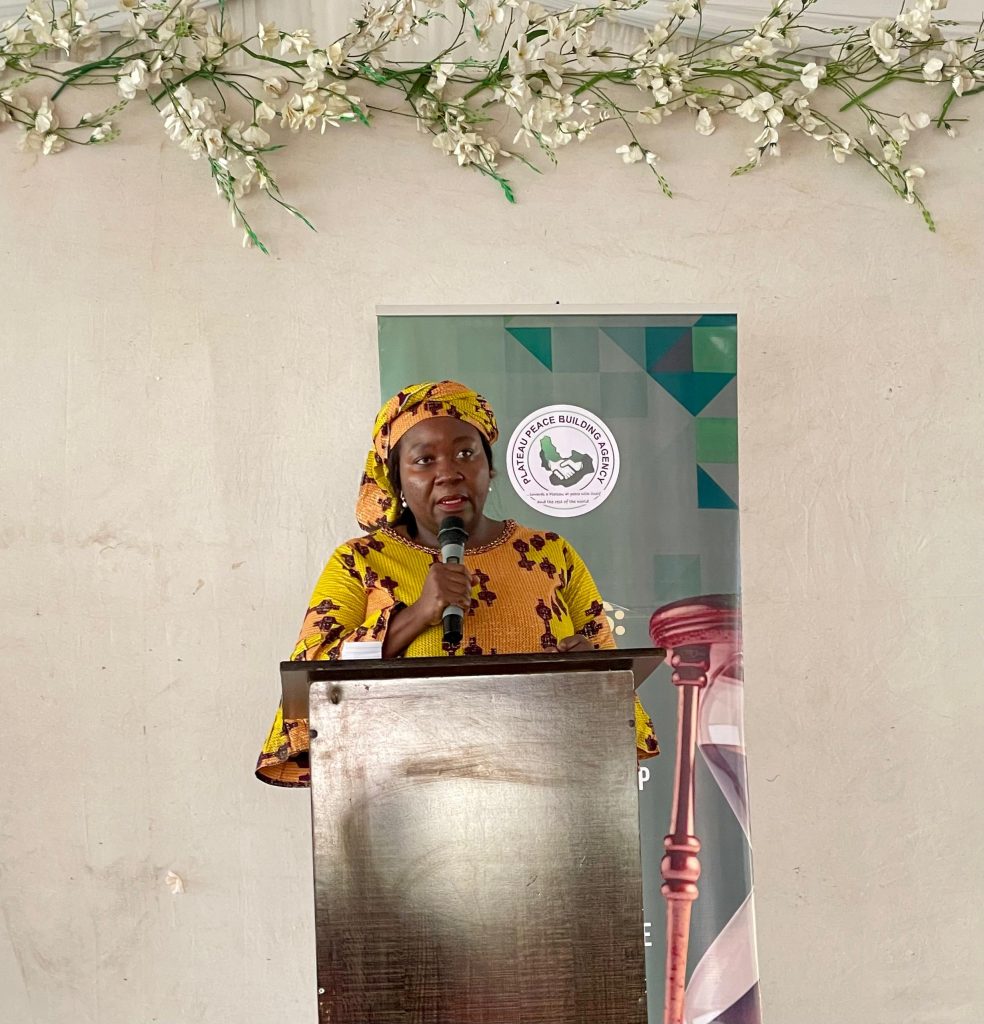
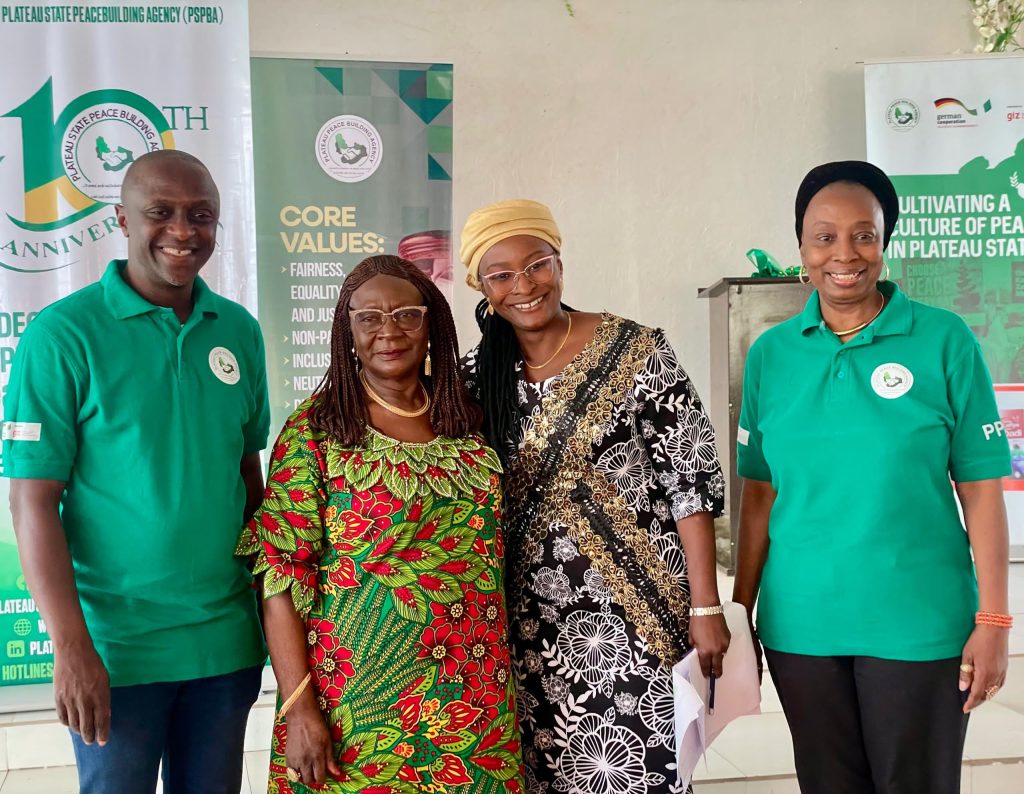
Speaking on behalf of GIZ, Suzan Gokup congratulated the agency for its impactful work in conflict prevention and resolution. She praised the leadership of Sanda and highlighted the agency’s collaboration with traditional, religious, civil society, and international partners. Gokup reaffirmed GIZ’s commitment to supporting peace and sustainable development initiatives in Plateau and Nigeria.
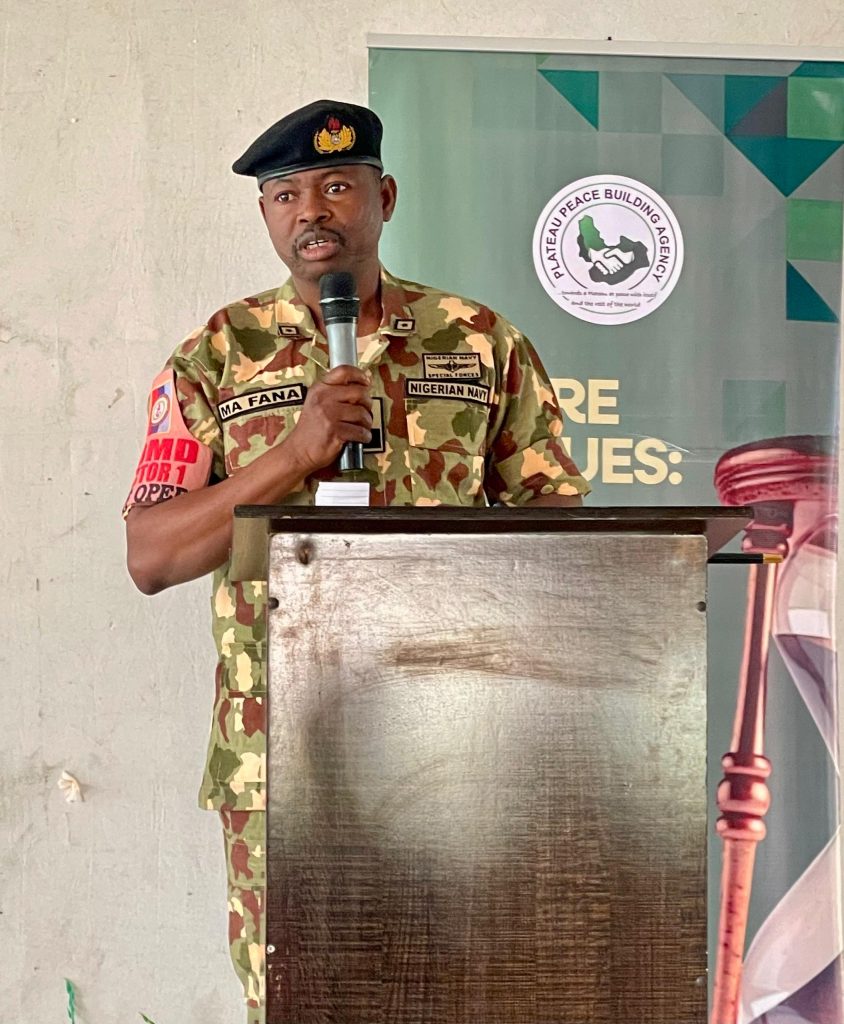
Representing the Commander Operation Enduring Peace (OPEP), M. A. Fana, Commander Sector 1, commended PSPBA’s leadership and grassroots engagement. He emphasized the importance of stronger integration between security agencies and peace actors, noting that professionalism and inclusivity are critical to overcoming divisions and strengthening unity.
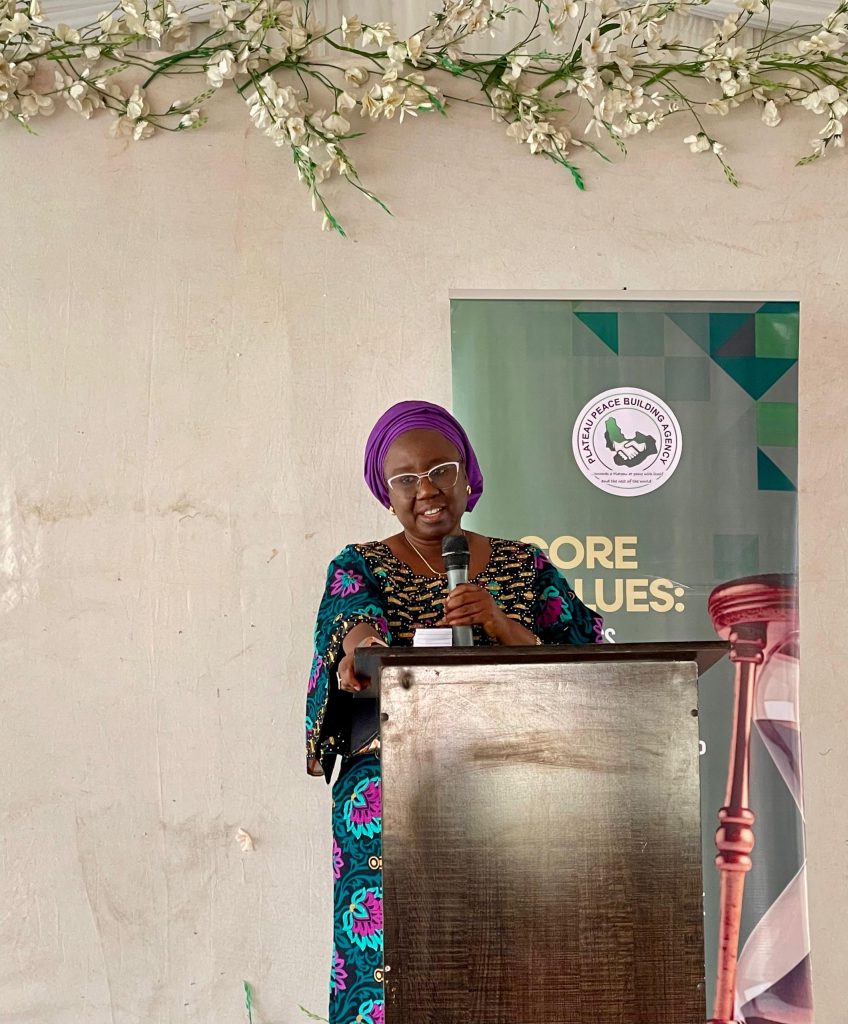
Also speaking, NGOs Coordinator Mrs. Helen Haggai recalled that before 2016, civil society organizations operated independently in the peace space. She said the establishment of PSPBA strengthened collaboration between civil society and government, demonstrating serious political will toward peacebuilding. She advocated increased funding and deeper partnerships to sustain progress.
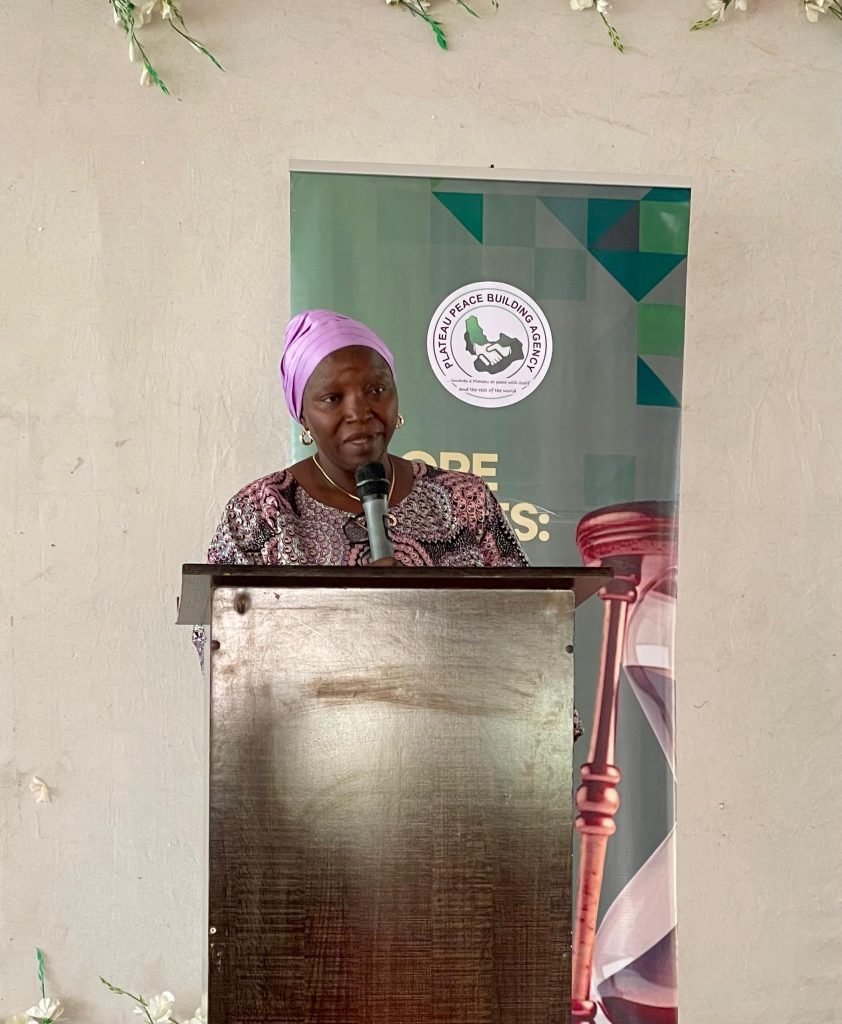
Barr. Olivia Dazyam, Special Adviser to the Governor on Gender and Acting Chairperson of the Plateau State Gender and Equal Opportunities Commission, praised the agency’s commitment to gender inclusion. She highlighted ongoing challenges such as reintegration and human trafficking, urging continued collaboration to protect vulnerable groups.
As the agency marks a decade of structured peacebuilding, stakeholders agreed that the next phase will require stronger institutions, inclusive leadership, and sustained partnerships to secure lasting peace in Plateau State.