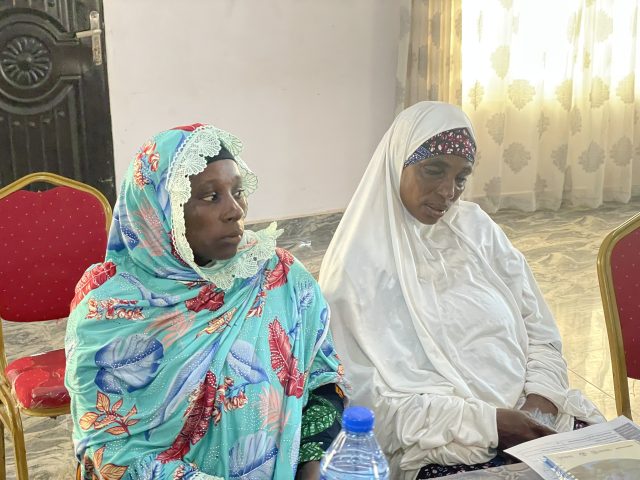
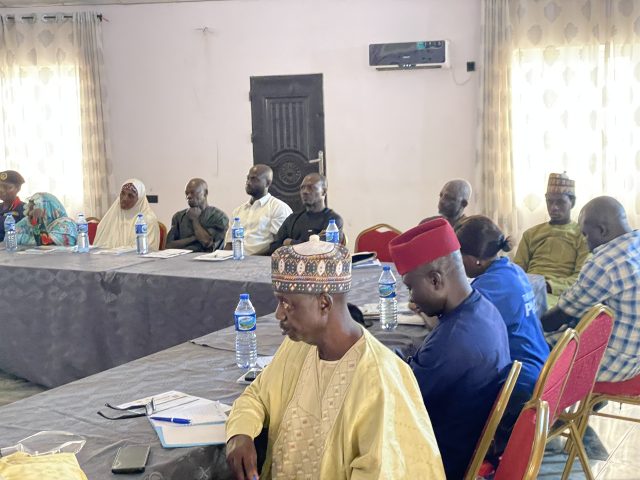
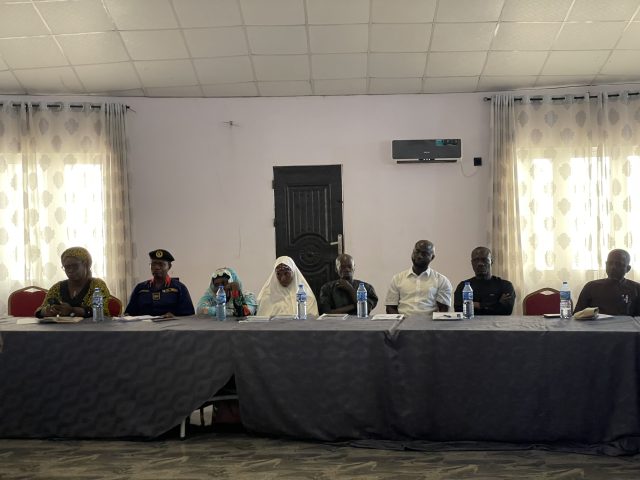
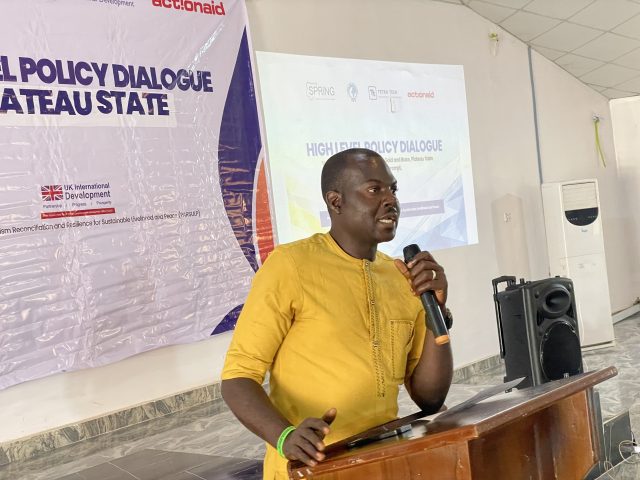
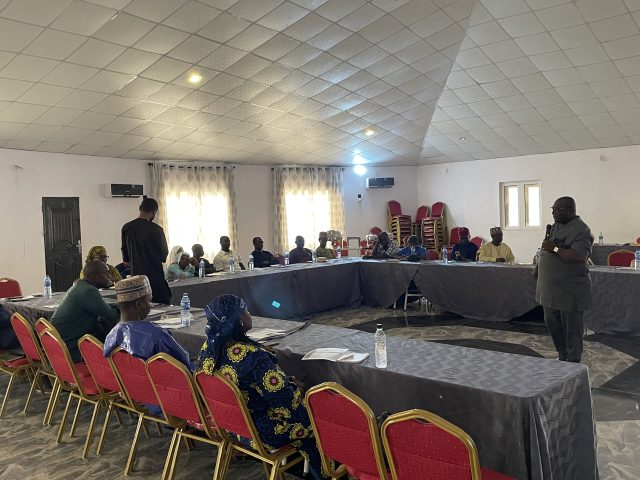
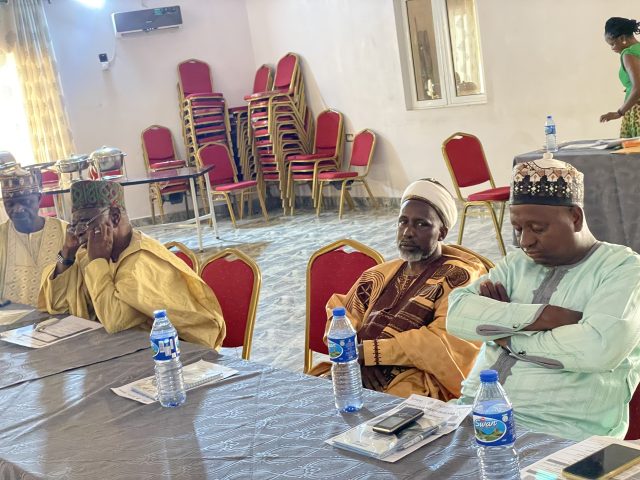
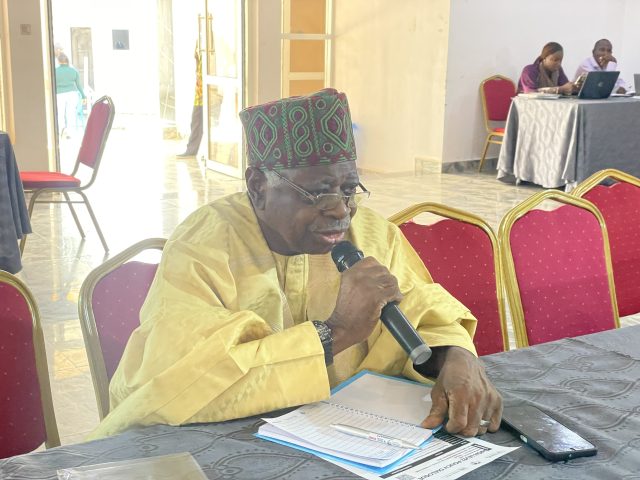
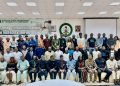
Jos, Plateau State — November 28, 2025: Global Peace Development (GPD), with support from SPRiNG, Tetra Tech International Development, and ActionAid, has convened a major High-Level Policy Dialogue in Jos aimed at strengthening community resilience, improving local governance, and advancing sustainable peace across conflict-affected communities in Nigeria.
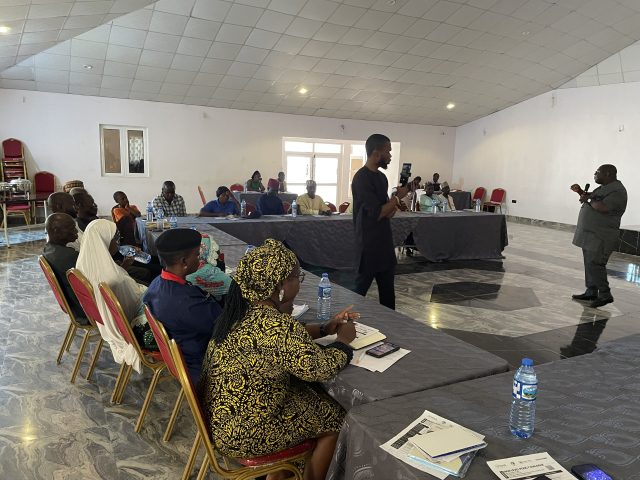
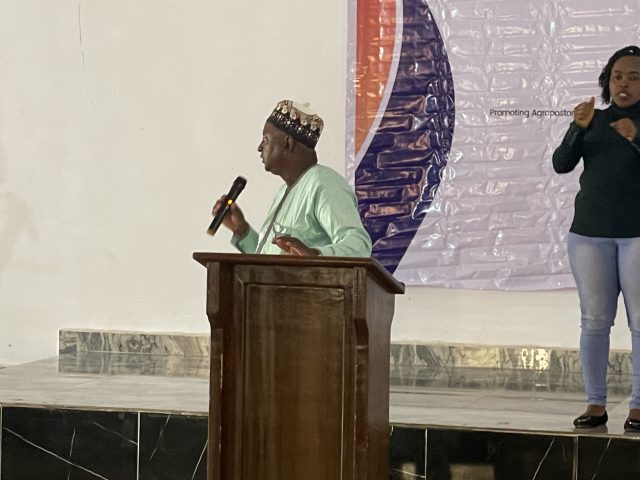
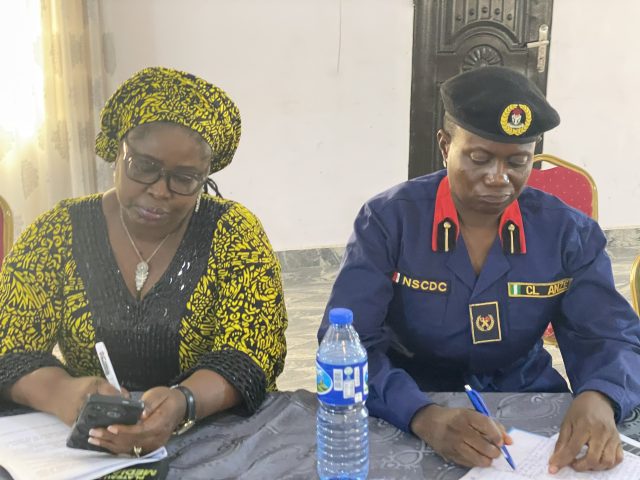
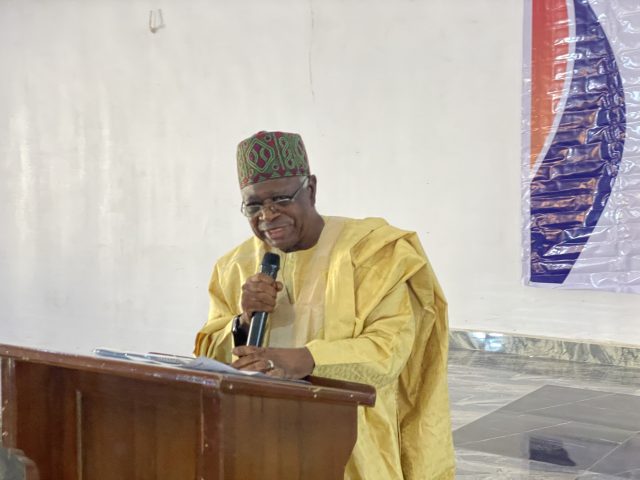
Held at Villa Grande, the forum brought together traditional rulers, district heads, government representatives, community stakeholders, security agencies, and civil society actors to deliberate on long-term strategies for stability across Plateau State and the wider North Central region.
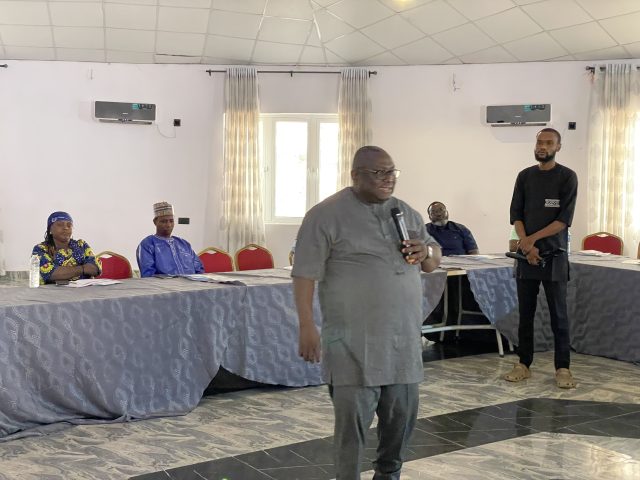
Welcoming participants, GPD’s Project Director, Ebruke Esike, outlined the objectives of the PASO Project implemented in Benue, Plateau, Katsina, and Kaduna—states with histories of protracted conflict shaped by land-use disputes, identity tensions, and heritage struggles. He emphasized that sustainable peace must be intentional, rooted in clarity, shared responsibility, and institutional collaboration.
“A problem clearly defined is already half solved,” Esike stated, noting visible improvements in inter-community relations across Plateau and neighboring states as early signs of recovery.
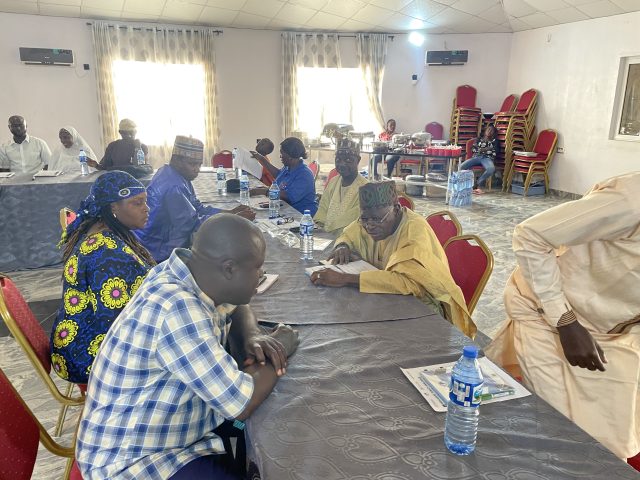
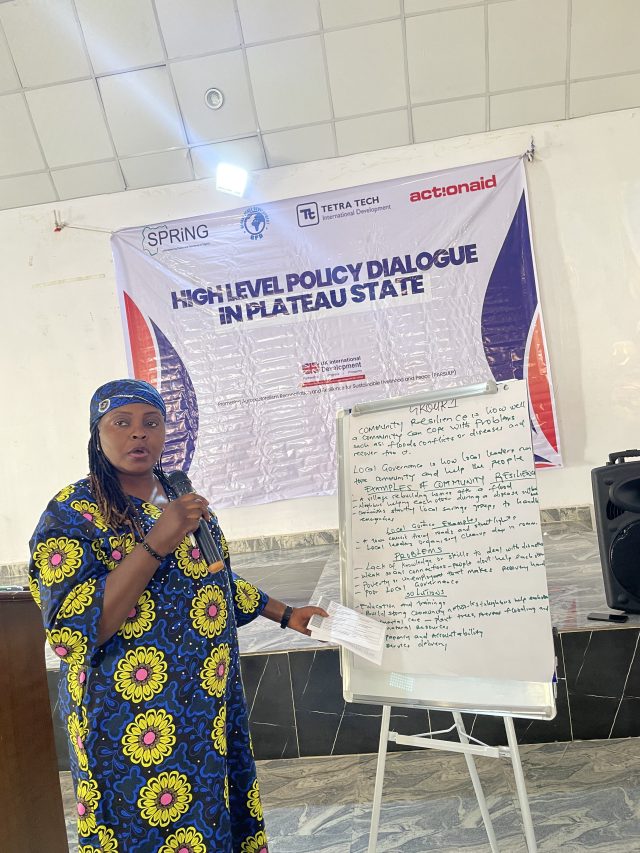
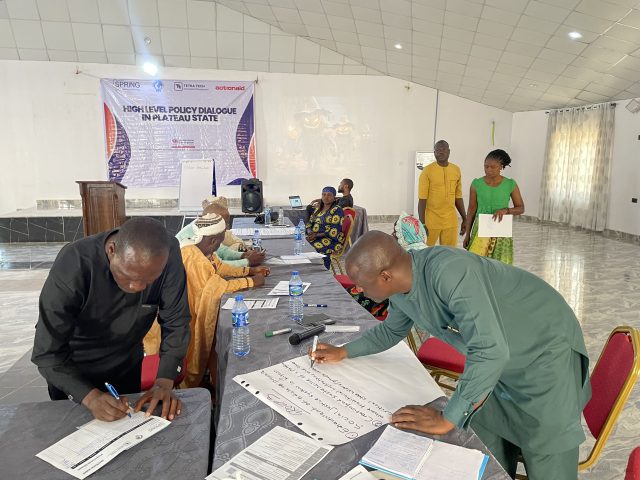
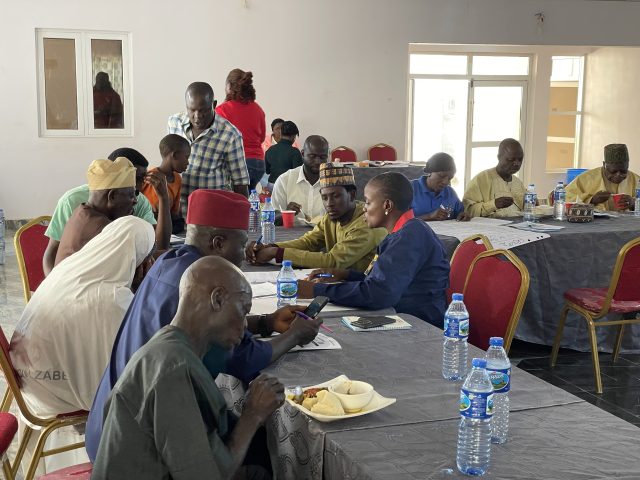
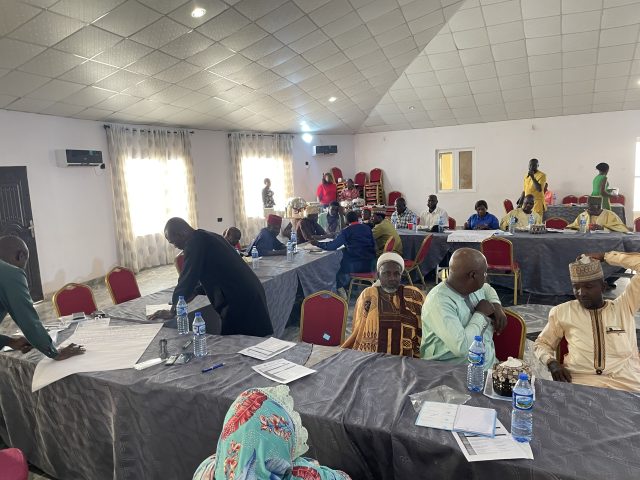
Participants were divided into four thematic groups focusing on pragmatic solutions tailored to local realities:
1. Community Resilience
2. Local Governance and Inclusive Participation
3. Policy and Institutional Pathways for Sustainable Peace
4. Collaborative Early Warning and Response Mechanisms
Across the groups, key insights emerged, including strengthening mediation teams and local peace committees, improving coordination among traditional institutions, youth and women groups, rebuilding trust between communities and security agencies, and sustaining inter-group dialogue in Jos South, Barkin Ladi, Riyom, and other LGAs.
Each group presented actionable recommendations during the plenary session.
Goodwill messages delivered by representatives of key institutions carried a unified message—peace must be deliberate.
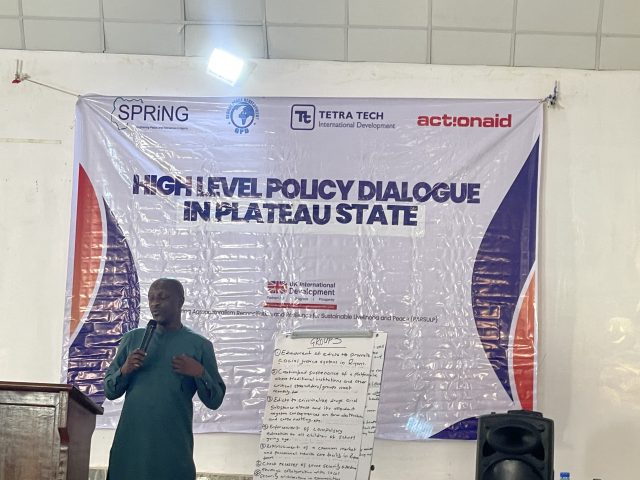
Mr. Kenneth Dakop, Plateau Peace Building Agency, urged communities to shift from recounting grievances to implementing workable solutions.
A representative of the Ministry of Livestock & Animal Production underscored the importance of structured and continuous engagement between farmers and pastoralists.
Local government and community leaders encouraged participants to return home with concrete steps for conflict prevention and cooperation.
A major segment of the dialogue focused on governance gaps and institutional reforms required to support sustainable peace. Recommendations included:
Clearer, fairer land-use and grazing policies
Stronger coordination between state agencies, LGAs, and security forces
Expanded early-warning systems in conflict-prone communities
Strengthened traditional dispute-resolution structures
Stakeholders agreed that community peacebuilding must be supported by responsive, well-coordinated institutions at state and federal levels.
In his closing remarks, Esike commended stakeholders for their participation and called for immediate action across communities:
“Let us not return to the cycle of lamentation. Every community in Plateau State can take action. Peace is our collective responsibility.”
He also expressed gratitude to SPRiNG, Tetra Tech International Development, and ActionAid for their continued support.
The High-Level Policy Dialogue concluded with renewed commitment from community leaders, government actors, and development partners. With strengthened partnerships and actionable recommendations, GPD aims to deepen reconciliation, reinforce community resilience, and advance long-term peace under the PASO Project.