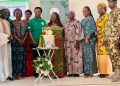
Stakeholders in the Marine and Blue Economy sector gathered in Abuja to validate the National Fisheries and Aquaculture Policy (2025-2029), a strategic framework designed to revolutionize Nigeria’s fisheries and aquaculture industry.
Prof. Anthony Onoja, the Team Lead of the Policy Writing Committee, unveiled the policy’s three core objectives during the event:
1. Sustainable Development: Promoting fisheries and aquaculture to enhance nutrition and food security.
2. Resource Optimization: Achieving self-sufficiency, climate resilience, and environmental sustainability in fish production through efficient resource utilization.
3. Economic Empowerment: Providing inclusive livelihoods, creating wealth, and reducing poverty nationwide.

Prof. Onoja, a renowned scholar, Professor Extraordinarius at the University of South Africa, and President of the Agricultural Policy Research Network (APRNet), emphasized the policy’s focus on sustainable growth and resilience.
Declaring the event open, the Honorable Minister for Marine and Blue Economy, Mr. Adegboyega Oyetola, commended the collaborative effort behind the policy. He highlighted its significance in ensuring food security and sustainability.
“The primary goal of this policy is to enhance sustainability in fisheries and aquaculture production in Nigeria, ensuring a reliable supply of nutritious food for our growing population,” Minister Oyetola stated.
A key ambition of the policy is to boost aquaculture production by approximately one million metric tons within the next five years, solidifying Nigeria’s position as a leader in sustainable fisheries.
The policy, funded by the CGIAR Initiative on Aquatic Food Systems in partnership with the Nigerian government, is a collaborative effort involving the International Food Policy Research Institute, the Federal Ministry of Marine and Blue Economy, and the Federal Ministry of Agriculture and Food Security, with Prof. Onoja leading the drafting process.