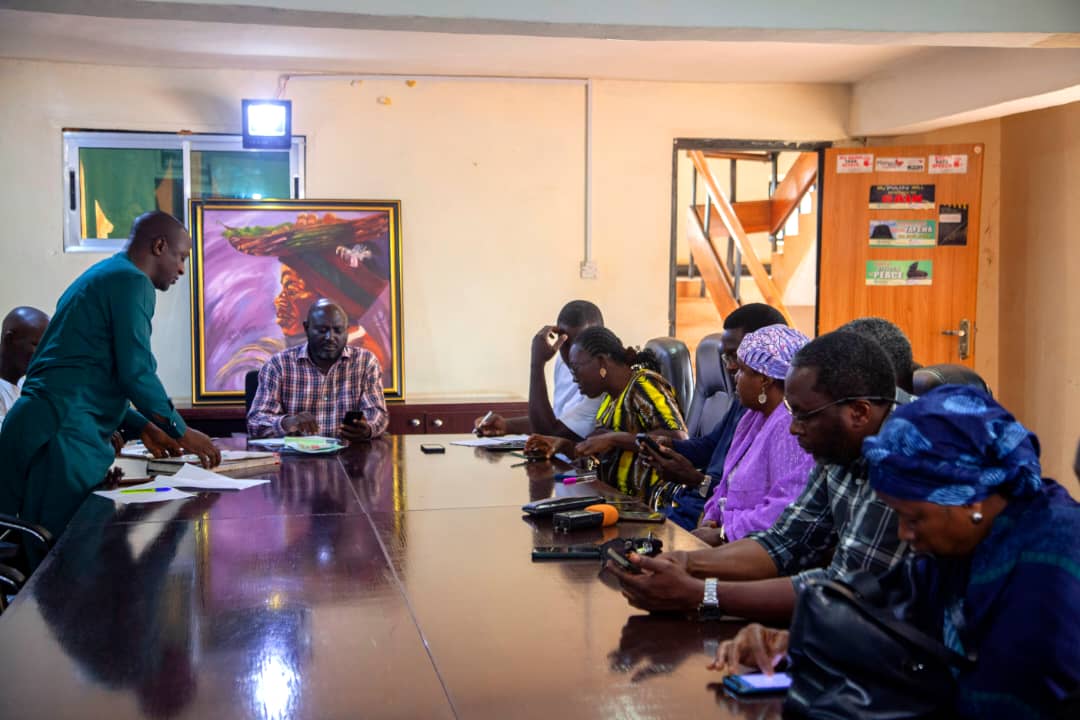
Posted on — Leave a comment

Plateau Peace Architecture Forum Pushes for Coordinated Action Toward Lasting Peace

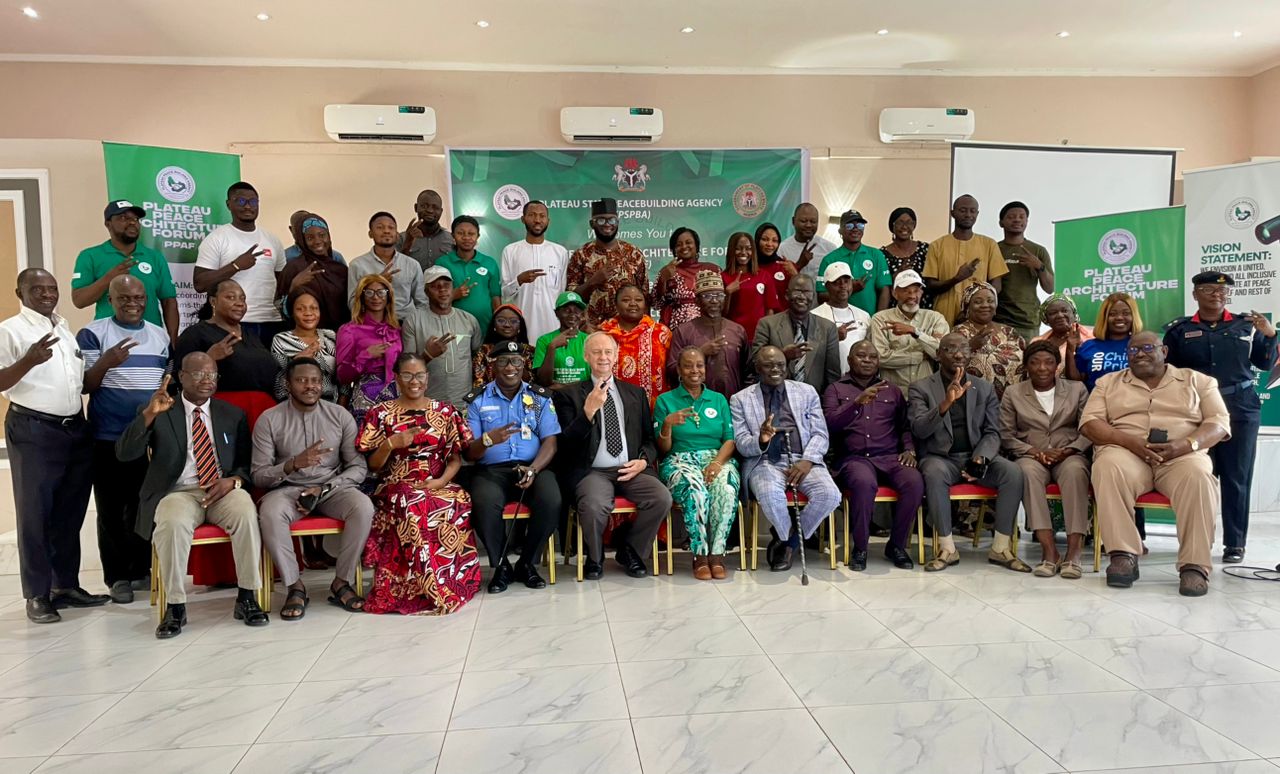
Jos, Plateau State — October 30, 2025 — The Plateau State Peace Building Agency (PSPBA) has reaffirmed its commitment to driving a coordinated and sustainable peace agenda through the integration of humanitarian, development, and peace efforts across Plateau State. This came to the fore during the Plateau Peace Architecture Forum (PPAF) held at FOX Hotels, Jos, which brought together policymakers, peace practitioners, humanitarian actors, and development partners in a collective push for a more resilient and peaceful Plateau.

The forum, themed “Integrating the Humanitarian-Development-Peace (HDP) Nexus for Sustainable Impact in Plateau State,” served as a platform to enhance coordination mechanisms, share lessons, and forge strategic partnerships among key peace and development stakeholders.

Declaring the event open, Dr. Julie G. Sanda, Director General of the Plateau Peace Building Agency, underscored the agency’s mandate in coordinating peacebuilding efforts that respond to real-time community needs. She emphasized that peace cannot be sustained without integrating social and economic recovery efforts, adding that the HDP framework offers a holistic model for addressing post-conflict realities across the state.

“Peace cannot thrive in isolation from development and humanitarian action,” Dr. Sanda stated. “For Plateau to remain at peace with itself and with others, we must pursue deliberate partnerships that connect trauma healing, livelihood restoration, education recovery, and resilience building.”

In her presentation titled “Reflections from the September HDP Nexus Workshop Proceedings – Lessons and Highlights,” Dr. Sanda explained that the agency’s coordination role extends beyond peace mediation to include collaboration with partners in education, child protection, emergency management, and the SDGs. She reiterated that true peacebuilding requires cross-sectoral synergy that empowers communities to recover and sustain long-term development.

Delivering goodwill messages, Hon. Sam Godong, Director General of the Research Directorate in the Plateau State Government House, described the forum as a timely intervention aligned with the state’s broader governance agenda for peace, security, and development. Similarly, Dr. Tanko Davit of the National Institute for Policy and Strategic Studies (NIPSS) commended PPBA’s leadership, noting that the Plateau peace model is now influencing similar peace initiatives in neighboring Nasarawa State.

Also speaking, Mr. Brandon Fantis from the Centre for Humanitarian Dialogue (CHD) praised the agency’s coordination efforts and called for stronger collaboration among humanitarian and development actors. He noted that joint learning and partnerships are essential for sustaining peace dividends.

Representing the House Committee on Labour and Security, Mr. Mafeng Bot, who stood in for Hon. Joe Bukar, lauded PSPBA’s proactive role in convening the dialogue and urged continuous synergy among stakeholders to build durable peace and inclusive growth.

In his remarks, Nanman Bali, President of the Plateau Peace Practitioners Network, highlighted the forum as a groundbreaking platform linking humanitarian work with peacebuilding. He noted that the engagement created an avenue for practitioners to exchange ideas, share experiences, and strengthen multi-sectoral coordination for sustainable impact.

A keynote address delivered by Mr. John Danboyi of the Peace Training Centre on the topic “Operationalising the HDP Nexus in Plateau State: Pathways and Possibilities,” emphasized the importance of people-centered approaches and institutional collaboration. According to him, sustainable peace requires inclusive governance, resilient communities, and consistent investment in peace-supportive development initiatives.

The forum also featured a panel session moderated by Mr. Nantip, focusing on “Integrating the HDP Nexus into Programme Design and Implementation.” Panelists drawn from PLASEMA, NRC, JDPC, CRADI, the SDGs Office, and the Child Protection Network discussed strategies to enhance coordination among HDP actors. They underscored the need for stronger community engagement, transparency, and measurable results in project delivery to ensure that interventions directly address the root causes of conflict and vulnerability.

Participants further engaged in fish-bowl breakout sessions around three key thematic areas: Displacement, Shelter & Host Communities; Food Security, Livelihood & Nutrition; and Education in Emergencies & Peace-Humanitarian Nexus. Discussions revealed challenges such as high school drop-out rates, inadequate learning facilities, overstretched host communities, and declining agricultural productivity — all linked to conflict and climate-related shocks.

Stakeholders recommended increased education funding, enhanced teacher welfare, and community-based support systems for displaced persons. They also called for livelihood empowerment initiatives to strengthen food systems and restore sustainable learning and housing solutions.

In conclusion, participants collectively reaffirmed their commitment to deepening collaboration and operationalizing the HDP Nexus as a practical roadmap for sustainable peace, resilience, and inclusive development in Plateau State.

The Plateau Peace Architecture Forum (PPAF) stands as a testament to PSPBA’s leadership in promoting an integrated approach to peacebuilding — one that bridges humanitarian response, development recovery, and enduring peace for the prosperity of Plateau’s communities.

Posted on — Leave a comment

Plateau HDP Nexus Workshop Prioritizes Psychosocial Support for Conflict-Affected Children

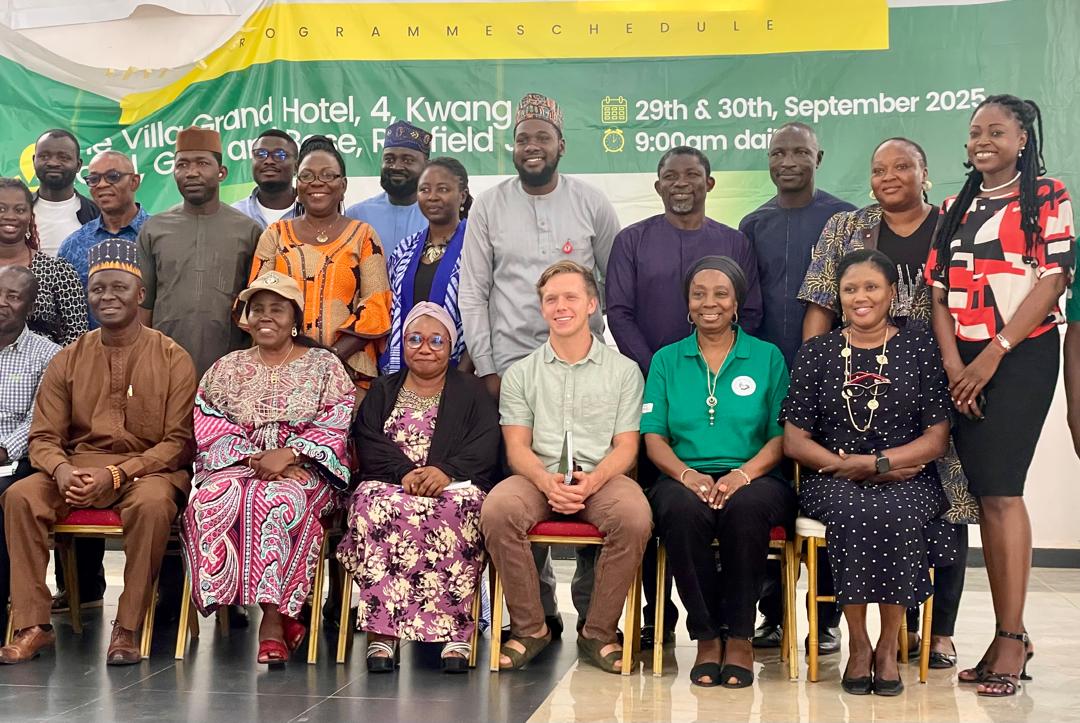
Jos, Plateau State – The Plateau Peace Building Agency (PPBA), with sponsorship and support from the Economic Community of West African States (ECOWAS), the European Union (EU), the German Development Cooperation (GIZ), and the Federal Ministry of Humanitarian Affairs, organized a two-day Workshop on the Humanitarian-Development-Peace (HDP) Nexus and Children Affected by Armed Conflict. The event, which ended on September 30, 2025, at Villa Grande Hotel, Jos, brought together government officials, civil society organizations, and experts to explore trauma healing, psychosocial support, and sustainable recovery for children affected by violence.

The second day of the workshop featured a thought-provoking panel session led by psychologists, therapists, child protection advocates, and field officers who shared practical strategies to address the deep psychological scars of conflict. Moderated by Dr. Fatima Suleiman, the session encouraged interactive dialogue with participants, focusing on tools and approaches to rebuild the emotional stability of vulnerable children.

Speaking at the event, Dr. Julie G. Sanda, Director General of the PPBA, described the workshop as a landmark achievement, noting it was the first of its kind in Nigeria. She stressed that hosting ECOWAS at a subnational level was unprecedented, requiring authorization from the Federal Ministry of Humanitarian Affairs and the Ministry of Foreign Affairs. Dr. Sanda explained that the workshop demonstrates the importance of integrating humanitarian response, development, and peacebuilding, which are often pursued separately. She said the PSPBA has established a coordination team to deepen collaboration with GIZ, ECOWAS, and other partners. “This workshop shows that collaboration across government and civil society is the key to peacebuilding, and our priority is to expand focus on vulnerable groups, especially children affected by conflict,” she said.

In her remarks, Dr. Sintiki Tarfa Ugbe, Director of Humanitarian and Social Affairs at the ECOWAS Commission, reaffirmed the organization’s support for Plateau under ECOWAS Vision 2050 for peace and prosperity. She acknowledged the resilience of Plateau communities despite years of recurring conflict and emphasized that peace cannot succeed without addressing food, education, healthcare, and psychosocial needs. Dr. Ugbe further revealed ECOWAS’ commitment of ₦26 million for education and psychosocial programs for children “Peacebuilding cannot succeed if basic needs remain unmet. Our support is designed to restore hope, dignity, and resilience among Plateau’s most vulnerable communities,” she stated.

Lami Gidado, President of the Association of Play Therapy in Nigeria, emphasized the need for early intervention to prevent long-term trauma in children. She explained that play therapy offers children an outlet to process their experiences and heal, just as adults rely on conversation. “Even infants can carry trauma. Early recognition and treatment are critical, and play therapy ensures children are seen, heard, and supported in their healing journey,” Gidado said.

For her part, Nene Dung, Director of Media at the Plateau State Gender and Equal Opportunities Commission, highlighted the importance of collaboration in addressing the plight of displaced children. She urged that beyond data collection, urgent relief and safe housing should be prioritized. “We must work together to provide structured care and safe spaces for displaced children. This is the only way to restore dignity and stability to affected communities,” she stressed.

The workshop concluded with stakeholders reaffirming their collective commitment to integrate humanitarian aid, development programs, and peacebuilding efforts into one holistic framework. Participants agreed that prioritizing children’s needs, strengthening partnerships, and scaling psychosocial support are crucial steps toward sustainable peace and recovery in Plateau State.

Posted on — Leave a comment

Plateau Peace Building Agency Hosts Appreciative Inquiry Workshop on Peace

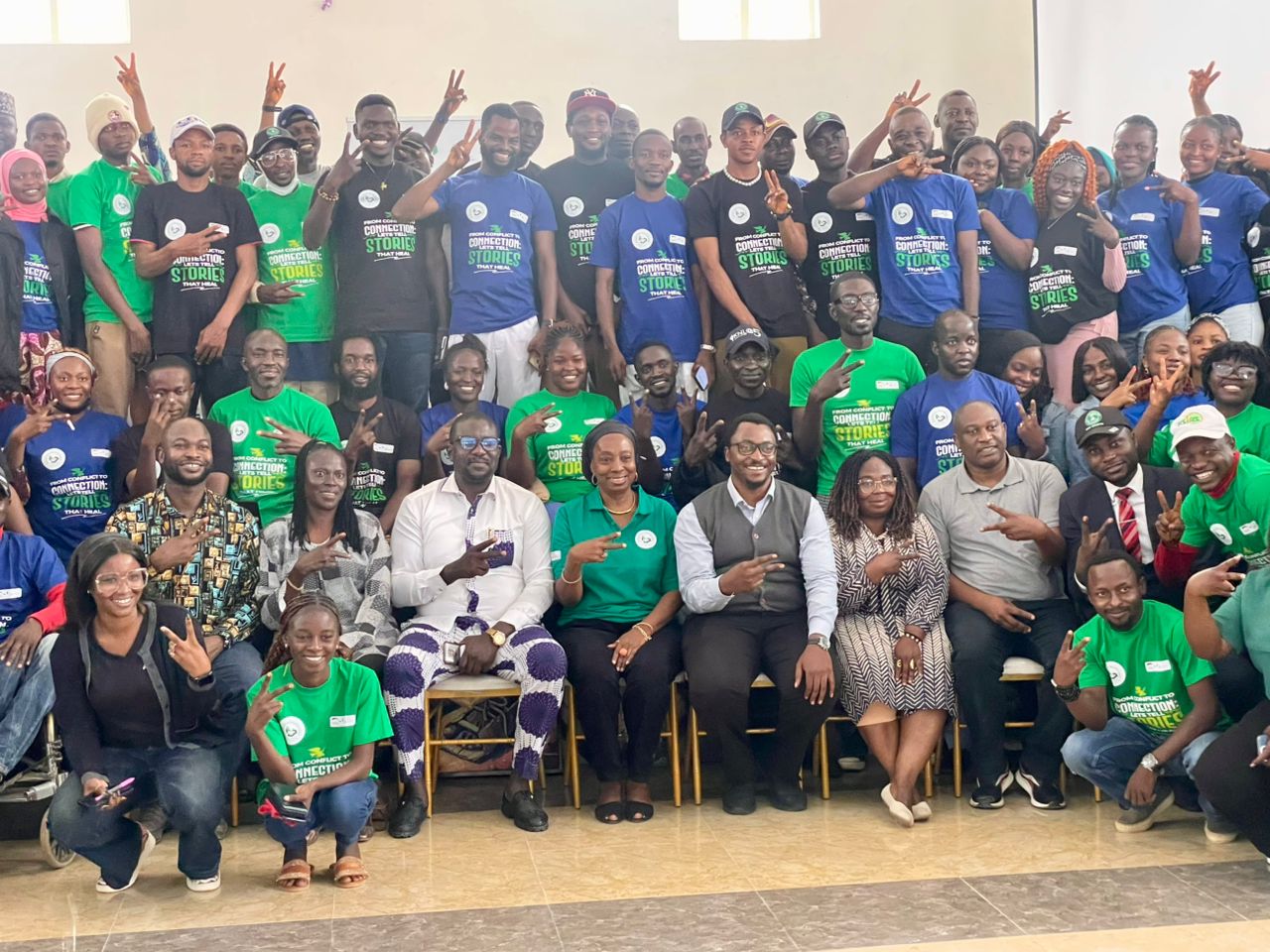
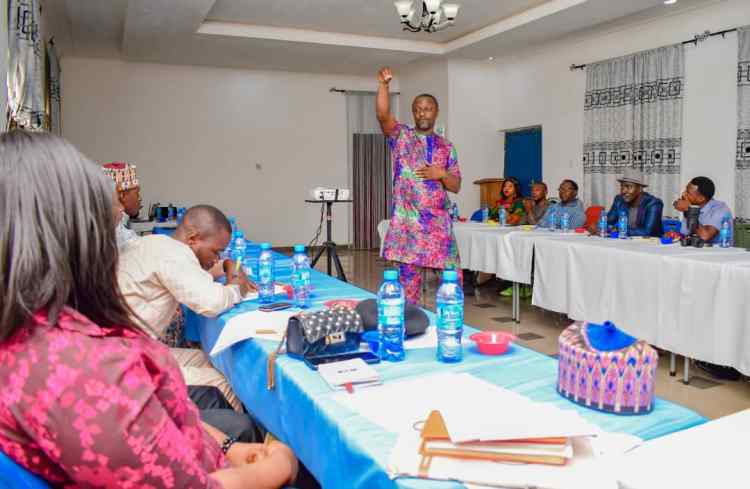
As part of activities marking the 2025 International Day of Peace, the Plateau Peace Building Agency (PSPBA), in collaboration with the GIZ Peacecore II Project and other stakeholders, organized an Appreciative Inquiry Workshop in Jos with the theme “Act Now, Speak Peace: Positive Methods for Old Times.” The event brought together peacebuilders, youth leaders, media practitioners, government officials, and civil society representatives to explore how digital storytelling, innovation, and social media can sustain peace.

Welcoming participants, Elkanah Izam, Director of Administration at PSPBA, represented the Director General, Dr. Julie G. Sanda. He highlighted the workshop as part of a broader “Month of Peace” initiative, which included community advocacy, youth events, environmental campaigns, and cultural exhibitions. Izam urged participants to embrace the opportunity, stressing that their contributions were crucial to lasting peace in Plateau State and beyond.

In her remarks, Suzan Gopuk, Senior Adviser with GIZ Peacecore II, applauded the collaborative spirit of the engagement. She acknowledged support from the German Federal Ministry of Economic Cooperation and Development, encouraging participants to channel creativity and collective energy toward amplifying positive change and fostering inclusive dialogue.

Representing young voices, Plateau Youth Council Chairman (Jos North), Paul Stephen Mancha, called on youths to resist manipulation by violent actors. He emphasized condemning evil without ethnic or religious bias, commending PPBA and GIZ for prioritizing youth inclusion. Mancha also encouraged networking and collaboration among participants as vital tools for peace advocacy.

Closing the workshop, PSPBA DG Dr. Julie G. Sanda expressed delight with the outcomes, underscoring the potential of young people to responsibly use social media for positive impact. She emphasized that small local efforts could eventually inspire global change.

The workshop featured insightful sessions from resource persons. Izam presented on “Appreciative Inquiry and Peacebuilding,” stressing the power of positive storytelling. Mathew Tegha, Chairman of Plateau Bloggers and Online Media Association, demonstrated how social media content can prevent conflict. Kenneth Dakop, PPBA’s Strategic Communication Lead, discussed responsible communication and the dangers of fake news. Tim Kunat of Discover Jos highlighted opportunities in combining creativity, entrepreneurship, and social campaigns, while the Center for Earth Works linked environmental justice to peacebuilding.

Interactive discussions allowed participants to exchange experiences, clarify concepts, and generate practical ideas for their communities.

In conclusion, the workshop not only celebrated the International Day of Peace but also deepened collaboration among peace actors. It highlighted the transformative role of digital platforms, storytelling, and youth engagement in building resilient, peaceful communities. Participants departed motivated and better equipped to champion peace within and beyond Plateau State.

Posted on — Leave a comment

Generation Peace Youth Camp 2025: Governor Mutfwang Calls on Youths to Rewrite Plateau’s Story with Peace

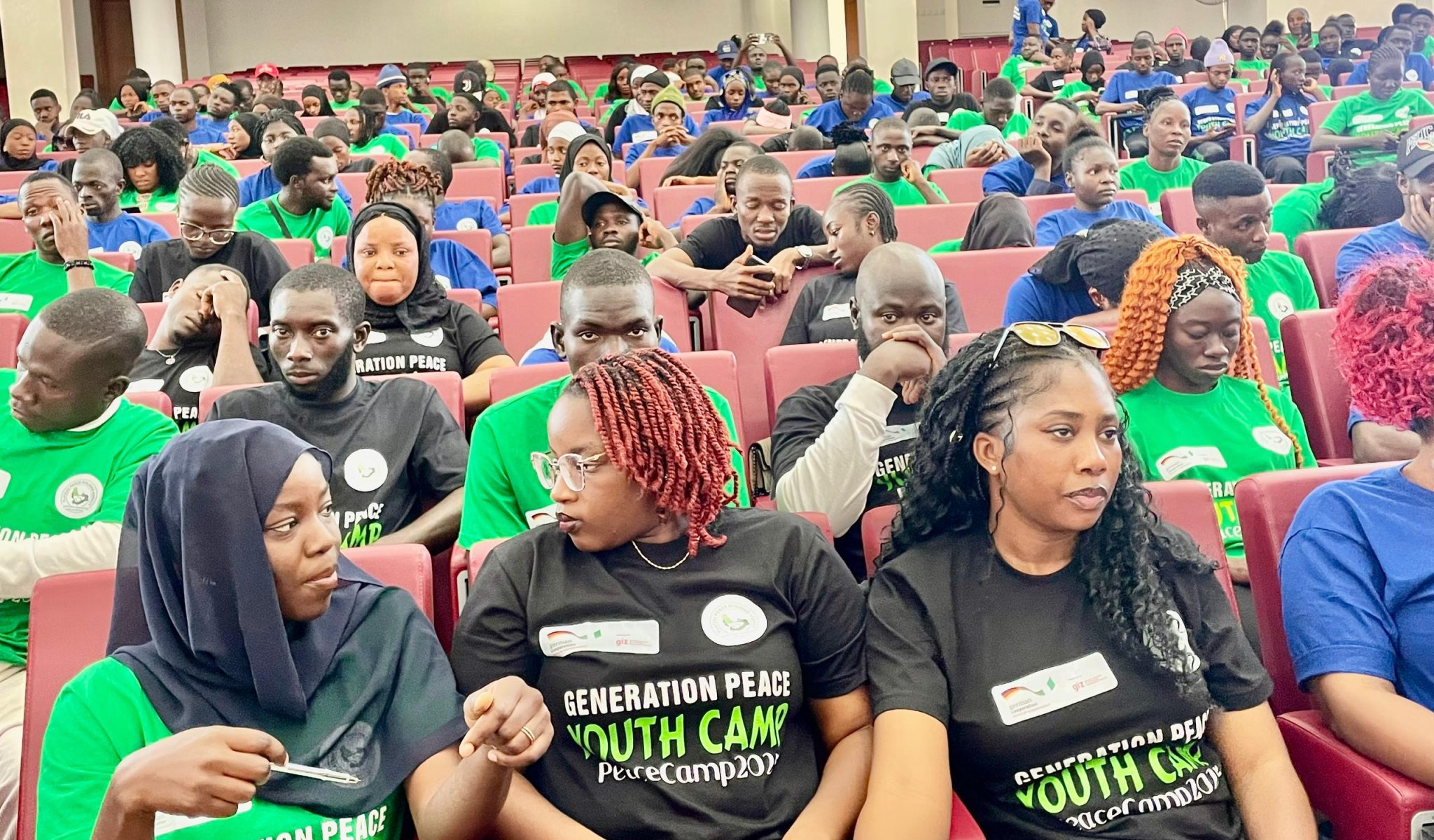
A renewed push for lasting peace and unity in Plateau State is underway as over 300 young people converge for the Generation Peace Youth Camp 2025, an initiative of the Plateau Peace Building Agency (PPBA) in collaboration with the Plateau State Government and international partners.

The week-long camp, taking place from September 7 to 14 at the Citizenship and Leadership Training Centre, has drawn 302 participants from all 17 local government areas of the state, with deliberate inclusion of flashpoint communities historically affected by conflict.

The program, which combines training in conflict resolution, dialogue, storytelling, sports, and community action planning, seeks to equip young people with practical tools for peacebuilding and social cohesion. Participants, aged between 18 and 30, are expected to return to their communities as ambassadors of peace, replicating the lessons learned during the camp.

At a special town hall meeting hosted at Government House, Little Rayfield, Governor Caleb Manasseh Mutfwang welcomed the participants, praising their courage and commitment to championing peace. He commended the PPBA and its partners for creating a platform that allows young people to directly engage with leadership while developing the skills to resolve conflict.

The governor acknowledged the painful history of violence that has scarred Plateau, lamenting that many youths had grown up in a climate of fear, suspicion, and hostility. He charged the participants to reject hatred and bitterness inherited from past conflicts and instead embrace a future defined by unity, compassion, and mutual respect.

“No religion or ethnicity is superior to the other,” Governor Mutfwang said. “Every human being is God’s most precious creation. We must choose peace, respect, and humanity over division and violence.”

He also decried the loss of compassion in society, where tragedies are often recorded rather than prevented, urging youths to break that culture by becoming protectors and promoters of human dignity. Beyond peacebuilding, he highlighted agriculture and innovation as key to unlocking Plateau’s prosperity, calling on participants to drive productivity and development alongside peace efforts.

“God’s plan for Plateau is one of good, not evil,” the governor emphasized. “Let us open a new chapter that will make Plateau a beacon of hope and prosperity.”

In her welcome address, Dr. Julie Sanda, Director General of the Plateau Peace Building Agency, reaffirmed the agency’s commitment to nurturing a generation of peace. She noted that the camp is deliberately focused on young people from conflict-prone areas, stressing that the future of Plateau lies in transforming its youths into symbols of unity and resilience.

“Our goal is to ensure that this generation, once associated with conflict, becomes the generation identified with peace, social cohesion, and progress,” she said.

Also present at the town hall was Prof. Chris Kwaja, Special Envoy on Peace and Security, who commended Governor Mutfwang for consistently uniting Plateau since assuming office in May 2023. He praised the camp participants, most of whom are in their early twenties, for taking a stand against being manipulated into violence.

“These young people have resolved never again to be used as tools of destruction,” Kwaja said. “They have pledged to invest in peace, and in doing so, they are ambassadors not only for Plateau but for Nigeria as a whole.”

He stressed that true leadership transcends religion, ethnicity, or politics, and should instead foster collective humanity and justice.

Representing the Institute for Integrated Transitions (IFIT), Mr. Thomas Gimba applauded the state government and PPBA for prioritizing rural youths in peacebuilding. He emphasized that removing incentives for violence and addressing the grievances of rural communities are crucial to long-term stability.

“Engaging rural youths is a bold and strategic step,” Gimba said. “They understand their communities and challenges better than anyone, and with the right support, they can transform conflict dynamics.”

He pledged IFIT’s continued partnership through the provision of frameworks, tools, and global networks that will sustain Plateau’s peacebuilding journey.

The Generation Peace Youth Camp 2025 is thus not just a training program but a movement to rewrite Plateau’s story, from one marred by violence to one defined by peace, unity, and shared progress.

Posted on — Leave a comment

PSPBA Leads Peace Efforts in Mangu as Residents Reaffirm Commitment Amid Security Concerns

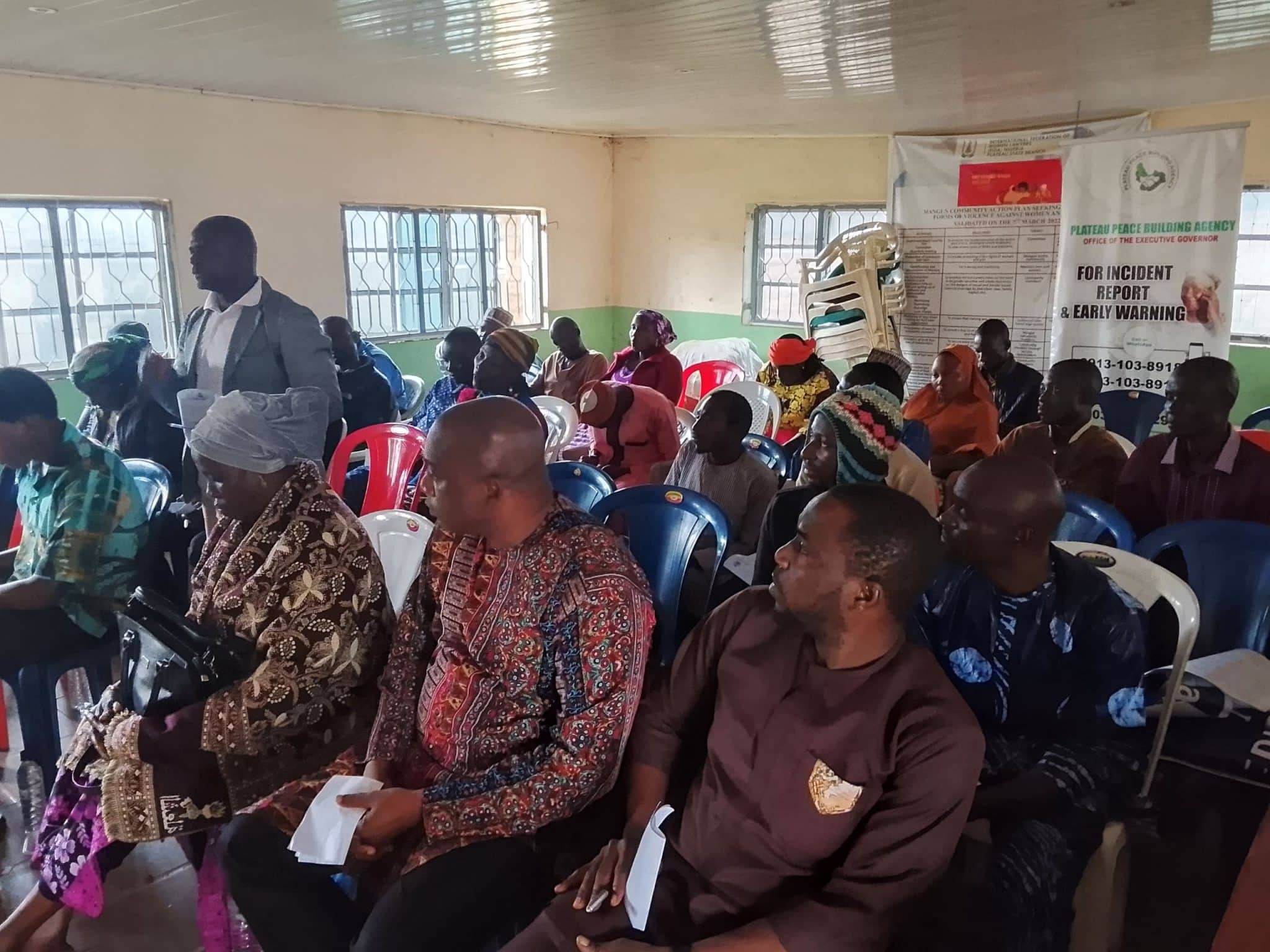
Residents of Mangun, Chakfem, and Ampang West communities in Mangu Local Government Area (LGA) of Plateau State have reiterated their commitment to sustaining peace and fostering dialogue with various groups, despite rising security challenges in the region.

This resolution emerged during a one-day stakeholder engagement organized by the Plateau State Peacebuilding Agency (PSPBA) at Mangun District. The event aimed to explore viable solutions to persistent threats undermining the stability of the affected communities.

Speaking at the event, the Director General of PSPBA, Dr. Julie Sanda, represented by the Director of Administration, Elkannah Izam, emphasized the urgency of grassroots engagement. She noted that recent violent incidents, including the tragic killing of travelers in the area, necessitated intensified peacebuilding efforts at the community level. Sanda condemned the attacks, labeling them unjustifiable, and called on youth and local leaders to collaborate with security agencies to protect their communities.

She also commended traditional rulers from Mangun, Chakfem, and Ampang West for their resilience in upholding peace amid unprovoked attacks that have claimed lives and destroyed property. Sanda revealed that the engagement was a direct outcome of deliberations at the monthly Expanded Community Architecture Forum (CPAF) for Mangu.

Echoing her sentiments, the Mishkagham Mangun, Da Job Dapal, raised concerns over the porous borders around Chakfem and the expansive forest along the Plateau–Nasarawa border, which have become hideouts for criminals. He lamented that these elements routinely launch attacks from these locations, instilling fear among residents. However, he reaffirmed that Mangun District remains a peaceful and ethnically diverse community committed to coexistence.

District Head of Chakfem, Da Jwangken Luther, welcomed the initiative and urged for the creation of a localized peace structure. He also advocated for the inclusion of the Fulani community in peace dialogues to heal fractured relationships. His counterpart from Ampang West endorsed the recommendation.

The Chief Imam of Mangun District, Abdullahi, refuted rumors that no Muslims reside in the area, stressing that such falsehoods are divisive. Similarly, Mrs. Lucy Inusa, Woman Leader of Ampang West, affirmed that Christians, Muslims, and other ethnic groups continue to live harmoniously.

It will be recalled that wedding guests traveling from Kaduna to Qua’an Pan LGA were recently killed near Mangun, heightening tensions in the region.

Posted on — Leave a comment

Plateau Peace Media Network Calls for Synergy with Plateau State Peace Building Agency

Plateau Peace Media Network in a resounding call for unity and collaborative efforts to enhance early conflict detection, informed dialogue, and reconciliation within Plateau communities, the Coordinator of the Plateau Peace Media Network (PPMN), Matthew Tegha, led a delegation of PPMN Executives and members on a courtesy visit to the Plateau State Peace Building Agency today.

During the visit, Matthew Tegha emphasized the critical need for cooperation between the Plateau Peace Media Network and the Plateau State Peace Building Agency, recognizing the pivotal role the agency plays in shaping the landscape of peace within Plateau State.

The Plateau Peace Media Network, a recently established state structure of the Community Initiative to Promote Peace (CIPP), a project by Mercy Corps and the United States Agency for International Development (USAID), expressed its eagerness to contribute its expertise to complement the agency’s ongoing efforts. The network is committed to harnessing the power of responsible media engagement to promote conflict sensitivity and advance early warning and early response initiatives in Plateau communities.

“As media practitioners, we comprehend the influential role that accurate and responsible reporting plays in shaping public perception and opinion. Through our training and experience, we have acquired the skills to provide objective and informative coverage of conflict situations while actively contributing to their resolution. This proactive approach aligns perfectly with the ethos of the Plateau Peace Building Agency,” stated Matthew Tegha.

He further emphasized the importance of collaboration in effective peacebuilding, highlighting the need for active involvement from various stakeholders. “We recognize that effective peacebuilding is a collaborative effort that requires the active involvement of various stakeholders, and we are here to explore the possibilities of a synergistic partnership. We firmly believe that by uniting our knowledge and resources, we can make a lasting impact on the peace landscape of Plateau State,” he added.

In response to this call for collaboration, the Acting Director General of the Plateau Peace Building Agency, Mr. Gayi Timothy Gayi, expressed the agency’s commitment to working with the Plateau Peace Media Network and other groups collectively working towards promoting peace in the state. He noted that the agency has a history of collaboration with organizations sharing similar objectives.

Mr. Gayi highlighted the agency’s dedication to the role of media in their peacebuilding efforts, underscoring the establishment of a strategic communications unit. He also mentioned that the agency is actively aligning its strategy with government policies to further enhance its effectiveness.

Additionally, Mr. Kenneth Dakup, the Head of Strategic Communications at the Plateau Peace Building Agency (PPBA), called on media professionals to distinguish between the roles played by the PPBA and security agencies. He emphasized that the agency’s primary focus is on early warning and peace-building efforts, including dialogues, mediations, and various forms of intervention, while security agencies primarily handle early response to address resurging conflicts.

The collaborative spirit displayed during this visit underscores the commitment of both the Plateau Peace Media Network and the Plateau State Peace Building Agency to foster lasting peace and stability within Plateau communities, with the aim of creating a more peaceful and harmonious future for the people of Plateau State.

Posted on — Leave a comment

Plateau State Facilitates Collaborative Multi-Stakeholder Approach to Mitigate Escalating Tensions through Conflict Resolution Efforts

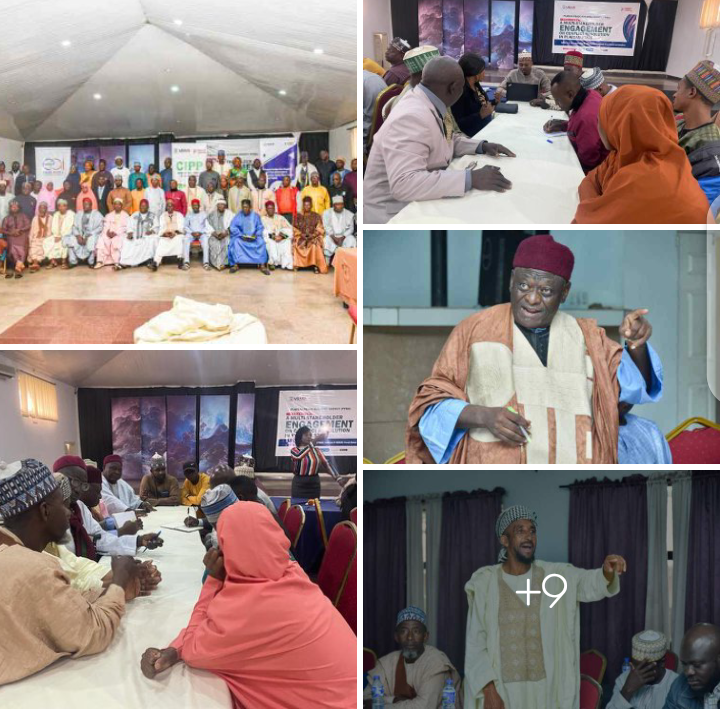
Plateau State – The Plateau State Peace Building Agency, in partnership with the United States Agency for International Development (USAID) and Mercy Corps, successfully convened a three-day multi-stakeholder engagement aimed at addressing conflict resolution in Plateau State. The event, which kicked off today at the Crest Hotel Conference Hall in the state capital, Jos, brought together an array of participants including religious leaders, traditional leaders, civil society organizations (CSOs), and other stakeholders hailing from communities spanning six Local Government Areas.

The focus of the gathering was to tackle the recent surge in conflicts, particularly in Mangu Local Government Area, which has also impacted neighboring areas such as Bokkos and Barkin Ladi Local Government Areas. Additionally, the resurgence of violence in Riyom Local Government and its ripple effects on Bassa and Jos South Local Government Areas were key concerns addressed during the summit.

Dr. Maji Peters, the Country Director of Equal Access International, expressed the purpose of the event as an opportunity to facilitate constructive dialogue among conflicting parties. He emphasized the importance of establishing a platform for open and meaningful engagement to chart a path towards resolution.

“Creating this unique platform for conversation allows strategic partners like Equal Access International, Mercy Corps, Tear Fund, Search for Common Ground, Interfaith Mediation Center, and Plateau Peace Building Agency to listen to the voices of diverse communities, discuss sensitive issues, and collaboratively explore alternative solutions,” Dr. Peters stated.

Gayi Tomothy Gayi, the Director of Administration and Acting Director General of the Plateau State Peace Building Agency, expressed his concerns about the resurgence of violence within certain regions of the state. He highlighted the summit’s role in aiding peace advocates to comprehend the root causes of conflicts and adapt to evolving dynamics.

“This engagement will not only enhance the understanding of peace actors on the causes of conflict but also guide them in devising targeted intervention strategies and systematic approaches to address these pressing issues,” Gayi affirmed.

Mr. Godwin Okoko, the Conflict Technical Advisor for Mercy Corps’ Community Initiative to Promote Peace, stressed the importance of de-escalating tensions following recent outbreaks of violence in Plateau State. He underscored the commitment of key stakeholders to collaborate with communities in order to address the underlying causes of conflict and explore innovative approaches to handling sensitive issues.

“Crucially, this summit provides a platform for key actors from conflict-ridden areas to engage in dialogue, fostering cooperative methods to address shared concerns,” Mr. Okoko remarked.

Acting Chief of Party for Peace Action For Rapid Transformative Nigerian Early Response, Mr. Chrisantus Lapang, highlighted the significance of engaging with local communities to comprehend the factors fueling conflicts. He outlined the agenda for the event, involving consultations with community leaders on the first day, security personnel on the second day, and Civil Society Organizations on subsequent days to evaluate the effectiveness of interventions and strategize potential collaborations.

The multi-stakeholder engagement on conflict resolution signals a robust effort to promote lasting peace and stability in Plateau State, as key actors come together to devise strategies and solutions that will contribute to the peaceful coexistence of communities across Plateau State.

Posted on — Leave a comment

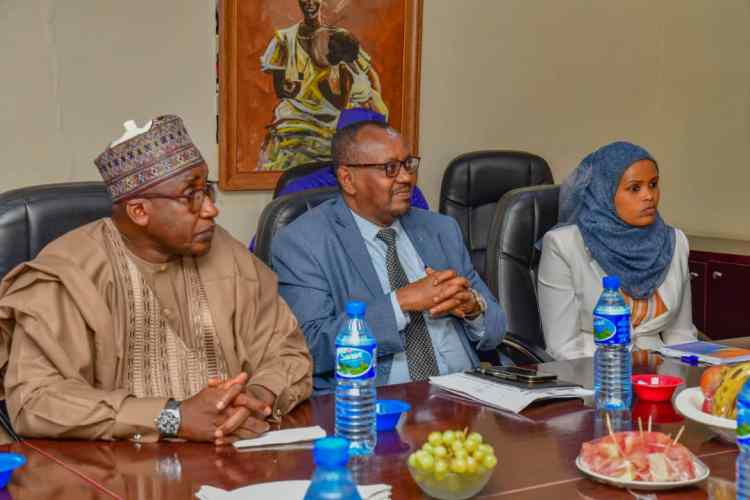
Plateau Peace Building Agency receives Ethiopian Region Parliamentarians on Study Visit

The Director General of Plateau Peacebuilding Agency (PPBA), Mr. Joseph Lengmang played host to Members of Parliament from the Oromia Region of Ethiopia who were on a study visit to Plateau State.

The visit of Oromia Parliamentarians was facilitated by the Center for Humanitarian Dialogue, led by its country director Dr. Chris Agboha, who said they were at the Agency to exchange ideas and also learn from what the Agency has been doing, being that the Agency is the first of its kind in Nigeria as an institutional framework established by law to respond to the challenges of peace and security in the state.

The Director General, Plateau Peace Building Agency,  while receiving the Parliamentarians from the Region of Oromia, said he was quite elated receiving Palamenterians from another country which was the first for the Agency, as it provides an opportunity for both to learn and share experiences.
He acknowledged the role and significance that Ethiopia played in the pan-African Struggle, the evolution of politics, and appreciated the place of Ethiopia in the history of Africa.

Mr Lengmang stated that the Plateau State Peace Building Agency (PPBA) was set up by the current administration of Governor Simon Lalong with a foresight to institutionalize conflict prevention and peacebuilding which brought into existence the Agency with a mandate to promote the culture of peace and harmonious coexistence, among the various ethnoreligious divides on the Plateau.

He said the Agency was set up by a Legal framework and a sub-national unit in Nigeria with credit to the Center for Humanitarian Dialogue who started up early conversations for the setting up of the Agency and also guided the Agency in its ‘infant years.
He said the Agency works through strategic partnerships with state and non-state actors, they also coordinate conflict resolution and peacebuilding interventions of stakeholders who work in and around the issues of Peace Building and conflict prevention.

“Plateau Peace Building Agency is  non-partisan, non-religious and non-ethnic, and our work is all geared towards building a safer and more stable plateau that is at peace with itself and the rest of the world.”

“The Agency works in different communities with the support from government and other organizations, as the Agency has made some significant progress over their years as a result of our various interventions, with some modest achievements that are allowing the agency to further build on them which portends a future for a peaceful and harmonious society regardless of what has happened in the past.”

“We have taken the right step and for that reason, we haven’t seen the kind of violent conflict that existed in the past on the Plateau because of the deliberate strategies that the peacebuilding Agency has put in place, working with Civil Society Organizations (CSOs), Traditional Institutions, with Religious Institutions, with community-based Organizations, with international non-governmental organizations to craft the kind of peace that we want to see.”

“Government alone will not be able to deal with issues of conflict as such the Agency has come in to Put the people in the center of discussions, having a dialogue in a very systematic fashion, listening to people regardless of the how hurting it might be and focusing on what unites us as opposed to what divides us holds some promise for our future,” He said was lessons to be taken from Agency, as when faced with realities of what can be done to make the difference without rallying absolutely on the instrumentality of government.

About the Farmer-Herder conflict, Lengmeng stated that with serious interventions and massive investment from the government and other NGOs in transforming the conditions that engender those conflicts, the Agency has been able to make progress and the situation has gone down because of the understanding and mutual cooperation that can be witnessed.

Responding on behalf of the Members of Parliament from the Oromia Region of Ethiopia, Seada Abdurahman the Speaker of the Parliament said she was grateful for the insightful discussion as it will add to the compendium of what they have gained since arrival in Nigeria.
She further acknowledged the efforts and achievements of the Agency since its inception especially the continuous collaboration to achieve its mandate.

The Members of Parliament from the Oromia Region of Ethiopia also paid a courtesy visit to the Plateau State Governor and also a working visit to the Plateau state House of Assembly.

The delegation had a robust interactive session with the Director General of the PPBA, Mr. Joelengs Joseph Lengmang, the Management and other Team Leads of the agency, with discussions centered around experiences in inter-ethnic tensions; inter-play of politics and conflict, and the farmer/herder clashes, amongst others.

Posted on — Leave a comment

Plateau Peace Building Agency launches Incident Reporting & Database Website

The Plateau State Peace Building Agency has relaunched its robust website (HERE) with Incident Reporting & conflict database for the general public.

Mr. Patrick Jan Jepang, ICT Team Lead for the Agency disclosed this on Wednesday 17th August 2022 at Hotel Ronicon hall Jos, during an engagement with ICT and Social Media enthusiasts as well as Bloggers on “the use of evidence-based information to change the narrative on farmer-herder conflict in Plateau state.

Mr. Jepang, while making a presentation on the Agency’s redesigned Website (HERE), stated that the site was in furtherance of the Agency’s mandate, which is to coordinate conflict prevention and peacebuilding interventions in Plateau State through collaborative approaches and credible partnership with non-state actors.

He said the website provides an avenue for an immediate incident report which will then be collected and verified by the Agency’s research team. The general public can now report issues, ranging from kidnapping, boundary disputes, communal conflicts, cattle rustling, farm invasion and other issues that escalate tension of crises.

The ICT lead also stated that the website was providing 5 major databases which include reports of conflicts and attacks, a comprehensive list of state and non-state actors, a breakdown of conflict issues, timelines of conflict in Plateau State and Trauma processing organizations in Plateau State.

He stated that the general public can use the hotlines provided on the website for incident reports as well as other peace workers also take advantage of the easy access to the database for their work.

In his remarks, Head of Strategic Communications, Mr. Kenneth Dakop said the agency is concerned with identifying potential issues of crisis and addressing them proactively.

He said the Agency has over the years continued in bringing stakeholders to work together to resolve conflicts and prevent new ones. “Through systematic dialogue, mediation, conflict transformation, peace education, sensitization, advocacy and community outreaches, they speak to strengthening community social cohesion and strengthening of structures that promote and enable healing, forgiveness and reconciliation.” He said

Mr. Dakop also stated that the Agency is a dedicated institutional mechanism created to fill the gap in the state architecture for Peace, with the role of Promoting the culture of peace and harmonious co-existence among diverse ethnic and religious groups in the state; Develop a functional arrangement for coordination and cooperation between government and CSOs, NGOs, CBOs in the field of conflict prevention, peace and security through policy dialogue, research, and the development and implementation of peace and conflict prevention programs.

“The Plateau Peace Building Agency has facilitated conflict settlements through multi-track diplomacy and negotiations, conflict resolution training, mediation services, and peace education over the years with tremendous successes recorded.” Mr Kenneth said

The Participants were encouraged to effectively use its new incident reporting system to report issues for prompt actions to address conflicts capable of escalating into violence.

Posted on — Leave a comment

Dialogue is a key component of every democratic society – DG PPBA, Mr. Joseph Lengman

Mr. Joseph Lengmang, The Director General of the Plateau Peace Building Agency (PPBA) said that Dialogue is a key component of every democratic society during a parley yesterday with the Plateau Bloggers and Online Media Association (PBOMA) led by the chairman, Comrade Friday Bako, on a courtesy visit in his office in Jos, Plateau State.

Mr. Lengmang stated that the potentials of peace building through dialogue is not much appreciate but it is the most effective way of spreading peace in the Nation, there is nothing that the people cannot achieve when they are determine and work together to achieve it.

There is need for a National Peace Building Agency for a society that are polarize along ethnic and religious minds as a nation as it will allow the people to have a national dialogue for a systematic and strategy communication that will promote peace and allow the people vent their views and ideas.

He commend the group for its contributions to peace building, growth and development of the State as well as combating inflammatory and dangerous speeches which he said have the propensity of undermining the peace building efforts.
“Hate remain one of the most important legacies of the over two decades of horrific experience of violence in Plateau State” he said.
He assured the group that the agency will work closely with it considering the huge potentials at its disposal in order to address the issues plaguing the State.
He disclosed that the agency has a lot to enhance the work of the group and to broaden their partnership.

Comrade Friday Bako, chairman of the Plateau Bloggers and online Association in his opening remark, congratulated the state agency saddled with the responsibility of building peace in the state and the great strides being achieved by the Agency under the watch of the Director-General whom he described as pragmatic, competent and purpose-driven.

He said that the foresight of the plateau state governor, Simon Lalong was right in appointing a competent and worthy personality as the DG of the peace building Agency.