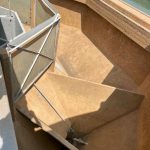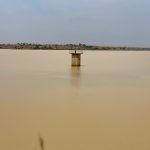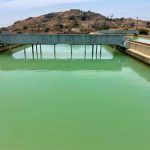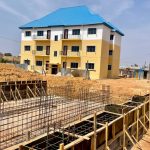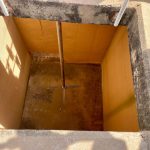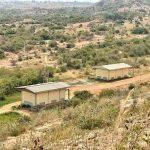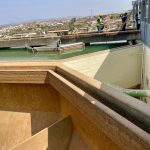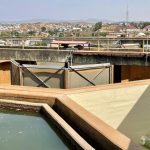
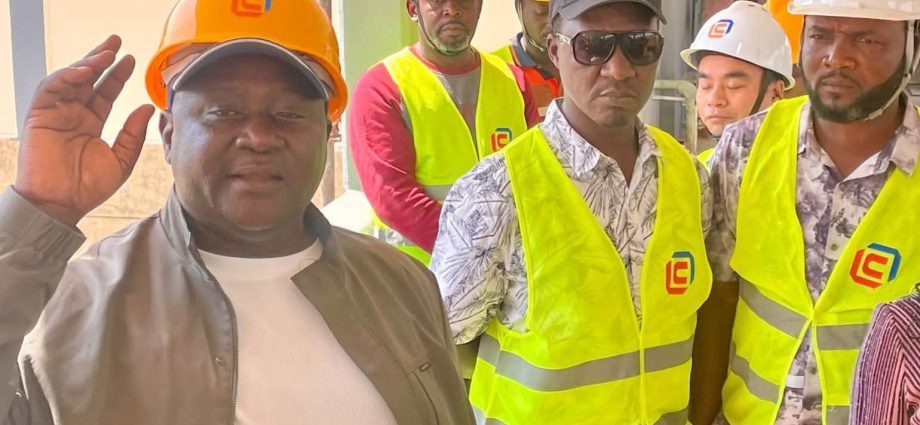
The Jos Water Services Corporation has attributed the persistent water shortage in parts of Jos and Bukuru metropolis to ongoing rehabilitation works at major water treatment facilities, ageing pumping equipment and reduced production capacity, assuring residents that measures are being implemented to restore regular and sustainable water supply.
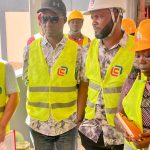
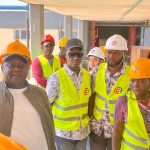
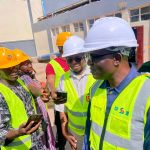
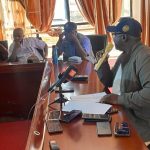
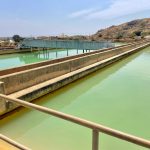
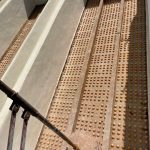
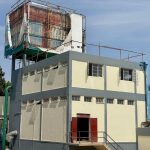
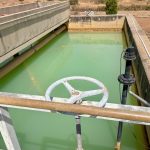
The Managing Director of the Corporation, Engr. Apollos Simon Samchi, disclosed this during an inspection tour with journalists to some of the corporation’s facilities, including the Yakubu Gowon Dam and Water Treatment Plant at Ratt, Barkin Ladi, Lamingo Water Treatment Plant, Liberty Dam and the British American Water Treatment Plant.
The tour was organised to enable journalists to assess the level of work on the ongoing rehabilitation projects, understand the factors responsible for the current water supply challenges and examine the interventions being undertaken by the Plateau State Government to improve water infrastructure across the metropolis.
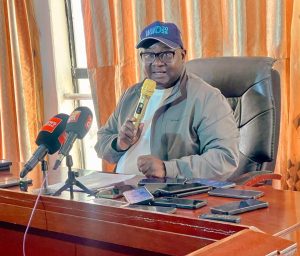
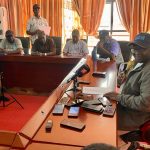
Speaking during the briefing, Samchi explained that the state government had embarked on a comprehensive water supply improvement programme in partnership with the French Development Agency (AFD), following an assessment that revealed the poor condition of the state’s water infrastructure.
According to him, some of the major facilities, particularly the Yakubu Gowon Water Treatment Plant, had operated for about 45 to 50 years without significant rehabilitation, making a comprehensive overhaul necessary to ensure efficient and sustainable water delivery.
He disclosed that the rehabilitation project, valued at approximately €42 million, covers major treatment facilities, replacement of pumping equipment and expansion of pipeline networks, with an initial completion target of 18 months.
Samchi expressed satisfaction with the progress of the project, particularly at the Yakubu Gowon and Lamingo treatment plants, noting that civil engineering works had reached between 70 and 75 per cent completion, while pipeline extension works stood at approximately 40 per cent.
He further explained that water production, which was below 30 per cent of the facilities’ capacity before the rehabilitation commenced, was expected to increase to at least 80 per cent upon completion.
The Managing Director said the ongoing rehabilitation had temporarily affected production, but stressed that alternative arrangements had been put in place to minimise the impact on residents.
He identified the Yelwa Water Treatment Plant in Bukuru and the Nabor Water Treatment Plant around Nasarawa as some of the functional facilities currently supporting water distribution in parts of the metropolis.
He also encouraged residents to utilise available water tanker supply arrangements provided by the corporation, noting that the measures were part of its strategy to address the temporary shortage.
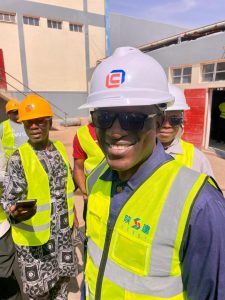
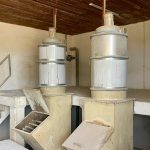
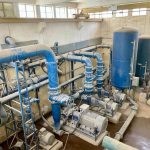
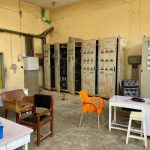
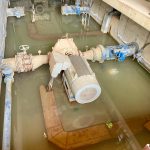
Meanwhile, the Resident Electrical and Mechanical Engineering Specialist on the project, Engineer Abdulhakim Busari, attributed the reduced water supply from the Yakubu Gowon facility largely to the poor condition of its pumping equipment and the need to shut down one of its operational phases for rehabilitation.
Busari explained that the Yakubu Gowon Water Treatment Plant operates in two phases, adding that while Phase Two had been shut down to allow rehabilitation works, Phase One was operating with only one functional pump instead of the required three.
He disclosed that six new pumps had been ordered for the two phases and were expected to be shipped to Nigeria, explaining that the equipment was specially designed based on population requirements, water pressure and the elevation of distribution points.
According to him, the rehabilitation of Phase Two is expected to enable the plant to restore about 50 per cent of its production capacity by the first quarter of 2027, after which attention would shift to the complete rehabilitation of the other phase.
Busari assured residents that the technical team was closely monitoring the contractor’s performance to ensure the project meets its 18-month completion schedule.
He revealed that a two-week work programme had been introduced to track activities, set short-term targets and ensure contractors deliver according to agreed timelines.
The interventions, according to the corporation, are part of broader efforts by the Plateau State Government to address longstanding challenges in the water sector, improve infrastructure and guarantee residents access to safe and reliable potable water.
The corporation expressed optimism that the completion of the rehabilitation and pipeline extension projects would significantly improve water production and distribution across Jos and Bukuru metropolis.