The Plateau State chapter of the Christian Association of Nigeria (CAN), alongside the Coalition of Indigenous Youths Bodies of Plateau State, has raised serious concerns over what they describe as a sustained and deliberate campaign of violence against Christian communities in Nigeria, particularly in the North and Middle Belt.
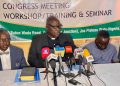
The groups made the allegations during a joint press conference held on December 31, 2025, in Jos, Plateau State. Addressing journalists, Rev. Ezekiel Dachomo, Chairman of the Ropp Regional Church Council of the Church of Christ in Nations (COCIN), said the coalition believes the attacks amount to genocide and religious cleansing.
According to Rev. Dachomo, the coalition has gathered extensive evidence, including community records, lists of victims, photographs, and official reports, which it claims point to coordinated and targeted assaults on largely Christian settlements. He dismissed claims that the violence is merely the result of farmer-herder clashes or communal disputes, insisting that the attacks are organized and intentional.
He alleged that entire villages have been overrun, with residents killed or forced to flee, homes and churches destroyed, and ancestral lands taken over and renamed. The aim, he said, appears to be the gradual elimination of Christian presence from certain areas.
Speaking emotionally, Rev. Dachomo said he was not only addressing the media as a religious leader but also as a direct witness and victim, recounting personal losses and trauma linked to attacks on affected communities. He claimed that pastors have been killed, women sexually assaulted, children abducted, and families pushed into displacement camps, while those responsible continue to act without consequence.
The coalition accused the Nigerian government of failing to protect vulnerable communities, citing alleged security failures, judicial bias, and policies that disadvantage indigenous populations. Rev. Dachomo claimed that in some cases, victims who acted in self-defense were prosecuted, while attackers were left unpunished.
Referencing the recent pardon granted to a Christian farmer in Adamawa State, Sunday Jackson, the coalition described the case as reflecting a wider pattern of injustice. While welcoming the pardon, Rev. Dachomo said it did not address deeper concerns about how victims of violence are treated when they try to defend themselves.
The group further alleged that extremist groups and armed militias are pursuing religious and ideological agendas, pointing to recurring attacks in Plateau, Kaduna, Benue, and other states. It claimed that its data shows hundreds of deaths in Plateau State alone within short periods, alongside the destruction of homes, schools, and places of worship.
Rev. Dachomo also raised concerns about mass displacement and alleged land seizures, noting that many displaced persons are unable to return to their ancestral homes. He criticized what he described as weak enforcement of existing laws, including Plateau State’s anti-land grabbing legislation.
As part of its demands, the coalition called for urgent international intervention to protect at-risk communities, official recognition of the genocide allegations, decentralization of Nigeria’s security system, and the creation of an international tribunal to investigate alleged crimes against humanity. Other recommendations included constitutional reforms, reviews of land and security laws, and the deployment of international monitoring and protection mechanisms in affected areas.
The coalition emphasized that it was not seeking revenge but justice, safety, and the right of communities to live and worship freely on their ancestral lands. Copies of a detailed report covering incidents from 2001 to 2024 across several states were distributed to the media.
The press conference ended with an appeal to the Nigerian government and the international community to act swiftly to address the allegations and prevent further loss of life.