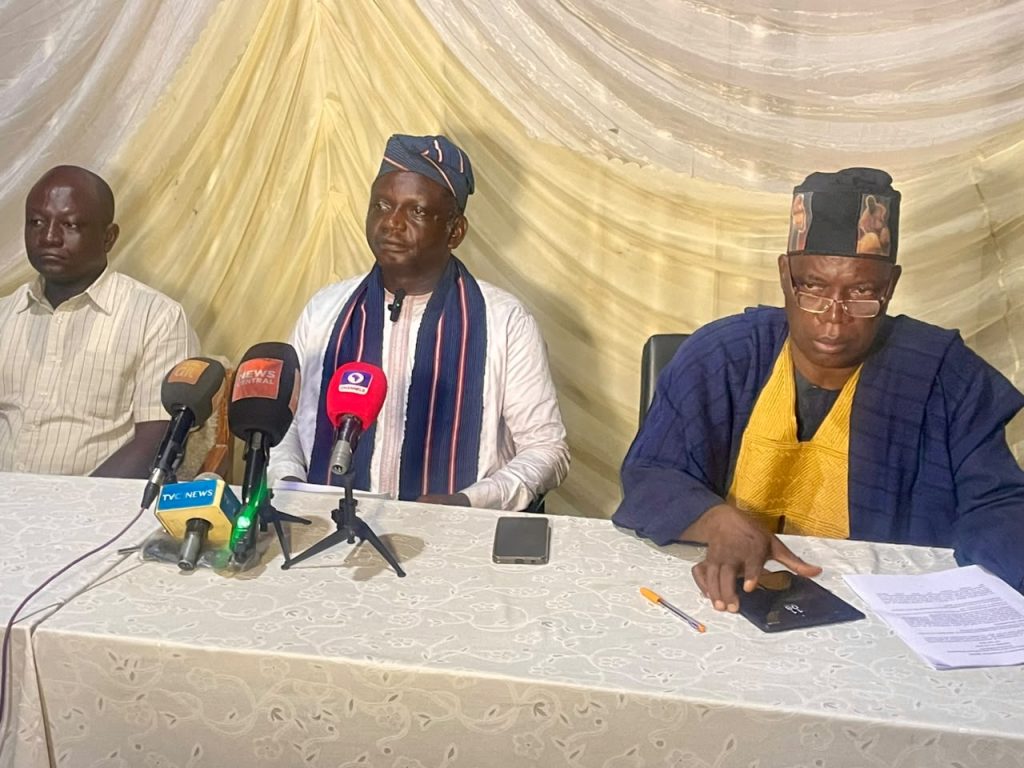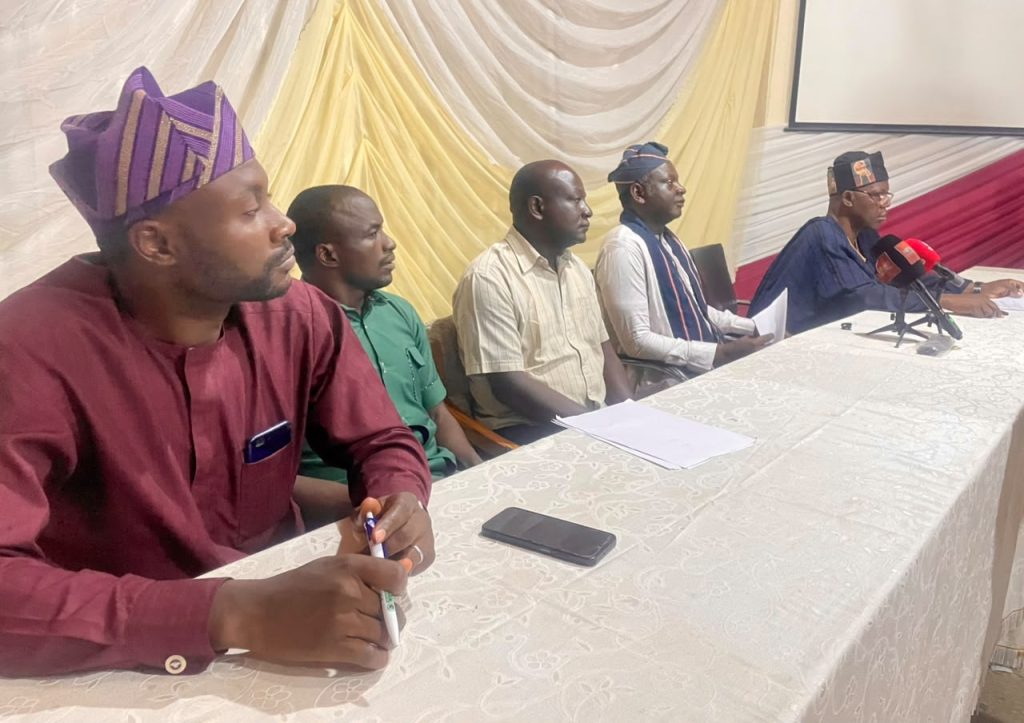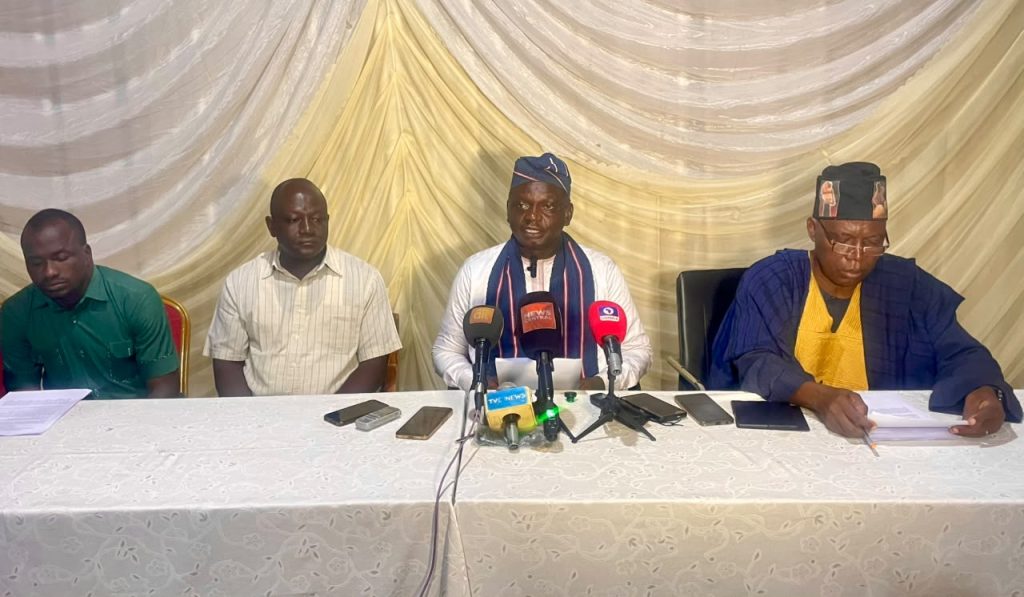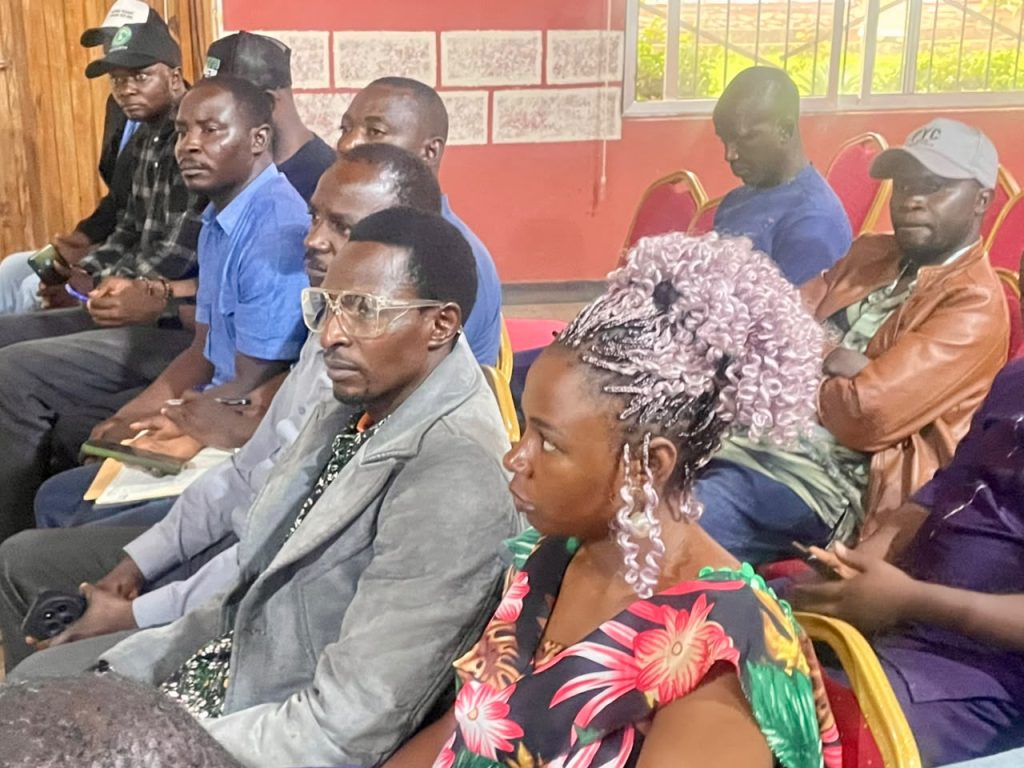
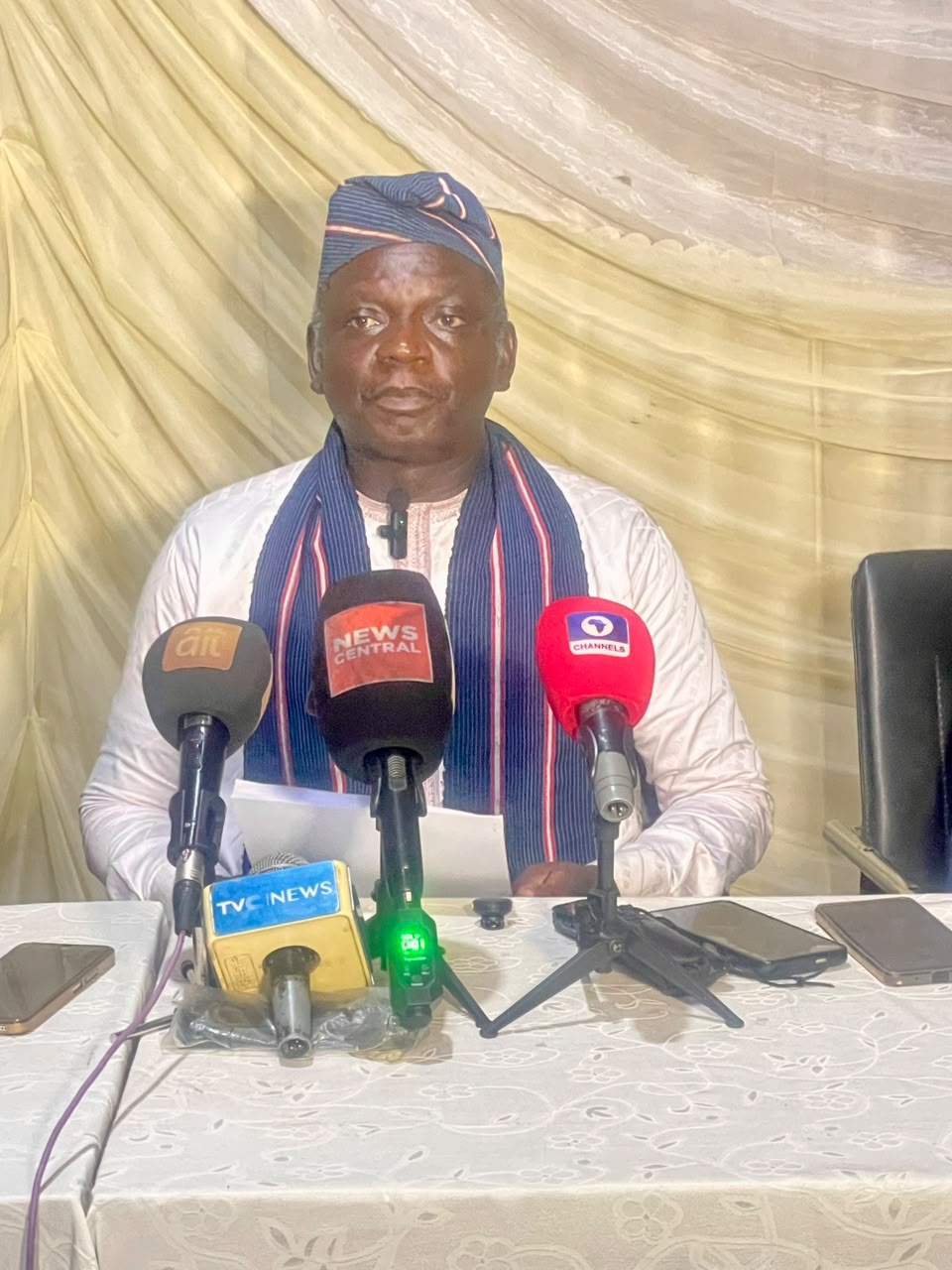
The Conference of Autochthonous Ethnic Nationalities Community Development Association (CONAECDA) has expressed deep concern over worsening insecurity, increasing incidents of rural banditry, alleged violations of religious freedom, and growing political tensions ahead of the 2027 general elections in Nigeria.
Addressing journalists during a press conference, the Secretary-General of CONAECDA, Suleiman A.D. Sukukum, alongside the association’s President, Danladi Jeji, said the country was witnessing an alarming spread of terror attacks and violent killings across several states.
According to the group, recent attacks in Niger, Kwara, and Kogi states signal what it described as a “new frontier” of violence, while communities in states such as Plateau State, Benue State, Nasarawa State, Taraba State, Borno State, Kaduna State and others continue to suffer recurring attacks from armed groups and terrorists.
The association also raised concerns over reports of the influx of armed groups into forests and remote areas around the Federal Capital Territory, warning that many forests and grazing reserves across the country were allegedly being used as operational bases by terrorist cells.
CONAECDA stated that insecurity in Nigeria should not be reduced to ethnic or religious narratives, insisting that terrorists exploit political, economic, ethnic, and religious differences to recruit members and conceal their activities.
Referring to recent violence in Angwan Rukuba in Jos, the association noted that conflicting narratives surrounding attacks on the Plateau continue to fuel division and mistrust among communities.
“Regardless of the reasons advanced for violence, all lives are sacred and must be protected,” Sukukum stated.
The group further argued that debates around indigenous and settler rights in Plateau and other Middle Belt communities should not be manipulated for political purposes. CONAECDA maintained that while all Nigerian citizens have constitutional rights to contest elections and participate politically, indigenous communities also have recognized native rights tied to traditional structures and local identity.
On the growing incidents of rural banditry and terrorism, the association condoled families and communities affected by attacks and expressed solidarity with the Nigerian Armed Forces and other security agencies. However, it called on the Federal Government to intensify efforts toward rehabilitating victims, rebuilding destroyed communities, and ensuring the safe return of displaced persons.
CONAECDA also urged President Bola Tinubu’s administration to openly acknowledge the existence of terrorist groups allegedly pursuing religious extremism and genocidal objectives in parts of the country.
The association announced the declaration of the last Thursday of every month as “Black Thursday,” a symbolic day meant to promote the sanctity of human life and draw attention to victims of violence across Nigeria, regardless of ethnicity or religion.
Another major concern raised during the briefing was the alleged conversion of hills, sacred groves, and historical sites into grazing areas in parts of the Middle Belt. The group described the development as a desecration of cultural heritage and called for urgent intervention by communities, conservation agencies, and the international community to protect sacred sites.
On religious freedom, CONAECDA condemned what it described as increasing cases of forced conversion, abduction, and forced marriages involving minors across the country. The association cited reported cases involving underage Christian and Muslim children and renewed its call for the establishment of a Religious Rights Commission to enforce religious freedom and protect vulnerable groups.
Looking ahead to the 2027 general elections, the group expressed worries over what it termed growing anti-democratic practices among political actors and parties. It called on the Independent National Electoral Commission (INEC) to ensure free, fair, and credible elections while urging politicians to adhere strictly to democratic rules and principles.
CONAECDA emphasized that democracy can only thrive when citizens are allowed to freely participate in the political process and when electoral institutions guarantee transparent elections.
The statement was jointly signed by Suleiman A.D. Sukukum, Secretary-General of CONAECDA, and Danladi Jeji, President of the association.