
Members of the creative industry in Jos, Plateau State, have mourned the death of renowned filmmaker Dimbo Atiya, describing him as an astute and resilient creative whose contributions to the growth of Nigeria’s film and entertainment industry will remain an important part of the cultural history of Plateau State.
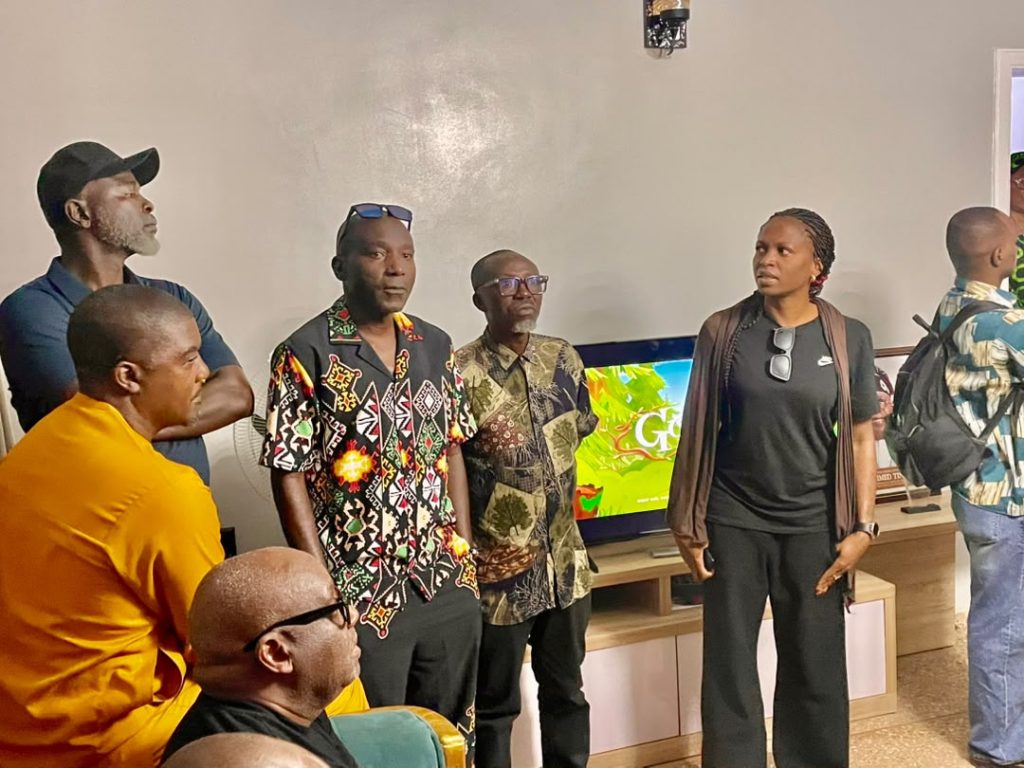
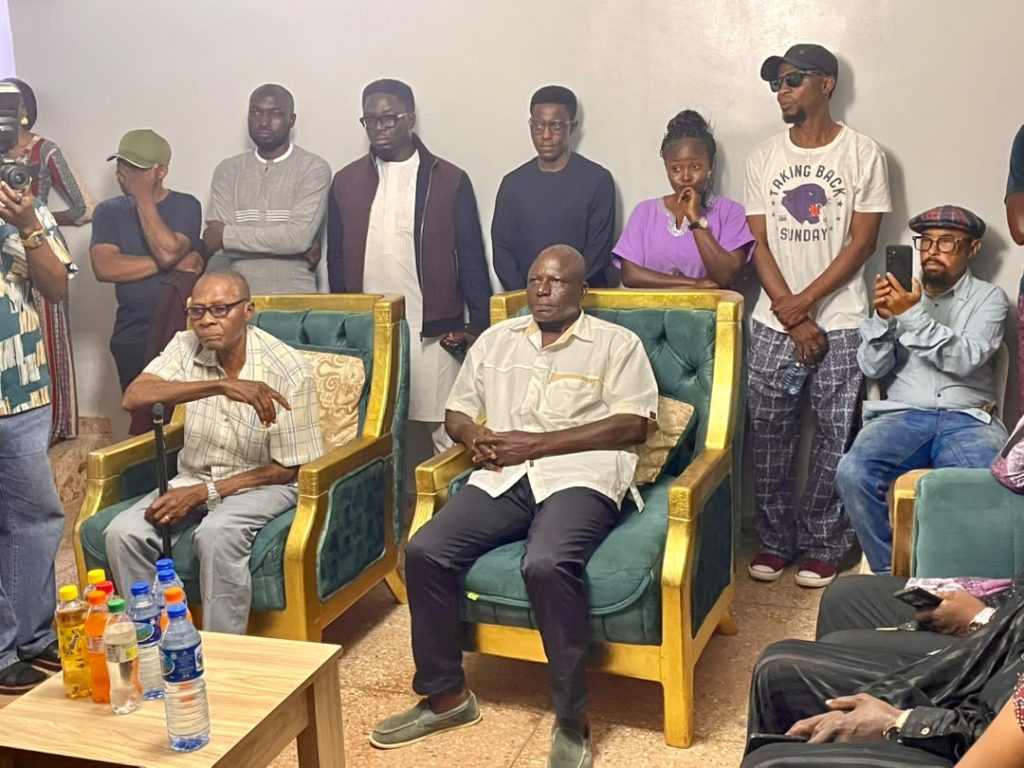
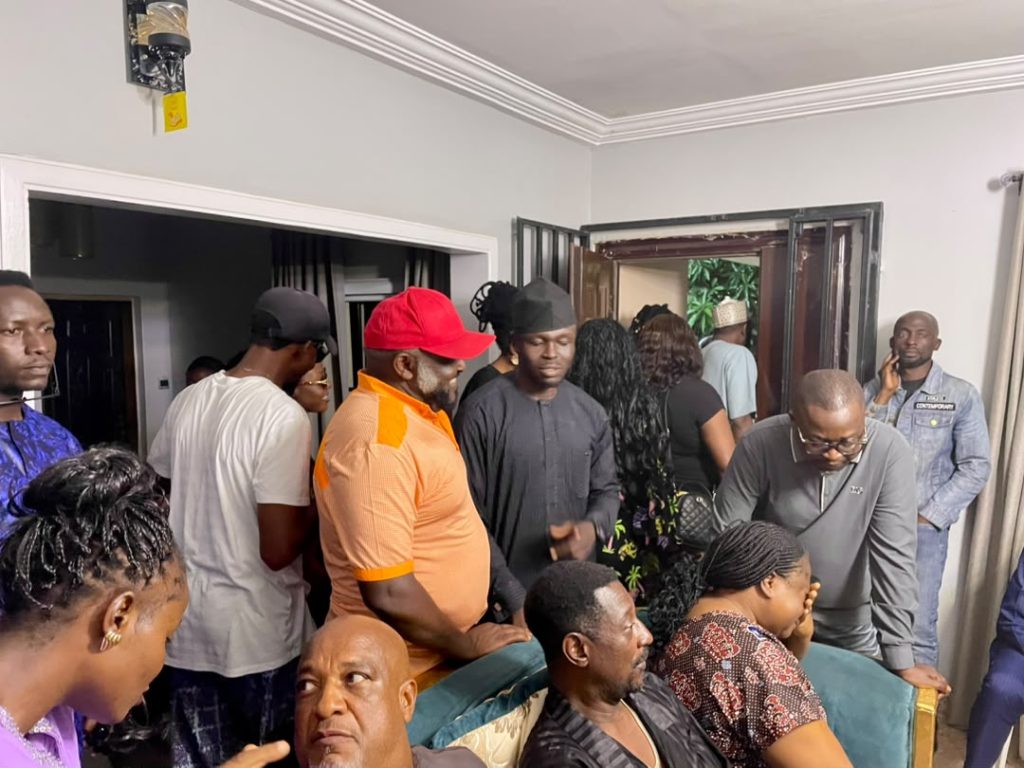
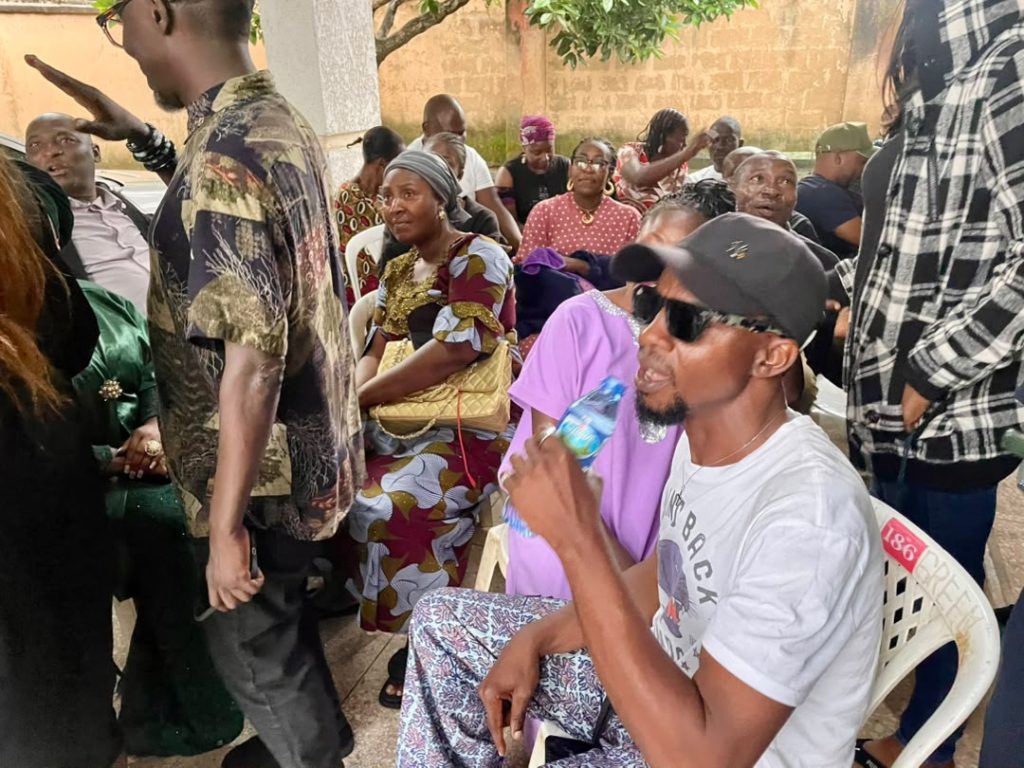
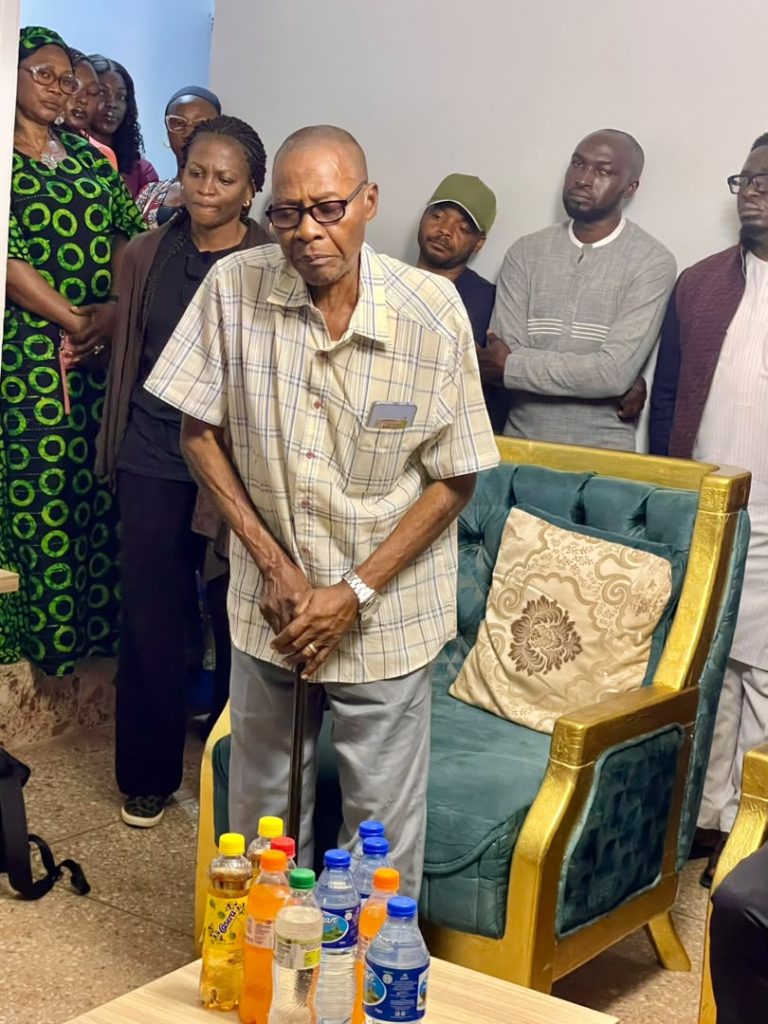
The creative community, alongside representatives of cultural institutions, government agencies and the Nigerian film industry, paid a condolence visit to the family of the late filmmaker on Sunday at his residence in Rayfield, Jos.
The visit was coordinated by filmmaker Debrah Jalmet, JD Luka and Sibin Benjamin.
The delegation included Manji Diyal, who represented Aisha Augie, Director-General of the Centre for Black and African Arts and Civilisation (CBAAC); Dr. Ephraim Dankyes, Senior Special Assistant on Arts, Culture and Creative Economy to Plateau State Governor Caleb Mutfwang; and Brian Etuk, Director of Public Affairs at the Nigerian Film Corporation (NFC), who represented the Managing Director, Dr. Ali Nuhu.
The visitors were received by Plangji Daniel Cishak and other members of the Dumbo family.
Speaking during the condolence visit, Diyal described Dimbo Atiya’s death as a major loss to Nigeria’s creative community.
He said the filmmaker’s passing came at a time when Nigeria’s cultural and film industries were looking towards a new generation of storytellers who could contribute to the development and preservation of the country’s cultural identity.
According to him, Atiya was more than an entertainer, describing him as a creative practitioner who understood the power of arts and storytelling in preserving identity, history and cultural expressions.
“Dimbo was a storyteller and a creative man who believed in the power of the arts to connect people and preserve our identity. His passing is painful because the industry has lost someone who still had much to contribute,” Diyal said.
He added that CBAAC identified with the family because Atiya’s work reflected the wider responsibility of promoting African creativity and cultural expression.

Representing the Plateau State Government, Dr. Ephraim Dankyes described the death of the filmmaker as a painful loss to Plateau’s growing creative community.
Dankyes noted that Plateau State has produced generations of artists, filmmakers, actors and other creative professionals whose contributions have helped place the state on Nigeria’s cultural map.
“Dimbo represented the creative spirit of Plateau. His death is not only a loss to his family but also to the arts and entertainment community. We must ensure that the work of people like him is remembered and that their contributions are not allowed to disappear,” he said.
He assured that the Plateau State Government would continue to support initiatives aimed at strengthening the creative economy and providing opportunities for young and established practitioners to develop and showcase their talents.
The Nigerian Film Corporation also joined other stakeholders in mourning the death of Dimbo Atiya.
Brian Etuk, who represented NFC Managing Director Dr. Ali Nuhu, described Atiya as a committed member of the Nigerian film community whose passion for storytelling was evident throughout his creative career.
Etuk said the filmmaker’s death was a loss not only to Plateau State but to the Nigerian film industry as a whole.
“Dimbo was part of a generation of filmmakers and creative practitioners who understood that Nigerian stories must be told by Nigerians. His work reflected that commitment, and his passing has left a vacuum,” Etuk said.
He stressed that one of the best ways to honour Atiya would be to continue supporting the creative vision and projects he left behind.
One of the unfinished projects generating significant conversation among Atiya’s colleagues is Cock Crow at Dawn, a film project he was developing before his death.
Members of the Jos creative community said the project was expected to further demonstrate Atiya’s ability to use film and storytelling to address issues relevant to Nigerian society.
Following his death, Cock Crow at Dawn has taken on a significance beyond its artistic value.
Colleagues say the project now represents part of Dimbo Atiya’s creative legacy, as well as a reminder of the stories and ideas he was still hoping to share with audiences.
Etuk stressed the importance of preserving projects left behind by deceased filmmakers and other creative practitioners.
He said such projects should not automatically disappear following the death of their creators, adding that efforts should be made to document their work and, where possible, support the completion of projects that genuinely reflect their creative vision.
However, colleagues noted that any decision regarding the completion or preservation of Cock Crow at Dawn should be undertaken with the consent and wishes of the family and relevant production stakeholders.

Responding on behalf of the family, Plangji Daniel Cishak thanked the delegation for visiting the family and recognising Dimbo Atiya’s contributions to the entertainment industry.
He said the family was deeply touched by the support received from Atiya’s colleagues, government representatives and cultural institutions.
“Dimbo loved what he did. He believed in his work and in the people around him. Knowing that his colleagues and institutions within the industry have come to identify with the family means a lot to us,” Cishak said.
He added that the family would welcome constructive efforts aimed at preserving Atiya’s creative legacy and ensuring that the projects and works he left behind continue to receive attention.
The condolence visit brought together individuals from different sections of the creative industry, reflecting the relationships and connections Dimbo Atiya built throughout his career.
From filmmakers and entertainers to cultural institutions and government representatives, the message from the gathering was consistent: Dimbo Atiya’s contributions to the creative industry should not end with his death.
For the Jos entertainment community, Atiya’s legacy extends beyond the films and creative projects he worked on.
His colleagues say his impact can also be measured through the people he inspired, the relationships he established and the stories he believed were worth telling.
As preparations for his final rites continue, members of the creative community hope that unfinished projects, particularly Cock Crow at Dawn, will receive the attention required to preserve the filmmaker’s creative vision.
Although Dimbo Atiya’s death has brought an end to his personal creative journey, colleagues and those he impacted believe that his stories, works and contributions will continue to keep his memory alive.