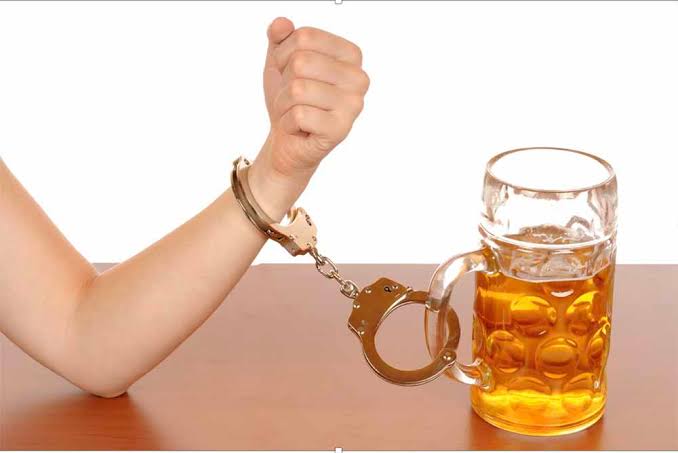
Every woman is different, No amount of drinking is 100% safe, 100% of the time, for every individual woman.
WHAT IS ALCOHOL DRINK
Is a drink that contains Ethanol, is also the ingredient found in beer, wine and spirits that causes drunkenness, it is formed when yeast ferments.
WOMEN AND INTOXICATION
Alcohol affects women differently than men due to their body makeup and chemistry:
• A woman’s body has more fat and less water than a man’s. When a woman drinks,
the alcohol is less diluted. It becomes more highly concentrated in her blood.
• Women process less alcohol in the stomach than men.
That leaves more alcohol to reach the bloodstream. The
higher concentration and amount of alcohol in the blood
cause women to become intoxicated faster than men.
• Women may become more easily intoxicated during
their menstrual cycle.
HEALTH RISKS AMONG WOMEN WHO DRINK
Women who drink heavily, face greater health risks than
men who drink heavily. They are more prone to :-
- Liver disease
- Heart damage
- Brain damage
Chronic
heavy drinking also lead to
🖤menstrual problems
🖤infertility
🖤and early menopause.
Drinking during adolescence can
interfere with puberty, growth, and bone health.
Heavy
drinking can make a woman more vulnerable to violence,
including sexual assault. Women who drink are also more
likely to have unprotected sex and contract a sexually
transmitted disease . - ALCOHOL, PREGNANCY, AND NURSING
- Alcohol is a teratogen, a substance that can harm a fetus.
When a pregnant woman drinks alcohol, the alcohol crosses
the placental barrier and enters the bloodstream of the
fetus. The alcohol content in the blood of the fetus then
equals or exceeds that of the mother.
Pregnant women and women planning to get pregnant
should not drink. Pregnant women who are drinking should
stop at once to reduce the risk of harming their fetus.
Alcohol
can harm a fetus at any time, even before a woman knows
she’s pregnant.
The National Institute on Alcohol Abuse and Alcoholism
defines binge drinking for women as drinking 4 or more
drinks in about 2 hours. Binge drinking is harmful for
anyone, but it can be especially harmful to the health of a
pregnant woman and her baby. Currently, 1 in 25 pregnant
women engages in binge drinking.
Women who are nursing also should not drink. Alcohol
can pass through breast milk to the baby. No amount of
alcohol is safe during pregnancy or nursing.

MODERATE DRINKING
Women who choose to drink should do so in moderation.
That means no more than one drink per day. Drinking
more than one can harm a woman’s health.
A standard drink equals:
• 12 ounces of beer
• 5 ounces of wine
• 1.5 ounces of liquor
Standard drinks also include wine coolers, aperitifs, and a fortified wines .
✅ Women should not drink any alcohol if they cannot control.
✅ Women should carefully consider the risks when deciding
whether or not to drink and how much. Some women share
alcohol with their spouse or partner and drink the same
amount. This is a problem because alcohol affects women in a more harmful way than it affects men.

IN CONCLUSION
There are a lot of reasons women should control their drinking level. Protecting their children from FASD( Fetal alcohol spectrum disorder) is at the top of the list. For many women, it’s difficult to do it alone. Help is available. With appropriate prevention, treatment, other support and services, a woman can have an opportunity for a fulfilling life that includes a healthy pregnancy, healthy children, a job, a home,
and meaningful relationships with family and friends
Stop and think .