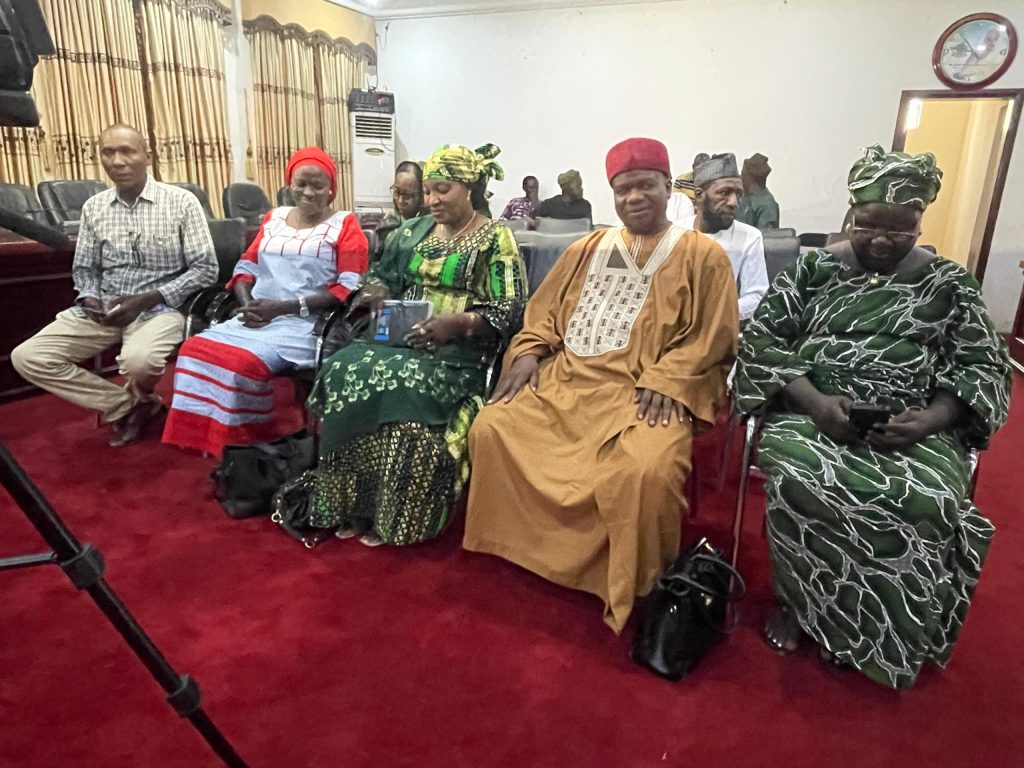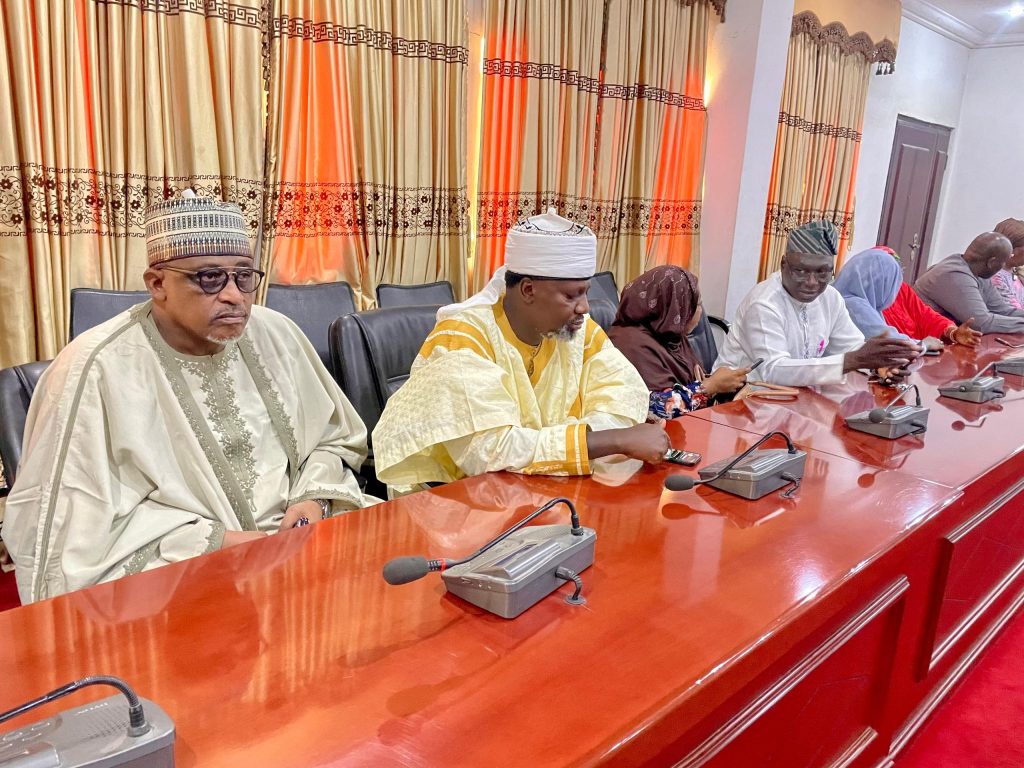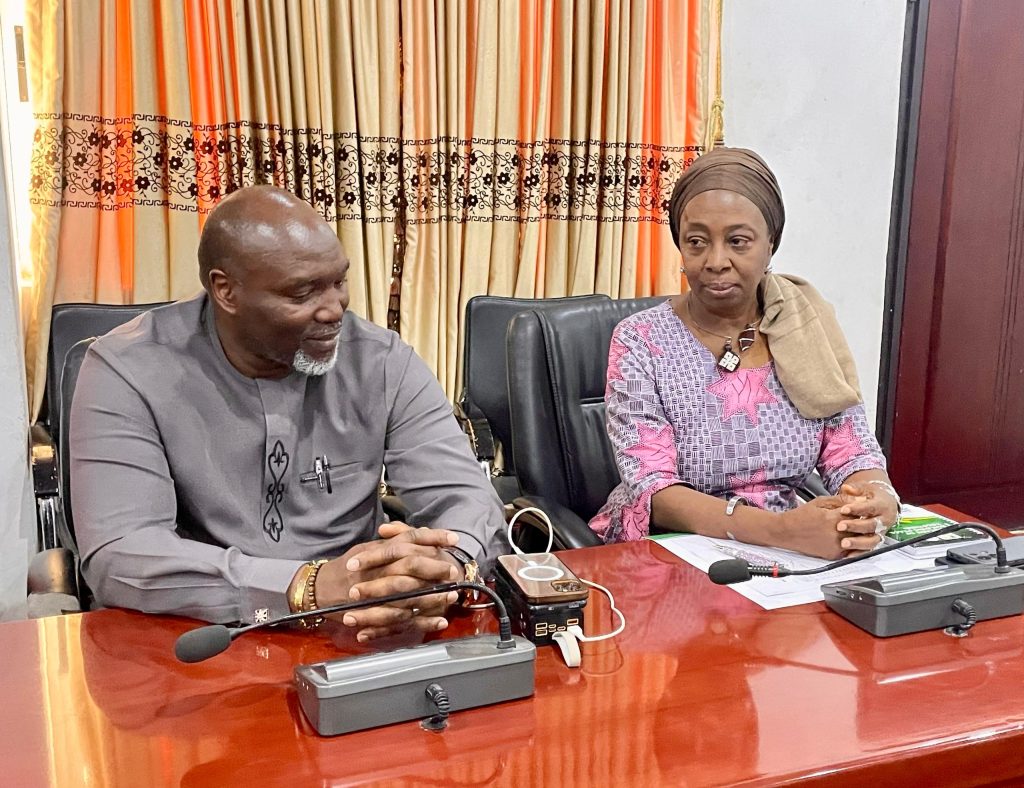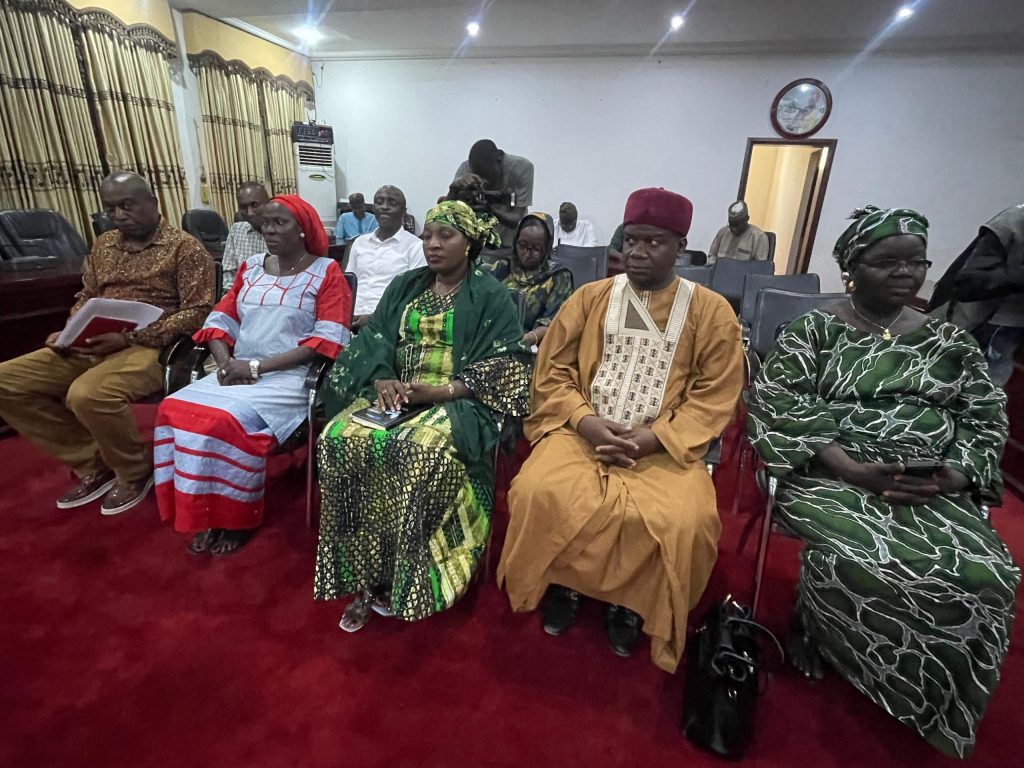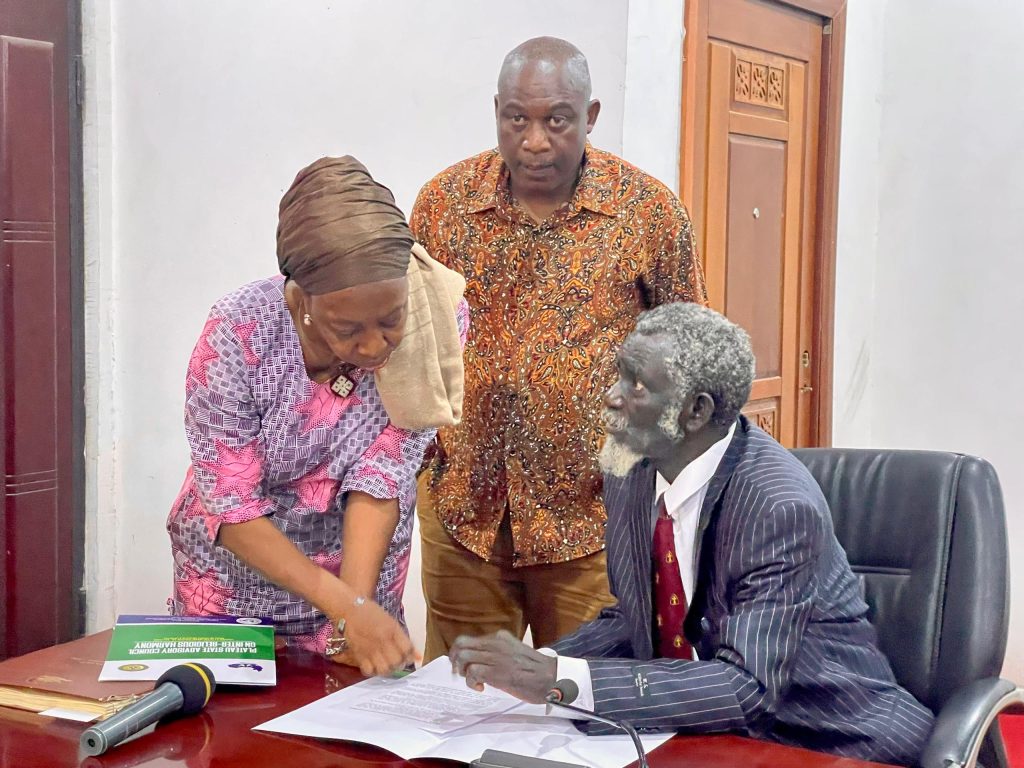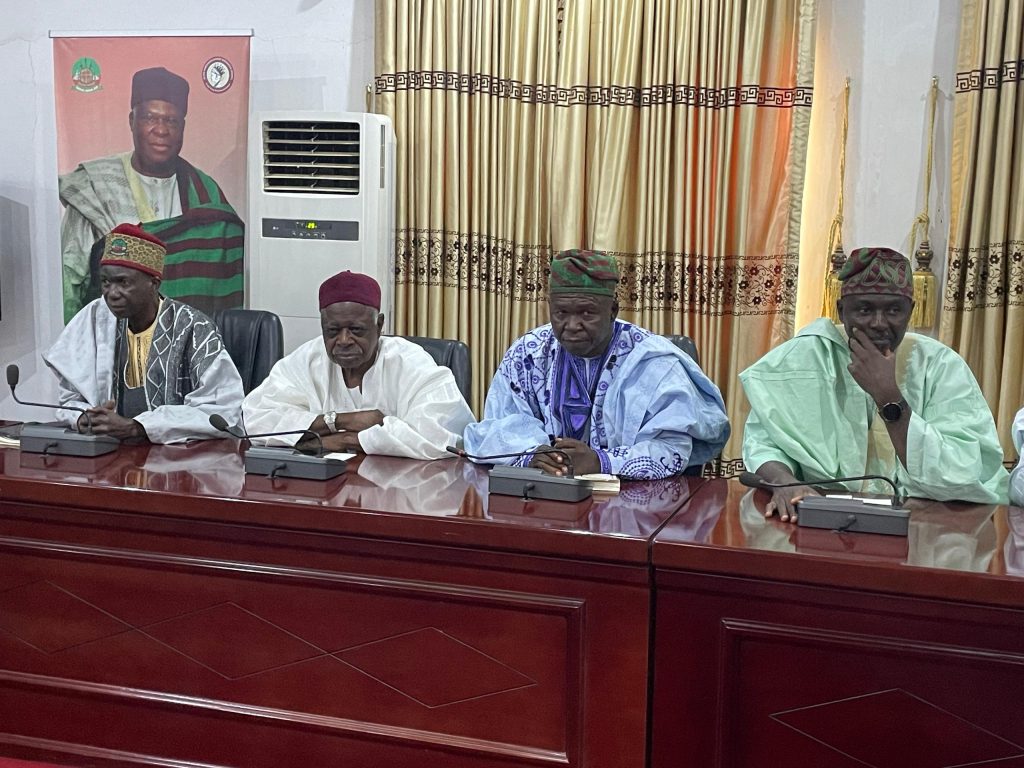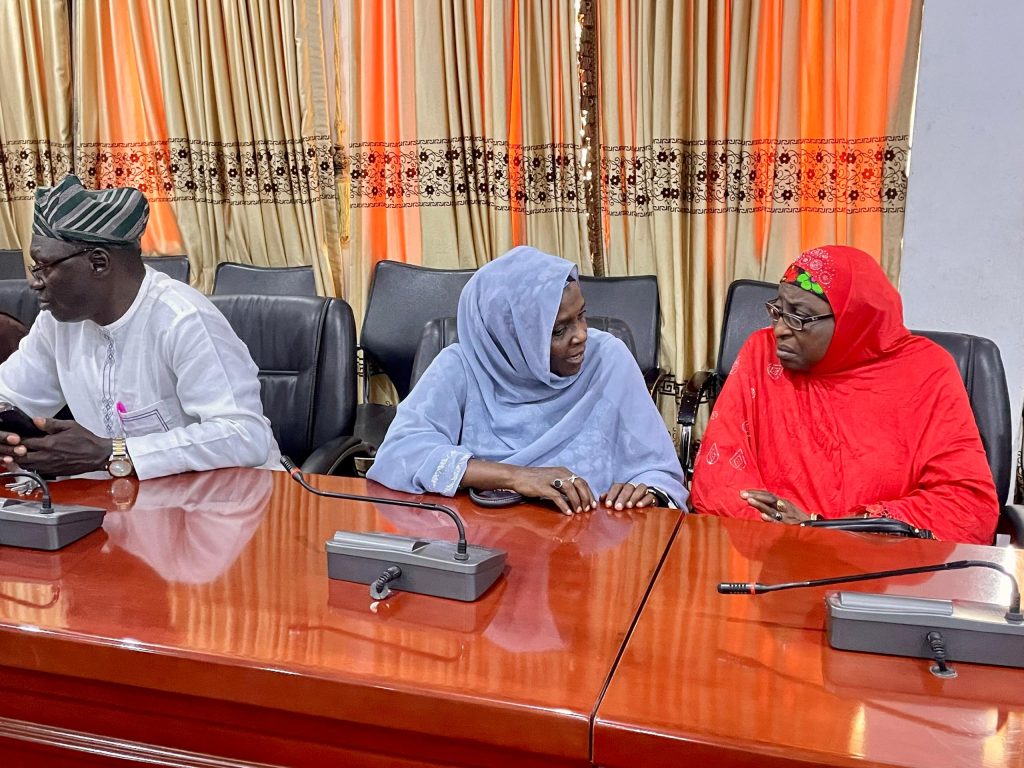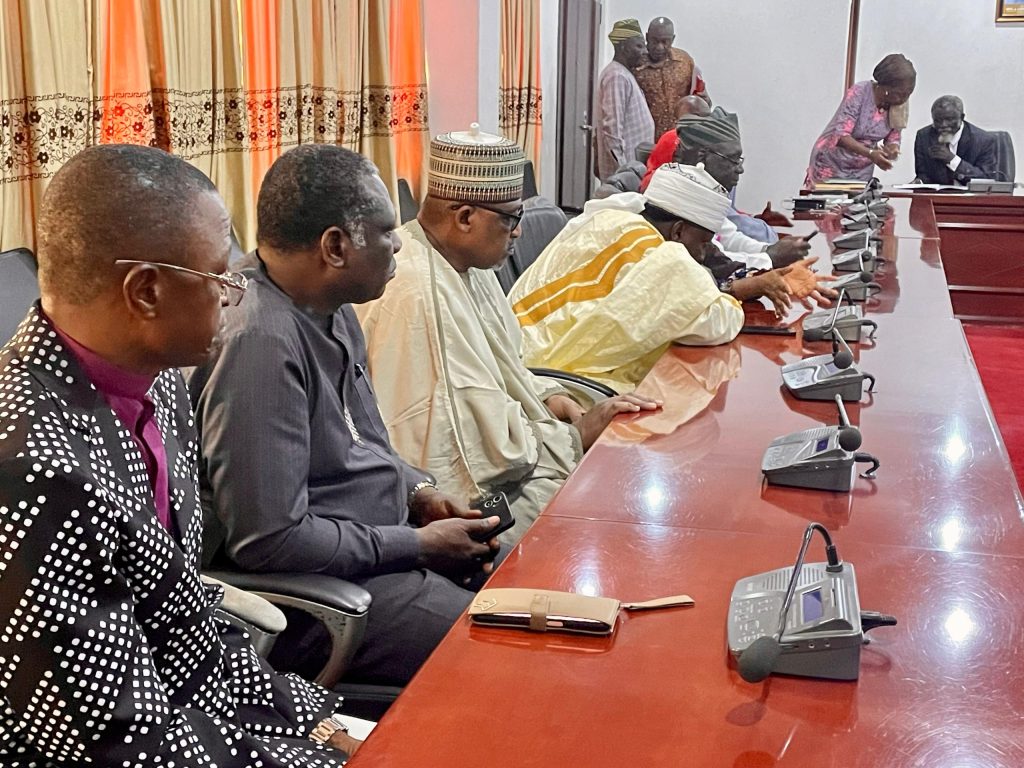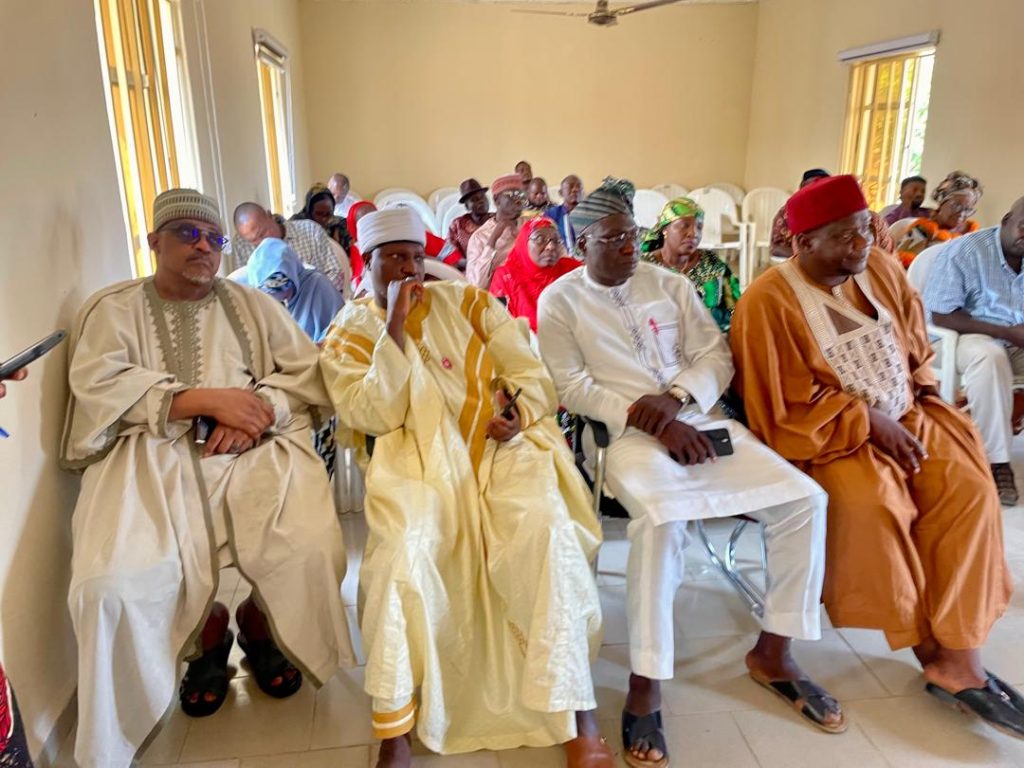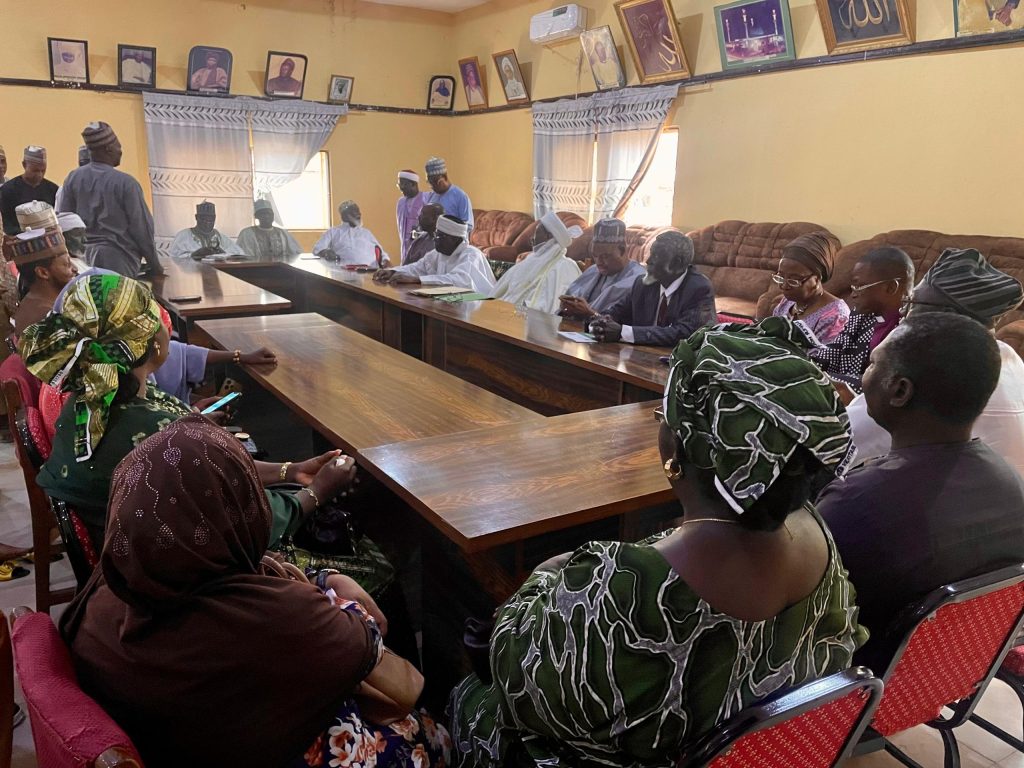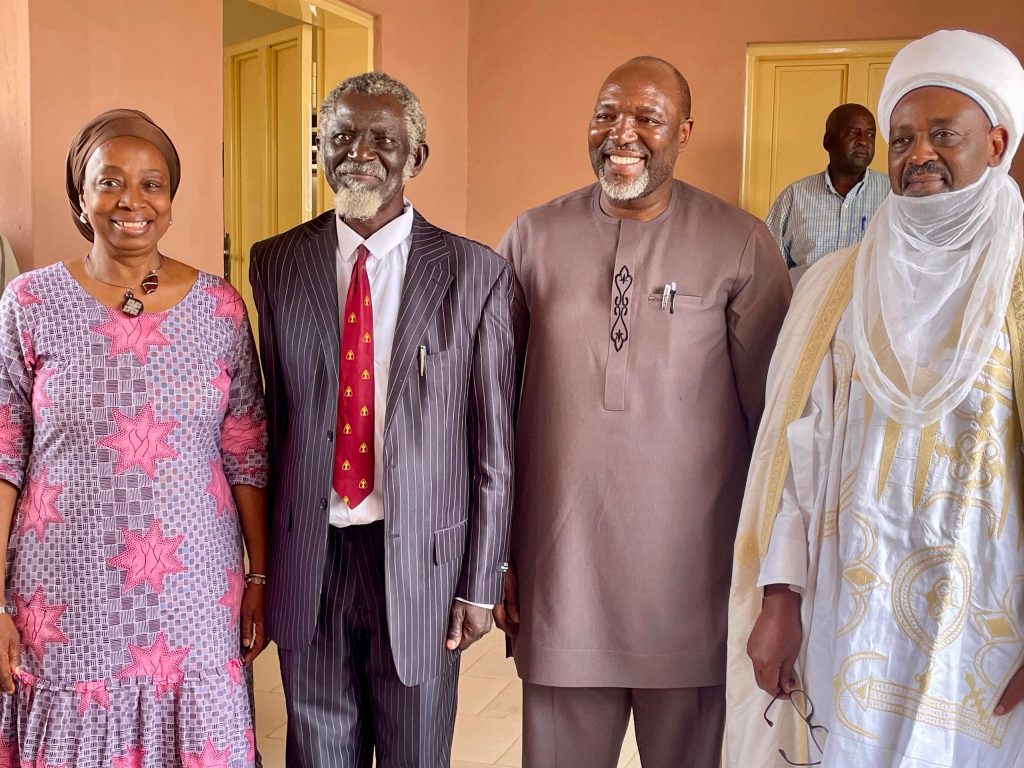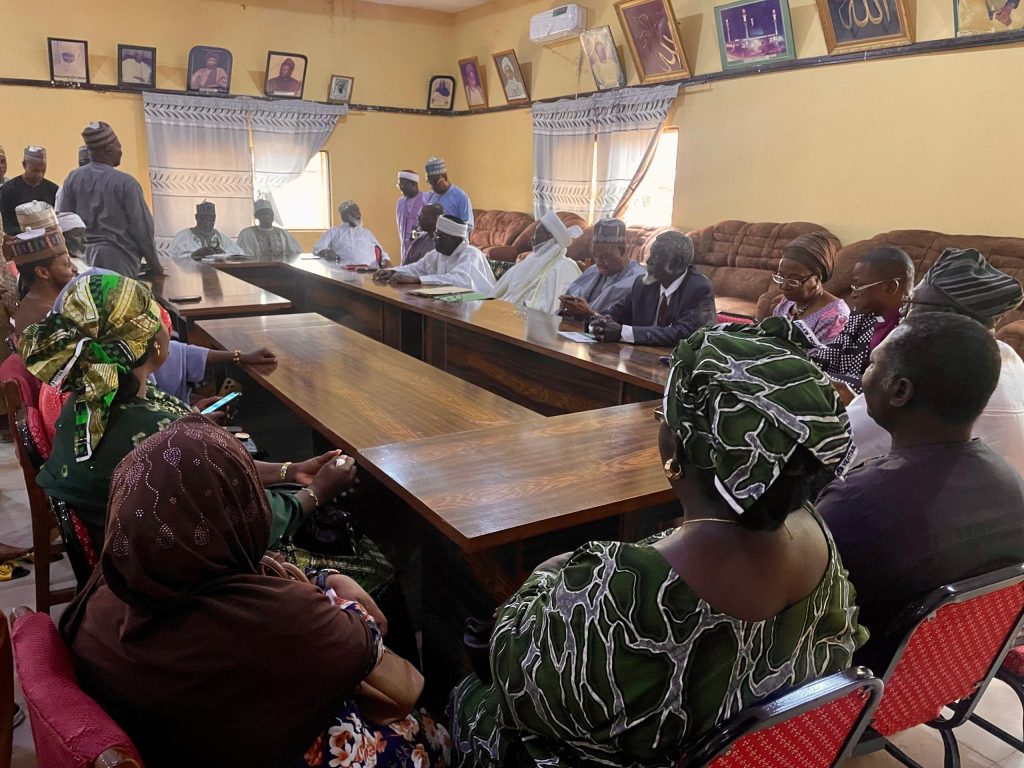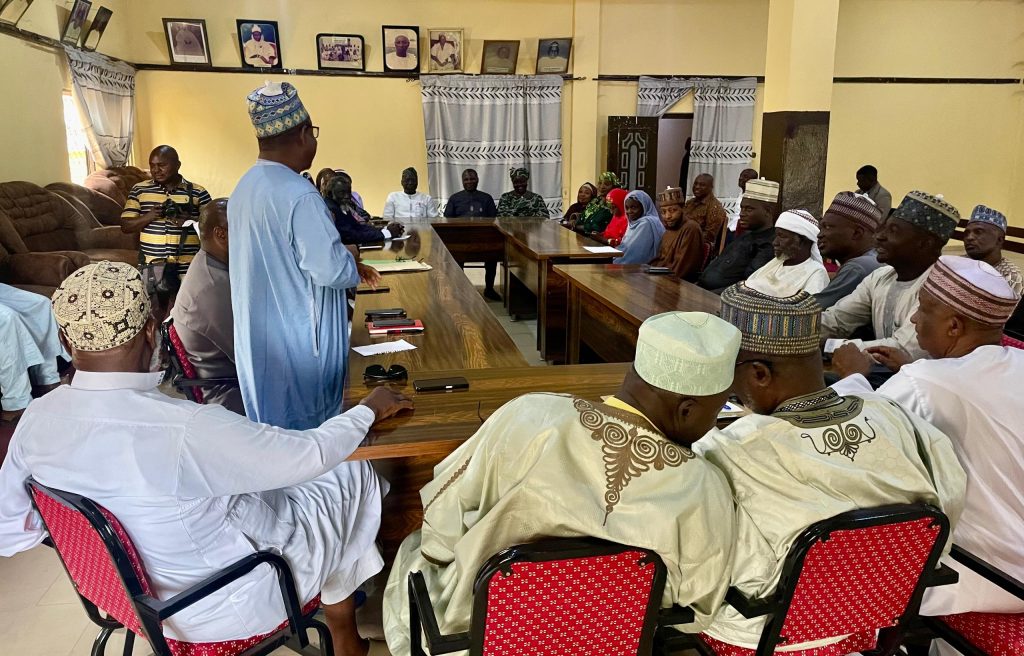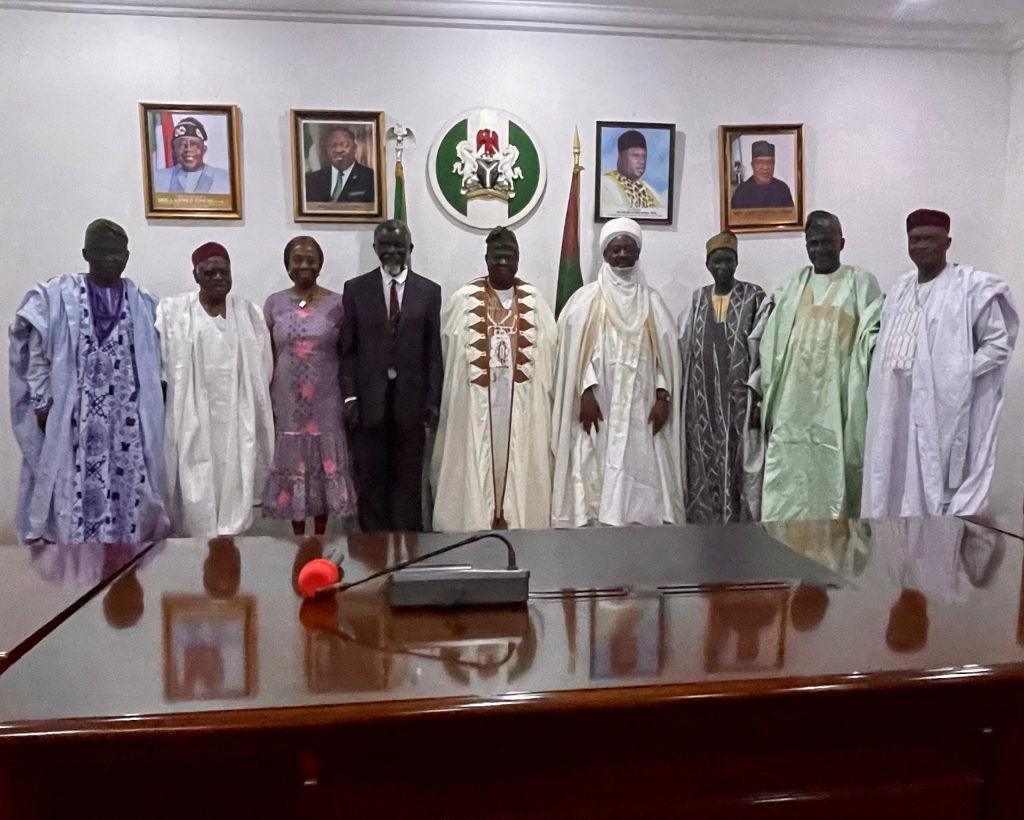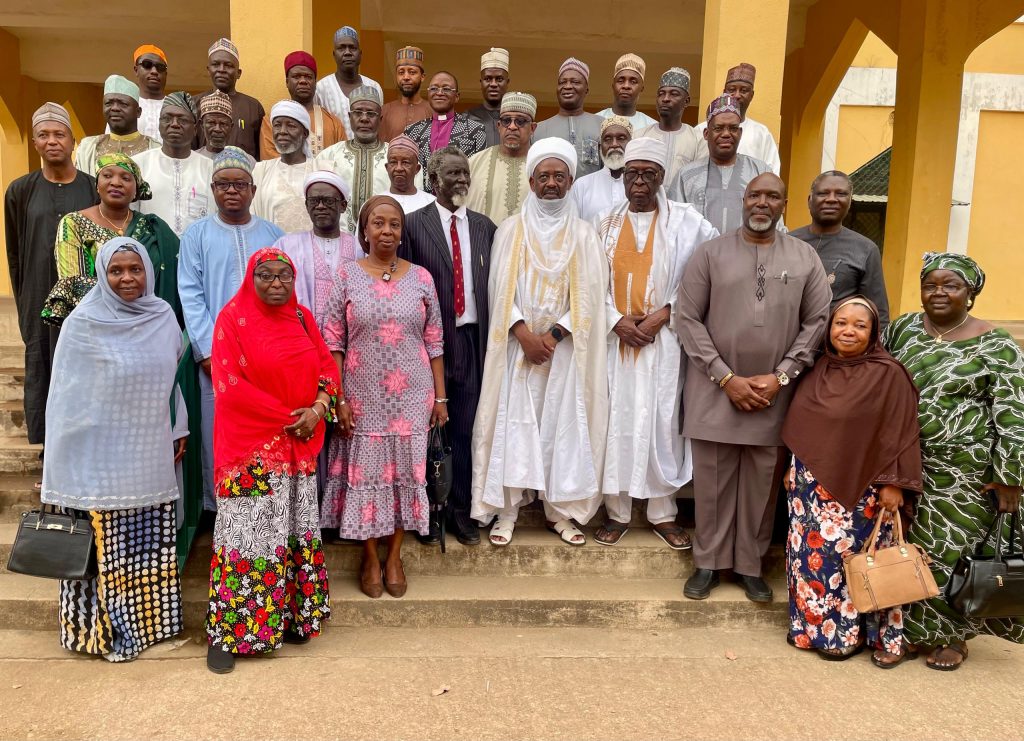
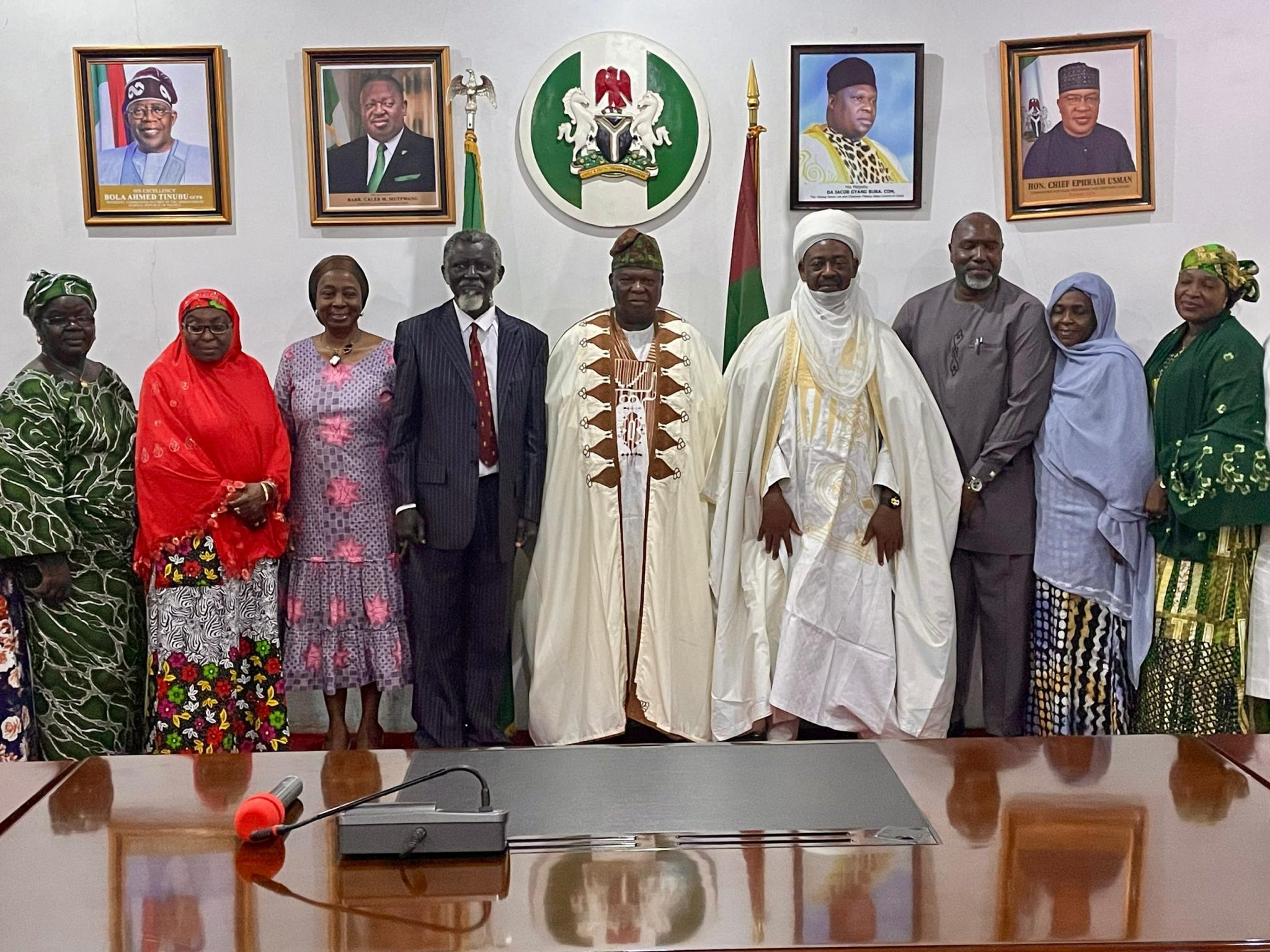
The Plateau State Advisory Council on Inter-Religious Harmony has stepped up efforts to strengthen peaceful coexistence in the state through a series of advocacy visits to key traditional and religious leaders.
The delegation on Thursday, March 12, 2026, visited the palace of the Gbong Gwom Jos as well as leadership of the Christian Association of Nigeria (CAN) and the Jama’atu Nasril Islam (JNI), seeking collaboration in addressing recurring security and communal tensions across Plateau State.
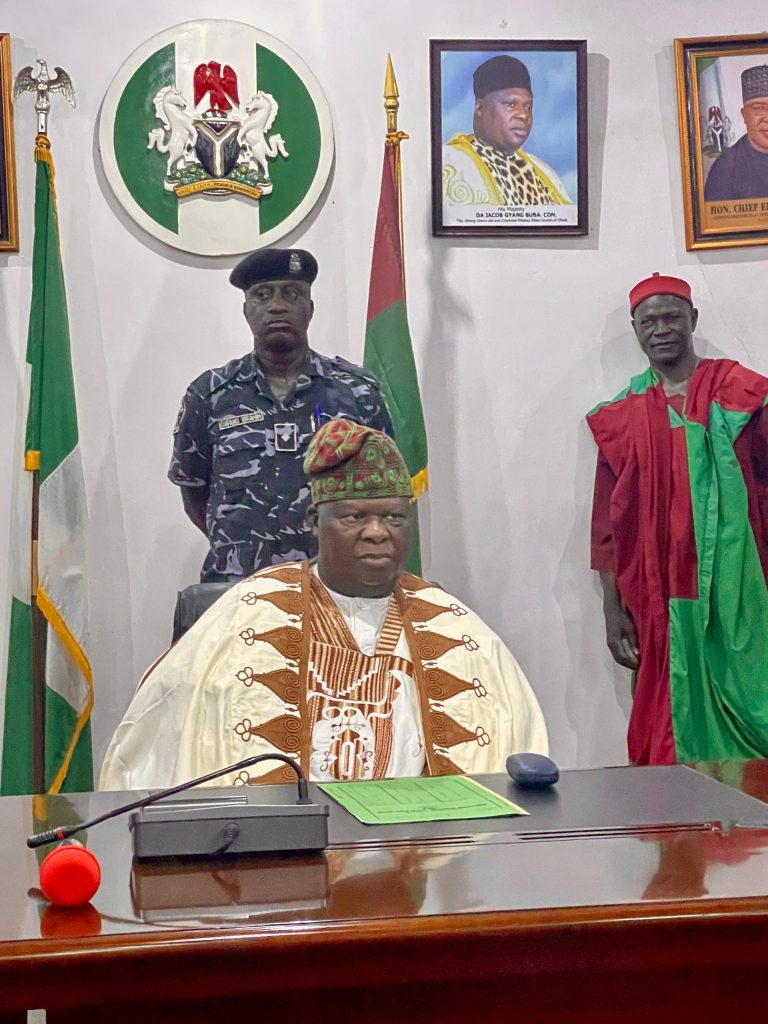
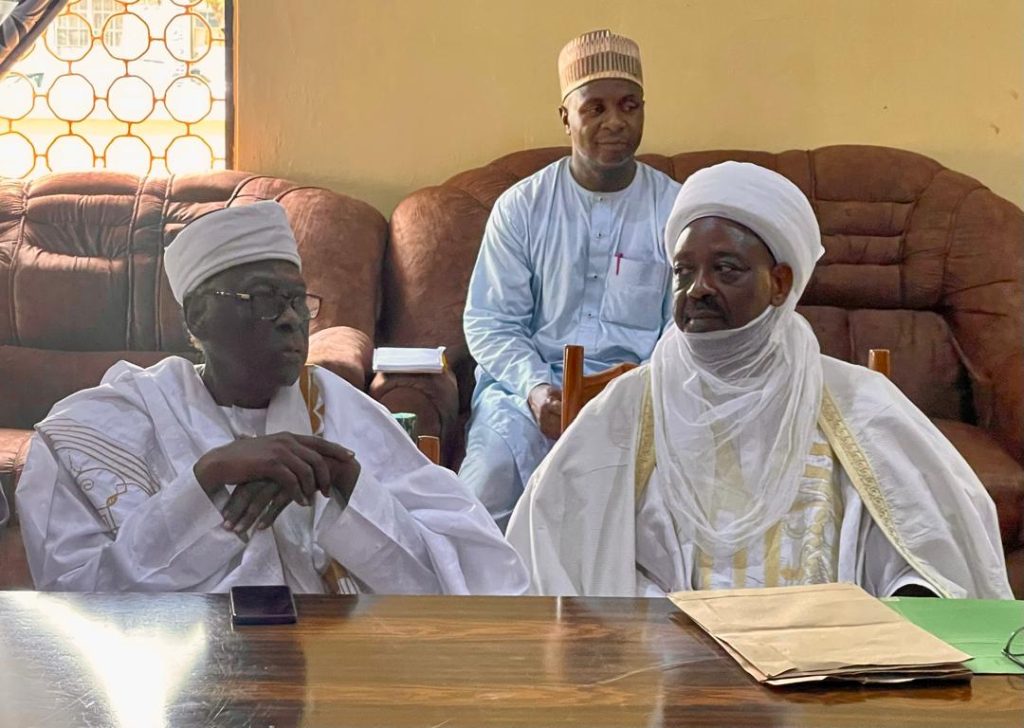
During the visit to the palace of the Gbong Gwom Jos, His Royal Majesty, Da Jacob Gyang Buba, emphasized that lasting peace on the Plateau can only be achieved through sincere dialogue, cooperation and mutual respect among religious and community leaders.
The paramount ruler noted that both Christianity and Islam worship the same Creator and therefore should not allow differences in faith to become a source of conflict.
According to him, many crises experienced in the state are often driven by political interests rather than genuine religious differences.
He urged clerics and community leaders to be cautious in their messages and avoid statements capable of inciting division among residents.
The monarch stressed the need for unity, love and understanding among Plateau citizens, adding that leaders must take collective responsibility for promoting peace and stability in the state.
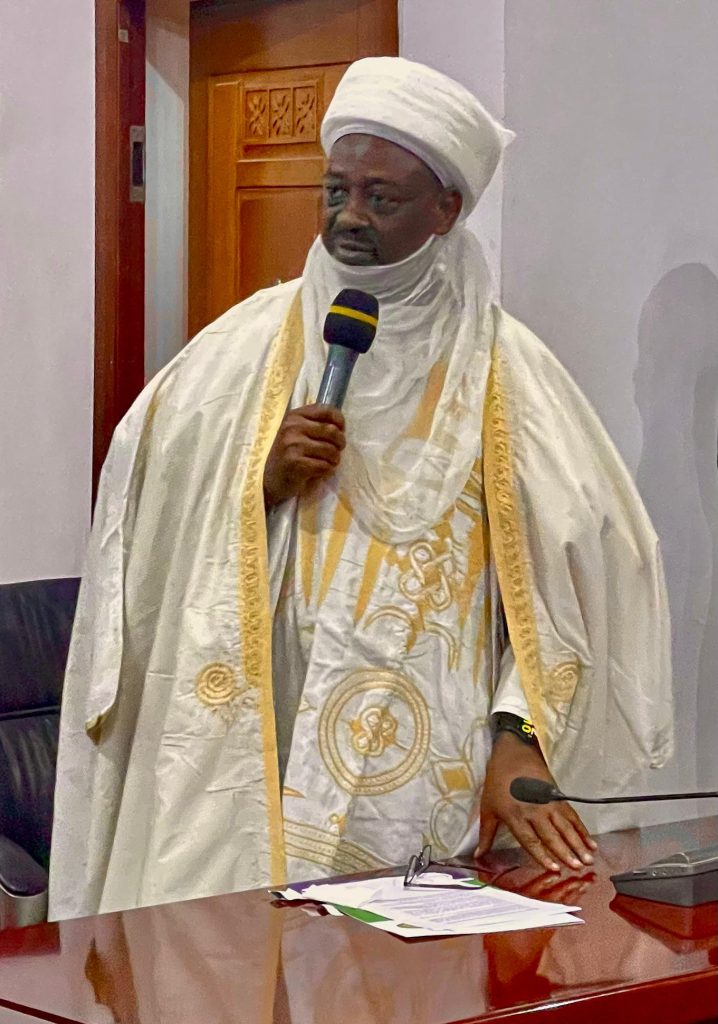
Co-Chairman of the council, His Royal Highness Muhammad Sambo Haruna, explained that the visit to the Gbong Gwom Jos was to seek royal blessings and guidance for the council’s peacebuilding mandate.
Haruna said the council, established by the Plateau State Government, has been actively engaging communities and stakeholders following recent crises in parts of the state.
He observed that Christians and Muslims have lived peacefully together for generations and must resist narratives that seek to divide them.
The Emir also urged community leaders to act as the council’s “eyes and ears” by encouraging dialogue and promptly addressing issues that could escalate into violence.
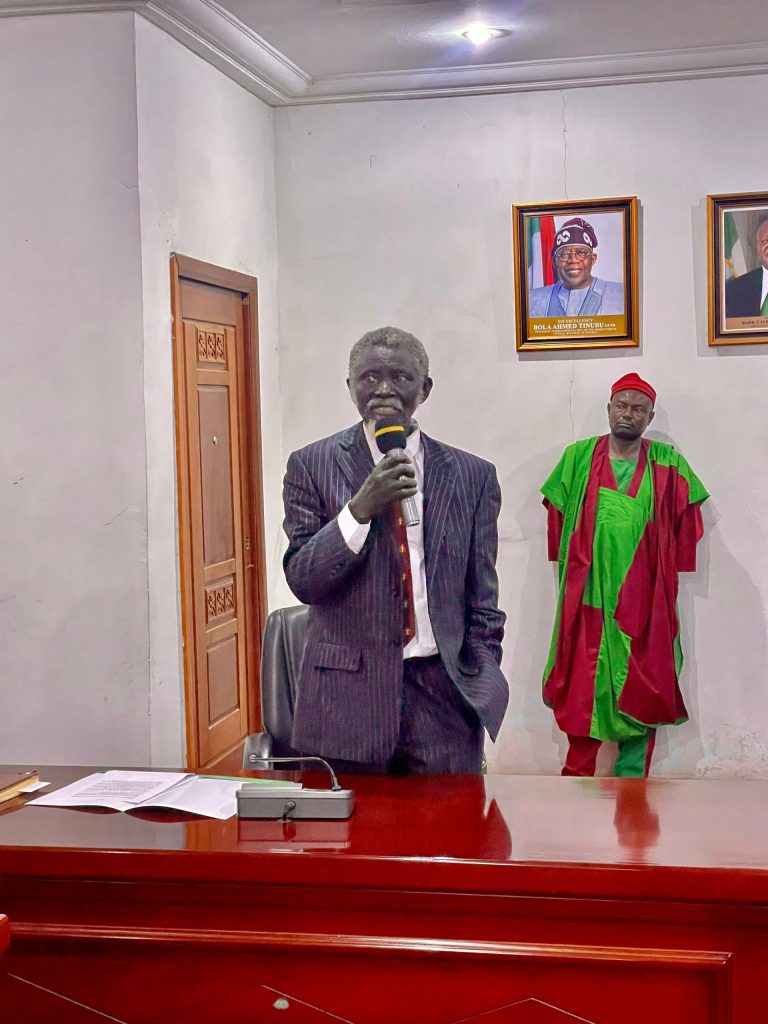
Speaking during the engagement, the council’s Co-Chairman, Rt. Rev. Prof. Pandang Yamsat, stressed the importance of unity and shared responsibility among religious and traditional leaders in sustaining peace in Plateau State.
Yamsat explained that the council was established to strengthen peaceful coexistence between Christians and Muslims and ensure that Plateau remains a safe and welcoming home for all residents.
He noted that the council comprises respected representatives from both faith communities who are committed to fostering understanding and reconciliation.
According to him, the advocacy visits were aimed at introducing the council’s mission and encouraging religious leaders to actively support peacebuilding efforts.
Yamsat urged clerics to remember their influence within society and to ensure that their teachings reflect the principles of peace, unity and tolerance.
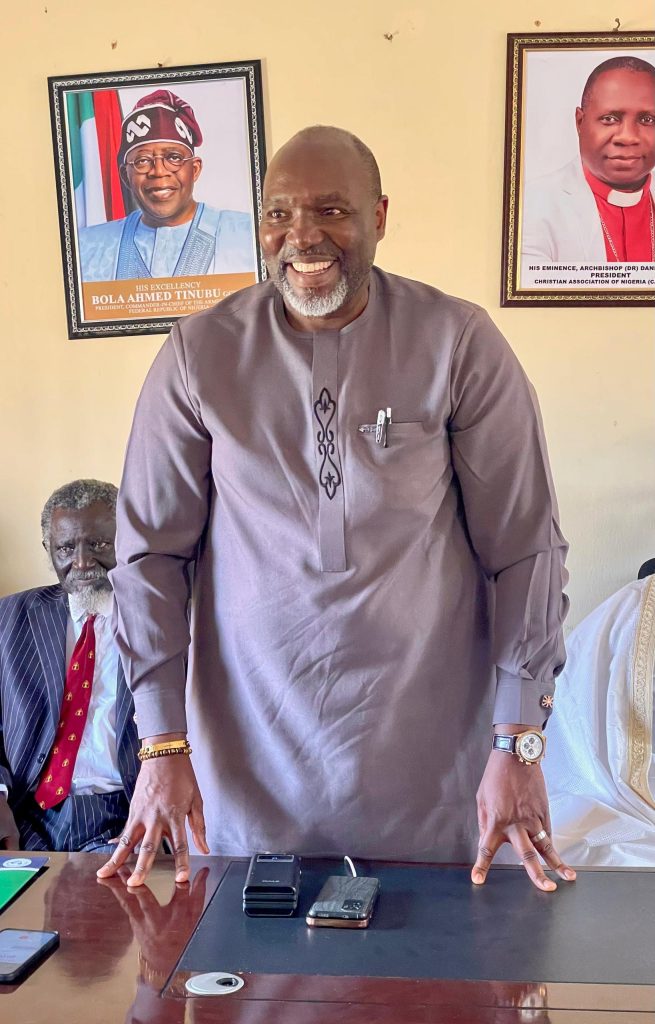
Chairman of the Christian Association of Nigeria in Plateau State, Rev. Dr. Dunka Gomwalk, welcomed the council’s delegation and expressed optimism that the initiative could help restore harmony across communities.
Gomwalk noted that the composition of the council includes respected Christian and Muslim leaders with a genuine commitment to building bridges between faith groups.
He added that many Plateau residents already live peacefully as friends and neighbours across religious lines, stressing that such relationships should serve as the foundation for rebuilding trust and unity.
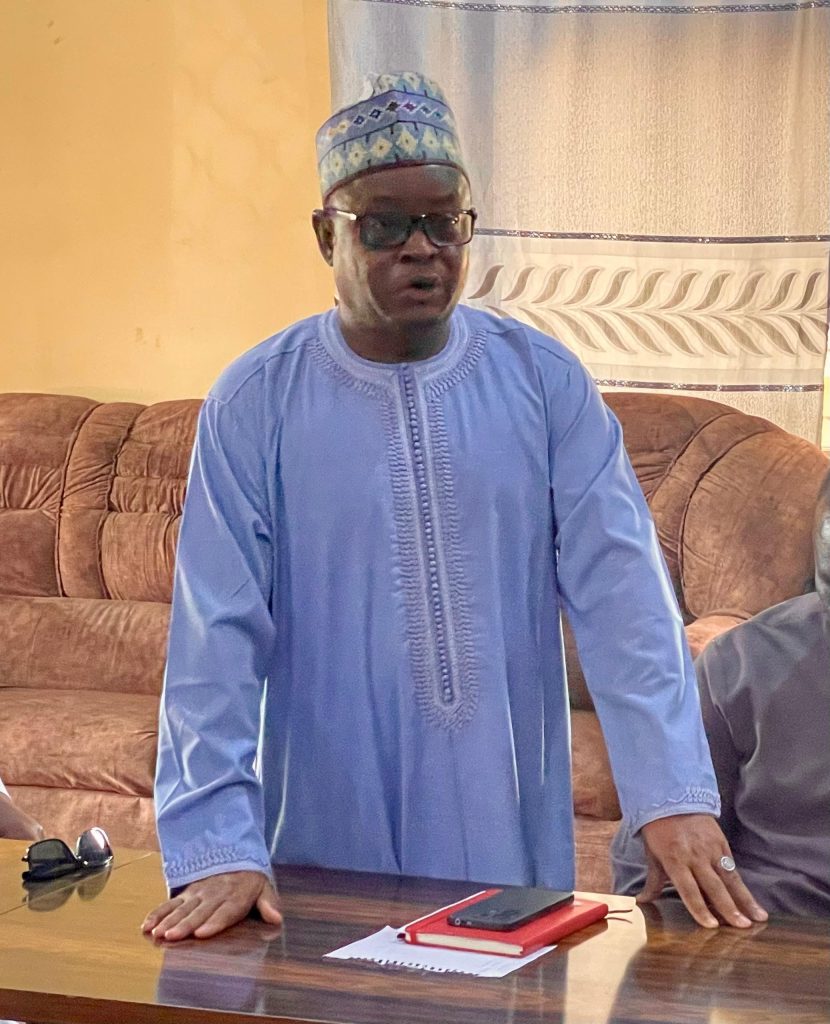
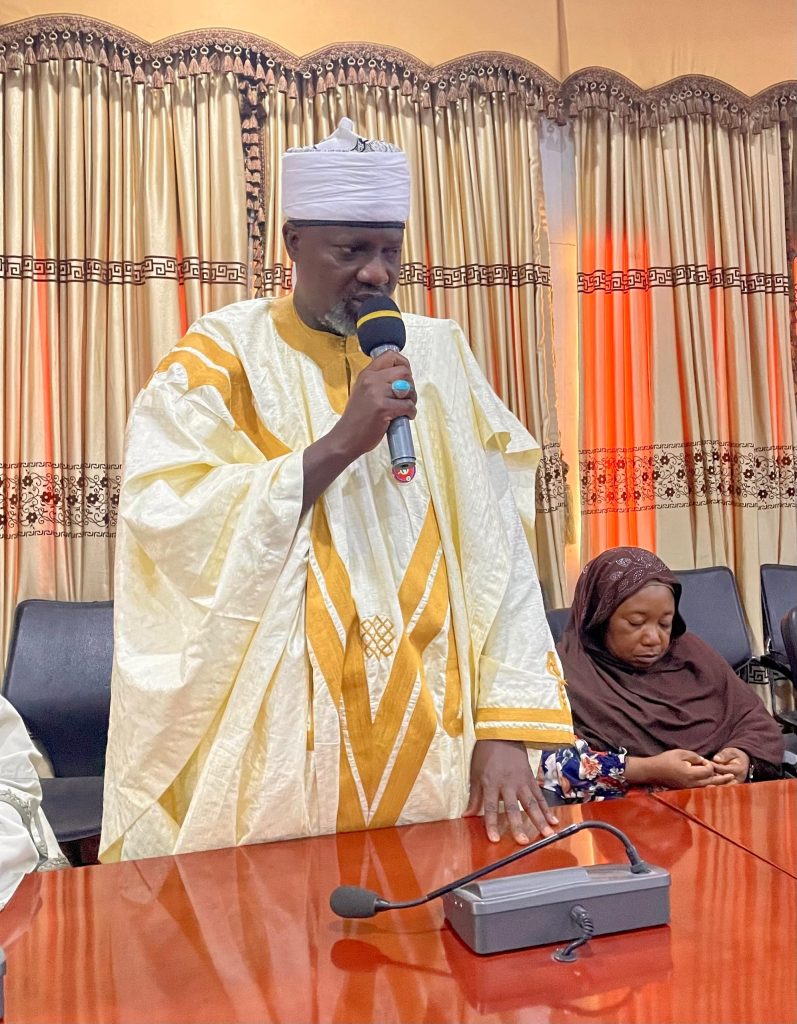
Also speaking, Secretary of Jama’atu Nasril Islam, Alhaji Salim Sale, said genuine peace requires honesty, justice and commitment from all stakeholders.
Citing the Qur’an, he noted that taking an innocent life is equivalent to killing all humanity, emphasizing that violence in the name of religion contradicts the true teachings of faith.
Sale called on religious leaders to work sincerely toward reconciliation and also advocated greater inclusiveness in governance to address feelings of marginalization among communities.
He acknowledged that previous efforts at sustaining peace had faced challenges but said there was now a renewed opportunity to chart a new path through dialogue and cooperation.
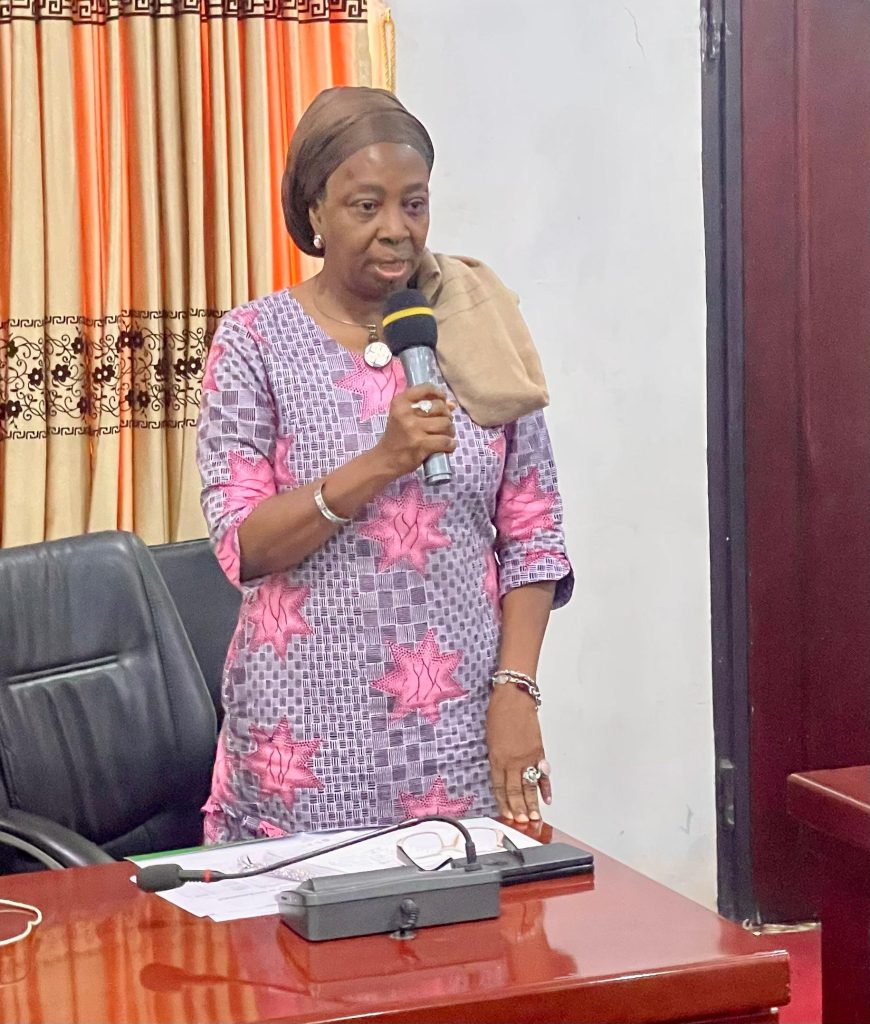
Director General of the Plateau Peace Building Agency, Julie G. Sanda, commended the leadership of Jama’atu Nasril Islam for receiving the delegation and reaffirmed the agency’s commitment to strengthening interfaith collaboration in the state.
Sanda noted that the council had earlier visited the Gbong Gwom Jos and the Christian Association of Nigeria as part of its outreach to religious institutions.
She expressed optimism that renewed cooperation between Christian and Muslim leaders would reinforce ongoing peacebuilding initiatives and help restore Plateau State’s long-standing reputation as the “Home of Peace and Tourism.”
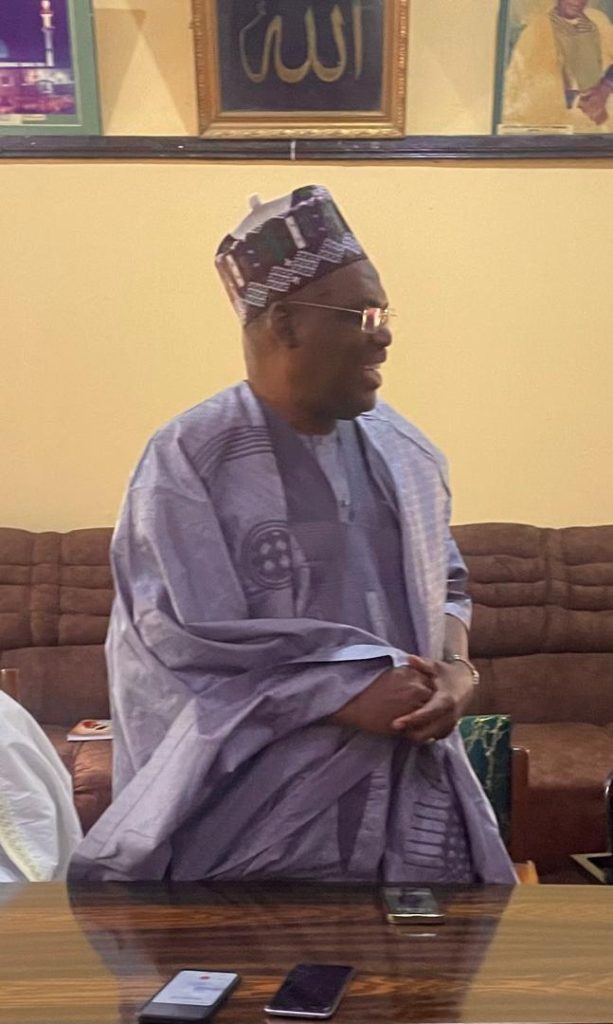
Also speaking, Ambassador Abdullahi Shehu, representing Jama’atu Nasril Islam, urged the council to clearly articulate its framework, mandate and achievements in promoting peace.
He stressed that peace cannot simply be proclaimed but must be achieved through deliberate action, sincerity and cooperation among all stakeholders.
Shehu assured the council of JNI’s readiness to partner with other groups to advance lasting harmony across Plateau State.