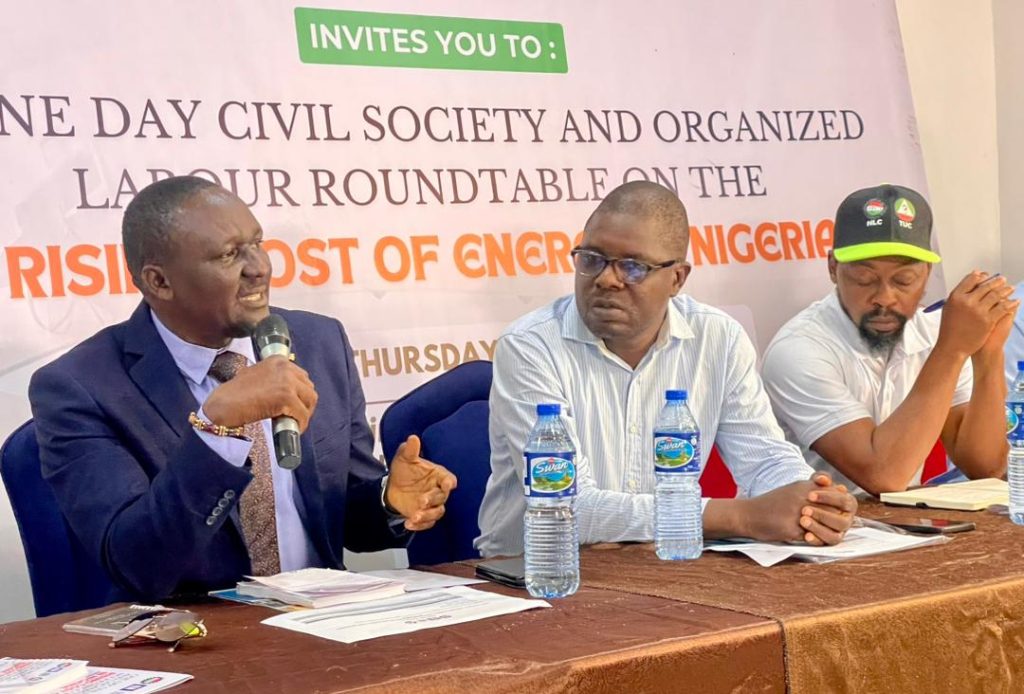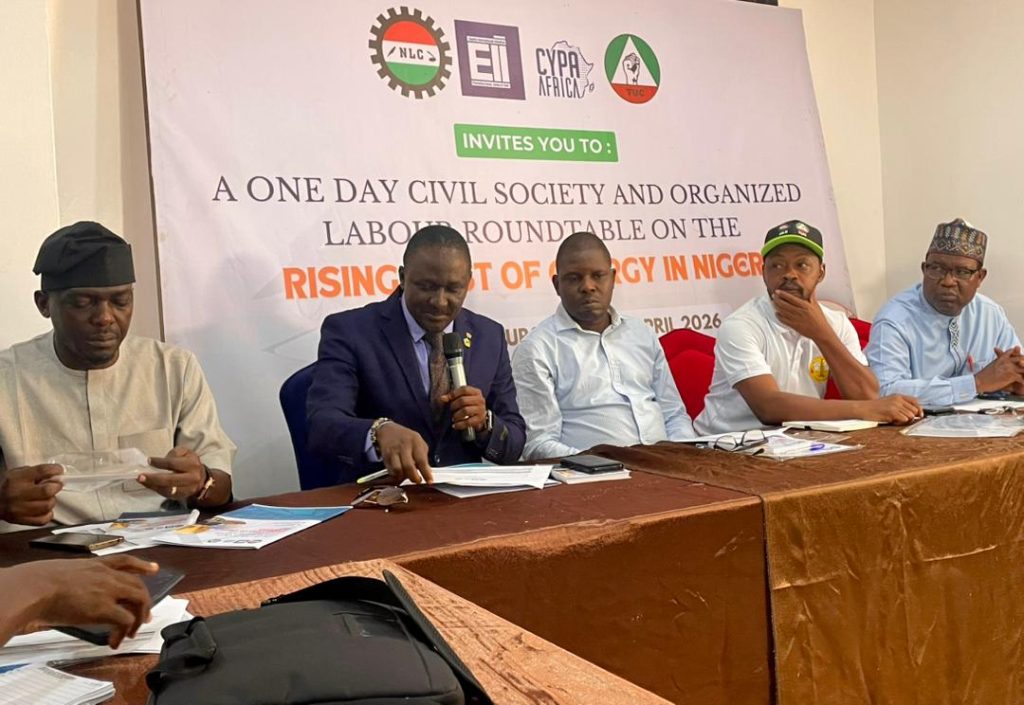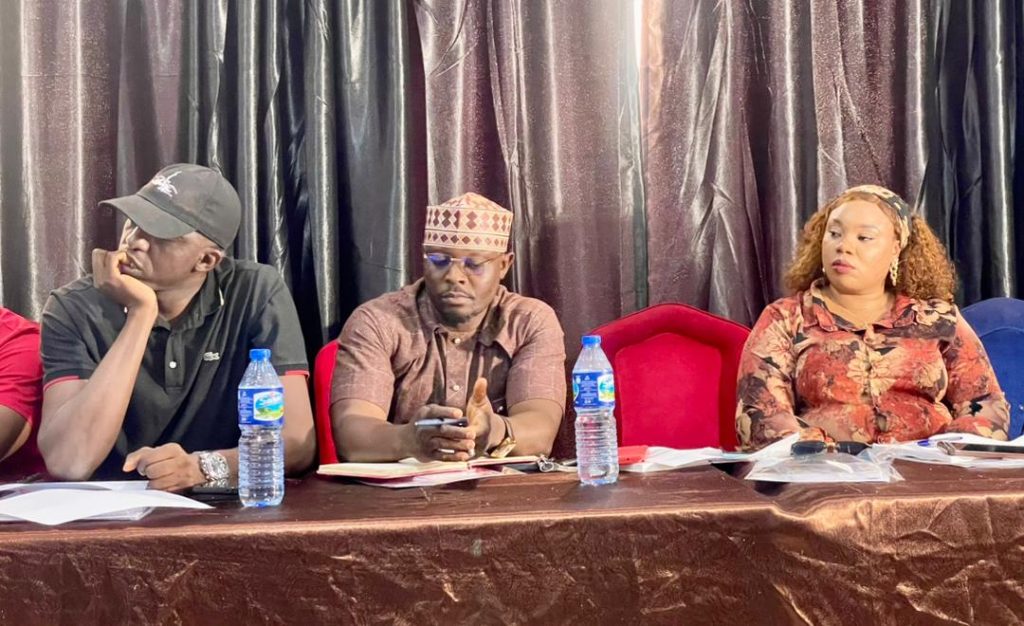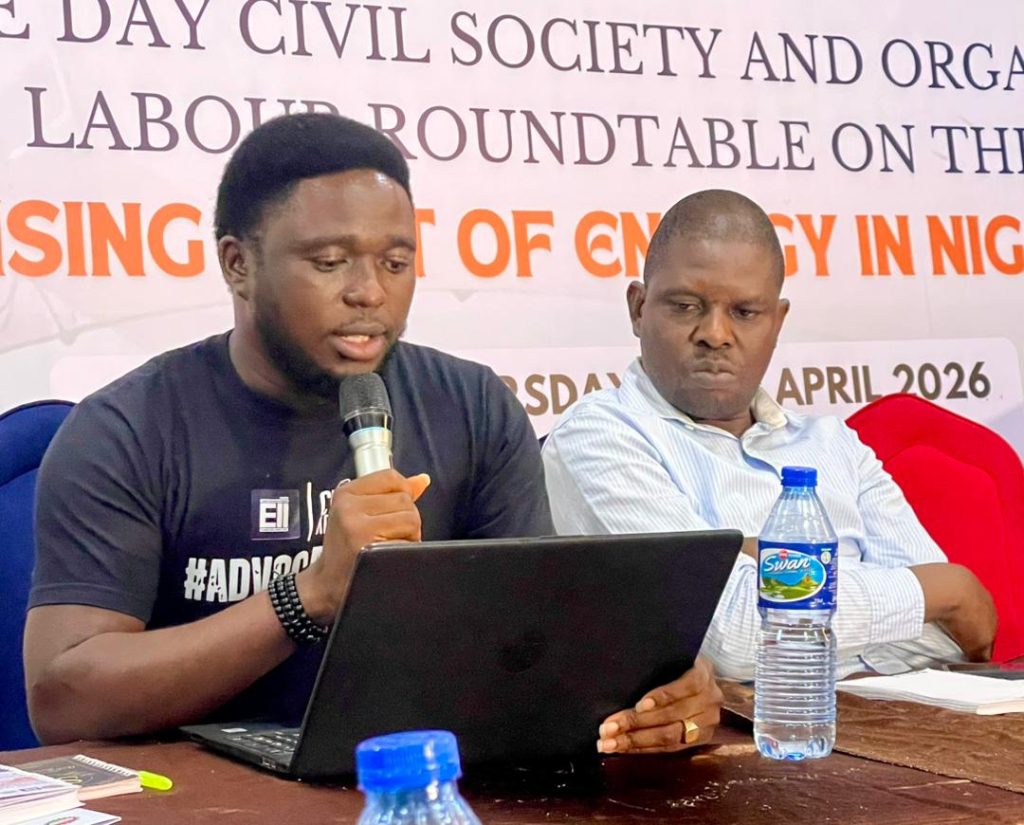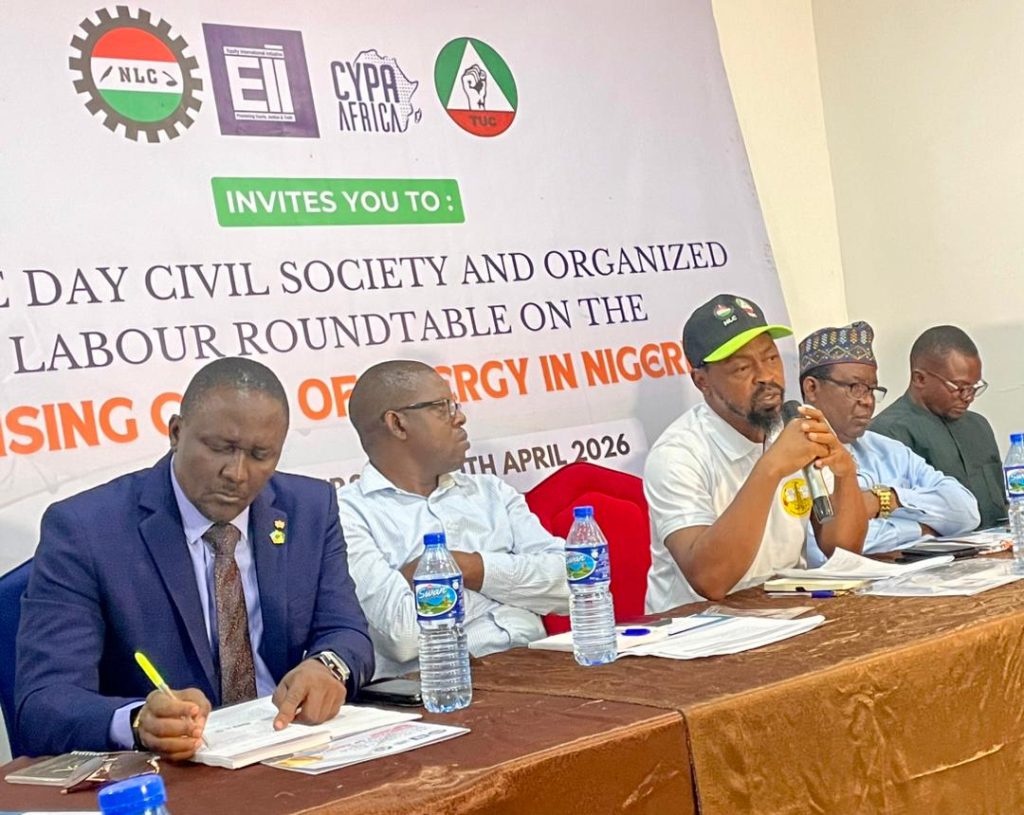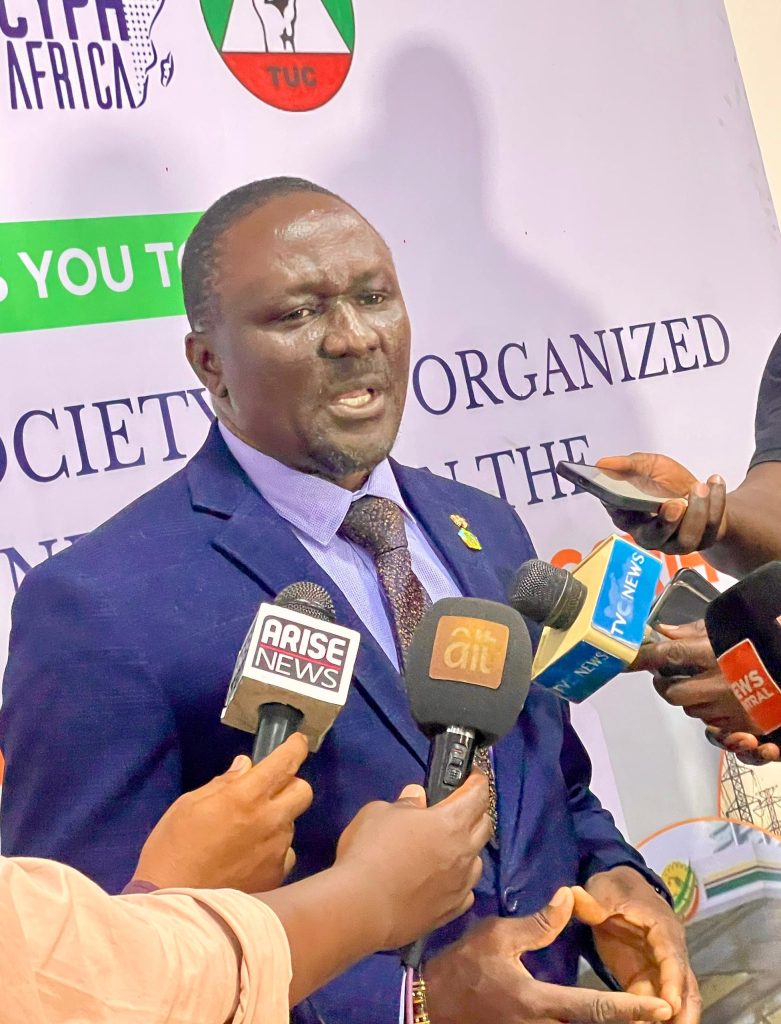

Civil society organisations and organised labour have issued a strong communiqué calling for urgent reforms to address Nigeria’s worsening energy crisis, following a strategic roundtable held on Thursday, April 30, 2026, at Crispan Hotel in Jos.
The roundtable, convened by Equity International and CYPA Africa in partnership with organised labour, brought together stakeholders across policy, industry, and development sectors to examine the rising cost of energy and its far-reaching impact on Nigerians.
In the communiqué released at the end of the meeting, participants identified structural governance failures, weak regulatory systems, policy inconsistencies, exchange rate instability, and infrastructure deficits as the primary drivers of the country’s persistent energy challenges. While acknowledging the influence of global geopolitical tensions on oil prices, the stakeholders stressed that Nigeria’s crisis is largely homegrown.
They described as alarming the paradox of a major crude oil-producing nation battling unaffordable fuel prices, rising transportation costs, and deepening economic hardship. According to the communiqué, the increasing cost of energy has become a major driver of inflation, significantly affecting food prices, production costs, and the survival of small and medium-scale enterprises.
The forum emphasised that energy should not be treated merely as a market commodity but as a fundamental economic and social necessity tied directly to livelihoods, productivity, and national development. Participants warned that stagnant incomes amid rising costs are worsening poverty levels and weakening citizens’ purchasing power.
The communiqué further raised concerns that despite subsidy removal and market liberalisation, Nigeria has yet to achieve a transparent and competitive energy market, with lingering questions around pricing systems, crude allocation, and regulatory oversight.
To address these issues, stakeholders outlined key recommendations including improving transparency in the petroleum value chain, cushioning the impact of rising energy costs on citizens and businesses, investing in public transportation, and strengthening domestic refining capacity through rehabilitation of refineries and support for modular refinery development.
They also called for exchange rate stability, tax relief for affected sectors, stricter market regulation, and the reactivation of depot systems to improve distribution nationwide.

During the dialogue, in their remarks, Amb. Chris Iyama of CYPA Africa attributed the crisis to global oil market volatility and domestic inefficiencies, stressing the urgency of practical, solution-driven engagement.

Gad Shamaki, a university academic, described the situation as a governance and social challenge, urging both government and citizens to take responsibility.
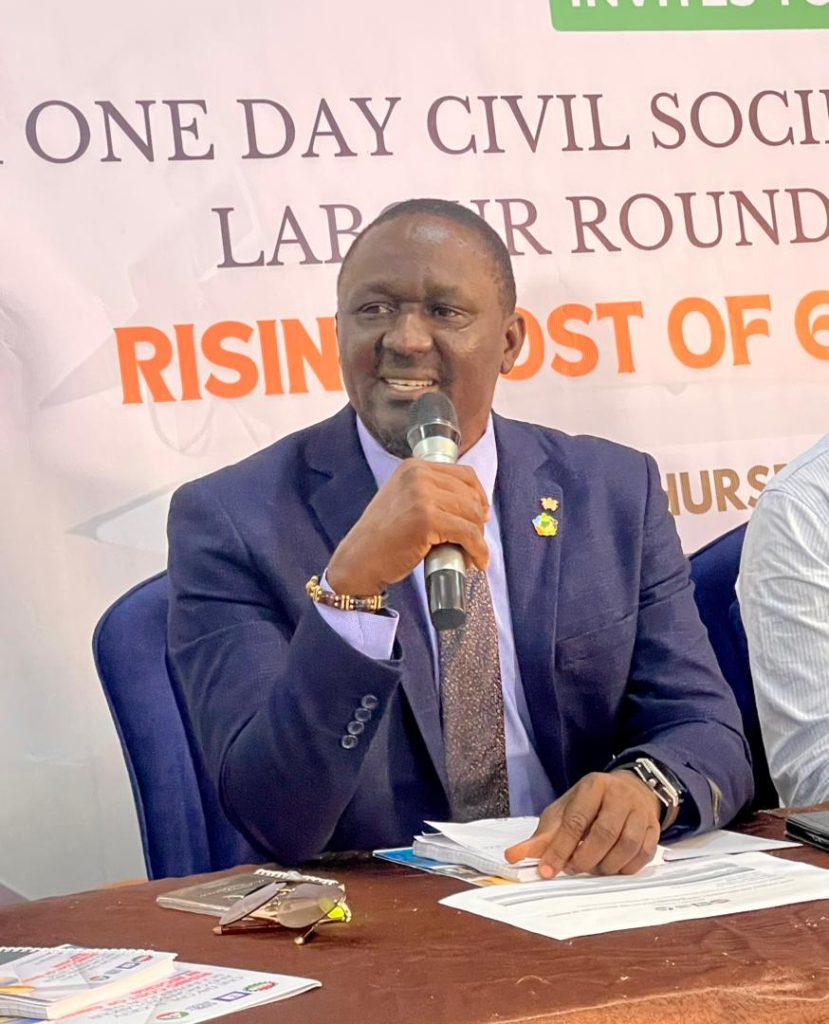
Labour representative James Ugochukwu highlighted inconsistencies in fuel pricing across regions and questioned why Nigeria’s costs remain unstable despite being an oil-producing nation.
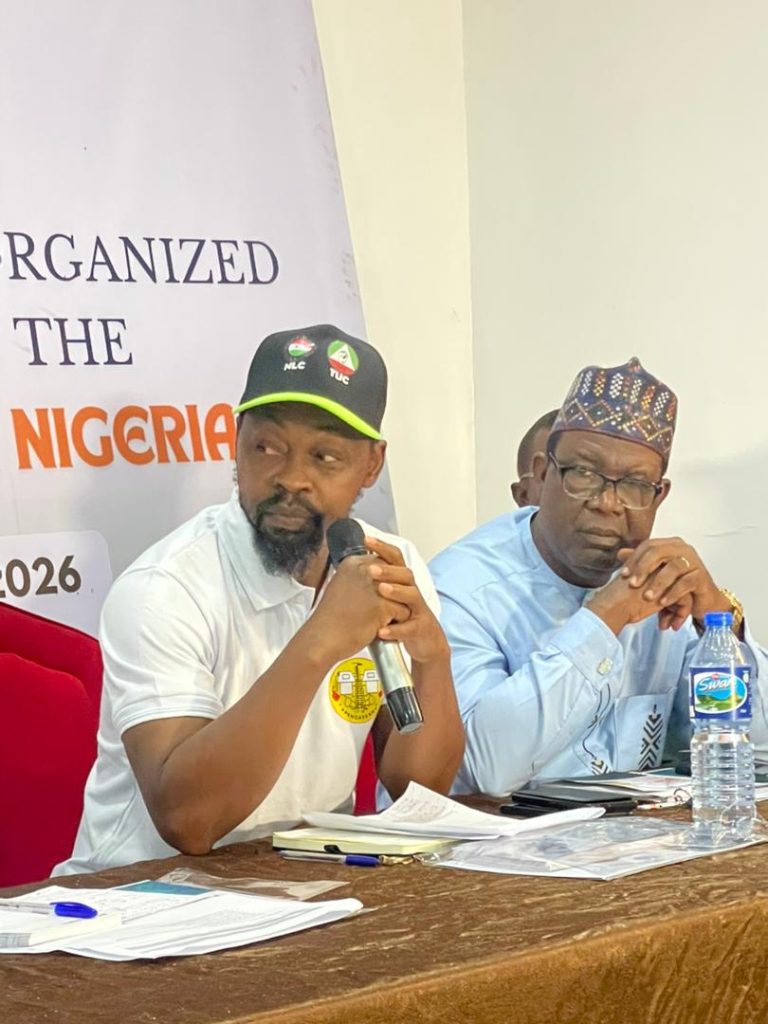
Kenneth Shama of organised labour linked rising energy costs to insecurity and poverty, advocating for hardship allowances and fiscal relief for workers and businesses.
Concluding, the stakeholders reaffirmed that Nigeria’s energy crisis is not only an economic issue but also a governance and social justice concern, pledging sustained advocacy and engagement toward transparent, people-centred reforms that prioritise citizens’ welfare and economic resilience.