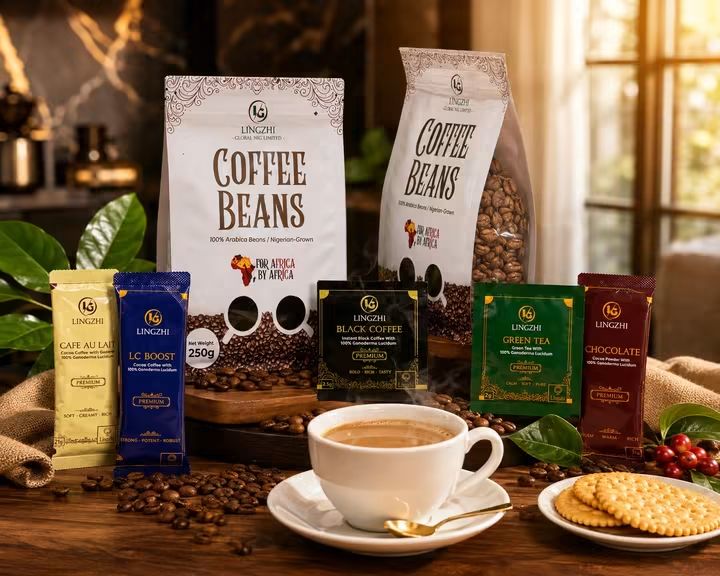
From planting and nurturing coffee seedlings to harvesting, processing, roasting and marketing, Lingzhi Global Coffee is expanding the coffee value chain in Plateau State while creating employment opportunities for farmers, harvesters, processors, roasters, marketers and other workers.
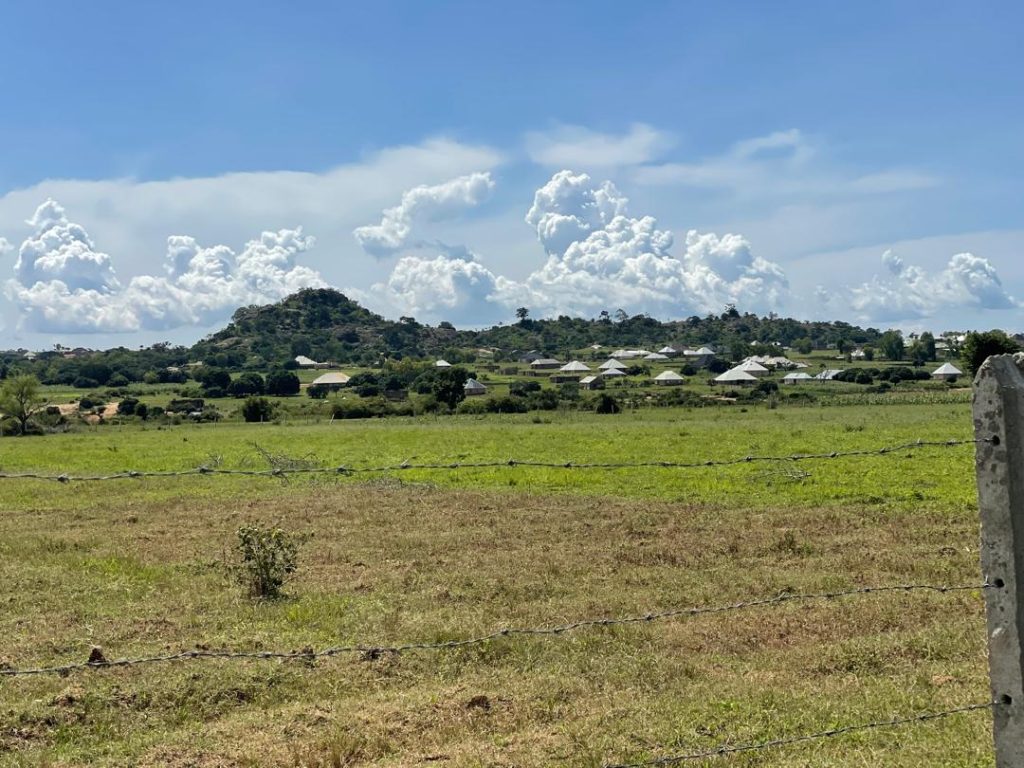
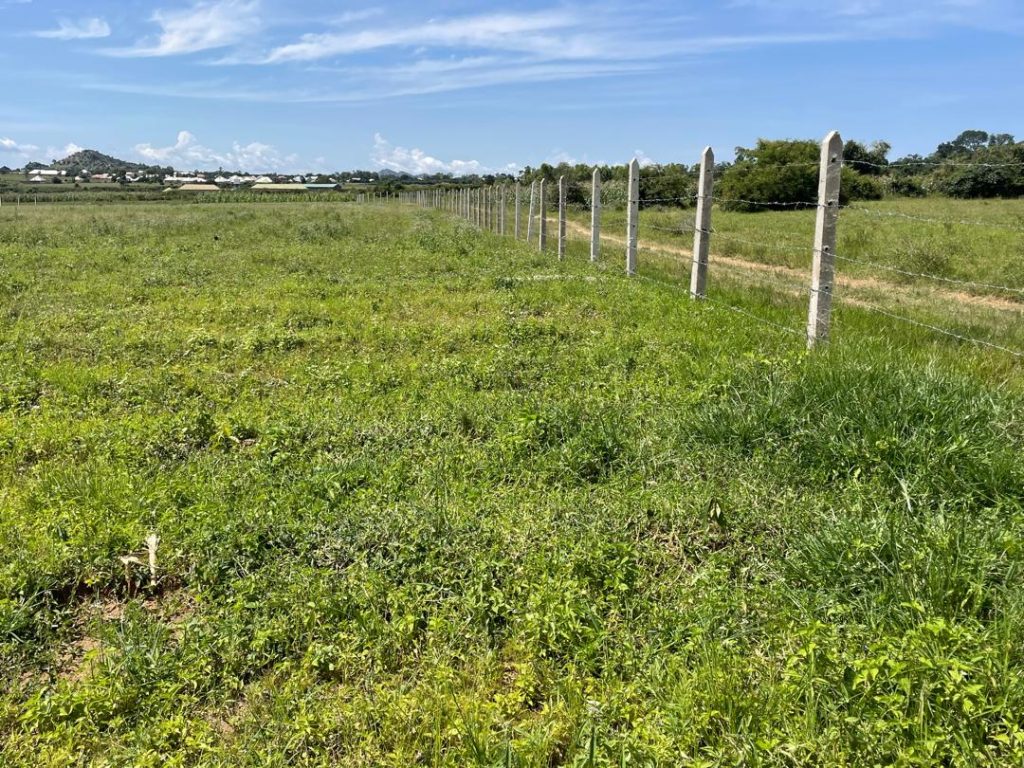
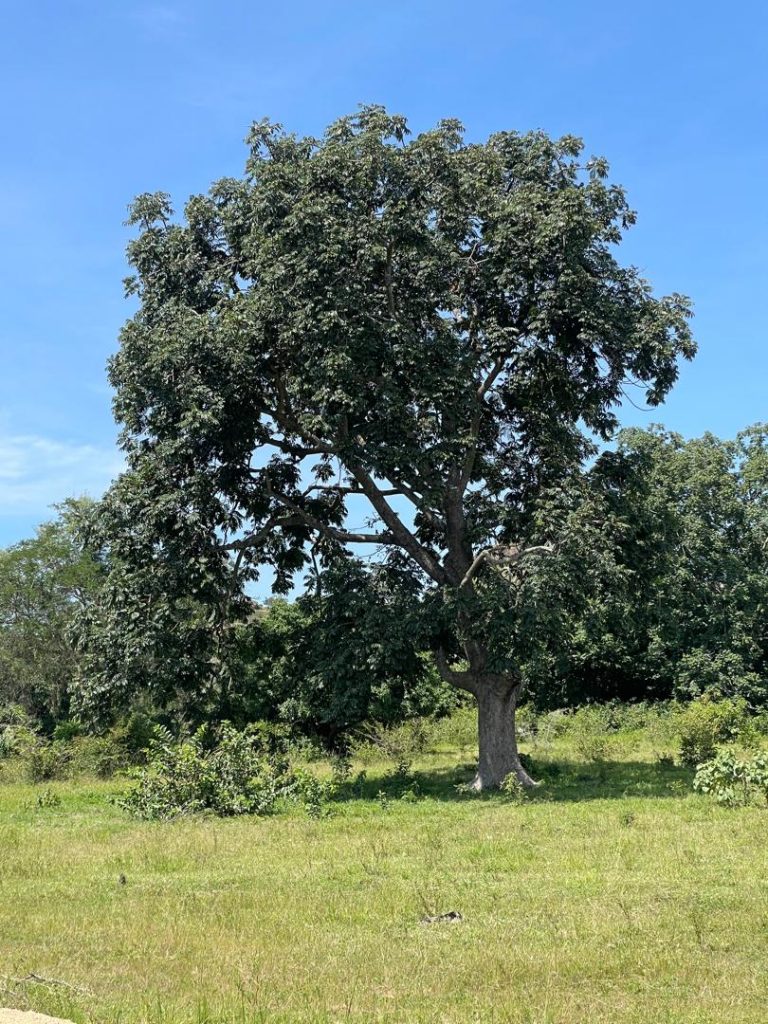
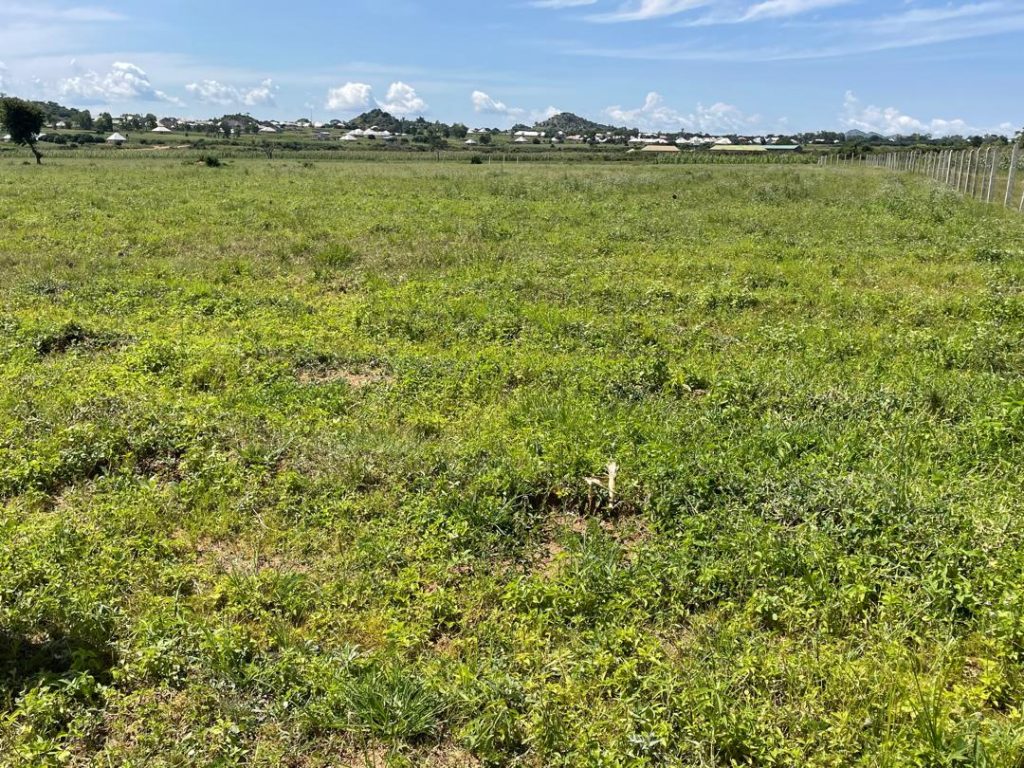
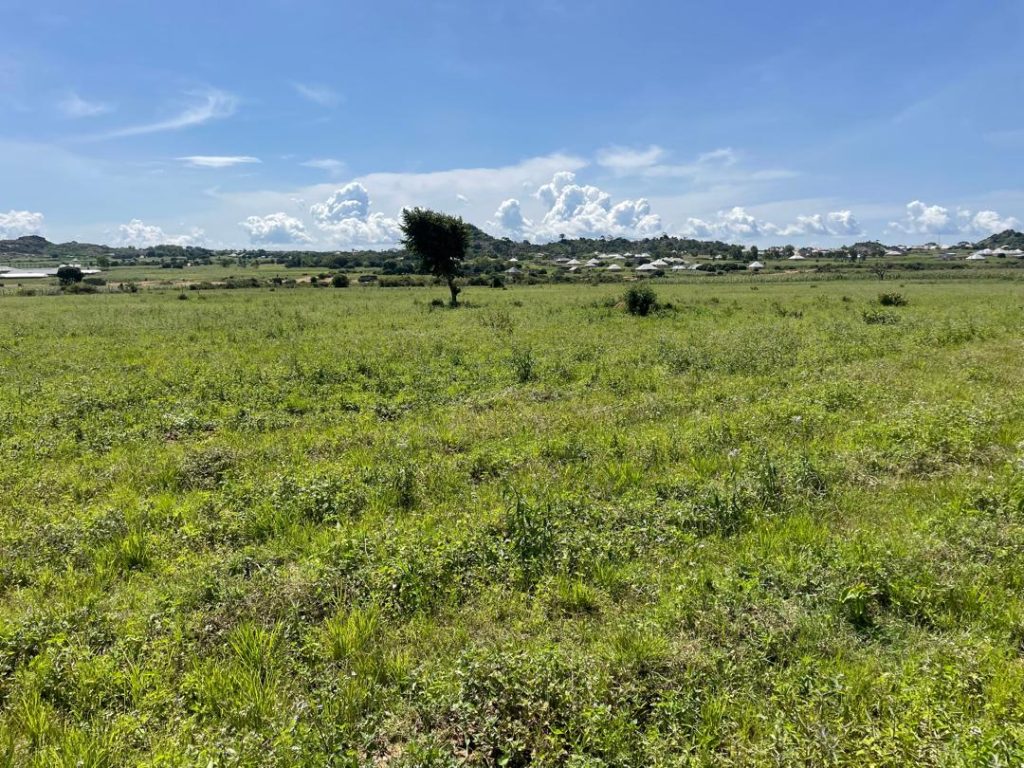
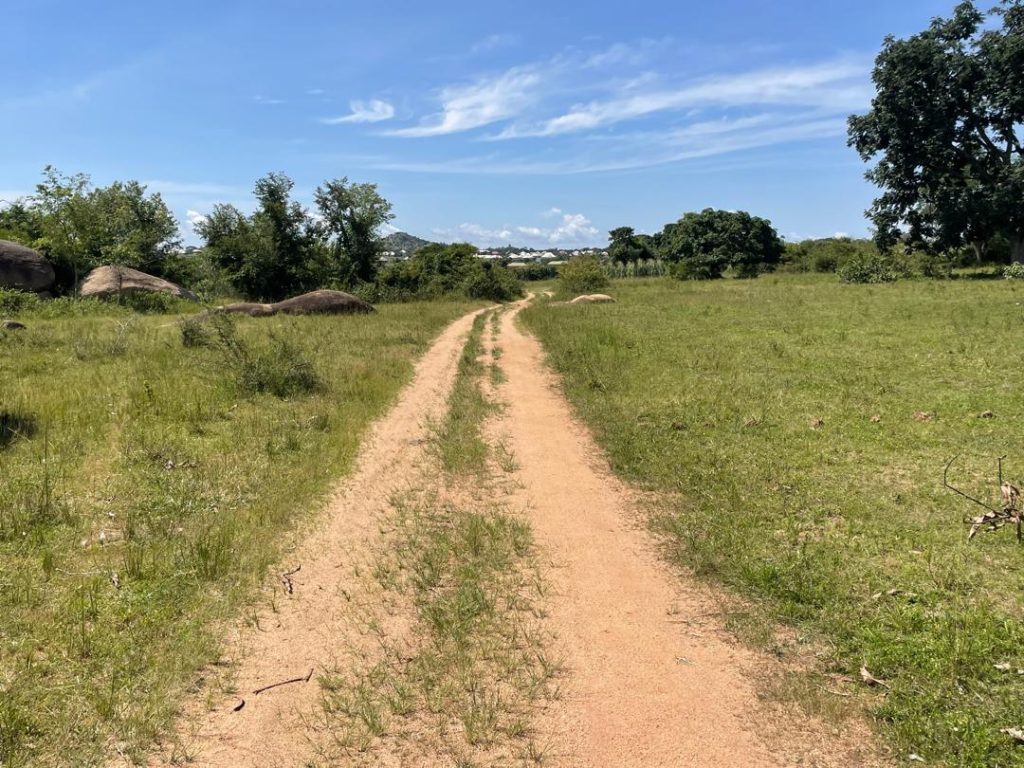
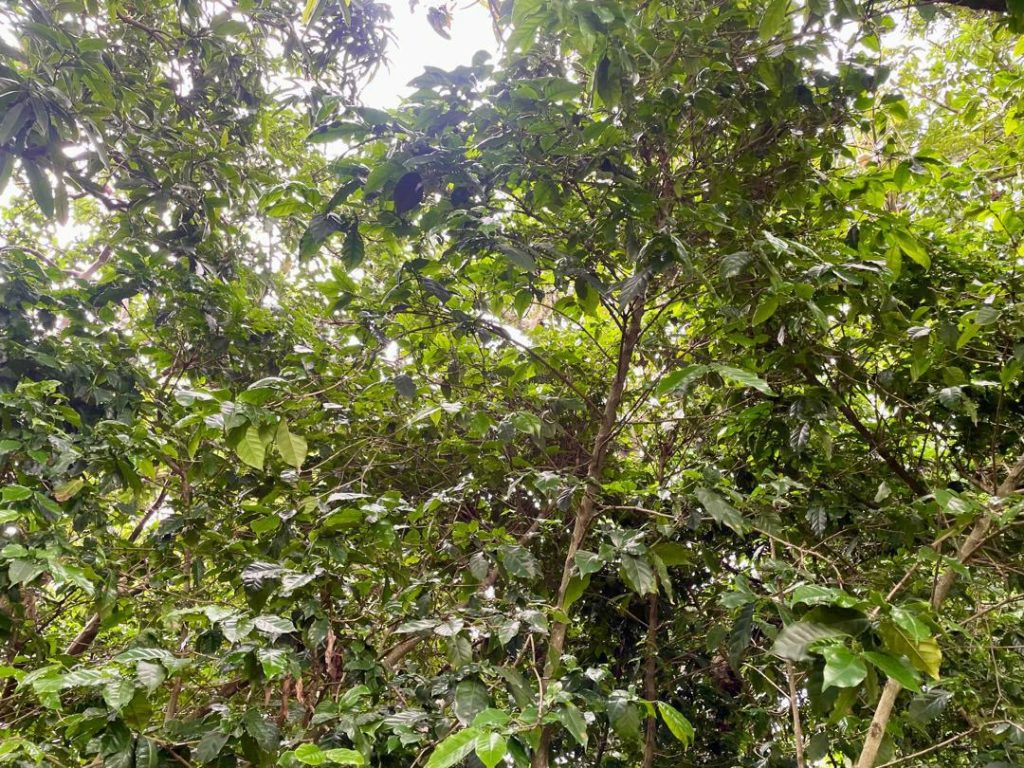
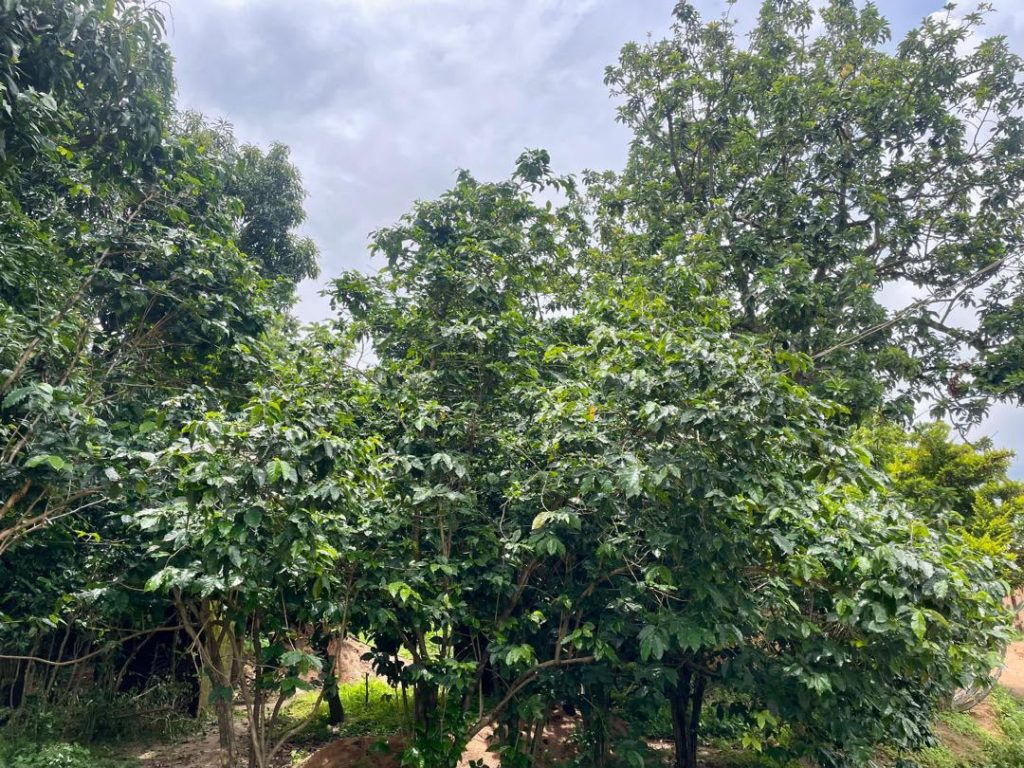
Speaking during an interview with 4wardwego Blog at the Lingzhi Global Coffee Farm in Laminga, Jos East, the Farm Manager, Saminu Musa Santana, explained that the farm currently covers about four hectares and is focused on producing quality and healthy coffee.
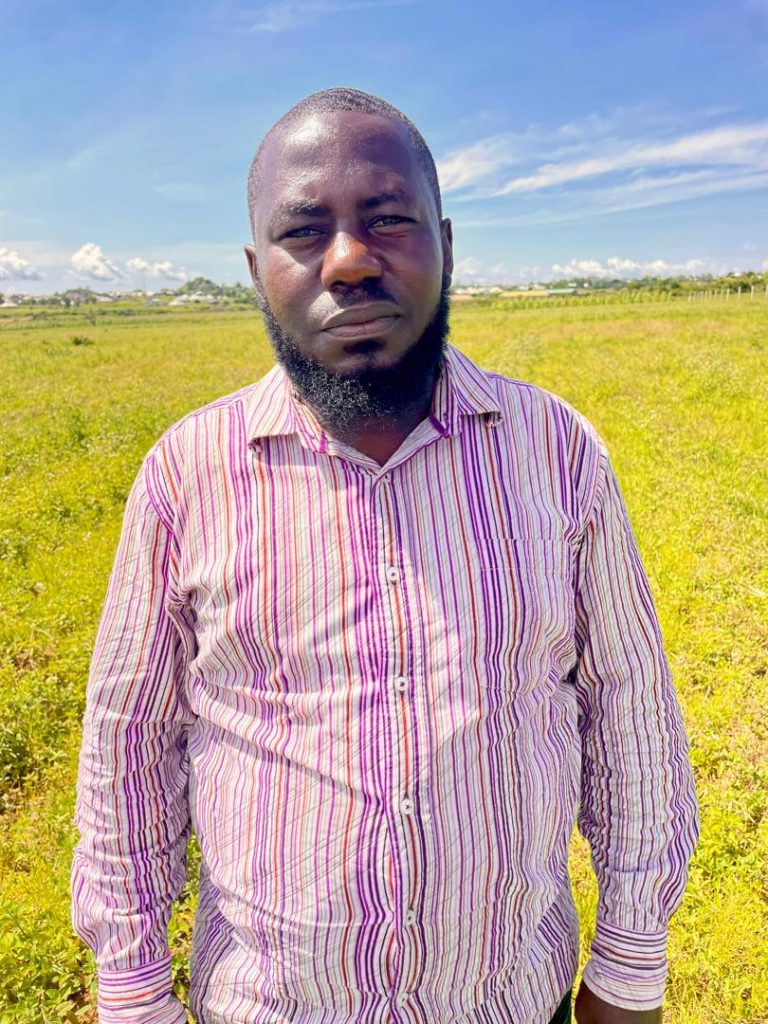
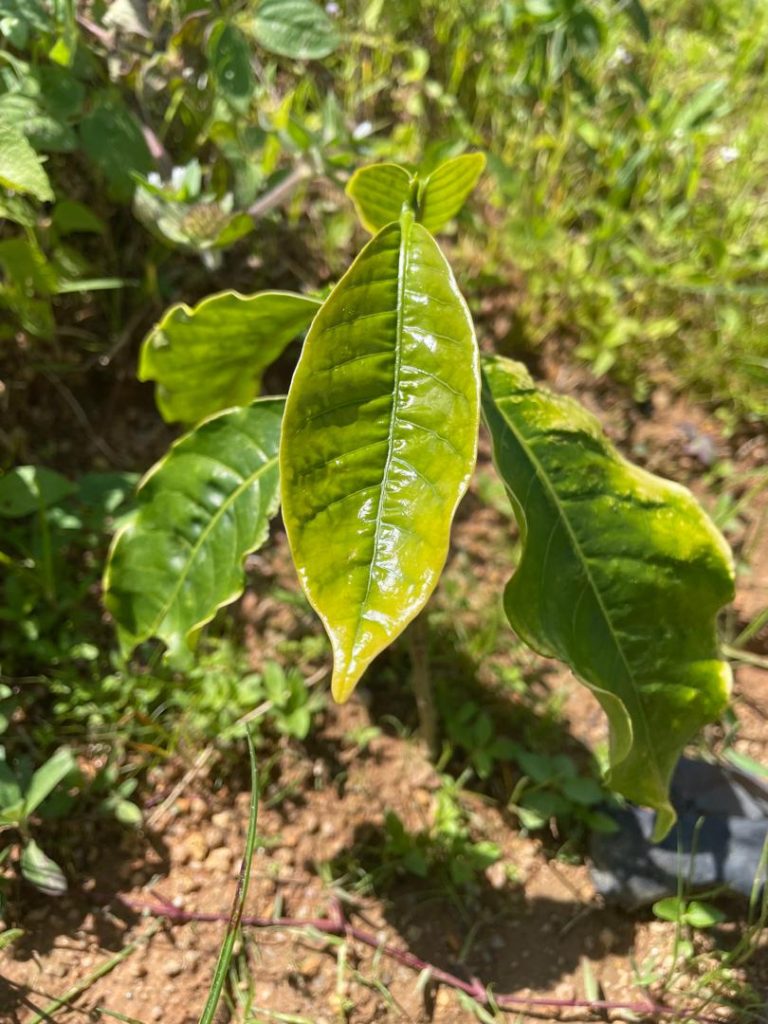
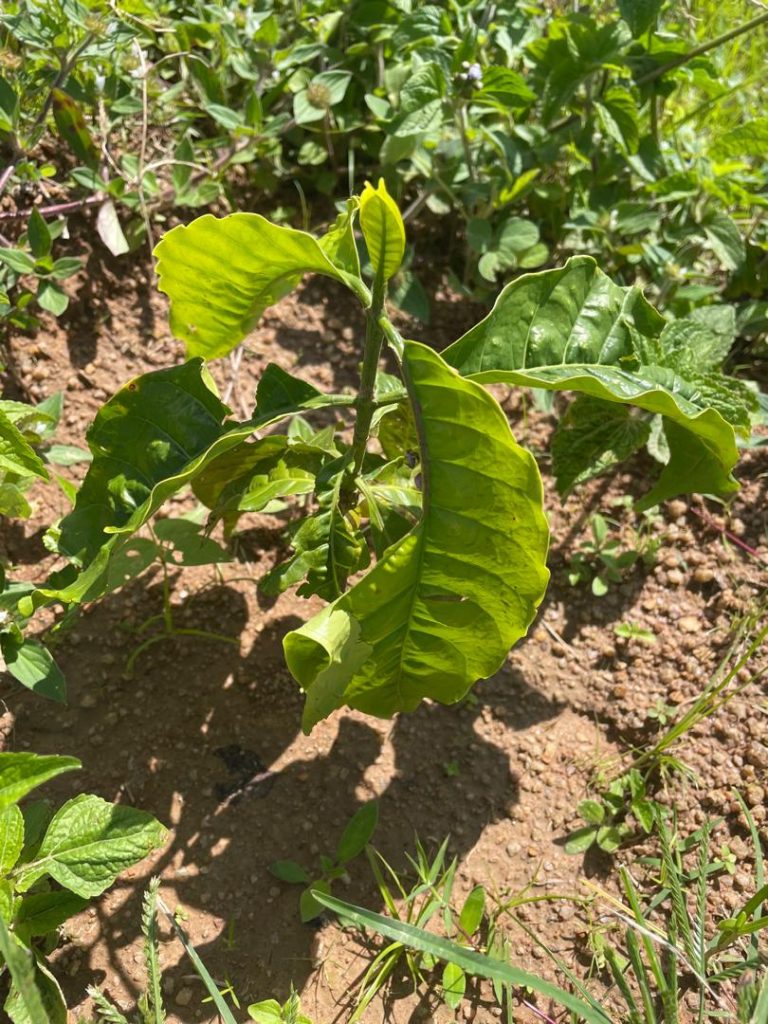
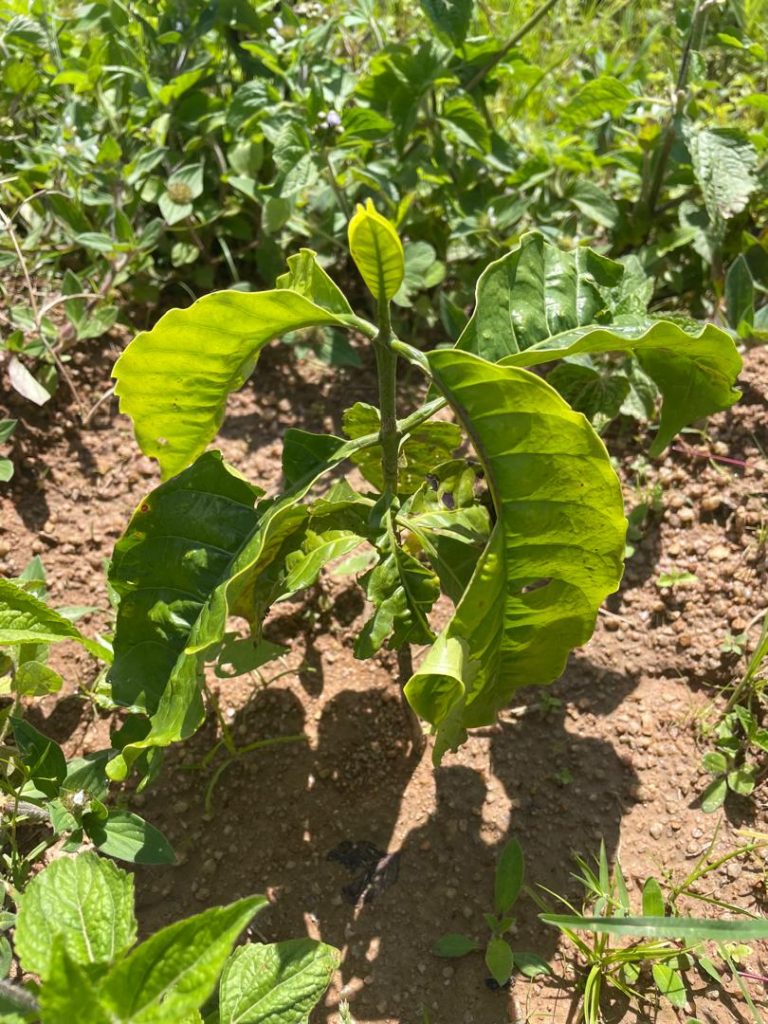
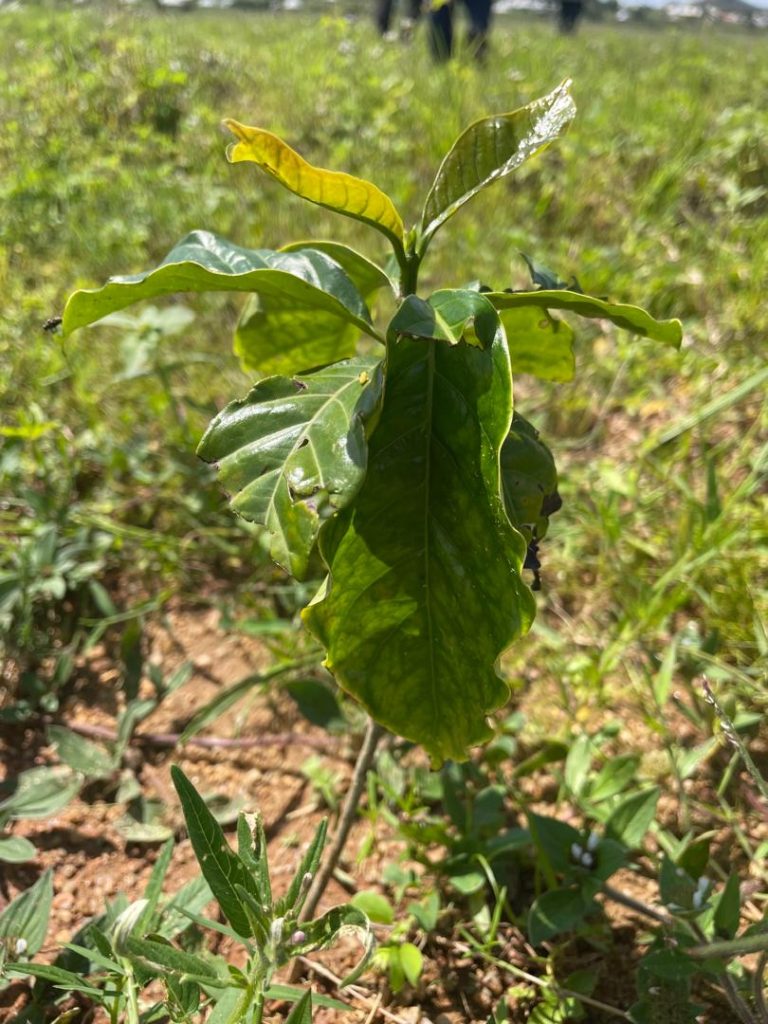
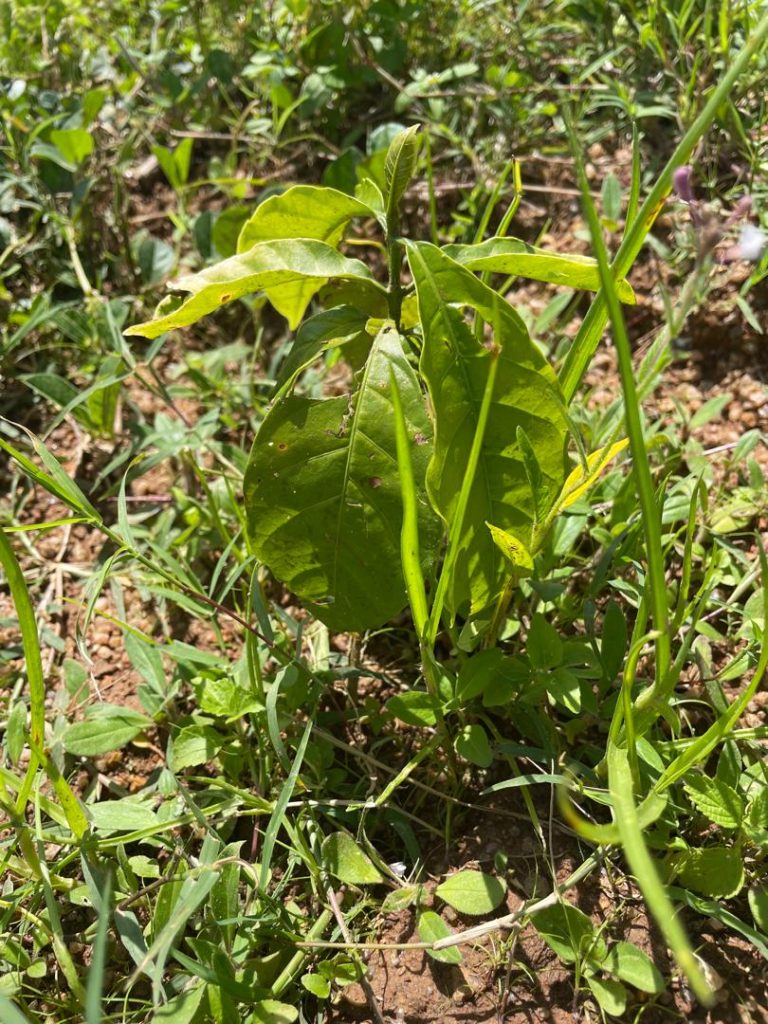
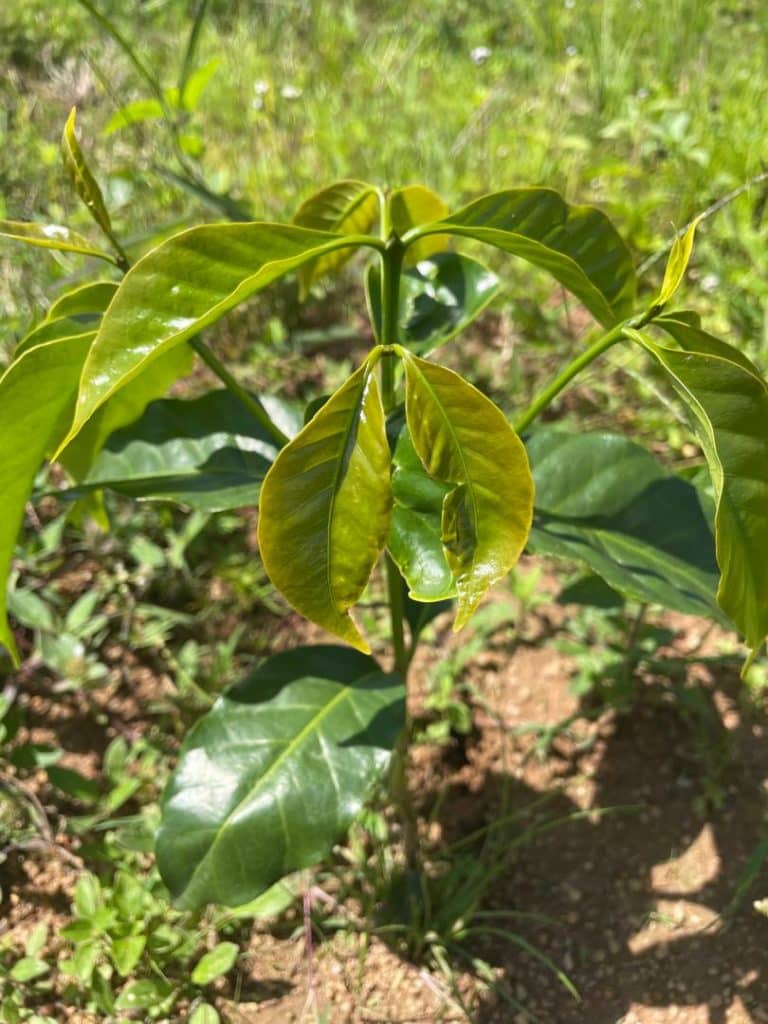
Santana said coffee production begins with careful cultivation and soil management, including the application of organic manure and appropriate farm inputs to support healthy plant growth.
According to him, after planting and nurturing the coffee plants through their growth cycle, the farm eventually moves into the harvesting stage when the coffee cherries are mature and ready for collection.
The harvested coffee then undergoes several stages of processing before it becomes the familiar coffee product consumed by customers.
The process involves harvesting the ripe coffee cherries, processing and washing them, preparing and drying the beans before they are taken through roasting. The roasted beans are subsequently processed into coffee suitable for consumption.
Santana explained that the journey from the farm to the final cup involves several categories of workers, making coffee production an important source of livelihood for communities around the farm.
He noted that Lingzhi Global Coffee’s activities extend beyond its own workforce, as farmers, seasonal harvesters, workers in processing and washing units, roasters, marketers and other service providers benefit from the expanding coffee value chain.
The farm manager also highlighted the company’s commitment to responsible coffee production, stressing that Lingzhi Global follows the European Union Deforestation Regulation (EUDR) coffee compliance requirements as part of its efforts to promote responsible and traceable coffee production.
He said adherence to such standards is important as the company works with farmers and other stakeholders to ensure that coffee production meets required quality and sustainability expectations.
Beyond coffee production, Santana acknowledged that the sector faces challenges, particularly those associated with farming, labour and the wider production process. However, he maintained that continued investment in coffee cultivation and processing could create even more opportunities for local communities.
With coffee moving through a chain that includes cultivation, harvesting, processing, roasting and marketing, Lingzhi Global’s Laminga operation demonstrates how agricultural value addition can generate employment while positioning Plateau State as a potential hub for quality coffee production.
The initiative also underscores the growing importance of developing local agricultural products from the farm level through to finished consumer products, creating economic opportunities at virtually every stage of the value chain.