
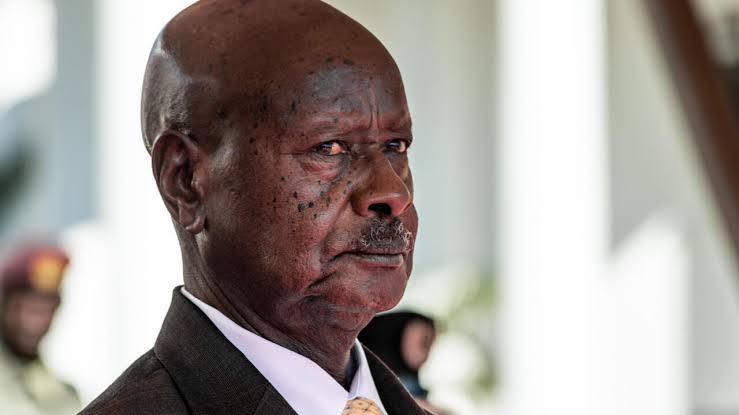
Ugandan President Yoweri Museveni, now 81, is pursuing a seventh term in office, extending a tenure that began in 1986 and has defined the political landscape for generations of Ugandans.
When Museveni first seized power, he famously condemned African leaders who “overstay in power.” Four decades later, the former rebel commander—once welcomed as a reformer—faces criticism over corruption, authoritarianism and the erosion of public institutions.
“Corruption has been central to his rule from the beginning,” said Kristof Titeca, a political scientist at the University of Antwerp. Museveni admits corruption exists within government ranks but insists offenders are held accountable.
Internationally, he has positioned Uganda as a strategic partner, deploying troops to conflict zones, hosting refugees and aligning with Western interests. Domestically, the record is mixed: his government earned praise for combatting HIV/AIDS and defeating the Lord’s Resistance Army, but corruption and poor service delivery left schools underperforming and youth unemployment high.
Museveni’s ascent began in exile, where he organized armed movements that ultimately toppled a series of Ugandan leaders. His National Resistance Movement took power in 1986, hailed as ushering in a “fundamental change.” Early support from Western governments later waned as economic liberalization benefited loyalists and privatized state assets at bargain rates.
Museveni has won all six elections he has contested, often against former allies such as Kizza Besigye, who accused him of authoritarianism. Parliament removed term limits in 2005, a move widely seen as paving the way for indefinite rule. Opposition groups have repeatedly disputed election outcomes, alleging irregularities; security forces have quelled protests.
In recent years, Museveni has deepened ties with non-Western partners including China, Russia and Iran. Discoveries of oil reserves and agreements with international firms have bolstered his political standing.
His chief challenger in Thursday’s vote is Bobi Wine, a 43-year-old musician turned politician. Analysts expect Museveni to win, though attention has shifted to succession amid concerns about his health and the rapid rise of his son, Muhoozi Kainerugaba, now Uganda’s top military officer.
“The succession question overshadows the election,” Titeca said, while commentator Charles Onyango-Obbo noted the vote could shape Museveni’s next move. “This is less about the official results and more about the mood on the ground,” he said, adding that a political transition may still be distant: “Museveni is more frail now, but he is a workaholic… he will not leave even if he needs a walking stick.”