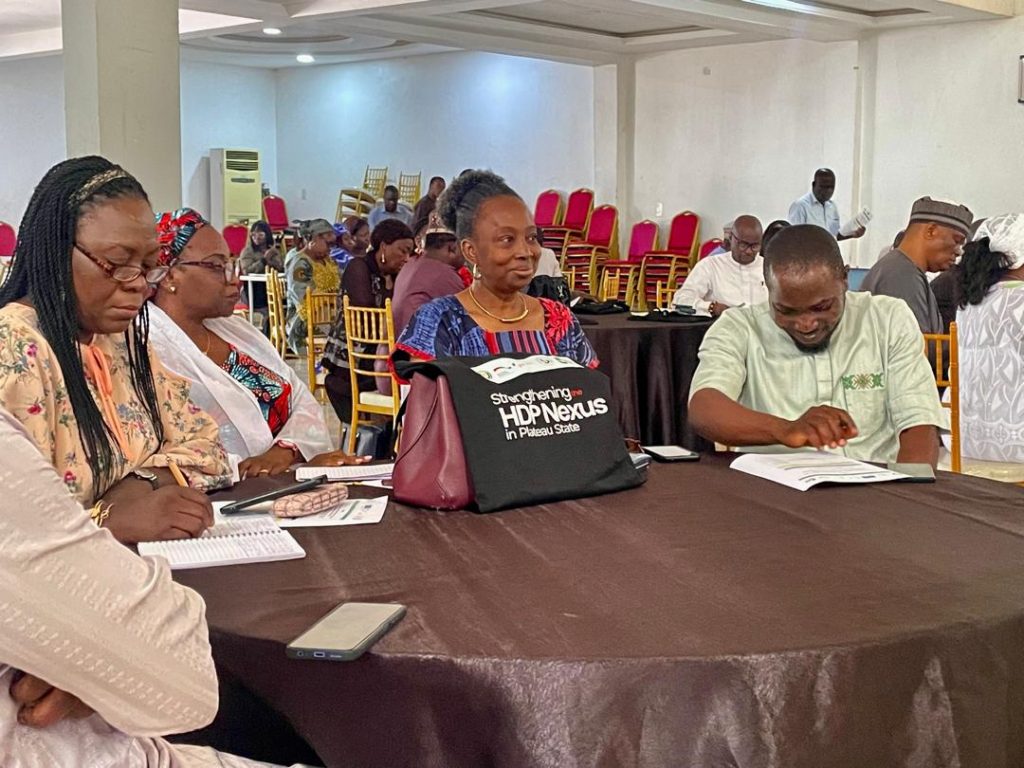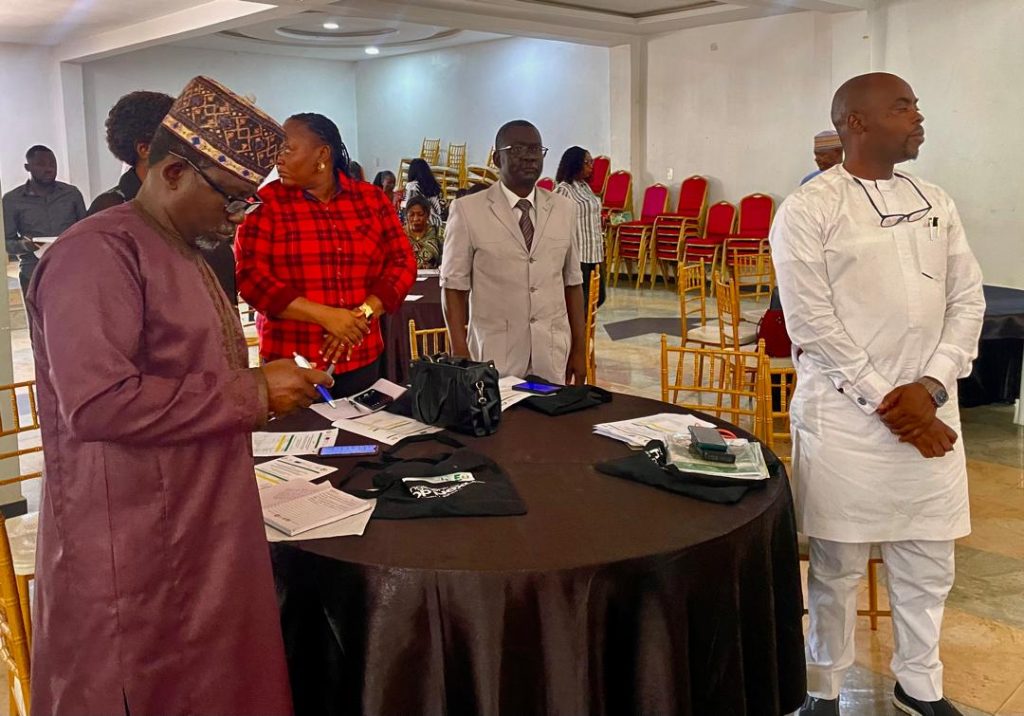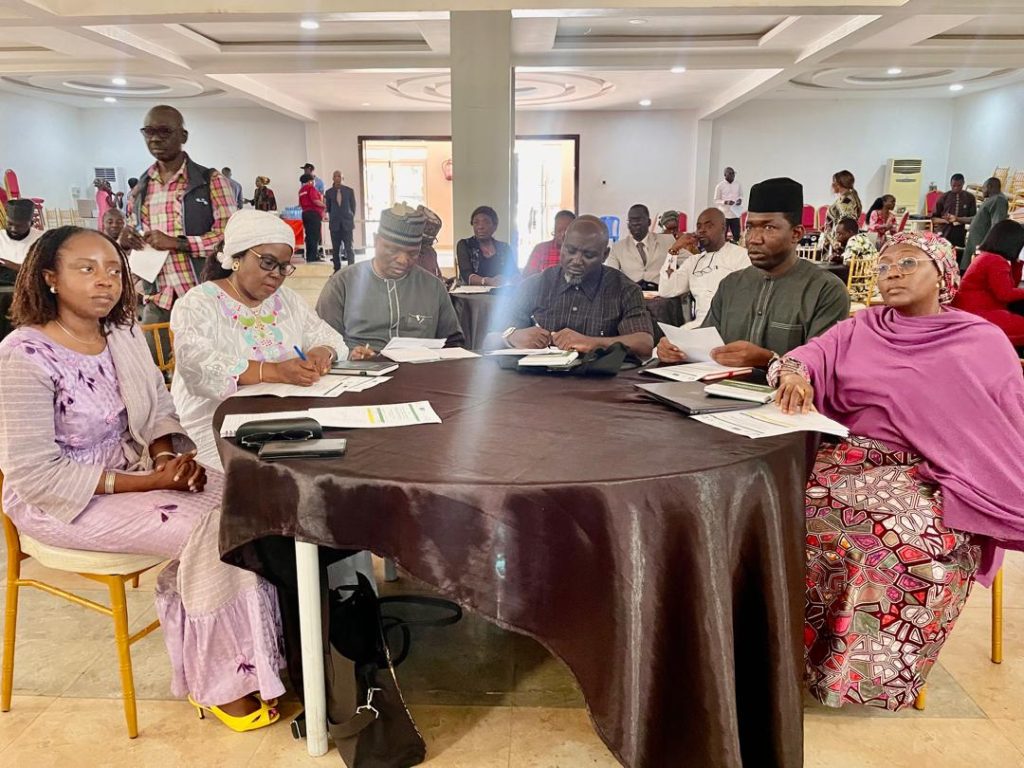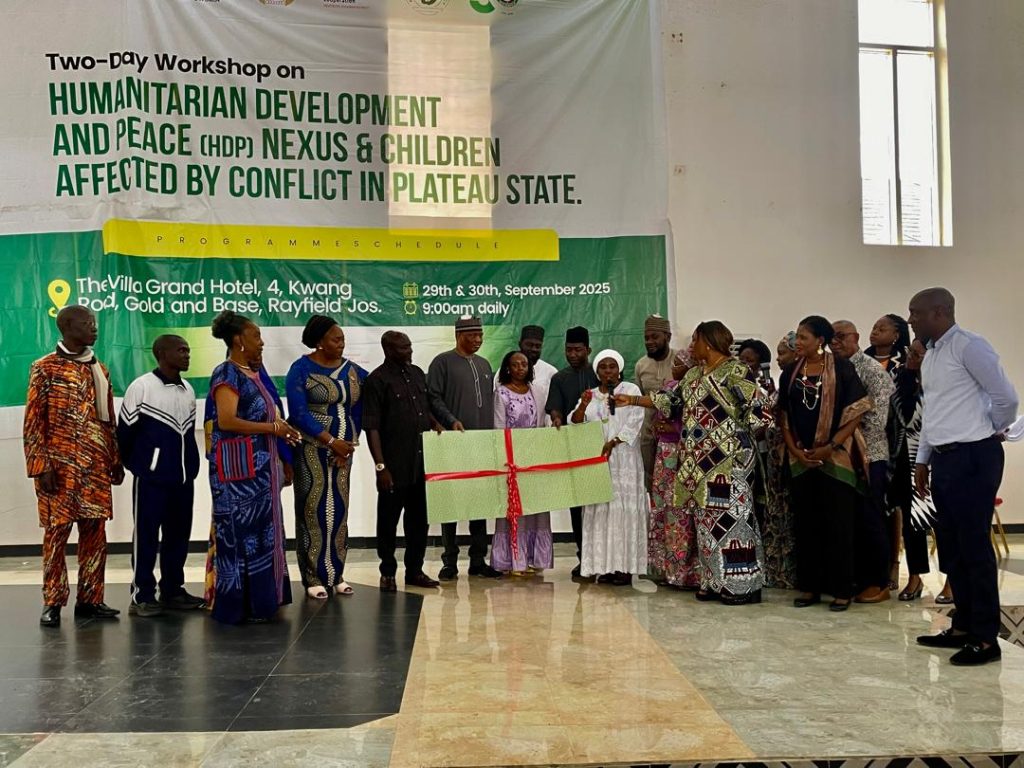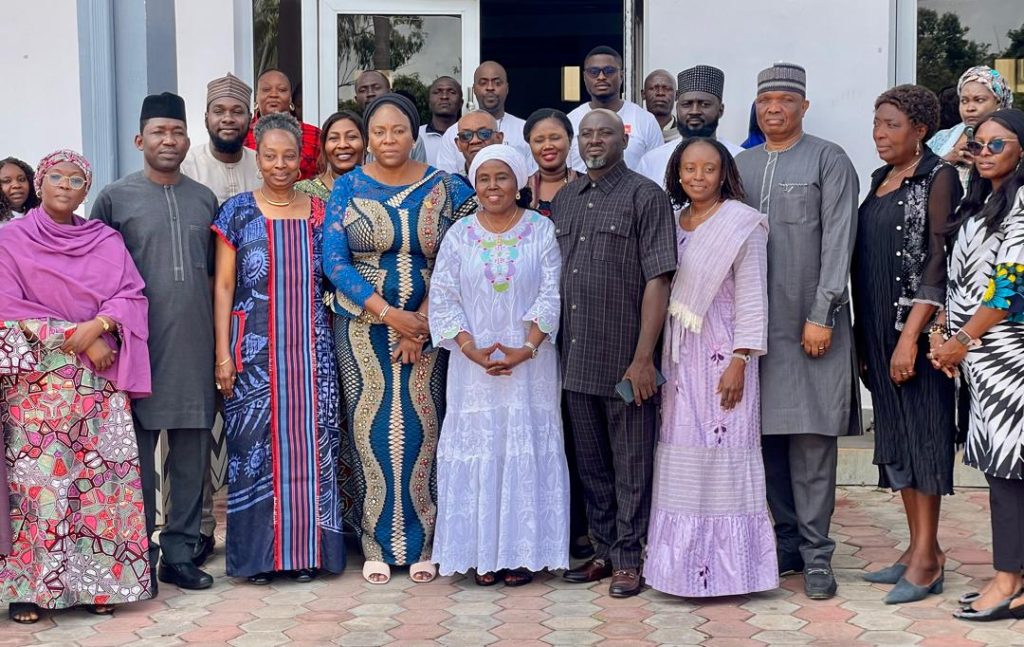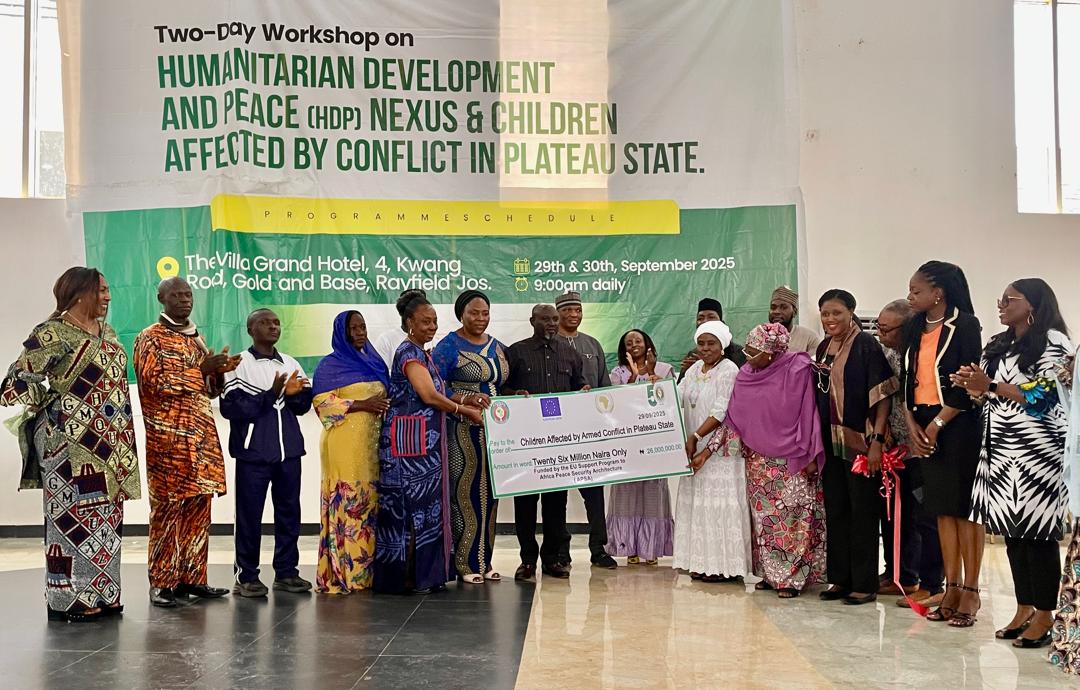
A two-day workshop on Humanitarian, Development, and Peace (HDP) Nexus and Children Affected by Armed Conflict has brought together key stakeholders, government representatives, and civil society organizations in Jos, Plateau State. The event, which held at Villa Grande Hotel from September 29 to 30, 2025, centered on strengthening the HDP Nexus through integrated dialogue and humanitarian support, with a symbolic presentation of ₦26 million in aid to conflict-affected beneficiaries as a highlight.
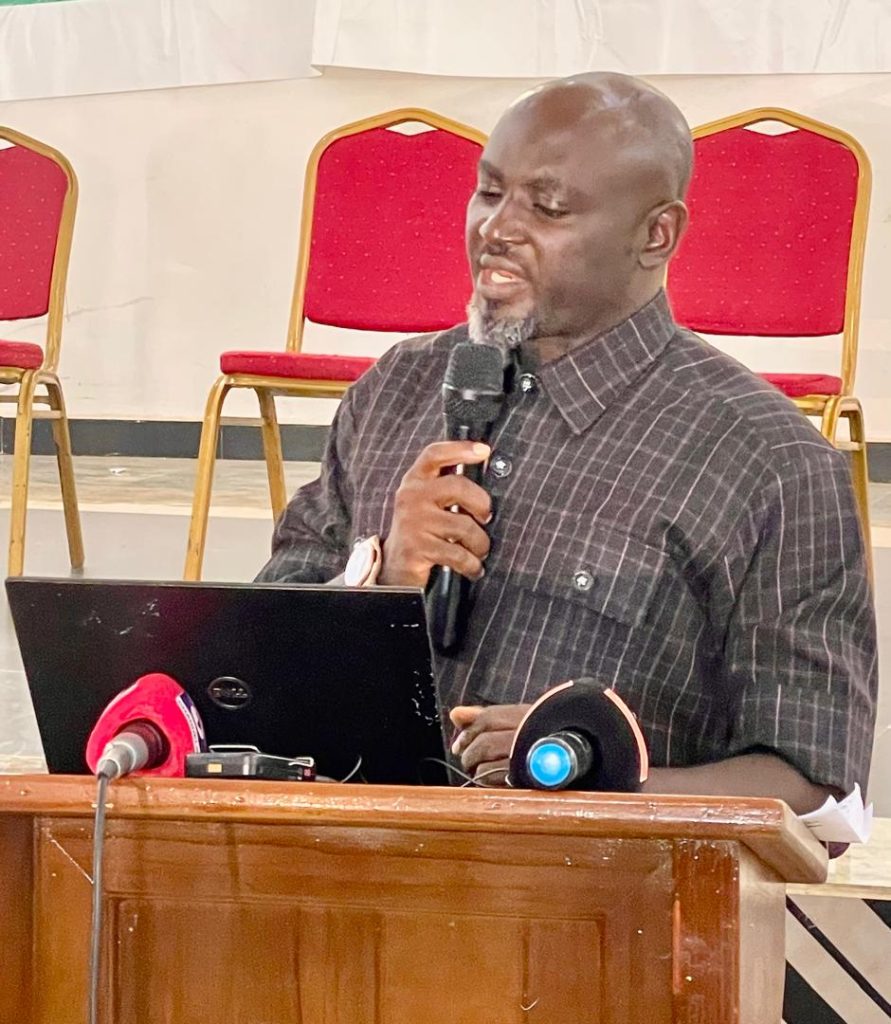
Representing the Secretary to the Government of Plateau State, Arc. Samuel Nanchang Jatau, Mr. Gayi Timothy Gayi lauded the initiative as a timely intervention for Plateau, which has grappled with recurring conflict, farmer-herder clashes, and armed attacks that displaced over 31,000 households as of May 2025. He emphasized that humanitarian relief, development, and peace must operate together, noting that “relief without development fosters dependency, while development without peace is unsustainable.” He reaffirmed government’s readiness to work closely with agencies such as the Plateau Peace Building Agency (PPBA) and PLASEMA to drive practical results that restore livelihoods and promote lasting peace.
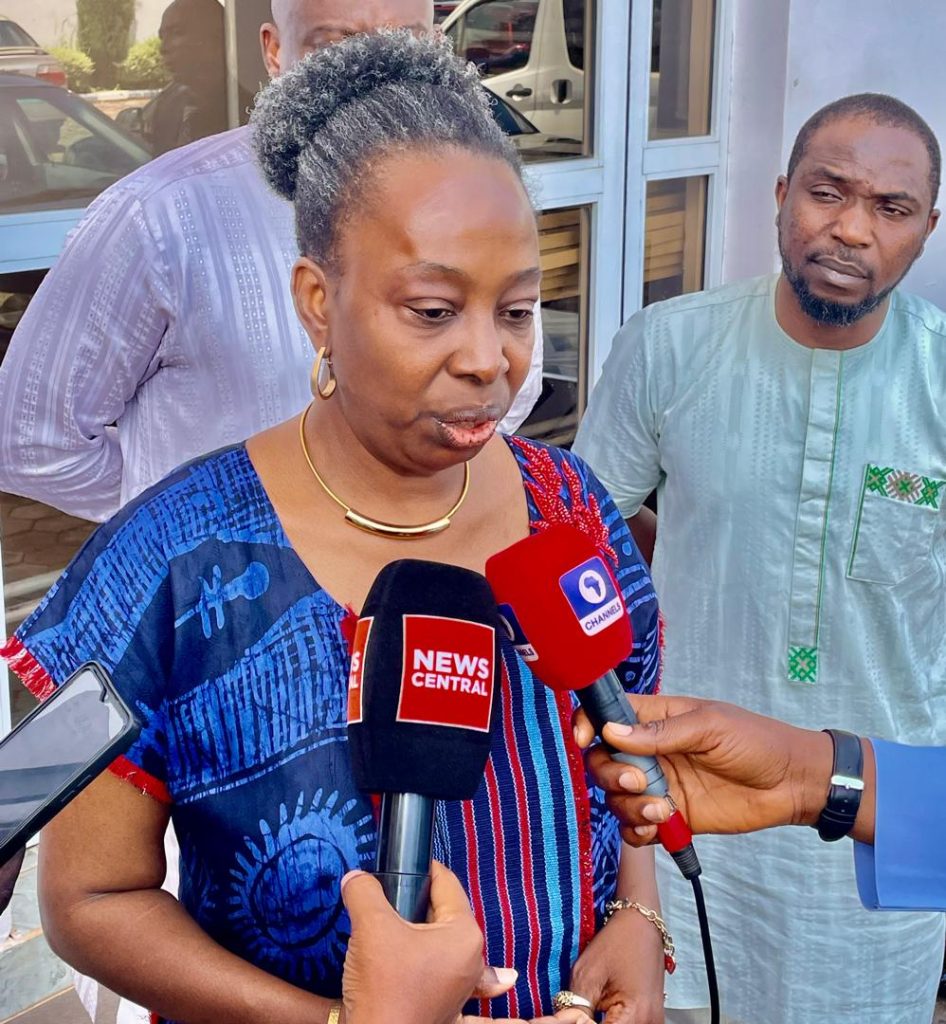
In her welcome address, Dr. Julie G. Sanda, Director General of the PPBA, underscored the devastating toll of prolonged conflict on children and families across Plateau communities. She highlighted the agency’s mandate since 2016 to promote peace, justice, and inclusion, stressing the need for integrated solutions to rebuild lives. “Humanitarian aid, development, and peace must work in synergy if we are to restore hope and resilience,” she said, expressing confidence that the workshop would deliver transformative outcomes.
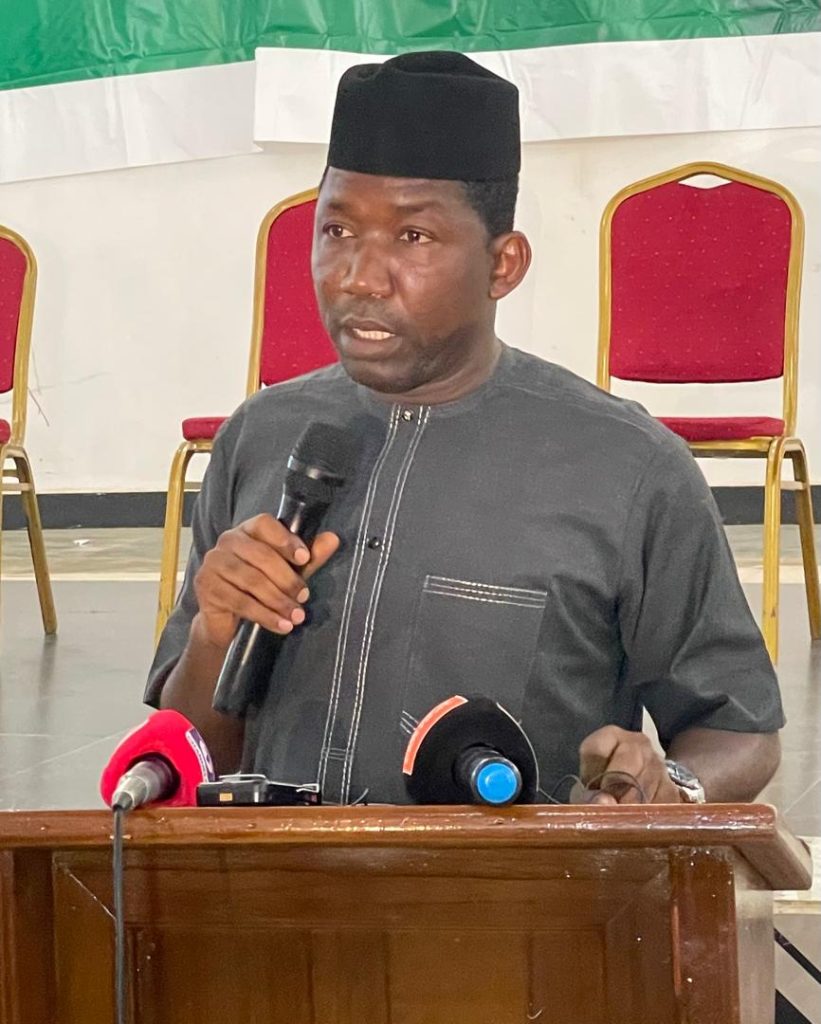
ECOWAS also pledged strong support for Plateau’s recovery. Bashar Aminu, Senior Counsellor at the ECOWAS Permanent Mission to Nigeria, described the gathering as a vital step in harmonizing humanitarian, development, and peacebuilding efforts.
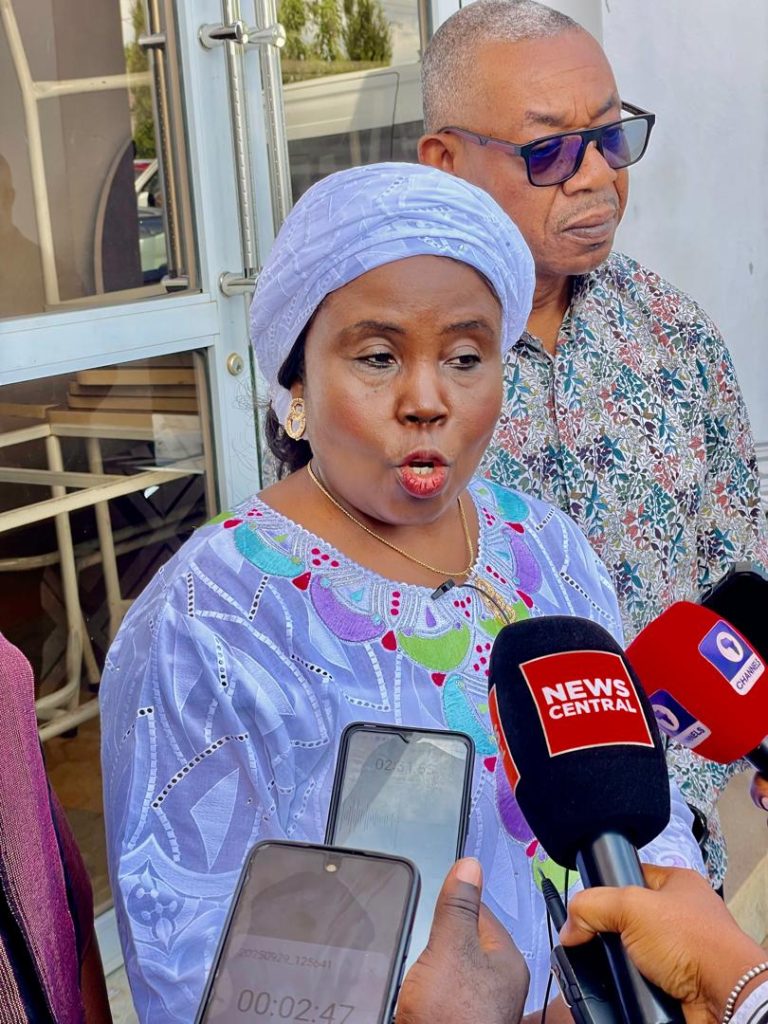
Similarly, Dr. Sintiki Tarfa Ugbe, Director of Humanitarian and Social Affairs at the ECOWAS Commission, hailed the workshop as “more than a dialogue—it is a movement of unity, healing, and rebuilding,” while extending greetings from the ECOWAS President.
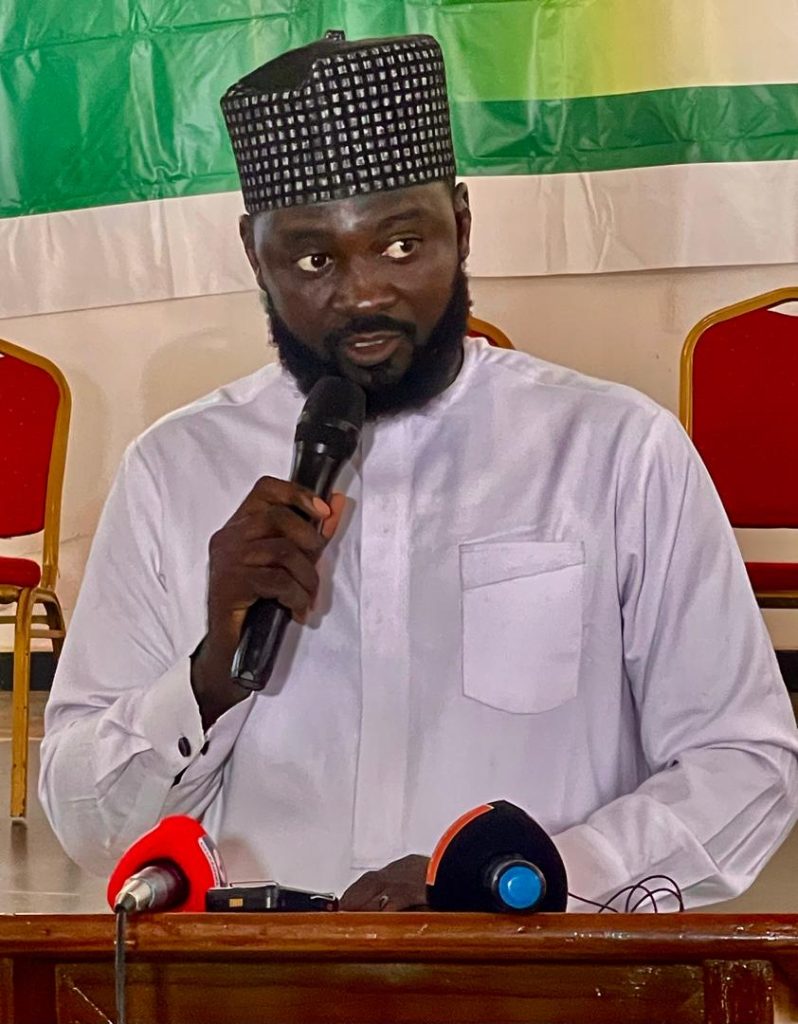
On the humanitarian front, Ashoms Azi, representing the Plateau State Emergency Management Agency (PLASEMA), drew attention to the dire challenges faced by displaced populations, including trauma, destruction of homes, and loss of livelihoods. He stressed the importance of complementing emergency relief with long-term peacebuilding initiatives.
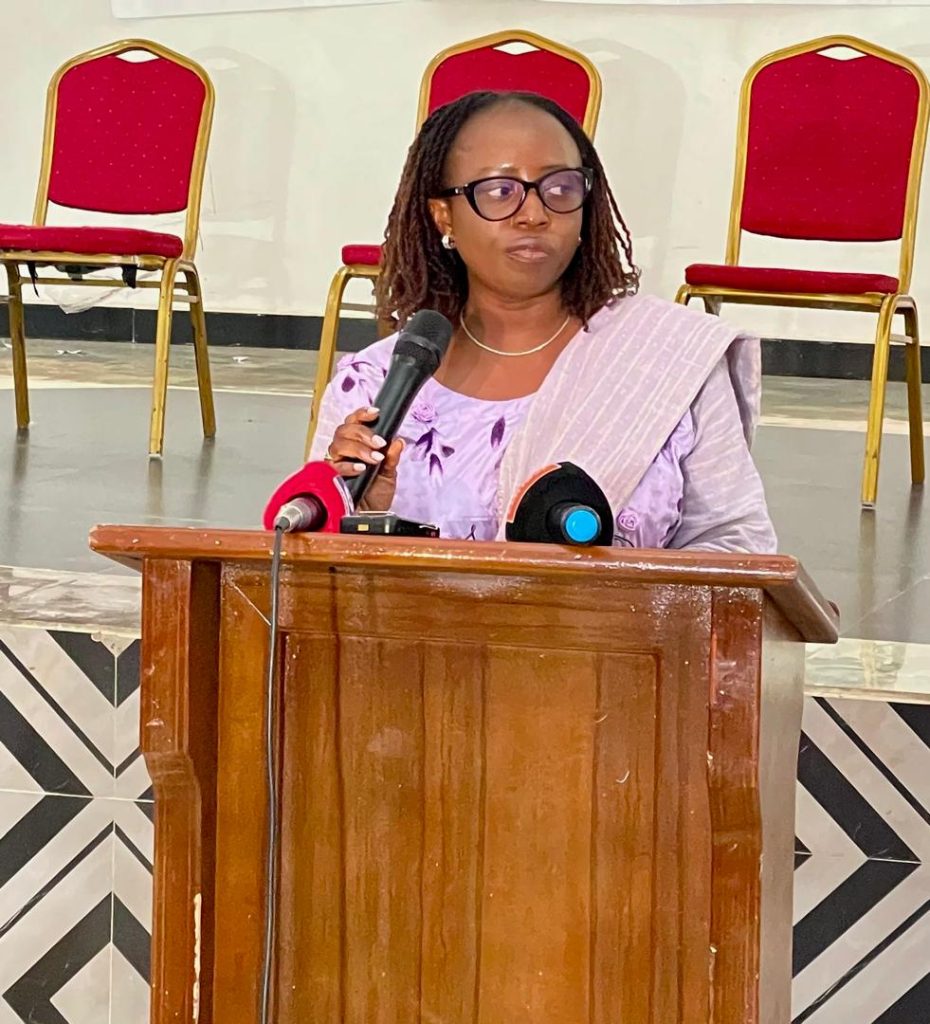
Development partners also reaffirmed their role. Myriam Wedraogo, Head of Programme for the GIZ Peace Core Project, explained how transitional development assistance from Germany’s BMZ bridges humanitarian relief and sustainable development. She highlighted the project’s focus on conflict transformation and livelihood support, commending the PPBA and ECOWAS for convening such a multi-stakeholder platform.
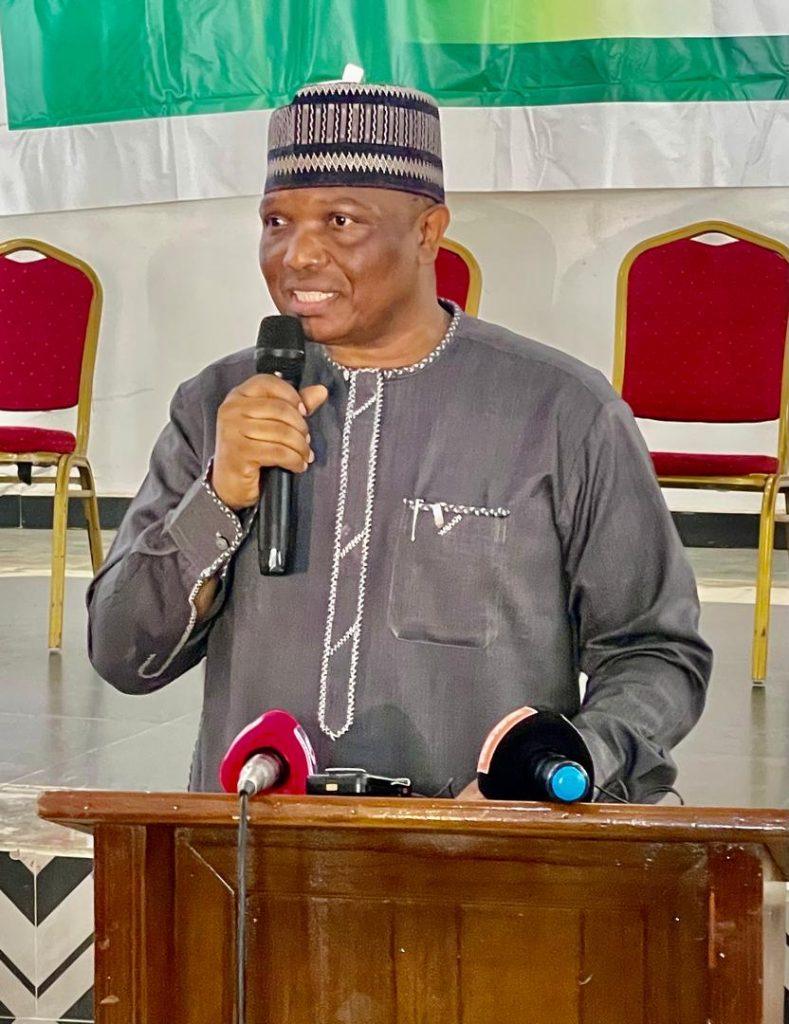
At the federal level, Yakubu Mohammed Adamu, Deputy Director at the Federal Ministry of Humanitarian Affairs, speaking on behalf of the Minister, emphasized that women and children in conflict zones are not just victims but resilient agents of change. He reiterated the ministry’s commitment to advancing education, healthcare, and livelihood opportunities for vulnerable groups while strengthening coordination with ECOWAS and local actors.
The workshop concluded with a renewed commitment by stakeholders to deepen collaboration, implement practical solutions, and advance the Humanitarian-Development-Peace Nexus as a pathway to resilience, recovery, and sustainable peace in Plateau State.