
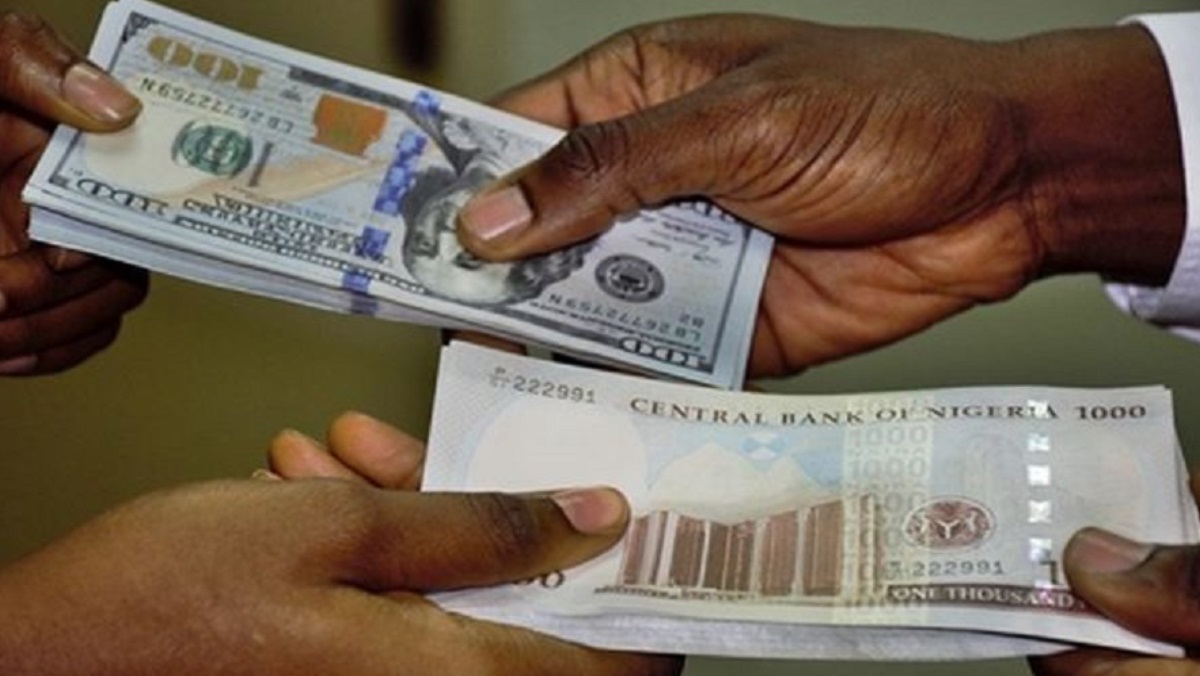
The World Bank has stated that the Nigerian naira is one of the poorest-performing currencies in Africa. It pointed out that the currency has depreciated by approximately 40 percent against the US dollar since a devaluation that took place in mid-June.
This information was included in the World Bank’s report titled ‘Africa’s Pulse: An analysis of factors influencing Africa’s economic future (October 2023 | Volume 28).’ The report indicated, “In the current year, the Nigerian naira and the Angolan kwanza stand out as some of the weakest currencies in the region, both experiencing a year-to-date depreciation of nearly 40 percent.”
The naira’s devaluation was triggered by the central bank’s decision to remove trading restrictions on the official market. As for the kwanza, its depreciation was due to the central bank’s decision to stop defending the currency, a move influenced by low oil prices and increased debt payments.
According to the World Bank, other currencies that have suffered significant losses in 2023 include South Sudan (33 percent), Burundi (27 percent), the Democratic Republic of Congo (18 percent), Kenya (16 percent), Zambia (12 percent), Ghana (12 percent), and Rwanda (11 percent). The report also highlighted that parallel exchange market rates are exacerbating inflationary challenges for some countries in the African region.
In June 2023, the Central Bank of Nigeria instructed deposit money banks to remove the rate cap on the naira at the official Investors and Exporters’ window of the foreign exchange market, allowing the naira to freely float against the dollar and other global currencies. Since then, the naira has depreciated from N473.83/$ to approximately N800/$ officially.