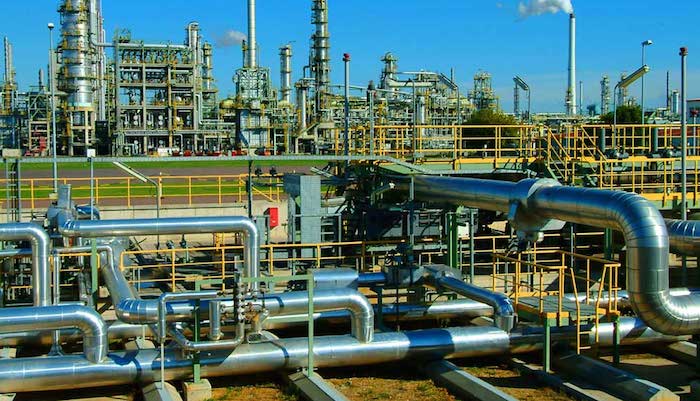
The Nigerian National Petroleum Company (NNPC) has signed a Memorandum of Understanding (MoU) with two Chinese companies in a fresh push to rehabilitate and expand the Port Harcourt and Warri refineries, both of which have been inactive for several months.
The agreement, sealed on April 30, 2026, in Jiaxing City, China, was executed by NNPC’s Group Chief Executive Officer, , alongside senior officials of the partner firms. The deal marks a renewed effort to restore Nigeria’s domestic refining capacity and reduce reliance on imported petroleum products.
NNPC said the partnership will tackle longstanding technical and operational issues that have limited the efficiency of the refineries. The scope of work includes completing pending rehabilitation projects, as well as overseeing the operation and long-term maintenance of the facilities to ensure sustainable performance.
In addition to restoring production, the agreement outlines plans to upgrade infrastructure, improve product quality, increase output, and enhance profitability. It also extends to expanding petrochemical capabilities and unlocking opportunities within Nigeria’s gas and downstream sectors.
The national oil company noted that the collaboration could pave the way for the development of integrated industrial hubs around the refineries, where petrochemical and gas-based industries can operate in synergy—transforming the facilities into broader engines of industrial growth.
Ojulari described the MoU as a significant milestone following months of negotiations, emphasizing the importance of engaging technically competent and financially capable partners to prevent a recurrence of past inefficiencies.
The deal comes after prolonged shutdowns of Nigeria’s state-owned refineries, which were taken offline on May 24, 2025, for maintenance initially expected to last only weeks. However, deeper structural and financial challenges later discovered extended the downtime.
By February 2026, NNPC disclosed that the refineries had been operating at substantial losses prior to their closure, raising concerns about their long-term viability without major reforms.
Despite setbacks, including a previously reported $1.5 billion rehabilitation effort on the Port Harcourt refinery that failed to achieve sustained output, NNPC has maintained that it will not sell the facility, opting instead for rehabilitation through strategic partnerships.
While the success of the new agreement remains to be seen, it signals a more structured and determined approach to addressing Nigeria’s refining challenges. It also aligns with NNPC’s improved financial position, having reported a profit after tax of N276 billion for March 2026.
The initiative represents a cautious but critical step toward boosting local refining capacity, strengthening energy security, and easing the economic burden of fuel imports.