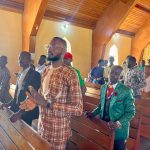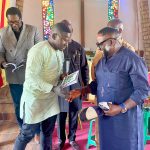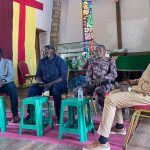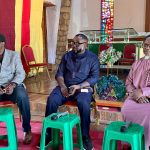
The Chairman of the Plateau State Independent Electoral Commission (PLASIEC), Hon. Plangji Daniel Cishak, has called on Christians to actively participate in politics and governance, stressing that the church must bridge the gap between spiritual responsibilities and civic engagement.
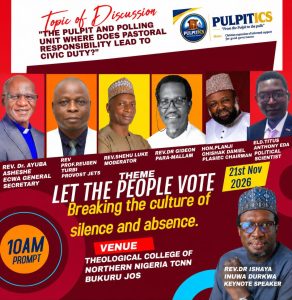
Cishak made the call on Saturday, November 21, 2026, during a public discussion organised by Pulpritics in Jos, Plateau State, with the theme, “The Pulpit and Polling Unit: Where Does Pastoral Responsibility Lead to Civic Duty?”
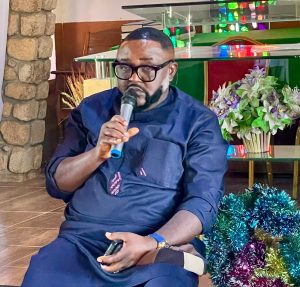
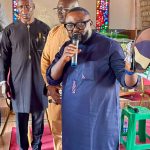
Speaking on the overarching theme, “Let the People Vote: Breaking the Culture of Silence and Absence,” the PLASIEC Chairman described the separation of the pulpit from civic responsibilities as one of the greatest deceptions facing the church. He emphasised that religious leaders have a vital responsibility to educate, equip and mobilise their members for active political participation.
Cishak noted that more than 80 per cent of electoral activities take place behind the scenes before election day, urging Christians to go beyond voting by participating in voter registration, mobilisation, election monitoring and understanding the electoral process.
Drawing from his experiences in electoral administration, he encouraged young people to embrace sacrifice, commitment and active involvement in politics, warning against fear, voter apathy and the belief that votes would not count. He also called for greater political empowerment and mentorship within the church to prepare Christians for leadership positions.
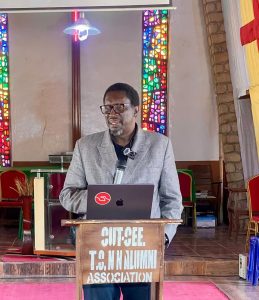
In his keynote address, Rev. Dr. Ishaya Inuwa Durkwa challenged Christians to reject political apathy, warning that silence and withdrawal from the democratic process amount to surrendering their future to others.
He stressed that pastoral responsibility extends beyond the church, as political decisions directly affect citizens’ livelihoods, security and welfare. He urged Christians to register and vote based on integrity, competence, biblical values and facts rather than ethnic, religious or financial considerations.
Durkwa further called on religious leaders to promote civic education and mobilise their congregations, emphasising that national transformation requires both responsible leadership and active citizen participation.
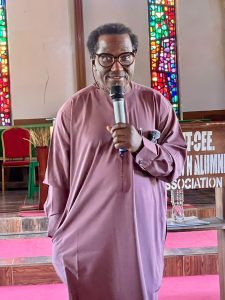
Also speaking, Rev. Dr. Gideon Para-Mallam, one of the discussants, maintained that Christians must not separate spiritual responsibilities from civic engagement, noting that no aspect of human existence, including politics, is beyond Christ’s sovereignty.
He urged pastors to promote voter education and civic awareness without turning the pulpit into a platform for partisan campaigning. He also cautioned against voter apathy driven by anger, fear and distrust, encouraging Christians to remain politically tolerant, think critically and participate in elections regardless of their political affiliations.
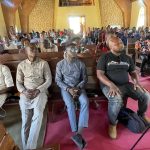
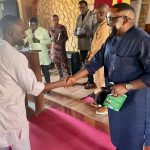
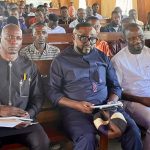
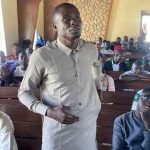
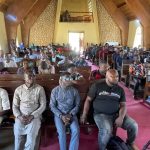
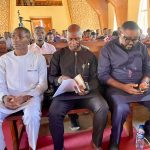
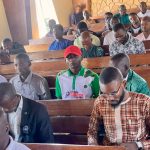
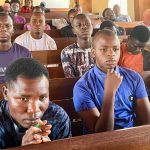
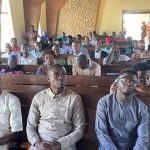
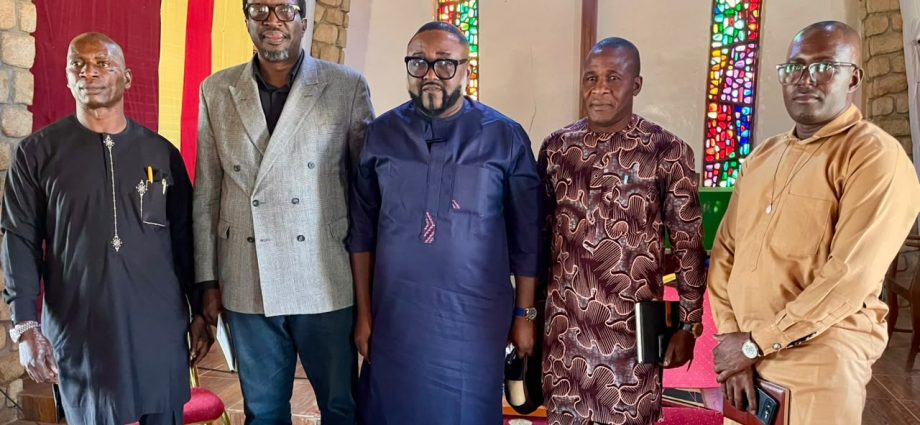
The discussion brought together religious leaders, political stakeholders and other participants to examine the relationship between faith, governance and civic responsibility, with emphasis on encouraging informed political participation and breaking the culture of silence and voter apathy.