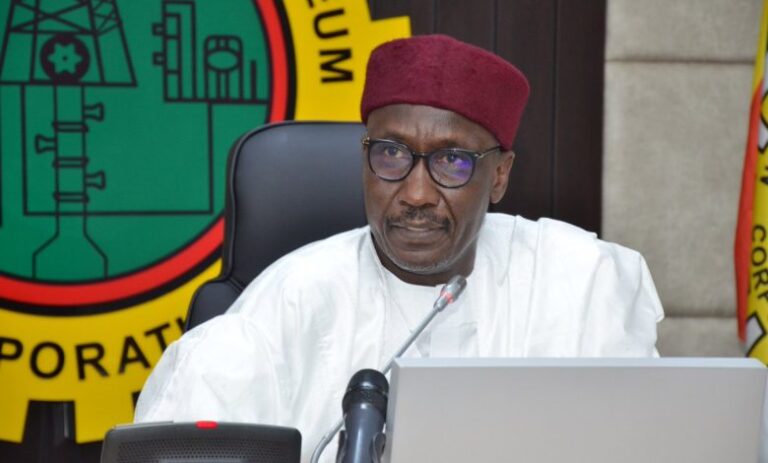
The Senate Public Accounts Committee has directed security agencies to ensure the appearance of former Nigerian National Petroleum Company Limited (NNPCL) Group Chief Executive Officer, Mele Kyari, before the National Assembly over unresolved audit queries amounting to N210 trillion.
The directive was issued on Wednesday during a committee session in Abuja, where lawmakers expressed dissatisfaction with Kyari’s repeated failure to honour invitations and summons relating to the ongoing investigation.
According to the committee, the former NNPCL chief is required to personally explain discrepancies and financial concerns highlighted in audit reports covering the period between 2017 and 2023.
Senators said the audit issues largely involve accrued expenses and sundry receivables recorded in the company’s financial statements. They noted that explanations previously submitted by NNPCL officials did not adequately address the concerns raised by auditors.
Members of the committee described the amount under review as significant, stressing that the unresolved queries raise serious concerns about accountability, transparency, and the management of revenues generated from Nigeria’s oil sector.
The lawmakers unanimously agreed to invoke their constitutional oversight powers, directing relevant security agencies to compel Kyari’s appearance before the committee to respond to the audit findings.
The development follows earlier invitations and summons issued in March 2026 to Kyari and other former NNPCL officials as part of the Senate’s investigation into the audit reports.
Committee members maintained that both former and serving public officials entrusted with managing national resources must account for any financial discrepancies identified in official records.
The Senate’s latest action has intensified public attention on the legislative probe, given the scale of the funds involved and the critical role of the petroleum sector in Nigeria’s economy.
As of the time of filing this report, neither Kyari nor his representatives had issued any public response to the committee’s directive. :::