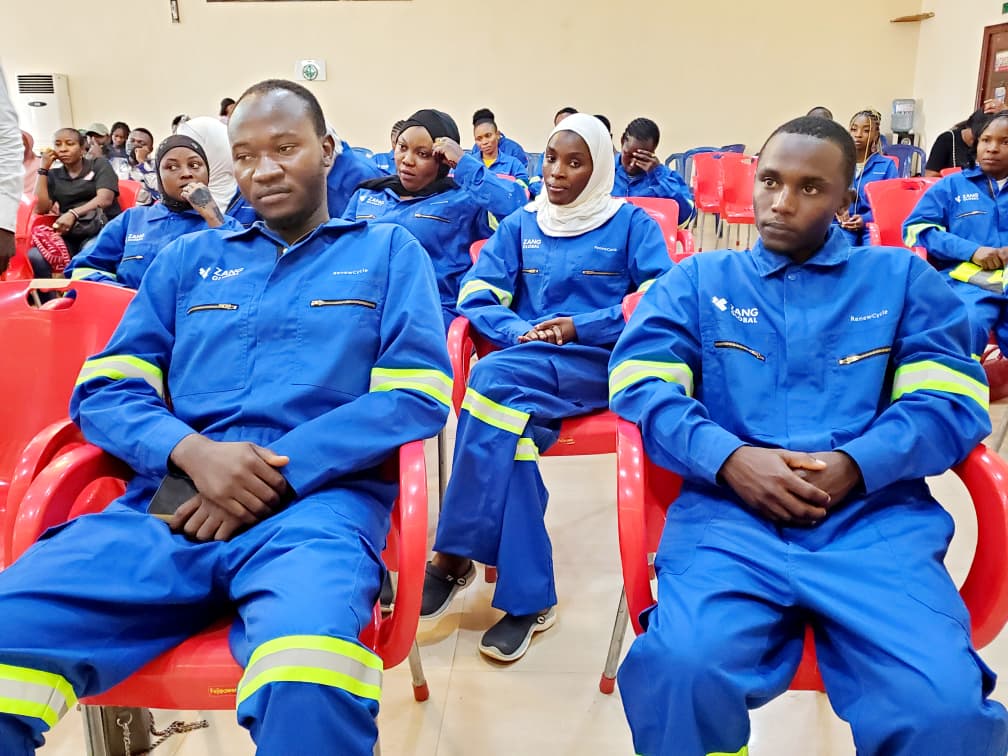
Forty young people trained in renewable energy, recycling and entrepreneurship under Zang Global’s RenewCycle Training Programme are looking to turn their newly acquired skills into sources of livelihood, with some already planning to establish businesses after completing the three-month programme.
The first cohort, made up of 33 young women and seven young men from different communities across Plateau State, graduated at a ceremony held at the Industrial Training Fund, ITF, Bukuru, Plateau State.
The programme was designed to equip participants with practical skills that can help them respond to employment challenges while creating opportunities for self-reliance and economic empowerment.
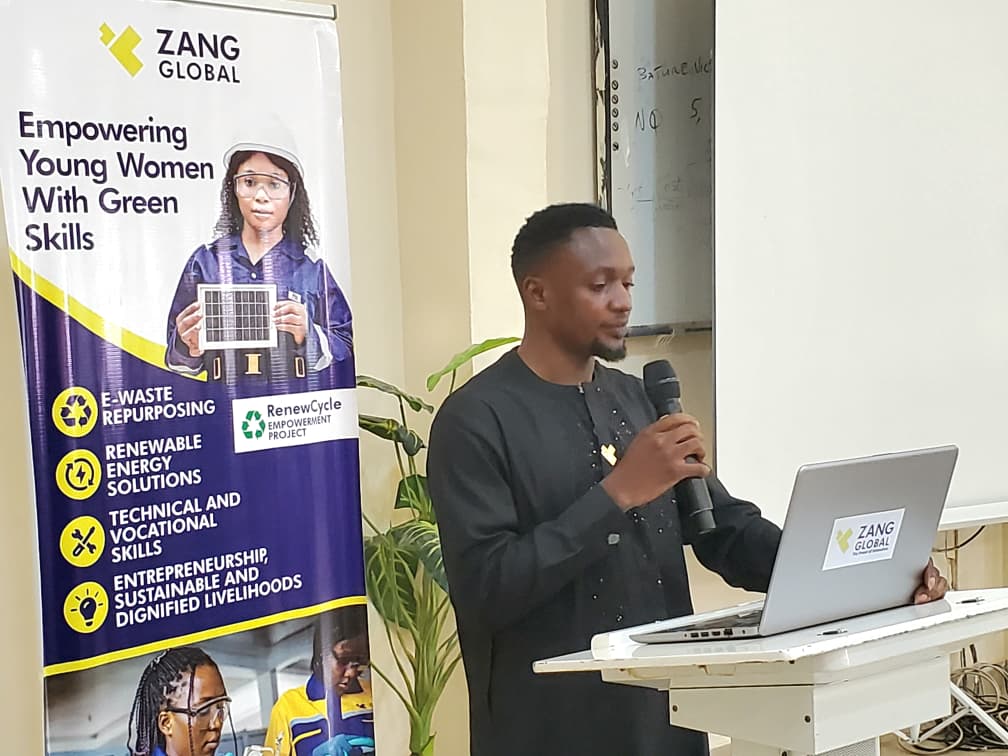
Chief Executive Officer of Zang Global, Mr Zang Luka, said the programme was established to provide young people with skills that could create sustainable livelihoods and economic opportunities.
He said the next phase would see 15 outstanding participants selected for further business development training and support towards establishing micro-enterprises.
According to Luka, Zang Global is also preparing for the second cohort, with plans to expand the programme and reach more young people through training in renewable energy and electronic waste management.
“The biggest impact is to provide job opportunities, provide sources of livelihood for young people, and create economic opportunities. When young people are engaged and there are economic opportunities, everything flourishes well,” he said.
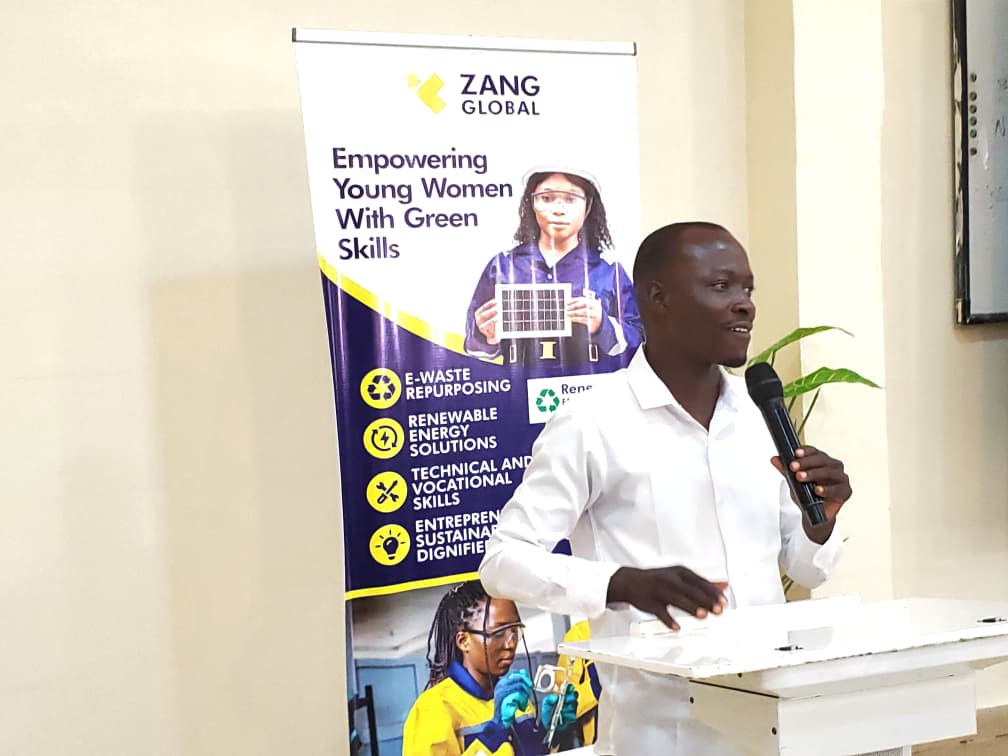
One of the facilitators, Mr Alexander Pascal, said the training provided participants with an additional practical skill that could complement their formal education and help them contribute to their communities.
He said the programme’s focus on young women and underserved communities was particularly important in creating opportunities for participants to develop skills that could support their livelihoods.
“The RenewCycle Training Programme has been designed to equip these young people with an extra skill besides their education and personal skills, to ensure that they have something they can use to assist themselves and contribute to their communities,” Pascal said.
For the graduands, the training has already begun translating into plans for enterprise. Miss Ishaya Mafeng Dalyop identified solar installation as the most important skill she gained and said she plans to establish a shop, install solar systems and produce power banks.
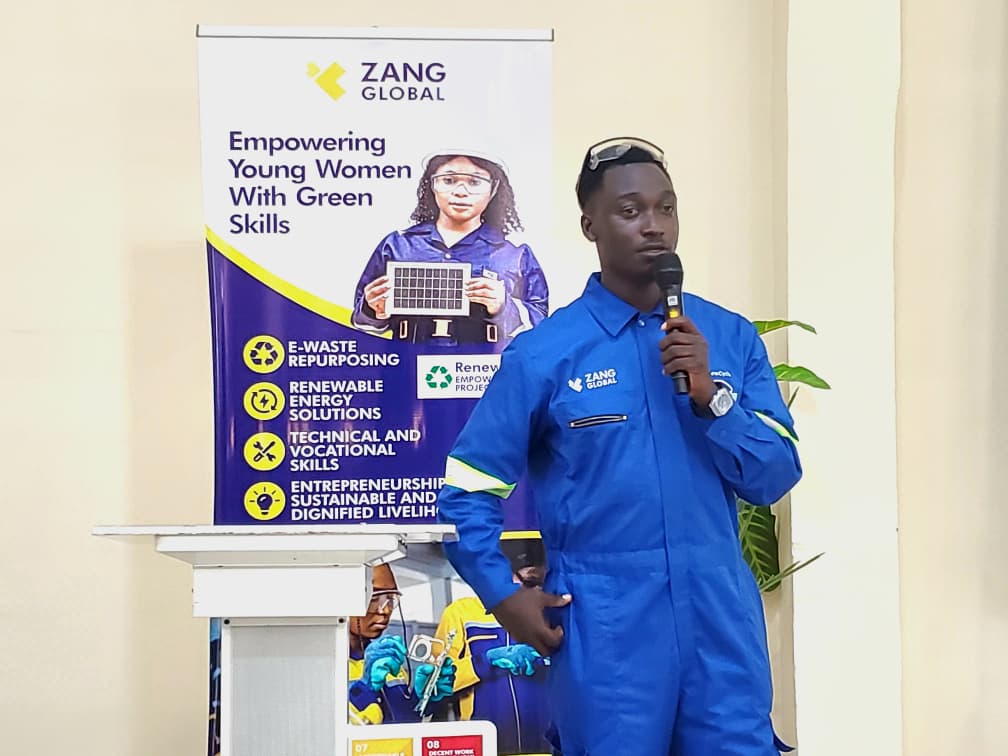
Similarly, Mr Fom Shedrach Ishaya said his interest in renewable energy and Nigeria’s unstable power supply motivated him to join the programme. He said the training exposed him to practical skills including the use of protective equipment, soldering and testing cable continuity, adding that he plans to sell solar accessories and components while offering installation services.