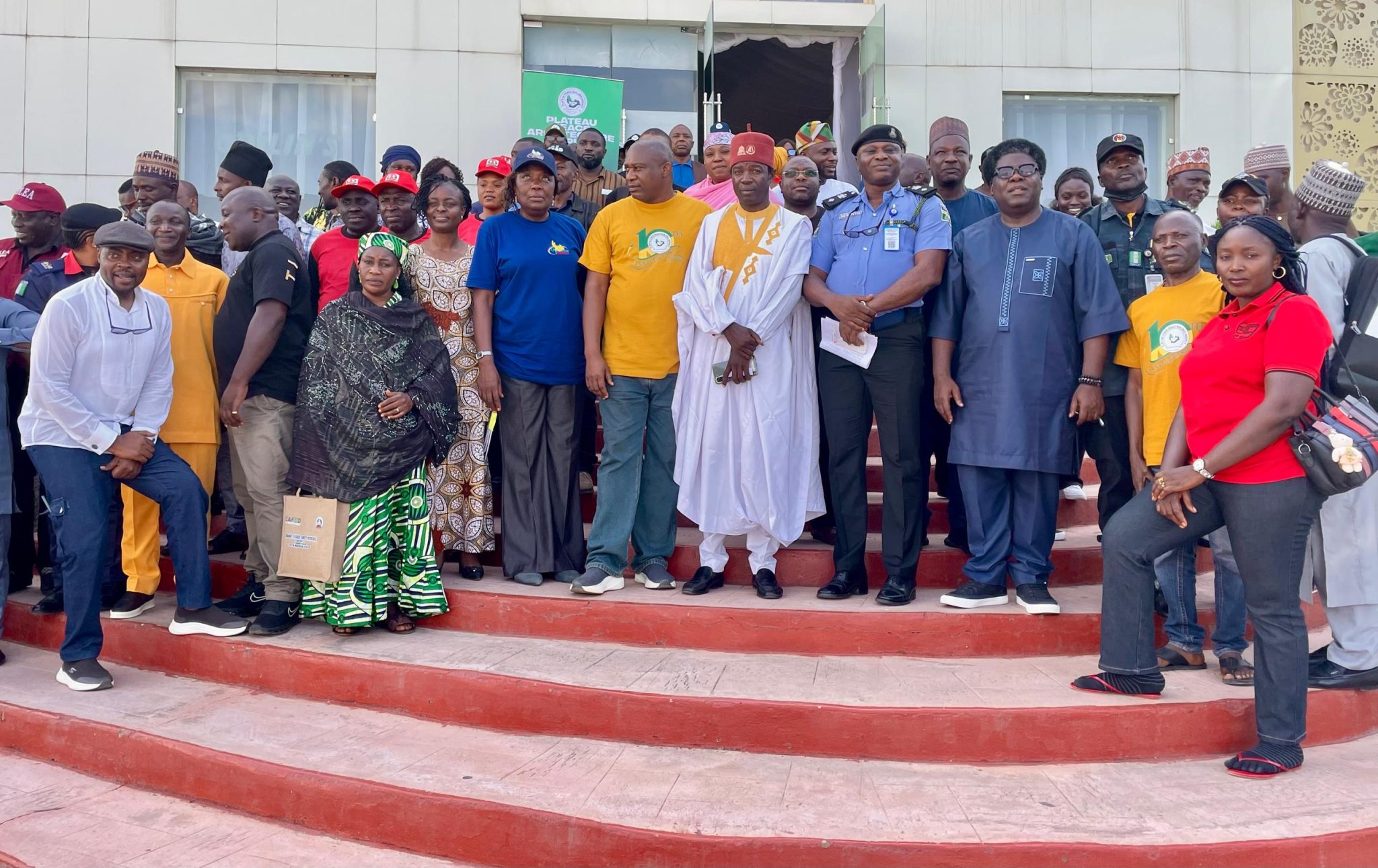
Peace stakeholders from across Plateau State have called for a reassessment of existing early warning and response mechanisms to address evolving security challenges and strengthen collective action for sustainable peace.
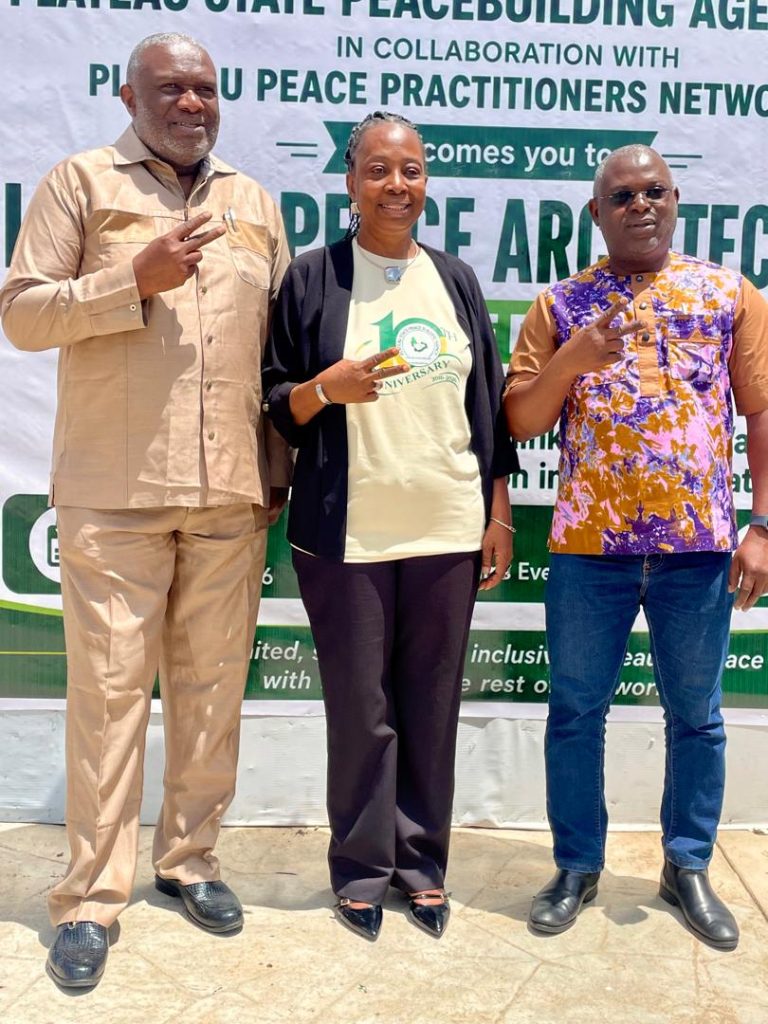
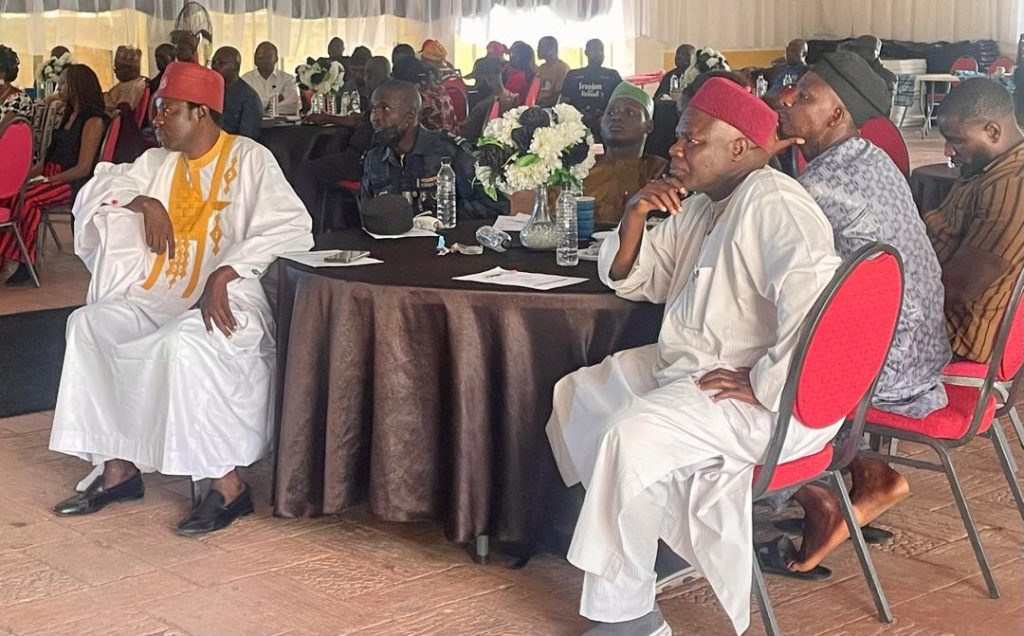
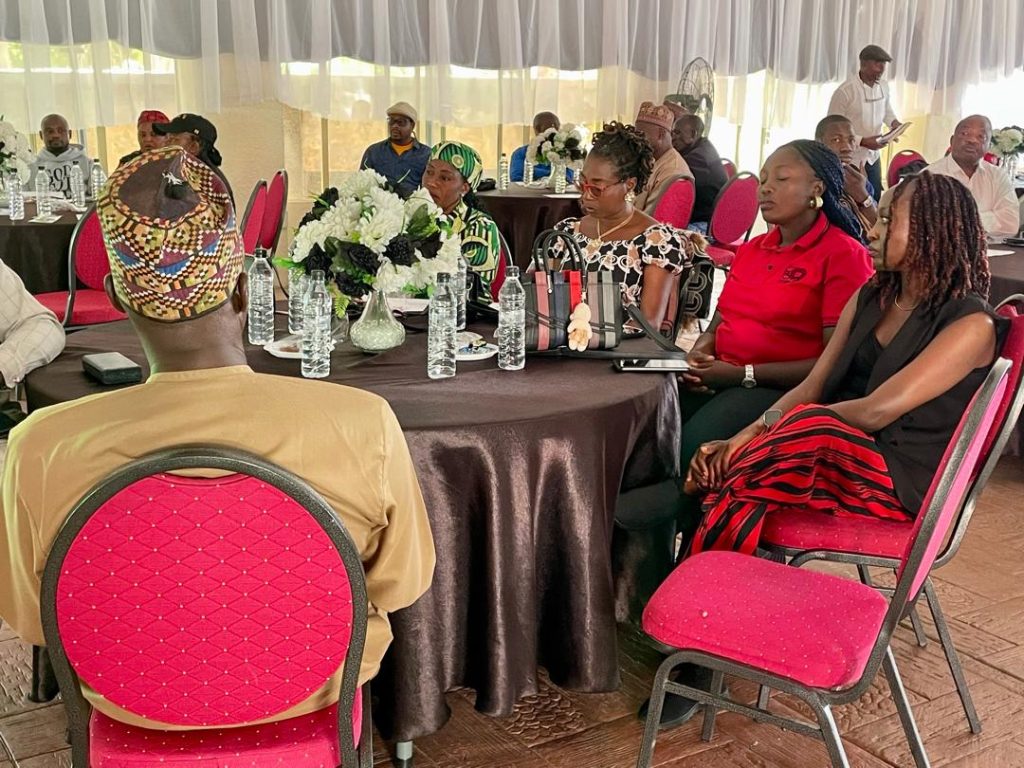
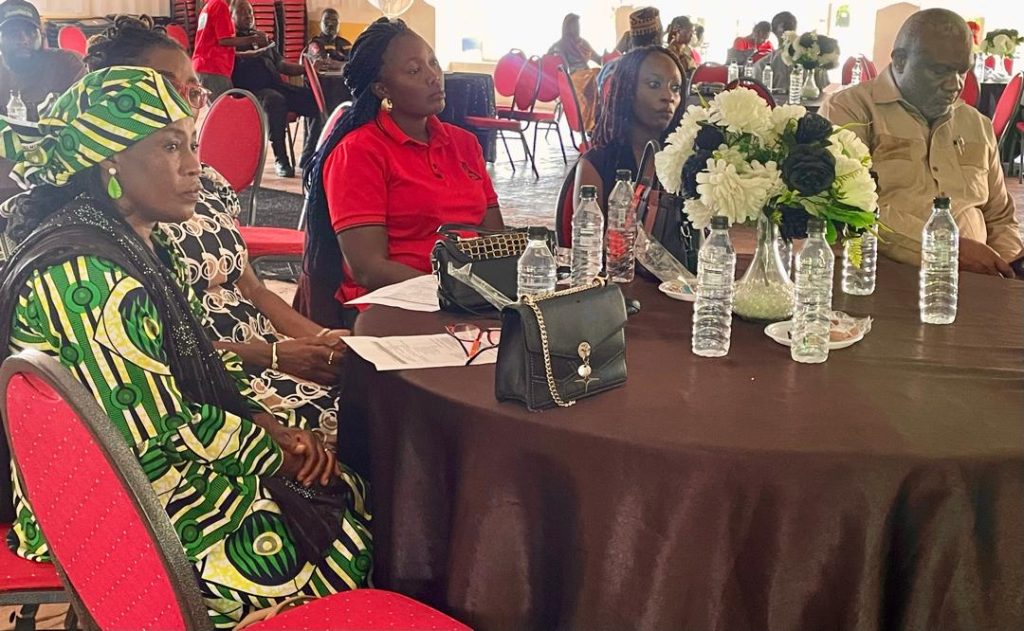
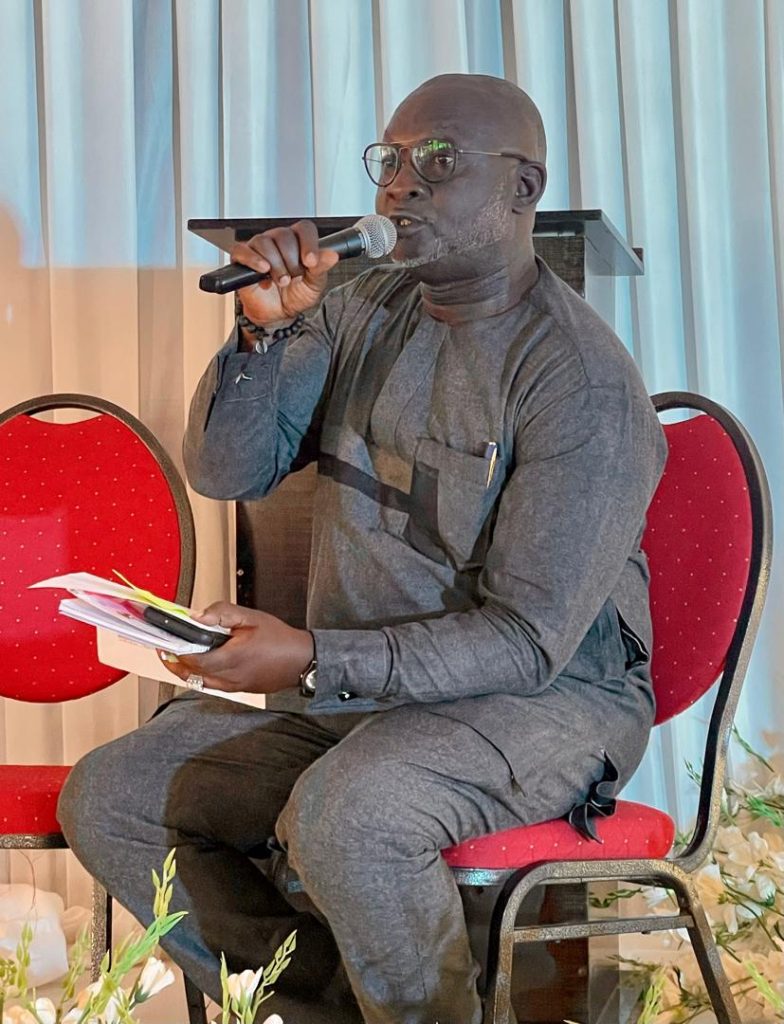
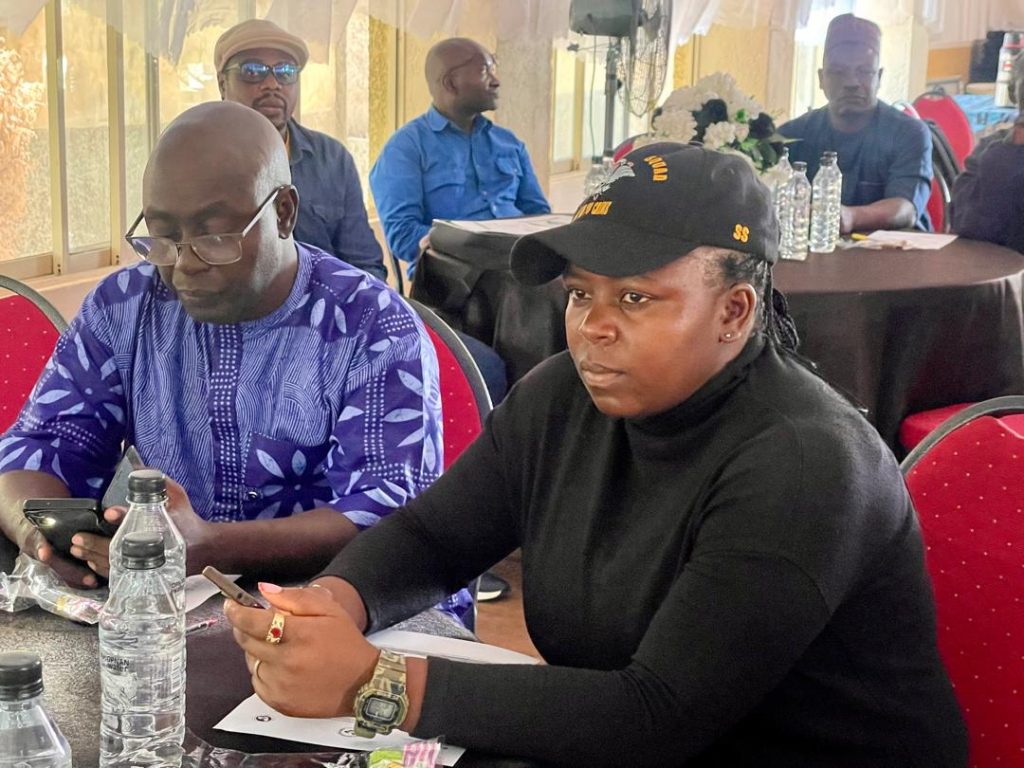
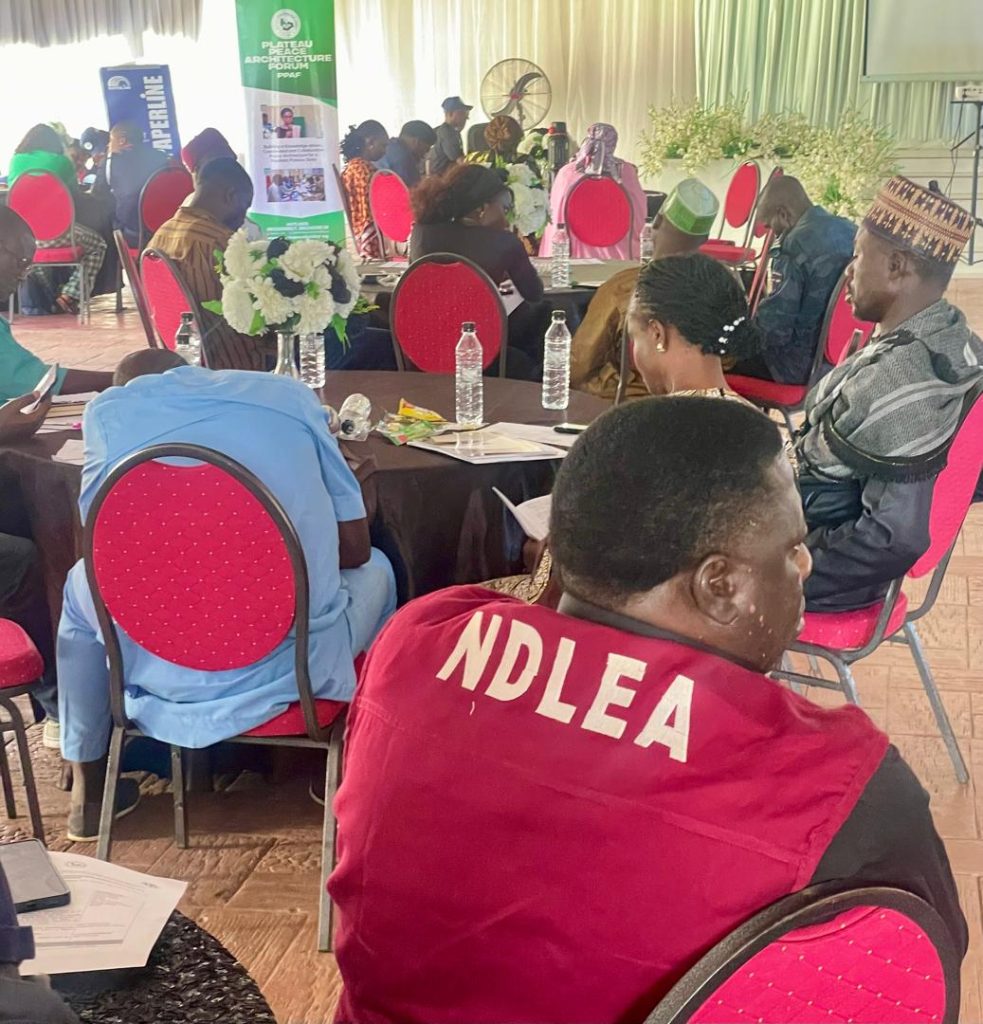
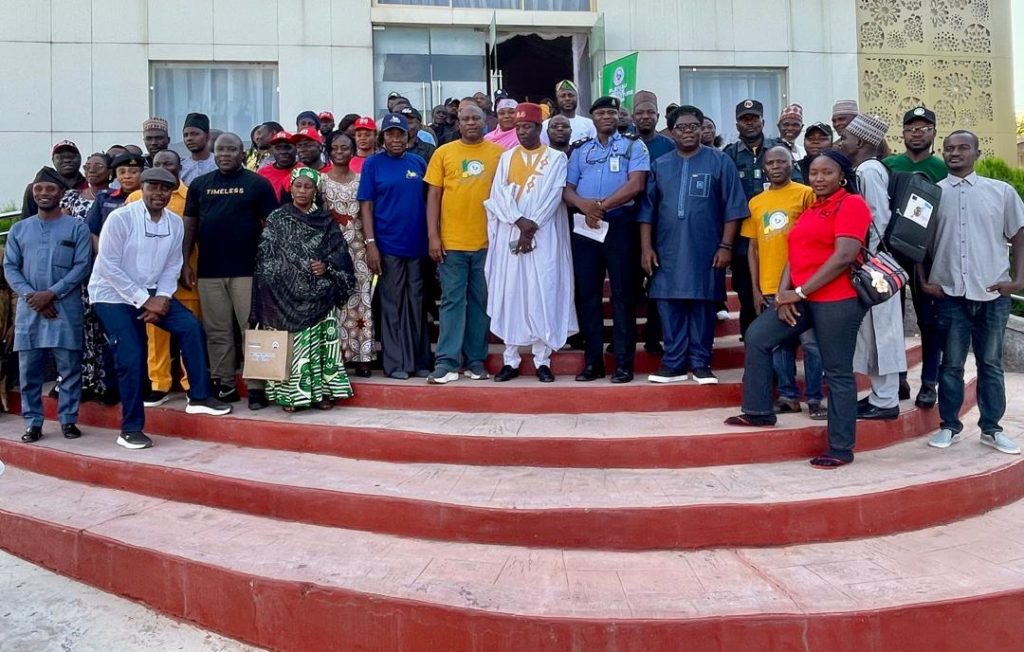
The call was made on Thursday during the June 2026 edition of the Plateau Peace Architecture Forum (PPAF), organized by the Plateau State Peace Building Agency (PPBA) in collaboration with the Plateau Peace Practitioners Network (PPPN) at the Odilins Event Center in Jos.
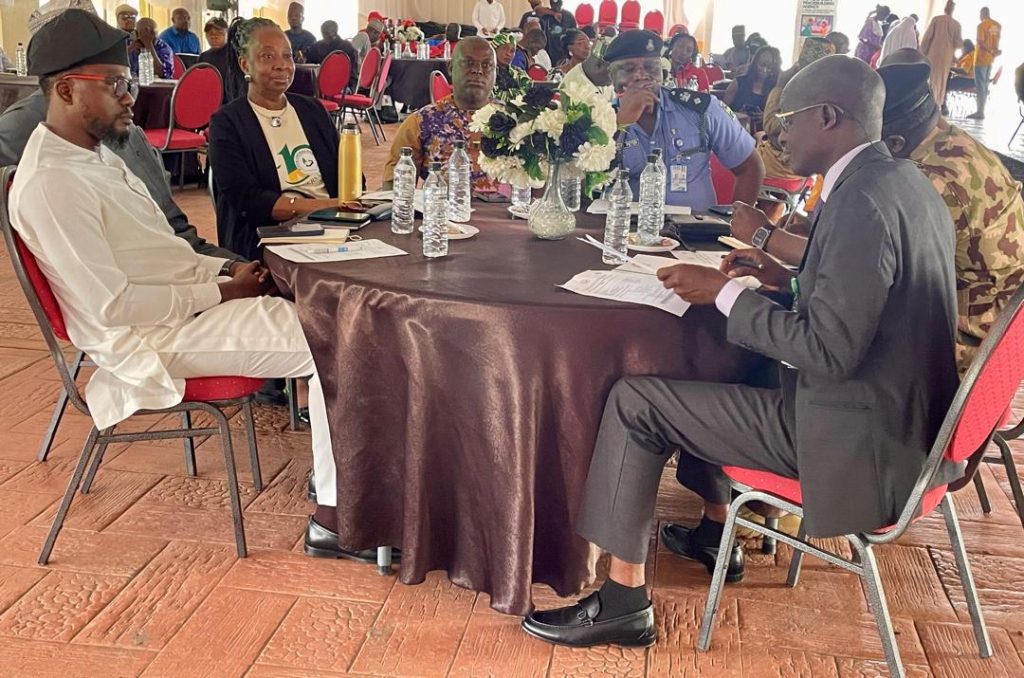
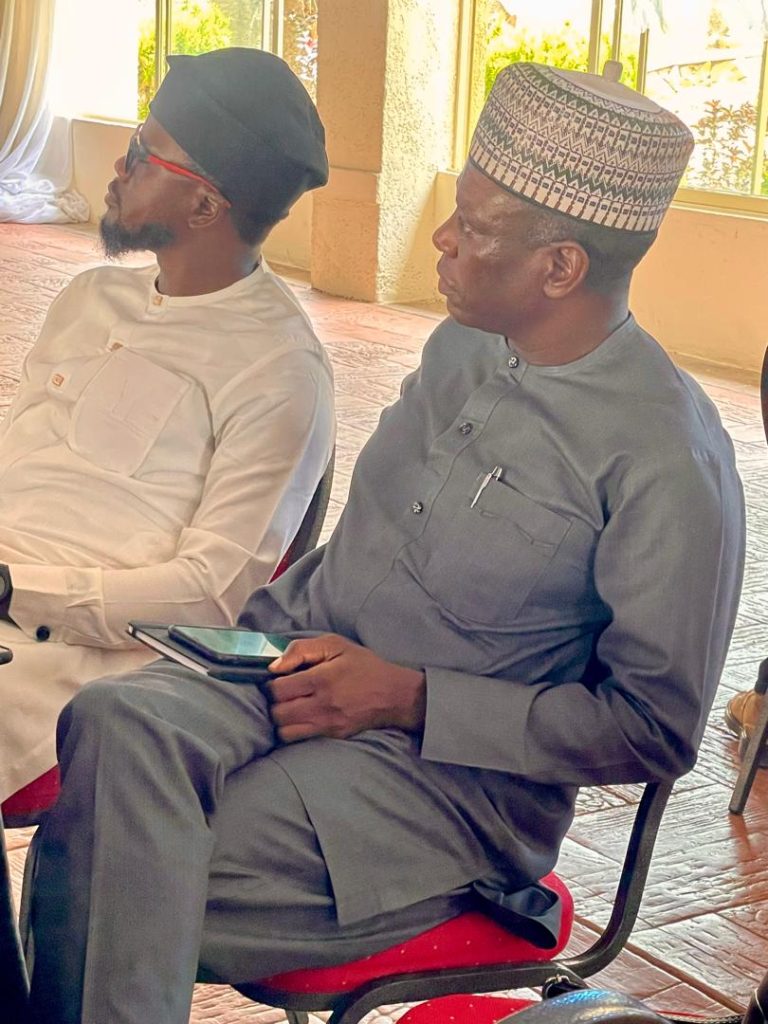
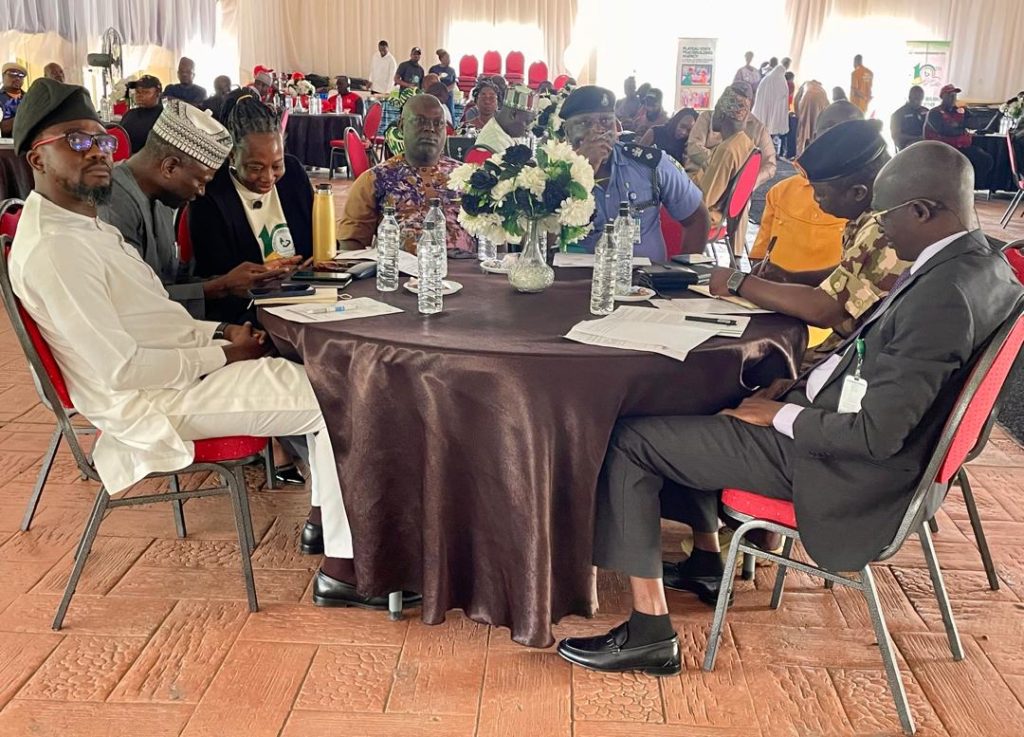
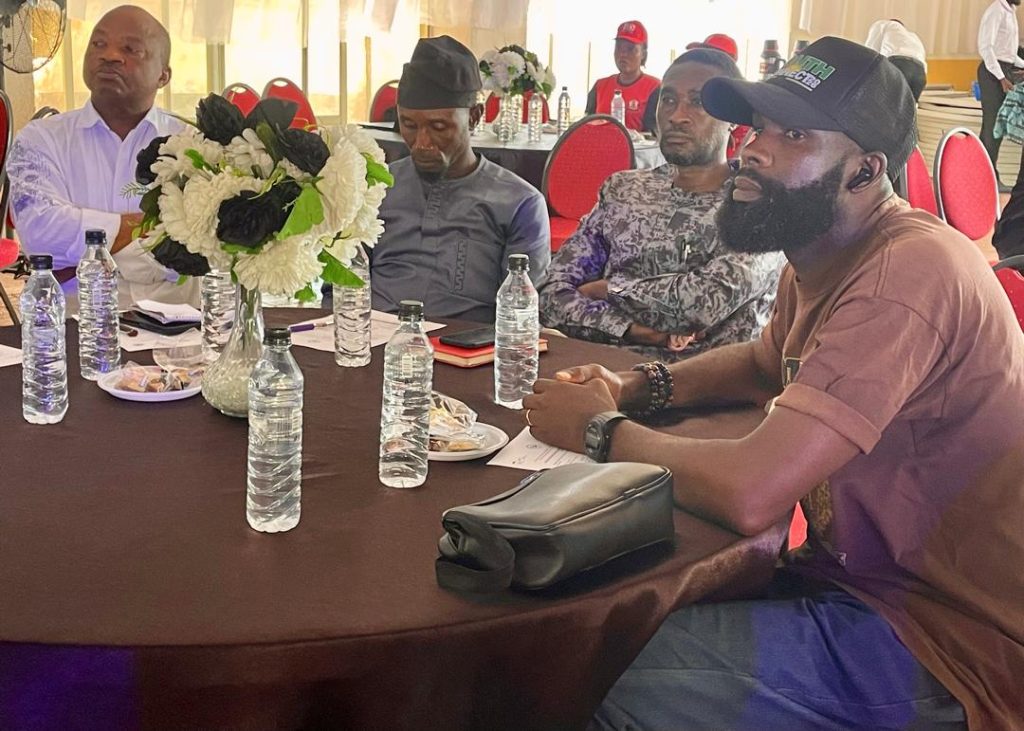
The forum, themed “Beyond Response: Rethinking Early Warning and Collective Action in Plateau State,” brought together community leaders, security agencies, peace practitioners, government officials, civil society organizations, development partners, women and youth groups to deliberate on emerging security threats and strategies for preventing violent conflict.
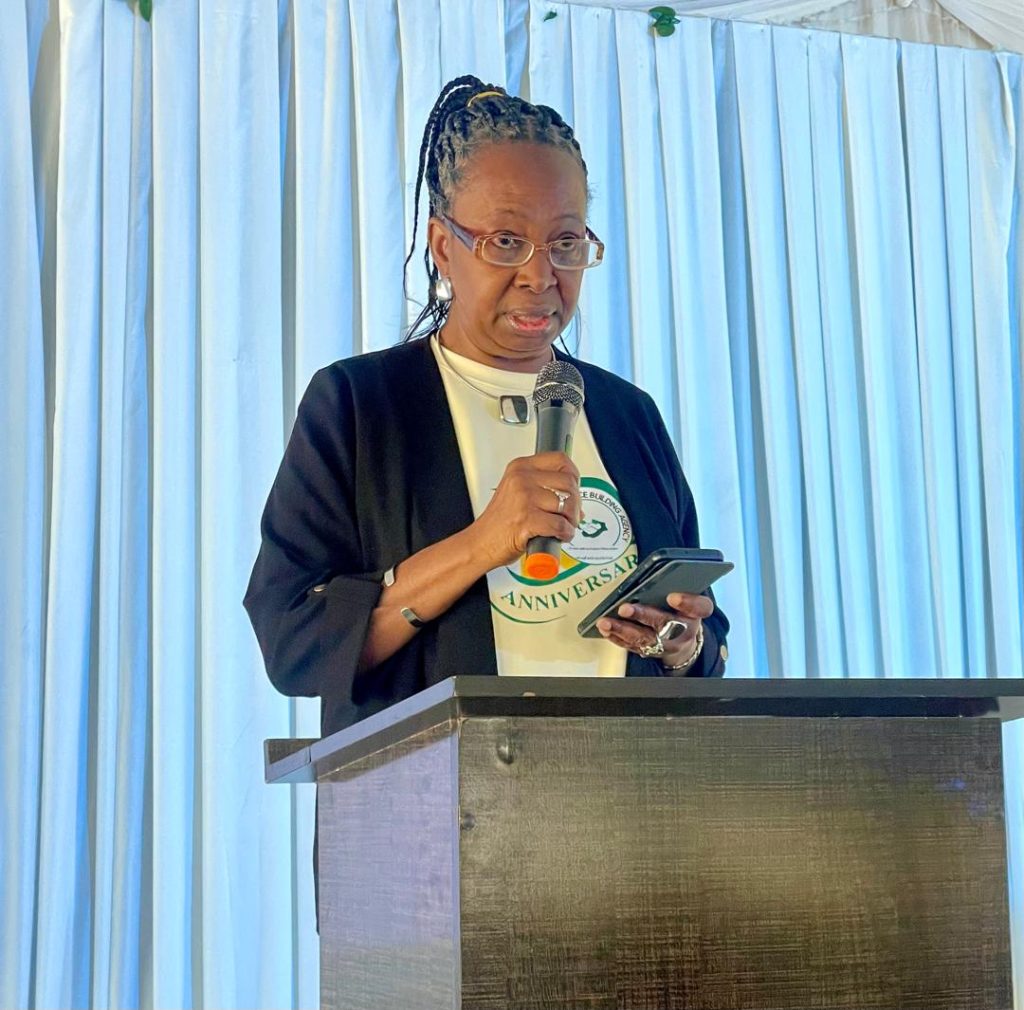
In her opening remarks, the Director General of the Plateau State Peace Building Agency, Dr. Julie G. Sanda, described the forum as an important platform for reflection, learning and dialogue on peace and security issues. She acknowledged the progress made through dialogue, conflict prevention, community engagement and collaboration among stakeholders but stressed the need to rethink traditional approaches to early warning systems in light of changing security realities.
According to her, communities often possess knowledge of potential threats, making it necessary to move beyond information gathering toward effective preparedness, rapid response and coordinated action. She urged stakeholders to explore innovative strategies that would improve prevention efforts and enhance community protection across the state.
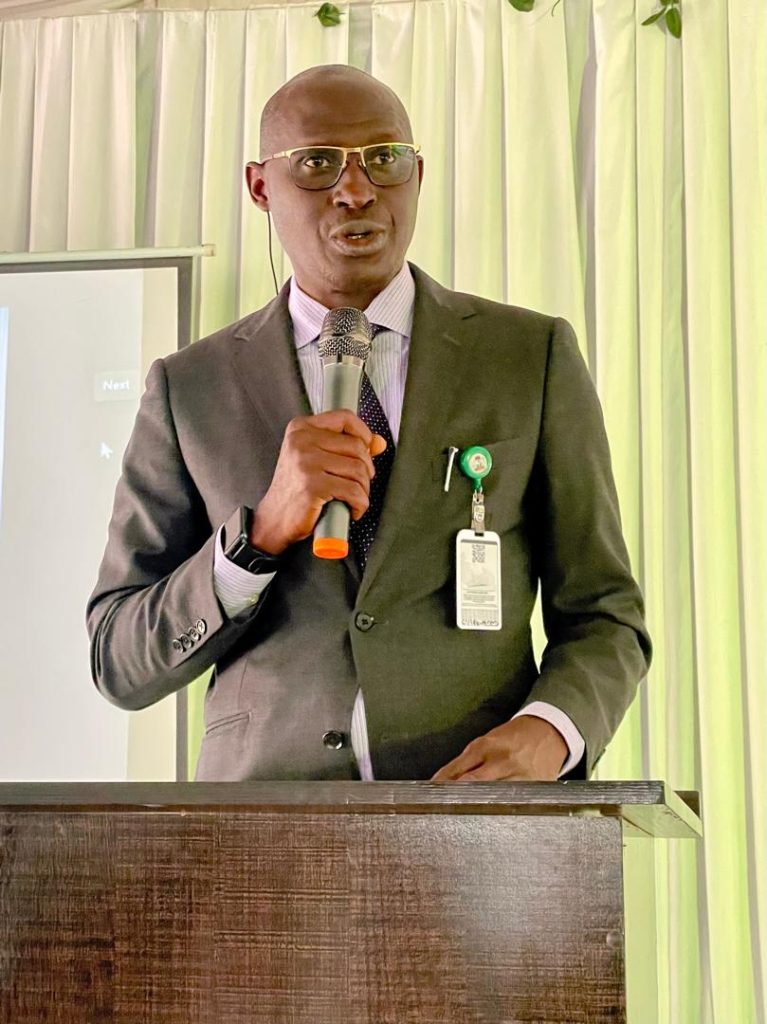
Representing the Secretary to the Plateau State Government, Nathaniel Michael Roy, Director of Health and Special Services, emphasized the importance of collective action among government institutions, traditional rulers, religious leaders, civil society organizations, women, youth and development partners. He reaffirmed the state’s commitment to promoting peace, justice, inclusion and sustainable development.
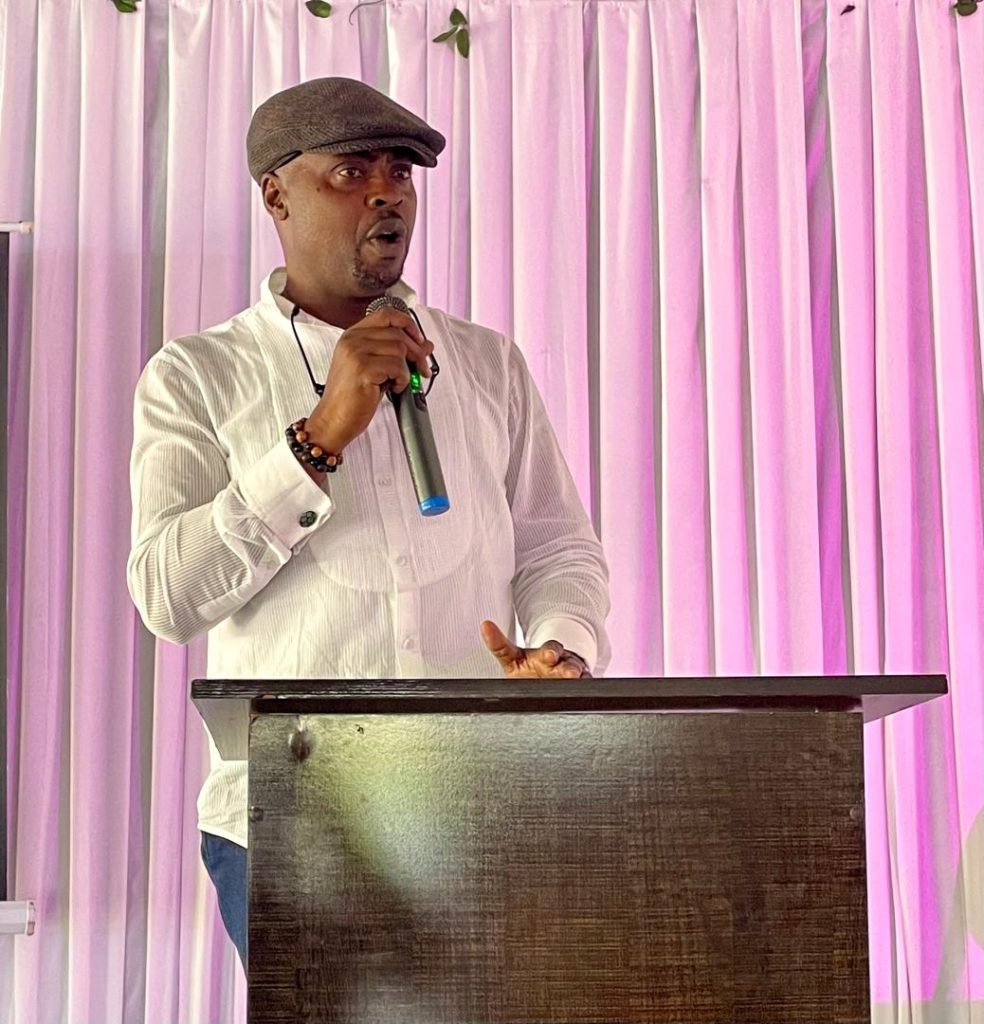
President of the Plateau Peace Practitioners Network, Nanman Bali, described the forum as timely given the resurgence of violence in parts of the state. He called for a review of existing early warning and response systems to ensure they remain effective in addressing contemporary security challenges.
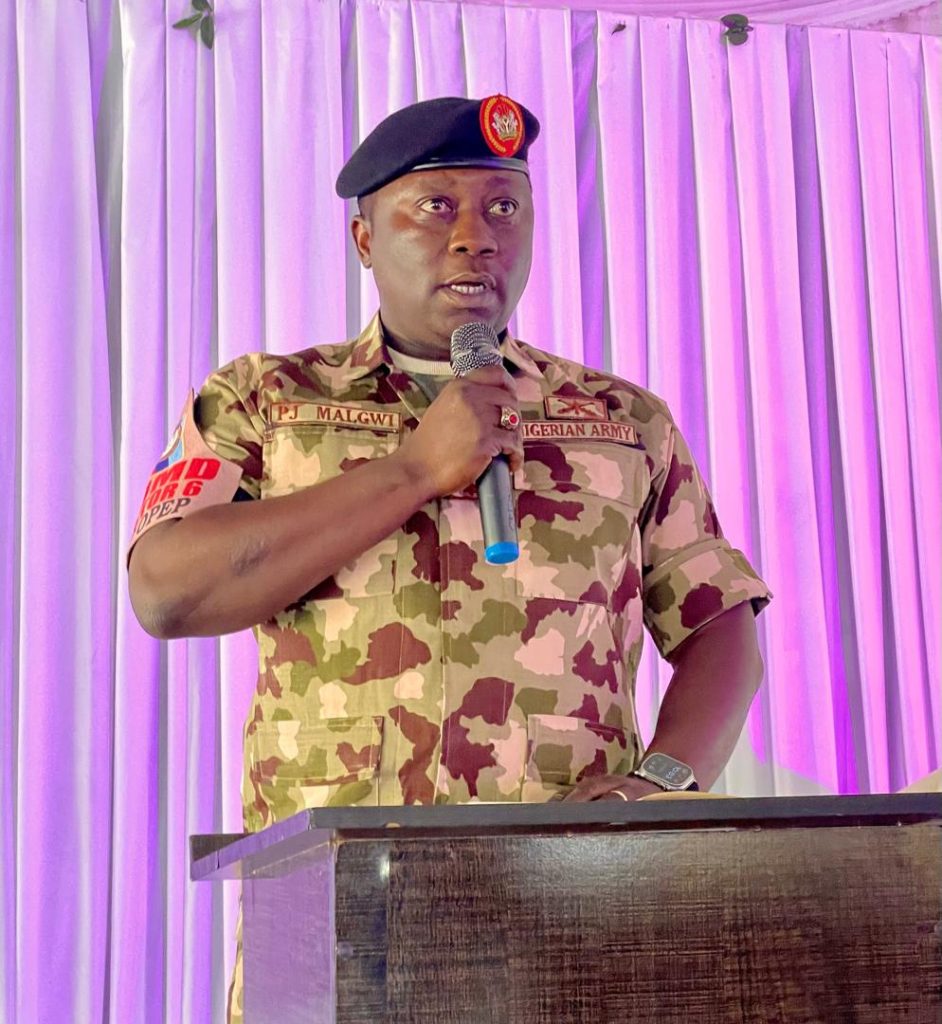
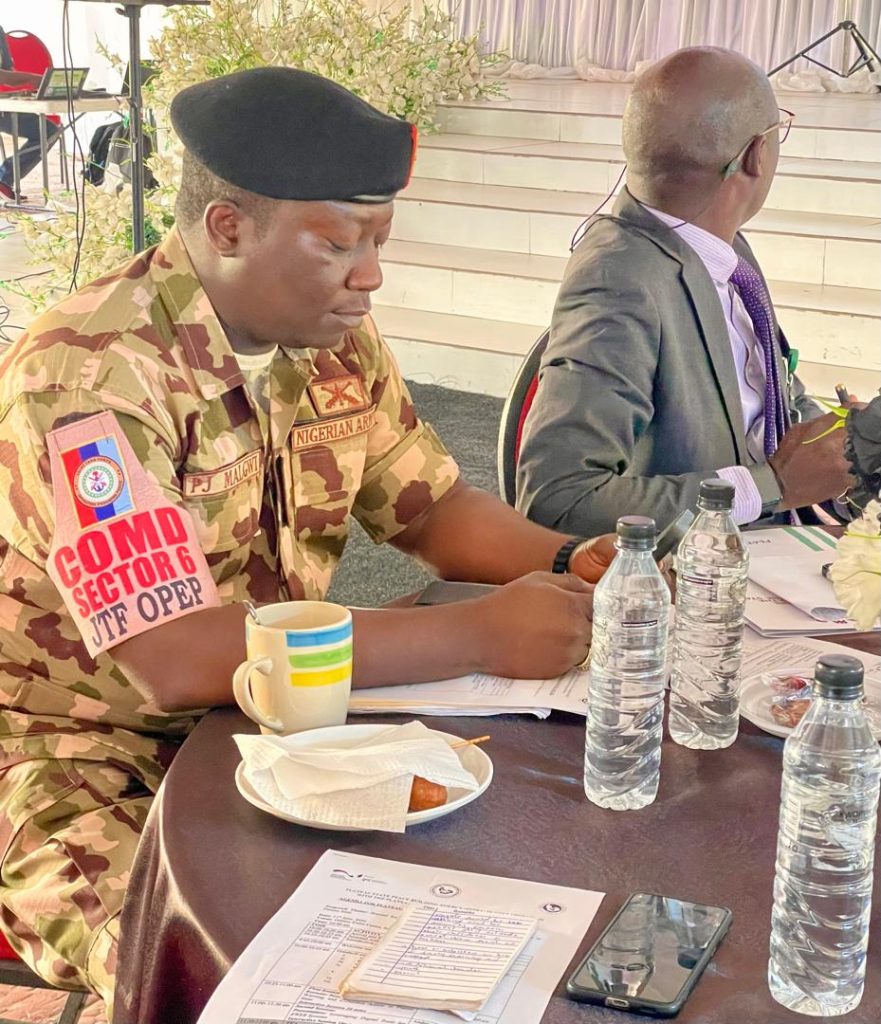
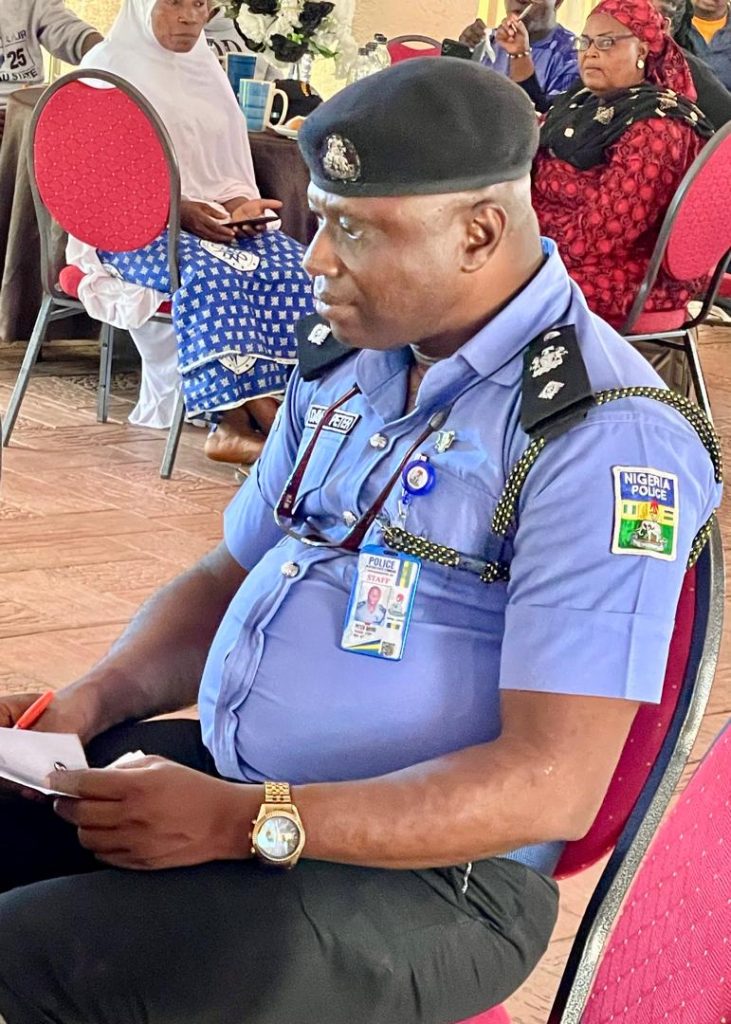
Representing the Commander of Operation Enduring Peace, P.Y. Malgwi stressed that evolving threats, including isolated attacks, masked assailants and conflicts linked to herder movements, require a review of existing peacebuilding strategies. He noted that while significant progress has been made, criminal elements continue to adapt, making stronger collaboration between security agencies and peace actors essential.
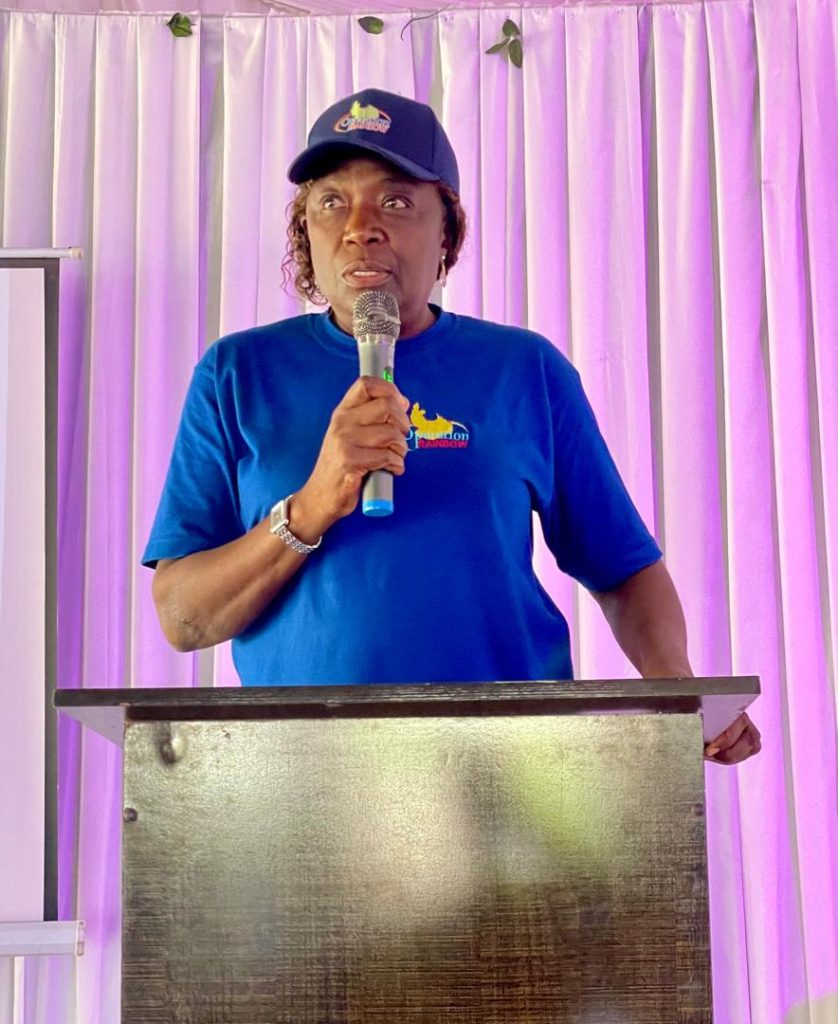
Also speaking, Fadassah Othman, representing the Special Adviser on Security to the Governor, Brigadier General Gakji Shipi, urged participants to critically examine security challenges facing Plateau State and develop practical recommendations that would strengthen peace and stability.
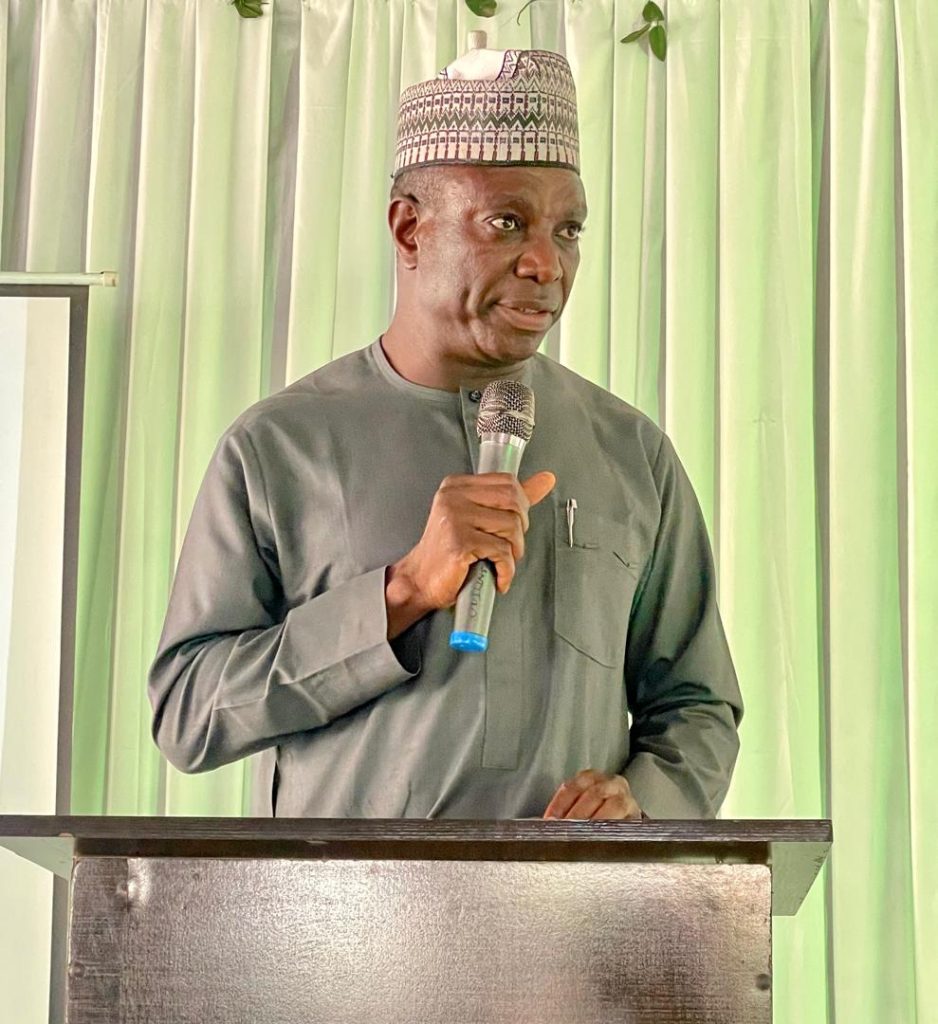
The Governor’s Special Envoy on Peace and Security, Professor Chris Kwaja, challenged stakeholders to critically assess the effectiveness of existing early warning systems and the level of synergy among security agencies, government institutions and communities. He stressed the need to distinguish between communal conflicts and organized crime, arguing that both require different approaches. Kwaja further emphasized accountability, justice, social inclusion and transitional justice as key components of sustainable peace.
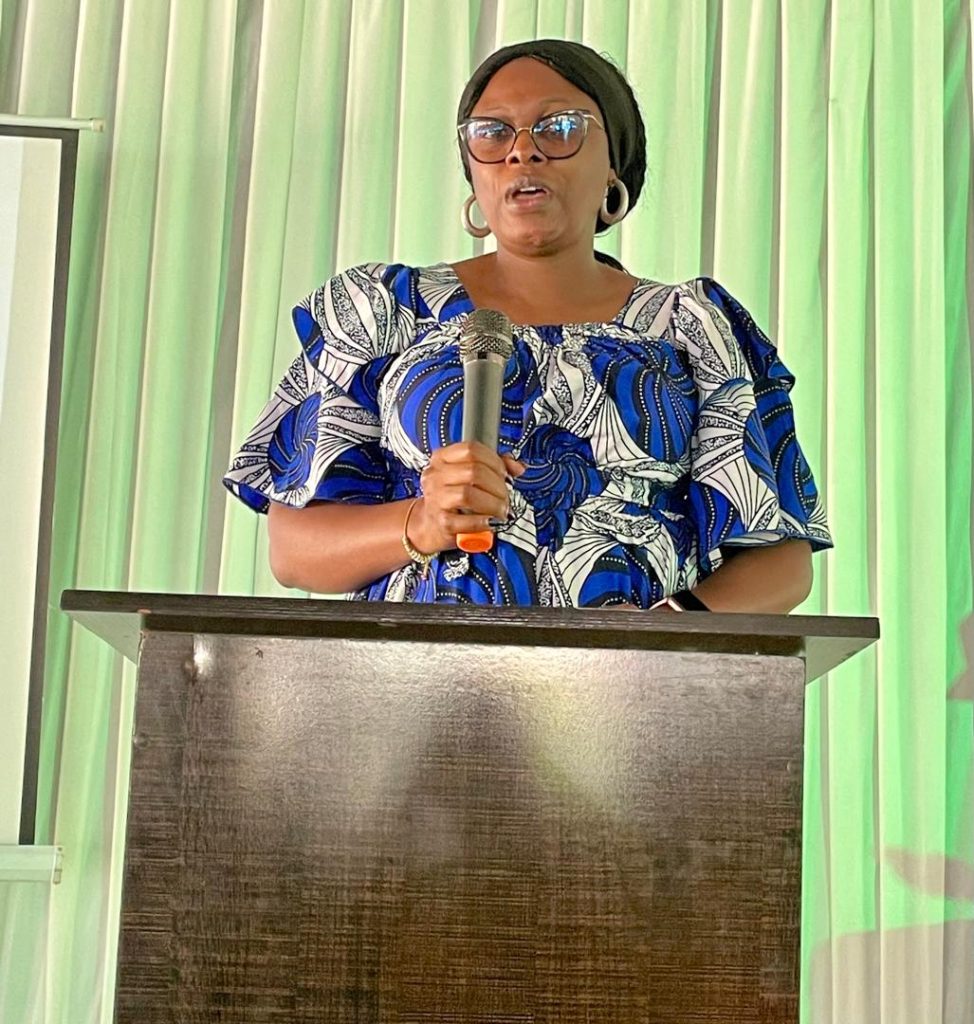
Representing GIZ, Dr. Yop Aku highlighted the need to move beyond identifying threats to focusing on planning, research, resource mobilization and coordinated action. He warned that organized crime is increasingly shaping security dynamics and called for stronger institutional preparedness and practical implementation of peacebuilding recommendations.
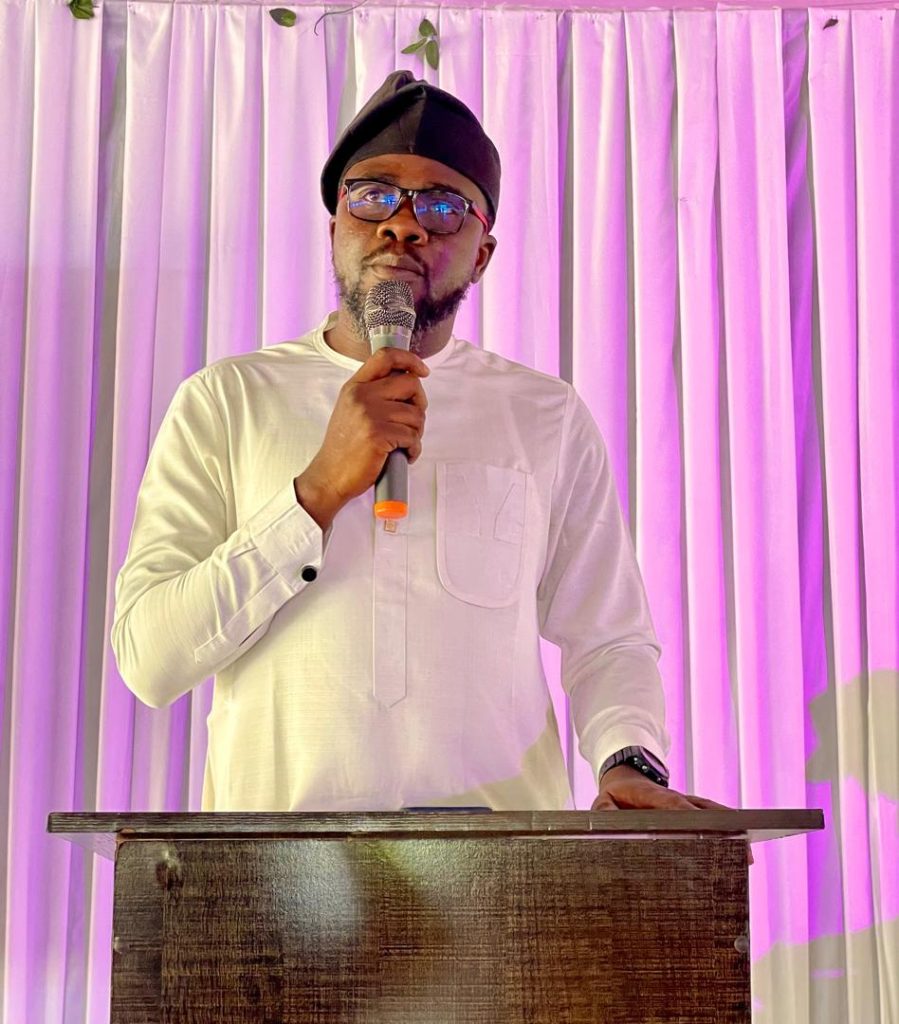
Similarly, Usman Usman, representing the United Nations Development Programme (UNDP), noted that the challenge is often not the absence of information but the limited capacity to respond effectively. He advocated stronger community-centered early warning systems, improved coordination and proactive prevention strategies.
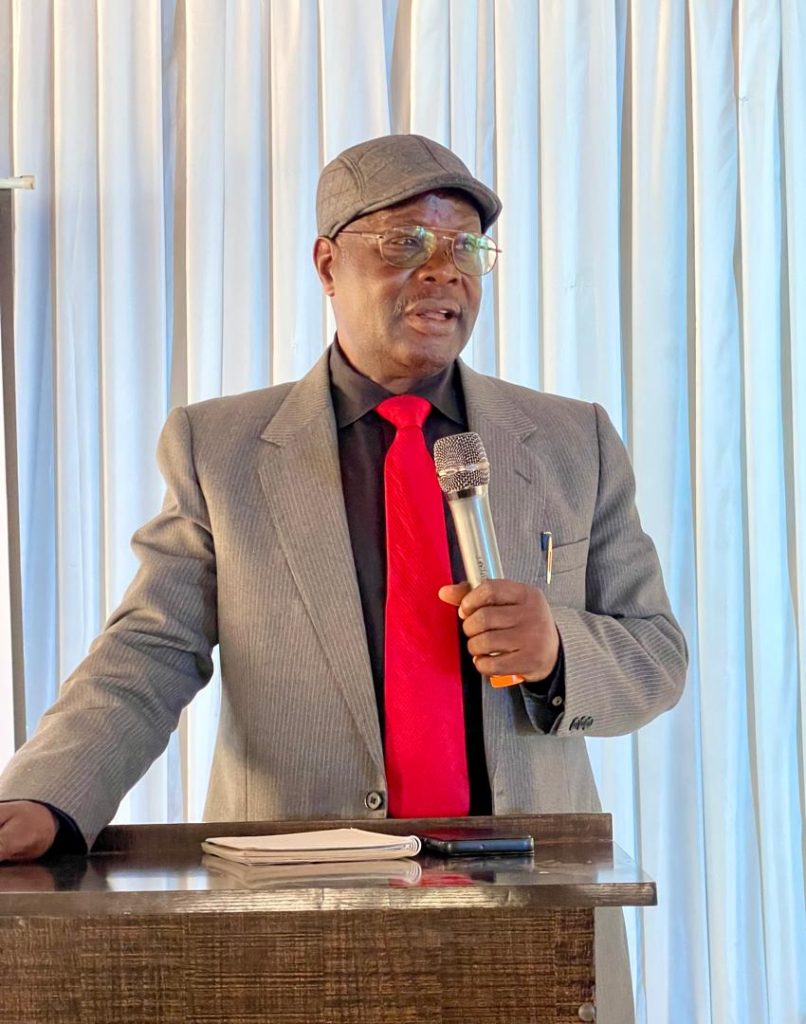
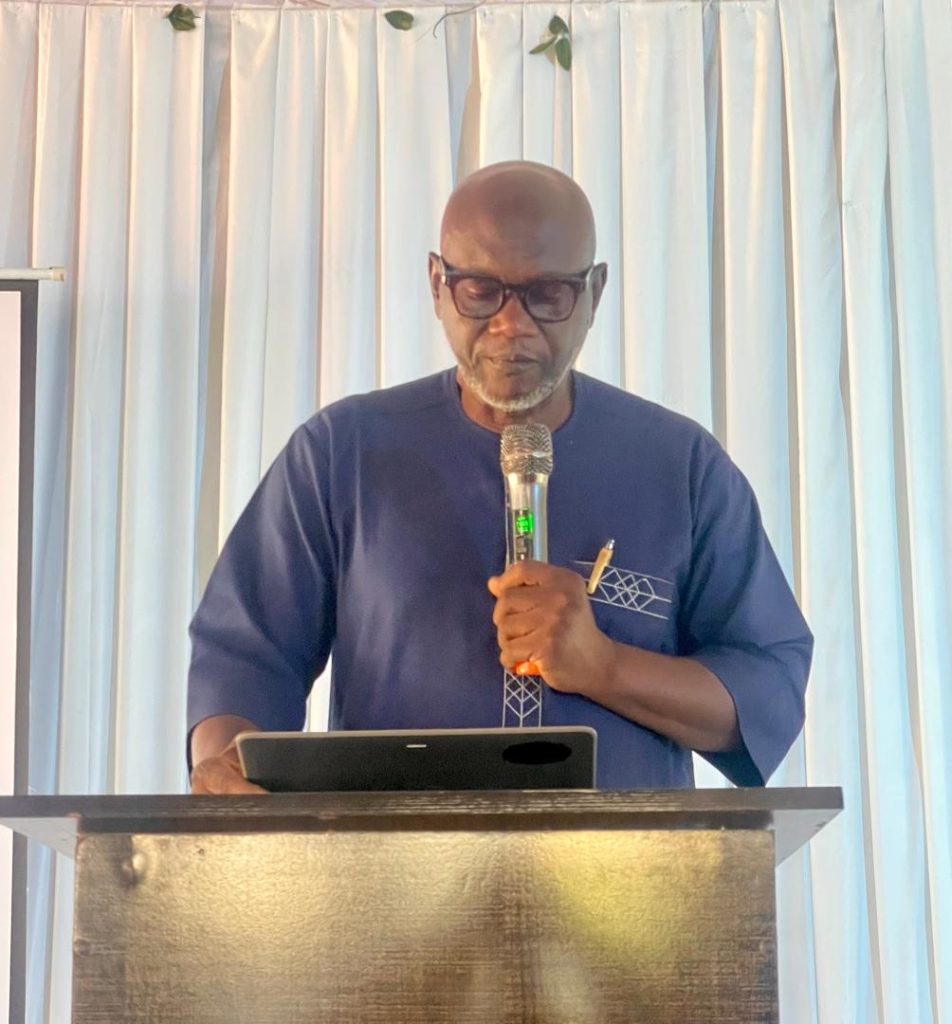
The forum featured presentations by Rev. Samuel Goro, who spoke on “Beyond Response: Rethinking Early Warning and Collective Action in Plateau State,” and Andrew Gani-Ikilama of Ritji Tech Hub, who delivered a presentation on “Leveraging Digital Tools for Early Warning and Early Response Systems.”
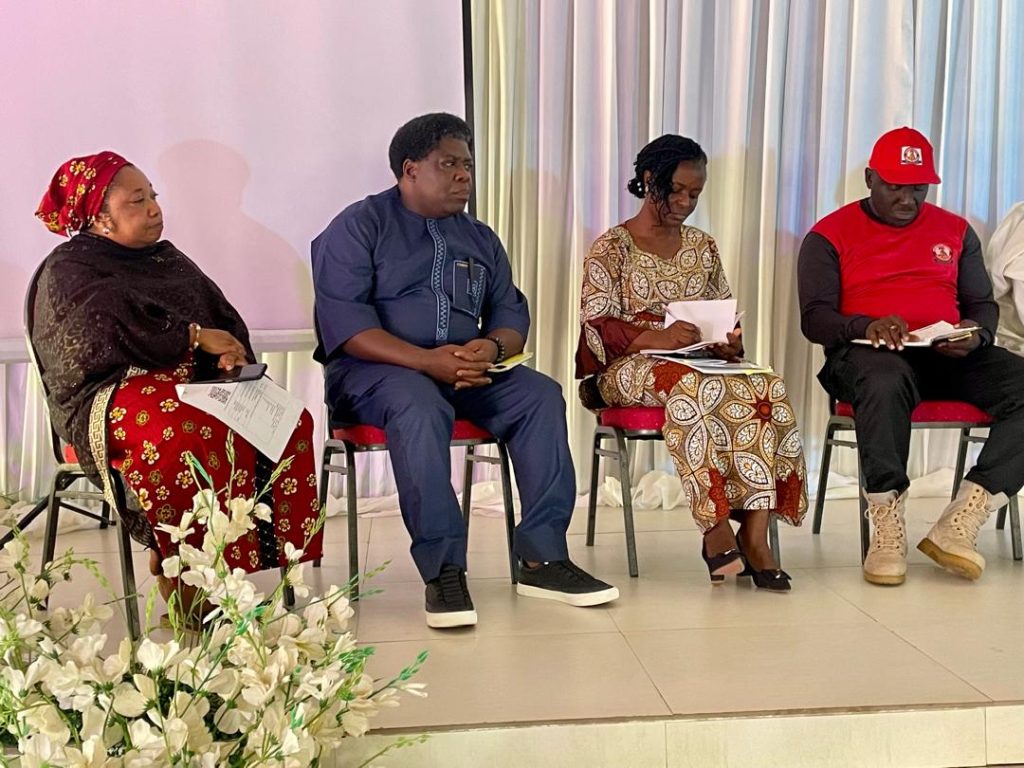
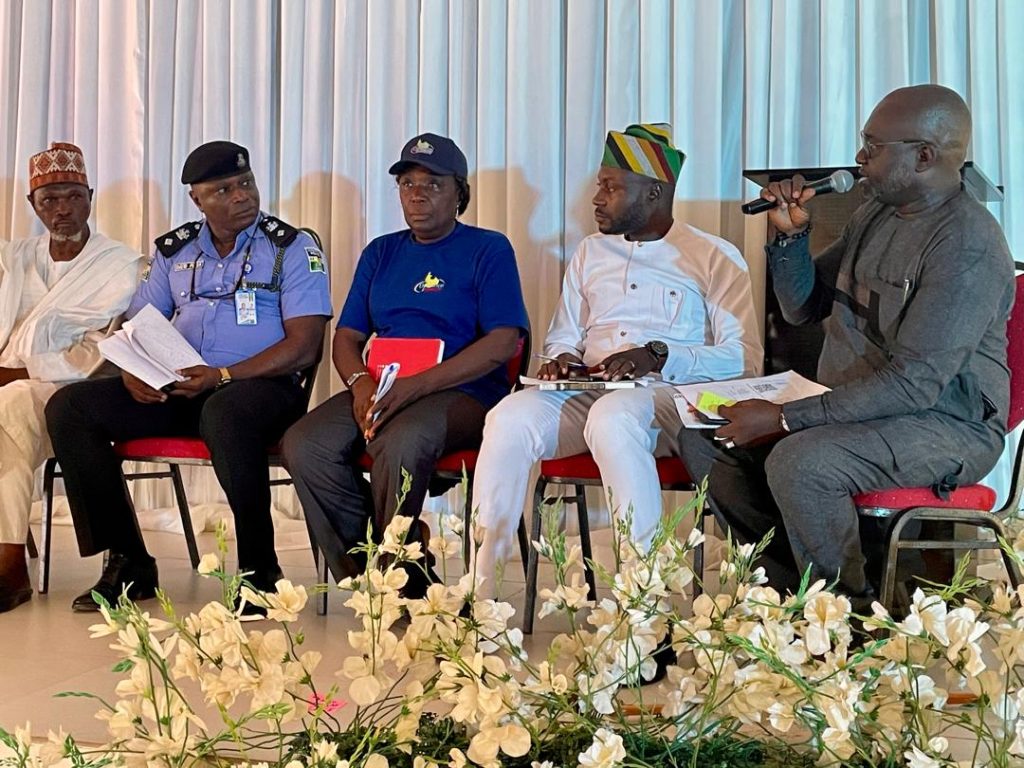
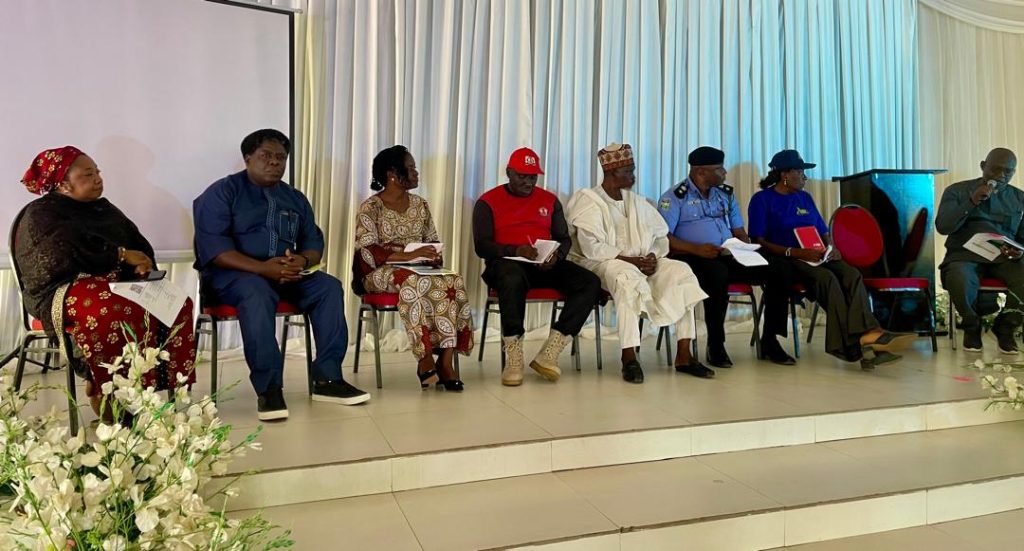
A panel discussion on “Early Warning in the Current Context of Plateau: What Works? Successes, Gaps, Coordination Challenges and Opportunities for Strengthening Collective Action” brought together representatives of the Nigeria Forest Guard, Operation Rainbow, Community Peace Architecture Forum (CPAF), the Nigeria Police Force, women and youth groups, civil society organizations and humanitarian actors.
The event concluded with an interactive question-and-answer session, while action points and stakeholder feedback were coordinated by Kenneth Dakop.
Participants expressed optimism that the recommendations from the forum would strengthen early warning mechanisms, improve coordination among stakeholders and contribute to lasting peace and security across Plateau State.