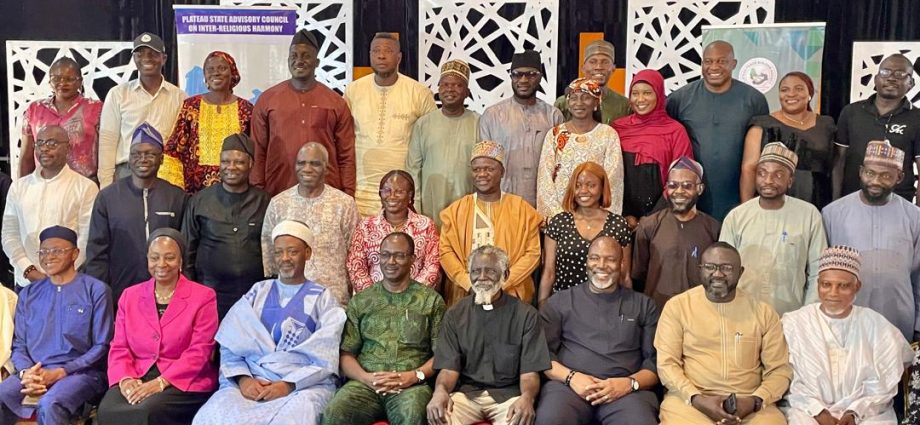
The Plateau State Peace Building Agency (PSPBA), religious leaders and peacebuilding stakeholders have called for renewed commitment to peaceful coexistence, warning against the manipulation of religion and ethnic identity to fuel division and conflict in Plateau State and Nigeria.
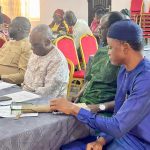
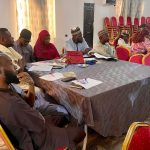
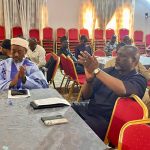
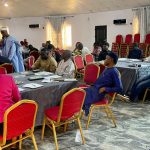
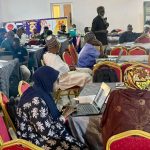
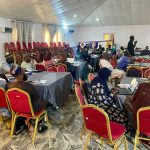
The call was made on Tuesday, October 27, 2026, at the commencement of a three-day interactive capacity-building training for members of the Plateau State Advisory Council (PSAC) on Inter-Religious Harmony and the Plateau Youth Interfaith Forum at Villa Grande, Gold and Base, Jos.
The programme, scheduled to run from October 27 to 29, is being coordinated by the PSPBA with support from SPRING and Tetra Tech International Development. It aims to strengthen peace and resilience through religion, identity and conflict transformation.
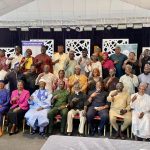
The training brings together Christian and Muslim religious leaders, youth representatives, facilitators and other stakeholders to examine the foundations of unity, address the misuse of religion in conflict situations, and develop practical strategies for promoting peaceful coexistence across Plateau State.
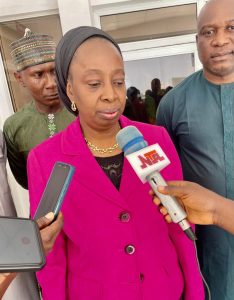
The Director-General of the Plateau State Peace Building Agency, Dr. Julie Sanda, said the training was organised to help religious leaders review shared values and strengthen their collective commitment to peace.
Sanda expressed concern that some individuals exploit religious and ethnic identities to mobilise support in divisive ways, particularly during election periods and in discussions surrounding the distribution of national resources and values.
She said the programme provides an opportunity for Christian and Muslim leaders to reflect on their common humanity, identify values that unite them, and develop messages that can promote understanding among residents of Plateau State.
According to her, the initiative is also significant because it brings younger people into the peacebuilding process through the Plateau Youth Interfaith Forum.
She explained that the younger generation would learn from experienced religious leaders while contributing their own perspectives to efforts aimed at preventing conflict and promoting peaceful coexistence.
Sanda added that religious leaders and youth representatives would work together during peace advocacy activities across local government areas, stressing the need to move beyond discussions to practical action and stronger commitment to peace.
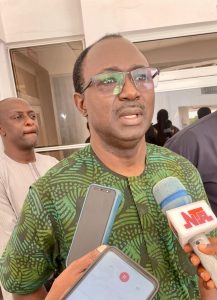
The Special Adviser to Governor Caleb Mutfwang on Religious Affairs, Rev. Dr. Stephen Dangana, said peaceful coexistence was essential for effective governance, development and progress.
Dangana noted that the Plateau State Government had established the Peace Building Agency and constituted an Inter-Religious Council involving credible Christian and Muslim leaders to promote dialogue and cooperation.
He explained that the council provides a platform for religious leaders to exchange ideas, understand their differences and strengthen the bonds of brotherhood.
According to him, recognising that people share a common humanity and are created by one God can help improve understanding across religious divides.
Dangana stressed that peace remains a fundamental requirement for meaningful development, adding that communities cannot achieve lasting progress in an atmosphere of rancour, disunity and mutual suspicion.
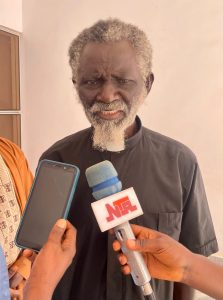
The Co-Chairman of the Plateau State Inter-Religious Advisory Council, Rev. Prof. Pandam Yamsat, called on residents of Plateau State, irrespective of their ethnic or indigene status, to embrace unity and work together for the common good.
Yamsat said Plateau State belongs to everyone who lives in and contributes to its development, warning against attempts by individuals or groups to claim exclusive ownership of the state’s resources and opportunities.
He urged residents to recognise their shared interests and responsibilities, noting that the state’s resources and opportunities should contribute to the wellbeing of all.
The cleric also encouraged Christian and Muslim leaders to review their proposed peacebuilding strategies and develop practical recommendations that could be implemented in their respective communities.
He maintained that love, unity and collective responsibility were necessary to build a peaceful and prosperous Plateau State.
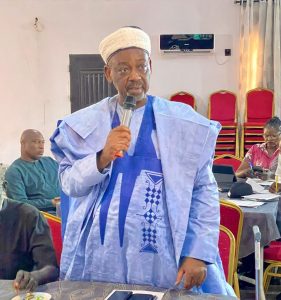
The other Co-Chairman of the Plateau State Advisory Council on Inter-Religious Harmony, His Royal Highness Alhaji Mohammed Sambo Haruna II, the Emir of Wase, who also leads Jama’atu Nasril Islam (JNI) in Plateau State, urged stakeholders to demonstrate genuine commitment to peace.
The traditional ruler commended the PSPBA and its development partners for organising the programme, describing it as an opportunity to remind religious leaders of their responsibilities in promoting harmony.
He called for peacebuilding initiatives to be extended to local government areas, with stakeholders identifying conflict hotspots and developing appropriate responses to challenges in affected communities.
The Emir emphasised that peace could not be achieved through speeches and meetings alone, insisting that the desire for peace must be sincere and reflected in people’s attitudes and actions.
He urged participants to agree on practical measures and ensure that the recommendations from the training translate into meaningful changes within their communities.
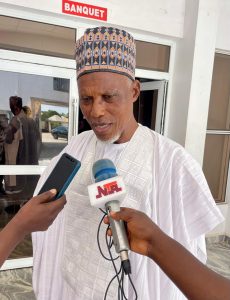
The lead facilitator and Chairman of JEMSHUD Consultancy Ltd, Prof. Huud Shittu, described peace as fundamental to human existence, comparing its importance to essential necessities such as water and oxygen.
Shittu said the programme was designed to address underlying issues that continue to undermine peace despite years of workshops, meetings and interfaith engagements.
According to him, one of the major concerns is the failure to uphold the fundamental teachings of religious traditions, alongside the misuse and misinterpretation of religious principles.
He explained that the training would encourage participants to revisit the teachings of their faiths and reflect on how those principles could promote understanding rather than division.
Shittu noted that the calibre of religious leaders attending the programme meant the discussions were not necessarily about introducing new ideas, but reminding participants of the values and responsibilities already contained in their sacred texts.
He expressed hope that the engagement would help strengthen the foundations for sustainable peace in Plateau State.
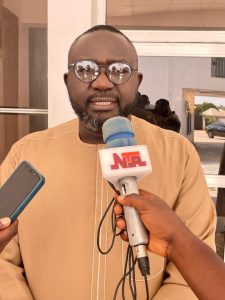
One of the facilitators, Rev. Dr. Sylvester Dachomo, Deputy General Secretary of the Church of Christ in Nations (COCIN) Headquarters, Plateau State, called for sincerity and consistency in the messages religious leaders communicate to their followers.
Dachomo observed that numerous workshops and meetings had been organised over the years, yet recurring conflicts suggested that deeper issues remained unresolved.
He said the training should examine how religion is abused and how sacred texts are misinterpreted to justify division and hostility.
According to him, religious leaders must be honest and sincere in their engagement with one another, ensuring that messages of peace promoted during meetings are not contradicted by statements delivered to young people and communities afterwards.
He urged traditional, religious and youth leaders to recognise the enormous responsibility they carry in preventing conflict and safeguarding the future of the country.
Dachomo warned that a full-scale war in Nigeria would have devastating consequences, noting that neighbouring West African countries would also struggle to accommodate the resulting humanitarian crisis.
He stressed that the training must go beyond intellectual discussions to influence the hearts, attitudes and actions of participants.
A major feature of the three-day training is the participation of the Plateau Youth Interfaith Forum alongside established Christian and Muslim leaders.
The inclusion of young people is intended to strengthen intergenerational cooperation and ensure that peacebuilding messages reach communities through credible and coordinated advocacy.
Participants are expected to examine the relationship between religion, identity and conflict, reflect on shared values, and consider practical approaches to reducing tensions and strengthening resilience.
The programme also seeks to encourage religious leaders to work collaboratively with youth representatives in taking peace messages to local communities.
The opening-day remarks highlighted a common concern among the speakers: that lasting peace requires more than dialogue, workshops and public declarations.
From the PSPBA’s call for responsible use of religious and ethnic identities to the religious and traditional leaders’ emphasis on sincerity, shared humanity and practical engagement, stakeholders stressed the need for consistent efforts to promote understanding and prevent conflict.
The three-day programme is expected to provide a platform for reviewing existing approaches, strengthening cooperation between Christian and Muslim communities, and developing actionable strategies for peace advocacy across Plateau State.
The training will conclude on Thursday, October 29, 2026, with the broader objective of strengthening the role of religious institutions, traditional authorities and young people in building a more peaceful and resilient Plateau State.