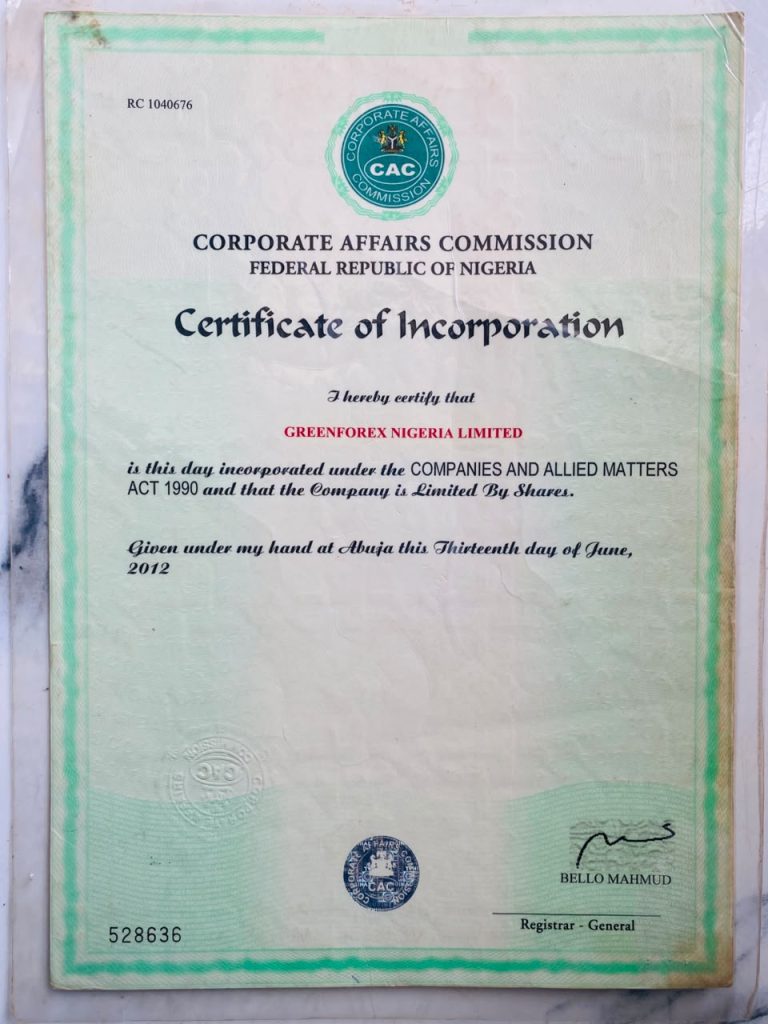
Greenforex Nigeria Limited is providing financial solutions and real estate services for individuals, businesses, and property developers across Nigeria. The company specializes in loan facilities, real estate financing, and land services, helping clients access funding for major projects and investments.
According to the company, loan facilities are available for ₦500 million and above, targeting real estate developments and other viable projects that align with clients’ specifications.
Greenforex Nigeria Limited also offers planning and advisory services, assisting clients with financing strategies for real estate and other investment opportunities. The company says it has a dedicated legal team available to support clients with documentation and other legal processes throughout the transaction.
Loan repayment periods range from one to five years, while acceptable collateral includes landed property, buildings, or other valuable assets located within Nigeria.
Prospective clients can obtain further information or begin the application process by contacting the company’s representatives:
Admin: 0813 322 1270
Secretary/Barrister: 0706 547 9556
Head Office: 320, Ambeez Plaza, Zone 5, FCT, Abuja, Nigeria. Branch Office: No. 30, Millas Road, Nasarawa GRA, Kano State. Telephone: 09084143410, 08130057932.
For individuals, corporate organizations, and investors seeking large-scale financing or real estate support, Greenforex Nigeria Limited presents itself as a partner focused on delivering tailored financial and property solutions.
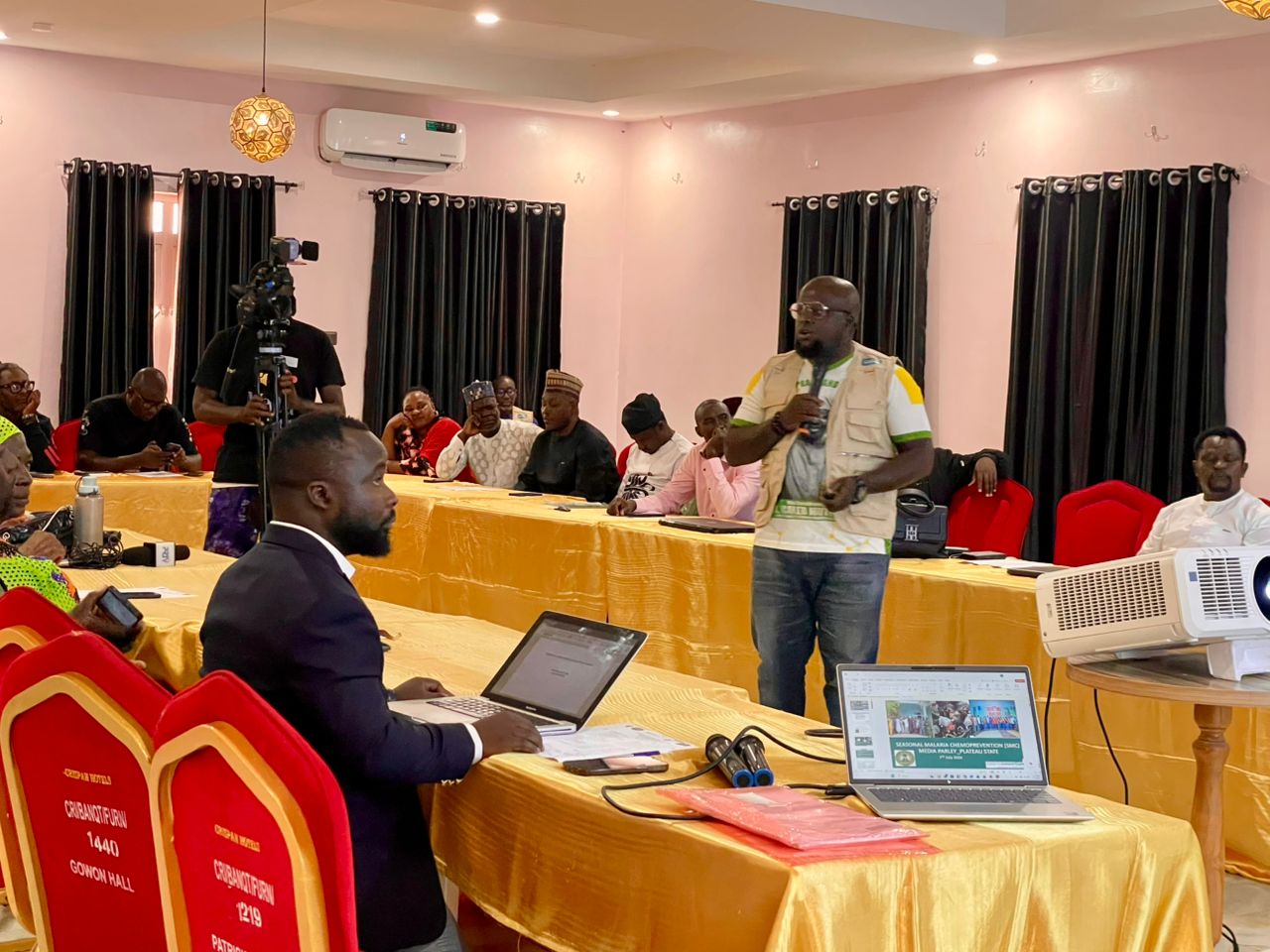
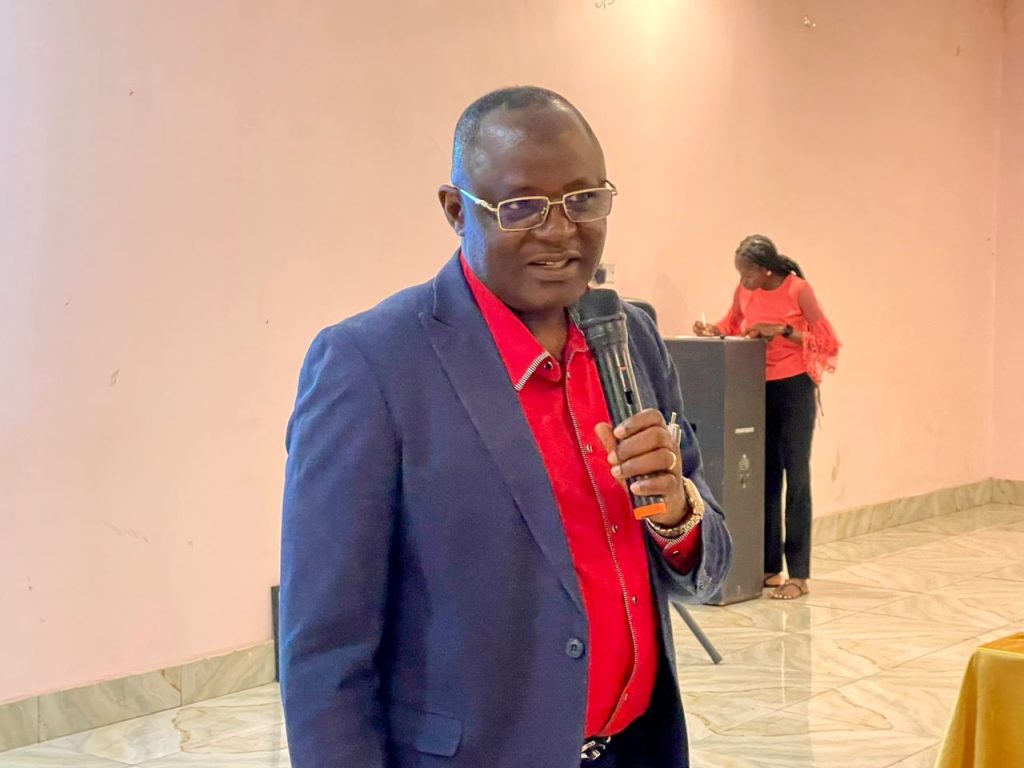
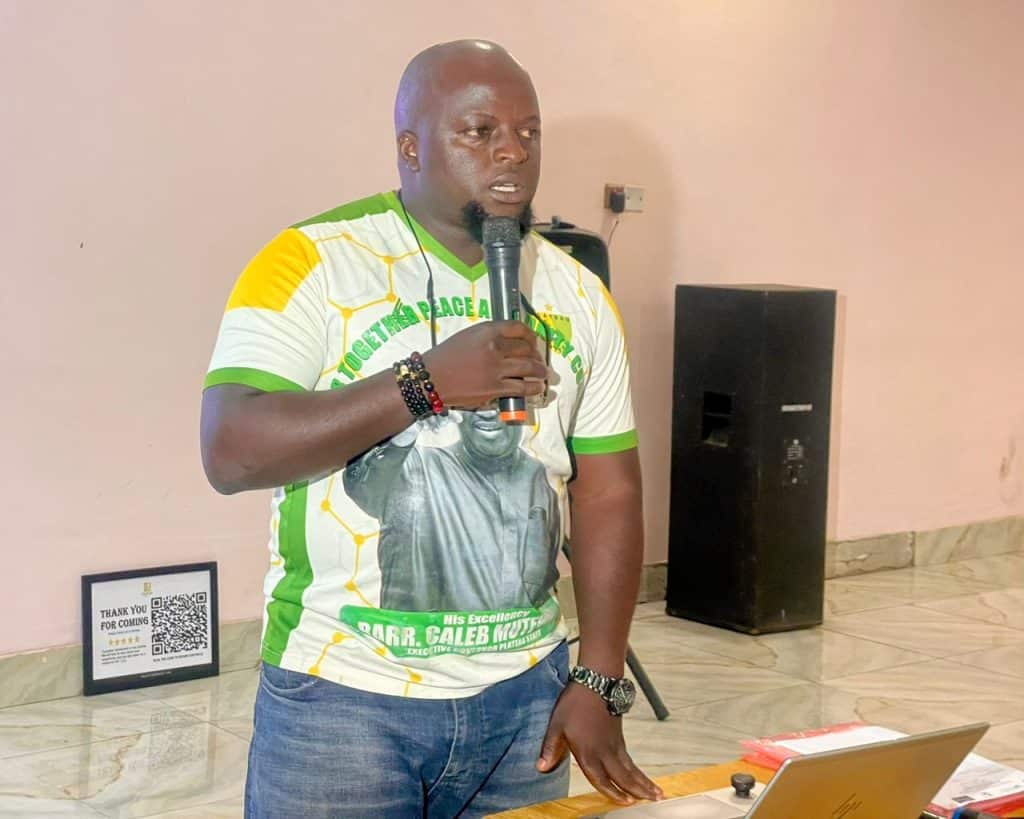
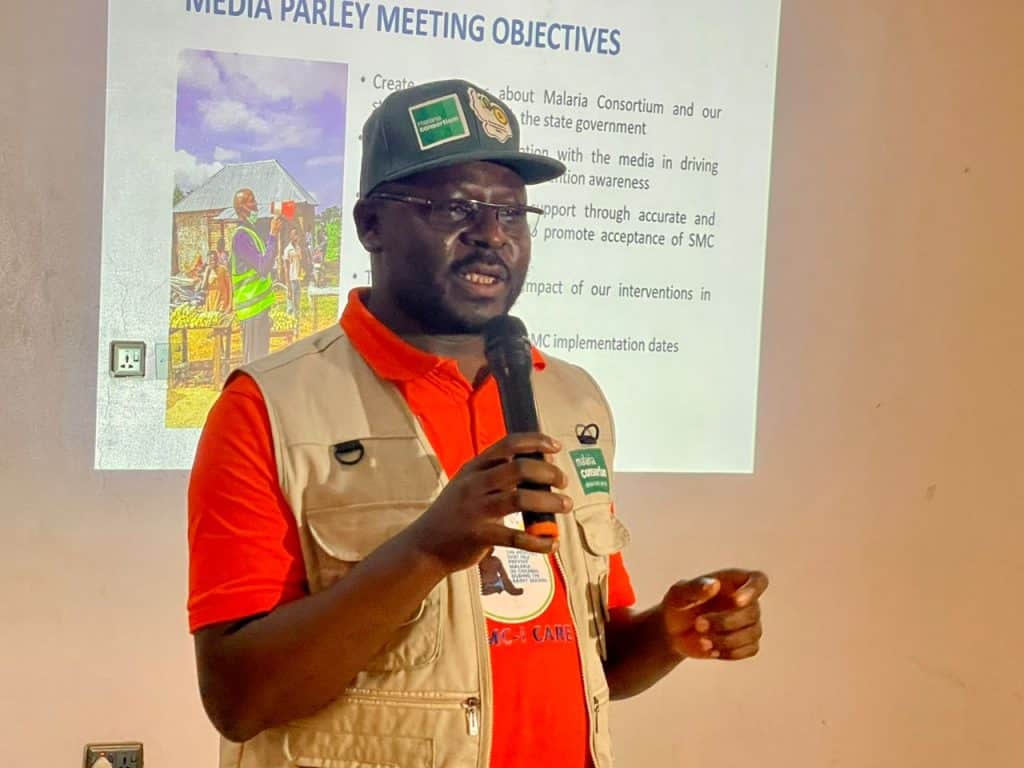
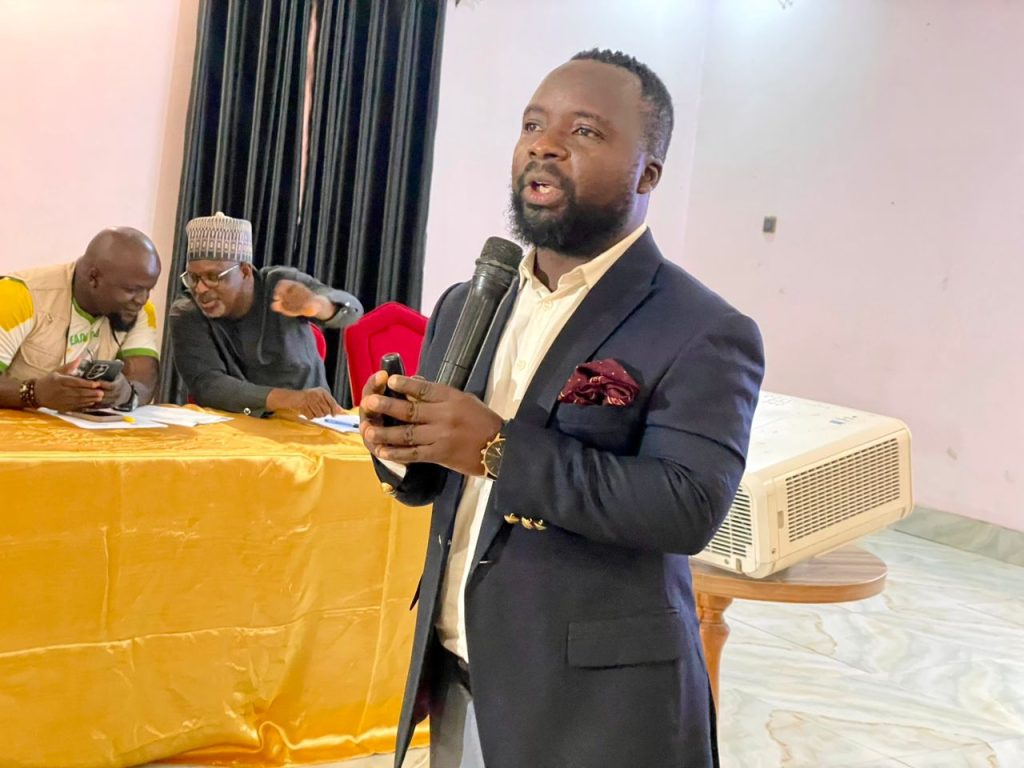
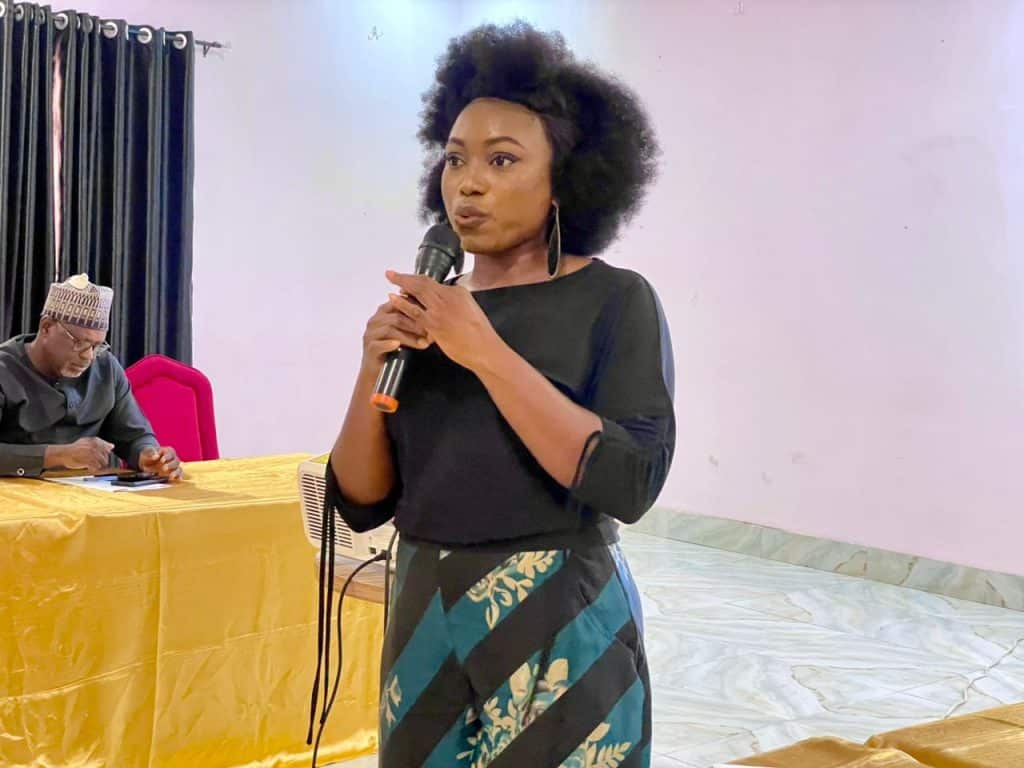
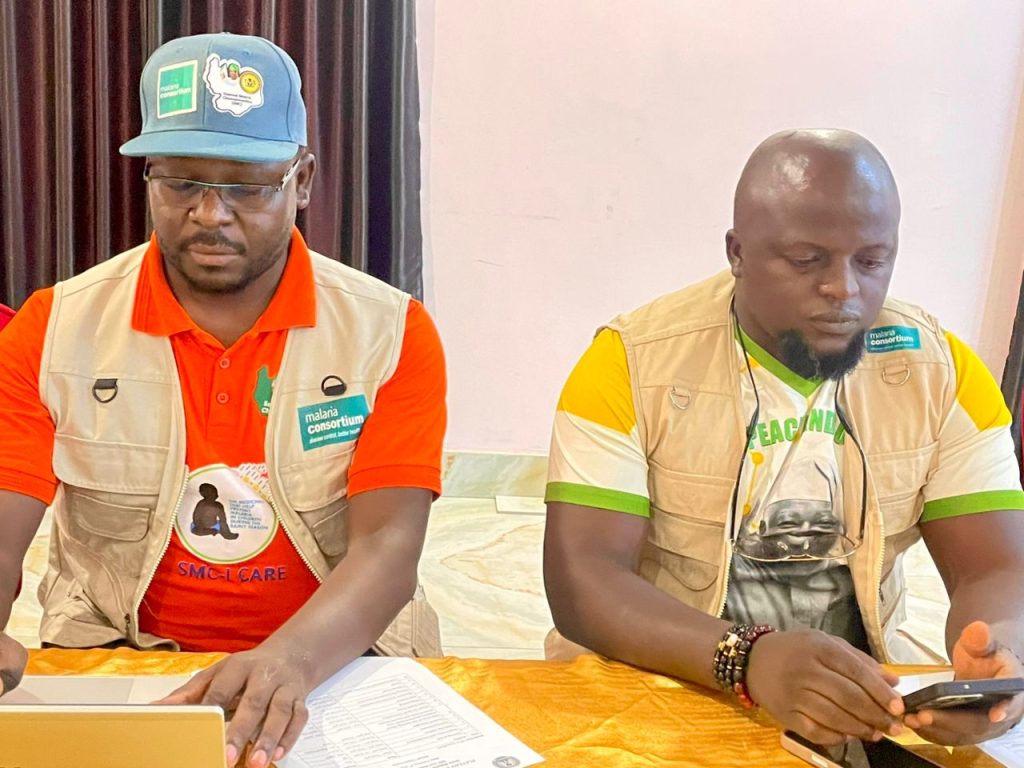
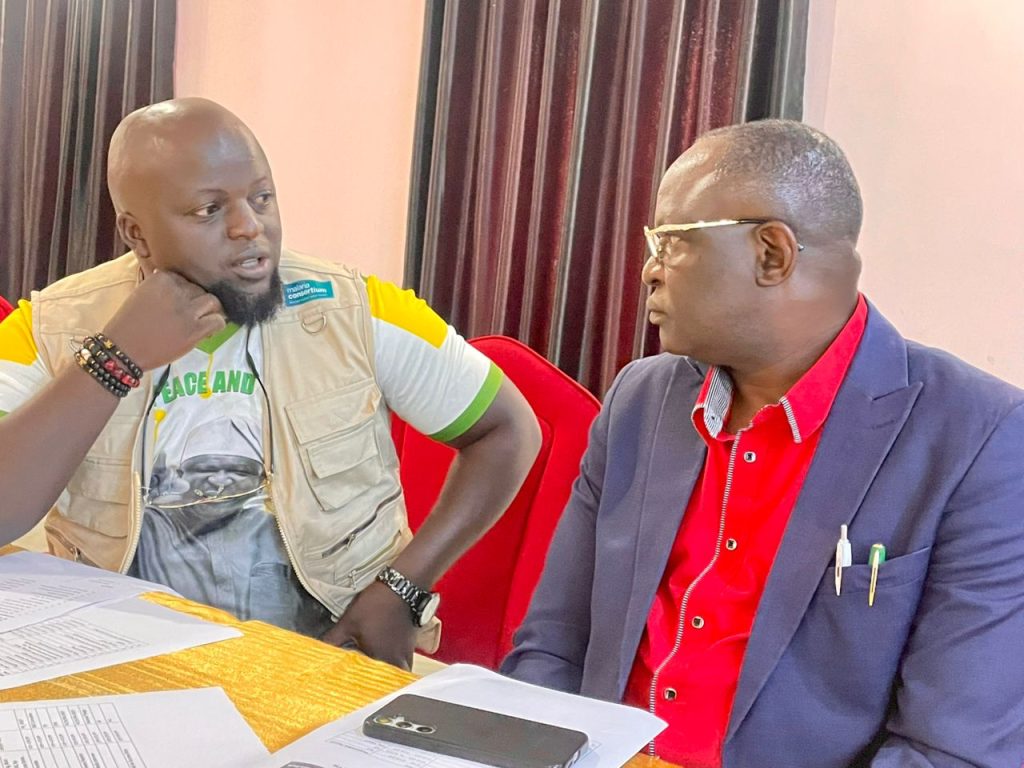
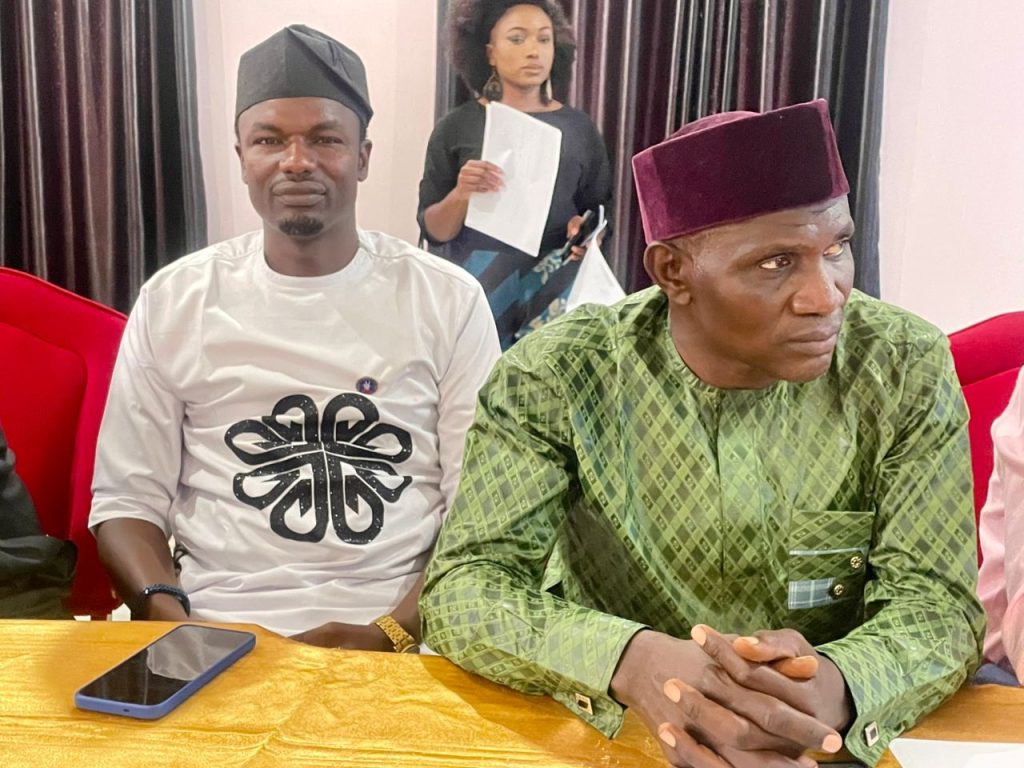
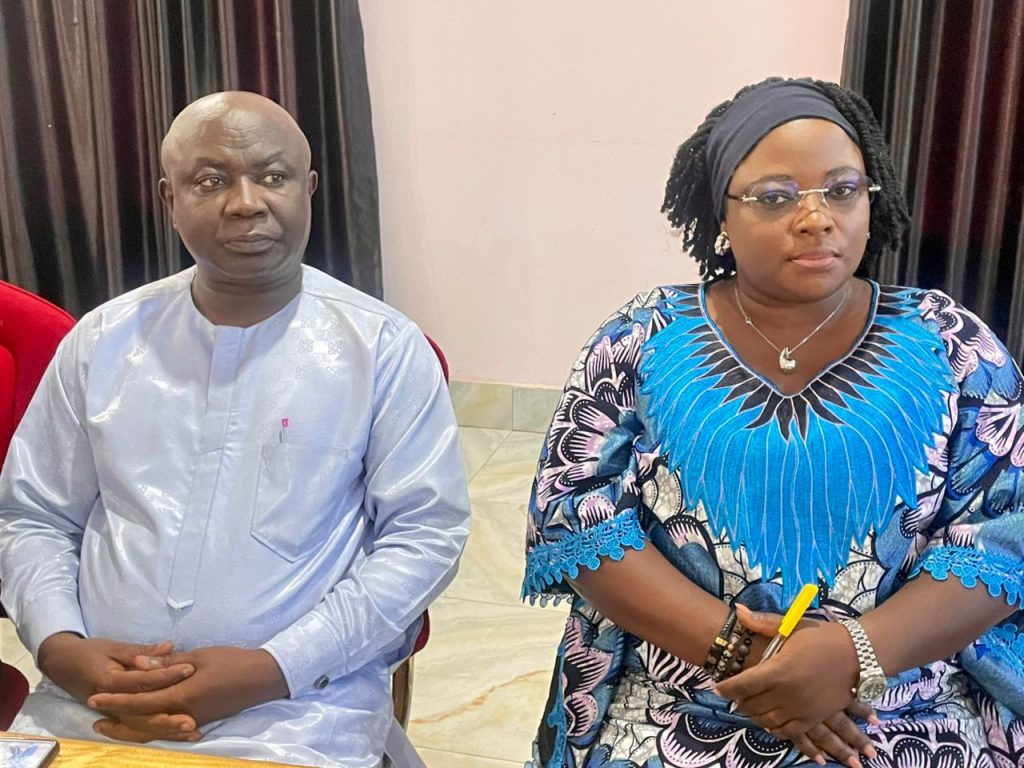
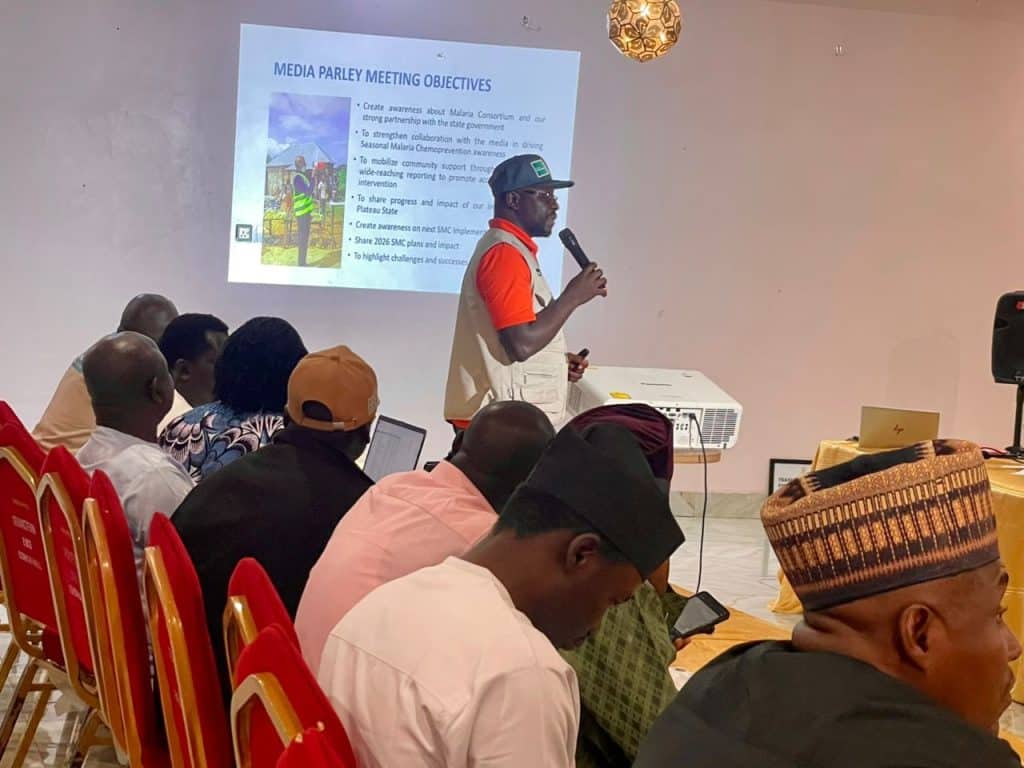
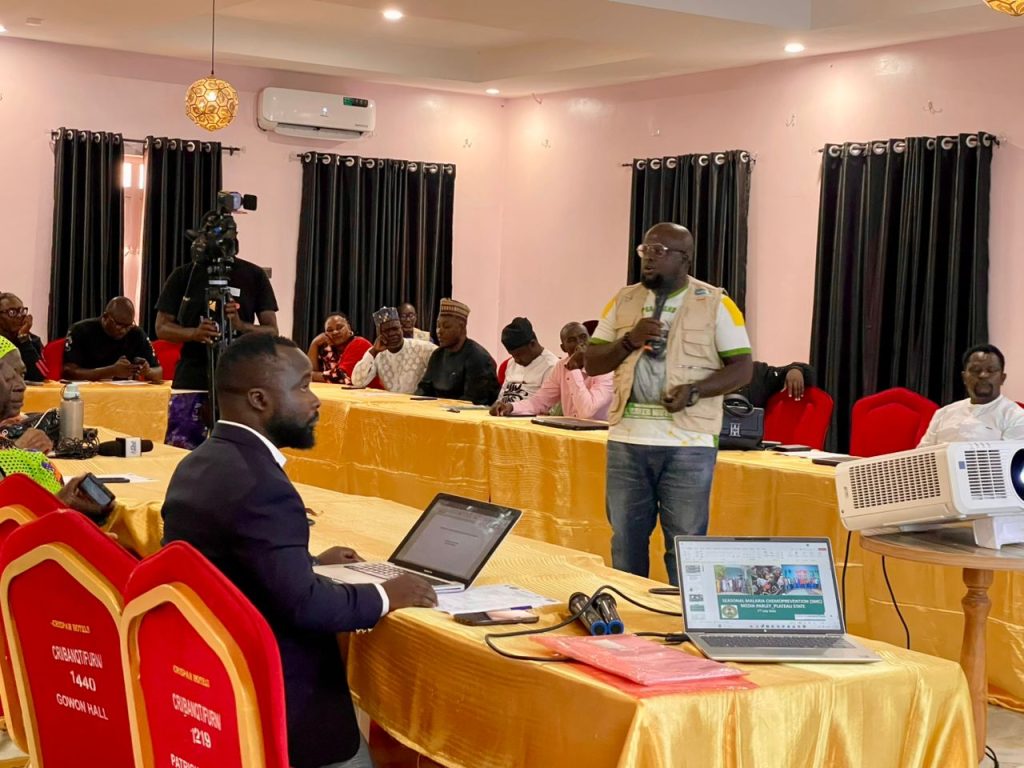
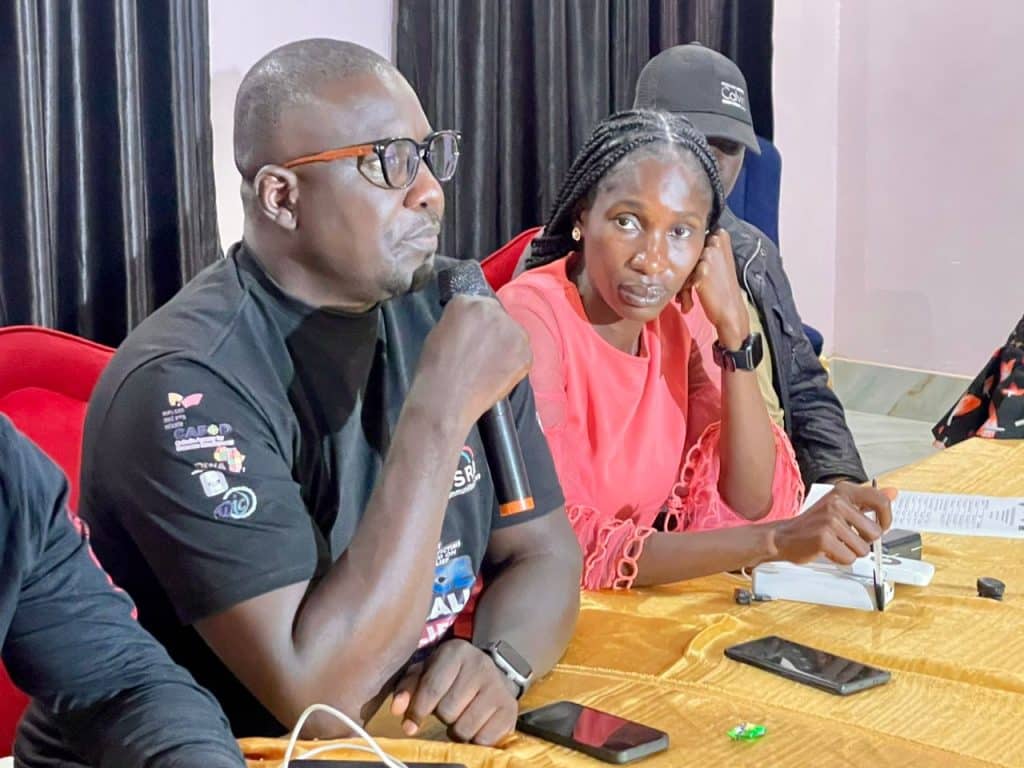
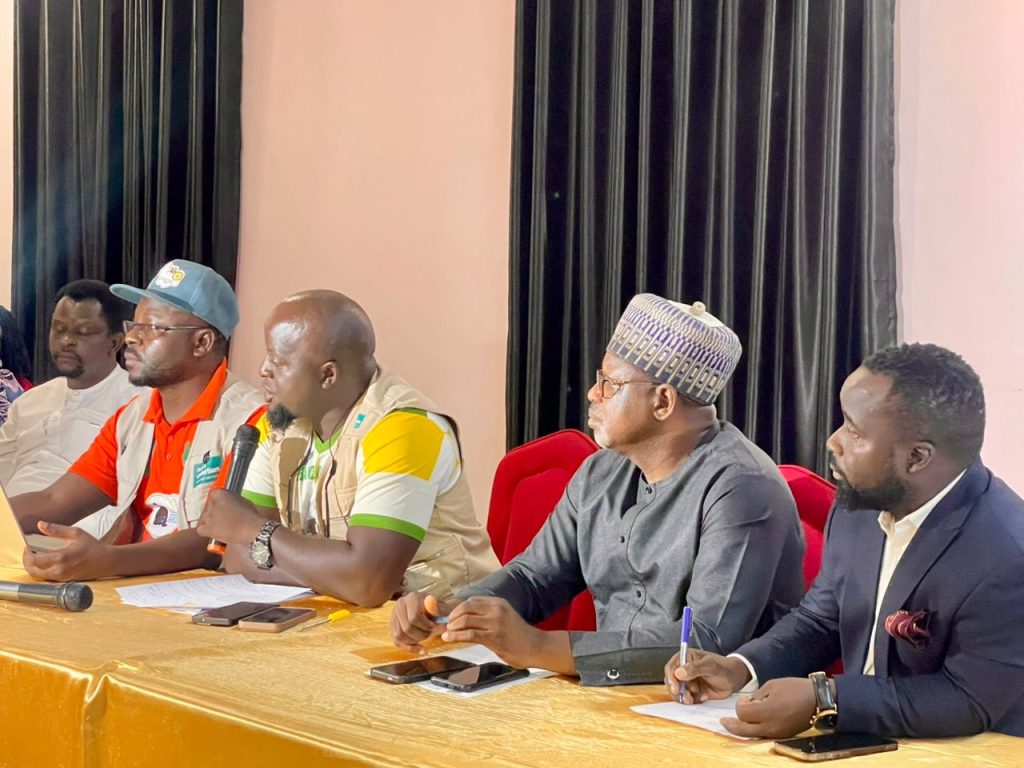
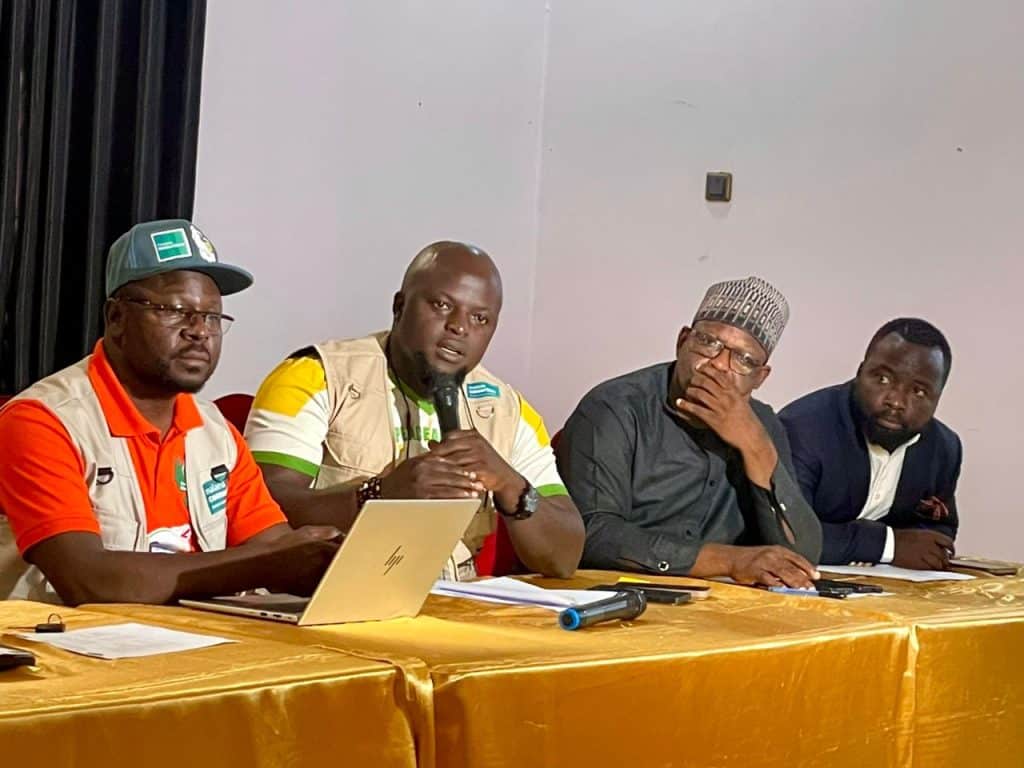
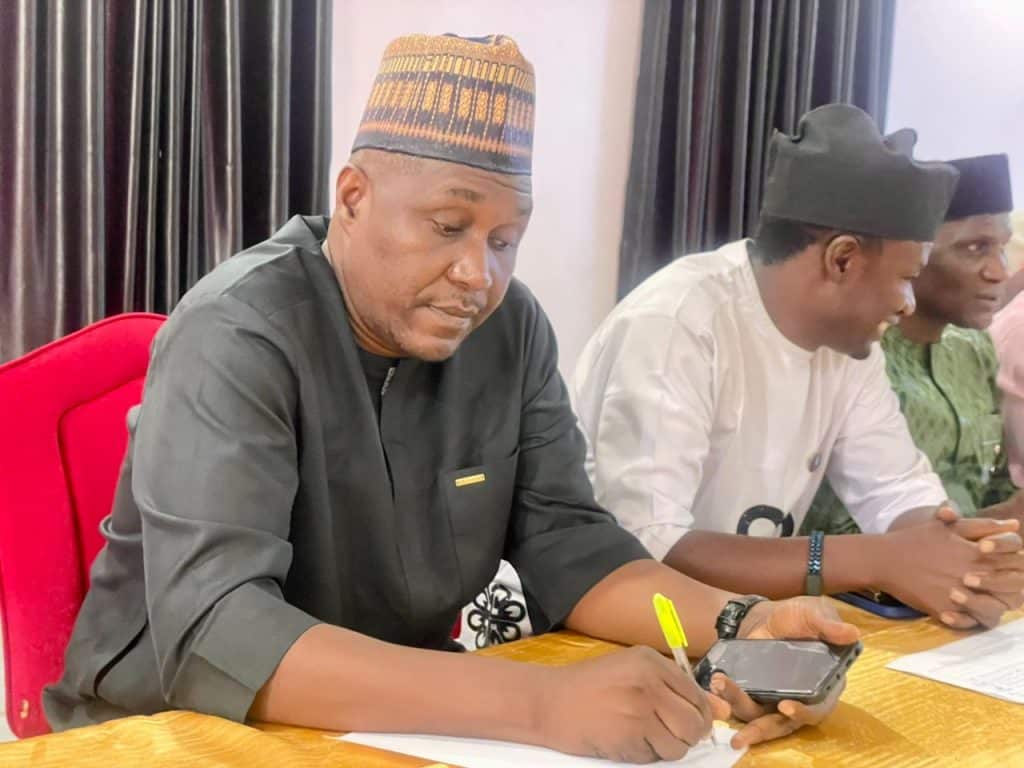
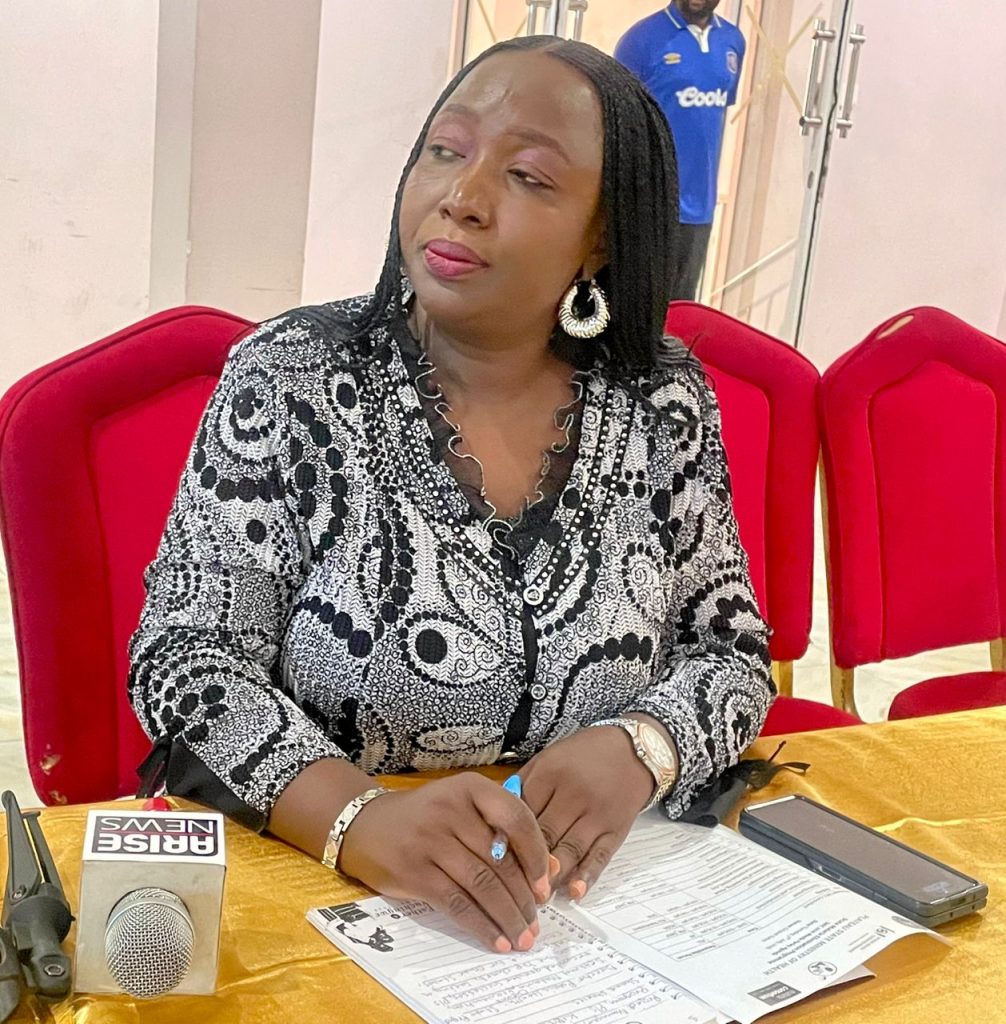
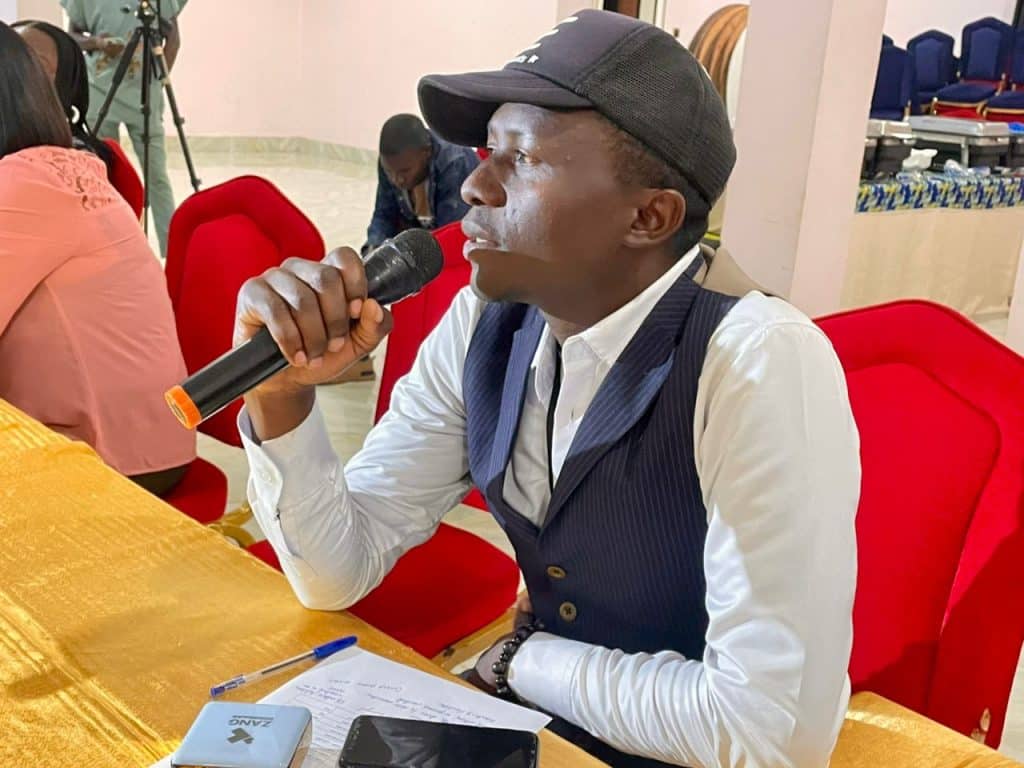
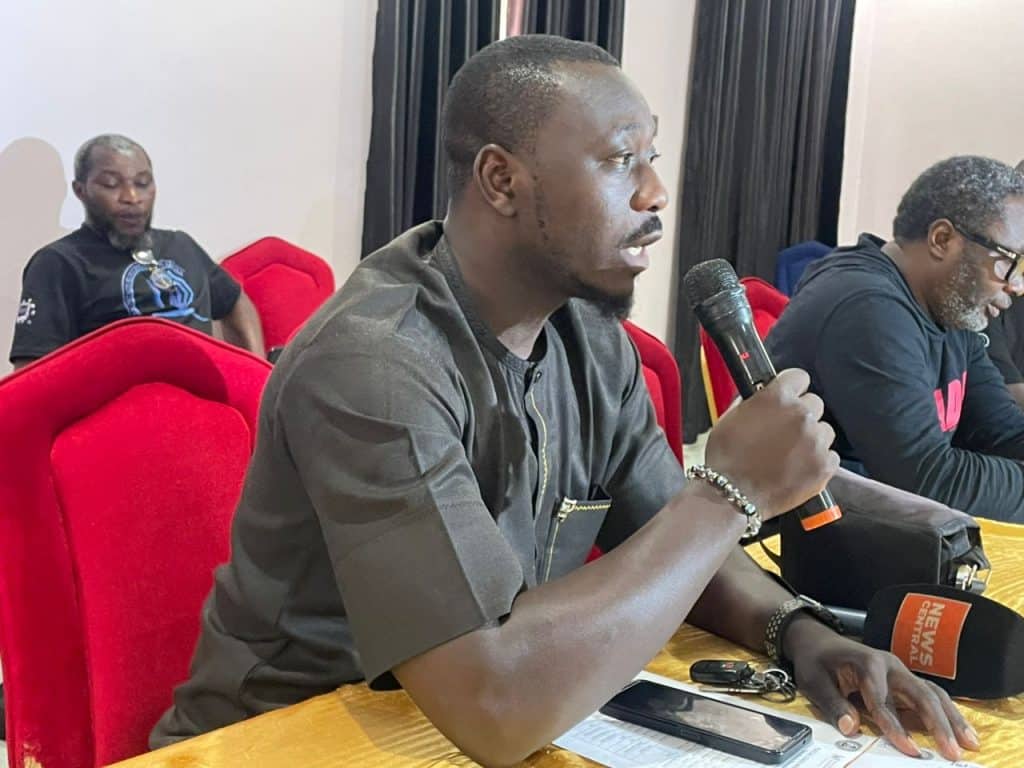
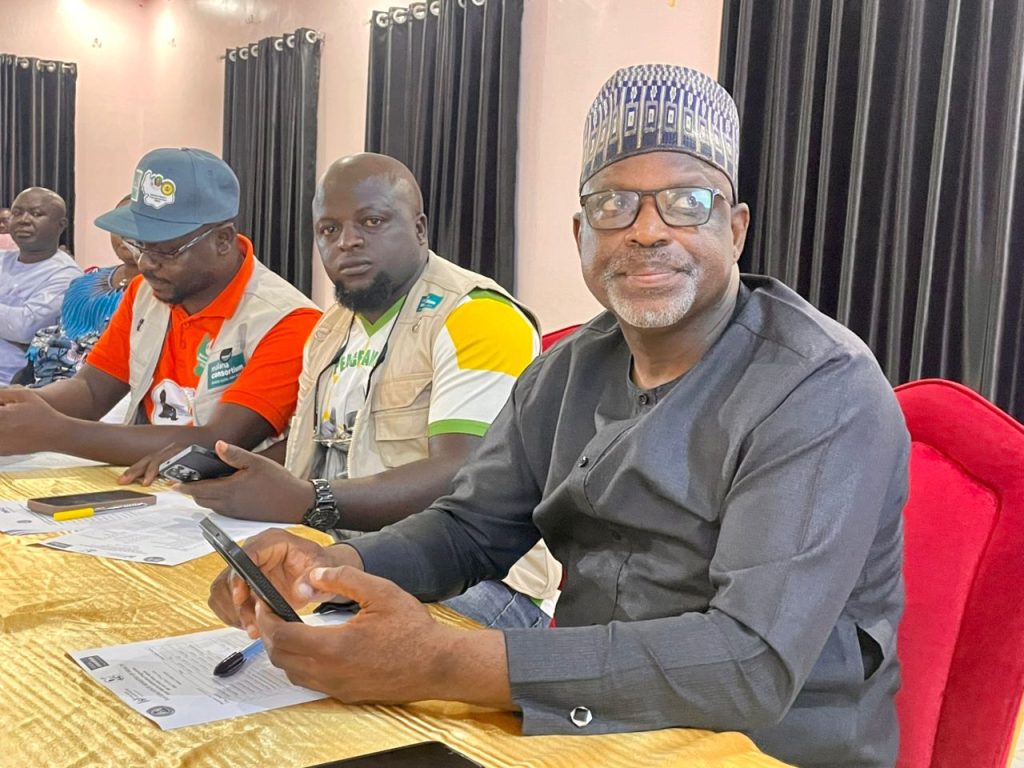
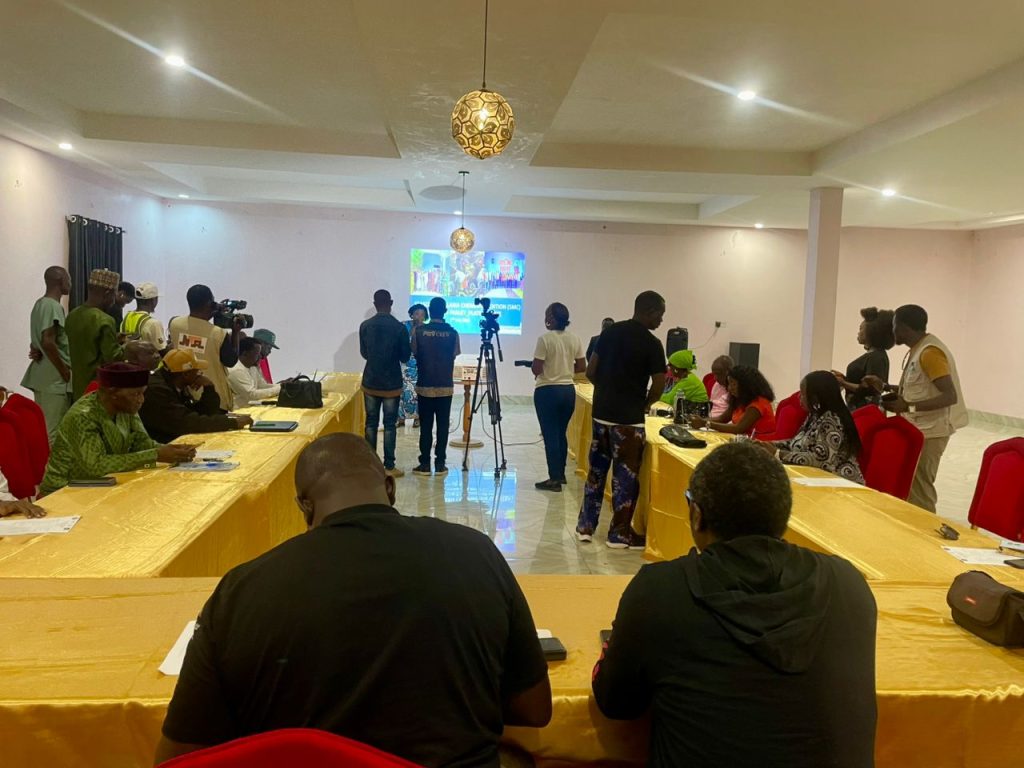
Journalists, media professionals, physicians, doctors, and other key health stakeholders converged at Crispan Suites, Jos, for the 2026 Seasonal Malaria Chemoprevention (SMC) Media Parley aimed at strengthening public awareness and support for malaria prevention in Plateau State.
The event, organised under the National Malaria Elimination Programme in collaboration with the Plateau State Government and Malaria Consortium, brought together partners to review progress, share strategies, and mobilise media support for the successful implementation of the 2026 SMC campaign targeting children under five.
Speaking at the event, the Commissioner for Health, Dr. Nicholas Ba’amlong, described the media as a critical partner in malaria elimination, saying sustained public enlightenment remains key to the success of the intervention.
He said Plateau had made remarkable progress in malaria control, with prevalence dropping from 18.8 per cent in 2021 to 2.8 per cent in 2025 due to increased government commitment, effective implementation of the SMC programme and the support of development partners.
“The prevalence rate has dropped from 18.8 per cent in 2021 to 2.8 per cent in 2025, representing about an 87 per cent reduction. It shows that malaria elimination is possible, and with sustained support for the SMC programme, we can achieve zero malaria,” he said.
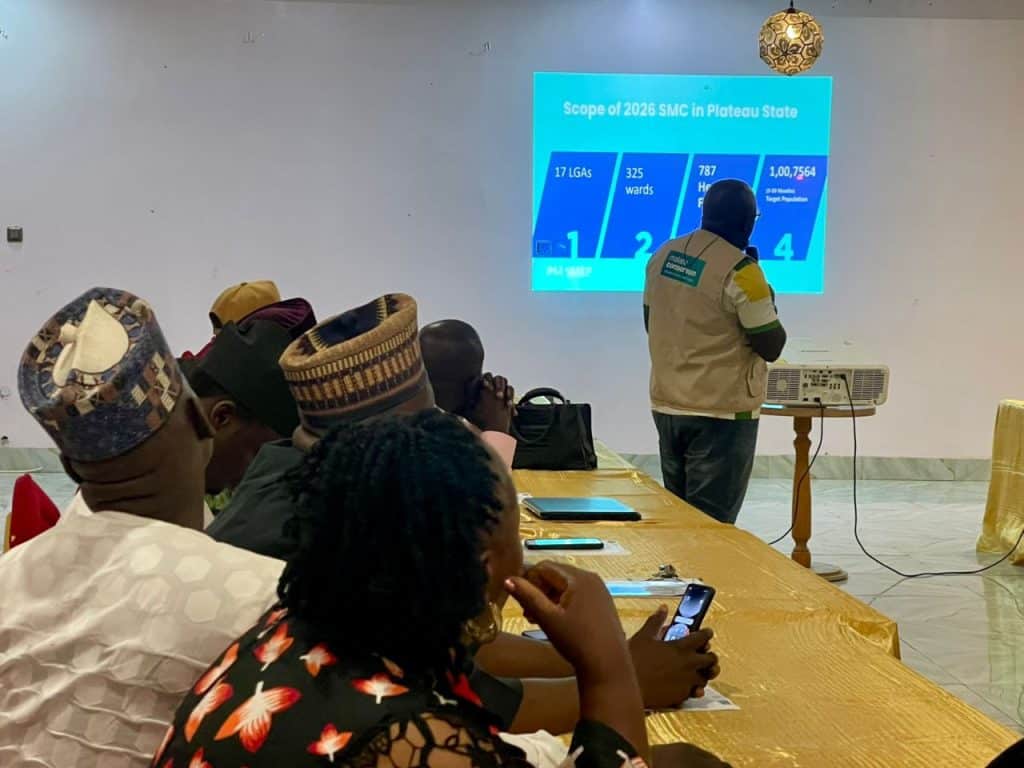
In his presentation, Project Manager of the IMPACT Project, Nrs. Ndak Andarawus, said the 2026 SMC campaign targets 1,007,652 eligible children across Plateau State.
He disclosed that over 11,500 health workers, supervisors, volunteer drug distributors and community leaders had been mobilised for the exercise, while trained volunteers would administer preventive malaria drugs through house-to-house visits supported by digital monitoring systems to ensure every eligible child is reached.
Andarawus said the programme had contributed significantly to the reduction of malaria prevalence in the state through strong government support, effective partnerships and active community participation.
Project Manager of Malaria Consortium, Dr. Mbwas Mashor, said the media engagement was organised to strengthen collaboration with journalists and stakeholders to improve public awareness and acceptance of the SMC campaign.
He explained that Seasonal Malaria Chemoprevention is a World Health Organisation (WHO)-recommended intervention that provides safe and effective preventive malaria medicines for children aged three to 59 months during the peak malaria transmission season.
“We want the media to strengthen public awareness, promote accurate information and support community acceptance of the SMC campaign so that every eligible child is protected,” Mashor said.
The Permanent Secretary of the Ministry of Health described the media parley as timely and urged journalists to sustain accurate reporting on malaria prevention to improve community participation and campaign success.
Also speaking, SBCC Consultant, Mr. Kaskida Yilyok, said the media plays a vital role in shaping public perception, combating misinformation and encouraging caregivers to ensure eligible children receive the preventive medicines.
Programme Officer, Miss Kachollom Gyang, stressed that safeguarding remains a key component of the SMC programme, saying staff, partners and volunteers are regularly trained to protect children and vulnerable adults from abuse and exploitation.
She added that the programme operates a zero-tolerance policy against abuse and encouraged members of the public to report any safeguarding concerns for prompt investigation.
The Plateau State Chairman of the Nigerian Medical Association (NMA), Dr. Yilji Kumtap, commended the Ministry of Health and the State Malaria Elimination Programme for the progress recorded in malaria control and pledged the association’s continued support.
Similarly, Pharm. Godwin Nimyel, representing the Plateau State Chairman of the Pharmacy Society of Nigeria (PSN), reaffirmed the society’s support for the programme, stressing the need for quality-assured medicines and strict regulation to eliminate substandard drugs.
Also, Dr. Molsat Emmanuel Sydney, representing the Plateau State Primary Health Care Board, lauded the Ministry of Health, the State Malaria Elimination Programme and Malaria Consortium for their efforts in reducing malaria, assuring of the board’s continued support for the SMC campaign at the grassroots.
President Bola Ahmed Tinubu has directed the Independent Corrupt Practices and Other Related Offences Commission (ICPC) to investigate the activities of the alleged Presidential Foreign Intervention Promotion Council (PFIPC) and submit its report within 30 days.
The directive was announced in a statement issued on Tuesday by the President’s Special Adviser on Information and Strategy, Bayo Onanuga.
According to the Presidency, the PFIPC is not a legally recognised government body, stating that it was never established by the Federal Government and has no legal backing, presidential approval or executive authorisation.
The statement alleged that one Adeniyi Adeyemi Matthew falsely presented himself as the Director-General of the organisation and claimed to be a presidential appointee.
President Tinubu instructed the ICPC to investigate the alleged forgery of appointment letters and official government documents, the use of a false presidential appointment to secure official recognition and diplomatic support, including visa facilitation, as well as the opening of bank accounts in the names of purported government agencies using forged documents.
The investigation will also examine the origin and use of the alleged fake documents, the movement of funds linked to the scheme, and the involvement of any public officials, private individuals, financial institutions or other entities that may have facilitated the activities.
In addition, the President directed the commission to determine how the organisation gained an appearance of legitimacy, identify institutional loopholes that may have been exploited, and recommend measures to prevent similar incidents.
All federal ministries, departments and agencies have been directed to cooperate fully with the ICPC by providing relevant records and information required for the investigation.
Tinubu stressed that the integrity of the Presidency and federal institutions must be protected from impersonation, forgery and abuse of official identity, adding that anyone found culpable should face the full weight of the law.
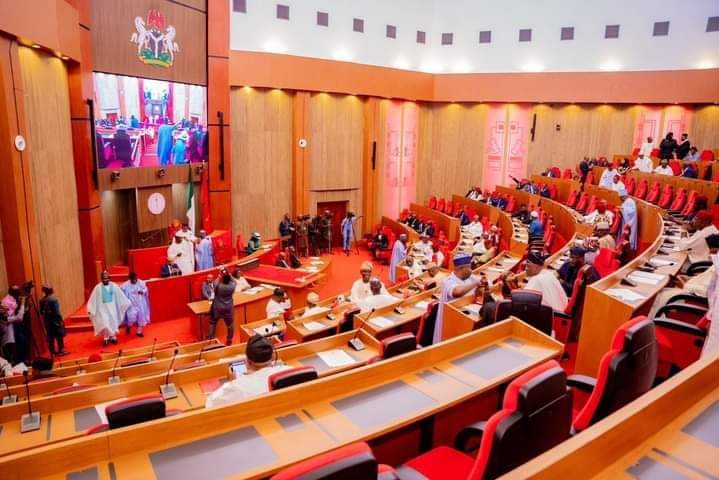
The Senate on Tuesday approved a resolution calling for an end to state pardons and the rehabilitation of criminals, particularly suspected Boko Haram members, bandits, kidnappers, and other insurgents.
The resolution followed a motion sponsored by Senator Abdulazeez Yar’Adua on the abduction and killing of former Director of Defence Information, retired Major General Rabe Abubakar, and other military officers.
Lawmakers condemned the release of “repentant” insurgents through deradicalisation programmes, arguing that the practice has contributed to the persistent insecurity in parts of the country.
The Senate expressed concern over the growing attacks on serving and retired military personnel, describing the trend as a dangerous shift in Nigeria’s security challenges. It cited the killings of retired Major General Richard Duru and retired Brigadier General O.M. Harlord Udokwere, the prolonged captivity of former NYSC Director-General, retired Brigadier General Maharazu Tsiga, and the death of retired Major Aja while in captivity.
The lawmakers urged security agencies to strengthen intelligence gathering, improve inter-agency collaboration, deploy modern technology, and deepen community engagement to tackle insecurity, while commending the Armed Forces, Police, DSS, NSCDC, and other security agencies for their continued sacrifices.
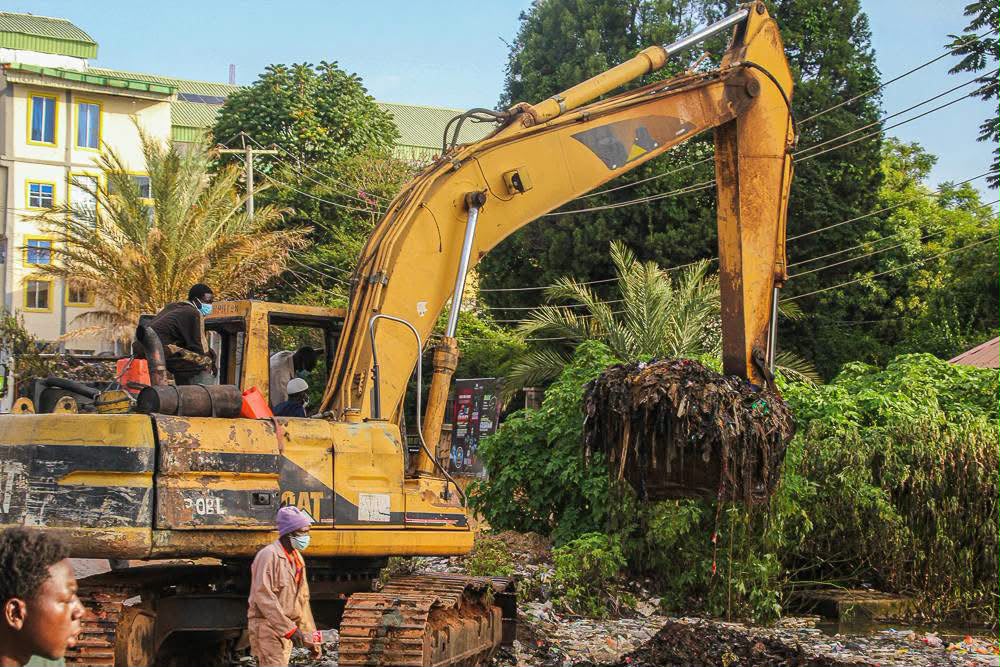
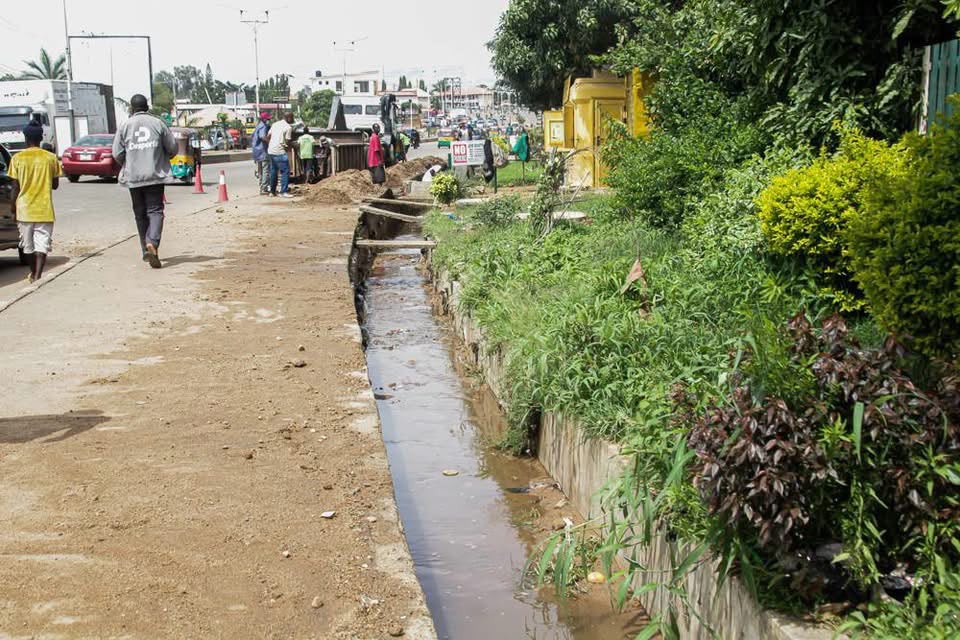
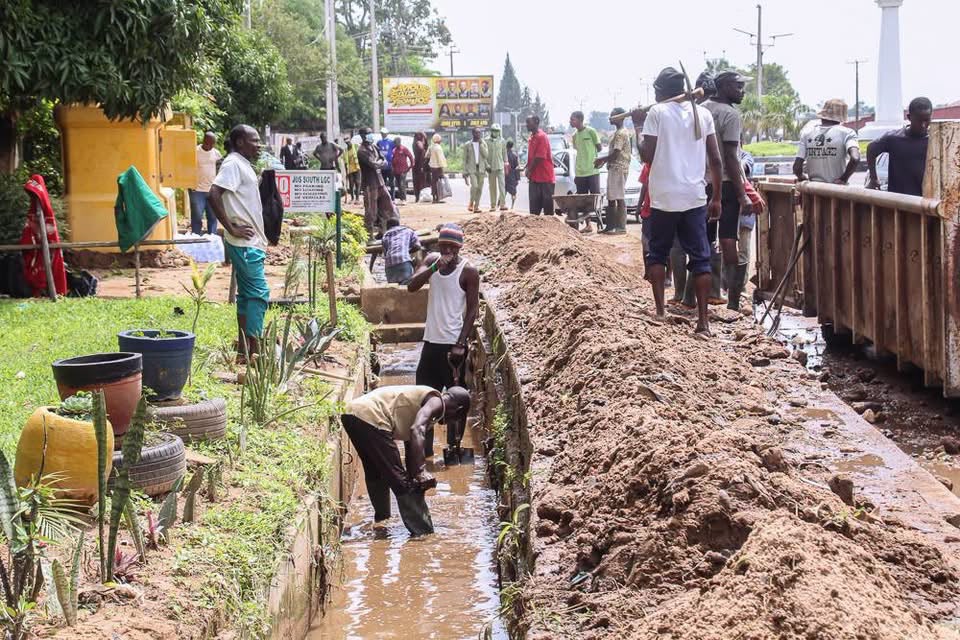
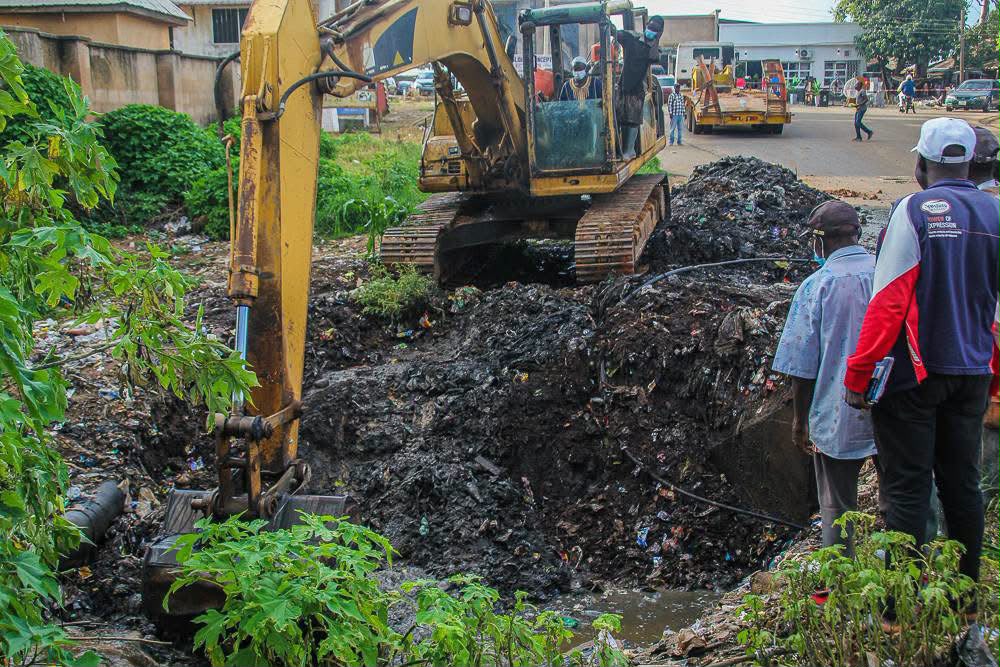
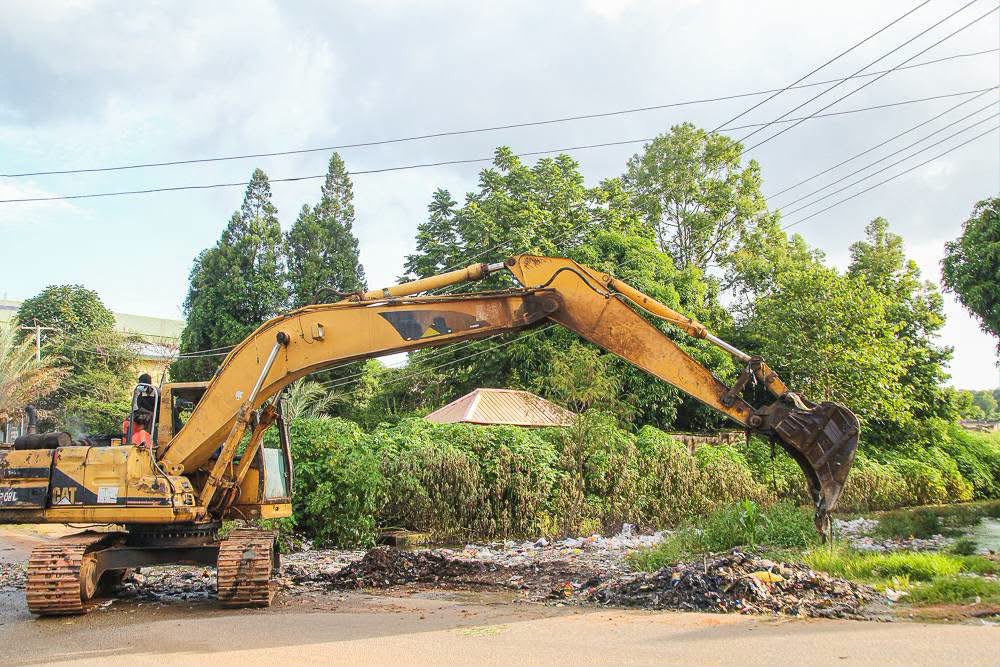
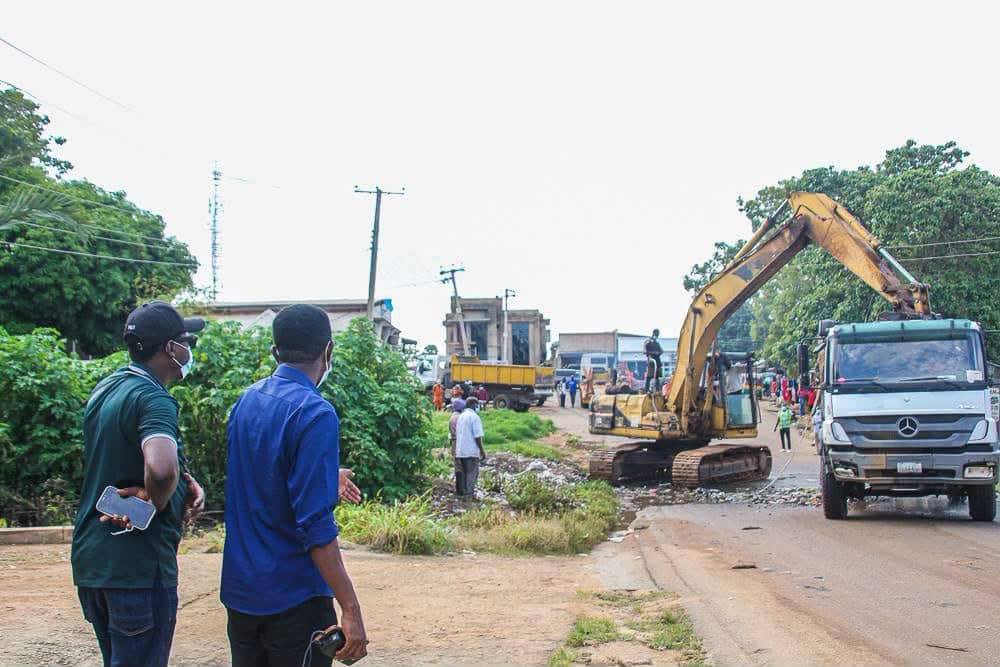
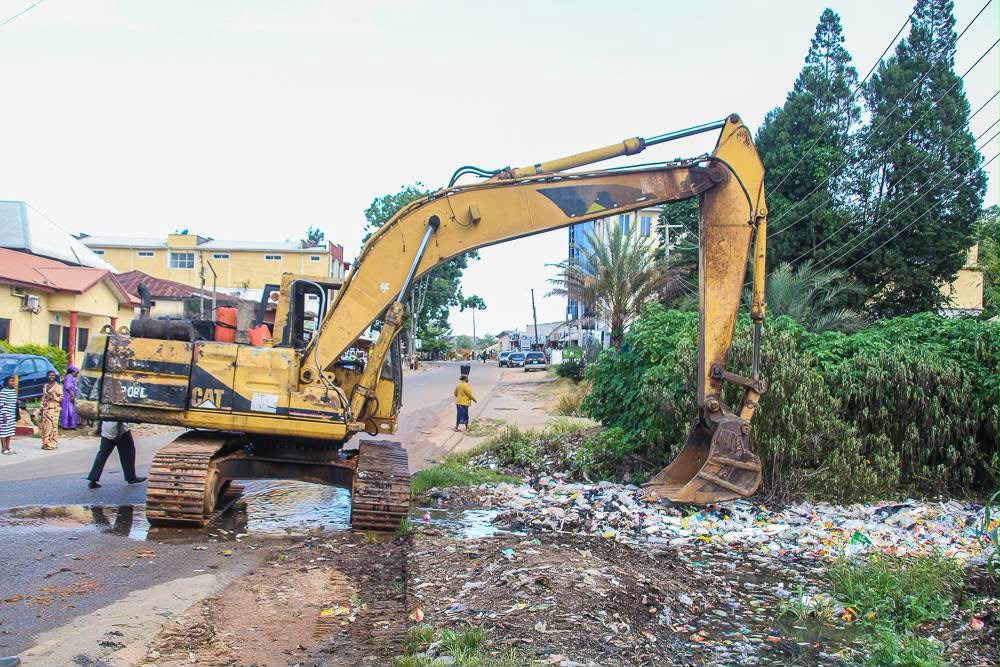
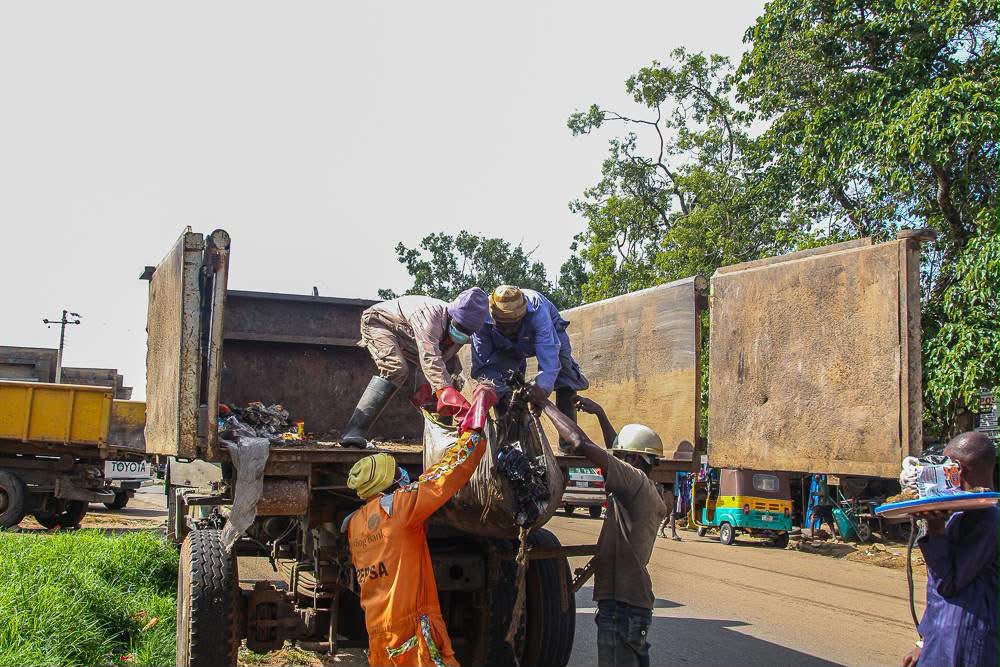
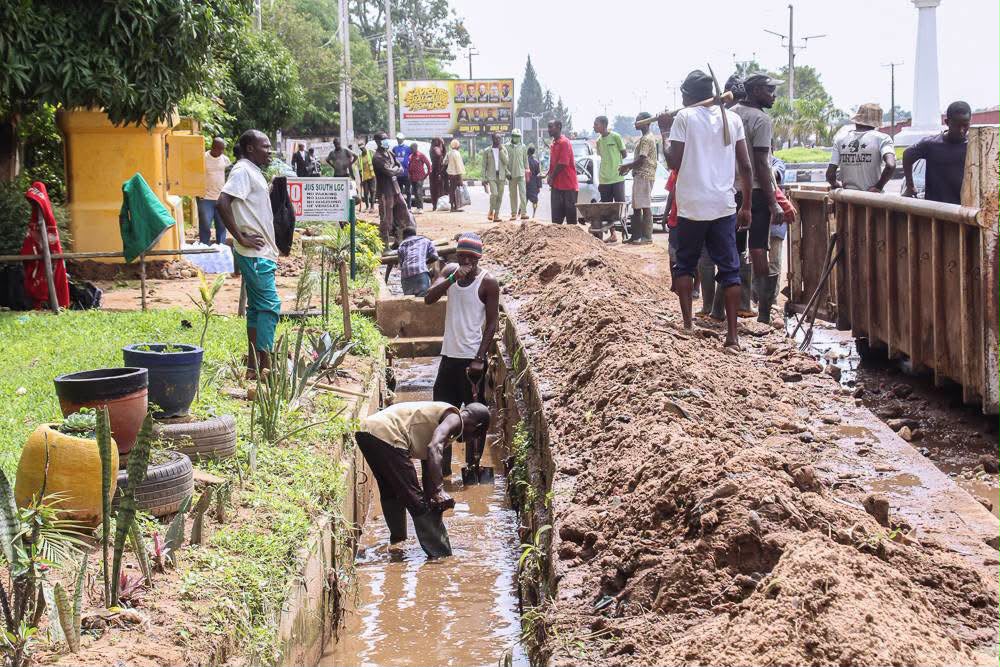
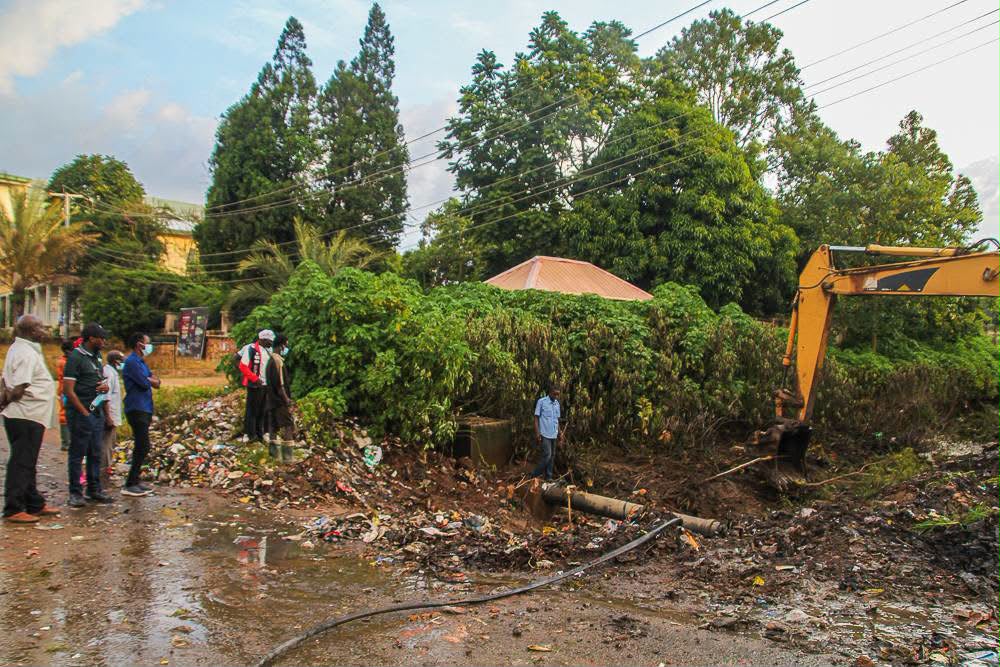
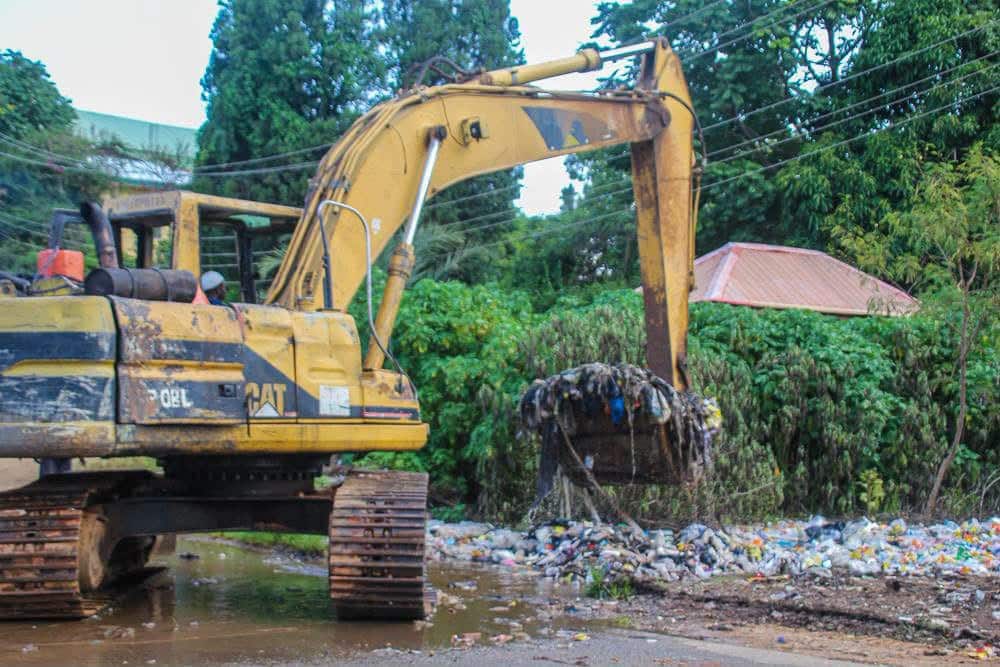
The Plateau Environmental Protection and Sanitation Agency (PEPSA) has intensified its flood response efforts across Jos, with ongoing desilting and drainage clearance exercises aimed at improving the free flow of stormwater and reducing the impact of flash flooding in vulnerable communities.
As part of the intervention, the Director General of the Agency, Mr Samuel Dapiya conducted an inspection of critical locations to assess conditions on the ground and coordinate immediate response efforts following recent rainfall.
One of the sites visited was the drainage corridor from Miango Junction to Educare Private School, where PEPSA personnel carried out extensive desilting and clearing of drainage channels that had become filled with sand and other debris. According to the Agency, the intervention is expected to improve the discharge of stormwater, while the area will continue to be monitored after subsequent rainfall to determine whether additional engineering or environmental measures may be required.
The response team also moved to Lugard Road by UTC, where a major culvert had become blocked, restricting the flow of water and causing floodwater to overflow onto the road. The situation resulted in traffic congestion and affected the movement of motorists, businesses, and other road users until the blockage was cleared.
Speaking during the exercise, PEPSA noted that while heavy rainfall is a natural occurrence, the condition of drainage channels plays a significant role in how effectively stormwater is conveyed. The Agency observed that drains and culverts function best when they remain free of obstructions, allowing water to flow without restriction.
PEPSA reiterated that protecting drainage infrastructure is a shared responsibility, urging residents, businesses, and motorists to adopt proper waste disposal practices and make use of designated community waste collection or drop-off points rather than disposing of refuse in drainage channels, culverts, waterways, or open spaces.
The Agency also encouraged members of the public to remain vigilant and report activities that may obstruct drainage systems or pose risks to the environment, emphasizing that collective action is essential to maintaining a cleaner, safer, and healthier Plateau State.
PEPSA reaffirmed its commitment to safeguarding lives, property, and public infrastructure through timely environmental interventions and sustained sanitation efforts, while calling on all residents to partner with the Agency in promoting responsible environmental practices across the state.
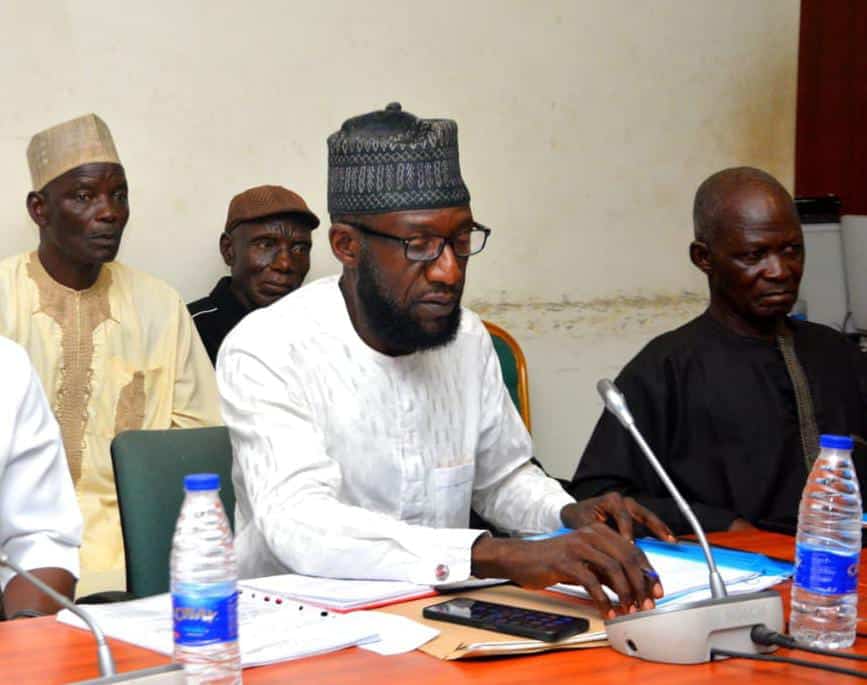
The House of Representatives Committee on Public Accounts has commenced investigation into the operations of Zuma Steel West Africa Ltd, the core investor in the former Jos Steel Rolling Company.
The probe followed a petition submitted by former staff of the company, led by Mr. Danjuma Samuel Agbo , former Public Relations Officer of the Company. The petitioners, numbering over 20, were present at the House of Representatives Complex, Abuja, for the first hearing on the matter.
In the petition, the aggrieved former workers are demanding a full investigation over alleged mismanagement, compensation, abandonment, and violation of the privatization agreement by Zuma Steel West Africa Ltd.
According to the petitioners, over 10 years after Zuma Steel took over the company, there has been no meaningful operation. Instead, there have been reports of vandalization of critical assets including armoured cables and other equipment.
Earlier this year, members of the Plateau State Youth Council reportedly intercepted the movement of critical assets, allegedly being moved out of the company premises to an unknown destination.
The petitioners also alleged total disregard for the terms of privatization and the maltreatment of former staff who were supposed to be absorbed into the new company, but have since been left in limbo and harassment of some of the reengaged workers.
During the hearing, the Committee received responses from the Bureau for Public Enterprises, BPE, and from Zuma Steel West Africa Ltd. The matter was thereafter adjourned to July 23, 2026 for further hearing to allow the petitioners to study the responses.
In 2014, Nigeria passed its first-ever law, known as the National Health Act, for governing the healthcare system and established the Basic Health Care Provision Fund (BHCPF) as the funding mechanism for achieving Universal Health Coverage (UHC). BHCPF is disbursed through four gateways managed by four specific agencies and committees: the National Primary Health Care Development Agency (NPHCDA) Gateway (45%), which finances direct facility operations, medicines, vaccines, and consumables; the National Health Insurance Authority (NHIA) Gateway (48.75%), which provides insurance coverage to the poorest and most vulnerable Nigerians; the National Emergency Medical Treatment Committee (NEMTC) Gateway (5%), which funds ambulance services and rapid medical response; and the Nigeria Centre for Disease Control (NCDC) Gateway (1.25%), which strengthens state and grassroots capacity to prepare for and respond to public health emergencies.
This is a laudable feat for strengthening Nigeria’s path toward Universal Health Coverage. But the success of any social policy ultimately depends on transparent accountability systems, effective monitoring and evaluation, and sustained political commitment. The COVID-19 pandemic exposed significant weaknesses in health systems worldwide and elevated epidemic preparedness as a central priority in global health financing. Seeking to understand how Nigeria’s preparedness financing architecture functions in practice, my colleagues and I examined the implementation of the BHCPF–NCDC Gateway in Adamawa and Kano States through a project carried out by Connected Development (CODE).
We went in hoping to find evidence of how epidemic preparedness funds were translating into stronger preparedness at the community level across the two states. We came back with something more troubling: in some places, states could not access funds that had already been approved; in others, nobody could clearly account for what happened after the money was disbursed. The deeper we looked, the clearer it became that these were symptoms of wider governance, transparency, and capacity gaps in the operationalisation of the BHCPF-NCDC Gateway.
For example, one of my colleagues sat across from a government official and asked a simple question: How much money had the state received annually through the NCDC Gateway since its establishment? He couldn’t answer. Not because he was hiding anything, but because the data simply did not pass through his office. BHCPF funds, he explained, never enter the state treasury or central depository. They don’t show up on the intake side or the expenditure side of any budget performance report. There is literally a column in the state budget framework labelled “other sources,” built for exactly this kind of external flow, and it has never once been used since the fund began. He sits on the State Oversight Committee, reviews activity reports every quarter, and still has no line of sight into the money itself. If a government official at the state ministry of health can’t see it, I don’t know what we mean when we say BHCPF is “transparent.”
I encountered a different version of the same story in Kano.
While Kano has made deliberate efforts to strengthen its epidemic preparedness architecture, including establishing a state-owned Centre for Disease Control in 2022 and committing ₦1 billion to it in this year’s health budget, its receipts from the NCDC Gateway tell a different story. Since the Gateway was established, Kano has received funding only once: a single ₦13 million tranche in the first quarter of 2022. That finding stayed with me. If a state like Kano, which has comparatively stronger health institutions and a clear budgetary commitment to epidemic preparedness, has struggled to access these funds, what does that mean for states with weaker health systems?
I wanted to understand why. The answer was surprisingly mundane. The State Epidemiologist is a mandatory signatory to the NCDC Gateway account, and the position has changed hands several times. Each transition requires someone to restart a slow bureaucratic process to update the account signatories before another naira can move. In other words, access to critical preparedness financing has been stalled not because the money was unavailable, but because the administrative system could not keep pace with routine personnel changes.
For a state with 44 LGAs, 484 wards, and over 1,700 PHCs – already stretched by migration pressures from the Northeast – that is no small problem. Kano has effectively been locked out of its own emergency preparedness funding by a paperwork bottleneck that no single institution appears to own. What struck me was how easily well-intentioned public programmes can be undermined by the small, often invisible bottlenecks of implementation. We often focus on policy design and funding allocations, but far less attention is paid to whether the administrative machinery needed to sustain those policies can withstand the realities of staff turnover and institutional transitions.
Perhaps the clearest illustration of the problem emerged during our team’s discussions with the Ward Development Committees in Yola North. WDCs are supposed to be co-signatories on PHC facility accounts – that’s the whole design, community oversight built into the system. My colleagues sat with chairmen from eleven wards, and almost every one of them had a version of the same complaint: not inaugurated for two years, financial reports submitted without their consent, signatures bypassed under manufactured urgency. State officials separately confirmed that 29 facilities had signatory mismatches (that is, names on the account that no longer matched who actually held the role) because nobody updated the paperwork after a transfer or retirement. According to one of the respondents, a facility manager, who’d misappropriated roughly ₦7–8 million, was caught due to an official’s refusal to certify the accounts when something looked off. That’s the system working exactly as designed, for once. It’s also the only time we heard it had.
What ties all of this together isn’t corruption, at least not the kind people usually picture. It’s that nobody – not the Budget Officer, not the State Epidemiologist, not the WDC chairman, not our team – was looking at the same set of numbers. Every office we visited had its own partial picture, and none of them connected to the others. One participant in our Adamawa session put it better than I could: “There is no public project… especially if it’s government funding, that you are not supposed to account for.” People kept describing the result as a “trust deficit,” and after our engagements across both states, I understood exactly what they meant.
I don’t think the answer here is another guideline or another committee. Adamawa already has WDCs written into its governance structure; Kano already has a state CDC and serious budget commitment. What’s missing is the boring, unglamorous connective tissue, which is a budget line that actually gets used, a signatory process that survives staff turnover, a WDC that’s actually inaugurated. None of that requires new legislation. It requires institutions that work as intended.
That’s the part I keep coming back to. The fund exists. The money is being released. But somewhere between disbursement and delivery, transparency breaks down. Until that changes, citizens, oversight actors, and even government officials cannot confidently answer the simplest question: Where did the money go?
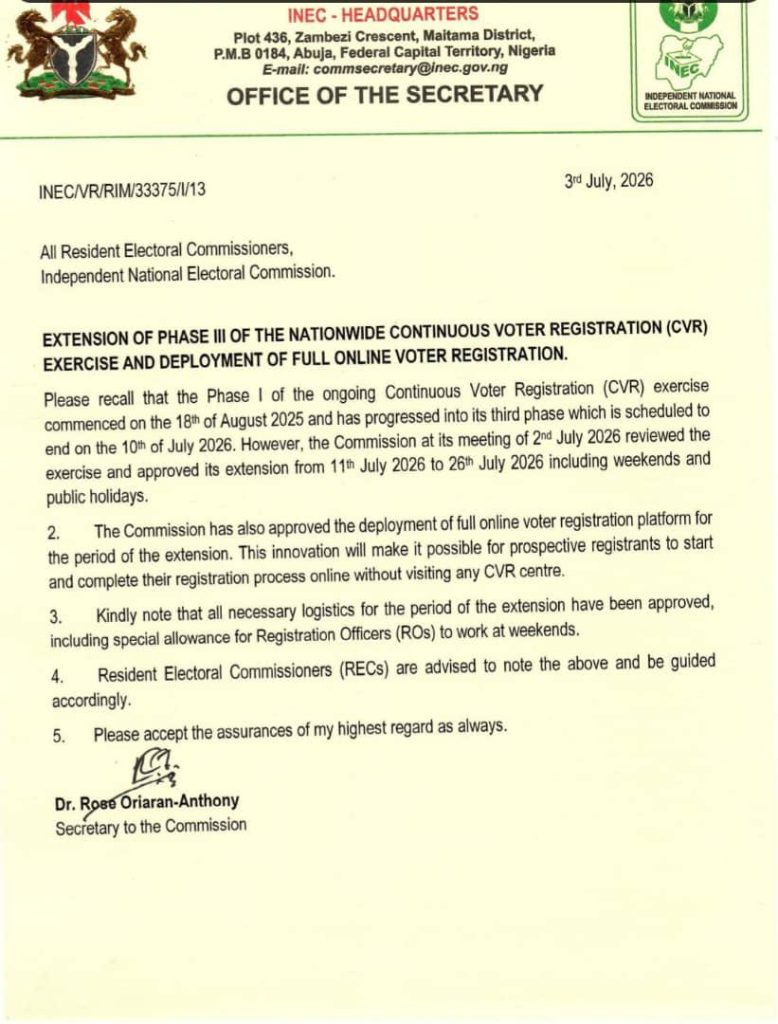
The Independent National Electoral Commission (INEC) has extended Phase III of the ongoing Continuous Voter Registration (CVR) exercise by two weeks and approved the deployment of a full online voter registration platform.
According to a circular dated July 3, 2026, and signed by the Secretary to the Commission, Dr. Rose Oriaran-Anthony, the extension follows the Commission’s meeting held on July 2, 2026.
The exercise, initially scheduled to end on July 10, 2026, will now run from July 11 to July 26, 2026, covering weekends and public holidays.
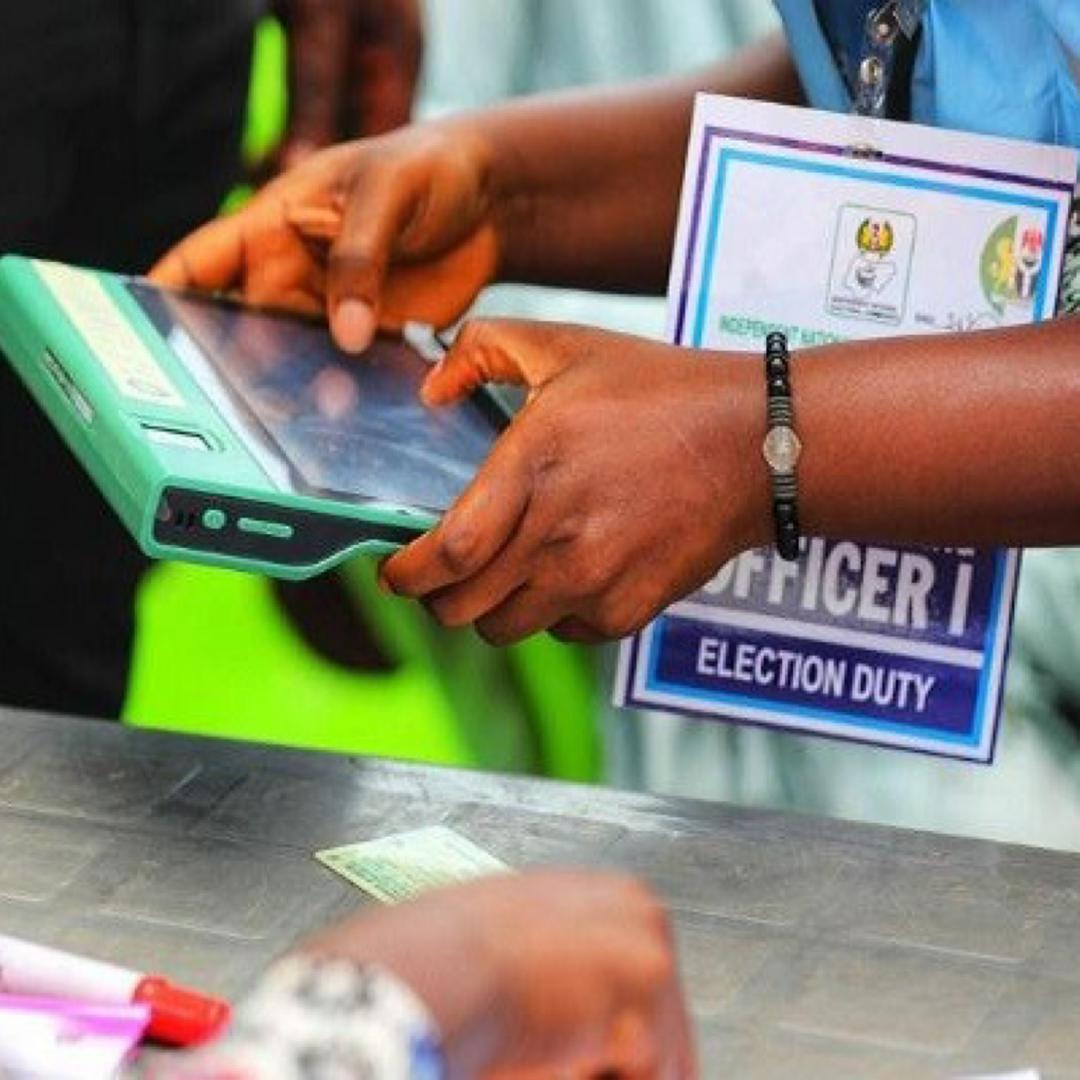
INEC said the introduction of the full online voter registration platform will enable eligible Nigerians to begin and complete their voter registration process online without visiting any Continuous Voter Registration (CVR) centre.
The Commission also disclosed that all necessary logistics have been approved for the extension period, including special allowances for Registration Officers (ROs) to work during weekends.
Resident Electoral Commissioners (RECs) across the country have been directed to take note of the extension and ensure its effective implementation. The move is expected to improve accessibility and encourage greater participation in the voter registration process ahead of future elections.
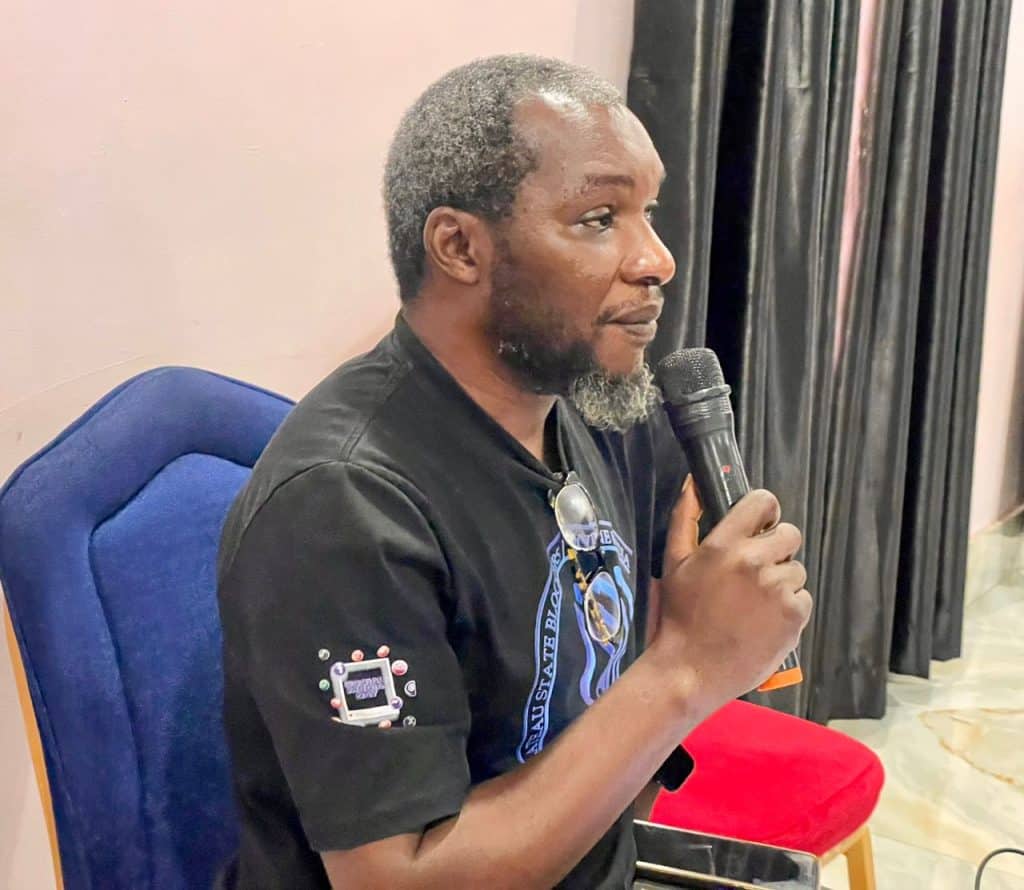
The Plateau Bloggers and Online Media Association (PLABOMA) honoured outstanding individuals and organisations for their contributions to digital communication, public engagement and community development during the 2026 World Social Media Day celebration held at the Usiju World Event Center in Jos.
The award presentation was one of the major highlights of the event, which was held under the theme, “Digital Voices: Innovation, Creativity and Youth Engagement.” According to the association, the recognition was aimed at celebrating excellence in the use of social media to inspire positive change and promote development.
Among the recipients were the Plateau State Ministry of Information and Communication, which received an Award of Excellence for Media Advancement; PLASMIDA, which received an Award of Excellence for Youth Empowerment and Development; PLASCHEMA, which received an Award of Excellence for the effective use of social media to promote public health; NUJ Plateau State Council Chairman, Mrs. Ayuku Pwaspo, who was honoured as a Media Icon; and Dr. Godwin Okoko, Executive Director of Bege Foundation, who received an Award of Excellence for Youth Engagement and Impact. They were all recognised for their outstanding contributions to the digital media space.
Speaking at the event, PLABOMA Chairman, Chief Matthew Oyerinde Tegha, said the awards were instituted to appreciate individuals and organisations leveraging digital platforms to educate, inform and positively influence society.
“Today, we celebrate those who have demonstrated that social media can be a tool for innovation, responsible communication and sustainable development. Their contributions continue to inspire a more vibrant and impactful digital community,” he said.
The event also featured the unveiling of PLABOMA’s Unified Bloggers Website, a platform designed to connect over 30 active bloggers, strengthen credible online journalism, and promote Plateau State’s tourism, culture and investment opportunities.
“PAR (Night)” is a song that talks about a world filled with secrets, temptations, survival, and choices that shape lives forever. Some chase pleasure, some chase money, while others roam the streets with intentions known only to them. PAR (Night) is a powerful reflection of the realities that unfold in the darkness. From the hidden lifestyles of the night to the consequences of the decisions made under its cover, Craig-B Gumwesh tells a story that many know but few dare to speak about. Blending rich Mwaghavul lyrical expression with infectious Amapiano rhythms, this sound is more than music, it’s PARamapiano.
A unique fusion of culture, storytelling, and groove that will keep your feet moving while your mind reflects on the message. Produced by Gugu Zulu of South Africa and expertly mixed and mastered by Desmond D., this masterpiece is set to bring a fresh & pleasant sound to your speakers.