Posted on — Leave a comment

Resident Doctors Suspend Strike After 29 Days

The Nigerian Association of Resident Doctors (NARD) has suspended its nationwide strike after 29 days following the signing of a new Memorandum of Understanding (MoU) with the Federal Government, aimed at addressing long-standing demands affecting doctors across government hospitals.

NARD President, Dr. Mohammed Usman, announced the decision late Saturday night via his X handle, saying the National Executive Council (NEC) resolved to halt the “Total, Indefinite and Comprehensive Strike” after four weeks to allow for the implementation of key agreements.

He said the suspension followed a series of high-level conciliatory meetings and a jointly signed MoU spelling out the status of the association’s 19-point demands.

The MoU highlights four major demands still at the implementation stage, including Promotion Arrears, which he said the compilation by Chief Medical Directors and Managing Directors were yet to be completed. Government has set a four-week deadline for payment.

Also, he said a four-week timeframe has also been agreed for settlement. And for specialist allowance, he said the Office of the Head of Civil Service of the Federation has given clear directives, while the National Salaries, Incomes and Wages Commission was expected to finalise implementation.

On the Lokoja 5 Case, he said a committee has recommended full reabsorption of the affected doctors into Federal Teaching Hospital, Lokoja, within two weeks.

Dr. Usman outlined additional resolutions reached with the government, including ongoing processing of the withheld 25/35 per cent and accoutrement allowances for resident doctors.

Others include awaited submission of lists for resident doctors’ upgrades to conclude the promotion process, release of the Postgraduate Allowance Template (PAT), resolution of the long-standing skipping/entry level dispute with a directive from the OHCSF, resolution of issues affecting House Officers, a directive to CMDs and MDs to stop all “obnoxious clauses” in locum employment terms pending full review, etc.

The NEC, Dr. Usman said, opted for a four-week suspension “to show good faith” and allow the government time to implement the agreed items. He described the progress achieved so far as “significant,” crediting the commitment of resident doctors nationwide.

However, he warned that any failure by the government to meet the outlined commitments, particularly the four major outstanding issues, would force the association to lift the suspension and resume the strike.

“The countdown for the four weeks shall start on Monday. It shall be a daily reminder to Nigerians and the Federal Government to use this window justly and fully. It is not over until it is over,” he said.

The NARD President also took responsibility for any missteps made during the negotiations, assuring members that the leadership remains focused on securing full implementation of the agreement.

Resident doctors across the country are now expected to resume duties as the clock begins ticking on the government’s four-week implementation deadline.


Posted on — Leave a comment

PlaPoly Innovation Hub Launches to Boost Tech Innovation in Plateau State

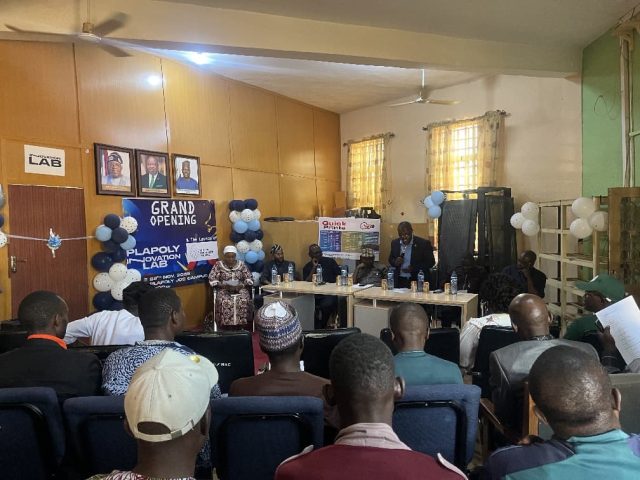
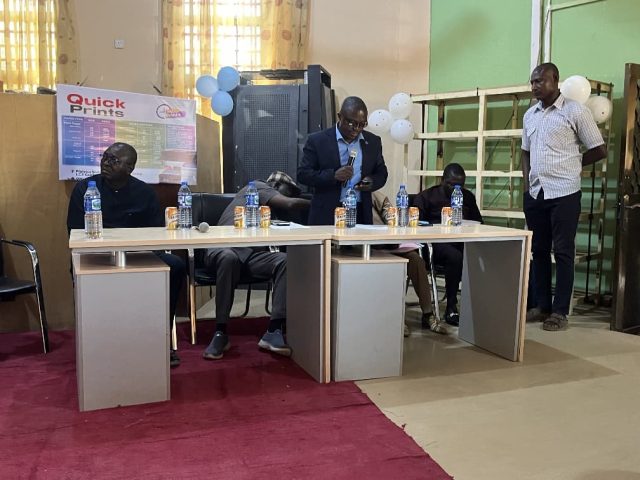
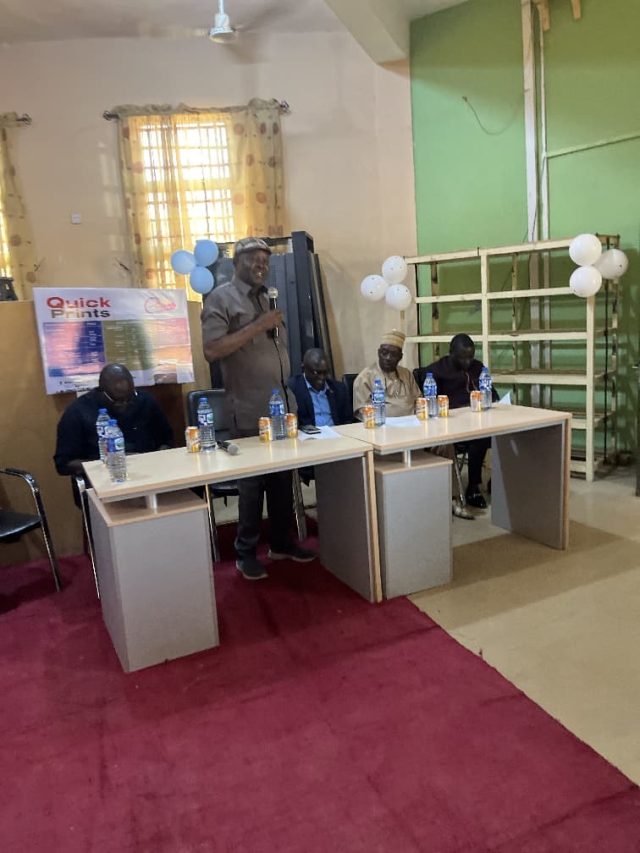
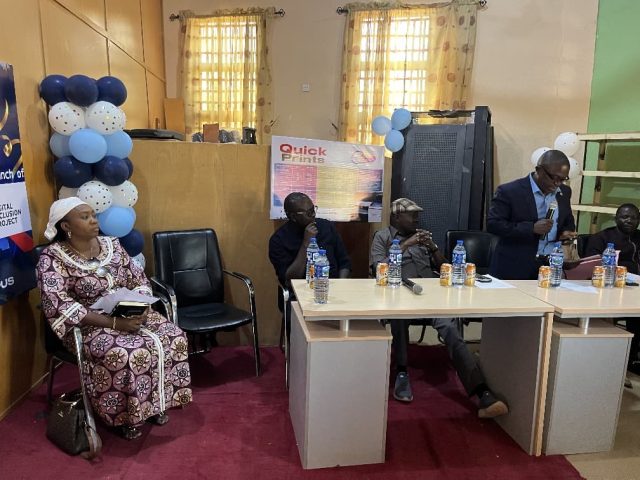
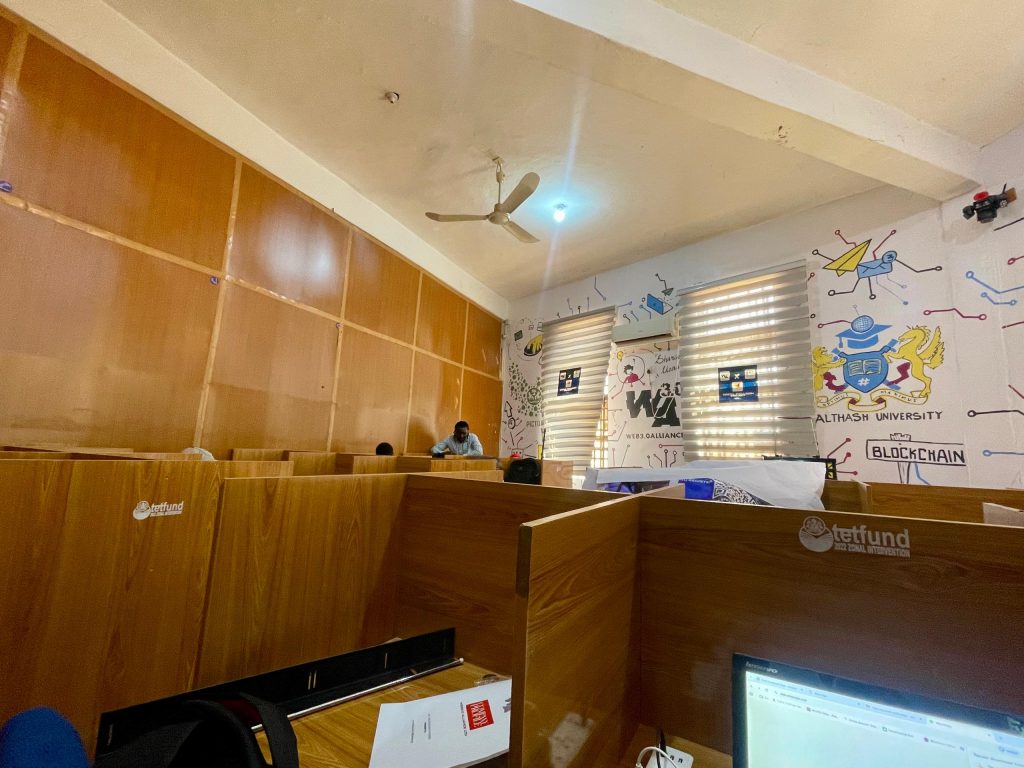
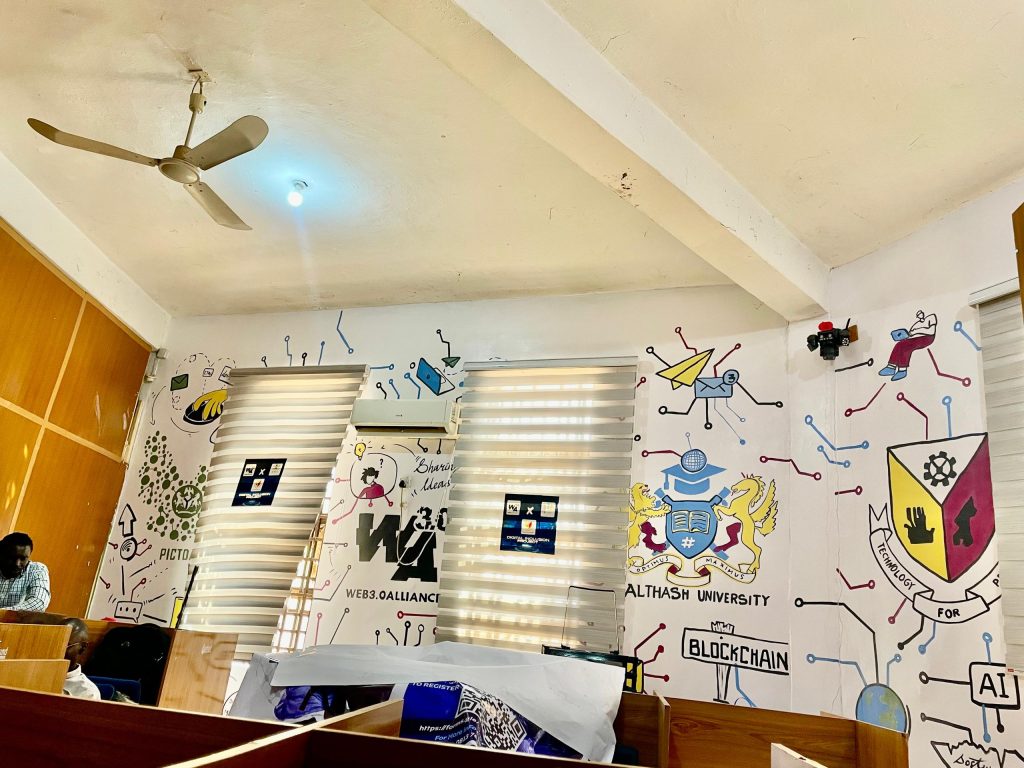
The Web3Alliance, in partnership with the Plateau State Polytechnic, has officially launched the PlaPoly Innovation Hub — a modern, collaborative space designed to foster technological creativity, hands-on learning, and innovation across Plateau State. The grand opening, held on 28 November 2025 at the Polytechnic’s ICT Centre, attracted students, developers, tech creatives, and digital enthusiasts eager to explore the new facility.
The PlaPoly Innovation Hub is envisioned as an open and inclusive ecosystem where learners and innovators can explore emerging technologies, gain practical skills, and collaborate on transformative projects. The space offers access to courses in artificial intelligence, software development, hardware maintenance, blockchain technology, and other fast-growing tech fields.

Speaking at the event, Dinfa Dashi, Project Manager of the Digital Inclusion Project at Plateau State Polytechnic and founder of Web3 Alliance Limited, described the lab as a crucial space for skill development and mentorship.

“The Innovation Lab is a safe space for developers and tech enthusiasts to learn about emerging technologies. Anyone interested in tech can come here, sign up for courses, or even just use the space as a workspace,” he said.

He emphasized that hosting the hub within the Polytechnic was intentional, noting that polytechnics are designed to champion practical, hands-on learning.

Beyond formal training, the PlaPoly Innovation Hub is also positioned to serve as a venue for tech-focused events, community collaboration, and networking opportunities. According to Mr. Dashie, one of the key motivations behind establishing the hub is to address the mentorship gap often faced by young tech talents, many of whom begin their journey without guidance or a supportive community.

He added that the hub aims to help learners overcome impostor syndrome and grow through practical exposure, mentorship, and peer collaboration.

“You can come in, collaborate with us, partner with us, and bring forward your ideas. We are open to new concepts and innovation that align with our mission,” he encouraged.

With its launch, the PlaPoly Innovation Hub is set to become a driving force for digital empowerment, talent development, and tech-driven growth in Plateau State and the wider region, providing a vital platform for innovators and learners to thrive.

Posted on — Leave a comment

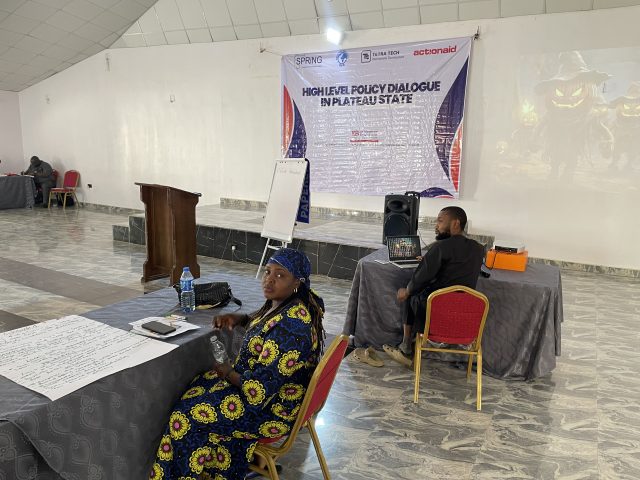
Global Peace Development Hosts High-Level Policy Dialogue on Sustainable Peace in Jos

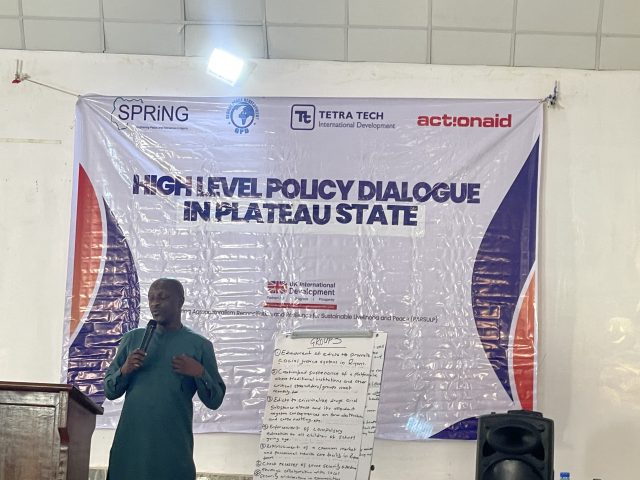
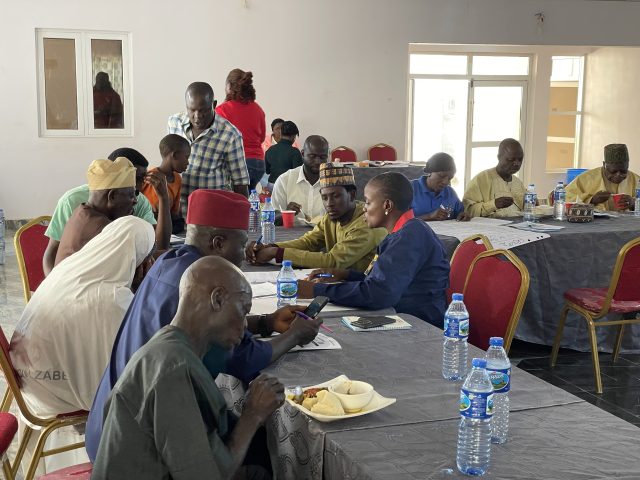
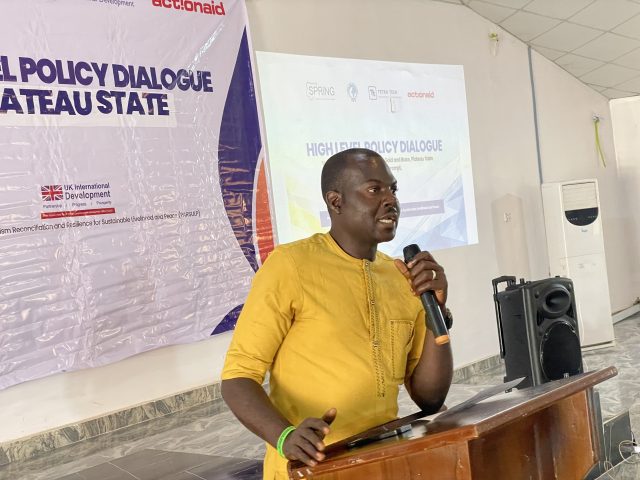
Jos, Plateau State — November 28, 2025: Global Peace Development (GPD), with support from SPRiNG, Tetra Tech International Development, and ActionAid, has convened a major High-Level Policy Dialogue in Jos aimed at strengthening community resilience, improving local governance, and advancing sustainable peace across conflict-affected communities in Nigeria.

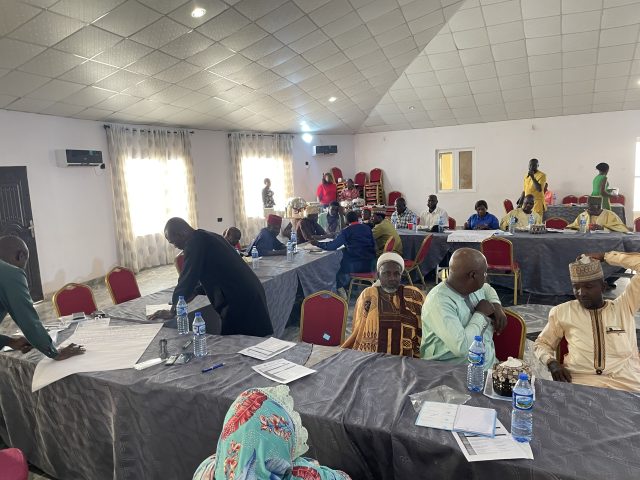
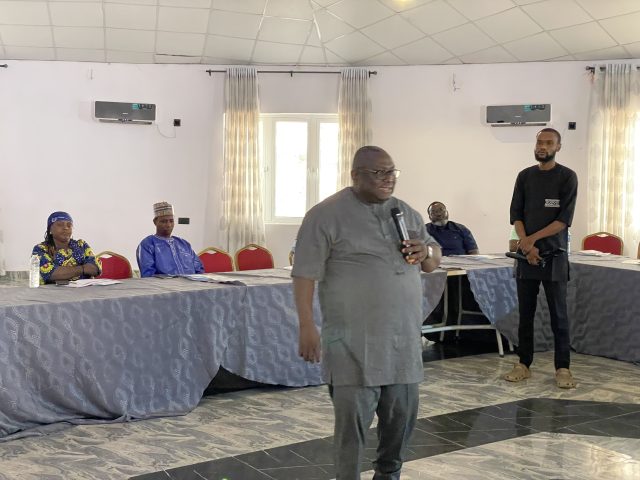
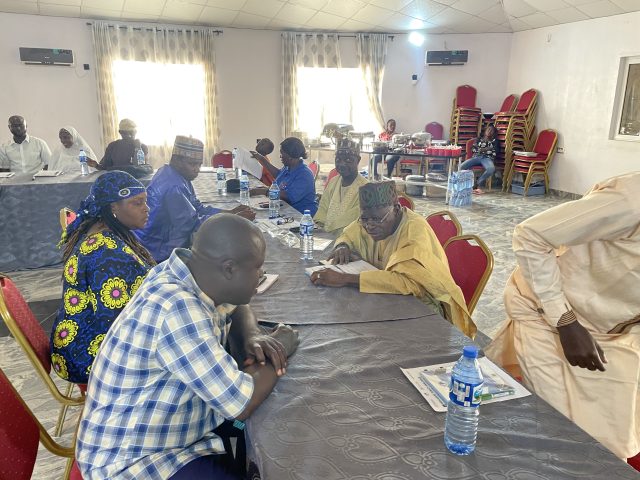
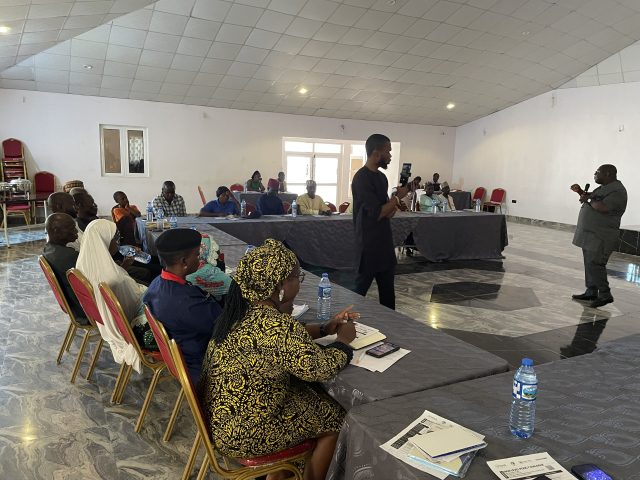
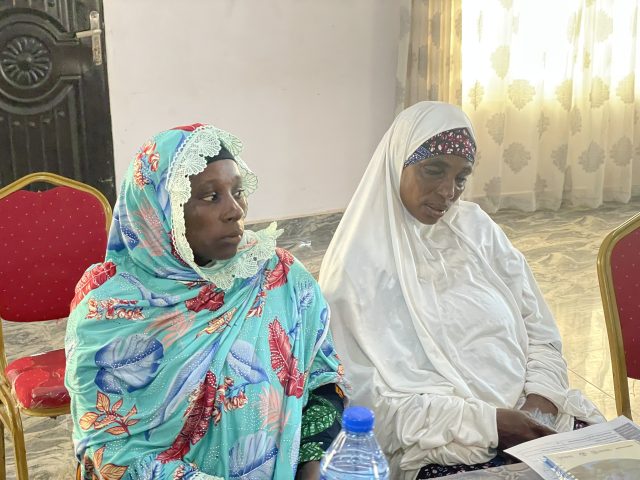
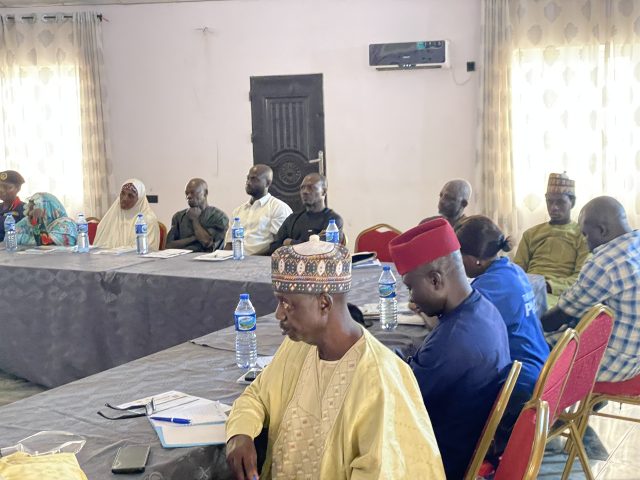
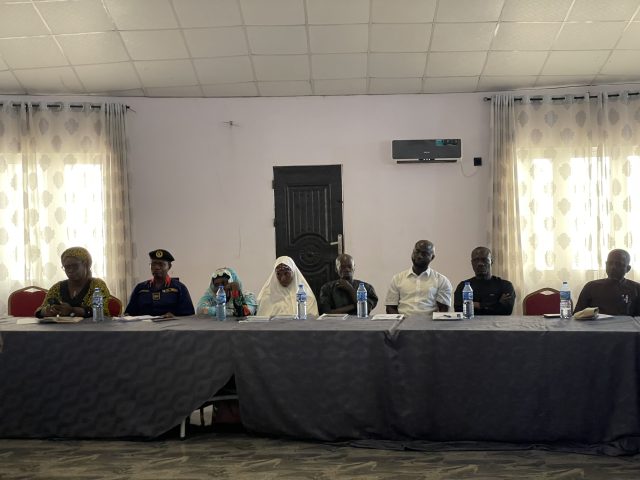
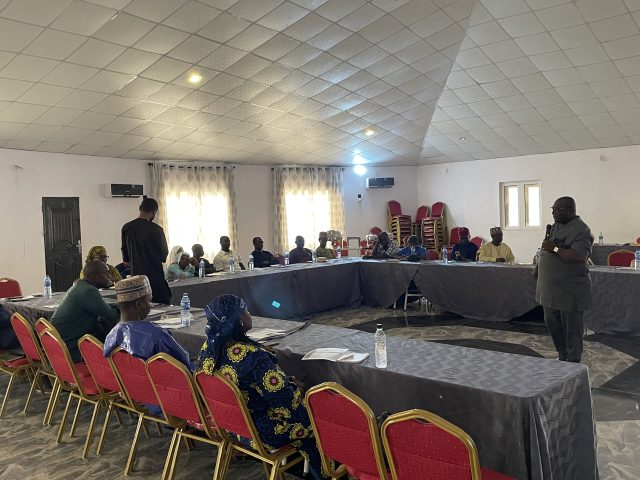
Held at Villa Grande, the forum brought together traditional rulers, district heads, government representatives, community stakeholders, security agencies, and civil society actors to deliberate on long-term strategies for stability across Plateau State and the wider North Central region.

Welcoming participants, GPD’s Project Director, Ebruke Esike, outlined the objectives of the PASO Project implemented in Benue, Plateau, Katsina, and Kaduna—states with histories of protracted conflict shaped by land-use disputes, identity tensions, and heritage struggles. He emphasized that sustainable peace must be intentional, rooted in clarity, shared responsibility, and institutional collaboration.

“A problem clearly defined is already half solved,” Esike stated, noting visible improvements in inter-community relations across Plateau and neighboring states as early signs of recovery.

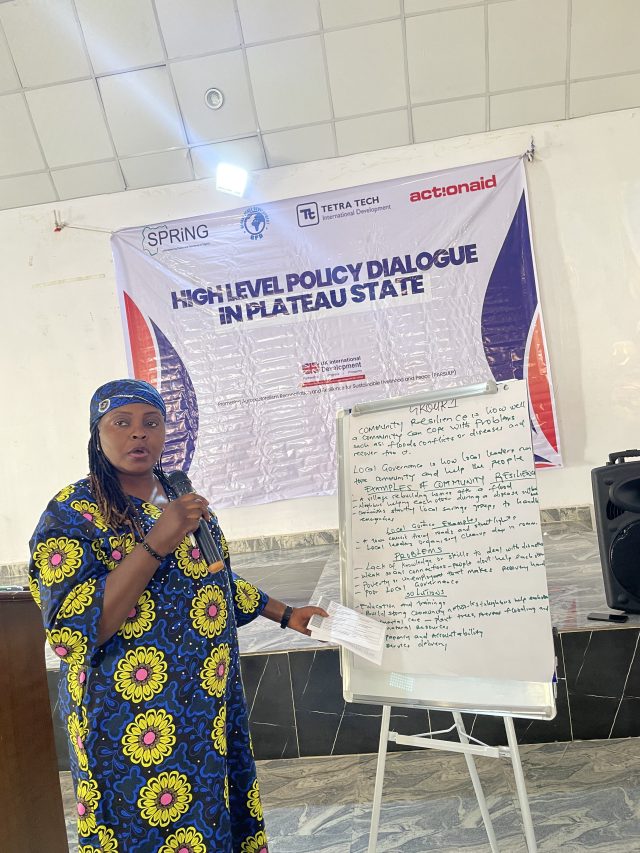
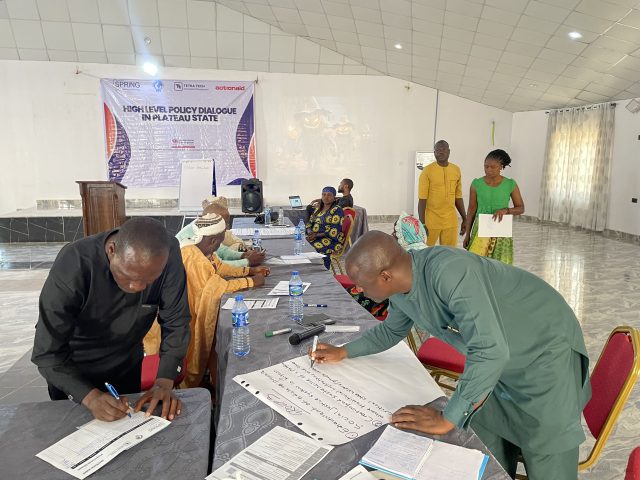
Participants were divided into four thematic groups focusing on pragmatic solutions tailored to local realities:

1. Community Resilience

2. Local Governance and Inclusive Participation

3. Policy and Institutional Pathways for Sustainable Peace

4. Collaborative Early Warning and Response Mechanisms

Across the groups, key insights emerged, including strengthening mediation teams and local peace committees, improving coordination among traditional institutions, youth and women groups, rebuilding trust between communities and security agencies, and sustaining inter-group dialogue in Jos South, Barkin Ladi, Riyom, and other LGAs.

Each group presented actionable recommendations during the plenary session.

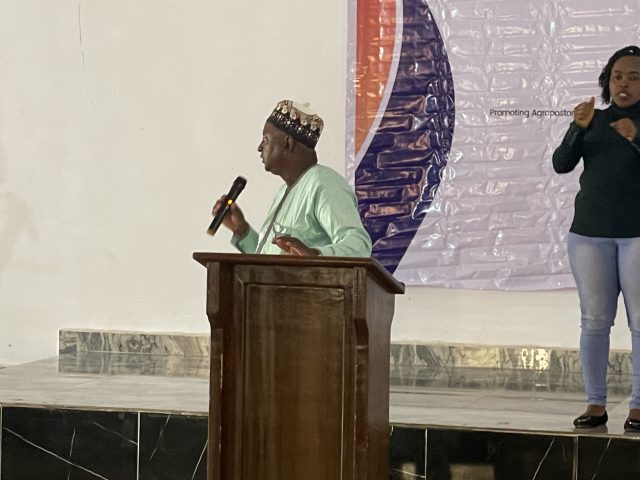
Goodwill messages delivered by representatives of key institutions carried a unified message—peace must be deliberate.

Mr. Kenneth Dakop, Plateau Peace Building Agency, urged communities to shift from recounting grievances to implementing workable solutions.

A representative of the Ministry of Livestock & Animal Production underscored the importance of structured and continuous engagement between farmers and pastoralists.

Local government and community leaders encouraged participants to return home with concrete steps for conflict prevention and cooperation.

A major segment of the dialogue focused on governance gaps and institutional reforms required to support sustainable peace. Recommendations included:

Clearer, fairer land-use and grazing policies

Stronger coordination between state agencies, LGAs, and security forces

Expanded early-warning systems in conflict-prone communities

Strengthened traditional dispute-resolution structures

Stakeholders agreed that community peacebuilding must be supported by responsive, well-coordinated institutions at state and federal levels.

In his closing remarks, Esike commended stakeholders for their participation and called for immediate action across communities:

“Let us not return to the cycle of lamentation. Every community in Plateau State can take action. Peace is our collective responsibility.”

He also expressed gratitude to SPRiNG, Tetra Tech International Development, and ActionAid for their continued support.

The High-Level Policy Dialogue concluded with renewed commitment from community leaders, government actors, and development partners. With strengthened partnerships and actionable recommendations, GPD aims to deepen reconciliation, reinforce community resilience, and advance long-term peace under the PASO Project.

Posted on — Leave a comment

PSIRS Drives Awareness on 2025 Tax Laws with 2-Day Stakeholders’ Workshop

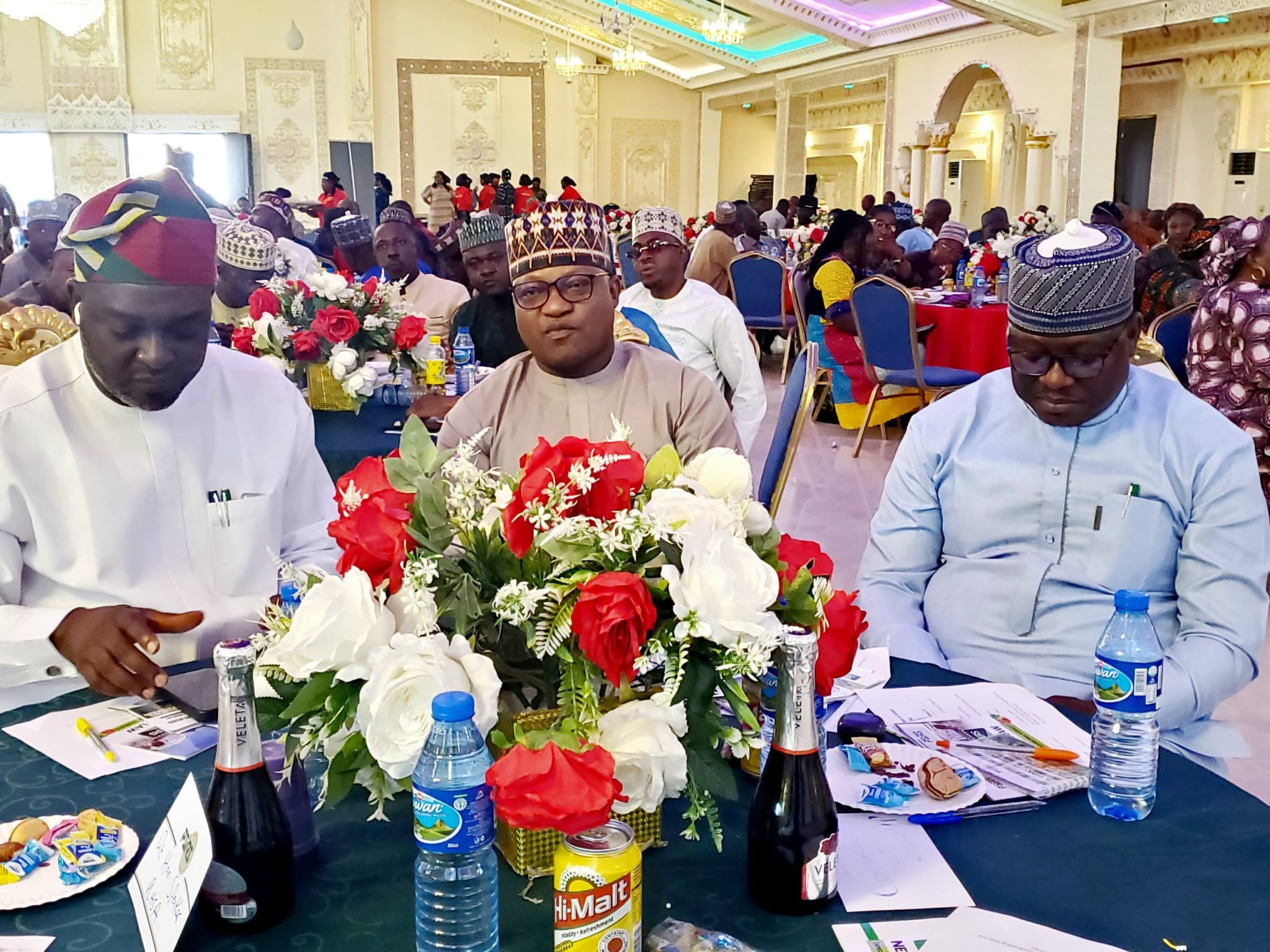
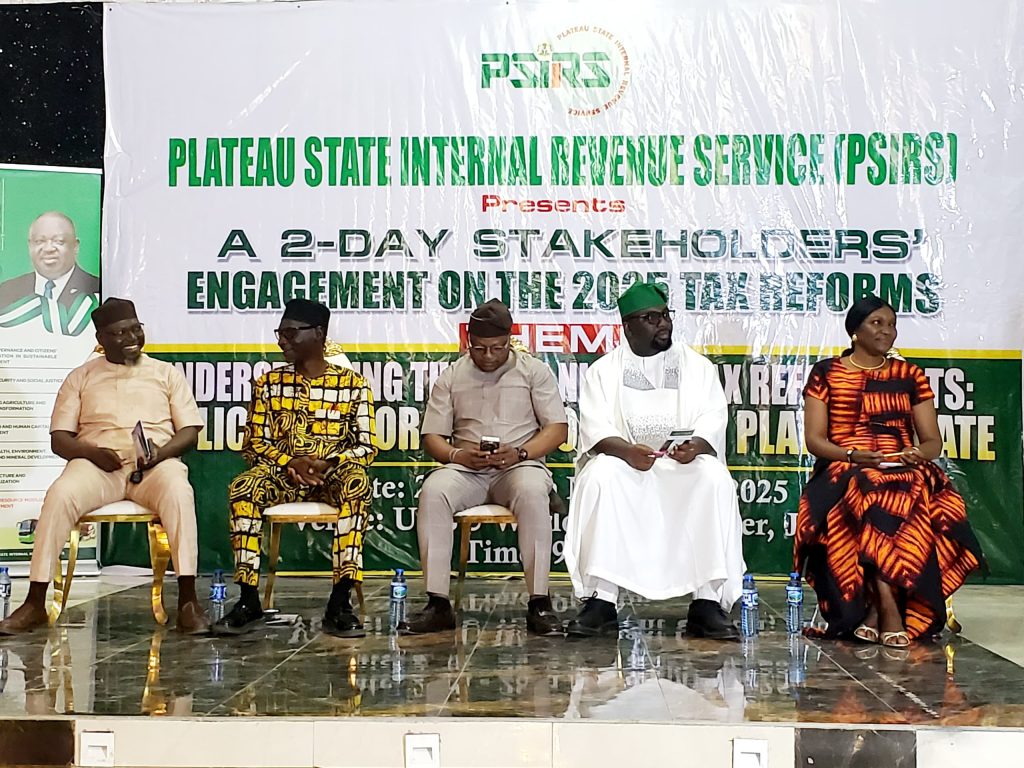
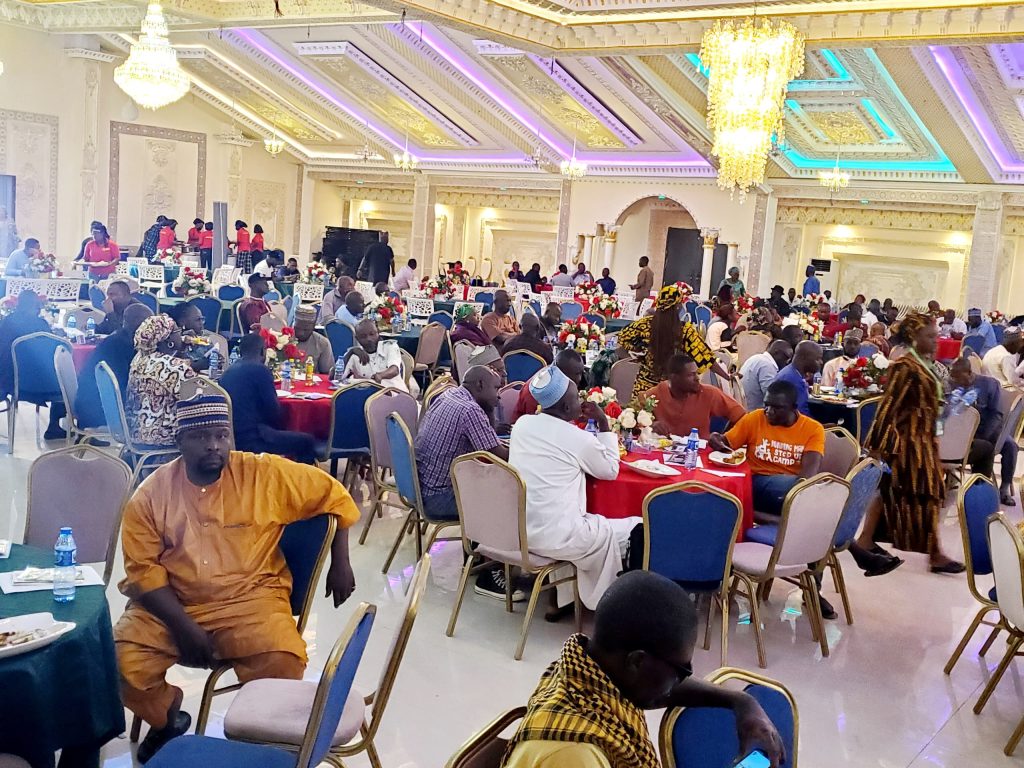
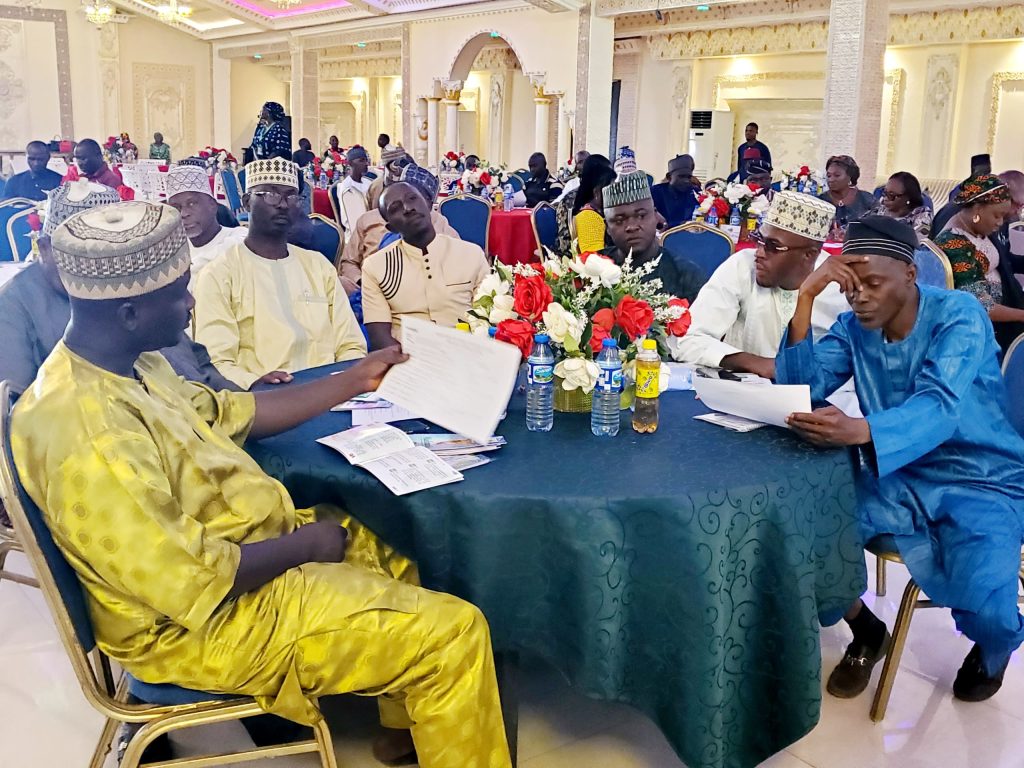
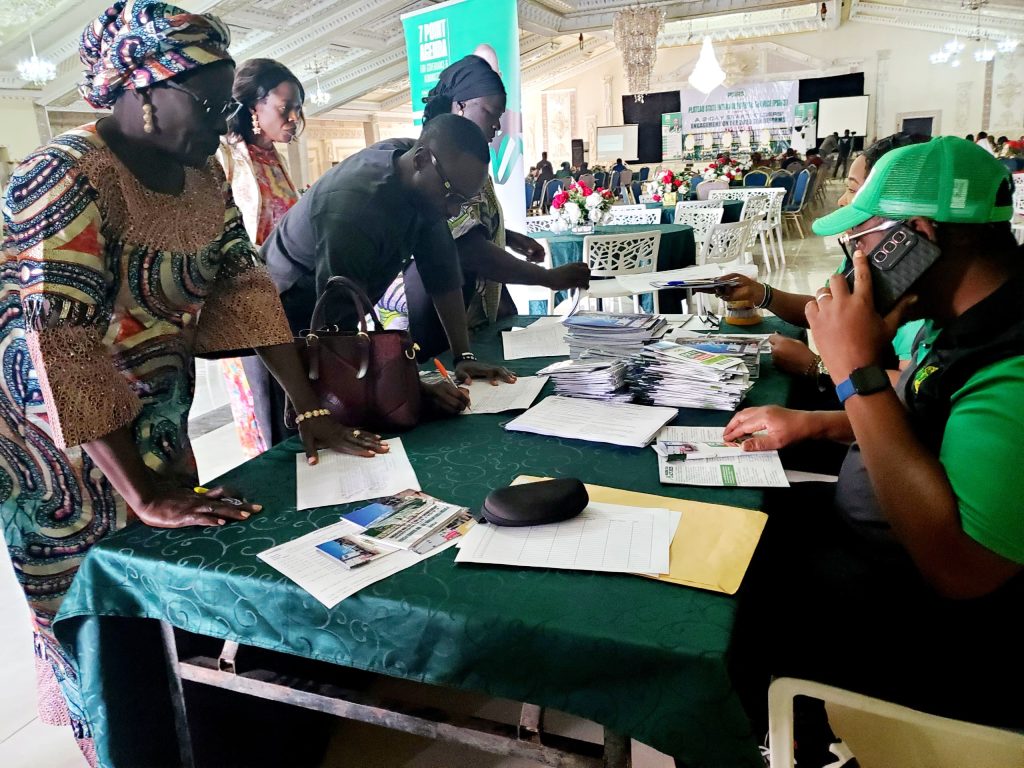
The Plateau State Internal Revenue Service (PSIRS) concluded a two-day stakeholders’ engagement to deepen understanding of the 2025 Nigeria Tax Reform Act. The event took place at the Usiju World Event Centre in Jos.

The engagement brought together professional stakeholders from various ministries, departments, agencies, business owners, informal sector representatives, and civil society organizations. Its goal was to provide clarity on the new tax reforms and their implications for effective tax administration in Plateau State.

In his welcome remark, the Secretary to the Government, Arc. Samuel Nanchang Jatau, represented by PSIRS Chairman Dr. Jim Pam Wayas, stated that the 2025 Tax Reform Act affects every citizen and will take effect from January 1.

He explained that the bill is not punitive but a new fiscal framework designed to unify tax administration across all government levels and grant more autonomy to revenue services. He encouraged stakeholders to seek clarification and clear misconceptions ahead of full implementation.

The Executive Chairman of PSIRS, Dr. Jim Pam Wayas, provided an overview of the 2025 Nigeria Tax Reform Act, noting that it consolidates existing tax laws into a single framework. He highlighted key changes for individuals and businesses.

Dr. Wayas explained that personal income tax, VAT, capital gains tax, and minimum tax regulations have been updated. Small businesses now enjoy a higher zero-rate threshold, while capital gains tax applies at effective rates ranging from 10% to 25%.

He also emphasized that financial institutions are required to report collective income directly to revenue services, simplifying compliance

Hon. Philemon Daffi Esq. called on stakeholders to comply with the new tax guidelines. He assured that collected taxes would be used judiciously and encouraged informal sector actors to help promote compliance while warning of firm enforcement where necessary.

During the event, Mr. Jonathan Mangai, Director of Planning, Research and Statistics at PSIRS, stressed the need for a fair, transparent, and accountable tax system. He called for integrity, efficient digital processes, and clear links between taxes paid and public services.

The engagement featured a robust panel session with Dr. Jim Pam Wayas, Mrs. Rahila Olu-Silas Esq, Assoc. Prof. Dagwom Dang, Mr. Monday Bereh and Dr. Lukman Jimoh Rahim, moderated by Mr. Wulashik Dafaan and MC Tsok. They discussed the New Nigeria Tax Law and its implementation challenges.

Panelists emphasized expanding tax coverage, linking collection to public service, and ensuring both financial and non-financial sectors contribute fairly. They also discussed compliance strategies and transparency measures to foster taxpayer trust.

Dr. Lukman Jimoh Rahim addressed the informal sector, explaining that all income, including gains from cryptocurrency, is taxable. He detailed the tax bands, noting that the first ₦800,000 for registered businesses is tax-free, with higher profits taxed progressively.

He urged participants to use the knowledge gained to educate others and highlighted the availability of a pocket-friendly guide and an online portal for ongoing support in tax compliance.

Hon. Cornelius Doeyok, Commissioner for Tourism, Culture, and Hospitality, emphasized continuous citizen engagement to ensure understanding and acceptance of the new tax law. He also highlighted plans to leverage tourism, hospitality, and e-commerce to generate revenue for the state.

In her closing remarks, Mrs. Deborah Adamu Kesuwo, Chairperson of the stakeholders’ engagement team, thanked participants for their contributions, praised the resource persons for their insights, and commended Dr. Wayas and his team for promoting transparency and efficiency in Plateau State’s tax system.

Posted on — Leave a comment

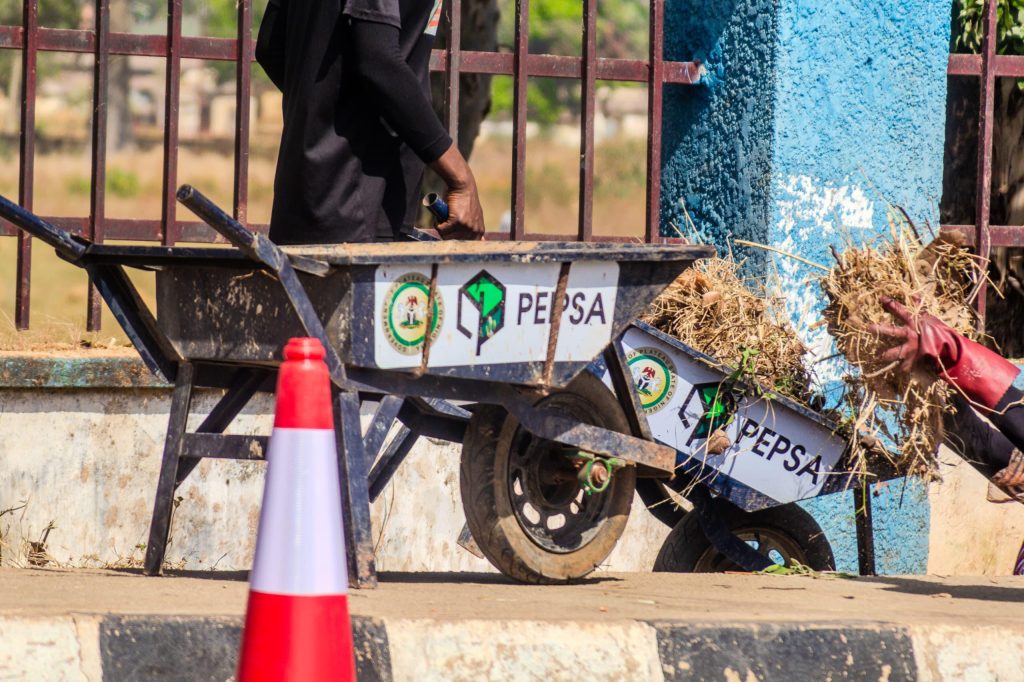
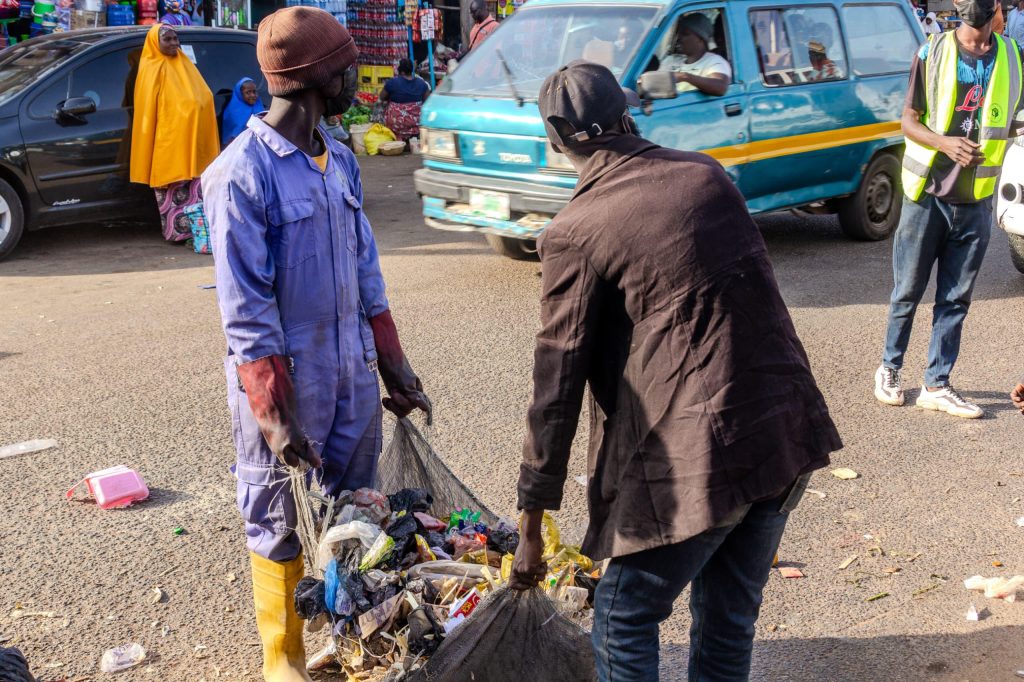
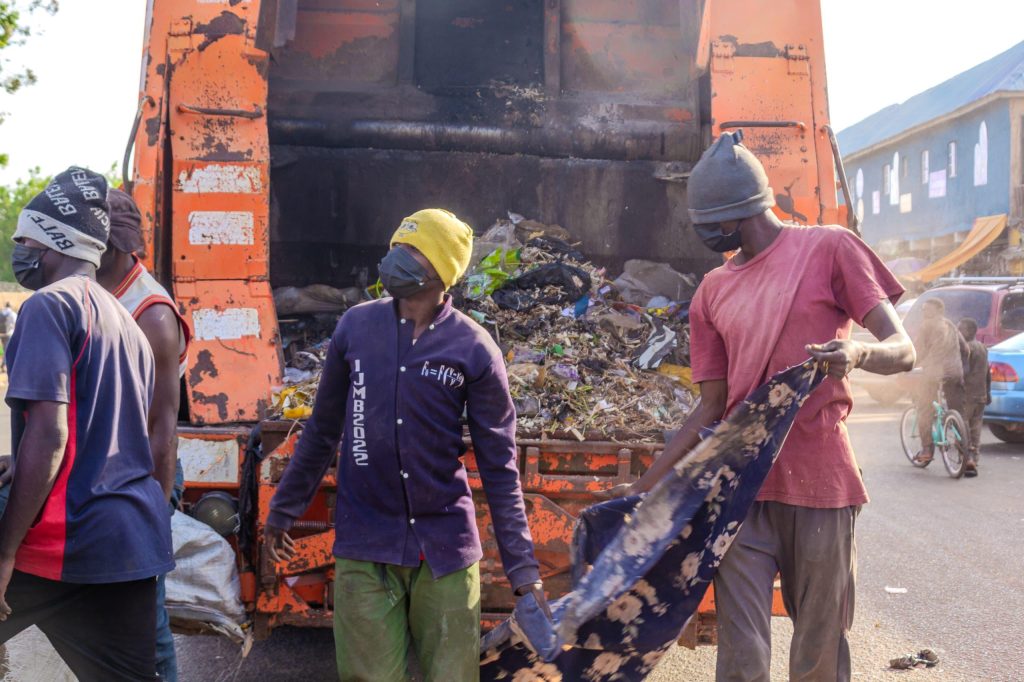
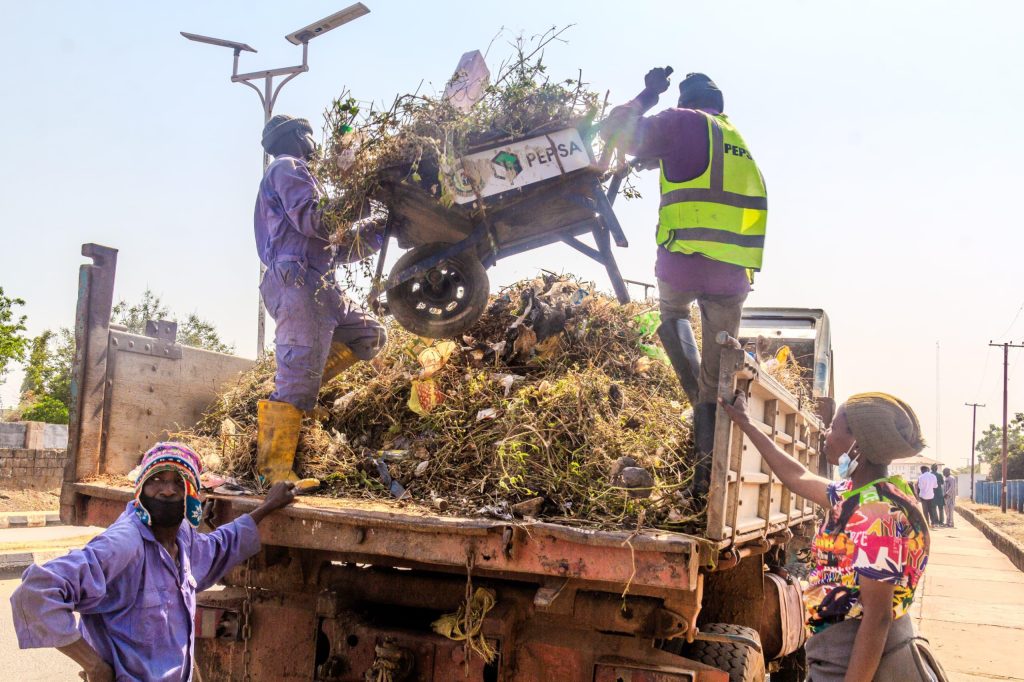
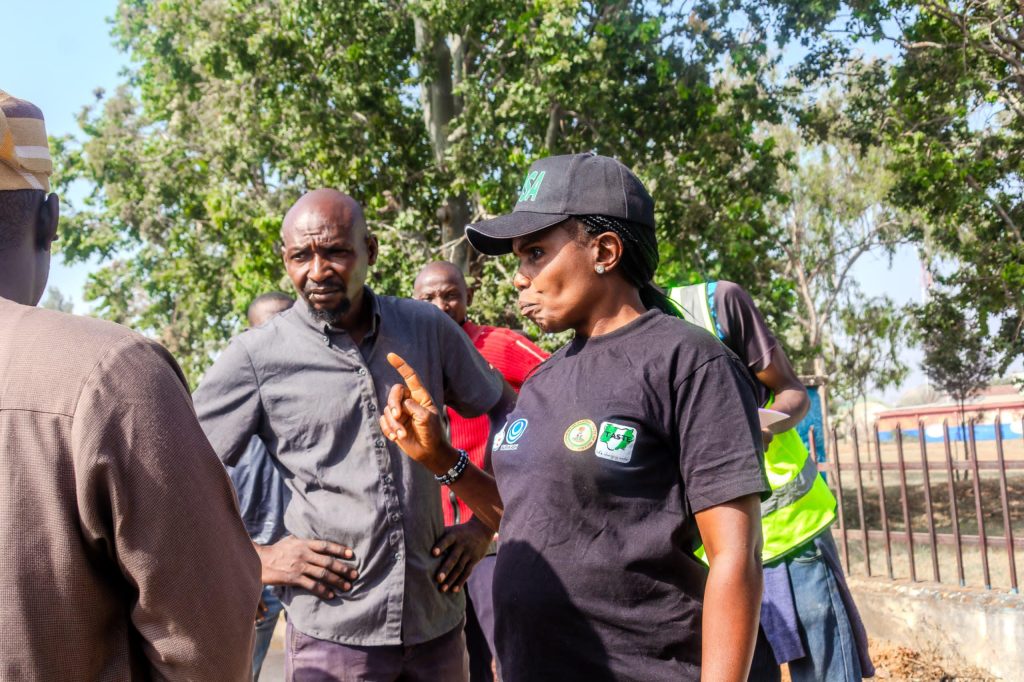
PEPSA Conducts Two-Day Sanitation and Roadside Clearing Exercise Across Jos, Plateau State

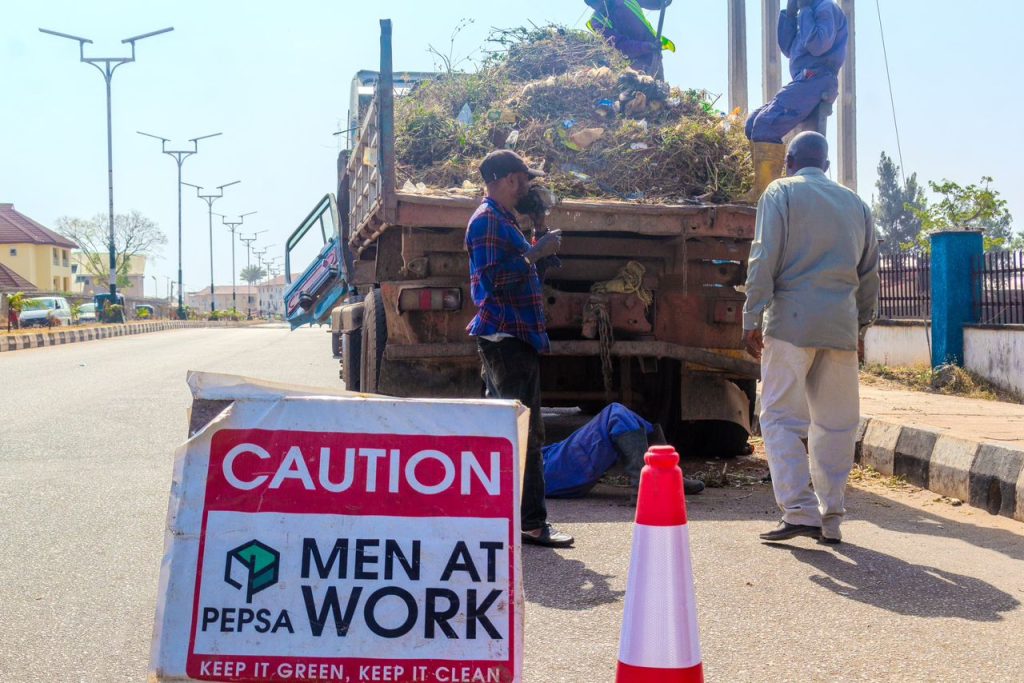
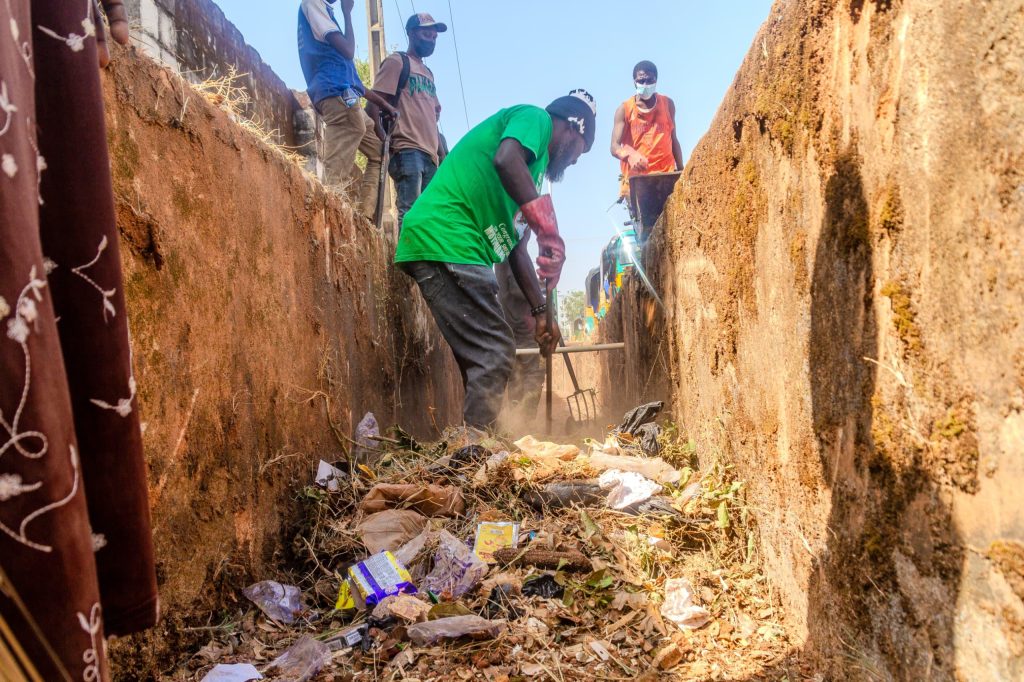
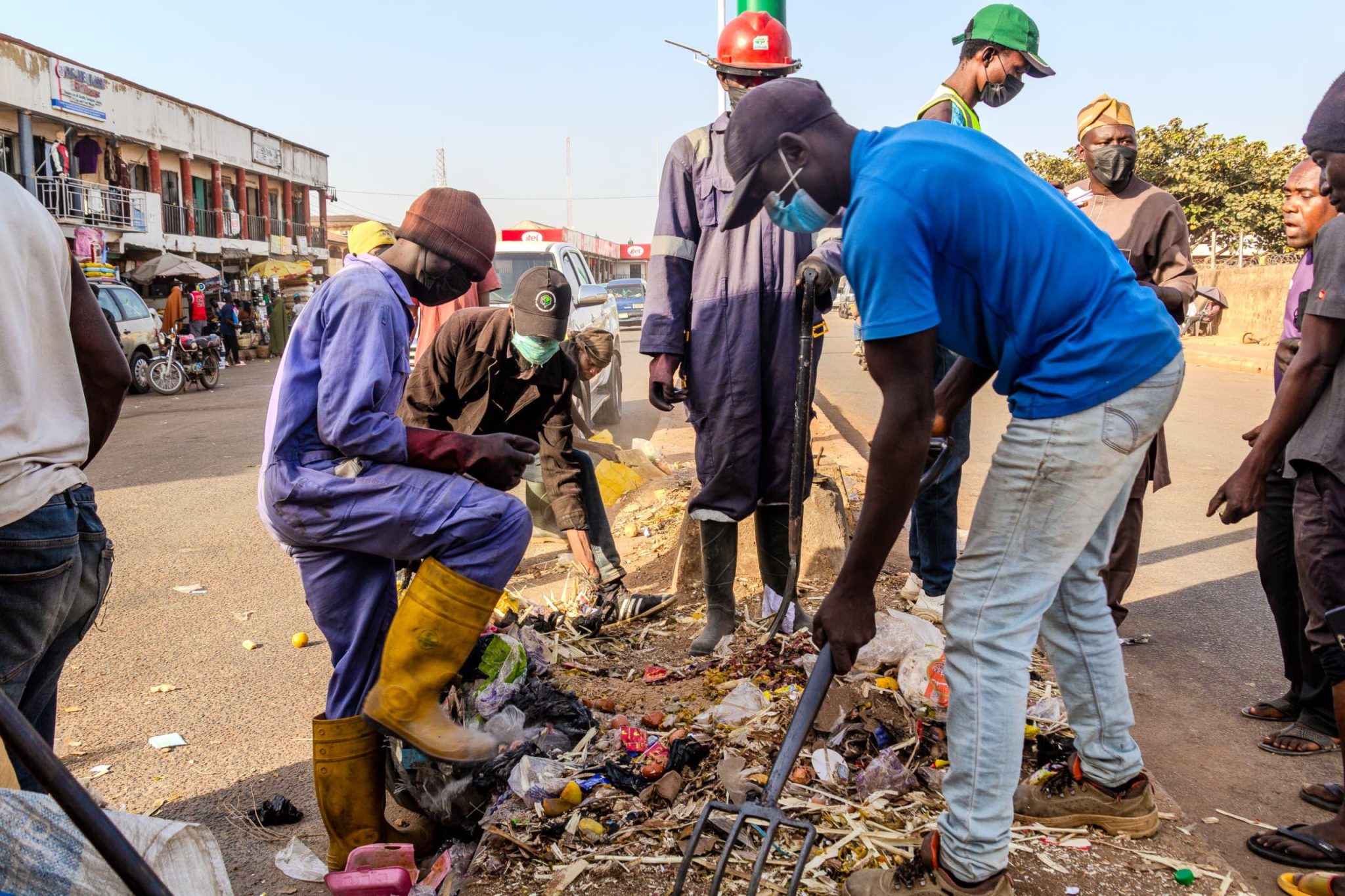
In a bid to maintain a clean and safe environment across Plateau State, the Plateau State Environmental Protection and Sanitation Agency (PEPSA) conducted a focused two-day sanitation and roadside clearing exercise yesterday and today. The initiative brought together about 300 workers from communities across the state, supported by PEPSA’s internal sanitation staff.

The exercise focused on areas where overgrown shrubs and bushes were obstructing roads, creating hazards for both motorists and pedestrians. Teams worked along major routes and nearby communities, including Polo to Hill Station Roundabout, Old Airport, Secretariat to Airforce Base–Yingi Road down to Rayfield, Rayfield Resort to Gut-Dwoi Road, Murtala Way, and Millionaires Quarters Road–Lamingo Road. The agency plans to extend the sanitation exercise to other parts of the state.

During the operation, blocked drainages were cleared, overgrown vegetation was trimmed, and roadside spaces tidied, improving accessibility and safety along the affected roads. PEPSA staff provided continuous supervision and coordination to ensure the smooth progress of activities.

Speaking on behalf of PEPSA’s Director General, Samuel Dapiya, Mrs. Naomi Longlam, Director of Waste Management, urged residents and business owners along the cleared routes to actively maintain the cleanliness of their surroundings. “We encourage everyone to trim shrubs, remove debris, and support this effort. Keeping Plateau clean is a collective responsibility that requires the participation of all,” she said.

PEPSA highlighted that such exercises prevent bushfires, reduce pest breeding grounds, enhance road visibility, and contribute to a healthier environment for residents. The agency reaffirmed its commitment to working with communities to sustain cleanliness and environmental safety across the state.

Posted on — Leave a comment

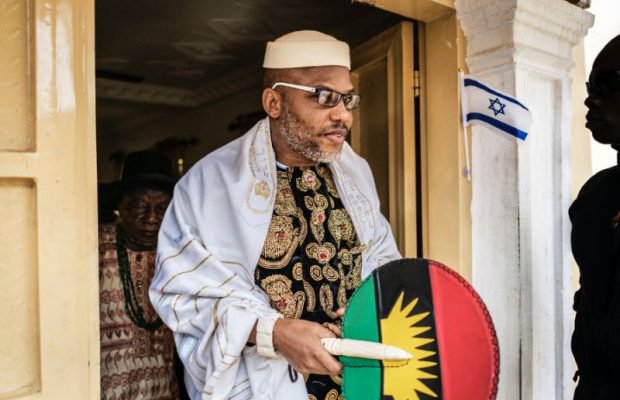
Inmates Declare Nnamdi Kanu President Inside Sokoto Prison

Reports have revealed that inmates of the Nigerian Correctional Service, Sokoto, have announced leader of the proscribed Indigenous People of Biafra (IPOB), Mazi Nnamdi Kanu, as their president.

Kanu was recently sentenced to life imprisonment by Justice James Omotosho after he was found guilty on all seven counts of terrorism offences.

The charges related to his secessionist agitations, acts of terrorism, membership of a proscribed group, killing of security operatives, destruction of public property, concealment, and the importation of an unregistered radio transmitter.

The IPOB leader, who had been in the custody of the Department of State Services (DSS) in Abuja while his protracted trial lasted, was moved to Sokoto Prisons after he was sentenced to life jail.

Daily Sun gathered that drama erupted upon his arrival inside Sokoto Prison as inmates unanimously declared him the “Prison President.”

– He Is In High Spirits, Says Lawyer After Visiting Sokoto Prison

Dr. Maxwell Opara, one of the lawyers representing Kanu, visited him on Sunday at the Sokoto Correctional Centre, accompanied by four other associates.

Our correspondent observed the group leaving the facility with several large documents.

Access to the prison area was noticeably restricted, with visitors kept at a distance until security clearance was granted.

Despite the heavy security presence around the correctional facility, residents of the surrounding community continued their daily activities.

Shops remained open, transportation continued as usual, and many locals seemed largely unconcerned by Kanu’s presence.

Speaking after the visit, Opara confirmed that Kanu remained in high spirits despite his circumstances.

He disclosed that efforts were underway to secure Kanu’s return to Abuja, where he is expected to file his appeal.

Posted on — Leave a comment

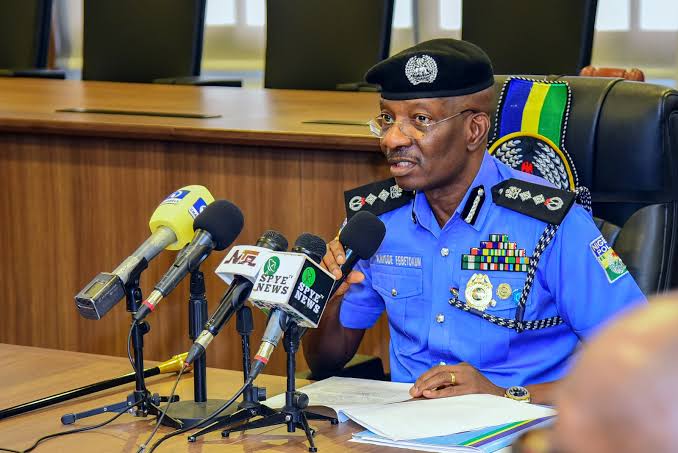
IG Confirms Recall of Over 11,000 Police Personnel From VIP Protection

Inspector-General of Police, Kayode Egbetokun, on Thursday, said the recent presidential directive withdrawing police personnel from Very Important Persons (VIPs) is a strategic realignment aimed at strengthening frontline policing and protecting vulnerable communities across the country.

Egbetokun made the remarks while addressing journalists in Abuja at a meeting with senior police commanders.

He said the decision to recall officers from VIP security duties was not driven by sentiment but by the urgent need to channel manpower to areas where public safety demands are highest.

According to him, the move aligns with the core mandate of the Nigeria Police Force, which is the protection of citizens, communities, and public order.

He added that a total of 11,566 personnel withdrawn from VIP duties had been redeployed.

“In line with the President’s directive, we have withdrawn a total of 11,566 personnel from VIP protection. These officers are being redeployed to critical policing duties immediately,” he said.

The IGP explained that the withdrawal would enable the police to expand manpower deployment for rural and township security, large-scale population protection, intensified patrols, intelligence-led operations, and rapid response to emerging threats.

He warned that the implementation of the VIP withdrawal directive would be carefully managed to prevent misinformation, impersonation, or exploitation by criminal elements.

Detailed guidelines, he said, would be released soon.

“The withdrawal is not a retreat from responsibility, but a reclamation of it,” Egbetokun added.

He noted that recent security incidents—including abductions in Kwara, Kebbi, and Niger states—have reinforced the need to reposition the force and strengthen visibility and deterrence across the country.

Egbetokun said that although security agencies responded swiftly to the attacks, the incidents created the impression in some quarters that the police were not doing enough.

“We may not be doing enough, but it is not that we are not working. We are actually doing something. But as leaders, we must hold ourselves to a higher standard,” he said.

The IGP disclosed that the force had achieved notable operational successes in recent weeks, including the arrest of 8,202 suspects for various offences and the rescue of 232 kidnapped victims.

He added, “The Nigerian Police Force has achieved multiple operational outcomes across strategic formations and tactical response structures, including 451 armed robbery suspects, 356 kidnapping suspects, 534 murder suspects, 129 culpable homicide suspects, 173 persons for unlawful possession of firearms, 312 suspected rapists, and 282 suspected cultists. In addition, 6,094 other suspects were arrested for various serious offences.”

He also listed the recovery of 249 firearms, nearly 21,000 rounds of ammunition, and 238 vehicles.

Egbetokun said the police were adopting stronger intelligence frameworks, deeper community engagement, and enhanced inter-agency collaboration to outmanoeuvre criminals.

With the festive season approaching, he directed all state commands to activate enhanced patrols, highway visibility operations, and community-focused policing strategies, including the deployment of drones and AI-driven surveillance tools.

“As we approach the festive season, the nation will witness its highest annual travel activity. Citizens returning home to celebrate with family and communities, criminals will seek to exploit the roads.

“Therefore, the roads must be decisively dominated by proactive policing and preparedness. I hereby charge each state command to activate festive deployment and operational plans.

“This will include expanded highway patrol teams, reinforced foot patrol units at motor parks, anti-robbery dragnet patrols on high-traffic roads, intelligence-backed vehicular patrols for rural corridors, and inter-service collaboration patrols to guarantee route safety across all national highways. It will also cover township entry and exit points, market transit routes, and community travel corridors.

“Employ the use of artificial intelligence in policing strategies, including drones and other technical assets. Every command must track operational hours and presence metrics as performance indicators for the December deployment,” Egbetokun said.

Posted on — Leave a comment

Senate Classifies Kidnapping, Banditry as Terrorism, Endorses Death Penalty for Perpetrators

The Nigerian Senate on Tuesday approved far-reaching security measures, formally categorizing kidnapping and banditry as terrorist acts and endorsing the death penalty for all offences connected to abduction.

The decision followed a heated plenary session presided over by Senate President Godswill Akpabio, sparked by a motion of urgent national importance introduced by Senator Ashiru Oyelola Yisa (Kwara South) and later amended by Senate Leader Opeyemi Bamidele.

In one of its toughest security stances in years, the Senate resolved that “all kidnapping-related laws be designated as terrorism, carrying a maximum death sentence, with no option of fine or judicial reduction.”

To give legal backing to the new classification, Senate Leader Opeyemi Bamidele was instructed to present an amendment bill “as soon as possible.”

Lawmakers also approved the establishment of a Joint Task Force (JTF) to bolster security within the Kwara–Kogi axis, with new Forward Operating Bases proposed for Eruku, Babanla, Oke-Ero, Isanlu and Wasagu in Kebbi State.

Additionally, the Senate urged the Federal Government to strengthen local vigilante operations and to review the country’s firearm regulations in line with practices in “over 175 nations where responsible citizens are allowed to possess firearms.”

A key part of the resolutions includes a directive to conduct a thorough investigation into the withdrawal of troops from a Kebbi school shortly before it was attacked by bandits.

All Senate security committees were assigned to probe the troop withdrawal, examine the circular surrounding the killing of Brigadier-General M. Uba in Maiduguri, and report their findings within two weeks.

These resolutions reflect the Senate’s growing concern over the alarming rise in kidnappings, school attacks, and banditry nationwide.

Recently, 4wardwego reported widespread panic in Eruku, Ekiti Local Government Area of Kwara State, after terrorists invaded a Christ Apostolic Church (CAC) branch, killing three worshippers and abducting several others, including the pastor.

This incident follows a series of mass abductions earlier this month in Kebbi and Niger states.

Posted on — Leave a comment

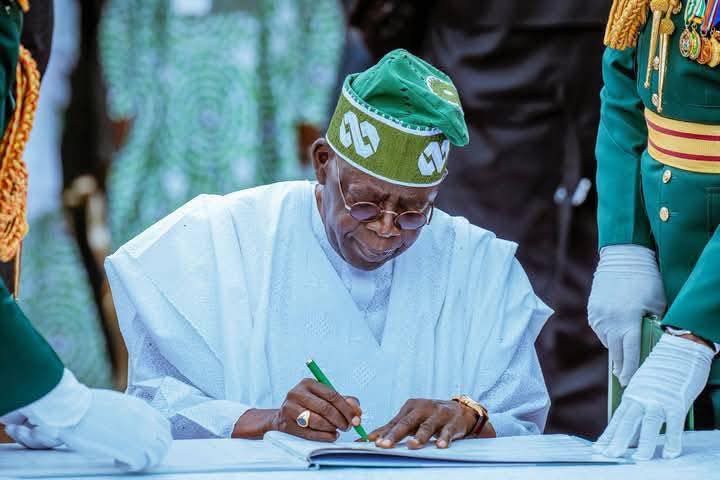
Tinubu Declares Nationwide Security Emergency, Orders Mass Recruitment and Redeployments

President Bola Ahmed Tinubu on Wednesday declared a nationwide security emergency and unveiled a package of emergency measures intended to bolster Nigeria’s overstretched security architecture, including large-scale recruitment for the police and armed forces, redeployment of officers away from VIP protection, and the temporary repurposing of NYSC camps as training depots.

In a nationally circulated statement, the presidency said the measures aim to “deploy more boots on the ground” in response to a recent spike in kidnappings, attacks on communities and schools, and other high-profile security breaches. The decision authorises the immediate intake of additional personnel for the Nigeria Police Force and the military, with multiple outlets reporting figures ranging from an additional 20,000 up to 30,000 new police recruits depending on the source. The presidency also directed that officers currently assigned to VIP protection be withdrawn, crash-retrained and redeployed to core policing duties in volatile areas.

  • Large-scale recruitment: Authorisation to recruit tens of thousands of new police officers and expanded enlistment into the military to raise frontline capacity. Several reports cite a 20,000-officer boost (bringing some planned intakes this year to about 50,000), while others refer to a 30,000 figure in related directives.
  • Use of NYSC camps: National Youth Service Corps sites across the country were approved as temporary training depots to fast-track basic training and deployment.
  • Redeployment of VIP guards: Police officers assigned to Very Important Persons will be pulled back for crash retraining and reassigned to core policing roles. Officials framed this as a move to restore manpower to community policing functions.
  • DSS and forest-guard operations: The presidency signalled intensified operations by the Department of State Services (DSS) and the deployment of forest guards to tackle terrorists and bandits operating in rural and wooded areas.
  • Policy priorities: Mr. Tinubu urged the National Assembly to approve frameworks for state police — a longstanding demand from some governors and security experts — and pushed for ranching and livestock reforms to reduce rural conflicts. He also warned schools and institutions to shore up security after a wave of kidnappings and attacks on educational facilities.

The emergency comes amid a fresh wave of mass abductions and violent attacks that have prompted public alarm and criticism of current security arrangements. International and local outlets have highlighted recent large-scale kidnappings in the northern states and a pattern of attacks on soft targets such as schools and churches, which officials say necessitate an urgent scaling up of manpower and better distribution of security resources. Analysts have also pointed to chronic problems — low pay, poor equipment, and a significant portion of the police force diverted to VIP duties — as structural limitations to effective policing.

Reactions have been mixed. Government spokespeople framed the moves as decisive and overdue; civil-society groups and security analysts welcomed increased resources but warned that recruitment alone will not fix problems of intelligence, coordination, corruption, and training. BusinessDay and other outlets have reported that plans to expand recruitments previously stalled because of dilapidated training schools and logistical constraints — a challenge the administration says will be mitigated by using NYSC facilities and accelerating upgrades to police colleges.

Implementation will hinge on funding, rapid mobilisation of training capacity, and legislative support for any structural reforms such as state policing. The presidency has asked security agencies to move swiftly and promised to honour fallen personnel, while urging national unity as the government rolls out the emergency measures. Observers will be watching whether increased numbers and redeployments translate into improved protection for communities and schools in the coming weeks.

Posted on — Leave a comment

Federal Government Bans Open Grazing Nationwide Over Insecurity

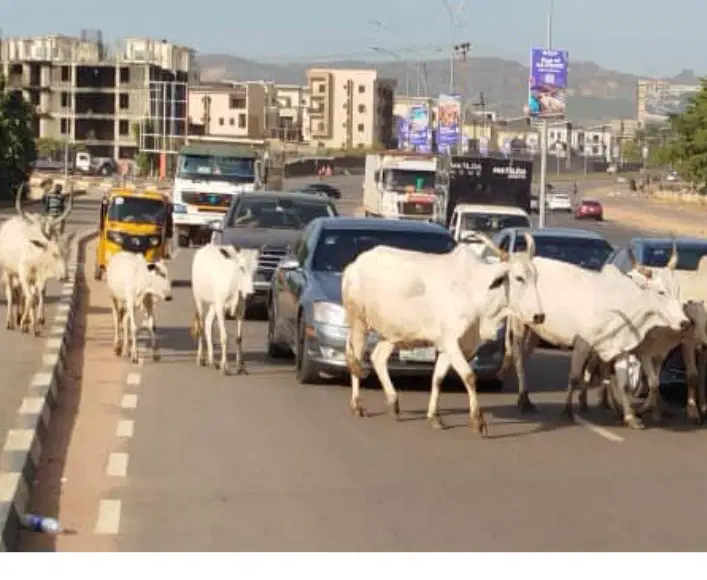
The Federal Government has banned open grazing by cattle rearers as part of efforts to curb the persistent farmers-herders conflicts across the country.

The announcement was made on Tuesday by the Minister of Livestock Development, Alhaji Mukhtar Maiha, during the inauguration of the 1st National Council on Livestock Development in Yola, Adamawa State.

The minister lamented that the ongoing farmers-herders clashes have resulted in loss of lives, destruction of property, and displacement of thousands of Nigerians.

“Nigerians have been subjected to untold hardships, including the killing of innocent farmers and herders, as a result of open grazing. There is an urgent need to put a stop to this problem,” Maiha said.

He emphasized that open grazing is now considered a capital offense, urging cattle rearers to embrace ranching as a safer and more profitable method. “Ranching will not only prevent conflicts but also improve the quality and weight of cattle for better business,” the minister added.

Highlighting the economic potential of the sector, Maiha said the ministry is positioning livestock development as the country’s second-largest revenue earner after oil and gas. “We project the ministry to generate $74 billion in the next five years. So far, over $14 billion has been realized through the ongoing livestock initiatives,” he stated.

Adamawa State Deputy Governor, Professor Kaleptawa Farauta, who declared the council open, described the state as a hub for livestock production, adding that hosting the first National Council on Livestock Development in Adamawa was appropriate.

The newly inaugurated National Council on Livestock Development comprises all directors of livestock from the 36 states and the Federal Capital Territory (FCT) and is tasked with overseeing the implementation of policies to modernize and expand Nigeria’s livestock sector.