Posted on — Leave a comment

FTGMF Demands Justice for Ibrahim Mbaya, Rallies Civil Society Against Jungle Justice in Plateau

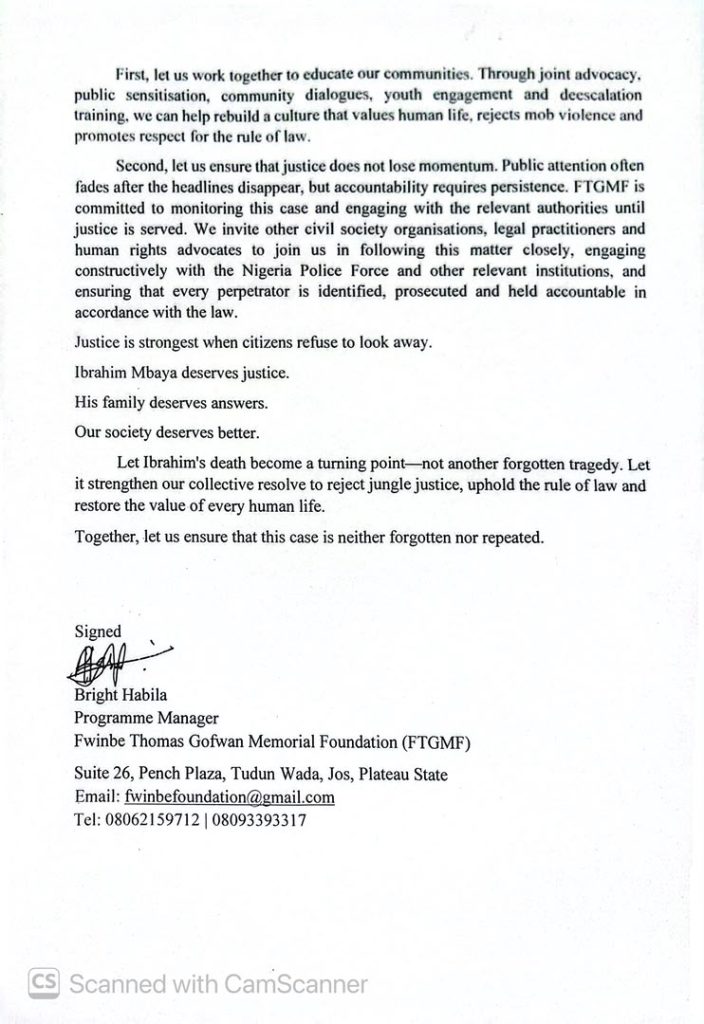
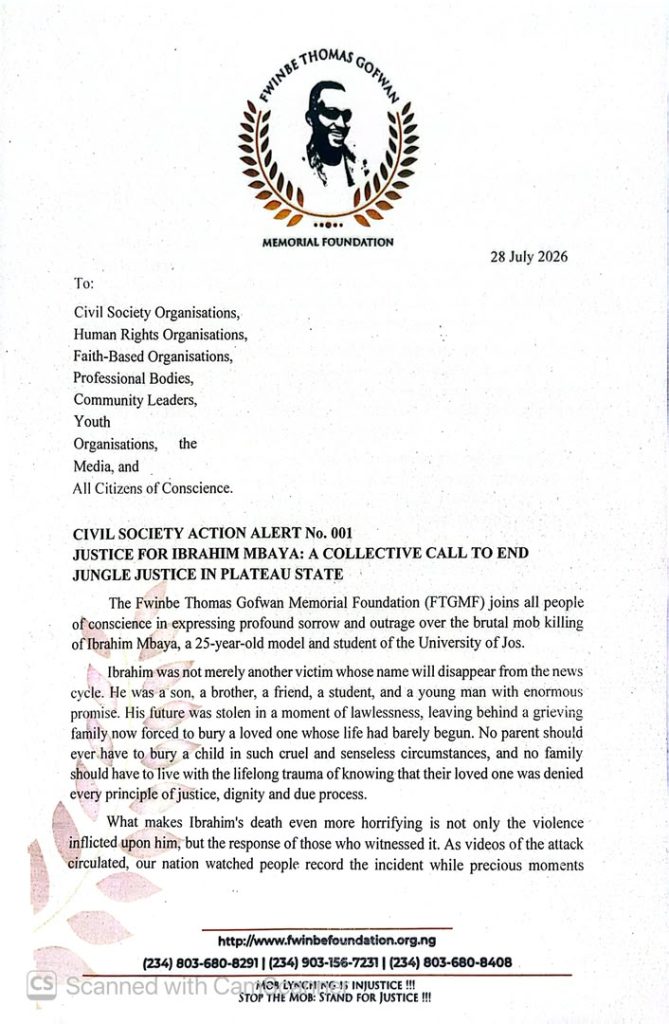
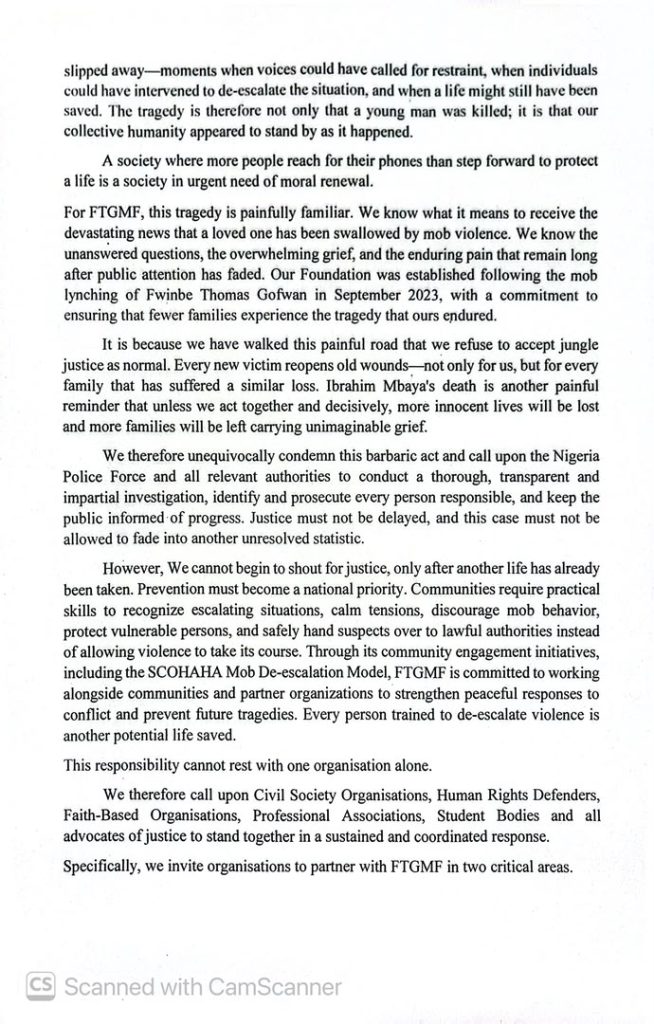
The Fwinbe Thomas Gofwan Memorial Foundation (FTGMF) has called on civil society organisations, human rights groups, faith-based organisations, professional bodies, youth groups, community leaders, the media, and all Nigerians of conscience to unite in the fight against jungle justice following the gruesome mob killing of 25-year-old University of Jos student and model, Ibrahim Mbaya.

In a statement titled “Civil Society Action Alert No. 001: Justice for Ibrahim Mbaya – A Collective Call to End Jungle Justice in Plateau State,” signed by the Foundation’s Programme Manager, Bright Habila, the organisation described Ibrahim’s death as a tragic reminder of the growing culture of mob violence and the urgent need for collective action to protect lives and uphold the rule of law.

The Foundation expressed profound sorrow over the killing, stating that Ibrahim was more than another victim whose name would eventually disappear from public attention. According to FTGMF, he was a son, brother, friend, student, and a young man with enormous potential whose future was cut short by an act of lawlessness.

The Foundation noted that Ibrahim’s family is now left with the painful burden of burying a loved one whose life had barely begun, stressing that no parent should experience such a cruel and senseless loss.

Beyond the brutality of the attack, FTGMF lamented what it described as society’s disturbing response to the incident. It observed that as videos of the attack circulated online, many bystanders chose to record the violence instead of intervening or calling for restraint.

According to the Foundation, the tragedy extends beyond the death of one young man, reflecting a worrying decline in society’s collective humanity.

“A society where more people reach for their phones than step forward to protect a life is a society in urgent need of moral renewal,” the statement read.

The Foundation explained that Ibrahim Mbaya’s death resonates deeply with its mission because it was established following the mob lynching of Fwinbe Thomas Gofwan in September 2023. It said members of the Foundation understand the emotional devastation, unanswered questions, and lifelong trauma that accompany such tragedies, making it impossible to accept jungle justice as a normal occurrence.

FTGMF stressed that every new case of mob violence reopens painful wounds for families who have suffered similar losses and warned that unless decisive action is taken, more innocent lives will be lost.

The organisation strongly condemned Ibrahim’s killing and called on the Nigeria Police Force and other relevant authorities to carry out a thorough, transparent, and impartial investigation. It urged security agencies to identify, arrest, and prosecute everyone involved while keeping the public regularly informed of the progress of the investigation.

According to the Foundation, justice must neither be delayed nor allowed to fade into another unresolved statistic.

While demanding accountability, FTGMF emphasized that preventing mob violence must become a national priority rather than reacting only after lives have been lost. It advocated community-based education aimed at helping citizens identify escalating conflicts, de-escalate tensions, discourage mob actions, protect vulnerable individuals, and ensure suspects are handed over to lawful authorities instead of being subjected to violence.

The Foundation highlighted its community engagement efforts, including the SCOHAHA Mob De-escalation Model, through which it intends to work with communities and partner organisations to strengthen peaceful conflict resolution and prevent future incidents.

It noted that every individual trained in violence de-escalation represents another opportunity to save lives.

Recognising that the challenge cannot be addressed by one organisation alone, FTGMF appealed for sustained collaboration among civil society organisations, human rights defenders, faith-based organisations, professional associations, student bodies, and justice advocates across the country.

The Foundation identified two major areas for collaboration. The first is public education through joint advocacy campaigns, community sensitisation, dialogue sessions, youth engagement programmes, and de-escalation training to rebuild a culture that respects human life and rejects mob violence.

The second is ensuring that justice for Ibrahim Mbaya does not lose momentum after public attention fades. FTGMF pledged to continue monitoring the case and engaging relevant authorities until justice is achieved, while inviting civil society groups, legal practitioners, and human rights advocates to join in ensuring that every perpetrator is identified, prosecuted, and held accountable in accordance with the law.

Reaffirming its commitment to justice and accountability, the Foundation concluded that citizens must refuse to look away whenever human life is threatened.

“Ibrahim Mbaya deserves justice. His family deserves answers. Our society deserves better,” the statement declared.

FTGMF urged Nigerians to allow Ibrahim’s death to become a turning point in the campaign against jungle justice, calling for renewed commitment to the rule of law, protection of human dignity, and the preservation of every human life.

The statement was signed by Bright Habila, Programme Manager of the Fwinbe Thomas Gofwan Memorial Foundation (FTGMF), headquartered at Suite 26, Pench Plaza, Tudun Wada, Jos, Plateau State.
Posted on — Leave a comment

PLABOMA, NOA Reaffirm Commitment to Combating Fake News and Promoting Responsible Journalism

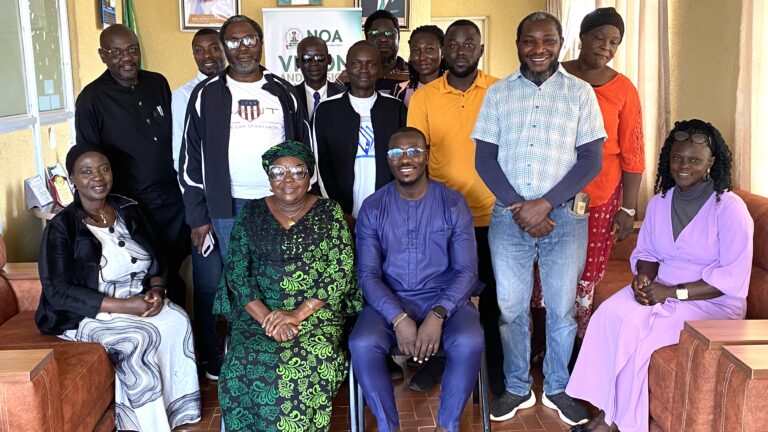
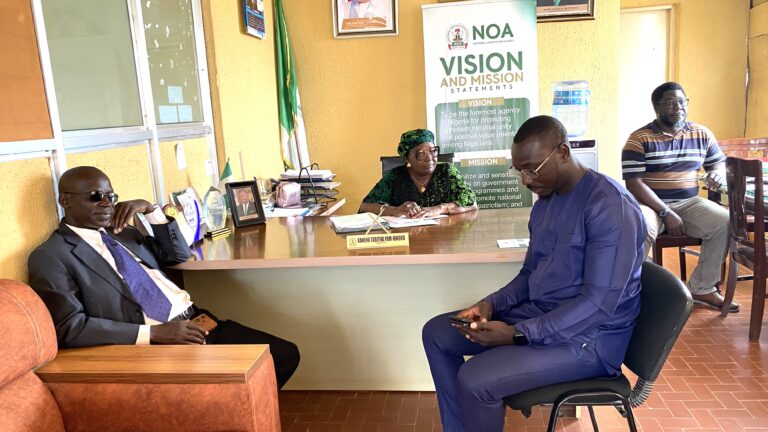
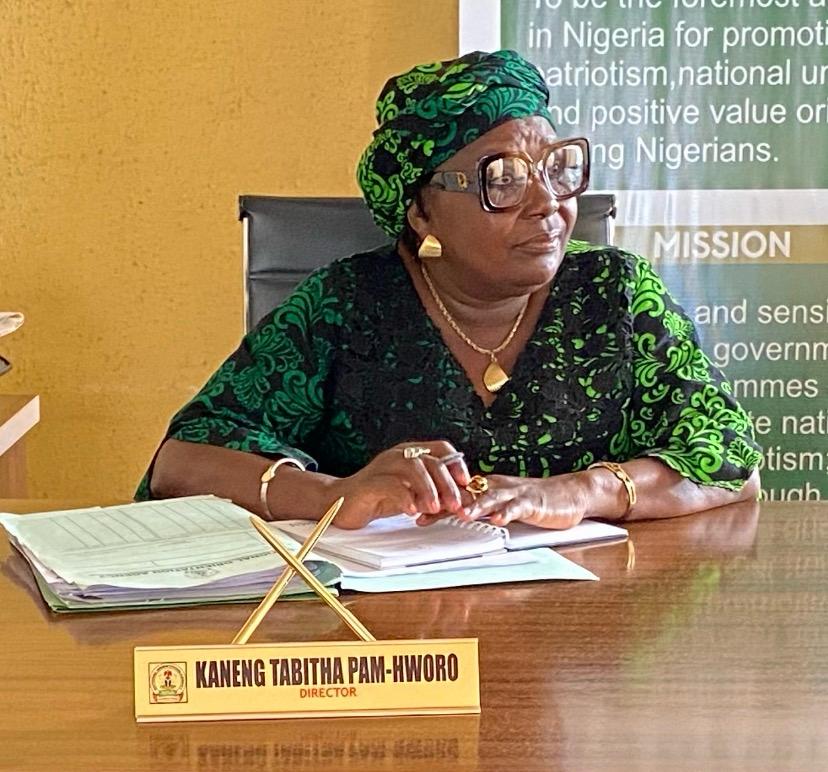
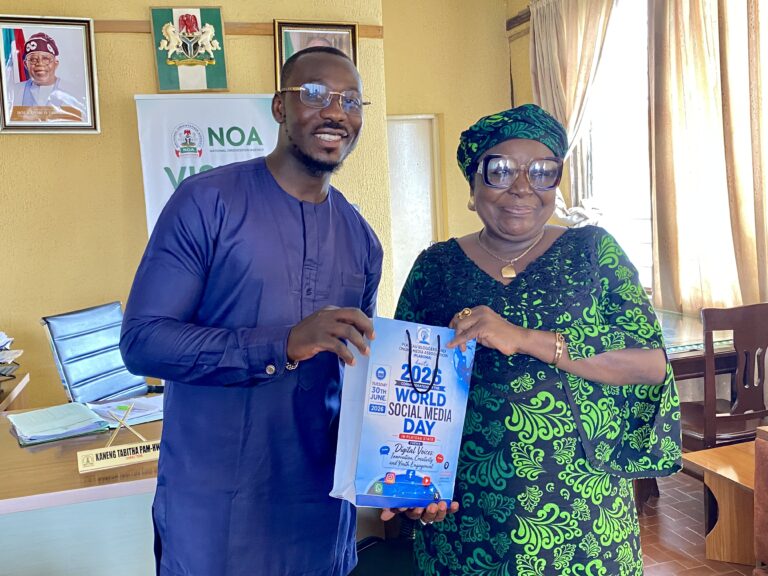
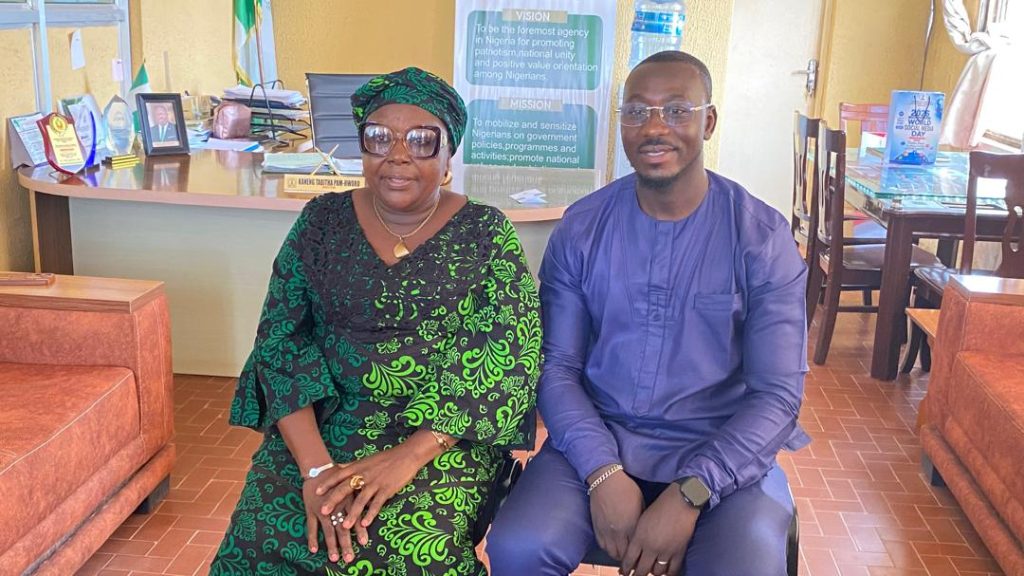
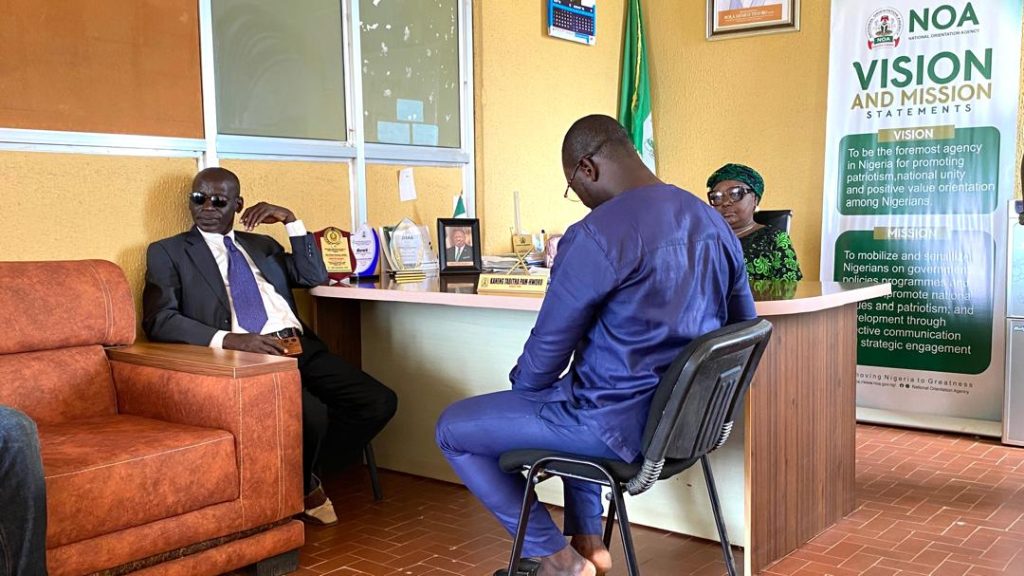
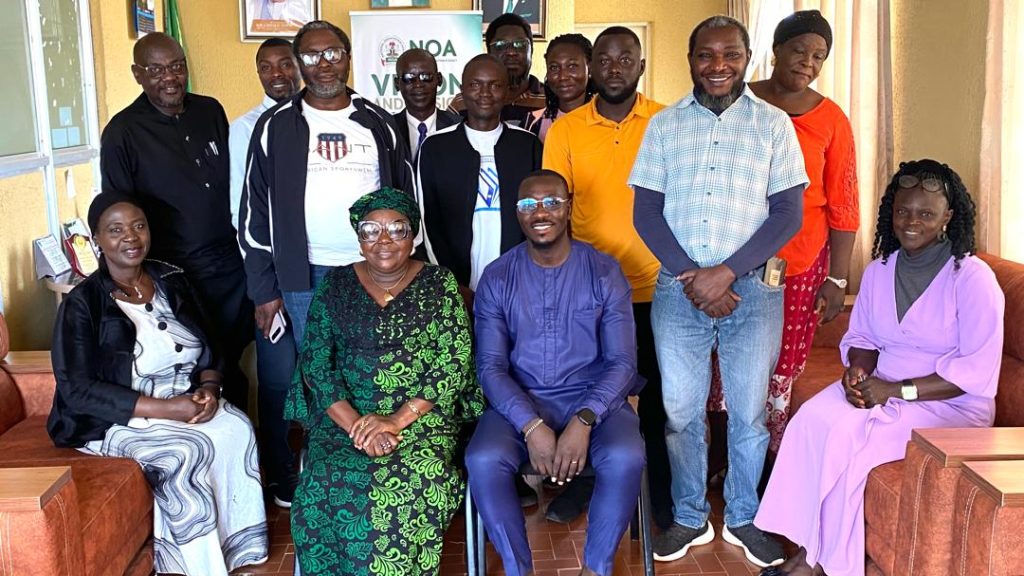
The Plateau State Bloggers and Online Media Association (PLABOMA) on Tuesday paid a courtesy visit to the Plateau State Directorate of the National Orientation Agency (NOA) to appreciate the State Director, Mrs. Kaneng Tabitha Pam-Hworo, for delivering the keynote address at the association’s recently concluded 2026 World Social Media Day celebration.

The delegation, led by the association’s General Secretary, Mr. Ibrahim Kallamu, was received by the NOA management team at the agency’s state office in Jos.

Speaking during the visit, Kallamu described the meeting as a “thank-you visit” on behalf of the association’s Chairman, Mr. Matthew Tegha, who was unavoidably absent.

He explained that PLABOMA, established in 2020 with 15 pioneer members under its first Chairman, Friday Bako, has grown into a professional association of more than 30 bloggers and online media practitioners committed to promoting responsible digital journalism.

Kallamu expressed gratitude to Pam-Hworo for accepting the association’s invitation at short notice and for delivering what he described as an insightful keynote address during the 2026 World Social Media Day celebration held at the Usiju World Event Centre.

According to him, the State Director’s presentation enriched the event and reinforced the importance of responsible information dissemination in the digital age.

“We are here to appreciate you for honouring our invitation and for the support you continue to give in promoting accurate, timely and responsible information to the public,” Kallamu said.

He also commended the National Orientation Agency for its sustained public enlightenment campaigns across Plateau State, recalling the agency’s active role during the 2024 local government elections.

Kallamu noted that PLABOMA and the NOA share a common responsibility of providing credible information to the public and pledged the association’s commitment to strengthening collaboration with the agency in combating fake news, misinformation, and disinformation.

Responding, the Plateau State Director of the National Orientation Agency, Mrs. Kaneng Tabitha Pam-Hworo, thanked the association for the visit, describing the gesture as thoughtful and encouraging.

She noted that although the association’s Chairman was unable to attend, his consistent communication ahead of the visit reflected the cordial relationship between both organizations.

Pam-Hworo reflected on the evolution of information dissemination, recalling a time when journalists manually wrote reports and transmitted them through fax machines before the rise of digital media.

She acknowledged that social media and online journalism have transformed communication by enabling information to reach audiences almost instantly.

While commending the rapid growth of new media, she cautioned practitioners against sacrificing accuracy for speed, stressing that every report should be thoroughly verified before publication.

She cited the circulation of false information regarding the ongoing Continuous Voter Registration (CVR) exercise as an example of how misinformation can mislead the public if left unchecked, noting that the report was promptly verified and debunked through the appropriate authorities.

“Be careful with the kind of news you publish. Verify your stories and avoid spreading fake news. Your reports should unite the country, not divide it,” she advised.

Pam-Hworo urged bloggers and online publishers to uphold professional ethics by reporting factual, balanced, and credible stories capable of strengthening public confidence in the media.

She assured PLABOMA of the agency’s continued support, emphasizing that the NOA remains committed to working closely with online media practitioners to promote civic education, public awareness, and national development.

The State Director further explained that the agency’s mandate extends beyond civic education to include public health campaigns, climate awareness, anti-human trafficking initiatives, and other national advocacy programmes.

She expressed optimism that stronger collaboration between the NOA and PLABOMA would enhance the dissemination of credible information and contribute significantly to combating fake news across Plateau State.
The visit concluded with both organizations reaffirming their commitment to continuing their partnership to promote responsible journalism, public enlightenment, and the dissemination of accurate information across the state.

Posted on — Leave a comment

Armed Hoodlums Raid Osun PVC Distribution Centre, Escape With Voter Cards

Suspected armed hoodlums on Sunday attacked a Permanent Voter Card (PVC) distribution centre at Oyinlola DC Primary School in Okuku, Odo-Otin Local Government Area of Osun State, making away with several packs of voter cards.

The attackers reportedly stormed the venue while officials of the Independent National Electoral Commission (INEC) were distributing PVCs to eligible voters. Witnesses said the hoodlums fired gunshots into the air, causing panic as residents and electoral officials fled for safety.

A resident, identified as Gbadebo, said the assailants, believed to be about eight in number, moved directly to where the PVCs were kept before fleeing with the cards.

“They shot into the air, forcing everyone to run. They then went straight to where the INEC officials kept the PVCs and escaped with some packs,” he said.

Confirming the incident, the spokesperson for the Osun State Police Command, SP Abiodun Ojelabi, said about 10 armed thugs carried out the attack and successfully carted away three packs of Permanent Voter Cards.

He disclosed that the Commissioner of Police, Ibrahim Gotan, had condemned the attack and ordered a thorough investigation to identify, arrest, and prosecute those responsible.

According to Ojelabi, tactical and intelligence units have been deployed to track down the suspects and recover the stolen PVCs. He reassured residents of the command’s commitment to maintaining law and order and urged anyone with useful information to report to the nearest police station or contact the police through the command’s emergency lines.

The incident temporarily disrupted the PVC distribution exercise, raising fresh concerns over the security of electoral materials ahead of future elections.

Posted on — Leave a comment

PEPSA Launches Frameworks To Improve Environmental Governance and Sanitation Services

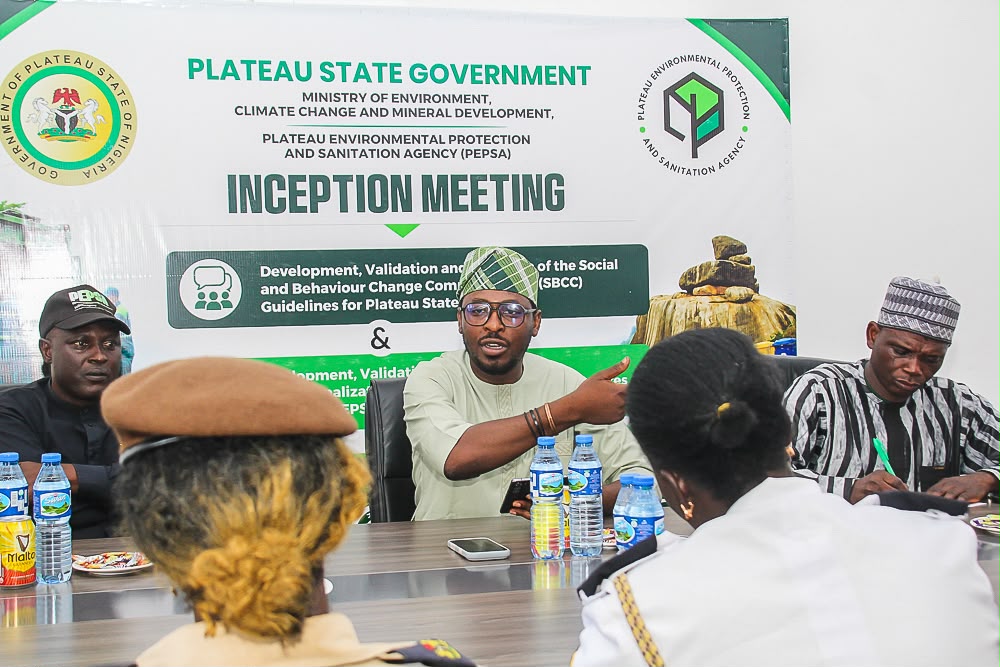
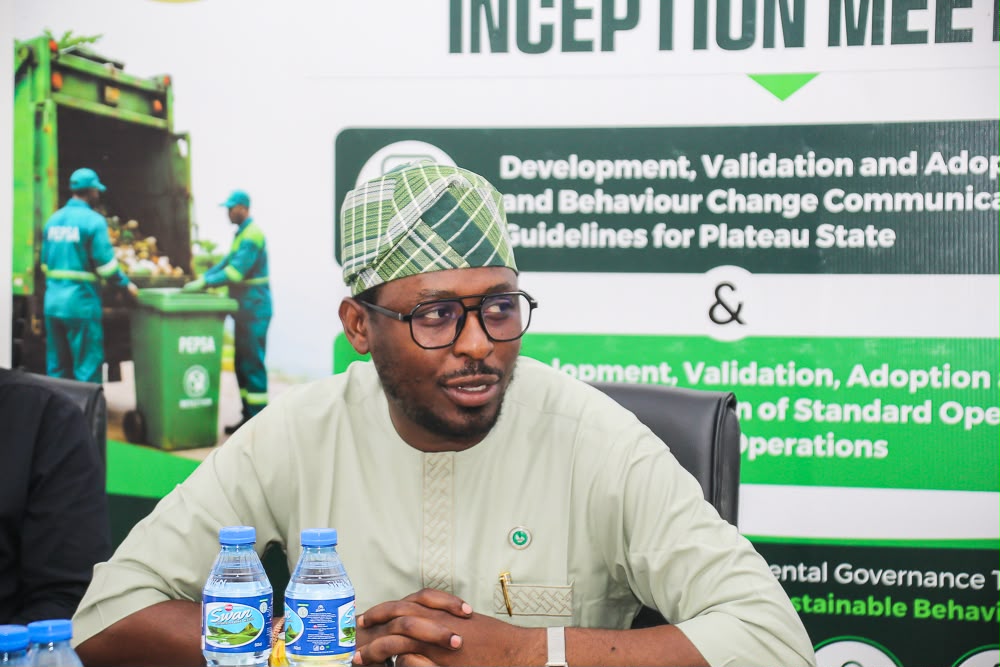
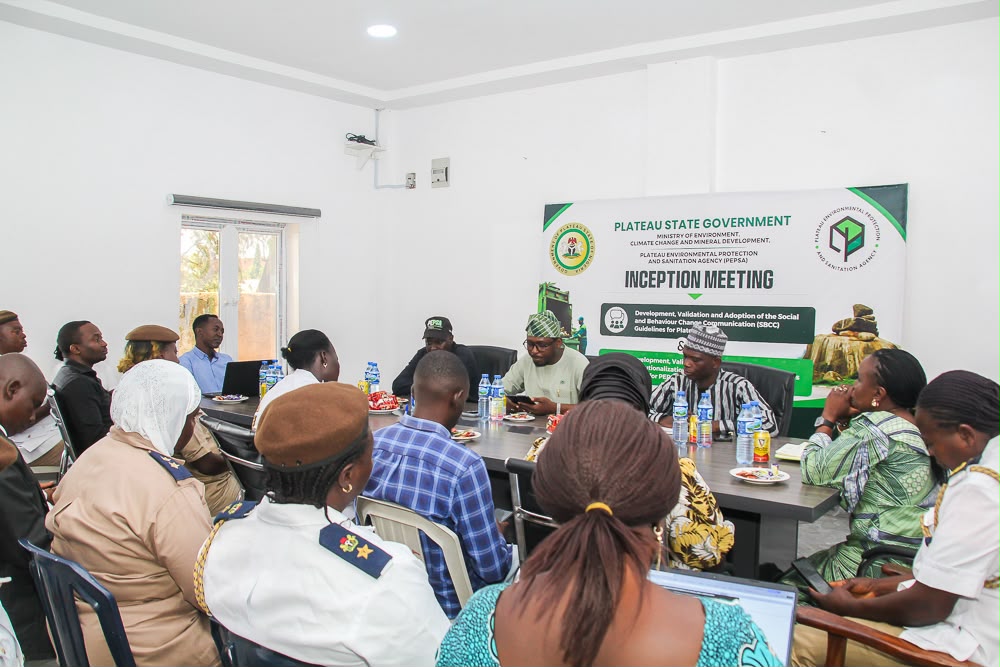
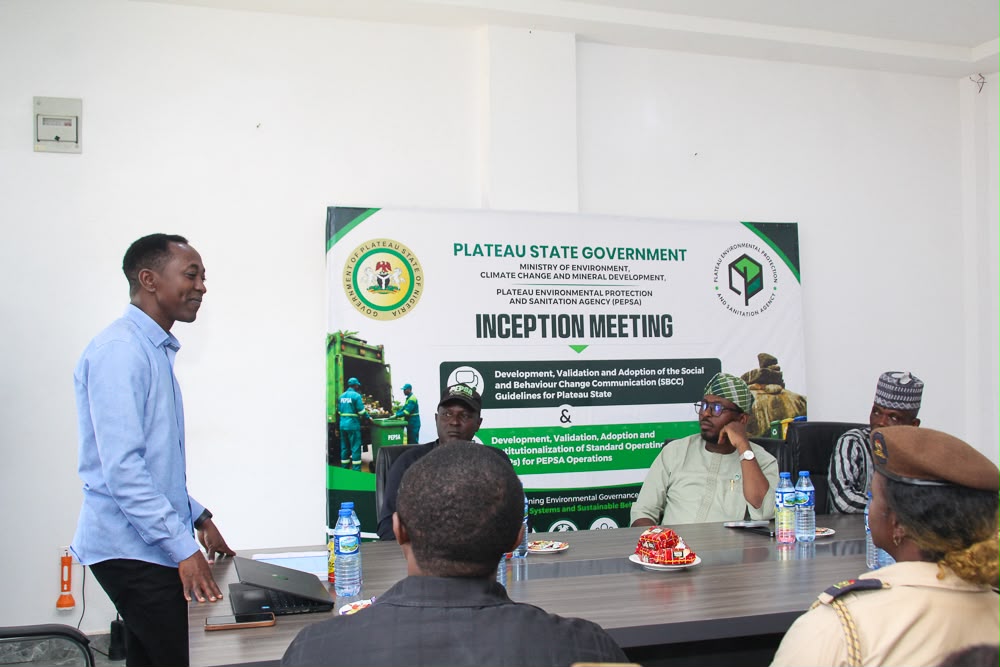
The Plateau State Environmental Protection and Sanitation Agency (PEPSA) has commenced the development of two landmark institutional frameworks aimed at strengthening environmental governance, improving sanitation service delivery, and promoting sustainable behaviour change across Plateau State.
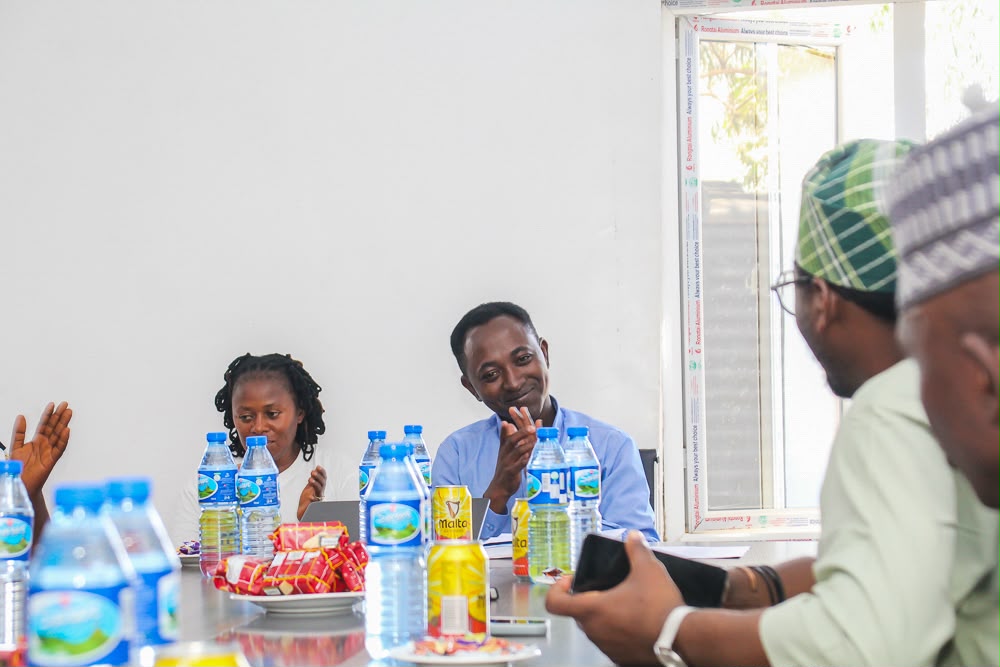
The initiative, officially launched during an inception meeting at the Agency’s headquarters, will produce the Plateau State Social and Behaviour Change Communication (SBCC) Guidelines and the Standard Operating Procedures (SOPs) for PEPSA Operations. The consultancy is being led by Lead Technical Consultant, Herbert Gomagallah Daniel, with the support of a multidisciplinary team of experts.

Speaking at the inception meeting, the Director General of PEPSA, Samuel Nathaniel Dapiya, described the exercise as a major institutional reform designed to strengthen the Agency’s systems and improve service delivery. He explained that the SBCC Guidelines will provide a practical framework for promoting positive sanitation behaviours among households, schools, businesses, markets, transport operators, institutions, and communities across the State.

According to him, sustainable environmental sanitation cannot be achieved through infrastructure and law enforcement alone, but also requires continuous public engagement and behaviour change. He added that the Guidelines will standardize sanitation messaging, strengthen stakeholder collaboration, encourage community participation, and ensure communication strategies are inclusive and culturally appropriate.

On the development of the Standard Operating Procedures, the Director General said the SOPs will establish clear operational processes, improve accountability, define staff responsibilities, strengthen coordination across departments, and preserve institutional knowledge. He emphasized that the goal is to build an institution driven by effective systems rather than individuals.

Presenting the consultancy approach, Lead Technical Consultant Herbert Gomagallah Daniel said the assignment will adopt a participatory and evidence-based process involving consultations with management, technical staff, field officers, local government representatives, development partners, and other key stakeholders. He noted that the project will also include staff capacity development, implementation tools, monitoring and evaluation frameworks, and validation processes to ensure ownership and sustainability.

He added that while the SBCC Guidelines will provide a unified framework for transforming sanitation into a shared social responsibility, the SOPs will simplify workflows, improve coordination, strengthen accountability, and provide practical standards that enhance operational efficiency across the Agency.

Upon completion, the two frameworks are expected to strengthen PEPSA’s institutional capacity, improve coordination with key stakeholders, enhance public confidence, and provide a model for environmental sanitation and behaviour change communication in Nigeria. The initiative also aligns with the Plateau State Government’s commitment to improving environmental governance, advancing public health, promoting sustainable sanitation practices, and achieving Sustainable Development Goal 6 on Clean Water and Sanitation.

Posted on — Leave a comment

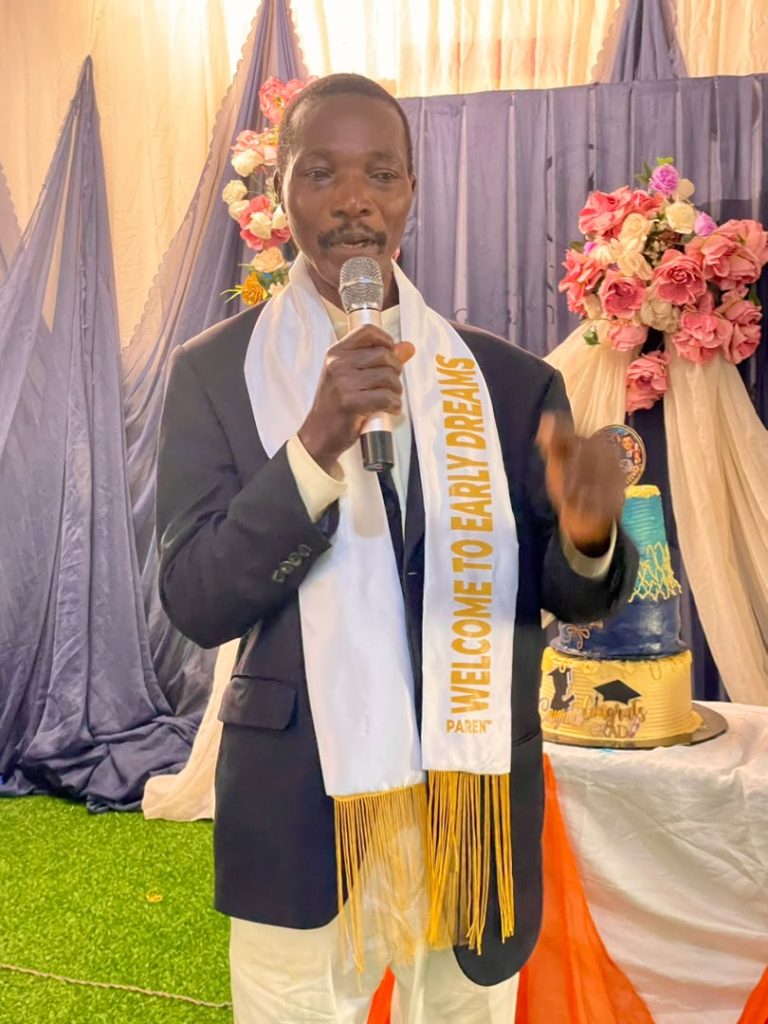
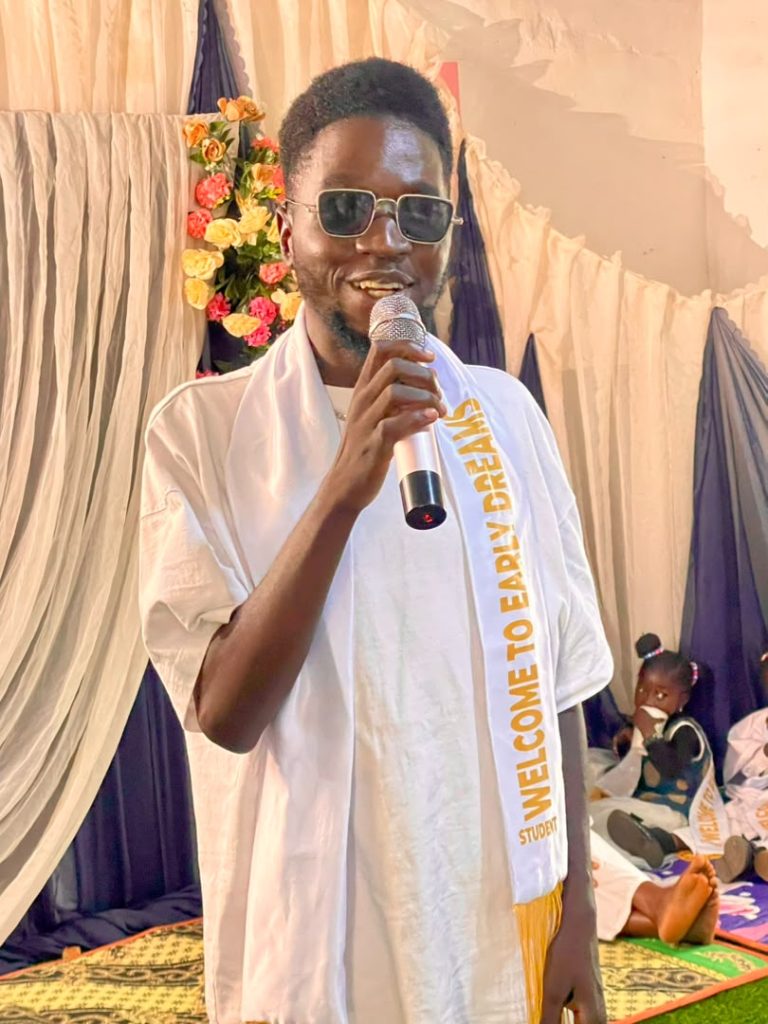
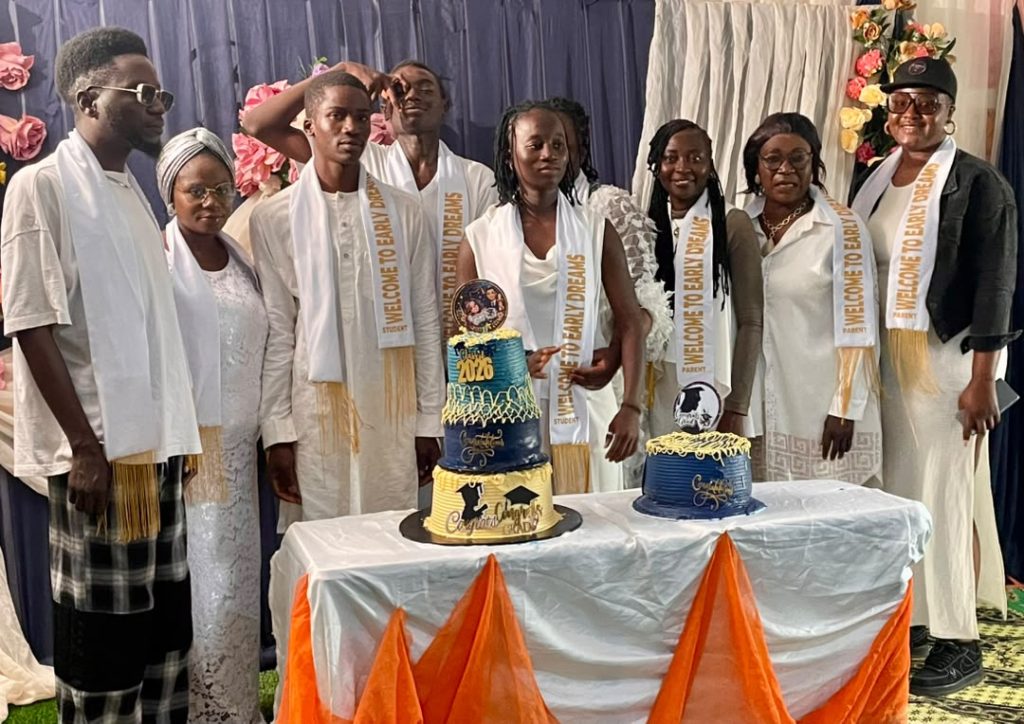
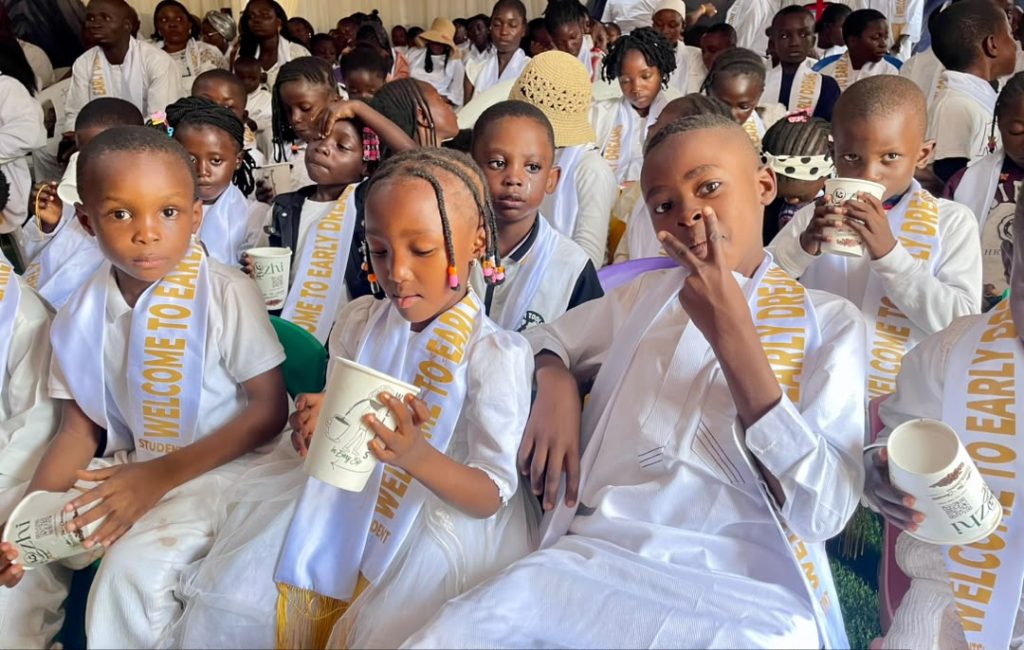
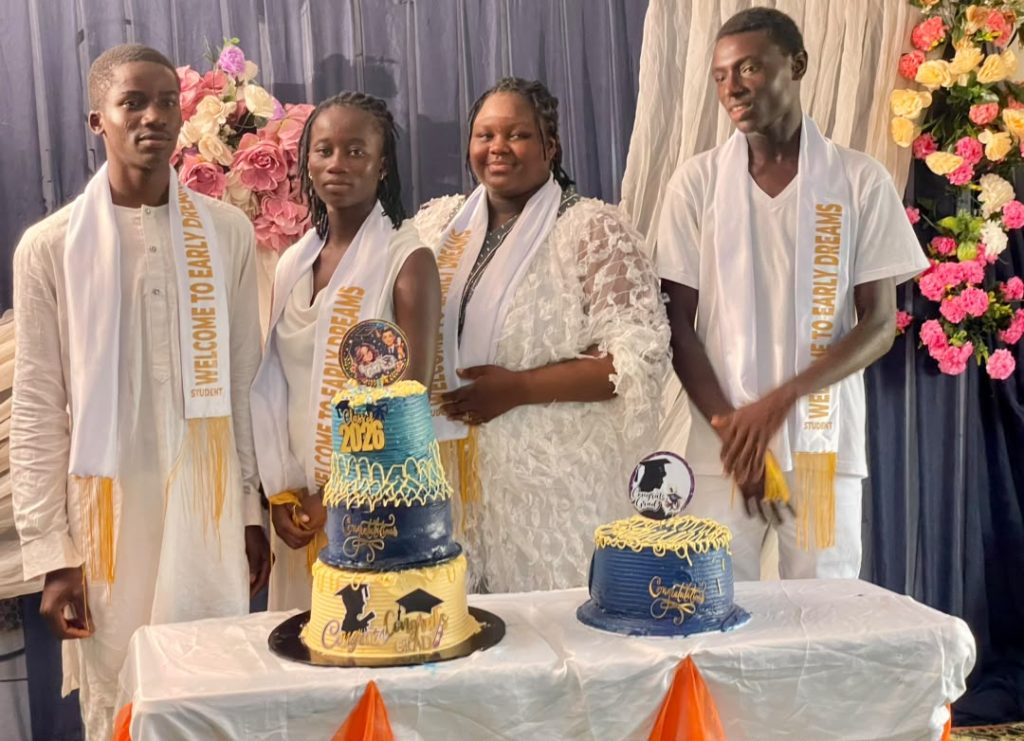
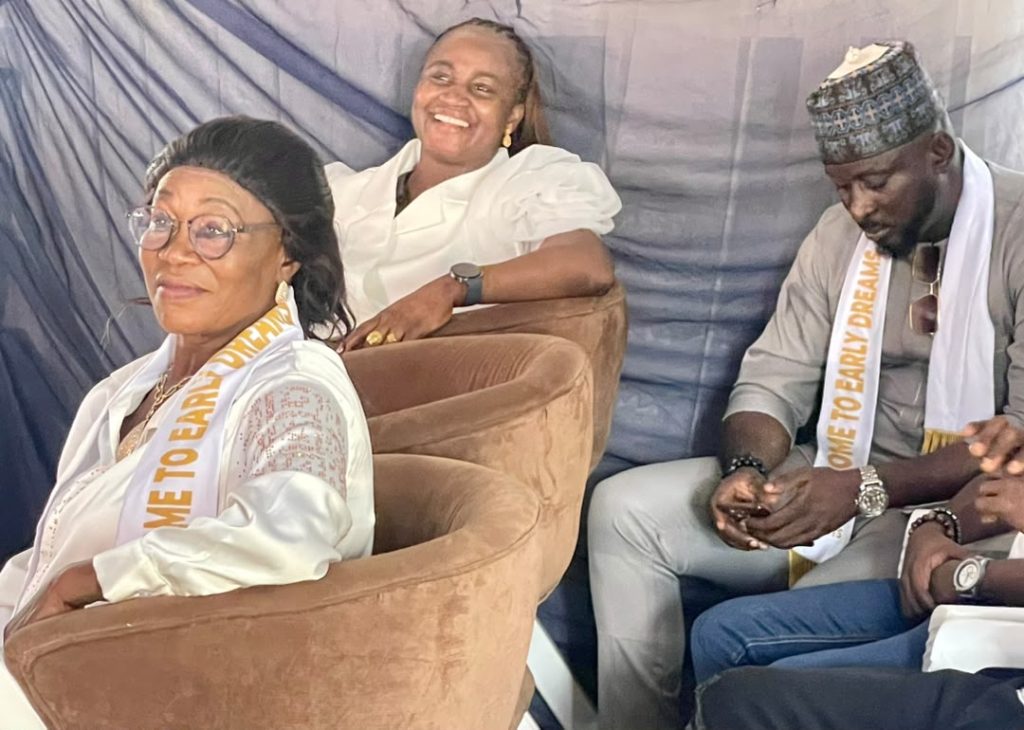
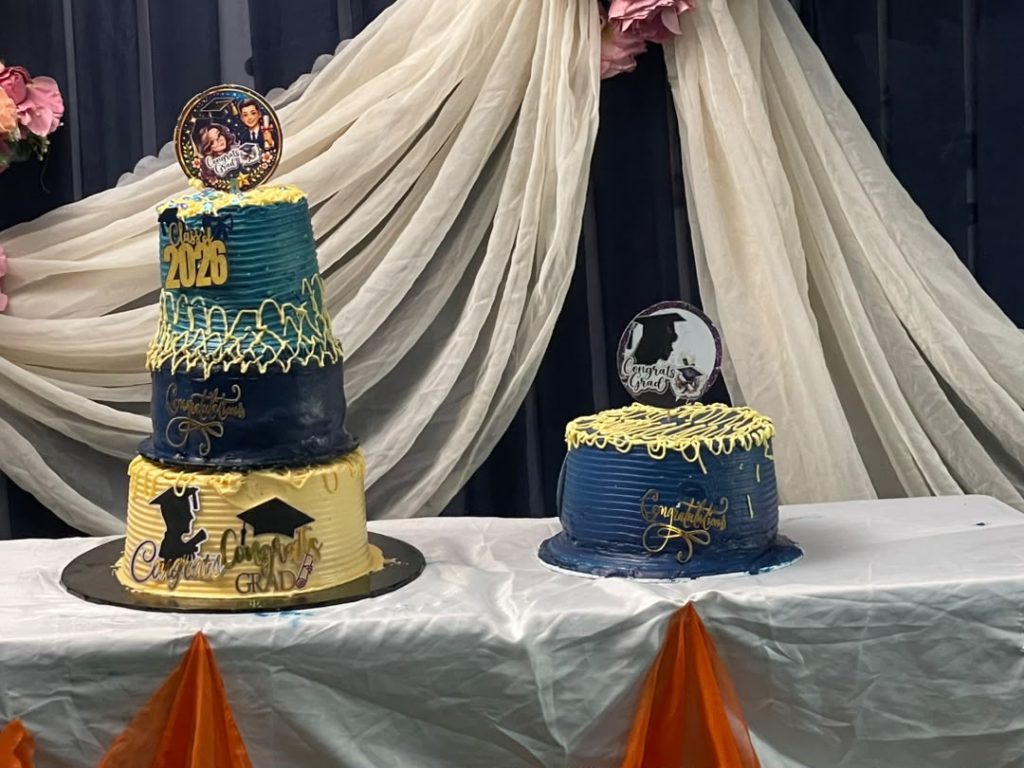
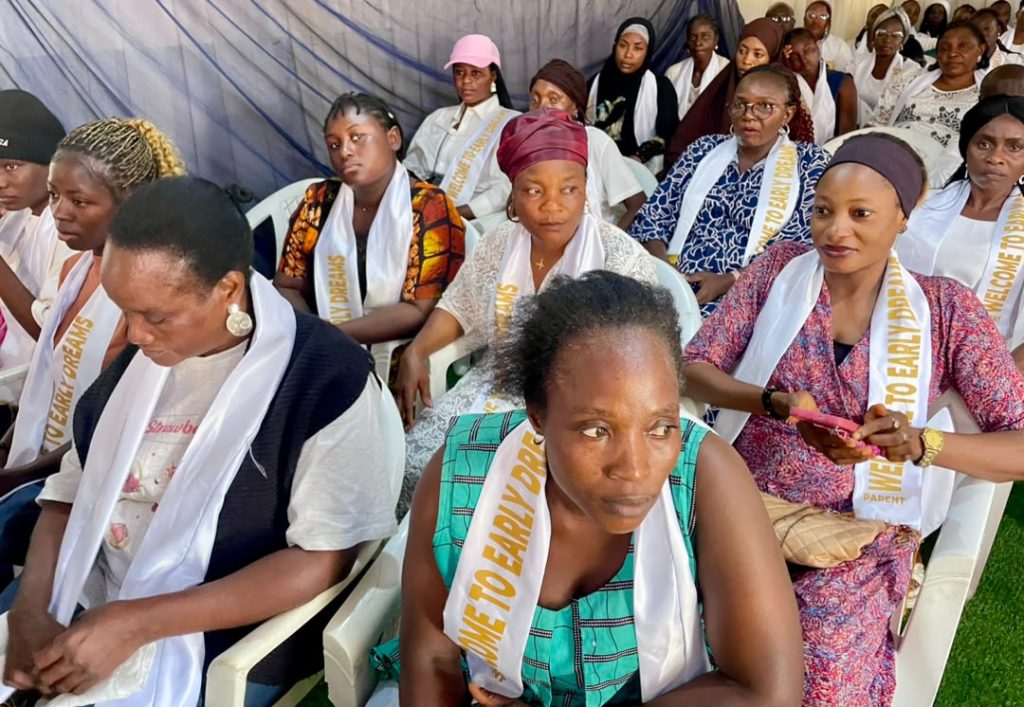
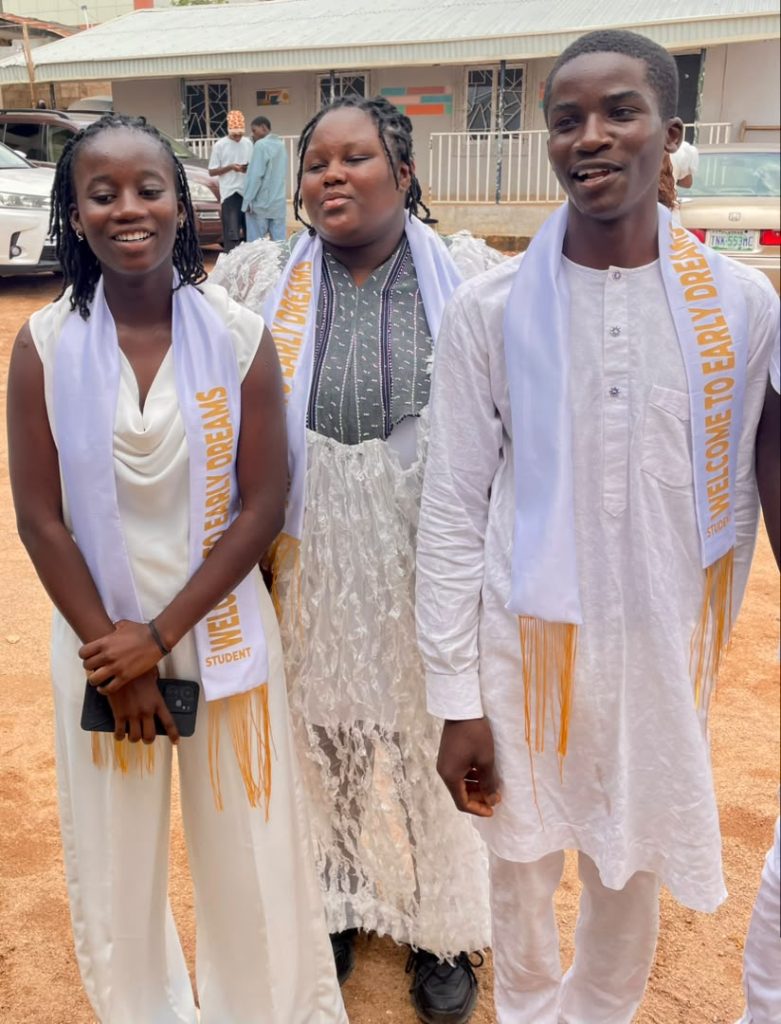
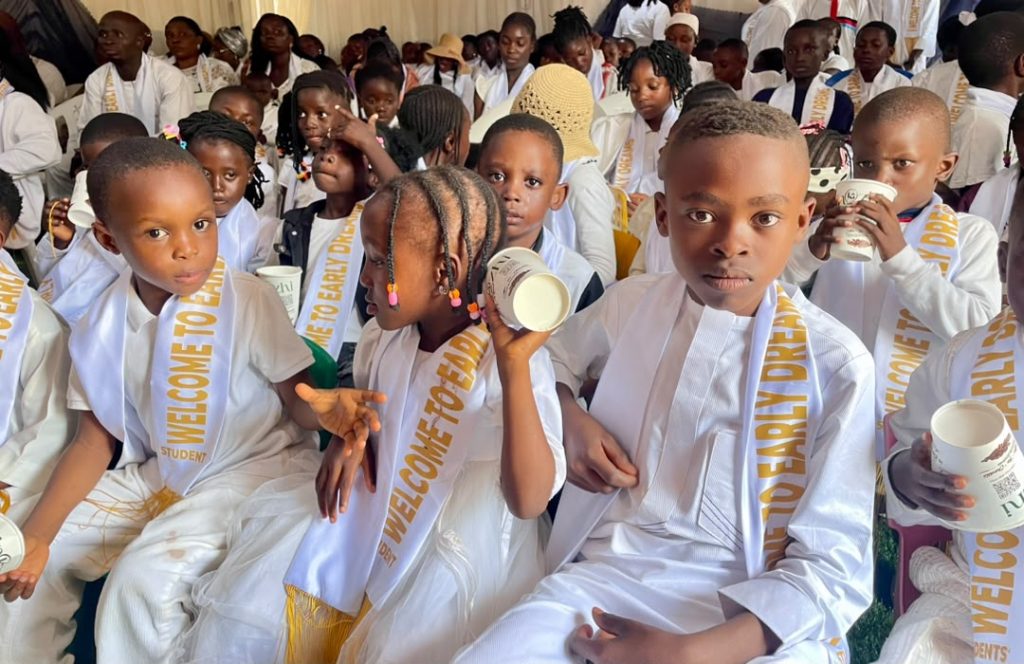
Early Dreams Academy Celebrates Graduation, Reaffirms Commitment to Inclusive Education and Skills Development

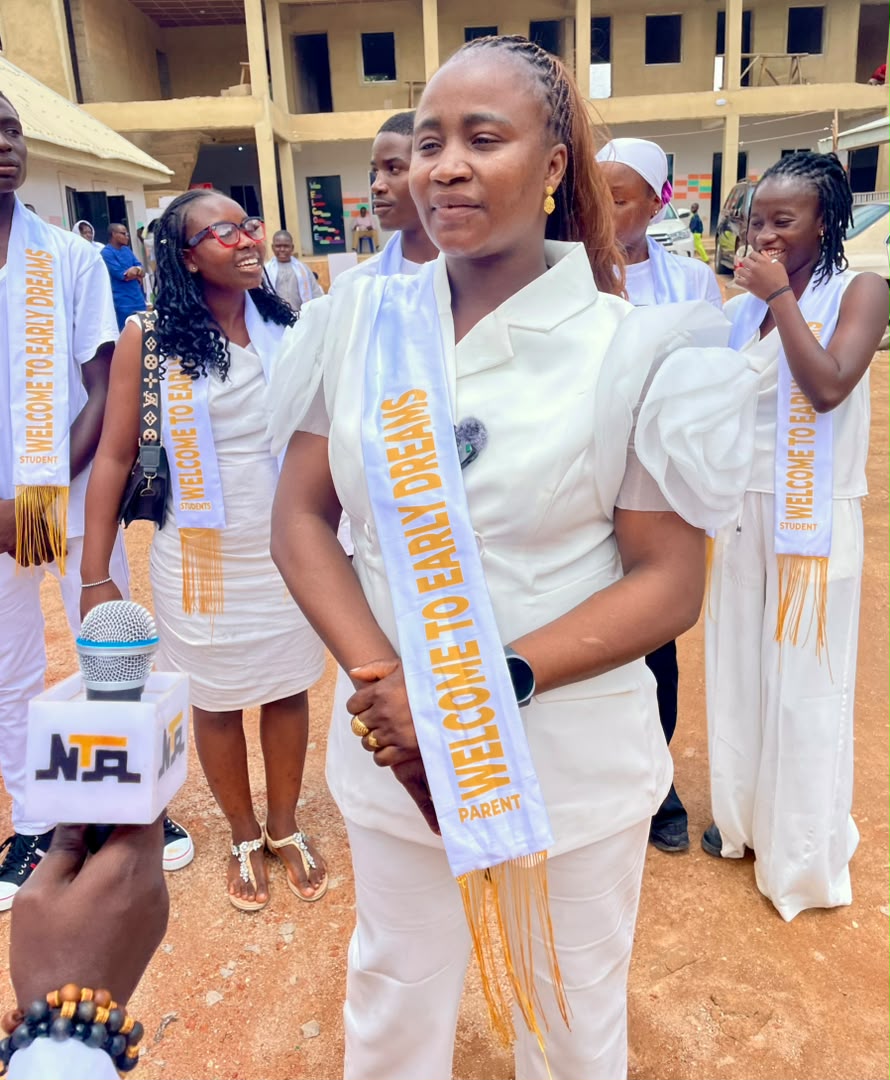
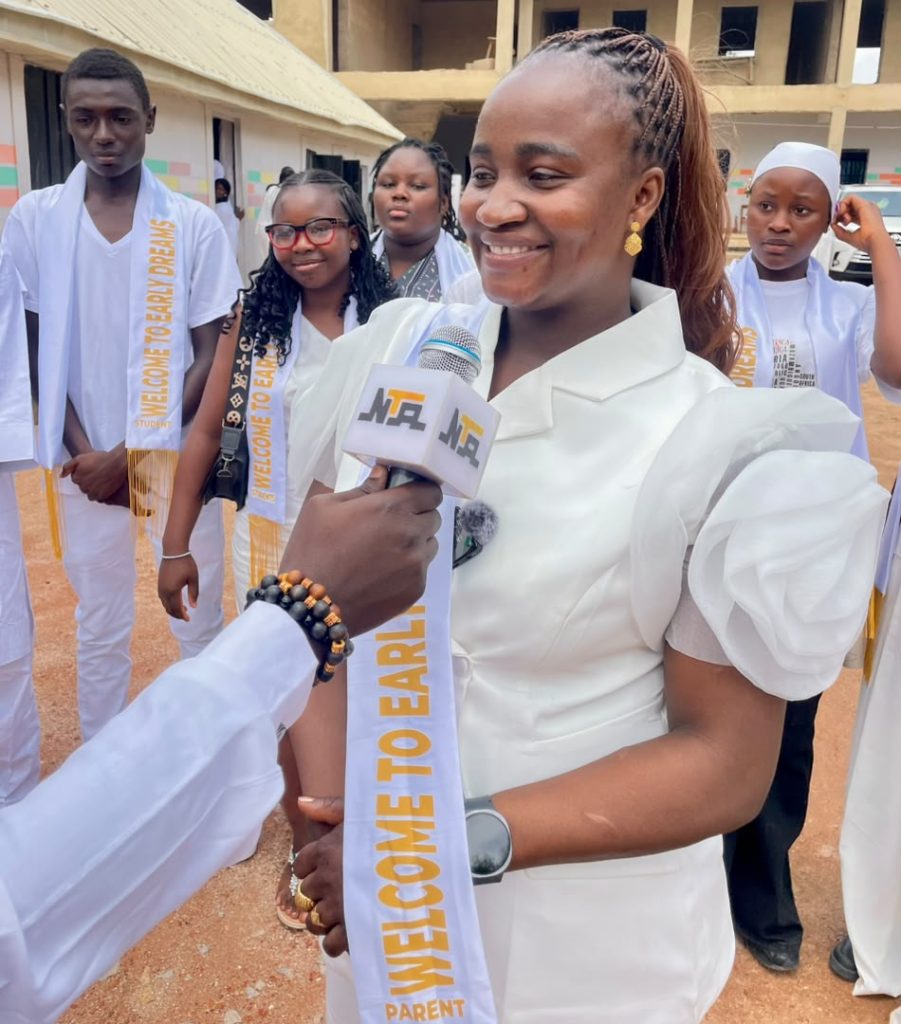
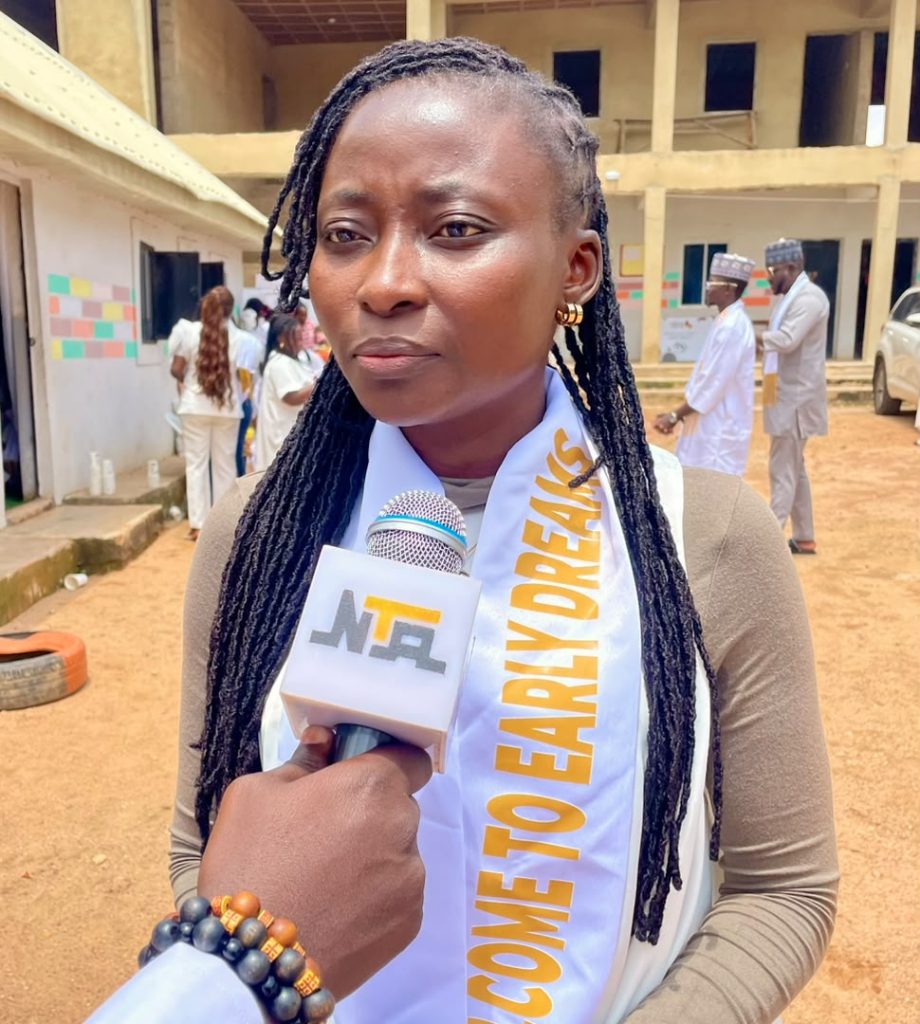
Early Dreams Inclusive Academy has reaffirmed its commitment to raising future leaders through quality and inclusive education as it prepares to celebrate its 10th anniversary in 2027.

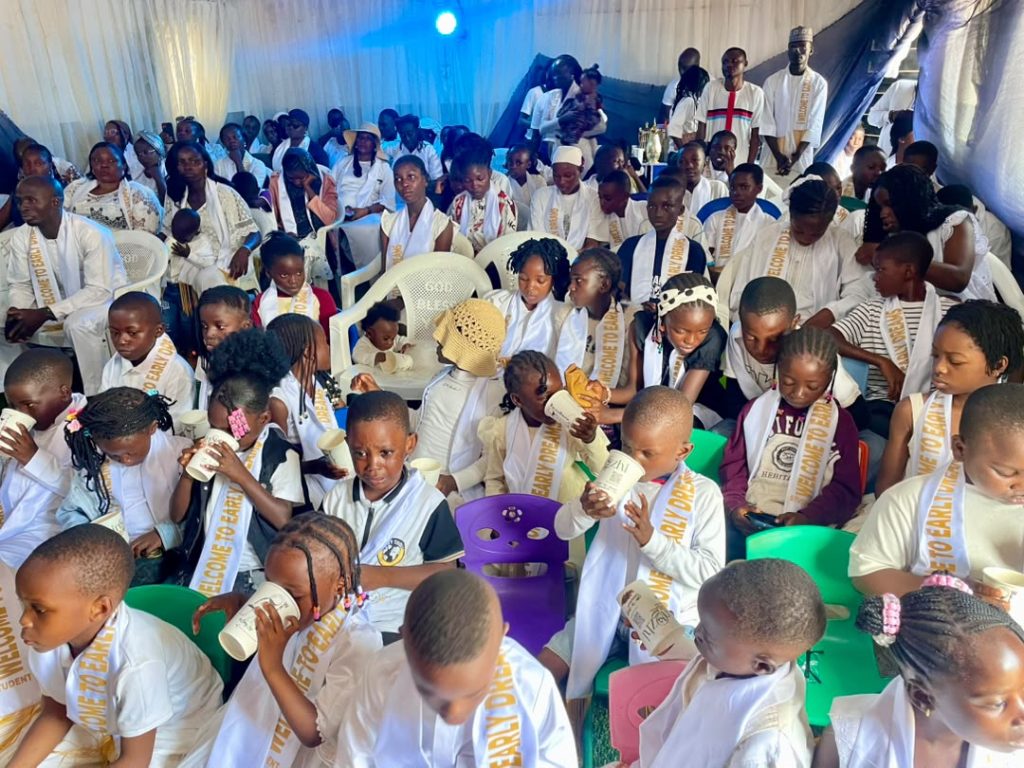
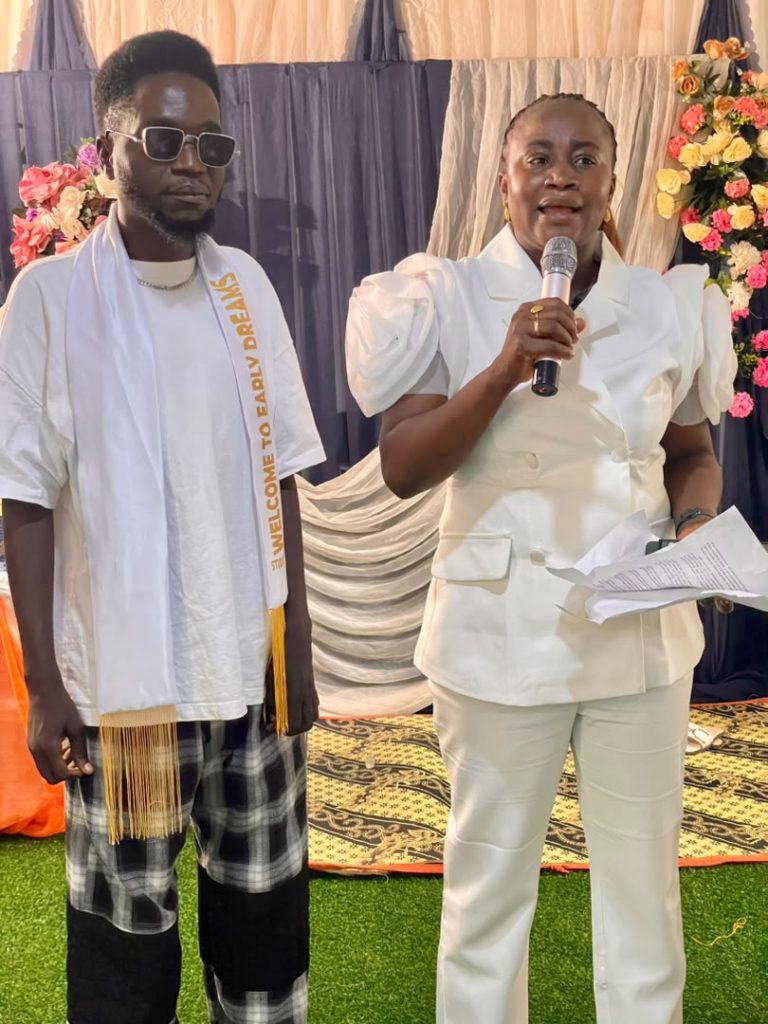
Speaking during the academy’s graduation ceremony and special breakfast with parents, the Director, Mrs. Nanman Blessing Tangtur, said the institution was founded with a passion for education and a vision to nurture responsible leaders. She disclosed that the upcoming anniversary will feature scholarship opportunities, the establishment of a skills development centre, and expansion projects aimed at strengthening the academy’s impact.

Mrs. Tangtur stressed the need to improve teachers’ welfare, describing educators as vital to shaping the future of children beyond classroom instruction. She also announced plans to provide more support for parents while appealing to international organizations to partner with the academy in promoting inclusive education for children with disabilities, including the visually impaired, hearing impaired, and autistic learners.

She encouraged parents and students to embrace skills acquisition, noting that sustainable employment begins with quality education, entrepreneurship, and self-reliance rather than dependence on government jobs.

Also speaking, the Administrator of the academy, Mrs. Nehemiah Faith Nyango, described the special breakfast as an opportunity to appreciate parents for their trust and unwavering support throughout the academic session. She emphasized that the education of every child is a shared responsibility between the school and parents, urging both to work together in unity to raise responsible and exceptional children.

In his testimony, a parent, Mr. James Goshwe, commended the remarkable growth of the academy, attributing its success to perseverance, faith, and the visionary leadership of Mrs. Tangtur. He praised her integrity and dedication, recalling the challenges faced in the early years and expressing confidence that the academy would continue to thrive. He also applauded the progress of the parents’ association, which has evolved into a structured body with a constitution and democratically elected executives.

The President of the Early Dreams Foundation, Prince Dalong, also lauded Mrs. Tangtur’s unwavering commitment to supporting persons with disabilities. He revealed that since its establishment in 2018, the foundation has impacted more than 1,000 beneficiaries by providing educational support, assistive learning materials, and opportunities for vulnerable children, particularly those living with disabilities. He stressed that the foundation continues to prove that there is “ability in disability” by empowering beneficiaries through inclusive education.

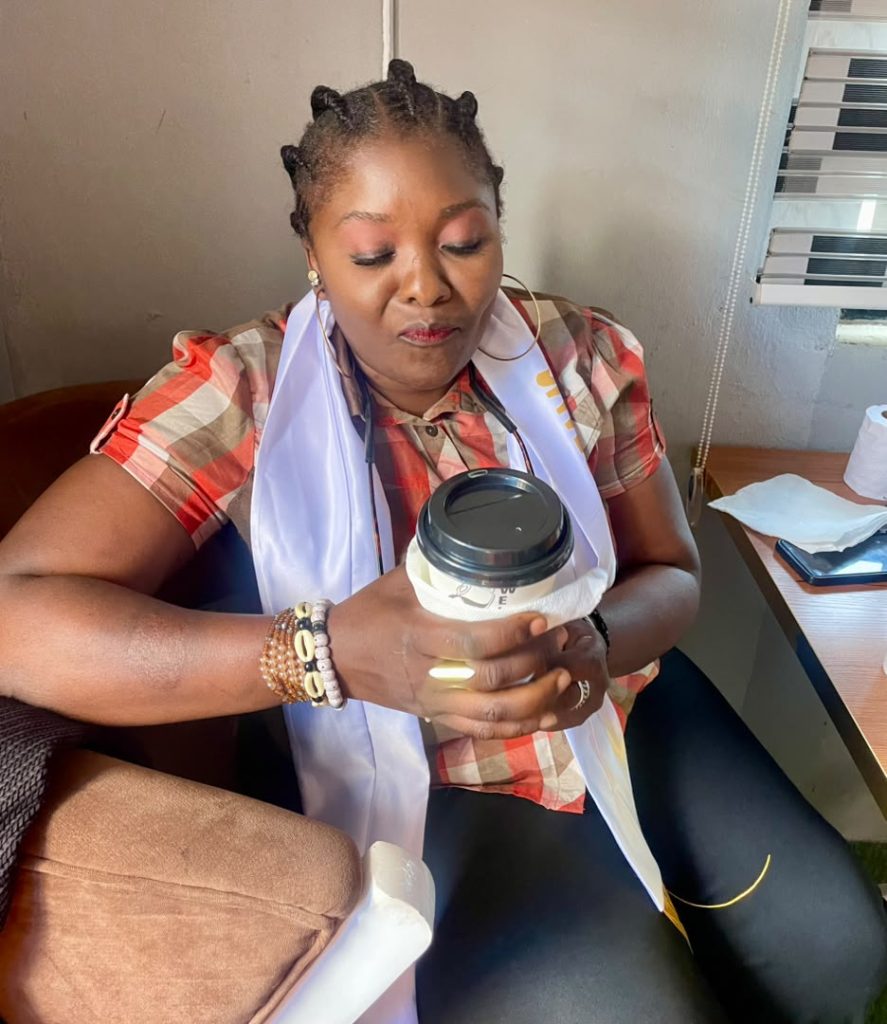
The event brought together students, parents, staff, and stakeholders to celebrate academic achievements while reinforcing the academy’s commitment to inclusive education, skills development, and community partnership as it looks ahead to its landmark 10th anniversary in 2027.

Posted on — Leave a comment

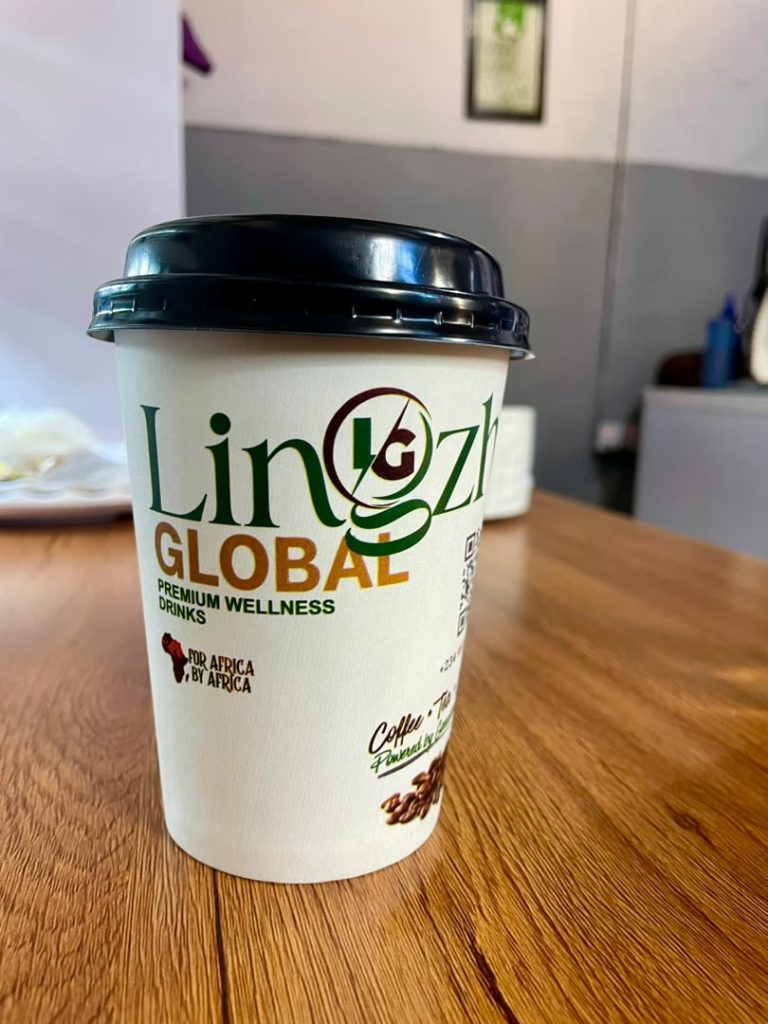
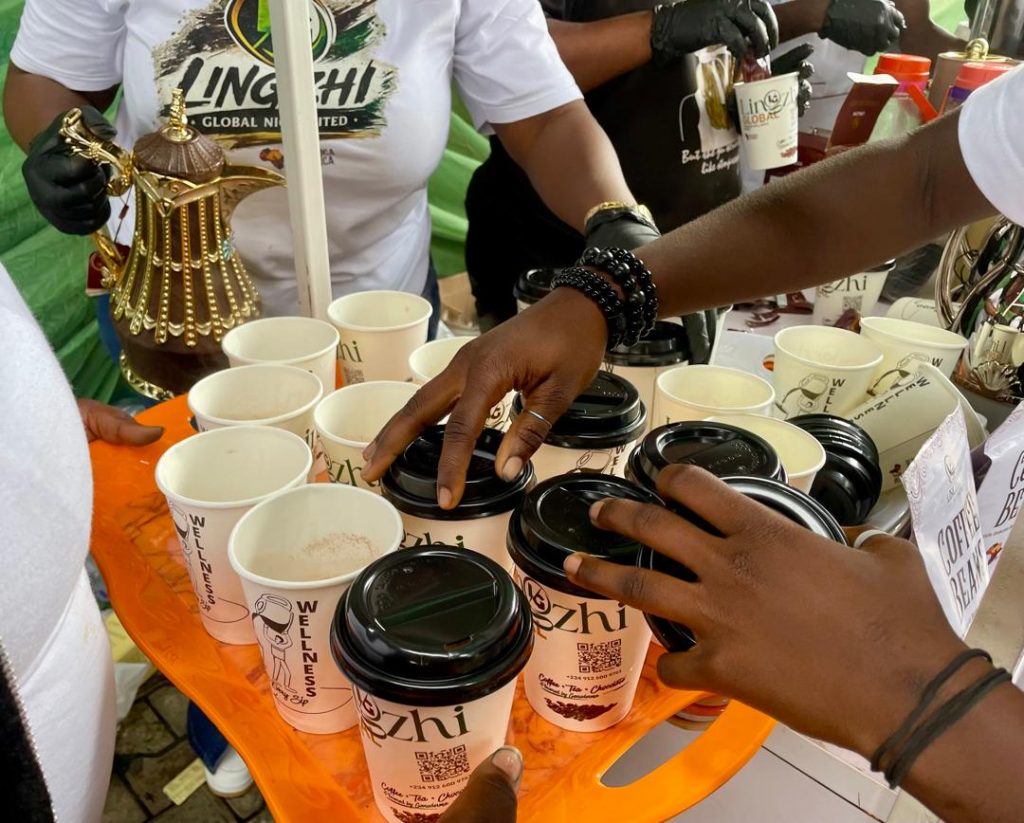
Jos Coffee Hangout: Lingzhi Global Drives Jobs, Investment, and Coffee Value Chain Development

By 4wardwego News

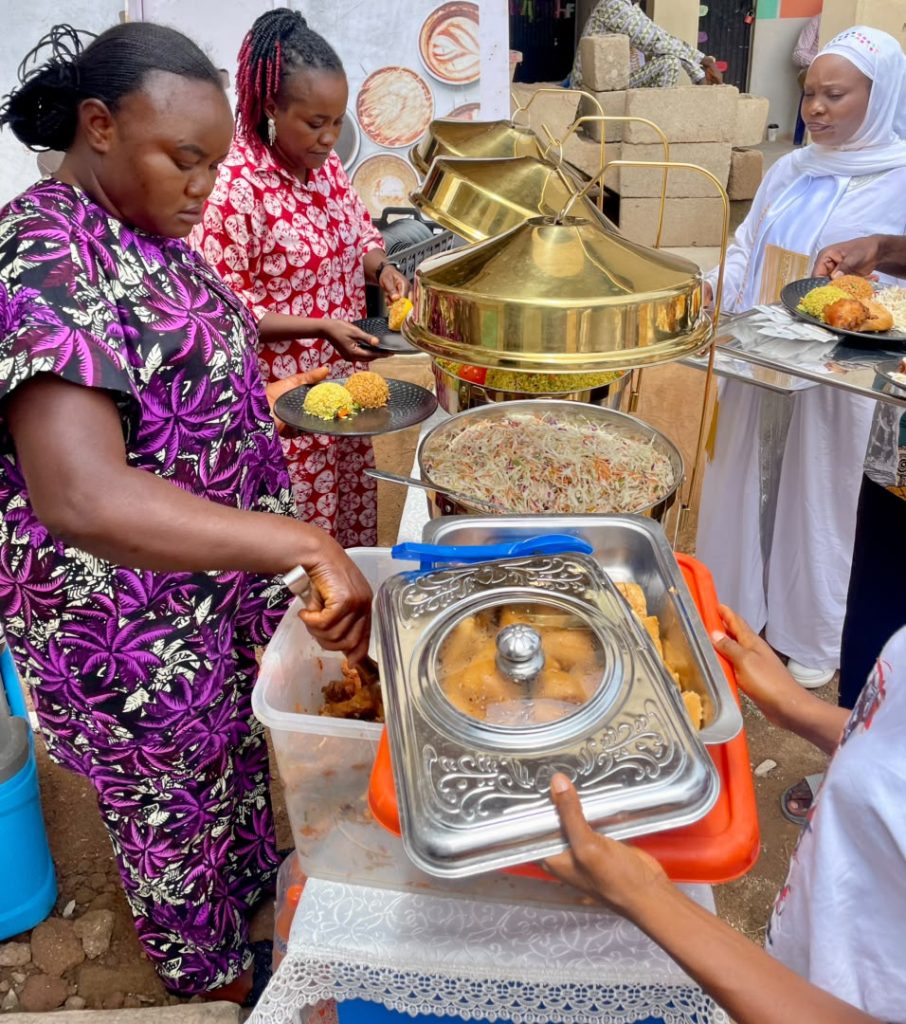
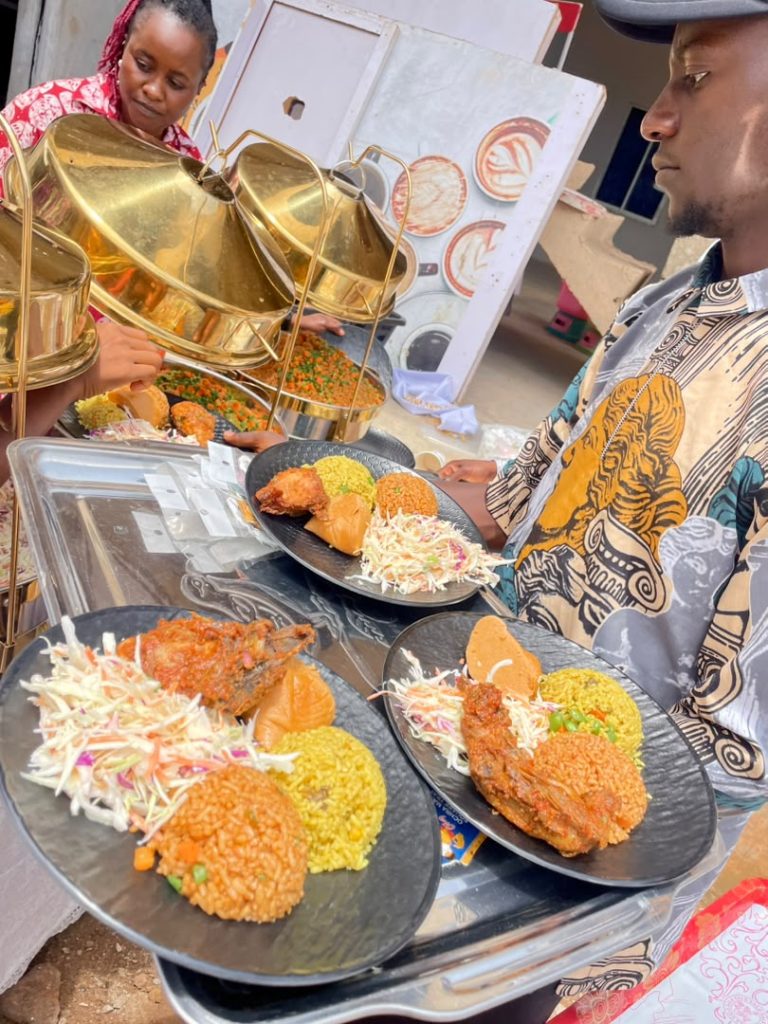
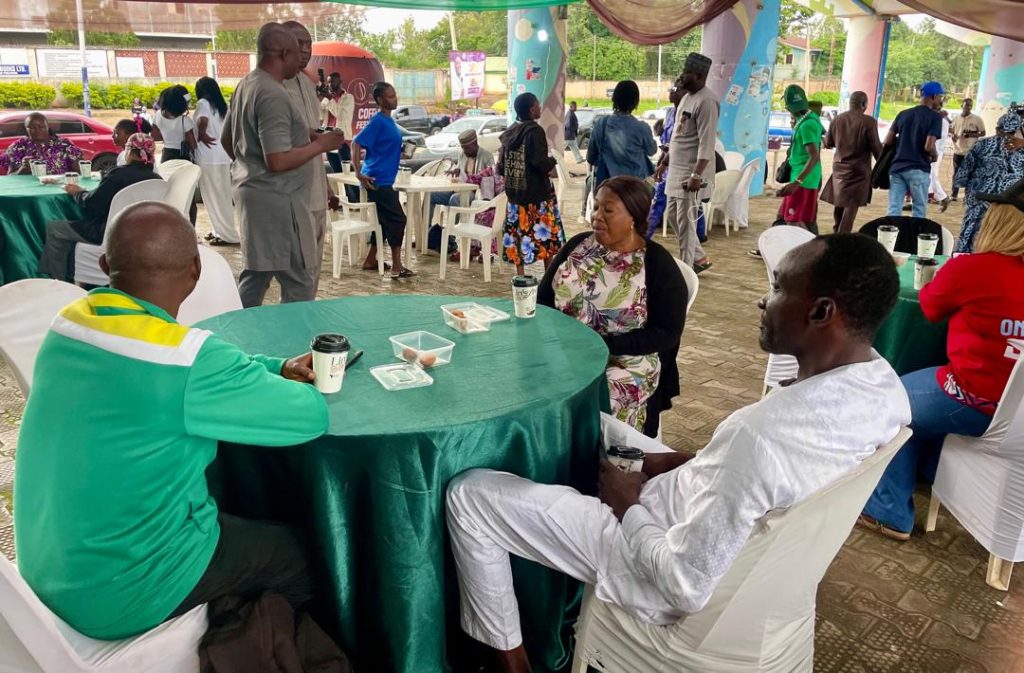
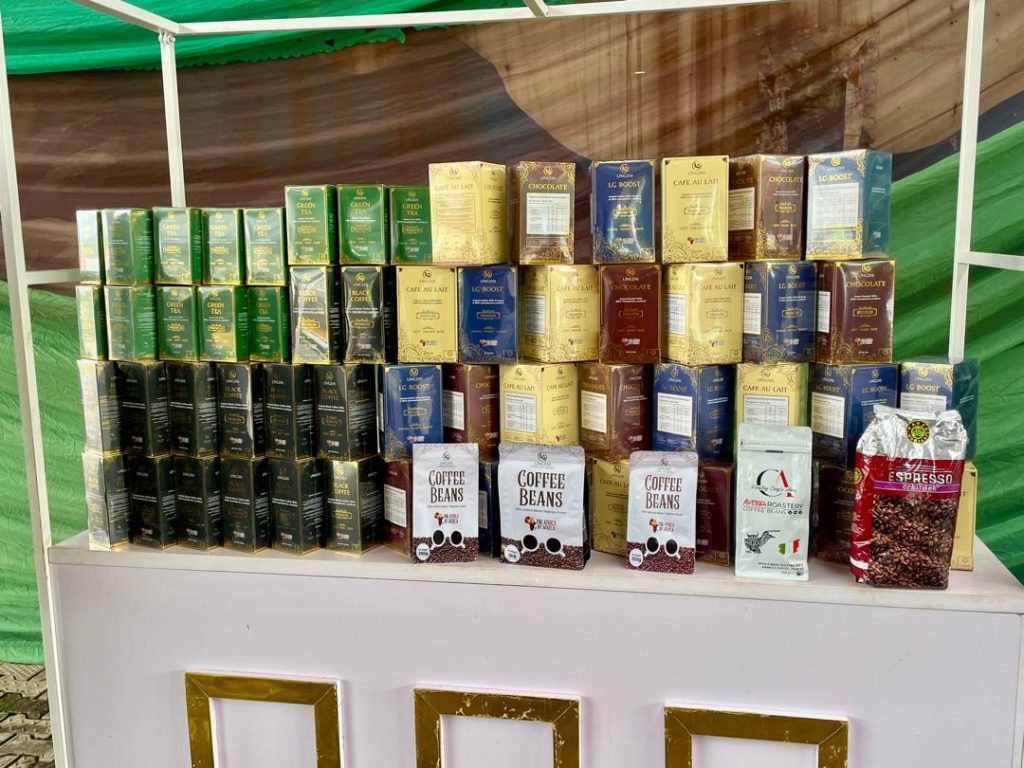
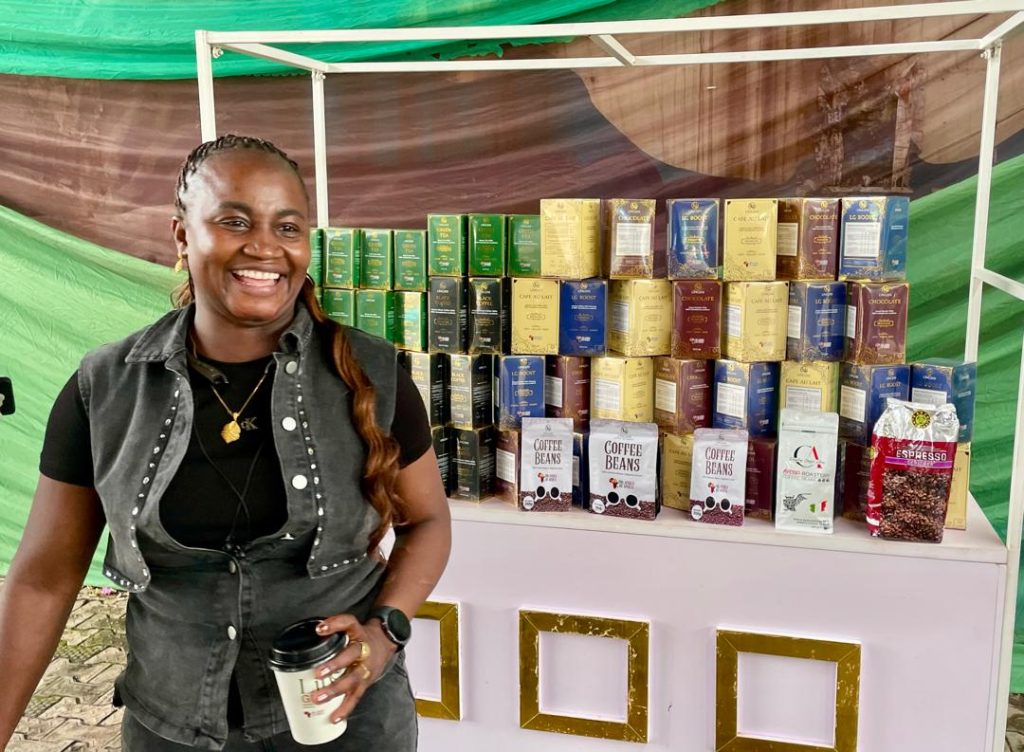
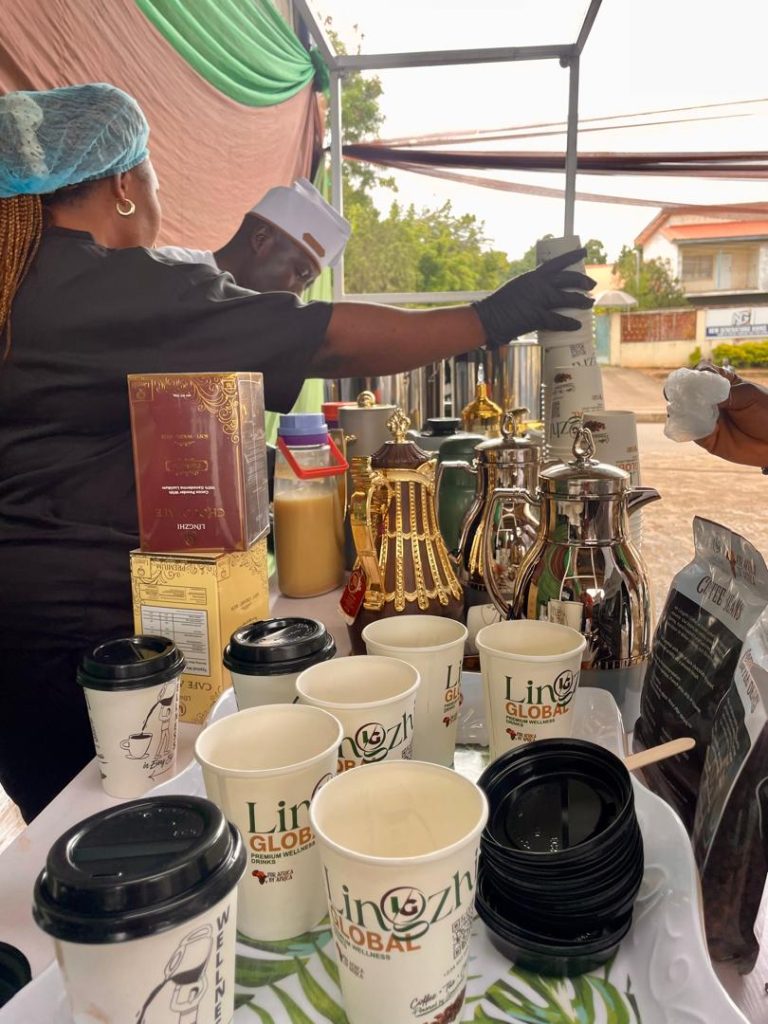
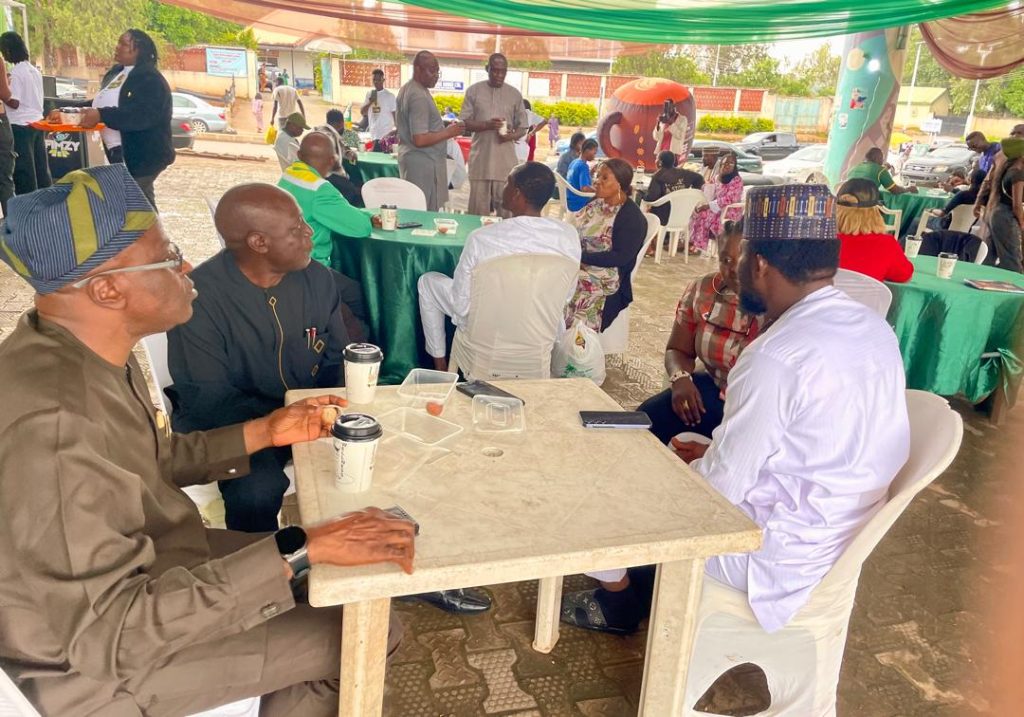
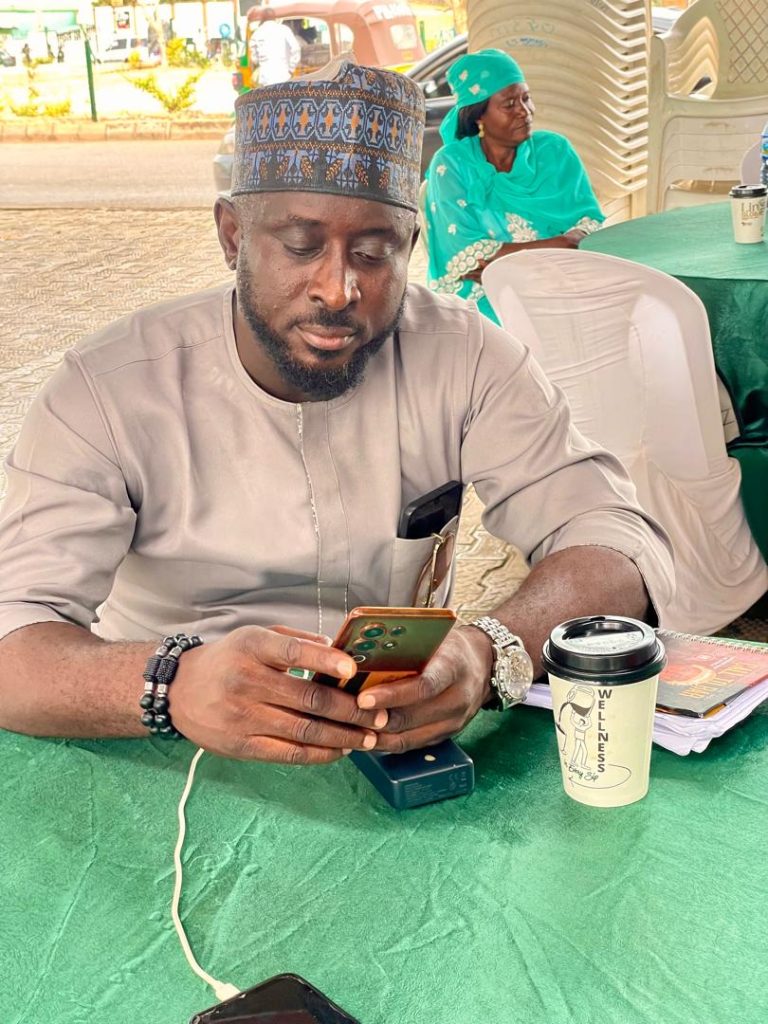
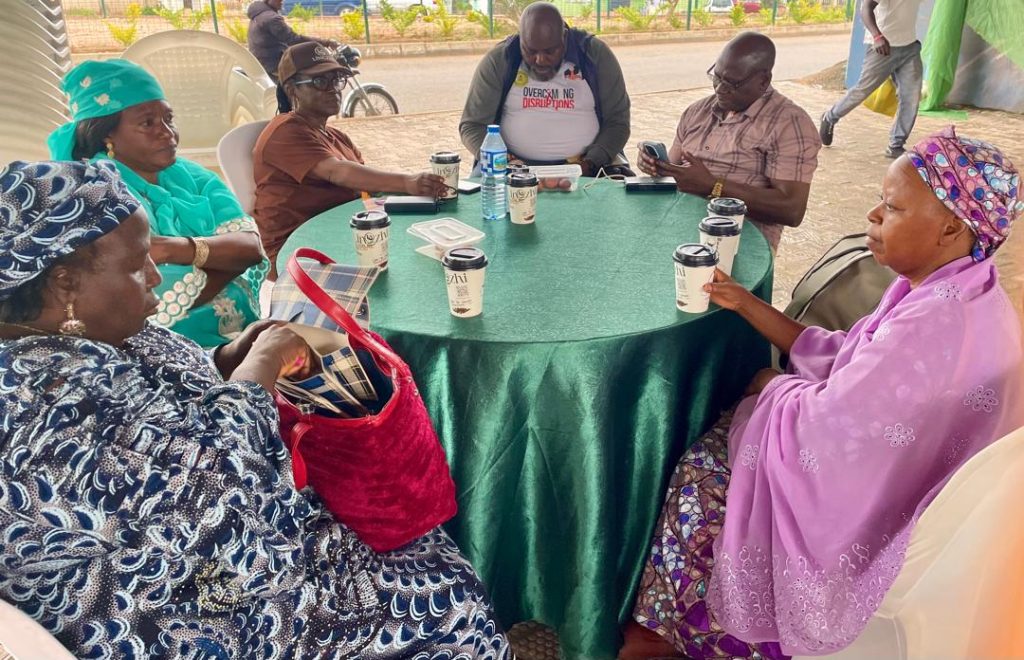
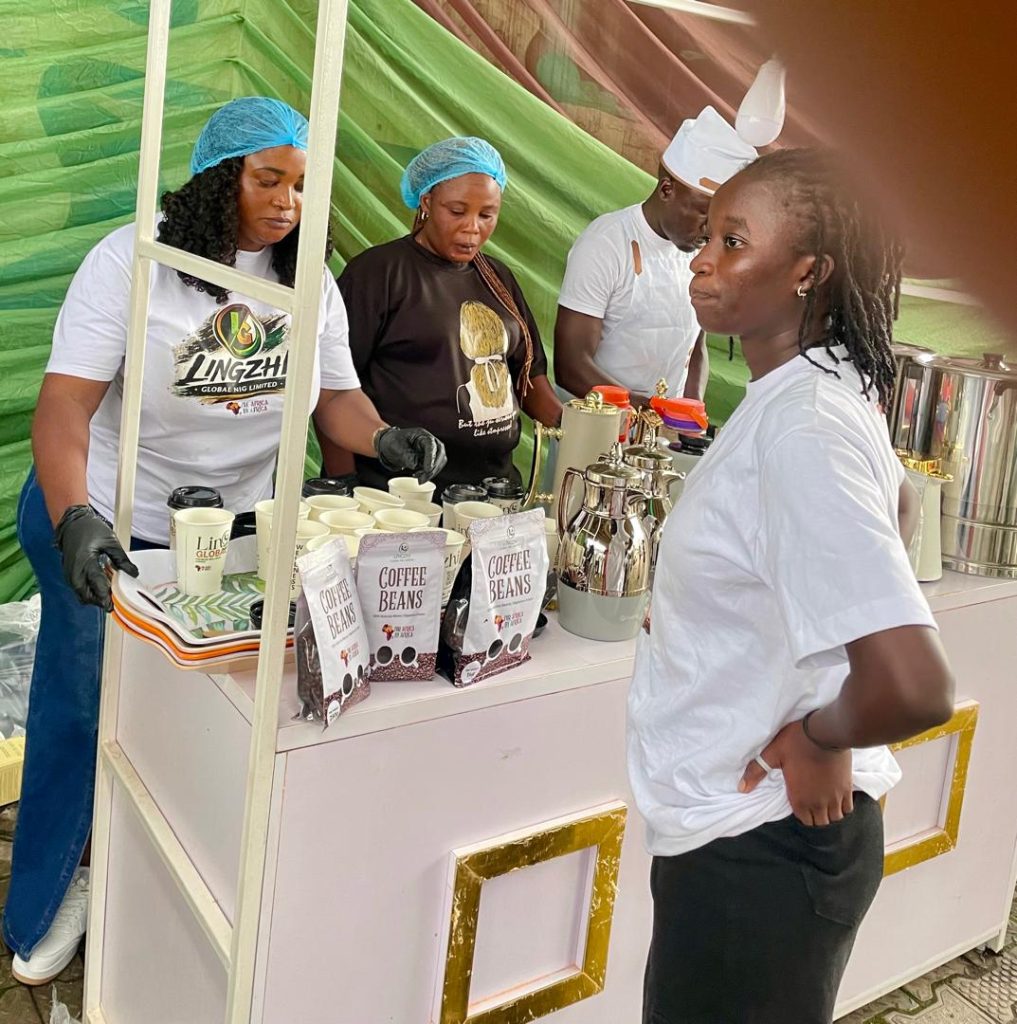
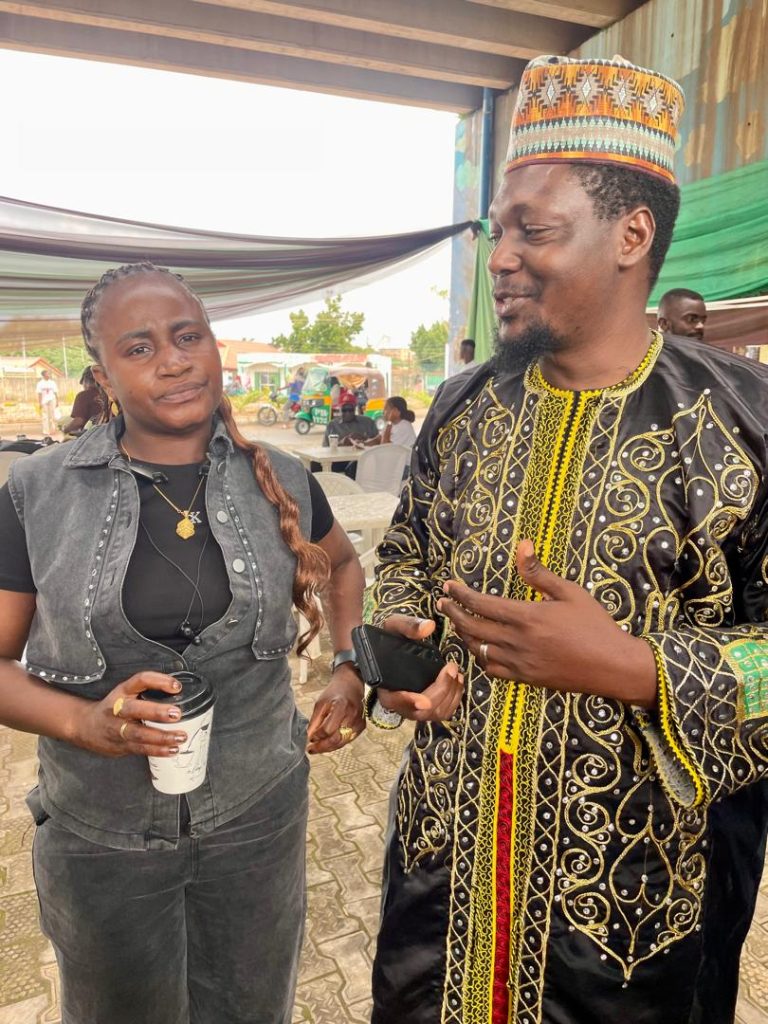
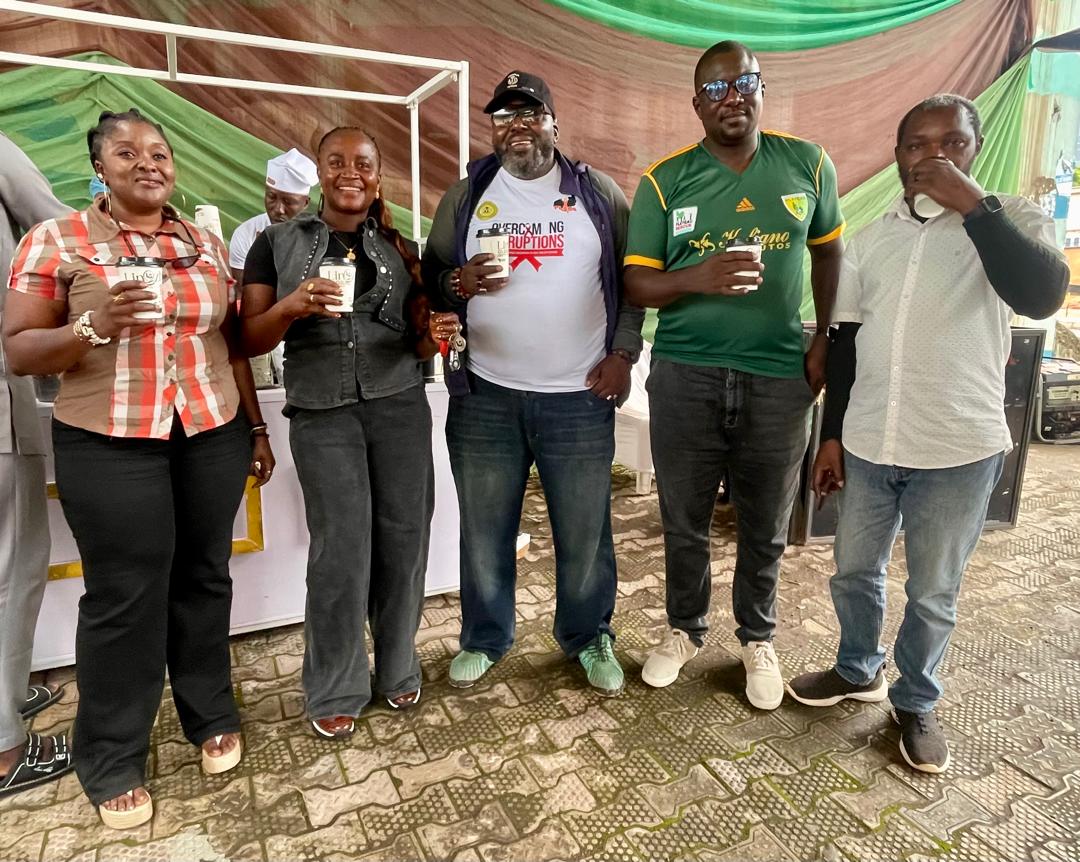
Coffee enthusiasts, farmers, marketers, lovers, and other stakeholders gathered at the Jos Coffee Hangout held on Friday, July 24, 2026, at Secretariat Junction (Under Bridge), Jos, where Lingzhi Global renewed its commitment to revitalizing Nigeria’s coffee industry through awareness, job creation, and economic empowerment.

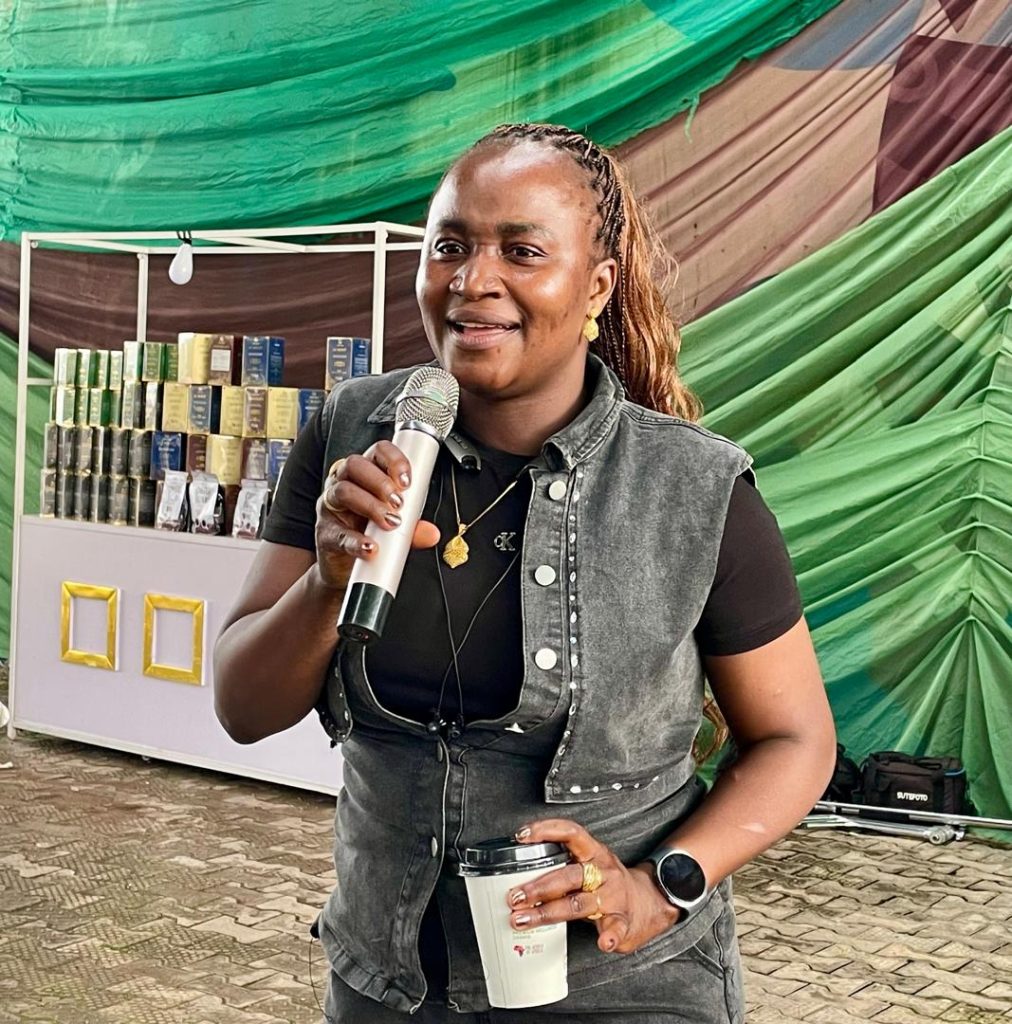
Speaking at the event, the Chief Executive Officer of Lingzhi Global, Mrs. Nanman Blessing, said the initiative was organized to educate Nigerians on the enormous opportunities available across the coffee value chain. She noted that widespread misconceptions about coffee had deprived many farmers and entrepreneurs of economic opportunities, leading to lost revenue and abandoned coffee farms.

According to her, the Coffee Hangout is designed to enlighten the public on opportunities in coffee farming, processing, roasting, barista services, marketing, and distribution, while creating employment, empowering young people, and promoting community development.

Mrs. Blessing explained that Lingzhi coffee is specially infused to promote wellness while encouraging healthy coffee consumption. She added that increased coffee consumption would stimulate production, improve farmers’ incomes, and contribute significantly to Nigeria’s economic growth.

She disclosed that Lingzhi Global has served over 20 million cups of coffee in less than one year, increased its workforce from about 50 to over 100 employees, and established a nationwide distribution network involving thousands of distributors. She further assured coffee farmers that the company has created a reliable market for their produce, eliminating the challenge of unsold harvests.

Mrs. Blessing called on Nigerians, particularly youths, to embrace the coffee industry as a sustainable source of employment, entrepreneurship, and long-term economic prosperity.

Also speaking at the event, the General Manager of the Plateau State Road Maintenance Agency, Engr. Luka Davou, described the Jos Lingzhi Coffee Hangout as a visionary initiative capable of transforming Nigeria’s coffee sector. He commended Mrs. Blessing for championing the movement and expressed optimism that Lingzhi coffee would soon become a household brand across the country.

Engr. Davou encouraged young people and farmers to invest in coffee cultivation, describing it as a profitable long-term venture that provides steady returns after establishment while reducing the recurring production costs associated with seasonal crops. He noted that expanding coffee farming would create jobs, improve livelihoods, and contribute to economic development.

Sharing her experience, coffee farmer Mrs. Margaret Ishaku Fei said the coffee business in Plateau State has experienced a remarkable revival since Lingzhi Global hosted its Coffee Festival in the state. She recalled that farmers previously struggled to find buyers, forcing many to abandon or cut down their coffee plantations.

According to her, the situation has changed significantly, as buyers are now actively seeking coffee, resulting in improved incomes for farmers and renewed confidence in coffee production.

The Jos Coffee Hangout served as an interactive platform for stakeholders to discuss the future of Nigeria’s coffee industry, encourage investment across the value chain, and strengthen collaboration aimed at positioning Plateau State as a leading coffee production hub in the country. Organizers expressed optimism that sustained awareness campaigns would further increase coffee consumption, create employment opportunities, and improve the livelihoods of thousands of farmers across Nigeria.

Posted on — Leave a comment

Tinubu Approves Expansion of Nigerian Army to 12 Divisions, 28,000 New Recruits

President Bola Tinubu has approved the expansion of the Nigerian Army from eight to 12 divisions and authorised the recruitment of 28,000 additional soldiers as part of efforts to strengthen Nigeria’s security architecture.

The approval, announced by the President’s Special Adviser on Information and Strategy, Bayo Onanuga, reflects the administration’s commitment to improving the Armed Forces’ operational capacity and addressing the country’s evolving security challenges.

According to the Presidency, the expansion forms part of a broader military modernisation programme that includes the acquisition of critical military equipment, enhanced troop welfare, improved operational readiness, and continuous support for force modernisation.

Onanuga stated that the additional divisions would improve command and control, decentralise operational decision-making, strengthen border security, protect critical national infrastructure, boost counter-insurgency operations, and ensure faster responses to security threats nationwide.

Under the new structure, the Nigerian Army will establish four additional divisions headquartered in Makurdi, Ilorin, Jalingo, and Benin City, bringing the total number of divisions to 12 strategically located formations across the country.

The restructuring will be implemented in two phases. The first phase, involving the establishment of the 5, 9, and 10 Divisions alongside the reorganisation of existing formations, is expected to be completed by September 2026. The second phase, which includes the creation of the 83 Division and further restructuring, is scheduled for completion by December 2026.

President Tinubu also commended the Chief of Army Staff, Lt. Gen. Waidi Ibrahim Shuaibu, as well as officers and personnel of the Nigerian Army for their dedication to safeguarding the nation.

He reaffirmed his administration’s commitment to ensuring the Armed Forces remain well-equipped, highly motivated, and fully prepared to protect Nigeria’s territorial integrity and guarantee the safety of all citizens.

The 12 Army divisions will be headquartered in Kaduna, Ibadan, Jos, Makurdi, Port Harcourt, Maiduguri, Sokoto, Ilorin, Jalingo, Lagos, Enugu, and Benin City, with each division assigned responsibility for designated states across the federation.

Posted on — Leave a comment

South Korea’s President receives Daduut as Nigeria’s Ambassador

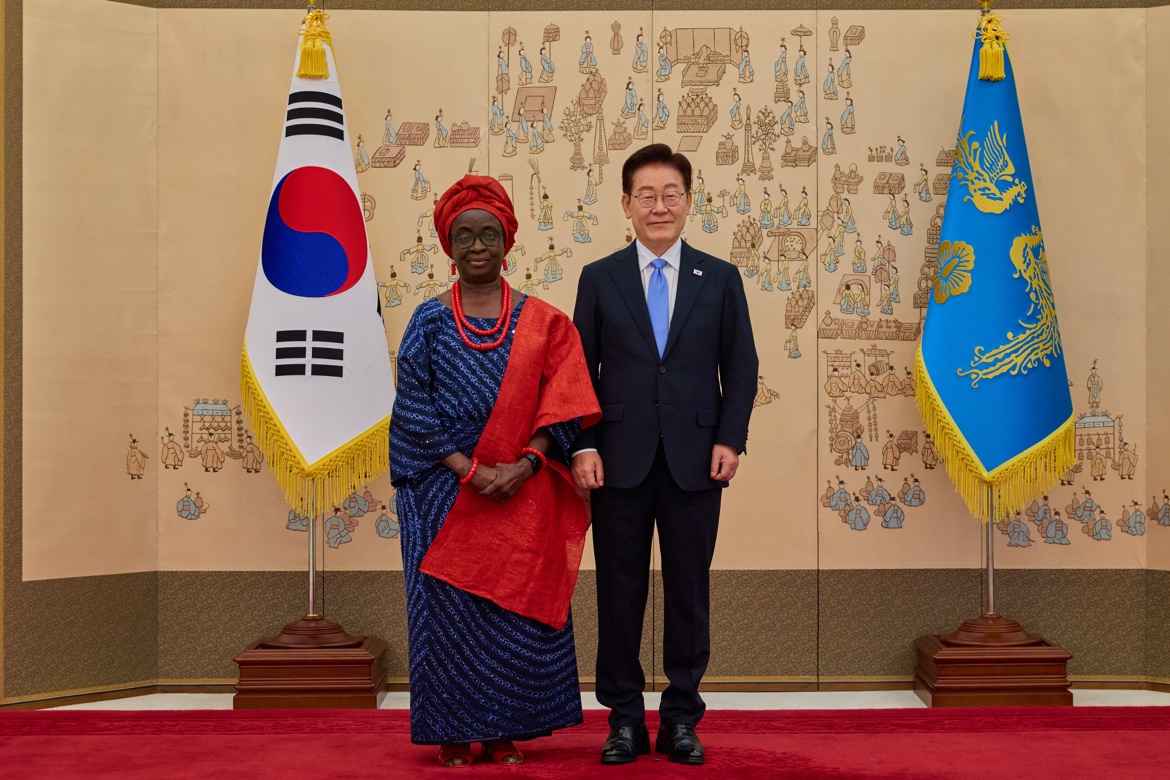
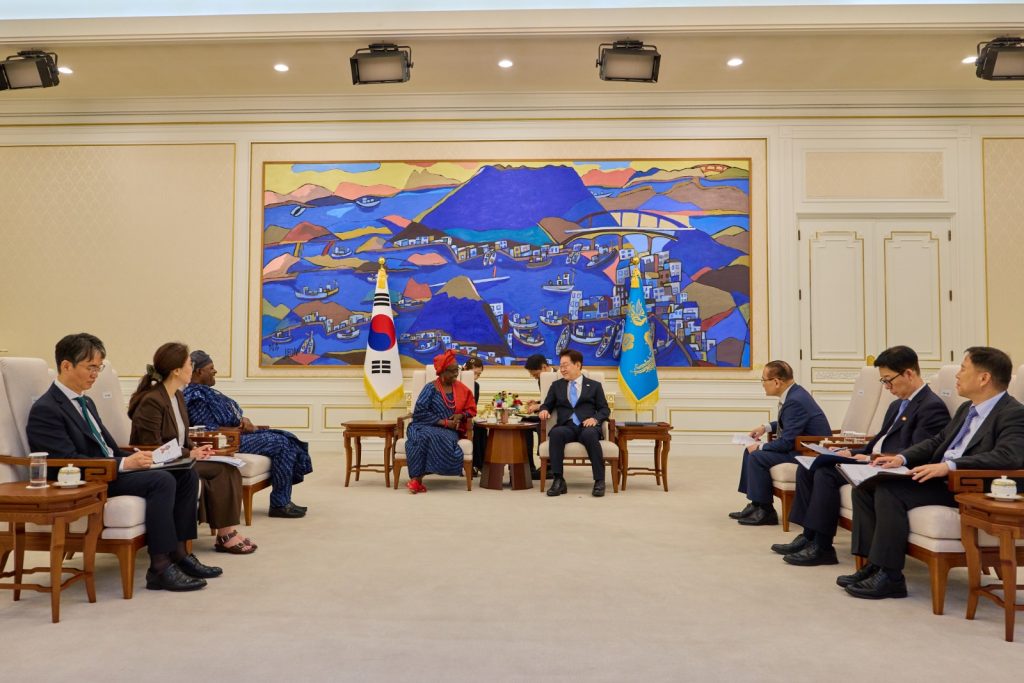
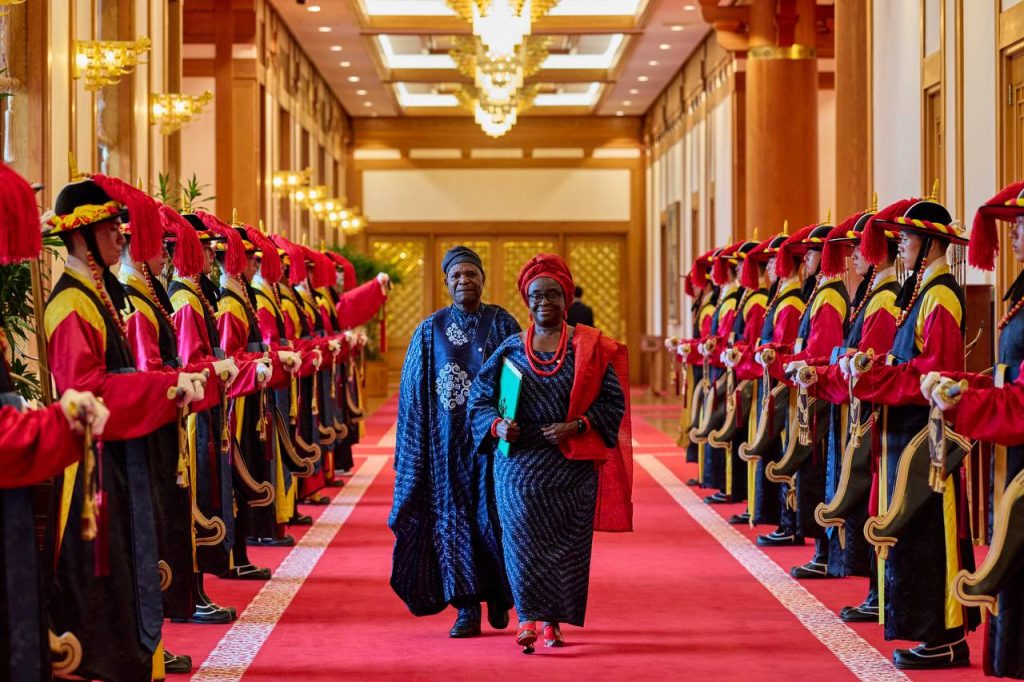
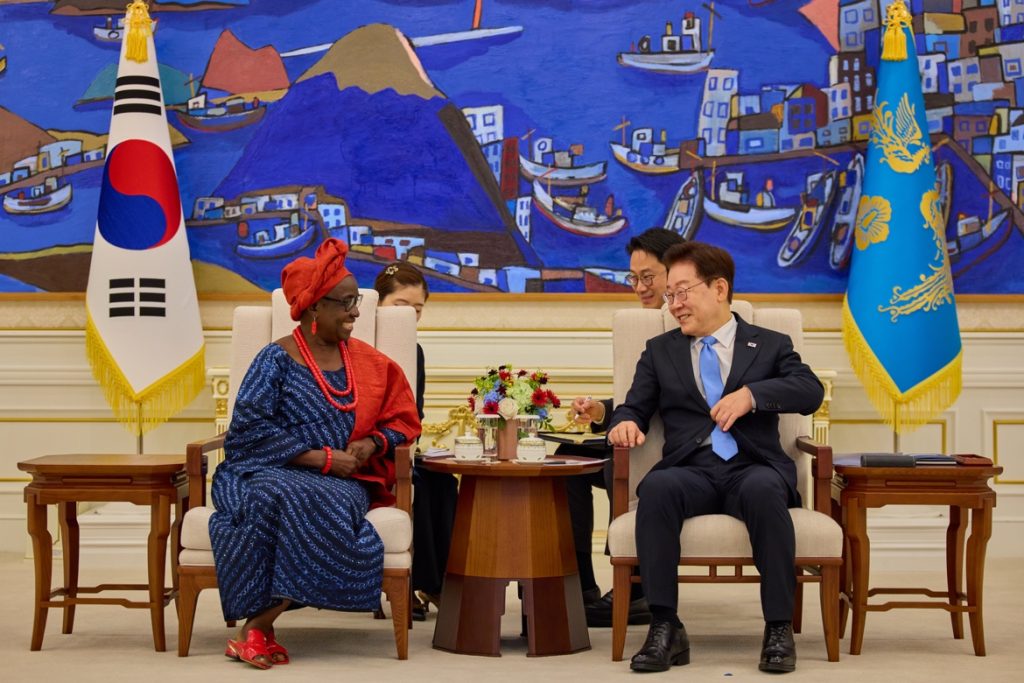
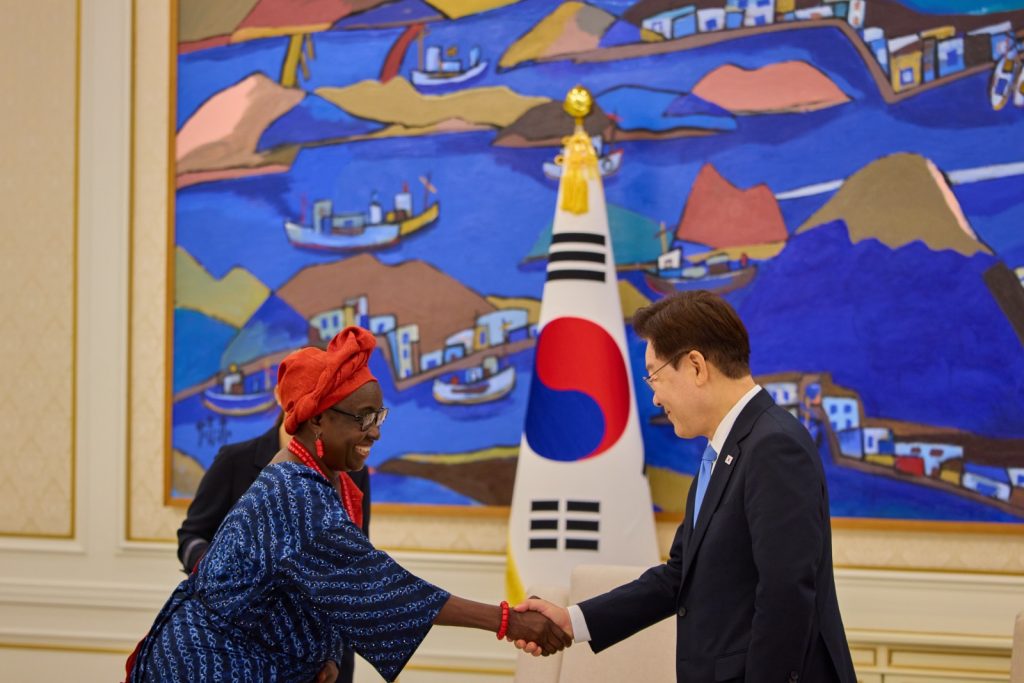
Prof. Nora Ladi Daduut has formally assumed office as Nigeria’s Ambassador to the Republic of Korea after presenting her Letter of Credence to South Korean President Lee Jae Myung at the Blue House in Seoul.

The credential presentation ceremony, held on Wednesday, saw President Lee receive letters of credence from eight newly appointed ambassadors, officially accrediting them to begin their diplomatic assignments in South Korea.

Daduut in a statement made available to newsmen reads that she was among ambassadors from Brazil, El Salvador, Colombia, Laos, Kazakhstan, Kuwait, Tanzania and Nigeria who were formally received by the South Korean leader.

Under diplomatic protocol, newly appointed ambassadors are required to present letters of credence issued by their respective Heads of State to the host country’s President before officially commencing their diplomatic duties.

With the presentation of her credentials, Daduut is now fully accredited as Nigeria’s Ambassador Extraordinary and Plenipotentiary to the Republic of Korea.

Her appointment is expected to strengthen diplomatic and economic relations between Nigeria and South Korea, with greater emphasis on trade, investment, technology transfer, education, cultural exchange and other areas of strategic cooperation.

President Lee, during the ceremony, welcomed the new envoys and expressed optimism that their appointments would further deepen bilateral cooperation between South Korea and their respective countries.

Speaking shortly after the ceremony, Daduut pledged to deepen the longstanding friendship between Nigeria and the Republic of Korea, saying her mission would focus on promoting Nigeria’s national interest while expanding mutually beneficial partnerships between the two countries.

She also assured Nigerians resident in South Korea of an open-door policy at the embassy, promising to protect their welfare and encourage stronger people-to-people relations, educational exchanges and business collaborations.

The ambassador expressed appreciation to President Bola Ahmed Tinubu for the confidence reposed in her, pledging to justify the appointment through dedicated service and active diplomacy aimed at attracting greater Korean investment, technology and innovation to support Nigeria’s economic development.

She earlier met with Kim Young Chae, President of the Korea-Africa Foundation, where both sides exchanged ideas on strengthening collaboration between Nigeria and South Korea in key areas of mutual interest.

Posted on — Leave a comment

First Lady Donates ₦2 Billion to Boost Akwete Weaving Heritage in Abia

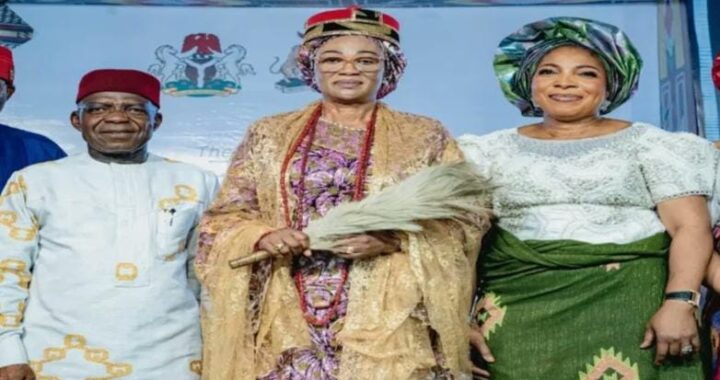
Nigeria’s First Lady, Senator Oluremi Tinubu, has donated ₦2 billion to the Abia State Government to support the development and preservation of the renowned Akwete fabric, a traditional hand-woven textile indigenous to Akwete community in Ukwa East Local Government Area.

Mrs. Tinubu announced the donation on Tuesday during her visit to Aba, where she joined efforts to celebrate and promote the centuries-old Akwete weaving tradition.

She said the fund would be used to develop the Akwete production centre, create employment opportunities, strengthen the local economy, and preserve the cultural heritage for future generations.

Describing Akwete fabric as a symbol of Nigeria’s rich cultural identity, the First Lady praised the craftsmanship of the women who weave the textile using cotton, raffia, and silk on traditional vertical looms, producing distinctive geometric patterns and vibrant colours.

She stressed the importance of preserving indigenous traditions, noting that culture defines a people’s identity and should be passed from one generation to another.

“The Akwete weaving tradition is a sacred craft carried out with love, patience, and endurance. It is important that the women continue to pass this knowledge to younger generations,” she said.

Mrs. Tinubu also urged Nigerian youths to embrace their cultural heritage by proudly wearing traditional attire, saying African fashion remains an important symbol of identity.

Addressing the women of Akwete, she assured them of her commitment to promoting the fabric nationwide and called on prominent sons and daughters of the South-East to support efforts to preserve the unique heritage.

She further pledged that if President Bola Tinubu is re-elected in 2027, she would wear an Akwete-made wrapper and blouse for the presidential inauguration ceremony.

Governor Alex Otti and the First Lady of Abia State, Mrs. Priscilla Otti, expressed appreciation for the donation, describing it as a major boost that would transform Akwete fabric production and strengthen the local economy.

Governor Otti said his administration had been working with the Akwete weaving community since 2023 to reposition the industry, remove production challenges, and integrate modern technology to improve output and global competitiveness.

He also commended President Bola Tinubu’s economic reforms, particularly the removal of fuel subsidy and the unification of the foreign exchange market.

Senator Enyinnaya Abaribe, representing Abia South Senatorial District, praised the women behind the Akwete weaving tradition, describing them as the backbone of the community, while pledging his support towards the construction of a dedicated weaving centre.

In recognition of her contribution to the preservation of the state’s cultural heritage and her support for Nigerian women, the Abia State Council of Traditional Rulers conferred on the First Lady the traditional title “Ugo Nwanyi Abia” (Pride of Abia Women).

Posted on — Leave a comment

After Years of Mobilising for Others, Hon. Hitler Pwajok Seeks His Own Mandate

For years, Hon. Hitler Joshua Pwajok was better known as a grassroots political mobiliser than a candidate. From coordinating youth-driven campaigns to rallying support for Peoples Democratic Party (PDP) candidates across Plateau State, he largely remained behind the scenes, helping others secure electoral victories.

Today, the political equation has changed.

Having emerged as the PDP candidate for the Barkin Ladi State House of Assembly seat ahead of the 2027 general election, Pwajok is now seeking the mandate of the same people he spent years mobilising to support other candidates.

His political profile rose significantly during the 2023 general election when he served as Director-General of the youth-led “Time Is Now” campaign, a movement that mobilised thousands of young voters and played a key role in the emergence of Barr. Caleb Mutfwang as Governor of Plateau State.

The youth mobilisation structure became one of the defining features of the PDP’s grassroots campaign, coordinating volunteers and expanding youth participation across the state.

Following the victory, Pwajok remained active within the PDP, coordinating grassroots mobilisation and youth engagement for several candidates during elections and party activities.

His ability to build support at the ward and community levels earned him recognition as one of the party’s dependable grassroots organisers.

His appointment as Special Adviser on Youth Mobilisation and Engagement to Governor Mutfwang marked another phase of public service.

In that role, he worked with youth organisations, student bodies, community leaders, civil society groups and development partners to deepen youth participation in governance and strengthen engagement between government and young people across Plateau State.
One of the landmark initiatives during his tenure was the Plateau Youth Agricultural Empowerment Programme (PYAEP), through which 1,000 youths drawn from the state’s 17 local government areas were engaged in commercial agriculture at BARC Farms.

The initiative brought together beneficiaries irrespective of ethnic, religious or political affiliations, with the aim of creating jobs, boosting agricultural productivity and promoting peaceful coexistence among young people.
Beyond government programmes, Pwajok continued to champion youth inclusion through leadership forums, stakeholder engagements and grassroots mobilisation, reinforcing his reputation as a bridge between government and young people across Plateau.
Now carrying the PDP flag in Barkin Ladi, Pwajok is presenting himself as a candidate whose political journey has been shaped by years of mobilisation, public service and community engagement.

His campaign is centred on improving security, tackling youth unemployment, strengthening agriculture and providing effective legislative representation.

Upon receiving his certificate of candidacy from the PDP’s Turaki-led Interim National Working Committee, Pwajok described the moment as the fulfilment of a long-held aspiration and reaffirmed his commitment to selfless service.

He said his focus would be on ensuring that Barkin Ladi receives effective representation in the Plateau State House of Assembly while addressing the constituency’s pressing security and economic challenges.

Pwajok also maintained that the era of politics built on unfulfilled promises must come to an end, insisting that representation should be measured by performance, accountability and visible impact.

He further expressed confidence that the PDP, under its current leadership, is united and prepared to offer what he described as a progressive and people-centred alternative for Barkin Ladi, Plateau State and Nigeria.