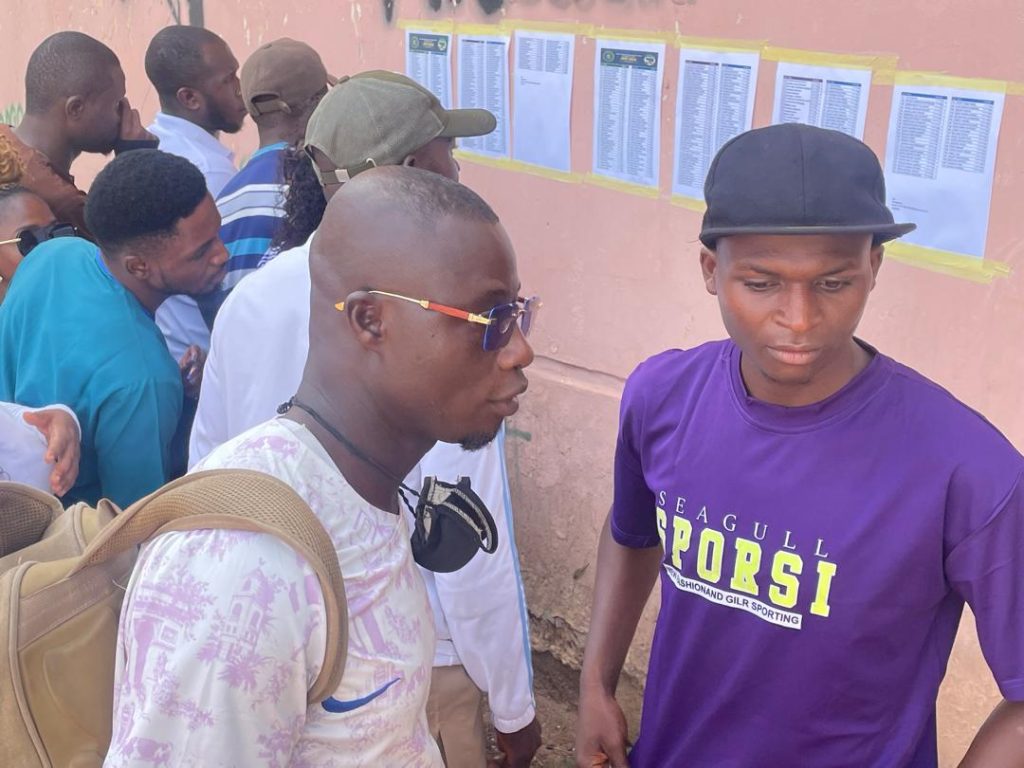
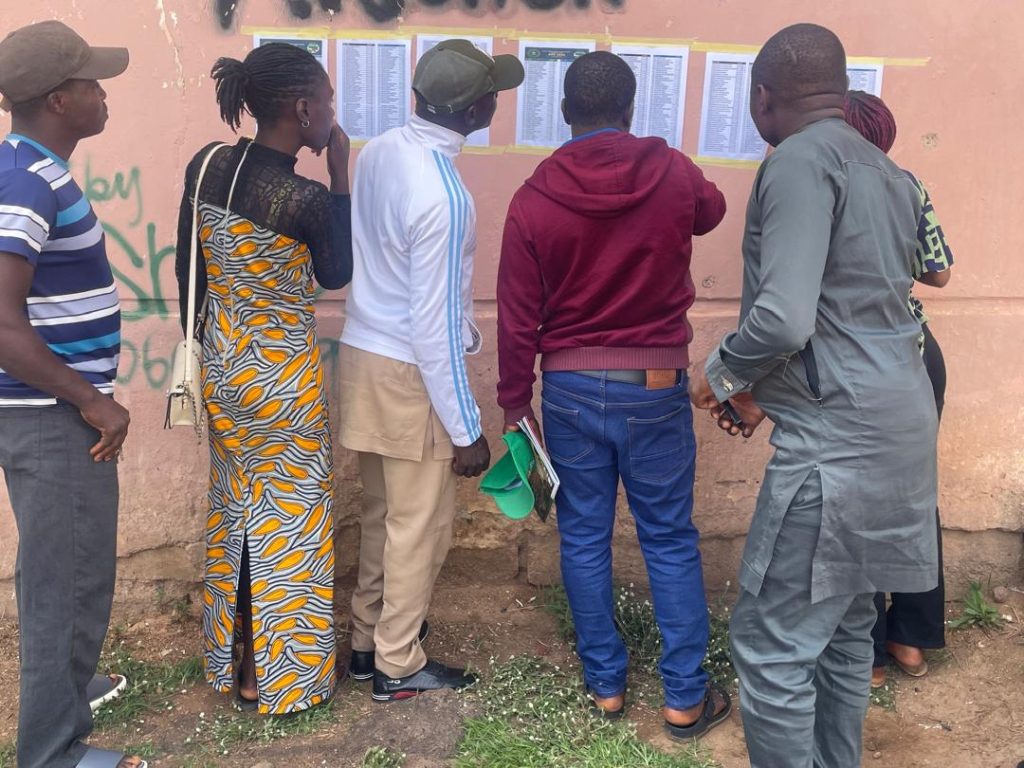
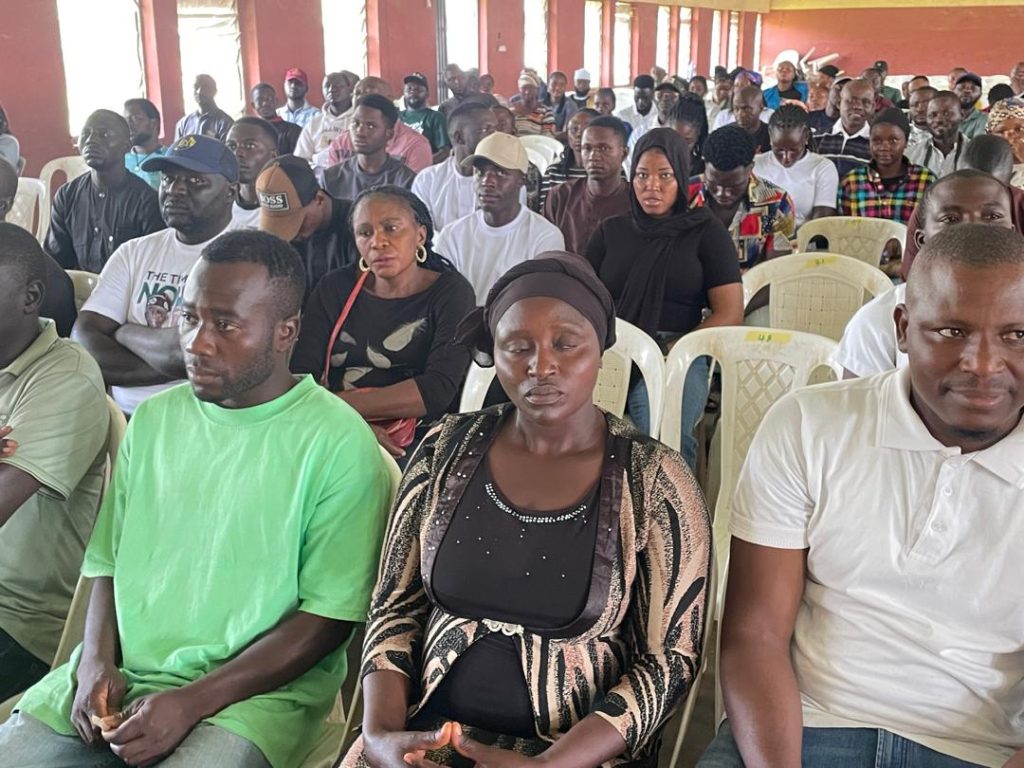
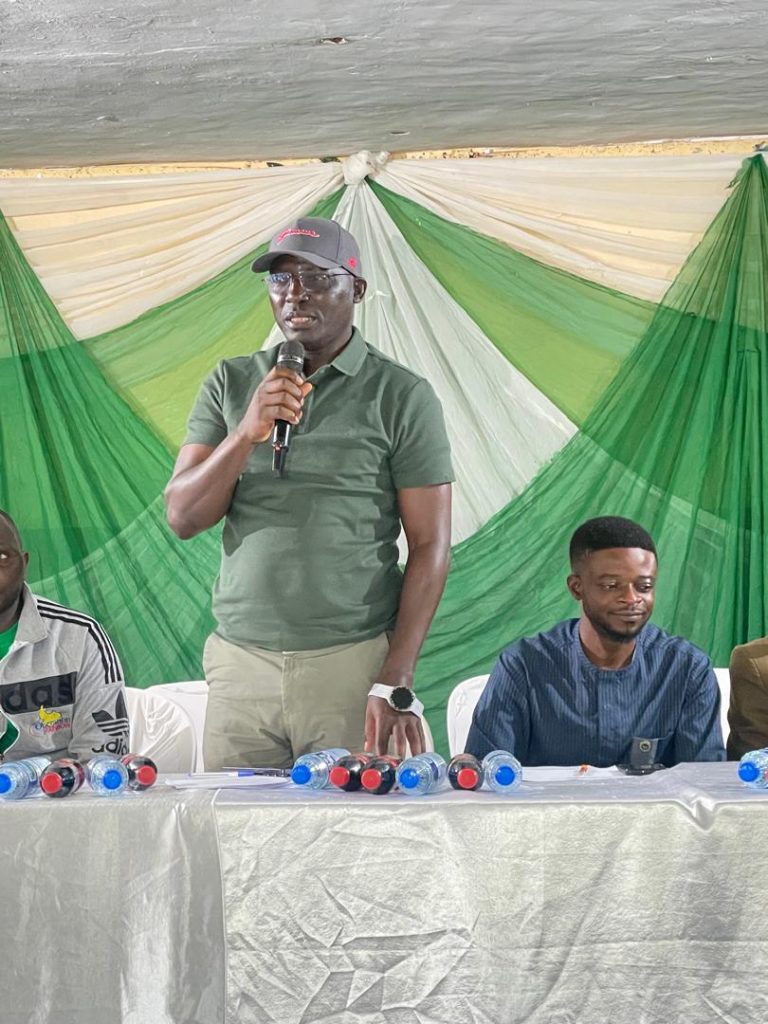
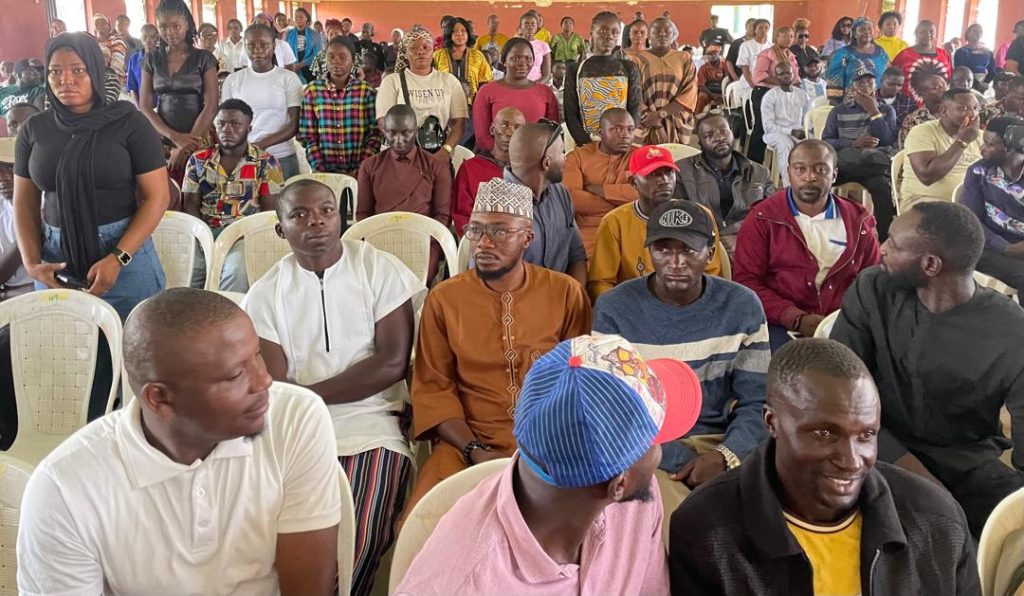
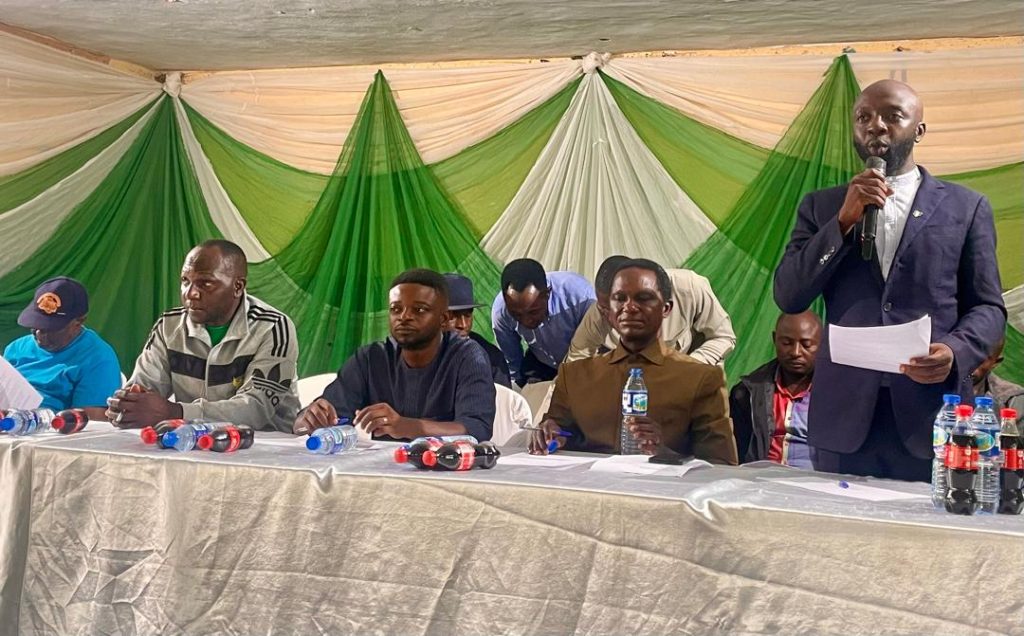
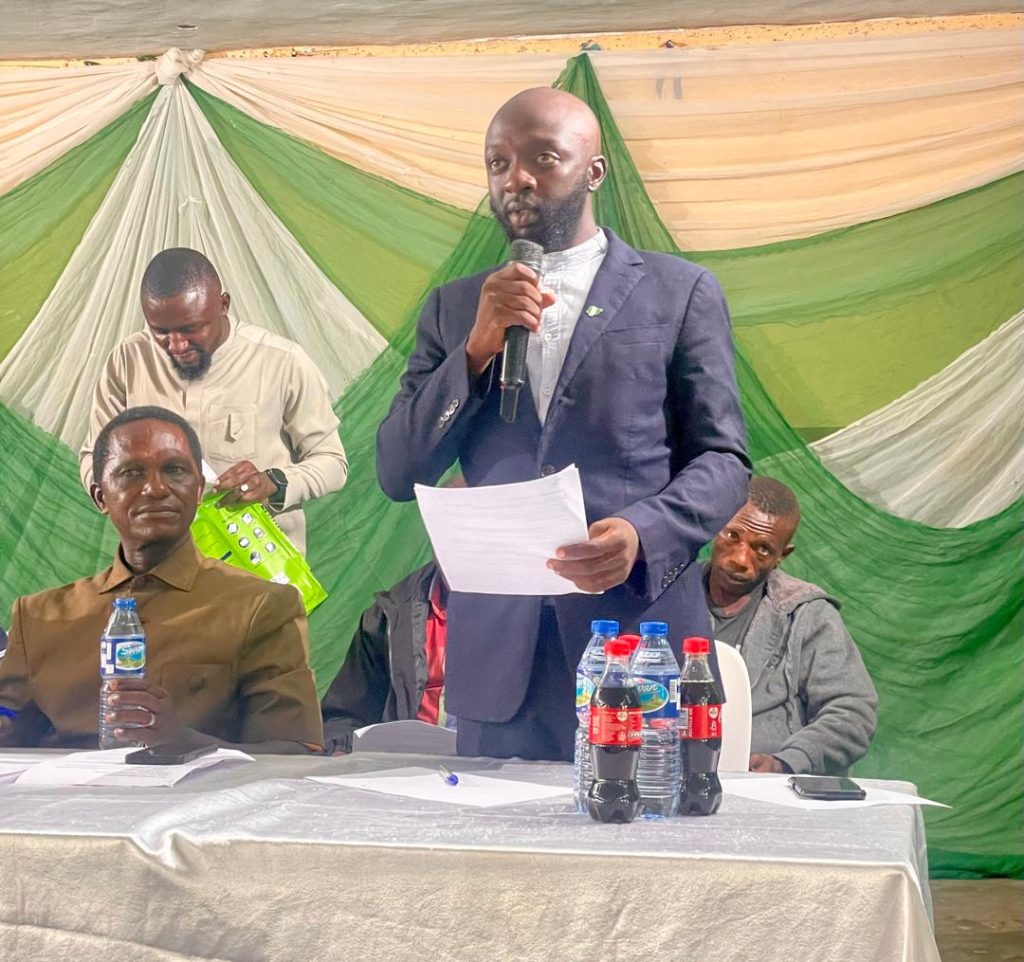
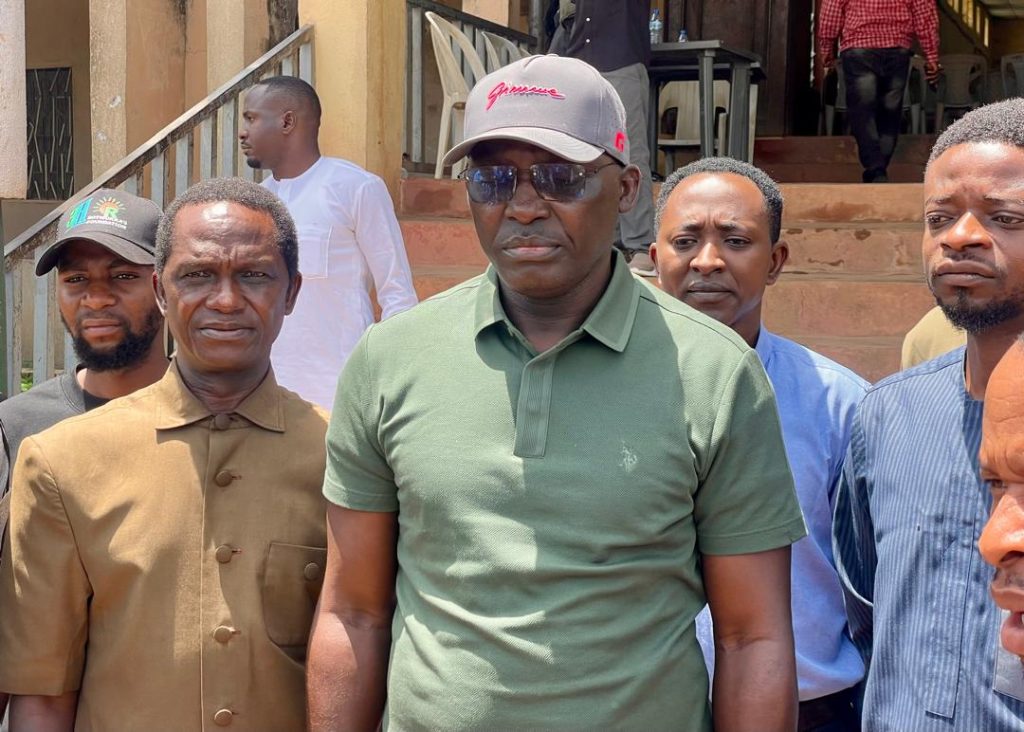
A new evangelism movement, Project 1K to 1B, has been launched with the goal of mobilizing believers to actively share the Gospel and win souls for Christ.
According to the organizers, the initiative seeks to raise 1,000 believers who are passionate about evangelism, burdened for the lost, and committed to reaching at least one person with the message of Jesus Christ within one year.
The movement aims to awaken Christians to God’s heart for the lost and equip them to become effective witnesses of Jesus Christ through teaching, training, and strategic outreach programs.
As part of the campaign, two major conferences have been scheduled in Jos. The Teaching and Training Conference will hold on June 27, 2026, at Godlife Assembly, while the Strategic and Activation Conference is slated for July 4, 2026, at ECWA Headquarters, Jos.
Organizers said the conferences will provide participants with practical tools, biblical teaching, and strategies for personal evangelism as they work toward the vision of reaching more people with the Gospel.
Interested participants have been encouraged to register ahead of the events through the registration portal: https://forms.gle/3fvM5AyfdVYMeAJe6.
The initiative is built around the slogan: “One Believer, One Soul, One Year,” emphasizing the collective impact of individual believers leading others to Christ.
Project 1K to 1B is being promoted under the hashtags #1Believer1Soul1Year, #Project1Kto1B, and #SavioursArise.
Zagazola Makama has continued to expose his shameful corruption and lies while pretending to be a security expert by rehashing the false “farmer-herder” narrative that he and his terrorist sponsors have created and pushed for years. But his biggest mistake, from the start of his embarrassing narrative war, was coming after Masara Kim.
In his rebuttal to my strong counter to his shameful lies and attempts to take advantage of my recent misunderstandings with officials and some community members in Plateau State, Makama claimed he has stood with people of all tribes without bias—another lie that is evidently refuted by his very own reporting and statements on terror attacks in Plateau State, which are readily available on his personal website and social media handles.
Makama thought he had found a weak point following my video of a commissioner speaking at a mass funeral, which both the commissioner and his supporters acknowledged and merely condemned as coming at the wrong time and having a caption that suggested a personal attack on the commissioner, without denying its authenticity or the remarks made in the video. But his series of statements, rehashing the same weak arguments, shows how incompetent he is to identify as an analyst, much less a security expert whose role is rooted in evidence and verification.
How does a so-called security expert claiming knowledge of Plateau State and every security event not know that Governor Mutfwang was neither at the February 25th mass funeral at Dorowa Babuje, nor has he in any way publicly commented on the video? Does he even think Plateau officials are that jobless as to dwell so much on such trivialities, even in the face of irrefutable evidence? Why has Masara Kim not been arrested or sued if the said video was fake, like his fabricated clips of Boko Haram and ISIS suspects? Does he think Masara Kim is a coward like him, hiding behind a pseudonym to claim titles not deserved for personal gain?
For your information, Mr. Security Expert, I worked with Governor Caleb Mutfwang on a high-powered committee before he became governor, and he knows me by name and address. In his government, I have former classmates, work colleagues, and friends who check on me regularly. Do you think you can ever love them more than I do? Another thing you must know is that I know who you are, but you don’t know anything about me. And this is where you made a mistake.
WHO IS ZAGAZOLA MAKAMA?
His real name is Hamza Suleiman aka Hamza Dan Zaria. He hails from Zaria, Kaduna State and he is a staff member of the News Agency of Nigeria (NAN), posted to Borno as a junior reporter over six years ago. Since then, he has allegedly lobbied and manipulated his management to retain him in Maiduguri, exempting him from routine reshuffling because of the financial benefits and protection he gets from the military in Borno. His continued stay in Borno is also essential to continue perpetrating his fraud and lies pretending to be a security expert.
Is he a security expert? The answer is no. He allegedly only got himself attached to the late Army Chief Attahiru as his resident civilian reporter and axe man for countering what they perceived as negative reports from decent and fearless reporters like me, who will always challenge their actions and decisions. “Security expert” is not a title one can just pick up along the road or buy from a store. It is earned through long, hard study and research in relevant disciplines, sometimes up to the level of a PhD. Somebody like Hamza, with a first degree in Mass Communication from ABU Zaria and just about a decade in media practice, cannot legitimately claim to be a security expert. I have been reporting wars for over 17 years, including in the same Borno State where he lives. I have crawled under flying bullets along the Maiduguri-Damboa road and done extensive personal reporting in Chibok, Gwoza, and other places long before he obtained his first degree. But that has never brought me close to claiming to be a security expert, and I never will, because I am not.
His origin is Zaria, and he has latent extremist tendencies that you may not observe until you get close to him, based on testimonies from close associates and colleagues who have served with him for years. So, as an extremist that he is, one is not surprised at his double standards: calling Boko Haram and IS fighters who behead defenceless civilians, including women and children, in the name of Allah terrorists, but explaining away the same atrocities in the Middle Belt by terrorists identifying as Fulani as mere clashes between sedentary farmers and semi-nomadic cattle herders. Hence his ridiculous allegations of manipulating information “in ways that deepen division rather than encourage understanding.” You cannot say that and make sense in the face of mounting evidence of mass atrocities and forceful demographic replacement in a place like Plateau, where over 200 native communities have been seized and occupied by terrorists who attacked and slaughtered them.
Yet these are the people Hamza Dan Zaria is defending and advocating understanding with. Does “understanding” mean that the original landowners and victims of their unprovoked mass invasions and massacres should negotiate with their killers or surrender their lands instead of seeking justice? Hamza Dan Zaria forgets that he visits Jos regularly. In recent years, he has sat all his promotion examinations at the News Agency of Nigeria Jos office. Yet he still does not see reason to investigate and identify the truth about the ongoing violence in rural communities and stand for the right cause. Instead, his stock-in-trade has remained the defence of the Nigerian military, even in the face of obvious failures during emergencies; the twisting of narratives to shield perpetrators from justice; and the defence of terrorists accused of mass murder, as well as the labeling of civilian guards—including those merely standing in front of their homes with slingshots and sticks—as tribal militias.
The question remains: is he suddenly siding with these same people he has consistently labeled, including in his weak rebuttal to my last statement on his lies, as “Berom militias”?
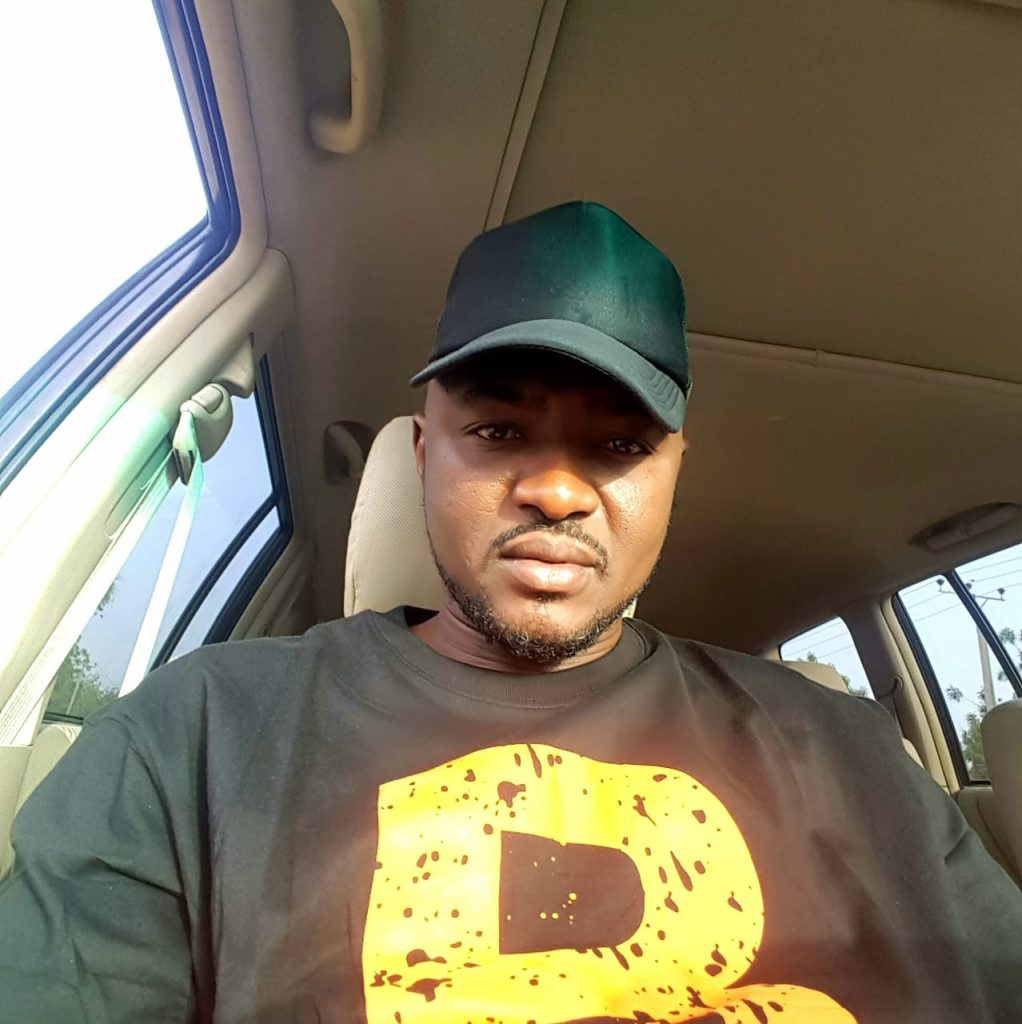
Nollywood actor and politician, , has instituted a N10 billion lawsuit against the Independent National Electoral Commission (INEC) and Mr. Lere Olayinka, media aide to the Minister of the Federal Capital Territory, over the alleged unlawful disclosure of his personal voter information.
The suit, marked FHC/ABJ/CS/1272/2026 and filed before the Federal High Court in Abuja on June 15, seeks redress for what Ike described as a violation of his constitutional right to privacy and personal data protection.
The legal action stems from a controversy that erupted in May after Olayinka published screenshots on his X account showing details of Ike’s voter registration transfer from Imo State to the Federal Capital Territory. The information was reportedly obtained from an INEC administrative portal and was released amid public debates over the actor’s eligibility to contest for a House of Representatives seat in Abuja.
The publication sparked public concern, with many questioning how sensitive voter information stored in a restricted electoral database became accessible for public dissemination. Critics alleged that the data was sourced from a backend platform intended exclusively for authorised INEC personnel.
Although INEC denied reports that its Continuous Voter Registration (CVR) database had been hacked, the commission acknowledged that the disclosure resulted from the misuse of valid internal credentials by authorised users.
The incident reportedly attracted the attention of the Force Intelligence Department–Intelligence Response Team (FID-IRT), which is said to have questioned Olayinka and an electoral officer in connection with the alleged data leak.
In the suit filed through his counsel, Leonard Adeh, Ike argued that the publication of his voter records without his consent violated Section 37 of the 1999 Constitution, Article 12 of the Universal Declaration of Human Rights, and relevant provisions of the Nigeria Data Protection Act, 2023.
He is asking the court to declare the publication of his personal voter information unlawful, unconstitutional, and a breach of his fundamental rights.
The actor further contended that INEC has a statutory responsibility to safeguard the personal information of registered voters and prevent unauthorised access, misuse, or disclosure of such data.
Ike also urged the court to hold that INEC’s June 2, 2026 press statement on the matter amounted to an admission of liability for failing to adequately secure his voter records. He wants both INEC and Olayinka held jointly responsible for the alleged violation of his privacy rights.
Among the reliefs sought are an order directing Olayinka to delete the social media post containing the voter information, issue an unreserved public apology, and publish the apology on his X account as well as in three national newspapers for two consecutive weeks.
In addition, Ike is seeking N10 billion in aggravated and general damages against the defendants for what he described as a gross breach of privacy and unlawful exposure of his personal data.
The case is expected to test the application of Nigeria’s data protection laws and the extent of public institutions’ obligations in protecting citizens’ personal information within the country’s digital electoral system.
The Plateau State Government has dismissed allegations that the Commissioner for Information and Communication, Rt. Hon. Joyce Lohya Ramnap, directed officials to prevent certain media organizations from covering the flag-off ceremony of the new abattoir market project.
In a statement issued on Monday, the Special Assistant in the Office of the Commissioner for Information and Communication, Stanley Smiles, described the claim as false, misleading, and without any factual basis.
The statement was a response to a publication alleging that the commissioner, during a phone conversation, instructed an aide to bar some publishers from attending and reporting on the government event.
Refuting the allegation, Smiles stated that the flag-off ceremony was a public government function and that media participation was coordinated through the Nigeria Union of Journalists (NUJ), Plateau State Council, the umbrella body representing media organizations in the state.
According to him, neither the commissioner nor any official of the ministry issued directives to exclude or restrict any journalist or media organization from covering the event.
He noted that journalists from various media platforms were present at the ceremony and actively reported on the proceedings, a development he said reflected the administration’s commitment to transparency, openness, and equal access to information.
“The allegation is entirely unfounded. At no time did the Honourable Commissioner, Hon. Joyce Ramnap, or any official of the ministry direct that any journalist be denied access to the event,” the statement said.
The government further maintained that the Commissioner for Information and Communication remains committed to promoting government activities and ensuring citizens receive accurate and timely information about the policies, programmes, and projects of Governor Caleb Mutfwang’s administration.
The statement stressed that any suggestion that the commissioner would deliberately obstruct media coverage of a major government project runs contrary to her official mandate and established record of engagement with the media.
The government therefore urged members of the public to disregard the publication and rely on verified information from official channels for updates on government activities.
The statement was signed by Stanley Smiles, Special Assistant in the Office of the Honourable Commissioner for Information and Communication, Plateau State, and dated June 16, 2026.
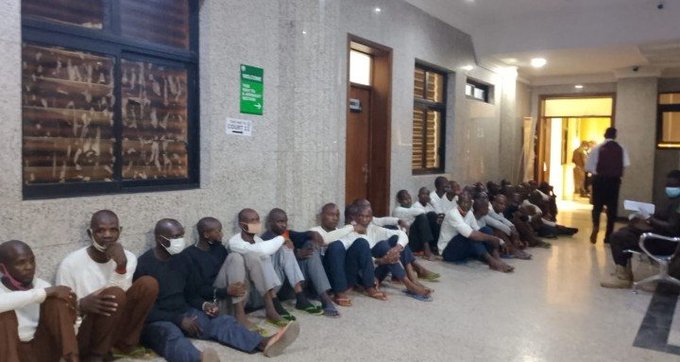
The Federal Government has arraigned more than 400 terrorism suspects before the Federal High Court in Abuja as part of ongoing efforts to prosecute individuals linked to insurgency and terrorism-related activities across the country.
The suspects were brought before multiple courts within the Federal High Court complex in Abuja for trial on various charges, including terrorism, aiding and abetting insurgent groups, and financing terrorism operations.
The prosecution is being led by the Attorney General of the Federation (AGF) and Minister of Justice, Prince Lateef Olasunkanmi Fagbemi (SAN), alongside the Director of Public Prosecution of the Federation, Rotimi Oyedepo (SAN), and other government prosecutors.
The latest proceedings form part of the Federal Government’s broader strategy to strengthen accountability and ensure that individuals accused of terrorism-related offences are subjected to due legal process.
To facilitate the large-scale trials, the Chief Judge of the Federal High Court, Justice John Tsoho, constituted a special panel of judges to handle the cases. The trials are currently being conducted simultaneously in several courtrooms within the Abuja judicial complex.
The development comes barely months after a similar mass terrorism trial conducted in April 2026. During that exercise, 508 defendants were prosecuted, resulting in the conviction of 386 suspects, while eight were discharged and two acquitted.
Several of those found guilty in the previous trials were handed prison sentences of up to 20 years, reflecting the government’s commitment to tackling terrorism and related crimes through the judicial system.
While the Federal Government is being represented by the Office of the Attorney General of the Federation, defendants who cannot afford legal representation are being provided with counsel through the Legal Aid Council of Nigeria to ensure fair hearing and compliance with constitutional provisions.
The ongoing proceedings are expected to further test the country’s judicial response to terrorism and reinforce efforts aimed at combating insecurity through the rule of law.
It is striking how often Masara Kim’s name has become a recurring point of fixation for certain commentators, serving as a convenient target for extended commentary and attack. Among them is Zagazola Makama, whose interventions on Plateau and broader security issues have increasingly raised concerns about fairness, consistency, and credibility. Rather than offering careful analysis grounded in transparent evidence, his commentary often relies on sweeping assertions, loaded framing, and narratives that appear designed more to influence public perception than to clarify the facts.
For instance, last May, Makama published what critics said were AI-generated images purporting to show Abu Bilal al-Mainuki, reportedly a senior IS commander killed by the Nigerian army. He stated that he had legitimately obtained the image and was praised in some quarters for publishing it first. But the controversy that followed raised broader concerns about verification standards, editorial judgment, and the risks of circulating unverified material in conflict reporting. As one critic put it: “This isn’t reporting; it’s narrative engineering. When those covering security issues choose fabrication, public trust collapses and we’re all in danger.”
The same pattern appeared last March after more than 35 people were killed in a terror attack in Angwan Rukuba, north Jos, on Palm Sunday. Within hours of the incident, Makama reportedly described it as a clash between rival cult gangs. That speed, together with the absence of publicly presented evidence at the time, raised legitimate questions about whether the incident had been characterised prematurely and whether such framing diverted attention from establishing the full facts.
Makama also claimed that my video reporting of an attack on mourners during a mass funeral in Nding Sesut, in Barkin Ladi Local Government Area of Plateau State on May 6, was staged. Yet the incident was associated with four recorded deaths: Pam Gwom, 62; Dayal Davou Gyang, 32; Dadung Julius Gwom, 24; and Ezra Musa Rondong, 38. In the face of those fatalities, dismissing the footage outright raises serious questions about the basis for that denial and about the standards being applied when local accounts of violence are challenged rather than investigated.
Makama has on several occasions dismissed terrorist attacks in Plateau and other Middle Belt states, including incidents in which children and other civilians were killed, as mere clashes between farmers and herders. He has also portrayed civilian guards struggling to protect their homes and families with homemade pipe guns and hunting rifles as terrorists or tribal militias, reinforcing a “clash” narrative that many affected communities view as misleading. More recently, he has sought to position himself as an advocate for the same people whose accounts and suffering he has often downplayed. That contradiction is difficult to ignore.
Mr. Idris Aminu, also known as Zagazola Makama, has entered this debate too late to exploit temporary disagreement within Plateau for his own argument. Commissioner Peter Gwom has already apologised for the remarks captured in the video, and by all indications that issue has begun to settle. What should not be allowed to happen, however, is for outside commentary to weaponise internal tensions in order to present Plateau people as confused, divided, or incapable of recognising what they have lived through. We may disagree among ourselves, as any community does, but that does not mean we are unable to identify harmful narratives when we see them.
Zagazola Makama’s recent statement about the views of the youth leaders tries to present itself as a defence of truth and accountability, but it raises the very questions it seeks to dismiss. A commentary that accuses others of sensationalism must itself be held to the highest standard of accuracy, transparency, and consistency. That standard is not met by broad assertions, selective outrage, or repeated efforts to discredit community voices whenever they challenge official or convenient narratives.
The central problem with the statement is not that it asks for scrutiny. Scrutiny is necessary in every conflict. The problem is that scrutiny appears to flow in only one direction. When victims, youth leaders, or local advocates raise alarm over killings, displacement, or insecurity in Plateau, they are swiftly portrayed as emotional, manipulative, or misinformed. But when the same commentator advances claims that align with official talking points or minimise the scale of attacks, those claims are presented as sober analysis. That is not balance. It is selective credibility.
The statement also relies heavily on a familiar tactic: shifting attention from the substance of people’s concerns to the character of those raising them. Instead of confronting why so many communities feel unheard, unprotected, and repeatedly gaslit after attacks, the article frames dissenting voices as conflict entrepreneurs and social media actors feeding off tragedy. That rhetorical move may be effective propaganda, but it is not evidence. Communities that have buried their dead do not need lectures about tone; they need honesty, protection, and a record of facts that does not change depending on who is being shielded from criticism.
If there are concerns about miscaptioned videos or inaccurate claims, those should be addressed through verifiable facts, transparent sourcing, and consistent correction standards for everyone, not just for activists or community-based reporters. The same burden of proof must apply to commentators who dismiss deadly incidents, recast attacks as ordinary clashes without public evidence, or repeatedly adopt language that appears to downplay organised violence. In a place as traumatised as Plateau, careless framing is not a minor error. It shapes public understanding, influences policy responses, and can deepen mistrust among people who already feel abandoned.
The article further weakens itself by pretending that criticism from within a community automatically settles the matter. It does not. Communities are not monolithic, and no single youth body, government official, or commentator can claim absolute ownership of the truth. What matters is whether the facts presented are complete, independently verifiable, and responsibly framed. That is the standard the public should insist on, especially from anyone claiming expertise in security and conflict reporting.
There is also a deeper issue at stake. When the voices of grieving communities are routinely met with suspicion while official failures are explained away as complexity, the result is not peacebuilding. It is a culture of denial. Plateau has suffered too much for its pain to be filtered through narratives that appear more concerned with managing perception than confronting recurring insecurity. Any commentator who wants to be taken seriously must be willing to apply the same level of suspicion to military briefings, political narratives, and all sides of the conflict, not only to those documenting local suffering.
The public does not need more personality wars. It needs rigorous reporting, transparent methods, and a refusal to weaponise uncertainty against victims. If Zagazola Makama wants to argue for accountability, then that accountability must include his own reporting, his own framing choices, and the consequences of narratives that repeatedly minimise or recast violence in ways many affected communities find deeply misleading. In conflicts like Plateau, credibility is not earned by claiming neutrality. It is earned by being consistently fair, demonstrably factual, and open to scrutiny from the same public whose trust one seeks to command.
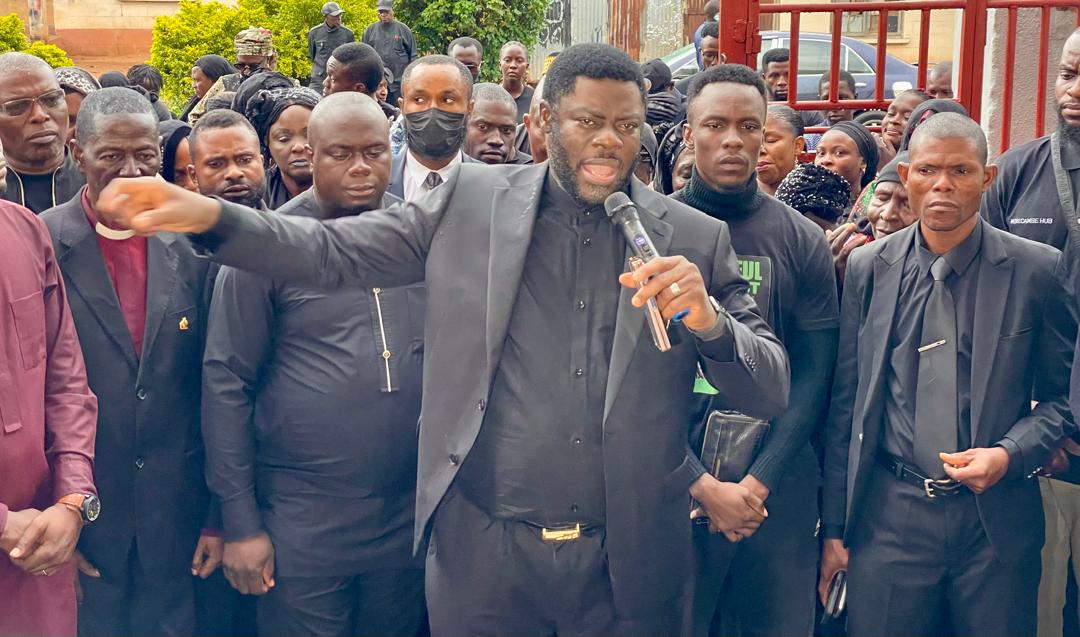
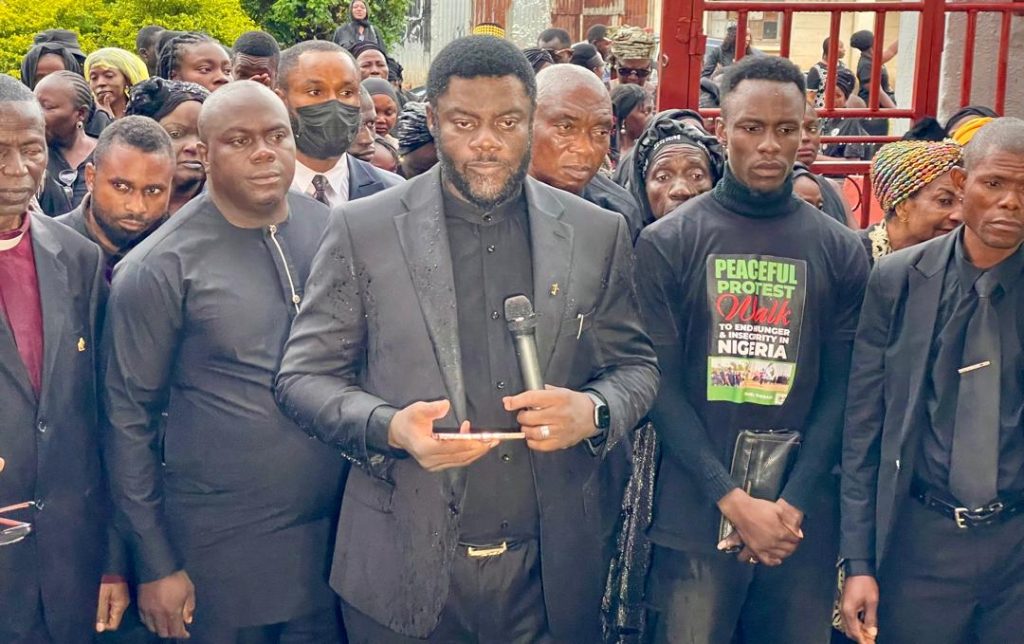
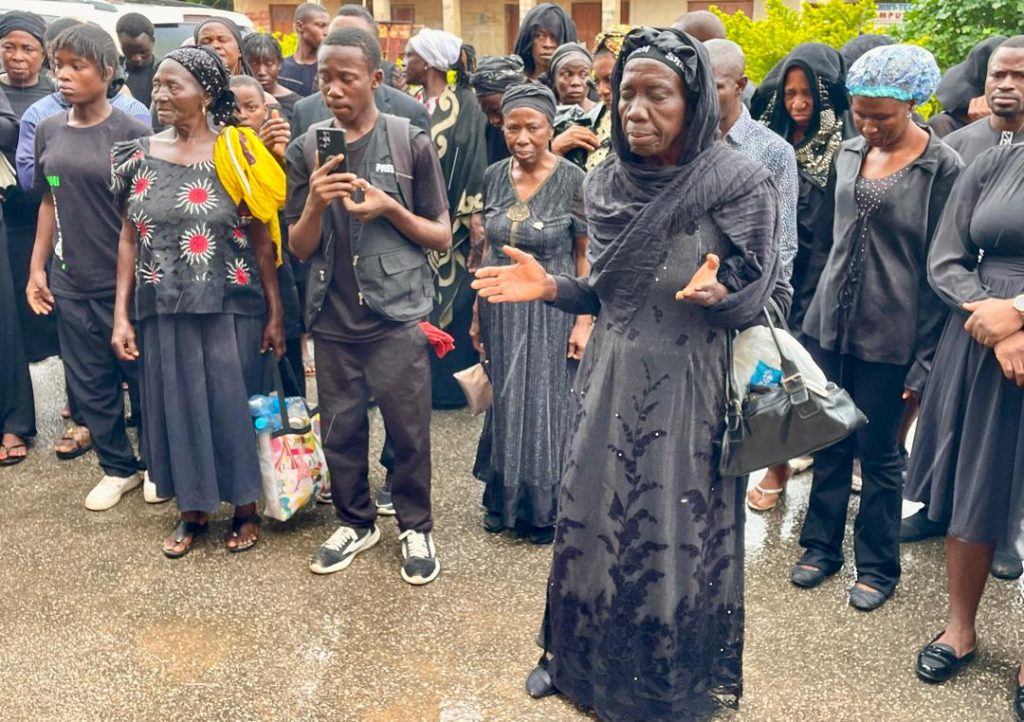
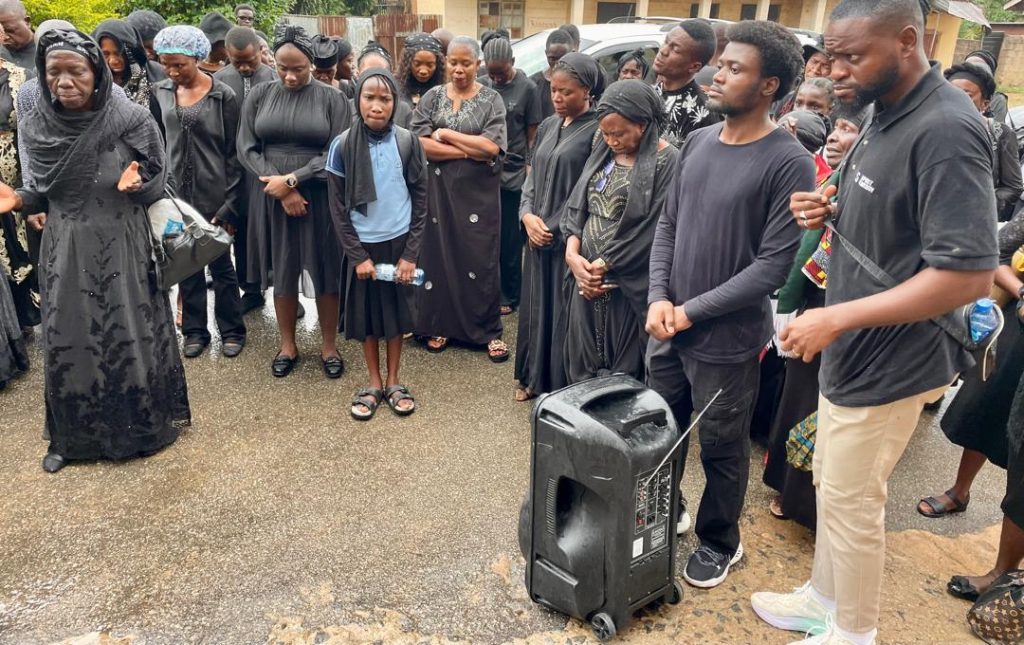
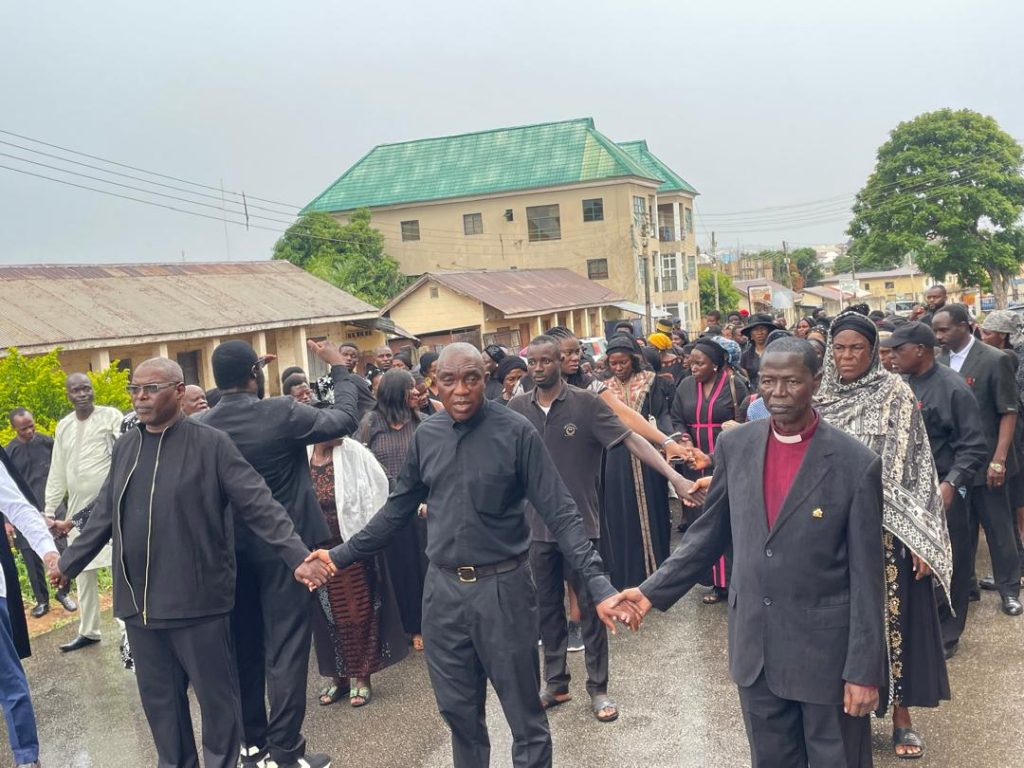
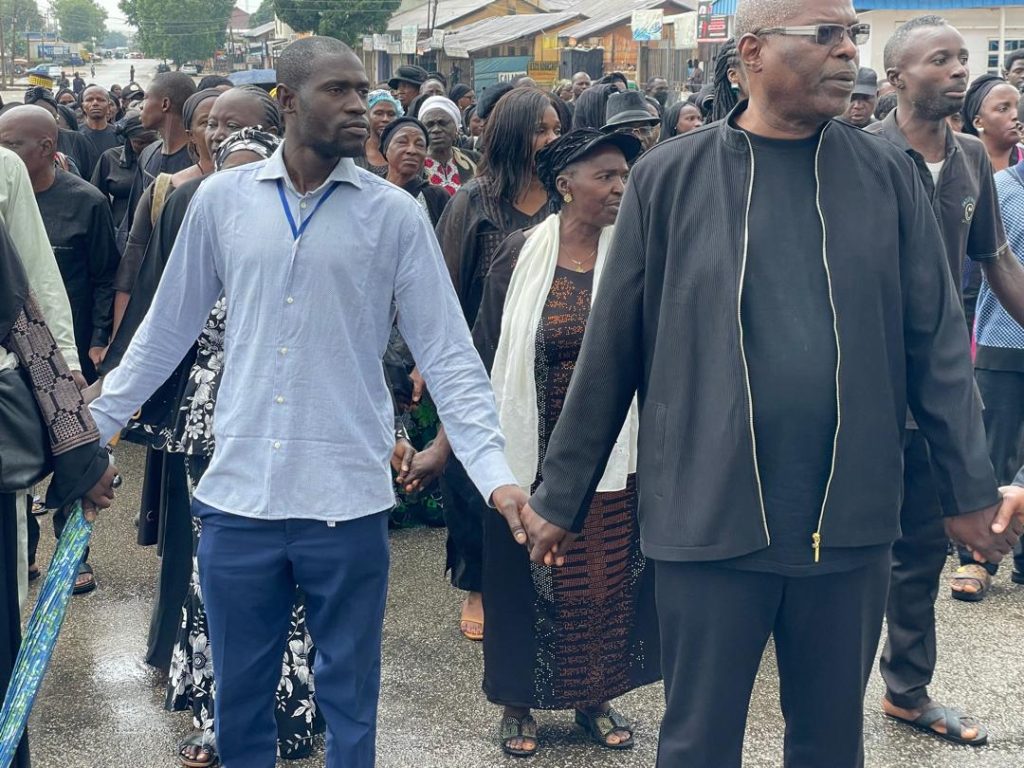
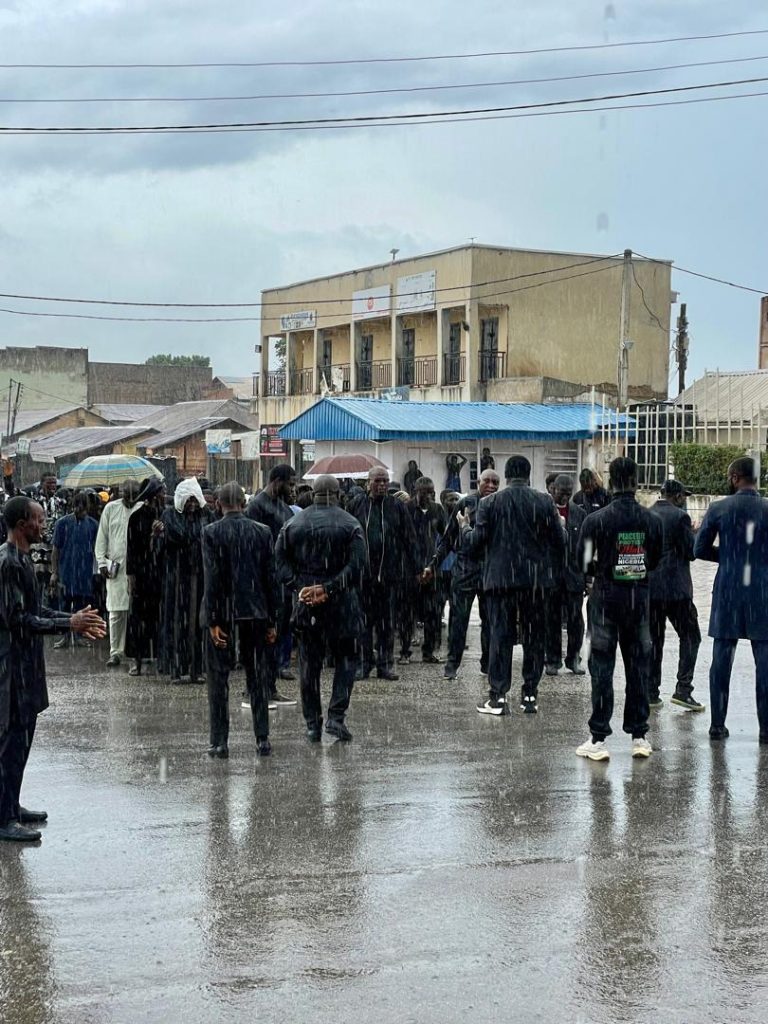
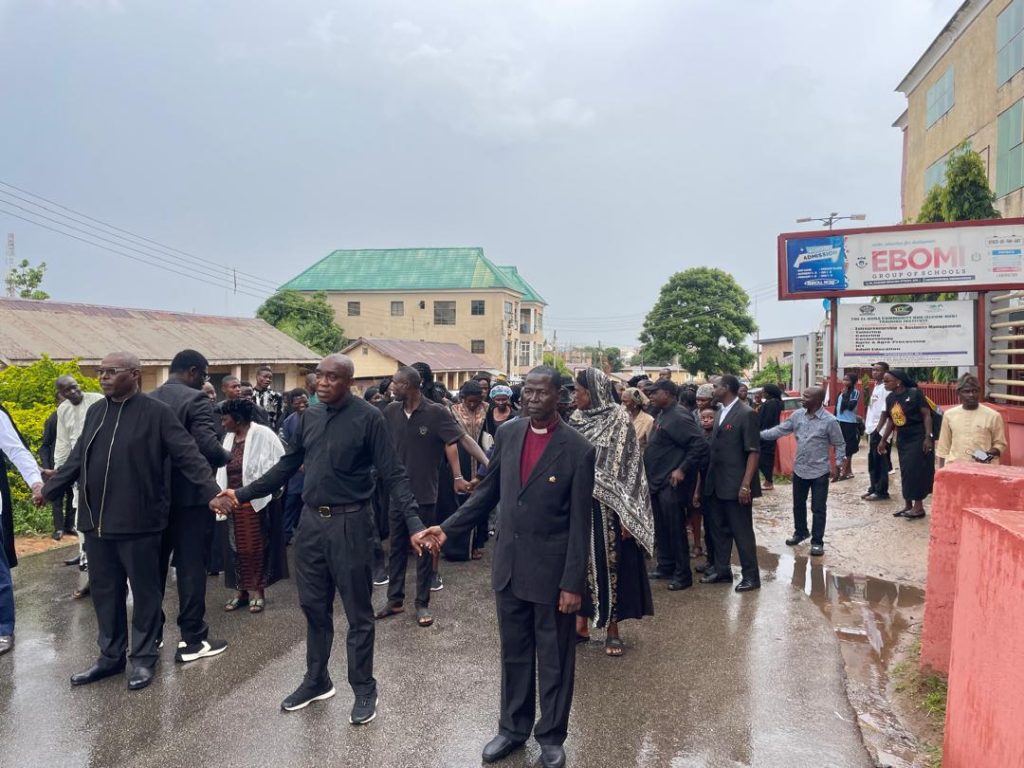
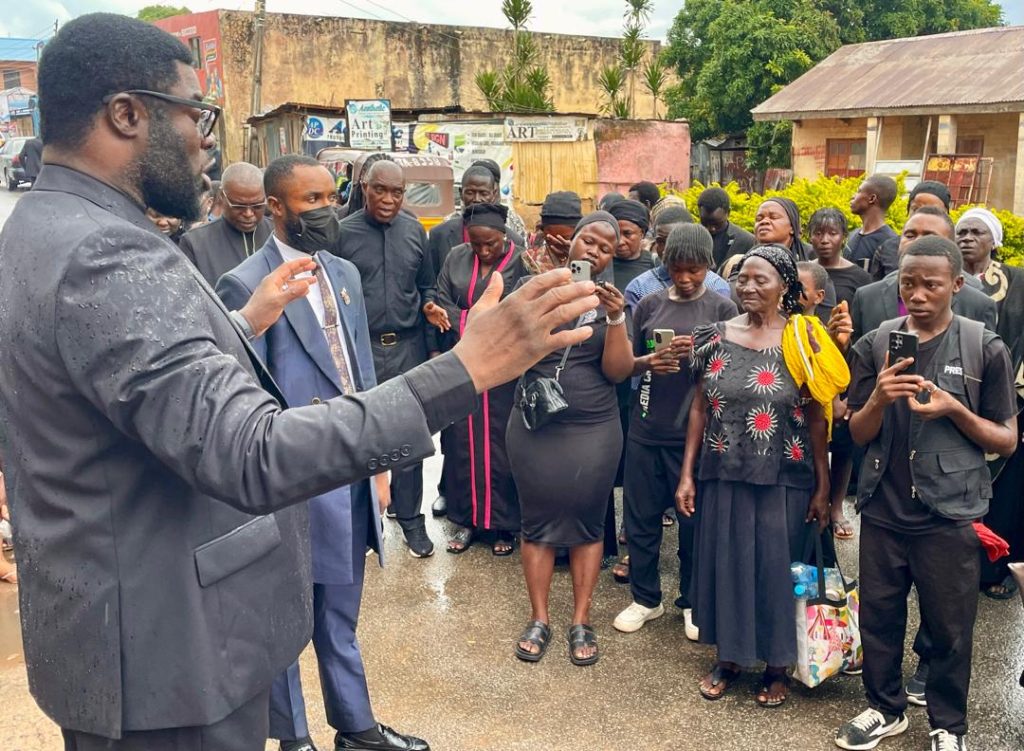
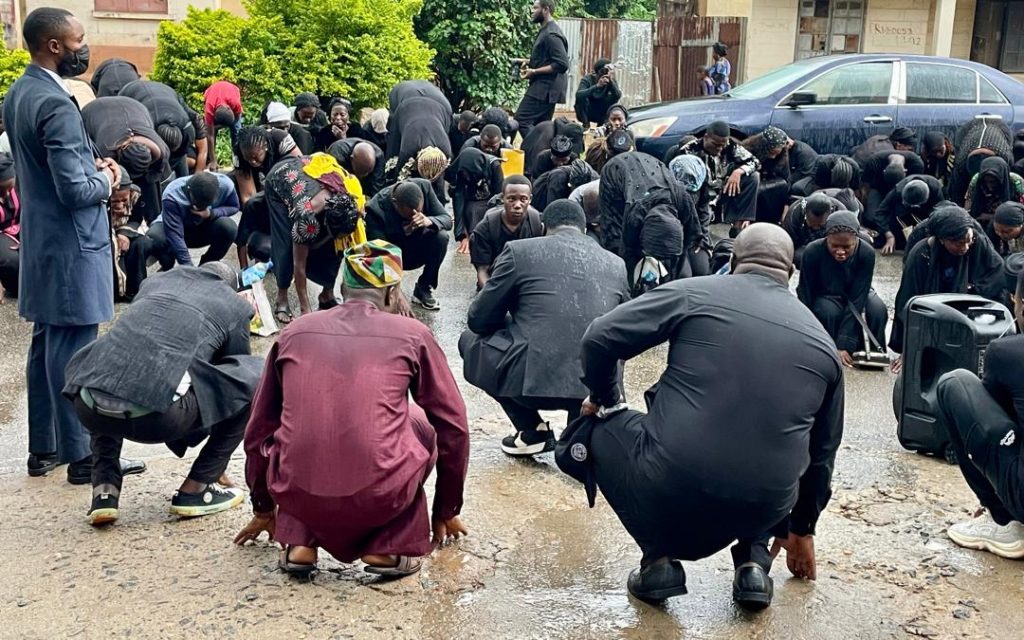
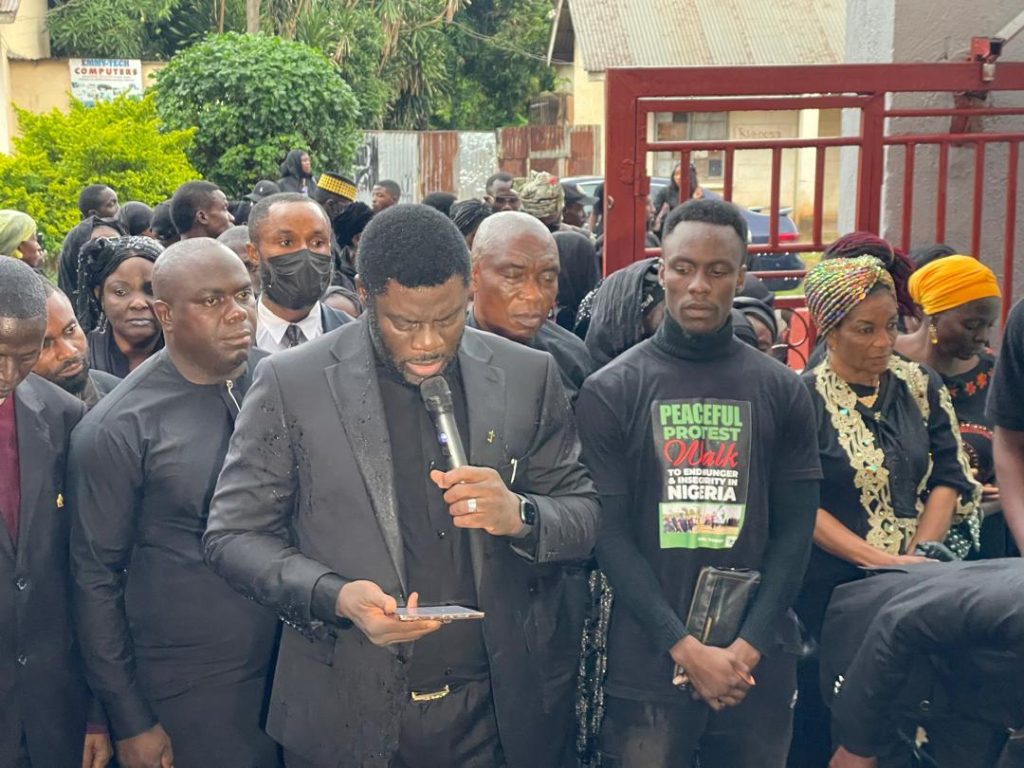
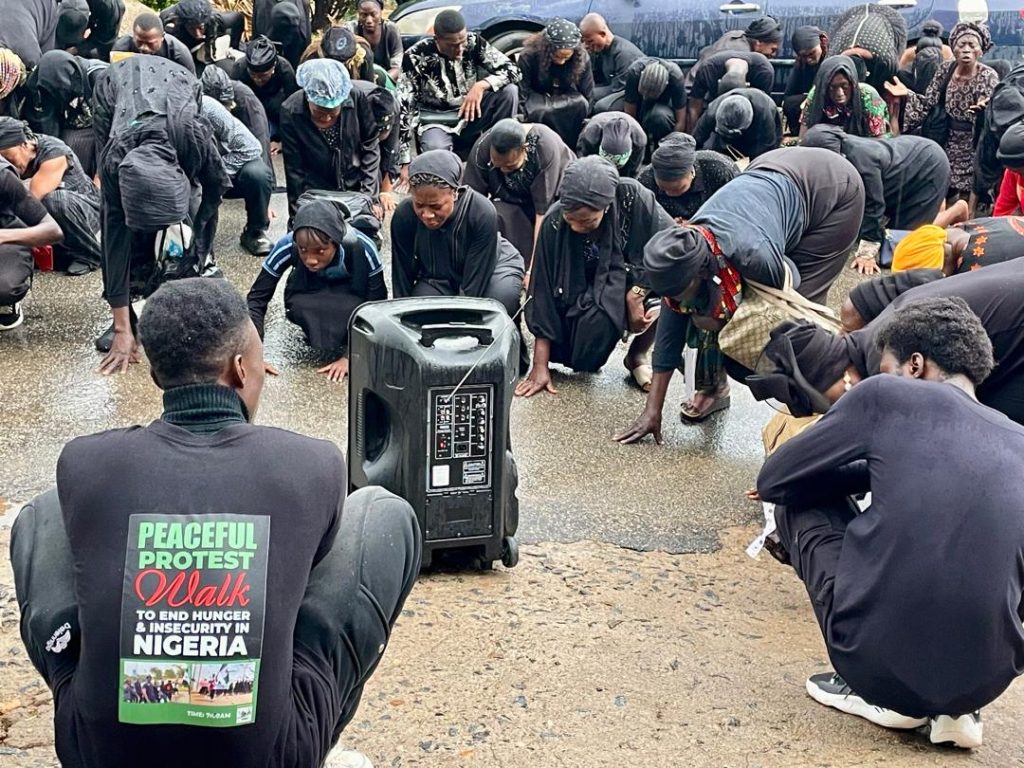
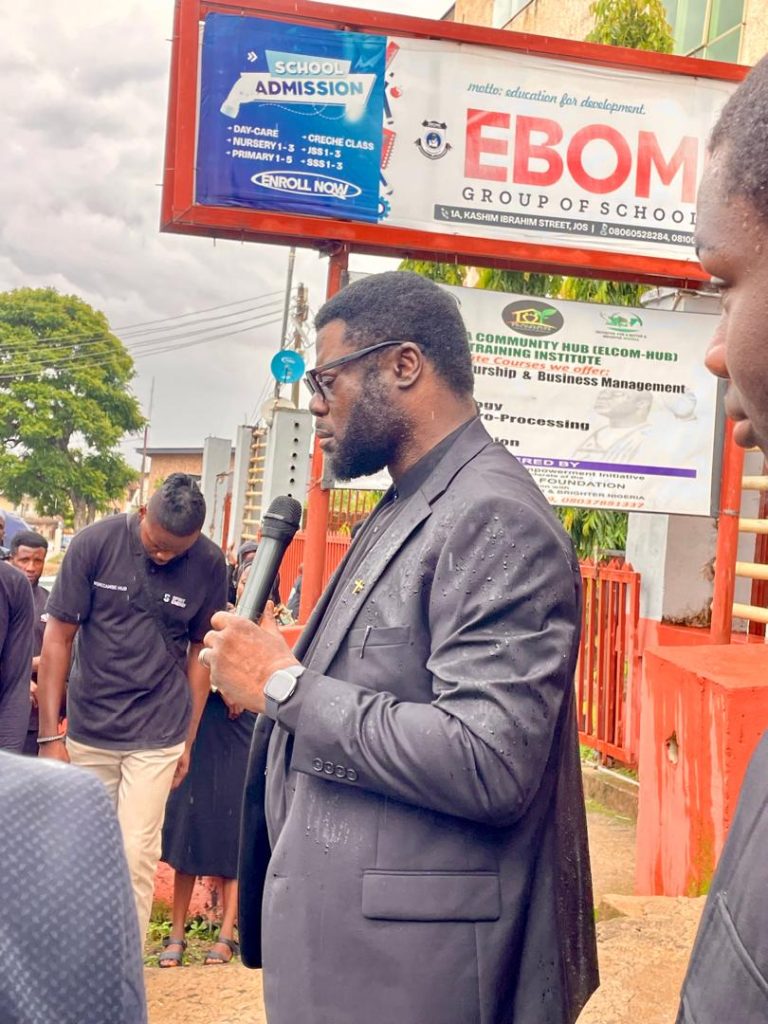
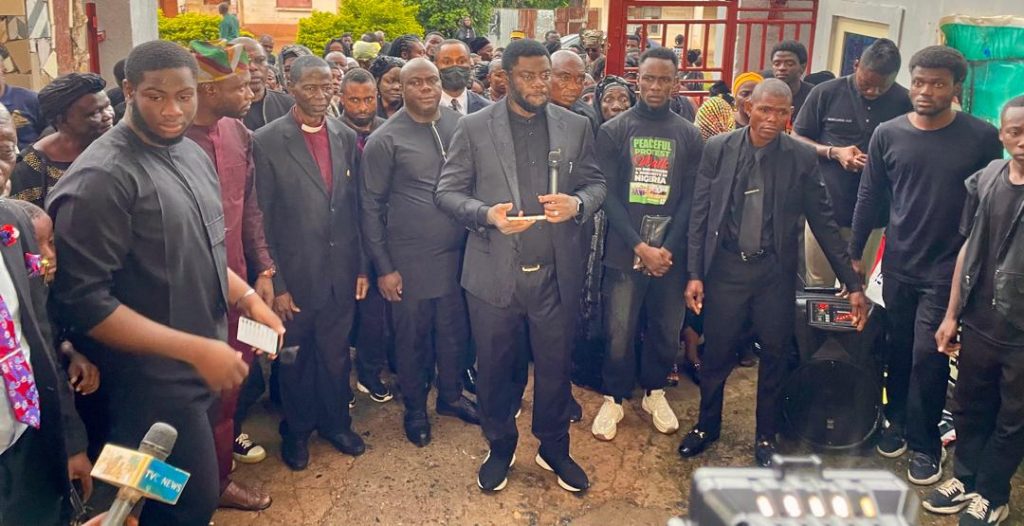
JOS, PLATEAU STATE – June 14, 2026 – Renowned cleric and President of EBOMI Ministries, Prophet Isa El-Buba, on Sunday led hundreds of Christians and concerned citizens on a peace protest walk in Jos, Plateau State, as part of activities marking the Christian Association of Nigeria (CAN)-declared “Black Sunday” in protest against the worsening insecurity across the country.
Addressing journalists during a press briefing at the EBOMI Building in Jos, El-Buba described the event as a call to the conscience of the nation, urging Nigerians to unite against the persistent bloodshed, kidnappings, terrorism, and attacks on communities.
According to him, the June 12 Democracy Day celebration should serve as a reminder that democracy must go beyond the right to vote and guarantee the security of lives and property, justice, equal opportunities, and hope for future generations.
“We stand here on the Black Sunday declared by the Christian Association of Nigeria over the constant loss of lives and the killing of innocent citizens. Democracy must guarantee security, justice, and hope for all Nigerians,” he said.
The cleric lamented the growing insecurity in many parts of the country, noting that countless families now live in fear of kidnappers, terrorists, bandits, and criminal elements. He said too many communities have been displaced, while many parents remain uncertain about the future of their children.
“We must declare with one voice that the bloodshed in Nigeria must stop. Every life matters. Every citizen deserves protection, and every community deserves peace,” he stated.
El-Buba stressed that security must become the nation’s immediate priority, insisting that government at all levels should intensify efforts to dismantle criminal networks, secure vulnerable communities, and restore public confidence.
He further declared that meaningful democratic processes cannot thrive amid widespread insecurity.
“No security, no election,” he repeatedly told the gathering, drawing loud responses from participants.
The religious leader also called for a national moral reawakening, arguing that corruption, greed, injustice, dishonesty, and abuse of power have weakened the nation’s foundation.
Addressing the church, El-Buba urged Christian leaders to recover their prophetic voice and act as the conscience of society by defending the vulnerable and speaking against injustice.
“This is not a time for silence, complacency, or compromise. The church must go beyond the walls of its sanctuaries and become an agent of transformation in society,” he said.
He equally appealed to Muslim leaders and faithful across the country to openly condemn individuals using religion as a cover for violence and criminality.
Extending a message of unity, El-Buba emphasized that insecurity and poverty affect Nigerians regardless of religion or ethnicity.
“Poverty does not know religion. Insecurity does not know tribe. Kidnappers do not ask who you are before striking. It is time for all righteous people to come together against the forces of evil,” he said.
The cleric commended Nigerian youths for increasingly speaking out against injustice and insecurity, urging them not to lose hope in the country.
“Nigeria still needs your energy, creativity, innovation, and patriotism. Refuse to become instruments of violence and division. Become builders of a better future,” he said.
El-Buba also called on President Bola Tinubu to take more decisive actions against insecurity, urging him to focus national attention on troubled regions and lead efforts to confront criminal groups threatening communities across the country.
While expressing respect for the office of the President, the cleric maintained that Nigerians expect stronger leadership and more visible action in addressing the nation’s security challenges.
He also paid tribute to members of the armed forces who have lost their lives in the line of duty, describing them as patriots who have paid the ultimate sacrifice for the nation.
As the protest walk concluded, El-Buba warned that citizens would continue to demand accountability from leaders if insecurity persists, while emphasizing that the movement was not a call for violence but a demand for justice, security, and national renewal.
“We will not keep silent until our nation is recovered. Let us reject hatred, violence, and division. Let us embrace justice, peace, national renewal, and national unity,” he said.
The protest formed part of nationwide activities observed by Christian groups under the CAN-declared Black Sunday initiative, aimed at drawing attention to the growing security crisis and calling for urgent government intervention to protect lives and communities across Nigeria.
Former Plateau State Governor and elder statesman, Senator Jonah David Jang, has opposed proposals that would allow Hausa/Fulani residents in Plateau State to obtain indigene certificates, describing the issue as one with serious implications for the state’s identity, cultural heritage, and indigenous rights.
Jang made his position known amid renewed debates over citizenship, residency, and indigeneity in Plateau State following recent discussions on who qualifies for indigene status.
According to the former governor, indigene certificates have historically been tied to ethnic communities recognized as the original inhabitants of Plateau State and should not be granted solely on the basis of residence.
“Indigene certificates are historically linked to communities and ethnic groups recognized as the original inhabitants of Plateau State and should not be granted solely on the basis of long-term residence,” he stated.
While acknowledging that every Nigerian has the constitutional right to reside and conduct lawful activities in any part of the country, Jang argued that such rights do not automatically confer indigene status.
He maintained that indigeneity carries unique historical and cultural significance that should be preserved for indigenous communities.
“Every Nigerian has the constitutional right to live and conduct lawful activities anywhere in the country, but such rights should not automatically translate into indigene status,” he said.
The former governor further stressed that maintaining a distinction between residents and indigenes is necessary to protect the heritage, interests, and political representation of native communities.
According to him, altering the existing framework could create tensions and undermine the rights of groups that have traditionally been recognized as indigenous to the state.
“Preserving the distinction between residents and indigenes is necessary to protect the interests, heritage, and political representation of indigenous communities,” Jang noted.
He urged policymakers and stakeholders to carefully consider any proposed changes relating to indigene certificates in order to avoid unintended consequences.
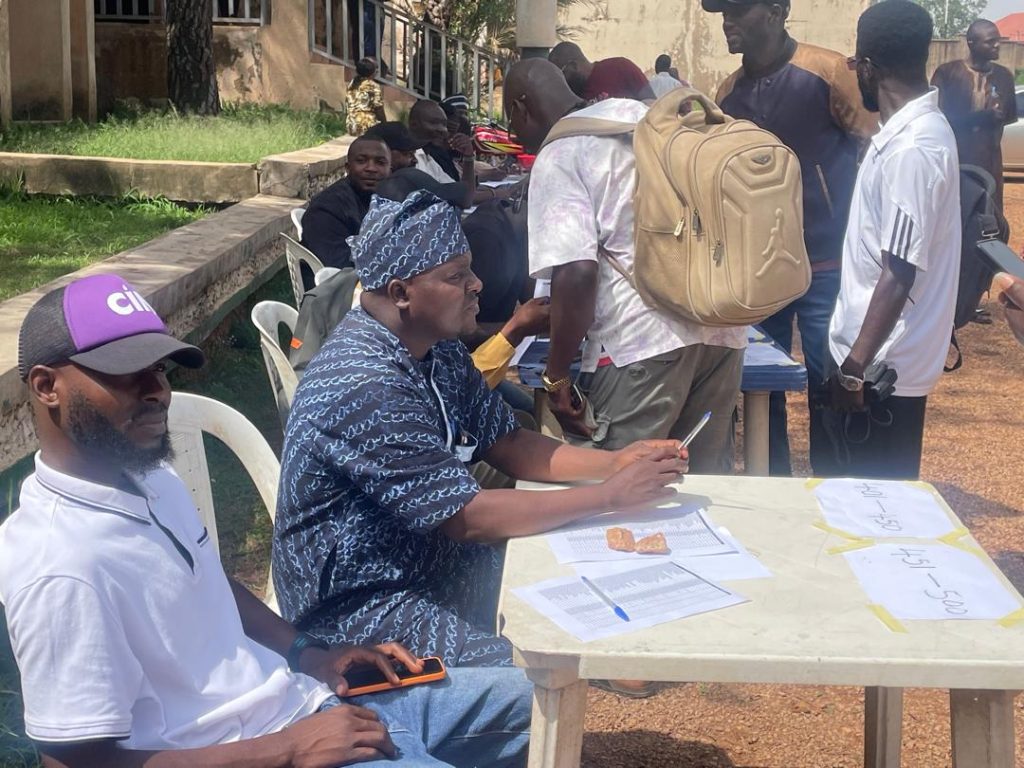
The Plateau Youth Agricultural Empowerment Programme (P-YAEP) has commenced the orientation and project briefing of 500 successfully shortlisted beneficiaries, marking a significant milestone in the implementation of the state government’s youth-focused agricultural initiative.
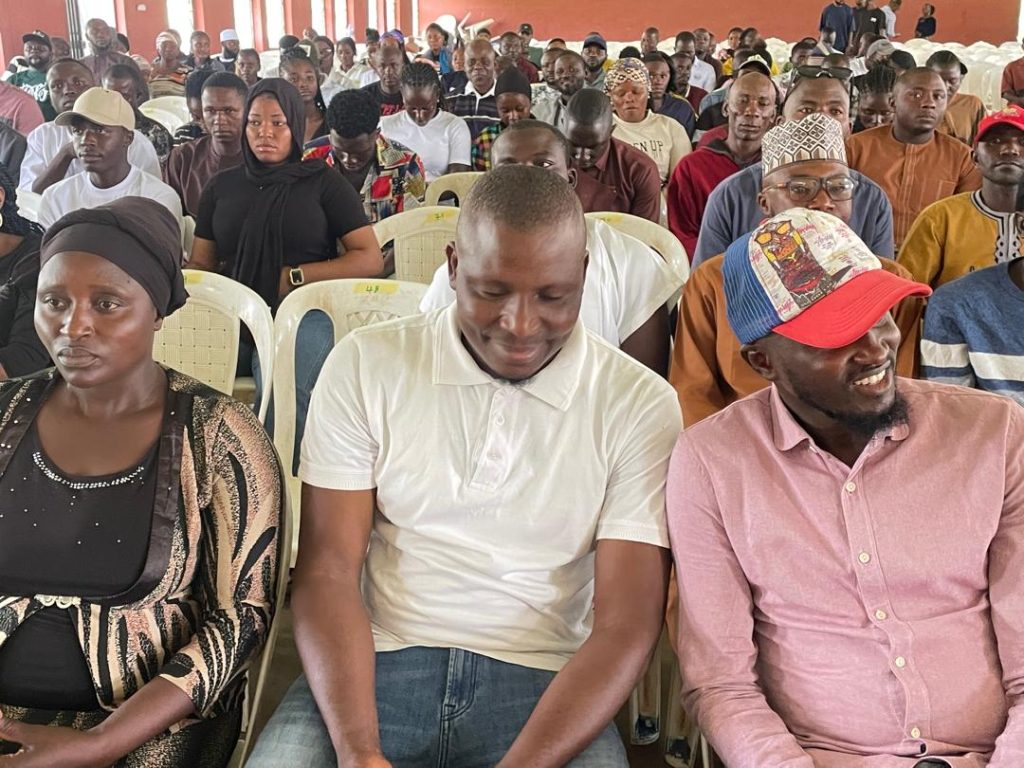
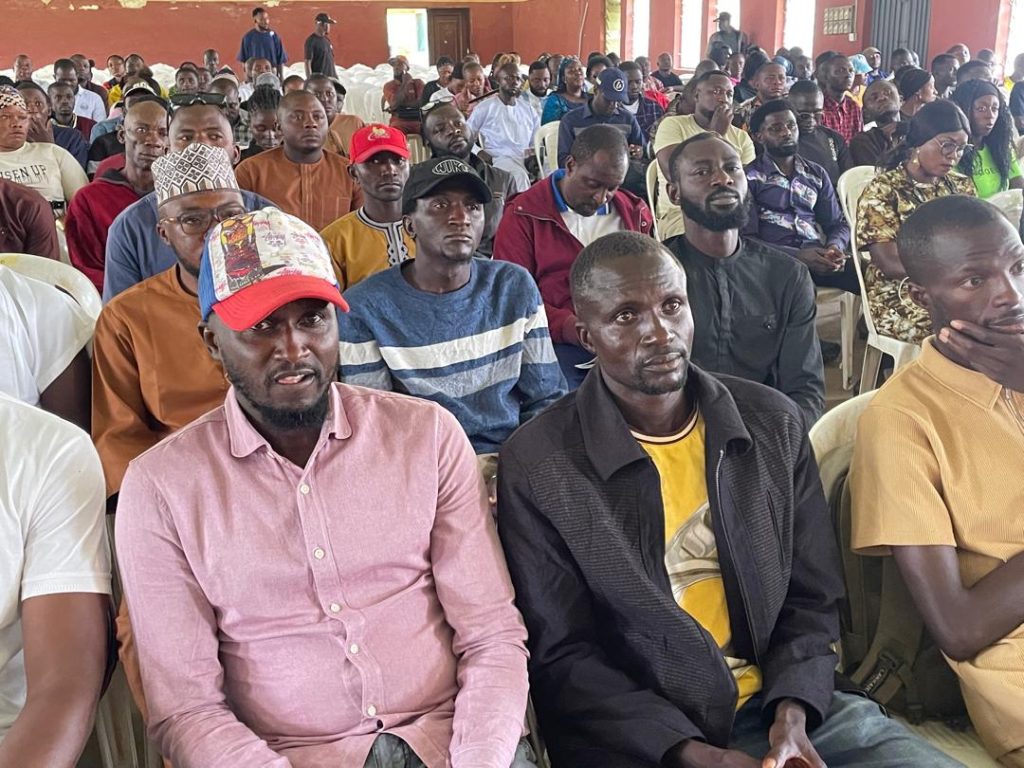
The orientation, held at the Azi Nyako Youth Centre in Jos, brought together participants, government officials, youth leaders, and project managers to outline expectations, responsibilities, and operational guidelines for the next phase of the programme.
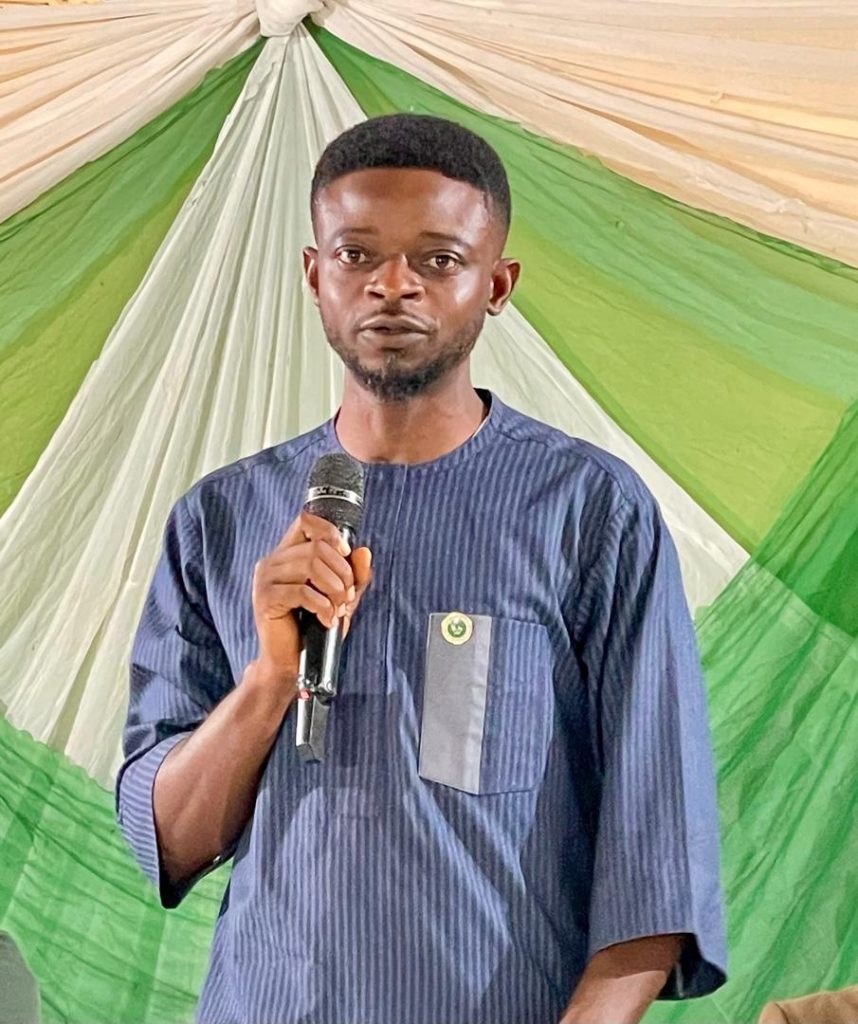
Speaking at the event, the Focal Person of P-YAEP, Yari Kumchi, said the programme was designed to transform agriculture into a viable business venture for young people and not merely a means of subsistence.
“We are trying to recreate agriculture in such a way that it becomes attractive to the youth. We want young people to see agriculture as agribusiness and a pathway to empowerment,” Kumchi said.
He acknowledged challenges encountered during the programme’s previous phases in 2024 and 2025, noting that valuable lessons had been learned to improve the current edition.
“We failed in 2024, we did better in 2025, and we believe this one will be even better. We have made our mistakes and we are learning from them,” he stated.
Kumchi explained that beneficiaries would be grouped into teams of five and allocated five hectares of farmland, while government would provide land, farm inputs, supervision, and technical expertise through agronomists.
“This is empowerment where you empower yourself. Government is only providing the opportunity, the land, the inputs, and the support. The success of the farm depends on your commitment and effort,” he added.
Also addressing participants, Chairman of the Plateau Youth Council (PYC), Panam Gongden Dapar, commended Governor Caleb Mutfwang for sustaining the programme despite challenges experienced in previous editions.
He noted that more than 2,000 youths applied for the scheme, making the selection of 500 beneficiaries highly competitive and merit-based.
“The fact that you are seated here today is a privilege. There are thousands of Plateau youths outside who would gladly take your place. Approach this opportunity with seriousness and dedication,” Dapar said.
The PYC chairman cautioned beneficiaries against spreading misinformation or undermining the programme through social media speculation, urging them instead to use official communication channels for complaints and inquiries.
“We will not tolerate anyone sabotaging this opportunity for Plateau youths. If you have questions or concerns, there are channels to address them. Let us show that Plateau youths are serious and ready to succeed,” he stressed.
Project Lead of P-YAEP, Jan James Diyong, described the initiative as a partnership rather than a cash-distribution scheme, emphasizing that it is aimed at exposing young people to the vast opportunities within the agricultural value chain.
“This project is not about sharing money. It is about opening young people to agricultural opportunities and building capacity in agribusiness,” James said.
According to him, government has provided land, accommodation, feeding, mechanized farming support, fertilizers, seeds, and other inputs, while beneficiaries are expected to manage their farms and work closely with assigned agronomists.
“We are providing everything needed for production. Your responsibility is to show commitment, manage your farms effectively, and work as a team. If we succeed, we all succeed; if we fail, we all fail,” he said.
James further urged participants to embrace transparency, teamwork, and continuous feedback, assuring them that lessons from previous editions were being applied to ensure a more successful and impactful programme in 2026.
The Plateau Youth Agricultural Empowerment Programme is one of the initiatives of the Plateau State Government aimed at empowering young people through agriculture, enterprise development, and sustainable livelihood opportunities while boosting food production and economic growth in the state.
Billionaire entrepreneur has become the world’s first trillionaire after the successful public market debut of , marking a historic milestone in global wealth accumulation.
According to reports by Bloomberg, Musk’s fortune surpassed the $1 trillion mark on Friday after SpaceX’s shares were priced at $135 ahead of its highly anticipated initial public offering (IPO). The listing significantly boosted the value of Musk’s holdings in the company, with his stake estimated at approximately $860 billion.
When combined with his substantial ownership in , the surge in SpaceX’s market value pushed Musk’s net worth beyond $1 trillion, cementing his position as the wealthiest individual in modern history. SpaceX shares continued to rise during early trading, further increasing his paper wealth.
Musk’s rise to trillionaire status comes amid growing public scrutiny and expanding influence. The tech billionaire played a prominent role in American politics during the 2024 election cycle, reportedly contributing about $300 million to the presidential campaign of . He later became involved in government affairs through the Department of Government Efficiency, an initiative that drew both support and criticism.
Beyond his current wealth, analysts say Musk’s fortune could grow even further. In 2025, Tesla shareholders approved a compensation package that could eventually be worth as much as $1 trillion if the company achieves ambitious valuation and performance targets.
Musk also retains significant control over SpaceX. Despite the company’s transition to public ownership, he reportedly controls more than 80 percent of the voting power, giving him substantial authority over corporate decisions, board appointments, and the company’s long-term strategy.
As SpaceX expands its ambitions in space exploration, satellite communications, and future plans for Mars colonization, Musk’s influence over technology, business, and public policy is expected to remain a major topic of global discussion.