Posted on — Leave a comment

Tinubu’s Investment In NELFUND Yielding Positive Results – Lawal

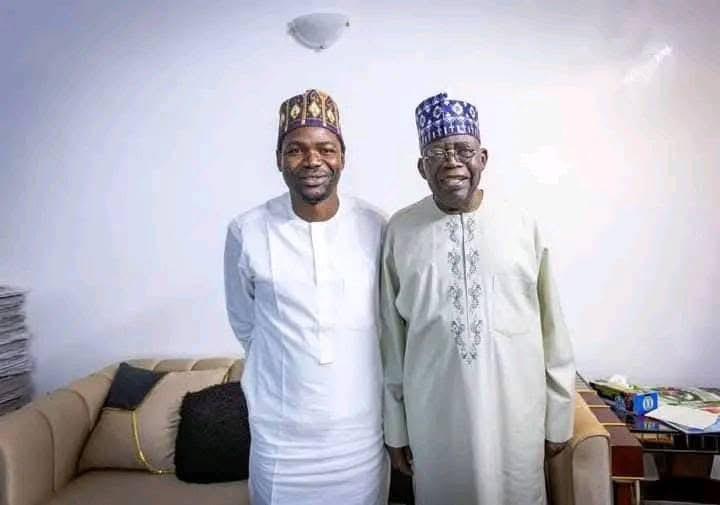
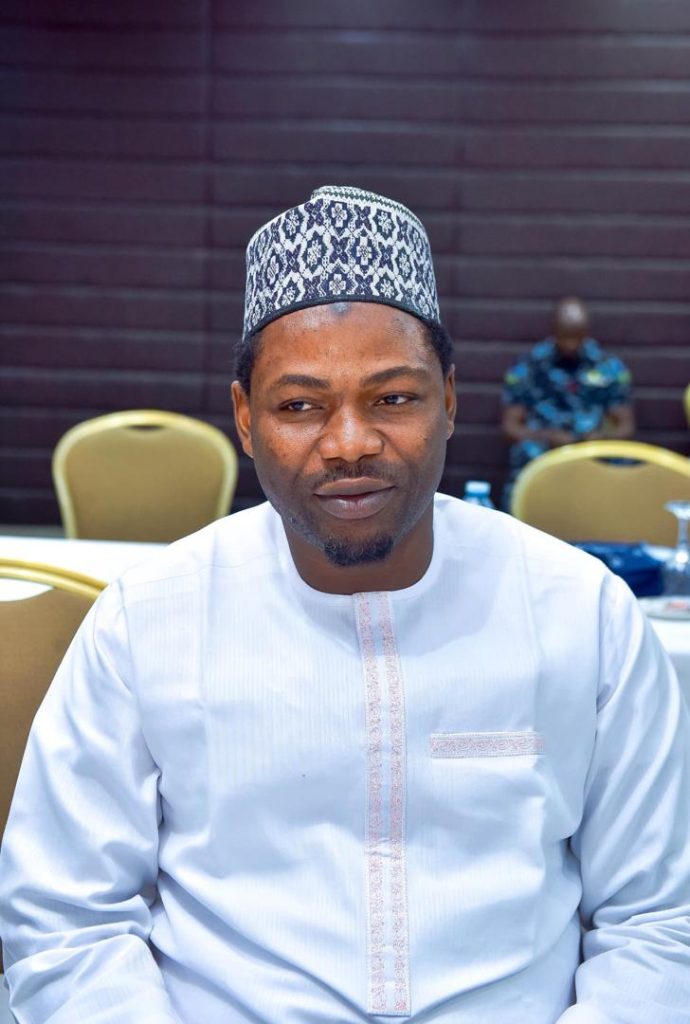
Alhaji Umar Faruk Lawal, Board Member representing students at the Nigerian Education Loan Fund (NELFUND), has said President Bola Ahmed Tinubu’s investment in the student loan scheme is already yielding positive results across Nigeria’s tertiary education sector.

Lawal said the establishment of NELFUND has significantly expanded access to higher education by removing financial barriers that previously prevented many young Nigerians from pursuing their academic aspirations.

Speaking to newsmen in Jos on Friday noted that student enrolment in tertiary institutions has increased considerably since the introduction of the interest-free loan programme, as more students from disadvantaged backgrounds now have the confidence to seek admission without worrying about tuition fees and other educational expenses.

According to him, before the introduction of NELFUND, many students who gained admission into universities, polytechnics and colleges of education were often forced to abandon their studies due to financial constraints.

“Today, students can focus on their academic pursuits without the constant fear of dropping out because of financial difficulties. “.

“The intervention of President Bola Ahmed Tinubu through NELFUND has changed the narrative for thousands of Nigerian students,” Lawal said.

He explained that the scheme has provided hope for students from less privileged families who previously viewed higher education as an unattainable dream.

“Many students can now aspire to study courses of their choice in tertiary institutions, knowing fully well that NELFUND will cater for their tuition fees while also providing monthly upkeep allowances to support their living expenses,” he added.

Lawal urged parents and guardians across the country to encourage their children and wards to take advantage of the loan scheme, describing it as a unique opportunity to acquire quality education without financial constraints.

He emphasized that the loans are interest-free and designed to ensure that no qualified Nigerian student is denied access to higher education due to economic hardship.

“I want to encourage parents to continue motivating their children to embrace this opportunity.

They should not allow financial challenges to kill their dreams of obtaining tertiary education because government has provided a reliable support system through NELFUND,” he said.

Highlighting the programme’s impact, Lawal cited success stories of outstanding students who have excelled academically under the scheme, including recent first-class graduates who acknowledged NELFUND’s support as instrumental to their achievements.

Among them is Oladepo Olugbenga, the overall best graduating student of Ladoke Akintola University of Technology (LAUTECH), who graduated with a first-class degree and a cumulative grade point average of 4.89 on a 5.0 scale.

Olugbenga publicly credited NELFUND for helping him overcome severe financial challenges during his academic journey, stating that the loan scheme made his achievement possible.

Lawal said such success stories demonstrate the transformative impact of the programme and validate the Federal Government’s commitment to investing in human capital development.

He commended the management of NELFUND for ensuring transparency and efficiency in the implementation of the scheme, while urging beneficiaries to remain committed to academic excellence.

Recent data released by NELFUND showed that the Fund has disbursed more than N206 billion to over 1.16 million students across 270 tertiary institutions nationwide within two years of operation.

The breakdown indicates that N128.84 billion was paid directly to institutions as tuition fees, while N77.45 billion was released to students as upkeep allowances.

Lawal described the figures as evidence that President Tinubu’s investment in education is yielding tangible results and helping to create a more inclusive higher education system where every Nigerian student, regardless of economic background, has an opportunity to succeed.

He expressed optimism that as awareness of the scheme continues to grow, more Nigerian students will benefit from the initiative, further strengthening the nation’s educational and socio-economic development.
Posted on — Leave a comment

Democracy Day: Mutfwang Highlights Security, Economic Reforms, Grants Pardon to Four Inmates

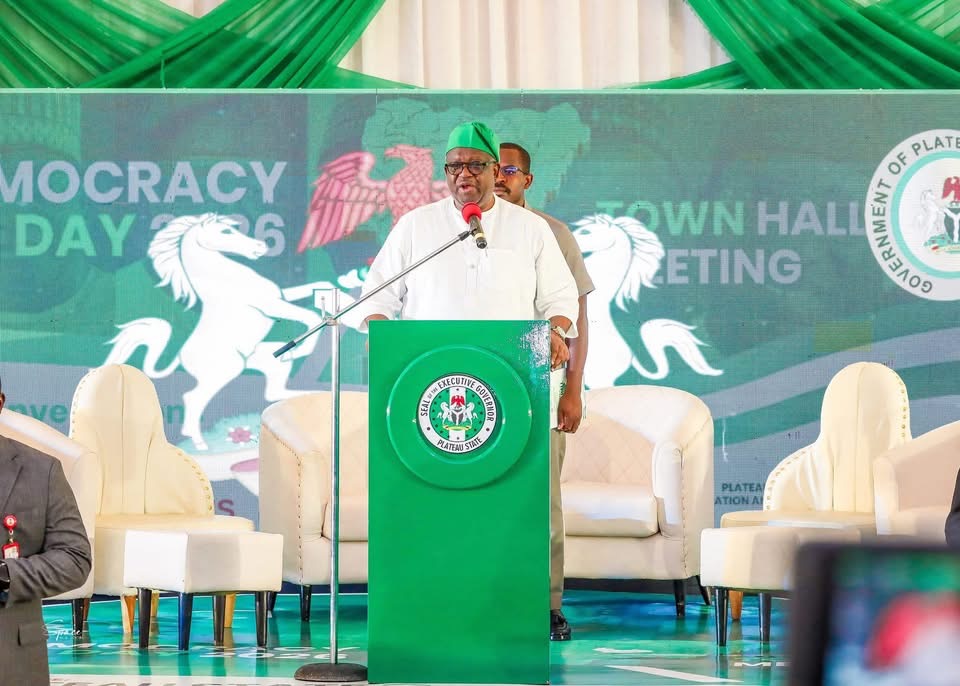
Governor Caleb Mutfwang of Plateau State has highlighted major achievements recorded by his administration in security, infrastructure, civil service reforms, agriculture, mining, tourism, healthcare and education, as the state marks three years under his leadership.

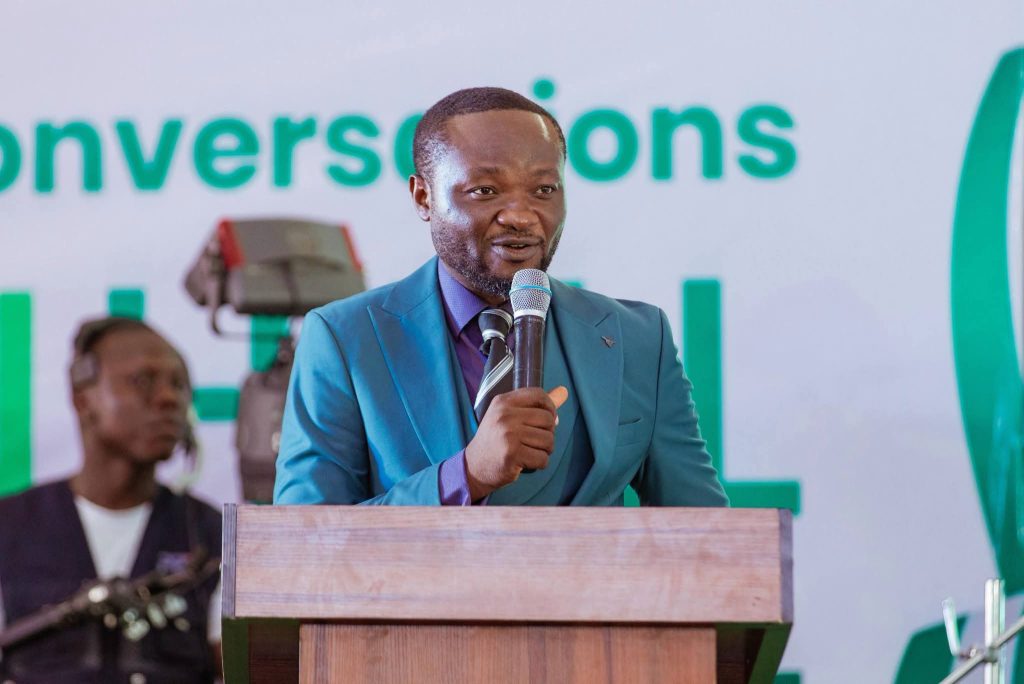
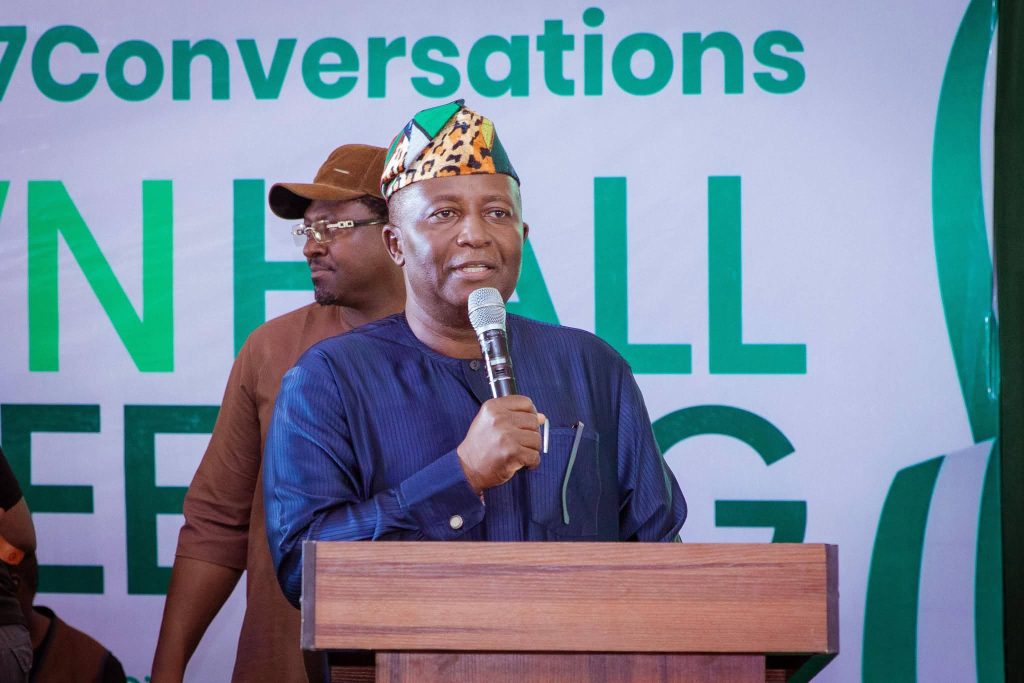
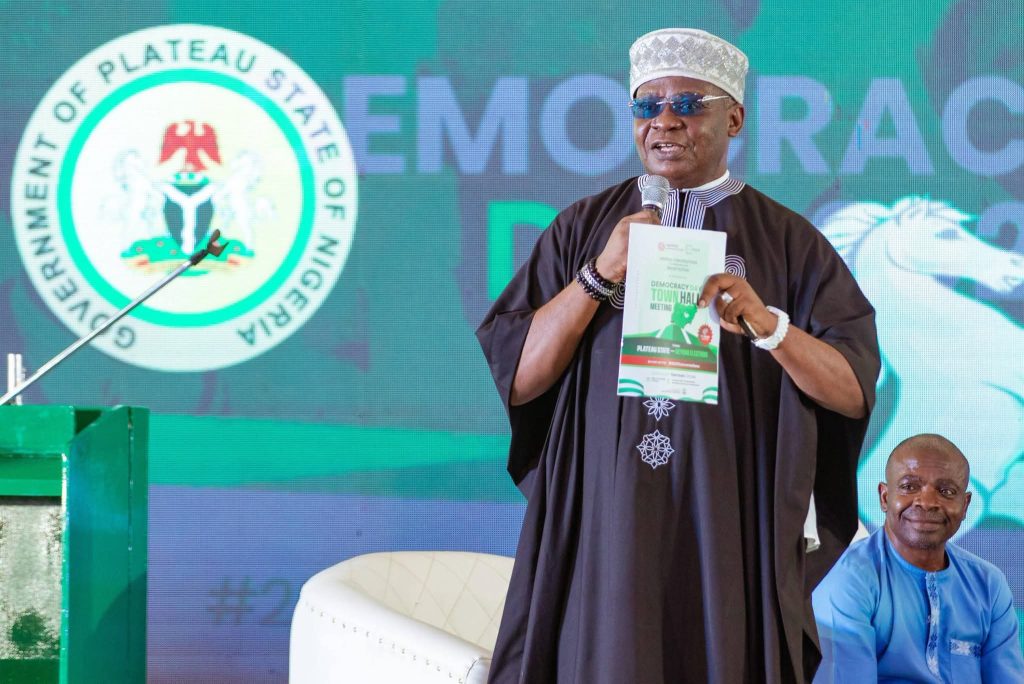
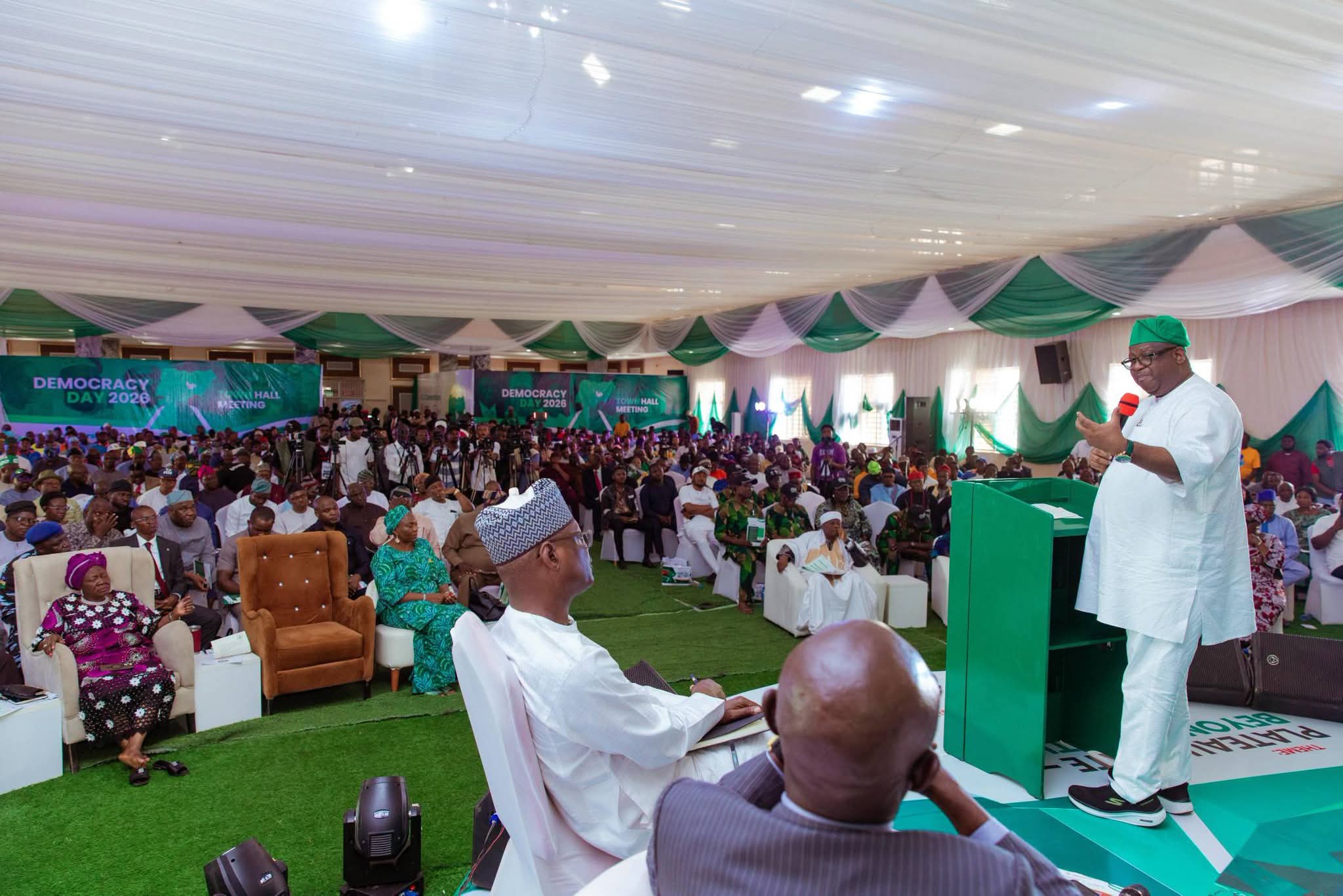
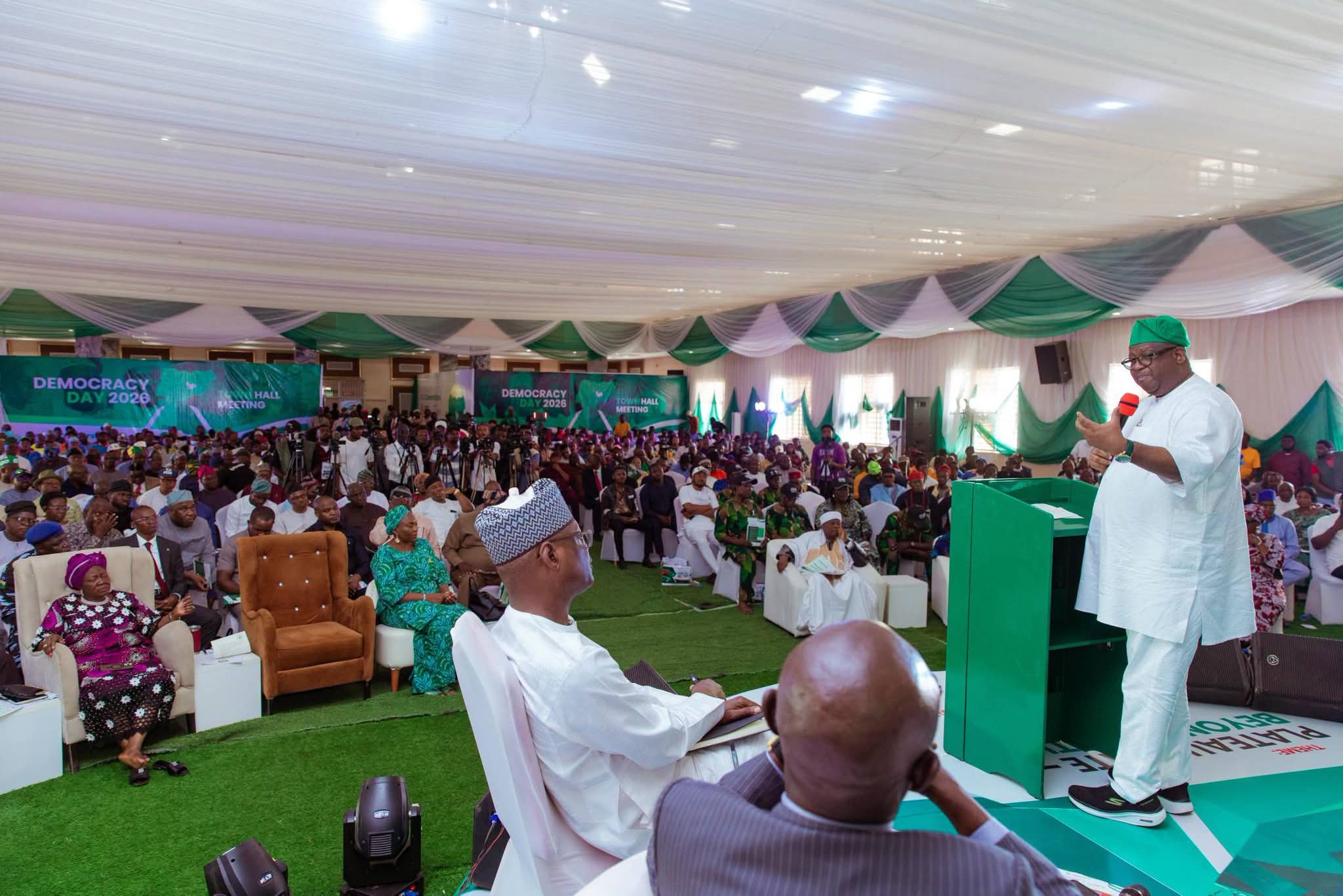
Speaking at the 2027 Conversation Town Hall Meeting in Jos on Friday as part of activities marking Democracy Day 2026, the governor reaffirmed his administration’s commitment to building a peaceful, prosperous and economically vibrant Plateau through responsible leadership, transparency, accountability and people-centered governance.

Mutfwang described democracy as the foundation of freedom, accountability, citizen participation and good governance, noting that the progress achieved in the state over the last three years was made possible by the mandate freely given by the people of Plateau State.

Reflecting on his journey in public service, the governor said democracy had provided opportunities for individuals to serve regardless of their background or status, describing himself as a beneficiary of the democratic process.

According to him, his administration has remained committed to restoring confidence in public institutions through prudent management of resources, integrity and purposeful governance.

Security and Peacebuilding

Governor Mutfwang identified insecurity as the greatest challenge his administration inherited upon assuming office in 2023. He said the government immediately moved to strengthen security architecture across the state by revitalizing Operation Rainbow, deploying more than 2,000 community-based personnel for intelligence gathering and strengthening collaboration with security agencies.

The governor recalled that within two days of assuming office, his administration convened a State Security Council meeting and visited internally displaced persons camps and affected communities.

He disclosed that engagements with security chiefs at both state and federal levels have improved the understanding of Plateau’s security challenges, while emergency response channels established by the government have helped prevent several criminal activities.

Mutfwang maintained that his administration would continue to confront insecurity decisively and ruled out negotiations with criminal elements.

Civil Service Reforms and Workers’ Welfare

The governor revealed that his administration inherited over ₦11 billion in salary liabilities, while only ₦1.1 billion was available to the government at the time.

He said through prudent financial management, the government cleared salary arrears, ensured regular payment of workers’ salaries and paid more than ₦20 billion in pensions and gratuities.

The administration has also introduced merit-based appointments, improved staff welfare and implemented capacity-building programmes aimed at improving professionalism and efficiency within the civil service.

Revenue Growth and Economic Expansion

Governor Mutfwang stated that reforms in revenue administration have significantly increased Plateau’s Internally Generated Revenue (IGR), which has risen from less than ₦1 billion monthly in 2023 to between ₦3 billion and ₦3.5 billion monthly.

He said the government remains focused on expanding the state’s economy through investments in productive sectors rather than relying solely on taxation.

Mining and Industrial Development

The governor described mining as one of the key drivers of Plateau’s economic future, noting that reforms in the sector have improved revenue generation and enhanced community participation.

He announced the revitalization of the Plateau Mineral Development Company and ongoing efforts to establish value-addition industries, including a modern tin-processing facility, to maximize benefits from the state’s vast mineral resources.

Tourism Revival

Reaffirming Plateau’s reputation as the “Home of Peace and Tourism,” Mutfwang said his administration is investing heavily in tourism infrastructure and conservation initiatives.

He highlighted ongoing upgrades at the Jos Wildlife Park, strategic partnerships for wildlife conservation and the development of a comprehensive Tourism Master Plan designed to attract local and international investors.

Agricultural Transformation

The governor said agriculture remains central to his administration’s economic agenda, with efforts focused on transitioning from subsistence farming to mechanized and commercial agriculture.

He listed investments in improved seed varieties, farm mechanization, fertilizer distribution, irrigation projects and innovative farming technologies aimed at increasing productivity and improving farmers’ incomes.

Mutfwang revealed that Plateau’s famous potato industry is being rebranded under the name “Mato Potato” as part of efforts to strengthen its identity and market value.

He also announced the pilot testing of 200 locally manufactured hand tillers developed by a Plateau innovator, with plans to scale production to 2,000 units if successful.

The governor further disclosed that the state had procured about 500 truckloads of fertilizer ahead of the farming season and is investing in irrigation and water infrastructure.

He added that government is strengthening the livestock value chain through investments in dairy production, ranching infrastructure, modern abattoirs and forage development programmes.

Investments in Healthcare, Education and Infrastructure

Mutfwang said substantial investments have been made in healthcare infrastructure, laboratory services and the Plateau State Specialist Hospital, with plans to transform the facility into a teaching hospital.

In education, he highlighted reductions in tuition fees at state-owned tertiary institutions, increased scholarship support and investments in human capital development.

The governor also pointed to ongoing road construction projects across the state’s 17 local government areas, improvements in public transportation through the Metro Bus Scheme, urban renewal initiatives and water infrastructure projects.

Youth Empowerment and Investment Promotion

According to the governor, youth development remains a priority for his administration through investments in sports, entrepreneurship, skills acquisition and educational opportunities.

He said growing investor confidence and expanding partnerships across agriculture, mining, tourism, healthcare and manufacturing sectors indicate that Plateau’s economy is on a positive trajectory.

Governor Grants Pardon to Four Inmates

As part of activities commemorating Democracy Day 2026, Governor Mutfwang approved absolute pardon for four Plateau citizens following recommendations by the Plateau State Advisory Council on the Prerogative of Mercy and due consideration by the Nigerian Correctional Service.

The beneficiaries are Nanchang Ramyil, Sale Ayuba, Abdullahi Haruna A. Yusuf and John Monday.

The governor said the decision reflects his administration’s commitment to balancing justice with mercy, rehabilitation and human dignity while providing opportunities for redemption and reintegration into society.

He urged the beneficiaries to become responsible and productive citizens and called on residents to continue supporting efforts aimed at promoting peace, unity, justice and social cohesion.

Mutfwang thanked Plateau people for their trust, prayers and support over the past three years and assured them that his administration would remain committed to delivering sustainable development and improving the welfare of citizens.

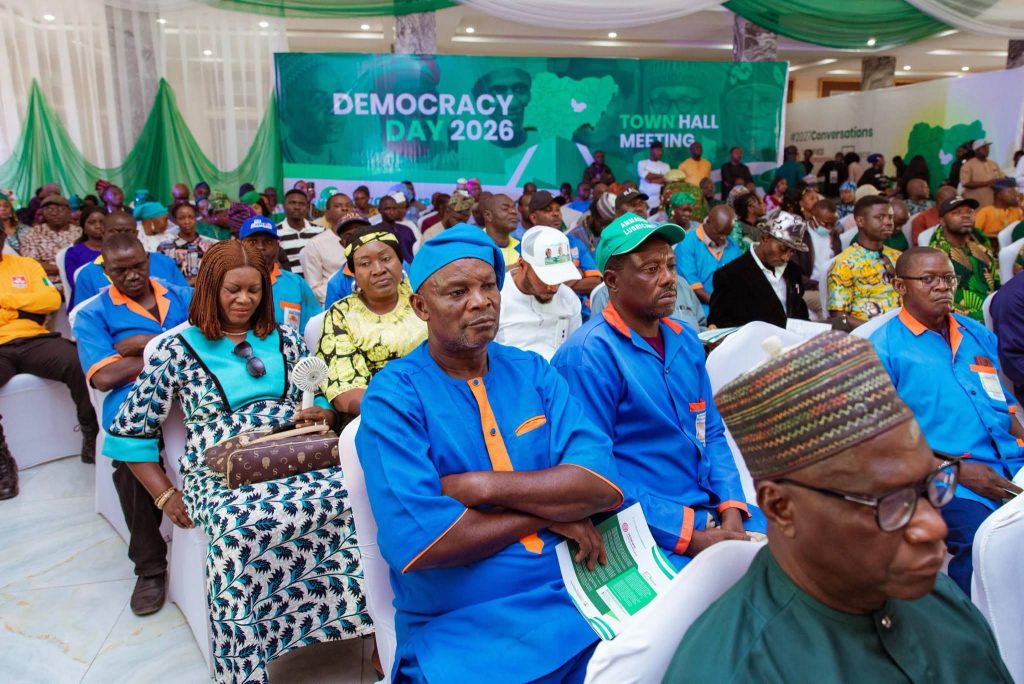
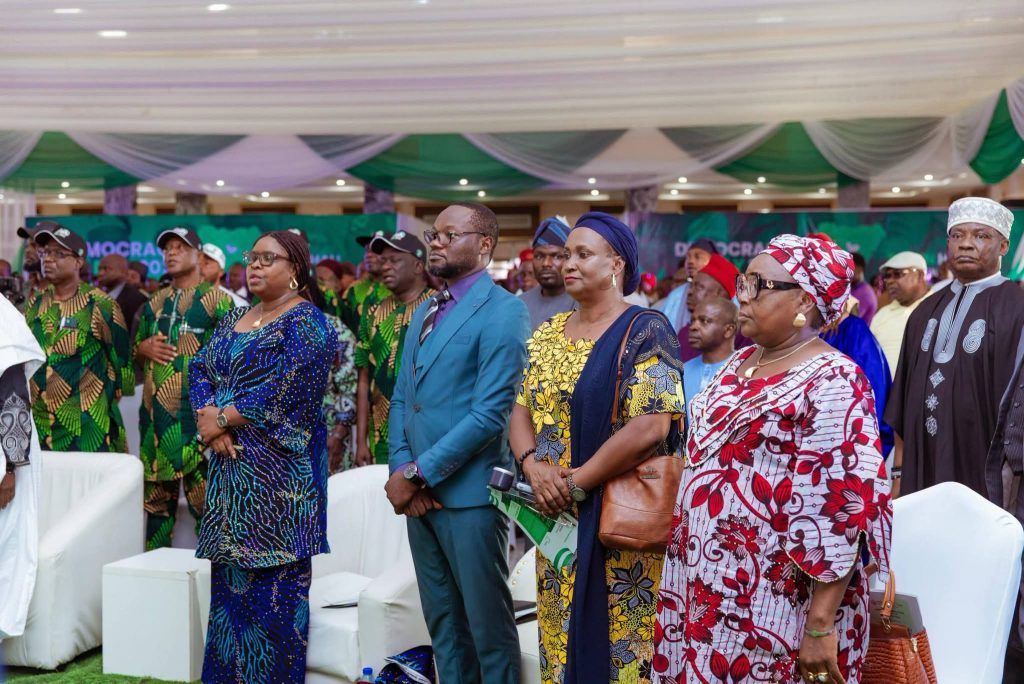
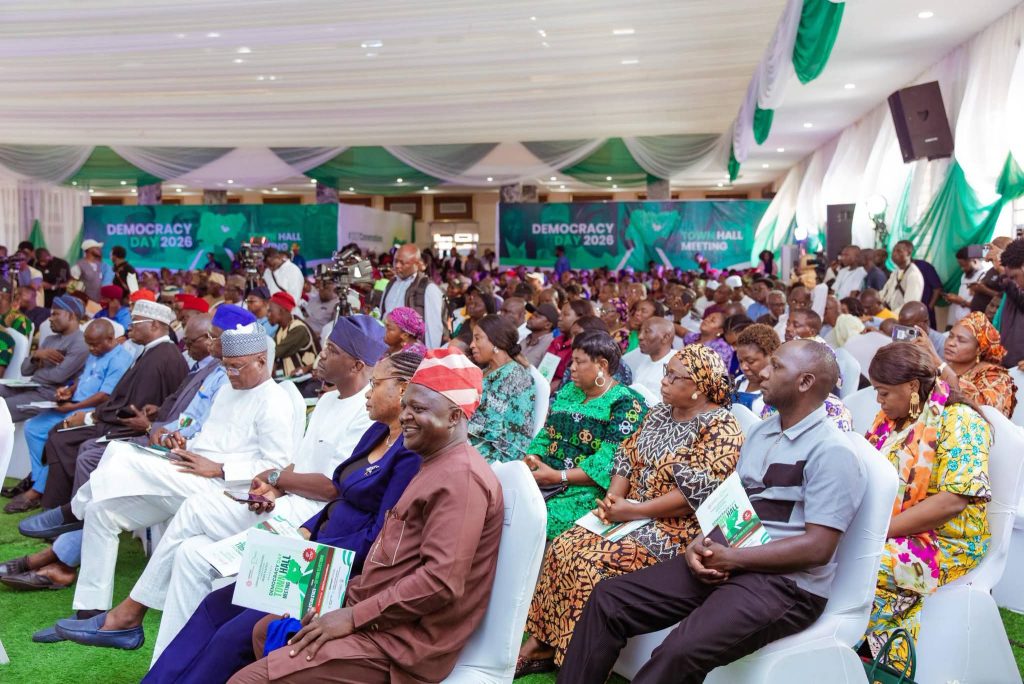
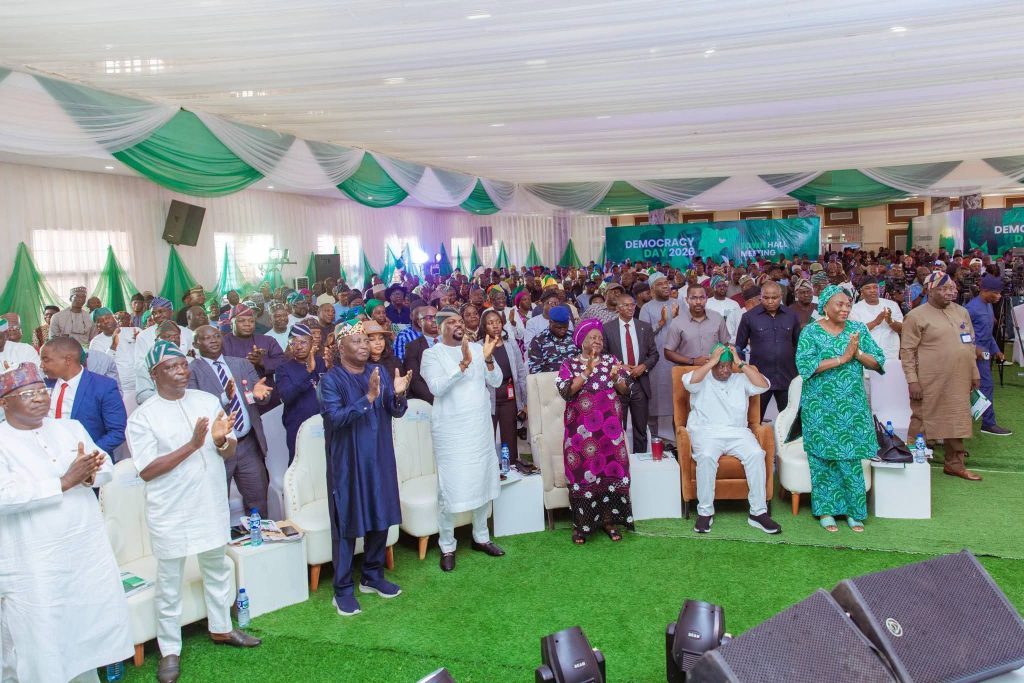
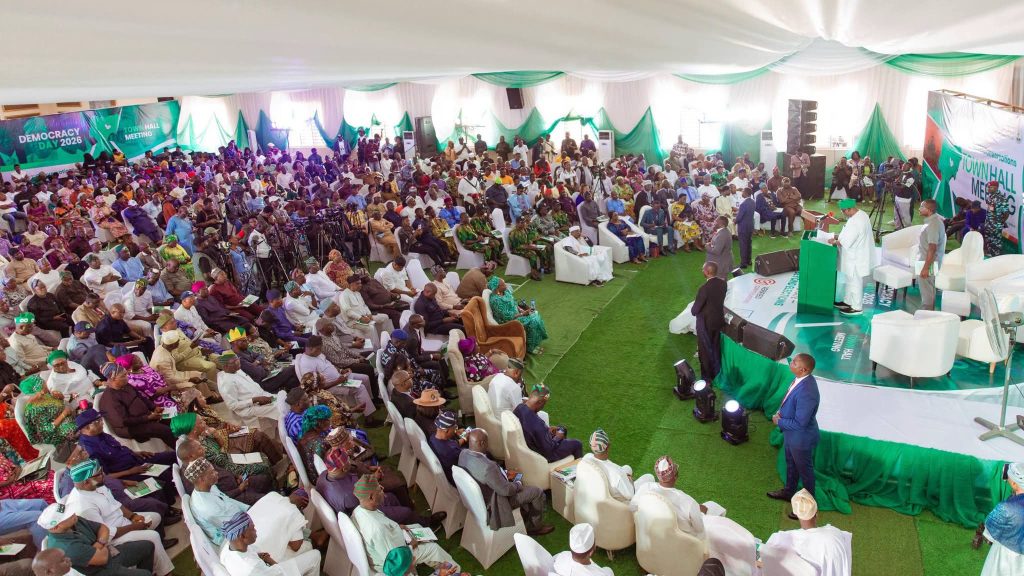
The town hall meeting featured panel discussions on the gains of democracy and was attended by government officials, stakeholders from various sectors, youths and women groups.

Posted on — Leave a comment

Democracy Day: Mutfwang Highlights Security, Economic Gains as Citizens Demand Greater Accountability at #2027Conversations Town Hall

Governor Caleb Mutfwang of Plateau State has reaffirmed his administration’s commitment to building a peaceful, prosperous, and economically vibrant state, highlighting significant achievements in security, infrastructure, civil service reforms, agriculture, mining, tourism, healthcare, and education over the past three years.

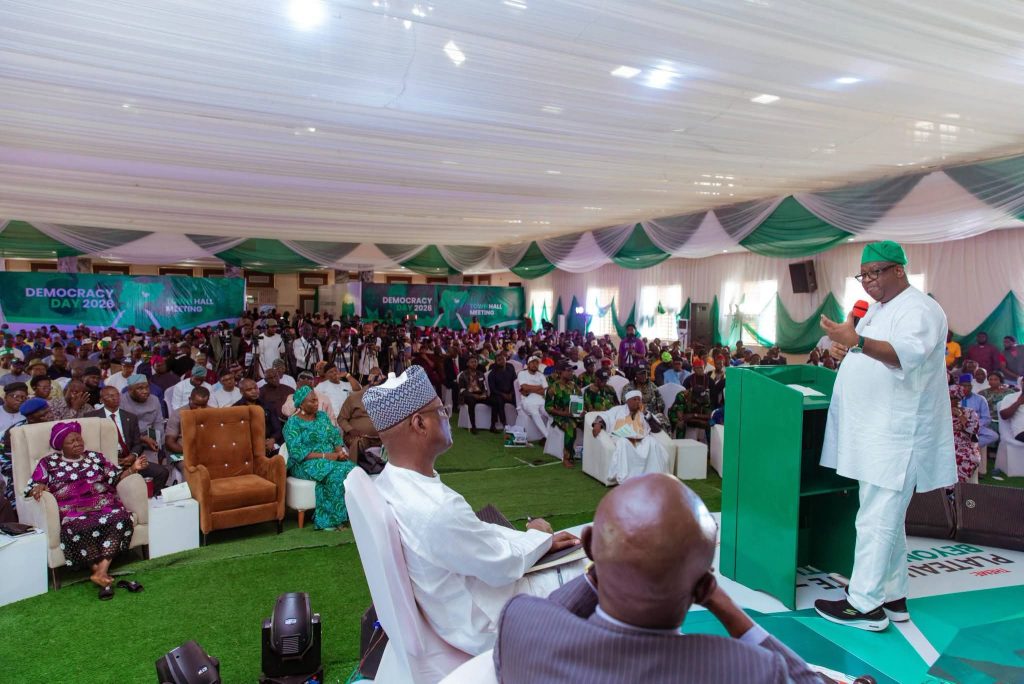
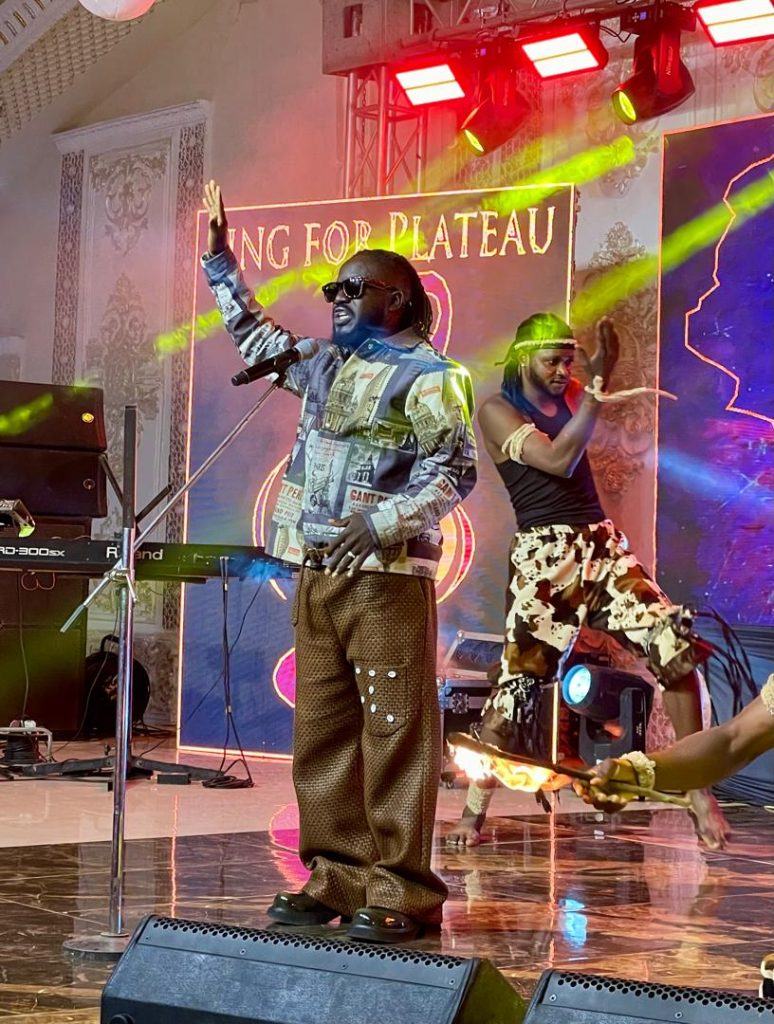
The governor made the remarks during the #2027Conversations Democracy Day Town Hall Meeting held in Jos on June 12, 2026, where citizens, stakeholders, government officials, youth groups, and civil society organizations gathered to engage on issues of governance, accountability, and democratic development.
Describing democracy as the foundation of freedom, accountability, citizen participation, and good governance, Mutfwang said the progress recorded by his administration was made possible by the mandate freely given by the people of Plateau State.

Reflecting on his journey in public service, the governor described himself as a beneficiary of democracy and stressed that his administration has remained committed to transparency, accountability, integrity, compassion, and responsible leadership.

He outlined efforts undertaken to address insecurity, including the revitalization of Operation Rainbow, the deployment of over 2,000 community-based intelligence personnel, improved collaboration with security agencies, and the establishment of emergency response channels across vulnerable communities.

The governor also highlighted reforms that have increased Plateau State’s Internally Generated Revenue from less than ₦1 billion monthly in 2023 to between ₦3 billion and ₦3.5 billion monthly, while disclosing that his administration has paid over ₦20 billion in pensions and gratuities and cleared significant salary arrears inherited from previous administrations.

Mutfwang further pointed to ongoing investments in agriculture, mining, tourism, healthcare, education, transportation, and youth development as part of efforts to diversify the state’s economy and improve the living standards of citizens.

As part of activities marking Democracy Day 2026, the governor announced the grant of absolute pardon to four inmates — Nanchang Ramyil, Sale Ayuba, Abdullahi Haruna A. Yusuf, and John Monday — describing the gesture as a reflection of his administration’s commitment to justice, rehabilitation, mercy, and human dignity.

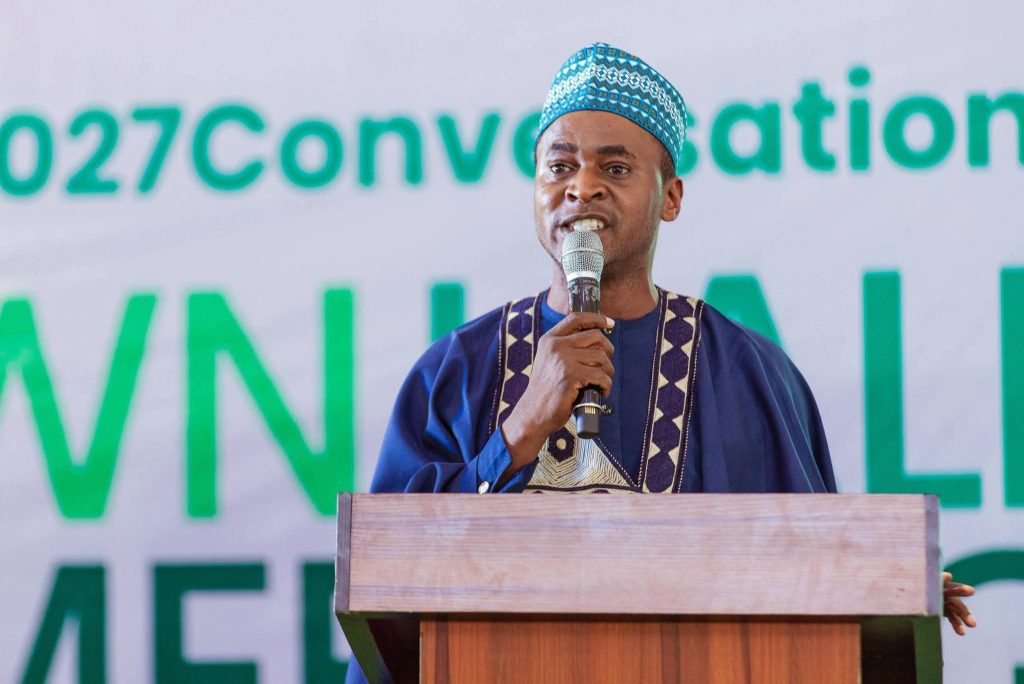
Earlier in his opening remarks, Convener of Verified Conversations, Mr. Samson Omale, said the #2027Conversations initiative was established to encourage responsible leadership and deepen citizen participation in governance.

Omale explained that the platform, which began in 2021, has evolved into a movement focused on accountability and constructive public engagement.

“Today’s conversation is not about politics, political parties, or campaigns. It is about governance and leadership. We are here to ask questions, demand answers, and create a platform where citizens can directly engage those entrusted with public responsibility,” he said.

According to him, the initiative seeks to inform, connect, and empower citizens through structured dialogue while strengthening civic engagement and accountability in public service.

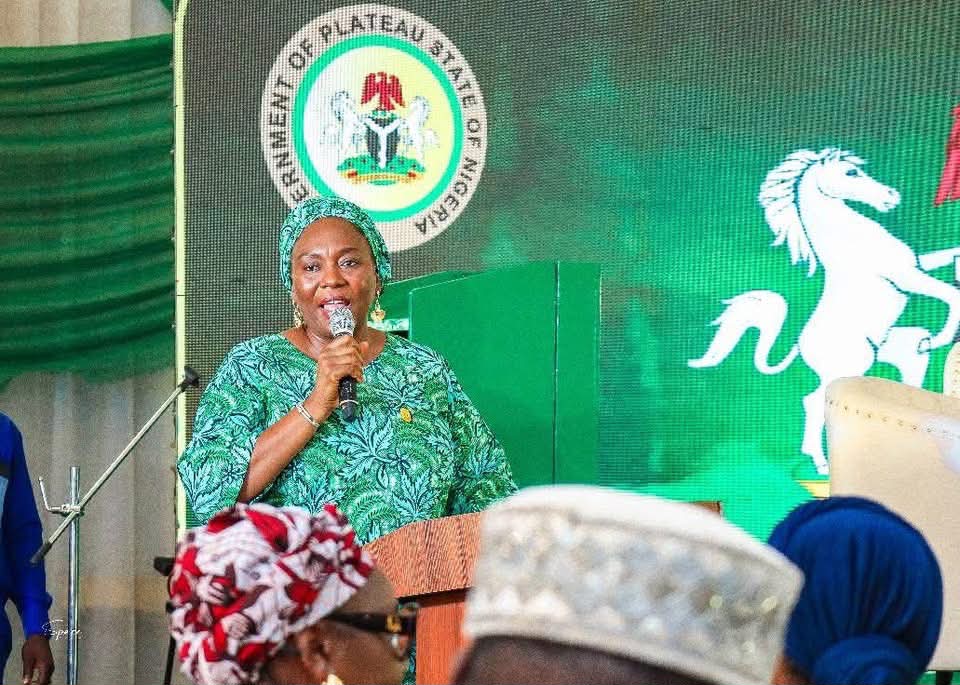
Also speaking, Plateau State Commissioner for Information and Communication, , described the town hall meeting as a practical demonstration of democratic values and active citizenship.

She congratulated Nigerians on Democracy Day and noted that despite various challenges, the country’s democratic journey has continued to advance through the resilience and commitment of its citizens.

Ramnap said the ministry supported the initiative because it provides an independent platform for citizens to assess government performance, engage public officials, and contribute to policy discussions and development efforts.

“What we are witnessing here today is democracy in action. This platform gives citizens the opportunity to participate in governance, engage leaders, demand accountability, and contribute to the development of our state. That is the true essence of democracy,” she stated.

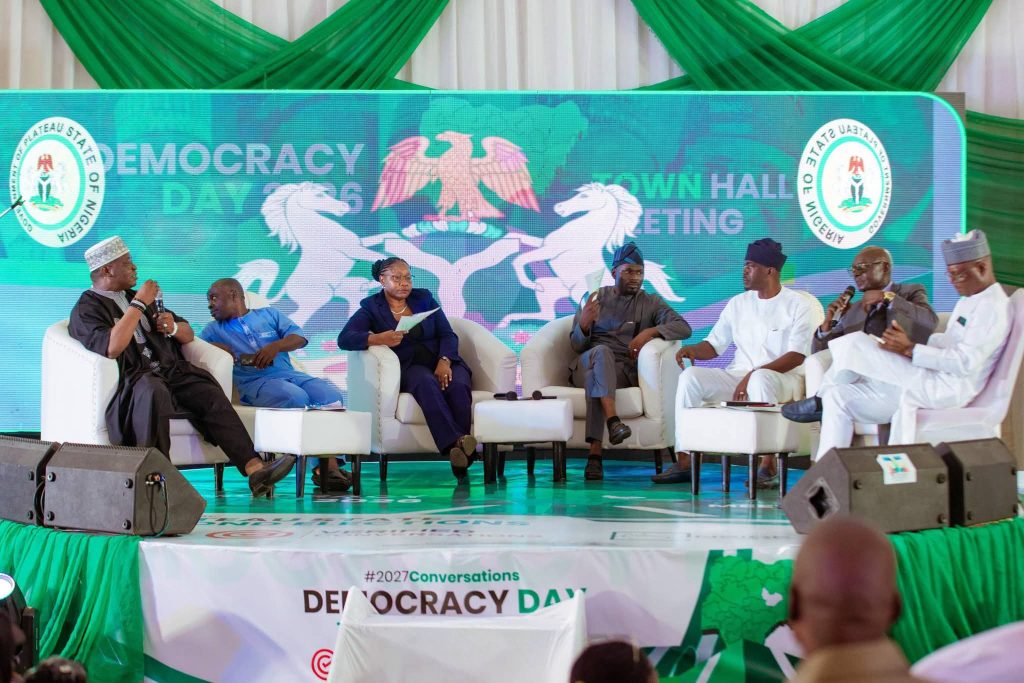
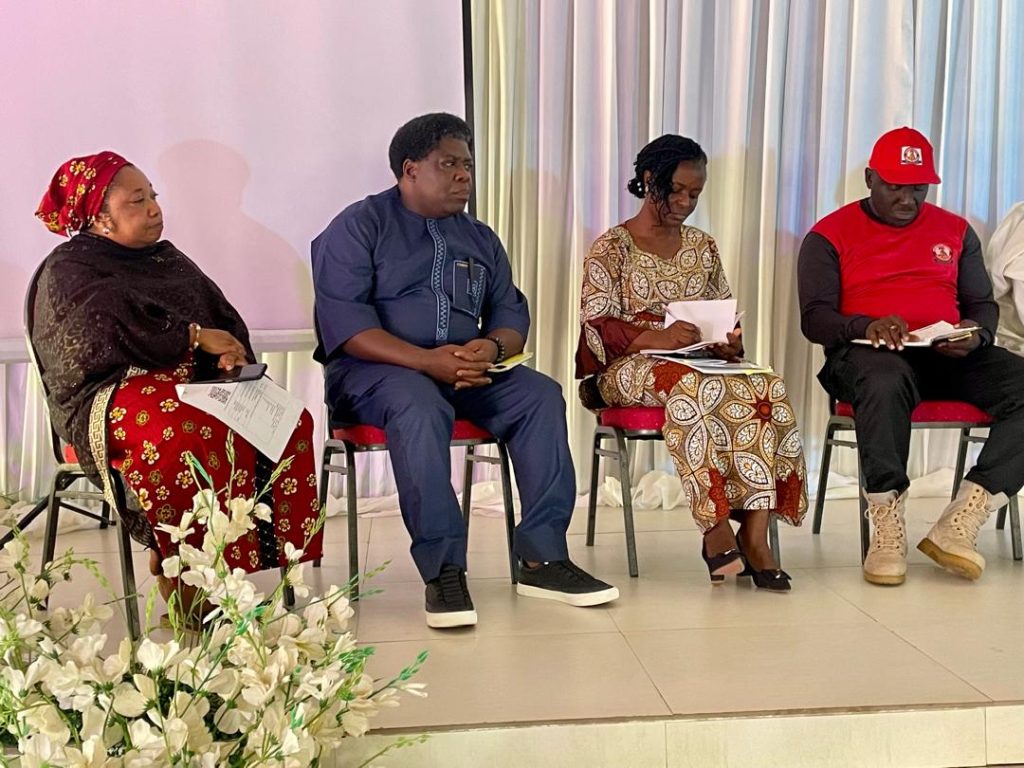
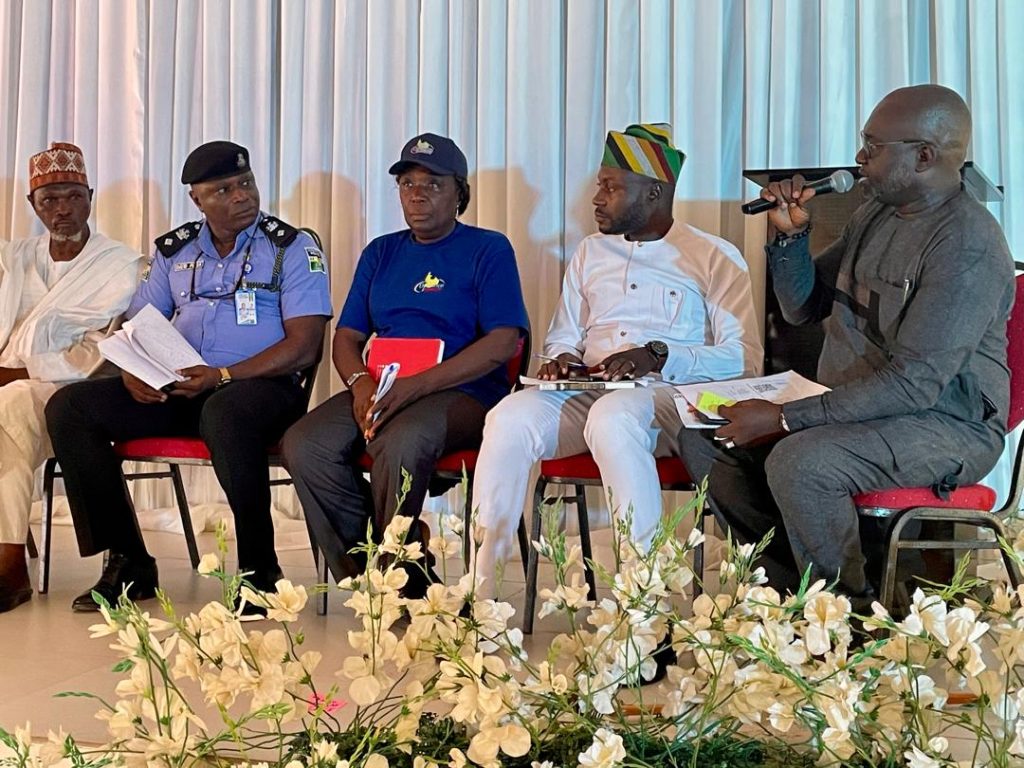
A major highlight of the event was a panel discussion titled “Unpacking the Governor’s Democracy Day Keynote on Strengthening Democracy Through Inclusive Governance and Citizens’ Participation.”

The session featured discussions by , , , , and .

Moderated by , the panel examined key issues raised in the governor’s address and explored ways of strengthening transparency, accountability, inclusive governance, and citizen participation.

Participants emphasized the importance of sustained dialogue between government and citizens as a critical tool for deepening democracy, strengthening institutions, improving service delivery, and promoting sustainable development in Plateau State.

Posted on — Leave a comment

Democracy Day: Alfred Dapal Damiyal Calls for Accountability, Unity and Better Governance

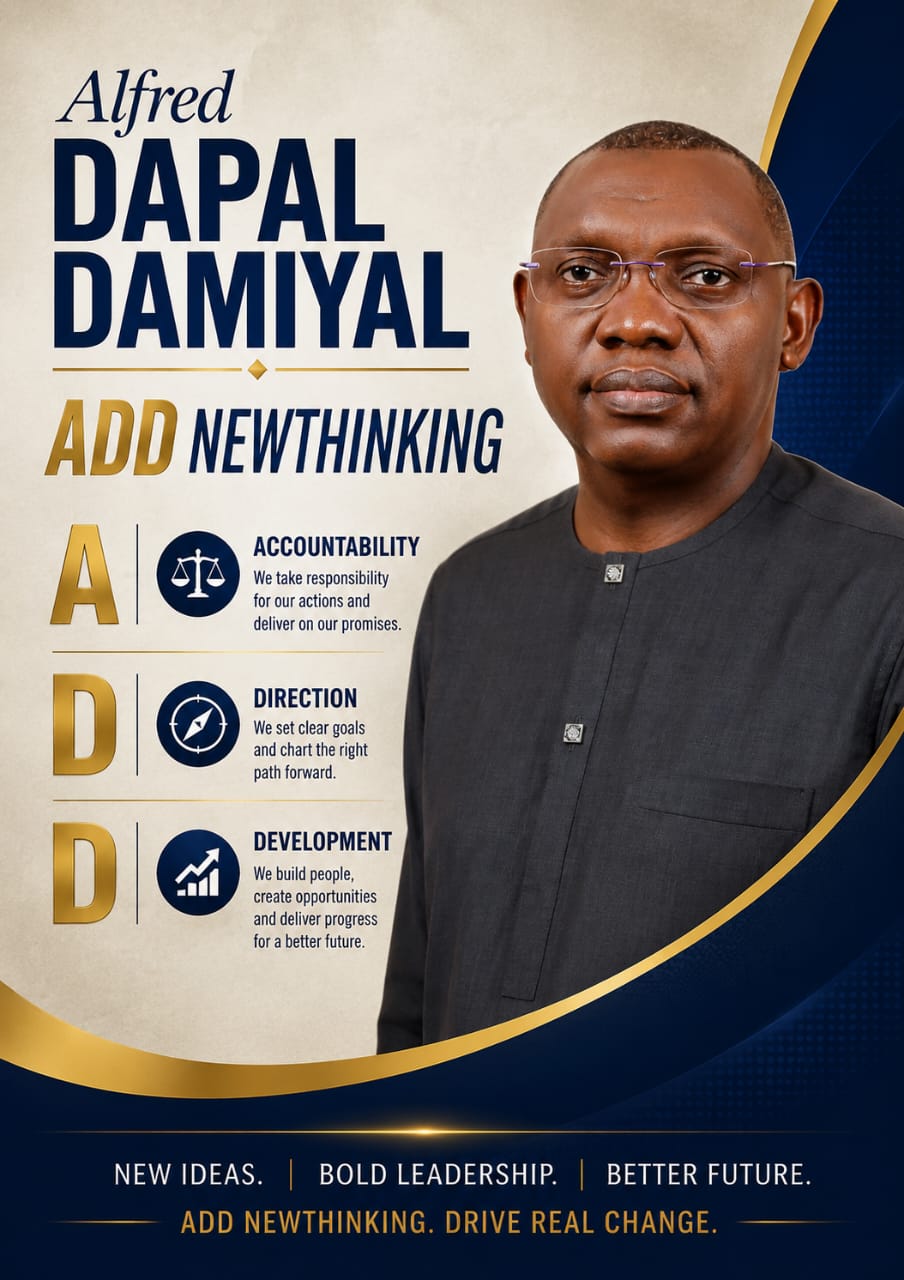
Alfred Dapal Damiyal (ADD) has urged Nigerians to use the occasion of Democracy Day to reflect on the nation’s democratic journey and recommit themselves to building a more accountable, peaceful and prosperous society.

In a Democracy Day message issued on Thursday, Damiyal congratulated Nigerians for their resilience, sacrifices and unwavering commitment to sustaining democratic governance despite the country’s numerous challenges.

He noted that democracy goes beyond the conduct of elections, stressing that it must be rooted in accountability, justice, inclusion and the delivery of meaningful benefits to citizens.

According to him, true democracy is one in which every citizen has a voice, every community is valued and leadership is treated as a sacred responsibility dedicated to the welfare of the people.

Damiyal called on Nigerians to assess the progress made since the return to democratic rule, posing critical questions about whether the nation has achieved its aspirations and whether more can be done to improve governance and living conditions.

He maintained that Nigerians deserve better opportunities, stronger institutions, improved security, quality education, accessible healthcare and purposeful leadership that places the needs of the people above all else.

Focusing on Plateau State, Damiyal described the state as richly blessed with enormous potential, cultural diversity and resilient citizens capable of driving sustainable development and progress.

He emphasized that democracy empowers citizens to demand accountability, make informed choices and contribute to shaping a brighter future for their communities and the nation at large.

The politician further called for renewed commitment to unity, peace and collective development, expressing optimism that the future remains promising if citizens and leaders alike make the right decisions.

“Together, we can build a safer, united and more prosperous future,” he said, adding that democracy provides the platform for achieving lasting progress and development.
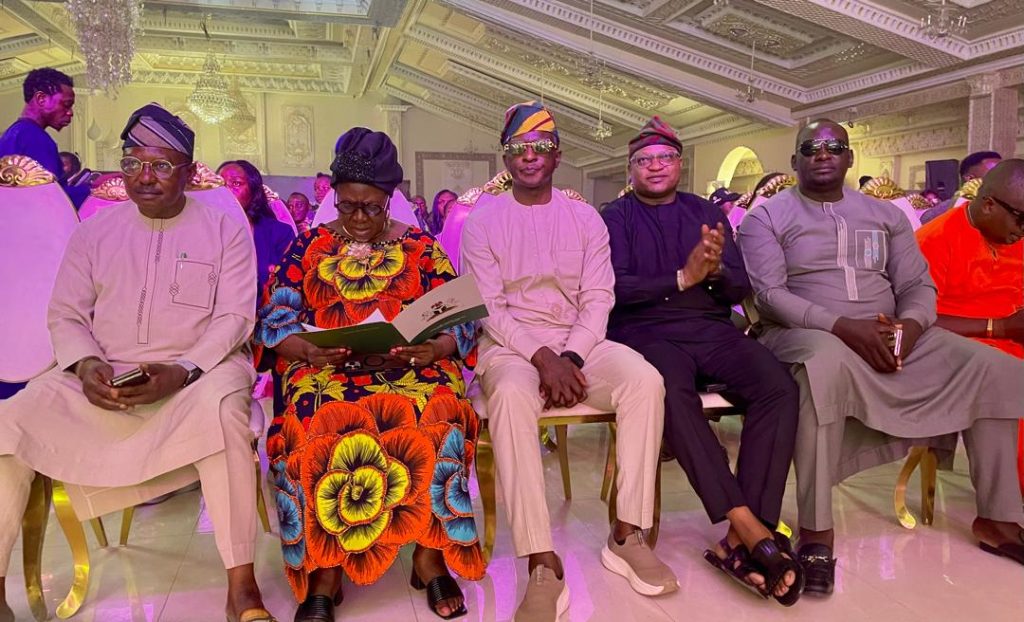
Damiyal concluded by wishing Nigerians a happy Democracy Day and reaffirming his vision of “New Thinking for a Safe, United and Prosperous Plateau.”

Posted on — Leave a comment

PLASCHEMA DG Felicitates Tinubu, Mutfwang on Democracy Day, Calls for National Unity

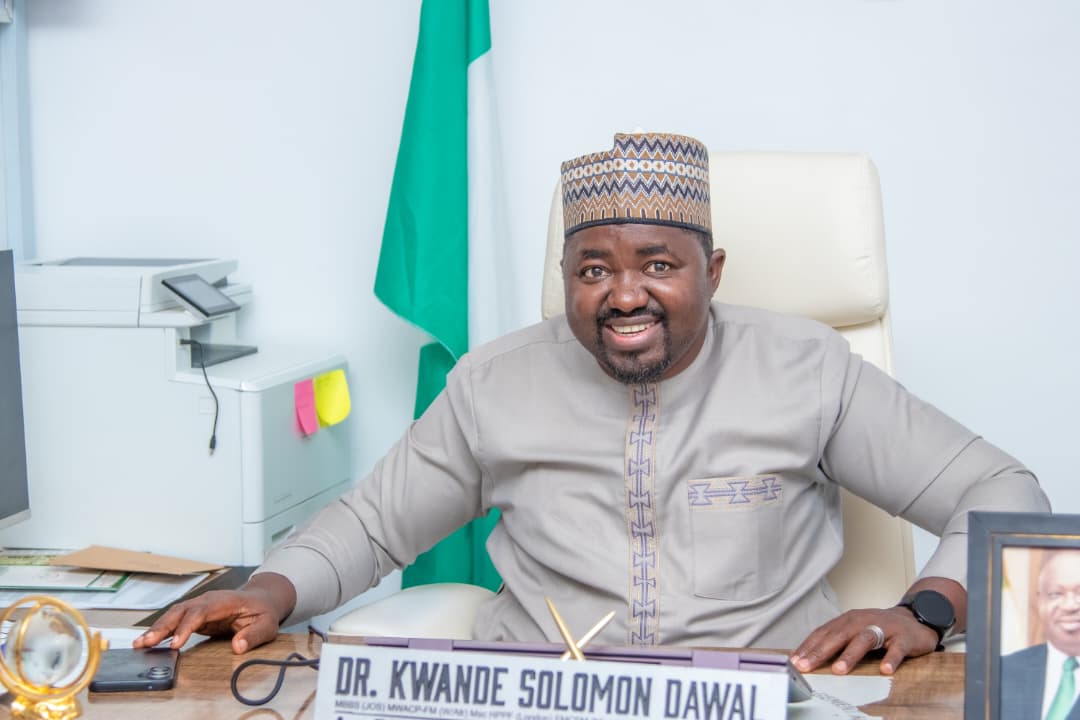
The Director General of the Plateau State Contributory Healthcare Management Agency (PLASCHEMA), Dr. Kwande Solomon Dawal, has congratulated President Bola Ahmed Tinubu and Plateau State Governor Caleb Mutfwang on the occasion of the 2026 Democracy Day celebration.

In a goodwill message issued on June 12, Dr. Dawal commended President Tinubu for his leadership as Nigeria’s Commander-in-Chief and praised Governor Mutfwang for what he described as his purposeful leadership and commitment to good governance, peace, and the welfare of Plateau citizens.

The PLASCHEMA boss described Democracy Day as a significant milestone in Nigeria’s democratic journey, noting that it serves as a reminder of the nation’s collective pursuit of freedom, justice, unity, and sustainable development.

According to him, the annual celebration provides an opportunity for Nigerians to renew their commitment to democratic principles, national cohesion, and responsible citizenship.

Dr. Dawal reaffirmed PLASCHEMA’s dedication to supporting government efforts aimed at providing accessible, affordable, and quality healthcare services to residents of Plateau State, particularly vulnerable and underserved populations.

He urged Nigerians to continue supporting constituted authorities, embrace peaceful coexistence, and work together towards building a stronger, healthier, and more prosperous nation.

The PLASCHEMA Director General wished Nigerians a happy Democracy Day and called for sustained unity and cooperation in advancing national development.
Posted on — Leave a comment

State Police Bill: Governors to Appoint CPs as Reps Approve Framework for State Policing, Federal Grants

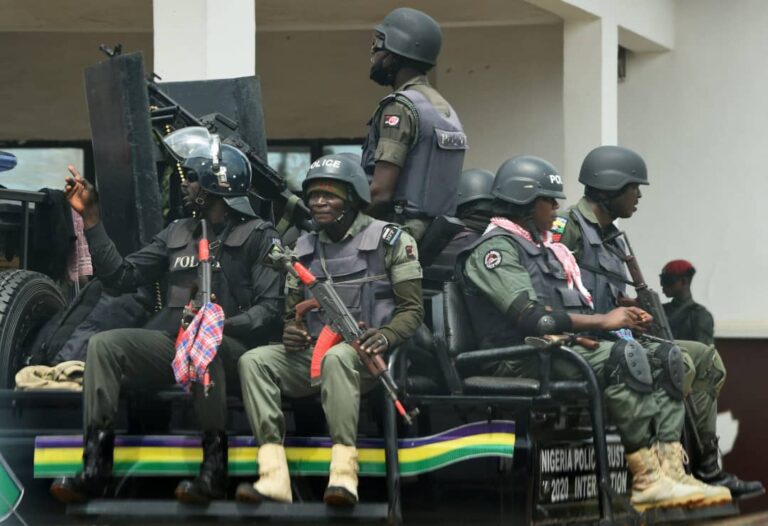
The House of Representatives has passed a constitutional amendment bill aimed at establishing state police across Nigeria, marking a significant step toward restructuring the country’s security architecture amid rising insecurity.

The proposed legislation seeks to amend key provisions of the 1999 Constitution to create a legal framework for the establishment, funding, regulation, and operation of state police services while preserving the existing federal police structure.

Among its major provisions, the bill empowers state governors to appoint Commissioners of Police (CPs), establishes State Police Service Commissions, restricts federal interference in state policing operations, and provides for federal grants to support state police formations.

The push for state police has gained momentum in recent years as communities across the country grapple with increasing incidents of banditry, kidnapping, terrorism, and other security challenges.

State Police Subject to National Standards

Under the proposed amendment, states will not have unrestricted authority to establish police services. Before any state police outfit can become operational, the relevant State House of Assembly must pass a law creating it, and the service must be certified as meeting nationally prescribed minimum standards.

This provision is designed to ensure uniformity, professionalism, and accountability in policing across the federation.

Federal and State Police to Operate Simultaneously

The bill makes it clear that the establishment of state police will not replace the Nigeria Police Force. Instead, both federal and state police services will operate alongside each other.

While state police will focus on local and internal security matters, the federal police will continue to perform nationwide policing duties and may provide support to state police when necessary. The federal police will also retain responsibility for maintaining public security across Nigeria in accordance with the law.

Limits Placed on Federal Intervention

A key feature of the bill is the restriction it places on federal interference in state policing operations.

According to the proposed Section 214(6), the federal police can only intervene in a state’s security affairs under specific circumstances, including a complete breakdown of law and order, a formal request by a governor, or situations where a state police service becomes ineffective due to financial or administrative challenges.

Any such intervention must first receive approval from the National Police Council, preventing arbitrary federal control over state security structures.

Governors to Appoint State Police Commissioners

The amendment empowers governors to appoint Commissioners of Police for their respective state police services based on recommendations from the National Police Council and subject to confirmation by the State House of Assembly.

Governors will also have authority to issue directives concerning public safety and security.

However, to prevent abuse of power, a commissioner who considers a directive unlawful or inconsistent with policing standards can refer the matter to the National Police Council, whose decision will be binding.

President Retains Power Over Federal Police

At the federal level, the President will continue to appoint the Inspector-General of Police (IGP) on the recommendation of the National Police Council and subject to confirmation by the National Assembly.

The IGP will remain the overall head of the federal police and maintain authority over federal police personnel deployed across the country.

Safeguards Against Arbitrary Removal

The bill introduces strict conditions for the removal of both the Inspector-General of Police and state Commissioners of Police.

The IGP can only be removed for reasons such as gross misconduct, violation of regulations, conviction for fraud-related offences, bankruptcy, or mental incapacity. Such removal must be recommended by the National Police Council and approved by a two-thirds majority of the National Assembly.

Similarly, governors cannot unilaterally dismiss state police commissioners. Any removal must receive a recommendation from the National Police Council and be approved by a two-thirds majority of the State House of Assembly.

Federal Government May Support State Police Financially

Recognising that some states may face funding difficulties, the bill empowers the Federal Government to provide grants and financial assistance to state police services.

Such support would be based on recommendations from the National Police Council and subject to approval by the National Assembly.

This arrangement is intended to strengthen state policing without compromising the autonomy of state police institutions.

States Allowed to Exceed National Standards

State Houses of Assembly will have the authority to enact laws governing the organisation, funding, and oversight of their police services.

However, such laws cannot fall below standards established by the National Assembly. States will be free to adopt higher standards where necessary to address their unique security needs.

Federal Authorities Barred from Routine Control

The bill specifically prohibits federal authorities from exercising routine control over state police personnel.

Matters relating to appointments, deployments, transfers, suspensions, and disciplinary actions will remain within the jurisdiction of state police institutions, except in situations expressly permitted by the Constitution.

This provision is aimed at preserving the operational independence of state police services.

National Police Council to Have Expanded Membership

The proposal replaces the existing Nigeria Police Council with a broader National Police Council comprising representatives from multiple sectors.

Membership will include federal police representatives, state Attorneys-General, retired senior police officers, the (NHRC), the , the (NLC), the (NBA), the (NUJ), and traditional rulers.

The council will oversee both federal and state policing institutions within constitutional limits, enhancing civilian participation and accountability.

State Police Service Commissions to Oversee Recruitment and Discipline

The bill also provides for the establishment of State Police Service Commissions.

These commissions will include representatives of the NHRC, Public Complaints Commission, NLC, NBA, NUJ, traditional rulers, and retired police officers.

Their responsibilities will include recommending candidates for appointment as Commissioners of Police and exercising disciplinary authority over officers below the rank of Assistant Commissioner.

To ensure transparency, each commission must submit three qualified candidates to the National Police Council whenever a commissioner is to be appointed.

State Police Granted Access to Modern Policing Tools

The proposed amendment also allows state police services to use light firearms for policing duties and grants them access to fingerprints, biometric databases, forensic records, and criminal information systems in line with federal regulations.

This provision is expected to strengthen intelligence gathering, investigations, and crime prevention while ensuring coordination with national security agencies.

If approved by state assemblies and eventually enacted, the bill would usher in one of the most significant policing reforms in Nigeria’s history, creating a dual policing system intended to improve security, enhance local law enforcement, and strengthen accountability across the federation.

Posted on — Leave a comment

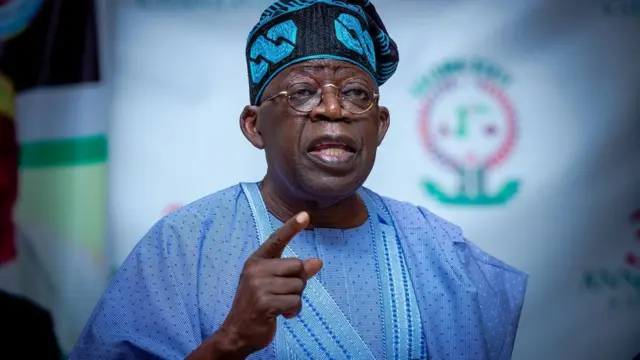
Democracy Day: Tinubu Warns Bandits, Terror Sponsors to Surrender or Face State Action

President Bola Ahmed Tinubu has issued a strong warning to bandits, kidnappers, and sponsors of terrorism across the country, directing them to surrender or face the full force of the Nigerian government.

Speaking during his Democracy Day address on Friday, the President said the Federal Government remains open to rehabilitating repentant fighters but cautioned that the opportunity for surrender would not last indefinitely.

“To bandits, kidnappers, and sponsors of terror: surrender or face the full force of the Nigerian State. These windows of surrender will not remain open forever. No mercy will be shown to those who trade in the blood of Nigerians,” Tinubu declared.

The President highlighted ongoing efforts by his administration to tackle insecurity, including increased recruitment into the military and police, improved intelligence gathering, and sustained offensives against terrorist groups.

According to him, Nigeria’s security strategy has evolved beyond conventional military exercises with international partners to more targeted counter-terrorism operations. He cited the successful destruction of an ISWAP command centre in Arege, Borno State, as evidence of recent gains.

Tinubu noted that terror-related fatalities have dropped significantly since 2015, while more than 13,000 terrorists were neutralised in the last year. He added that over 124,000 insurgents and their family members have surrendered since 2023 under the Operation Safe Corridor initiative.

Despite these achievements, the President acknowledged that insecurity remains a major challenge, referencing recent schoolchildren abductions in Oyo and Borno states.

“Democracy without security is not solid enough,” he said, noting that his administration had declared a security emergency and approved the recruitment of over 50,000 additional police personnel, alongside thousands of military recruits.

Tinubu further disclosed that the Federal Government allocated N5.41 trillion to defence and security in the 2026 budget, describing it as the highest security allocation in Nigeria’s history.

The President also called on Nigerians to remain united in the fight against crime and insecurity, urging citizens to reject ethnic profiling and divisive narratives.

“Crime has no ethnicity. We must stand united and be assured that the enemies of our nation shall soon be history. We will triumph over terror and continue to build a more prosperous nation,” he said.

Posted on — Leave a comment

Mic Fix Wins N1 Million as Plateau Celebrates Creativity at Sing for Plateau Grand Finale

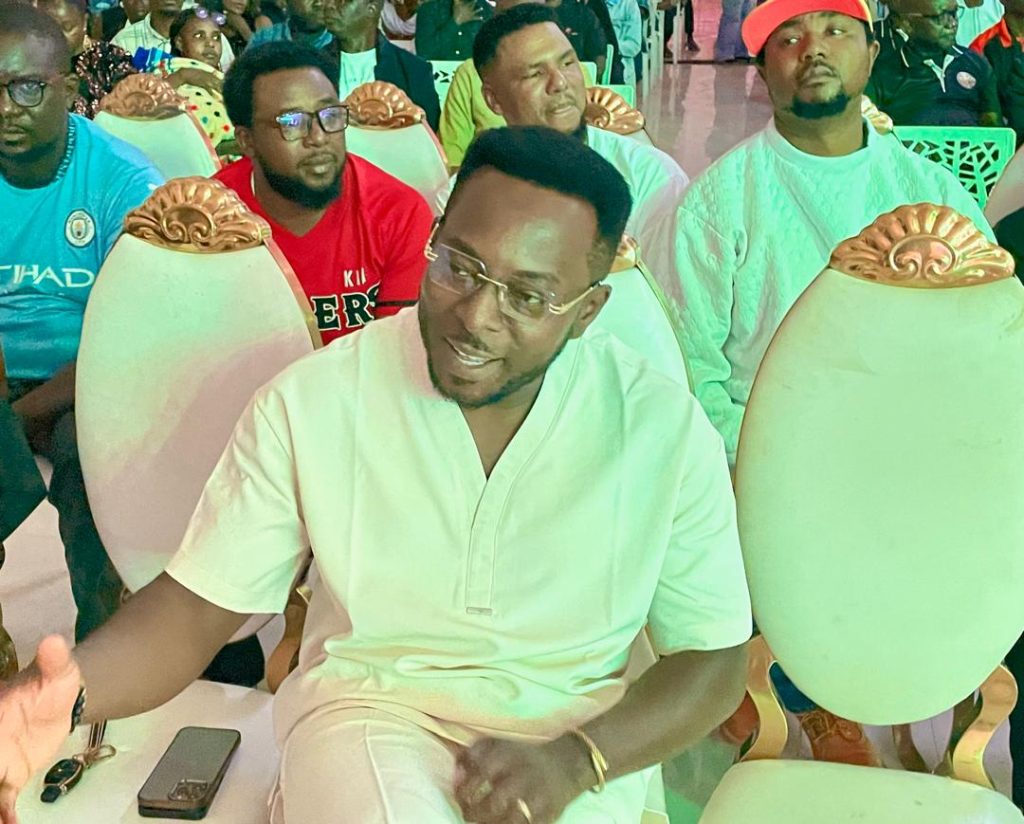
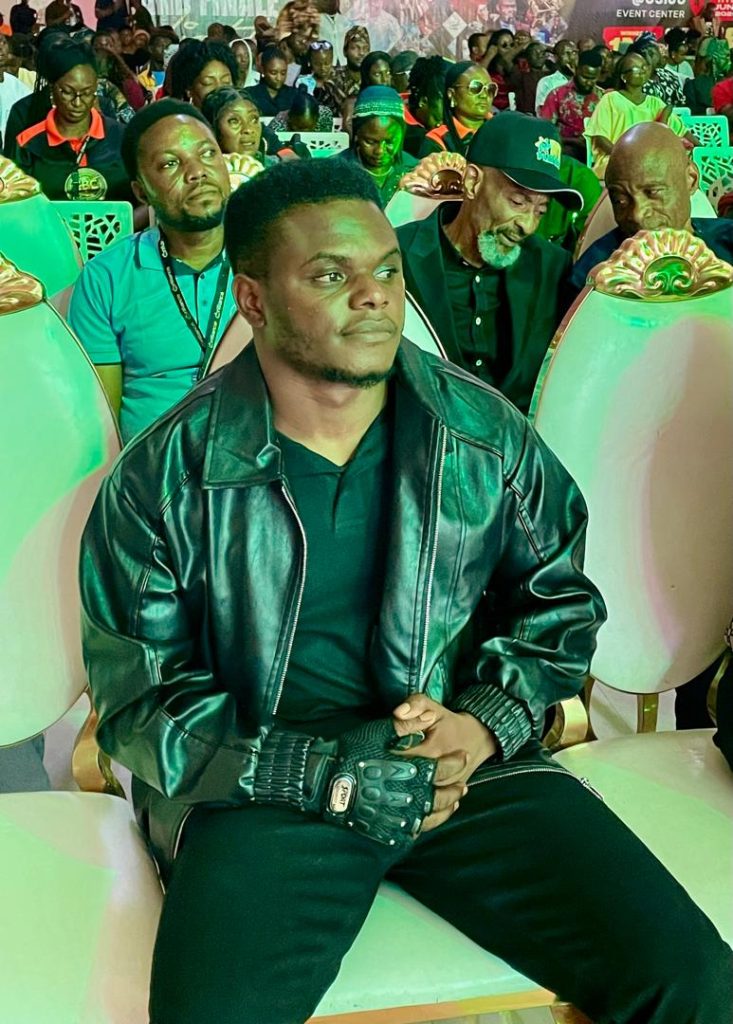
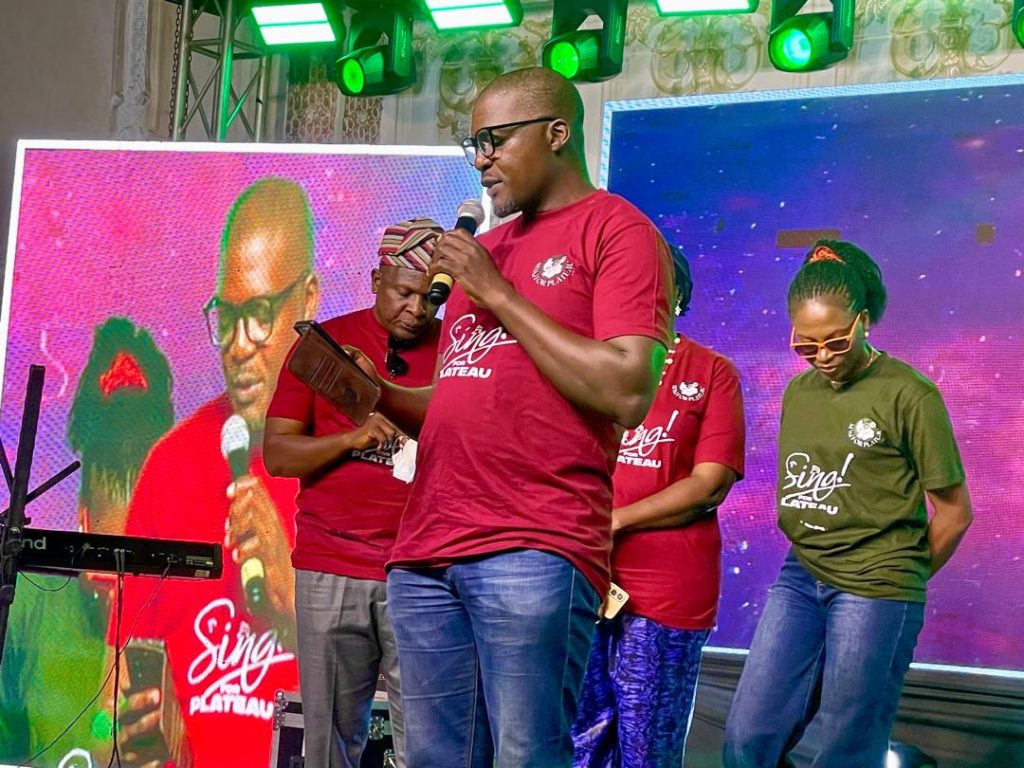
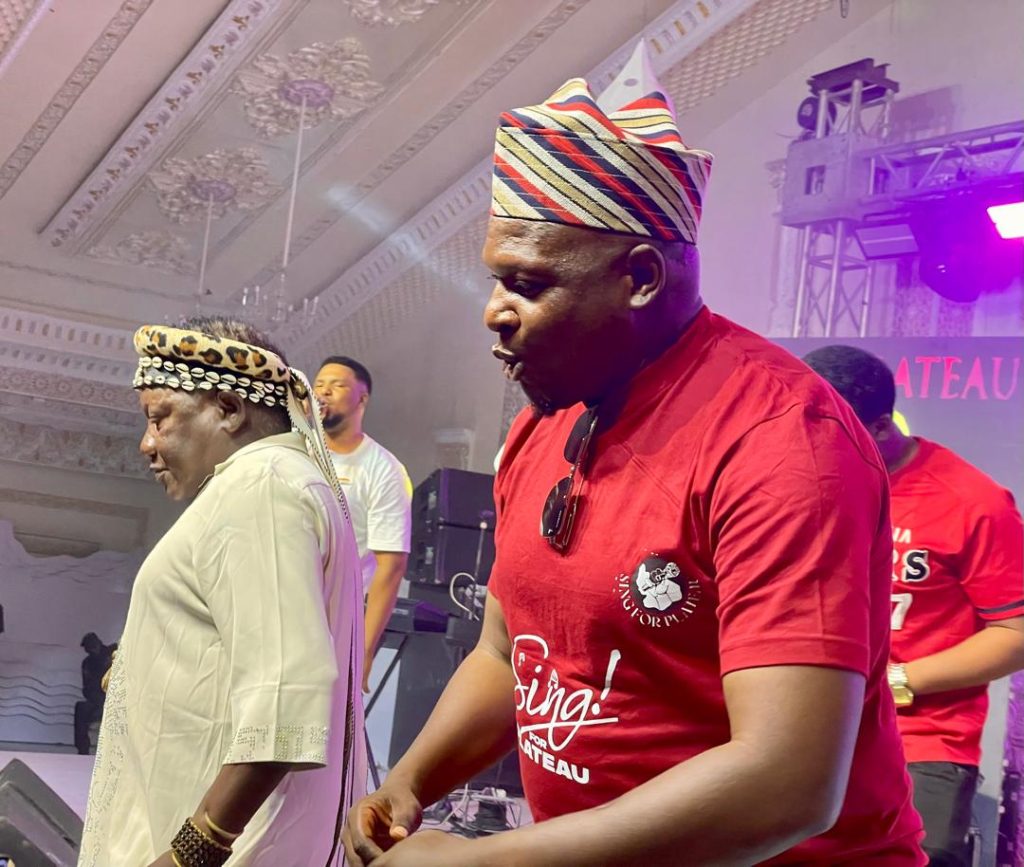
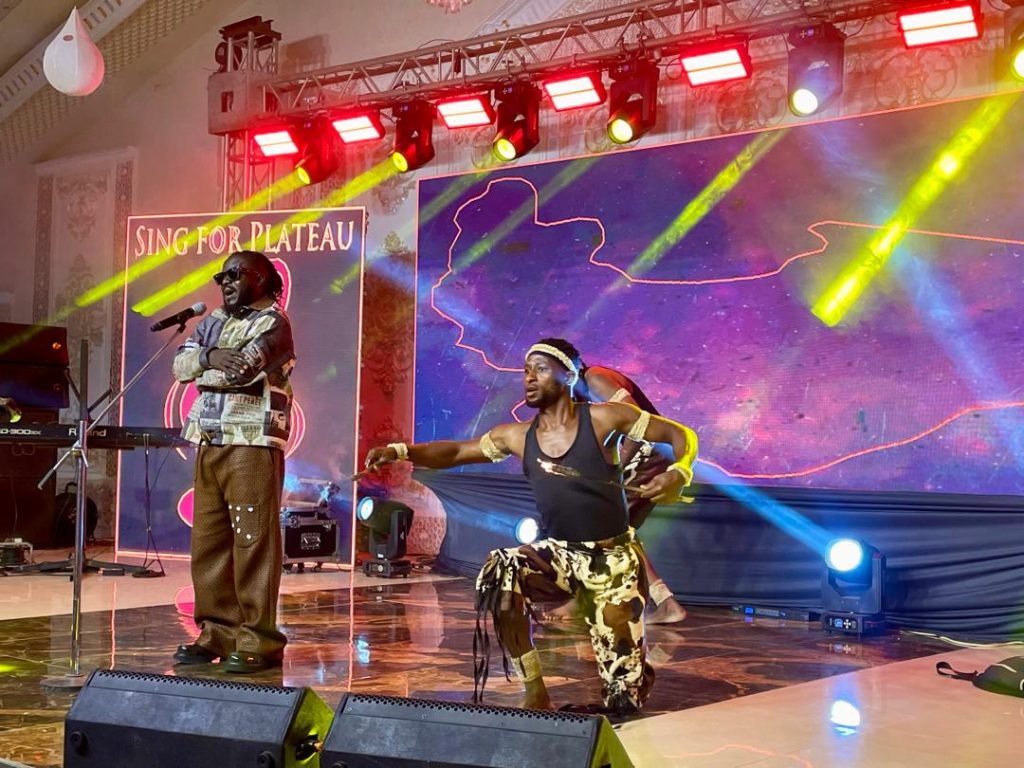
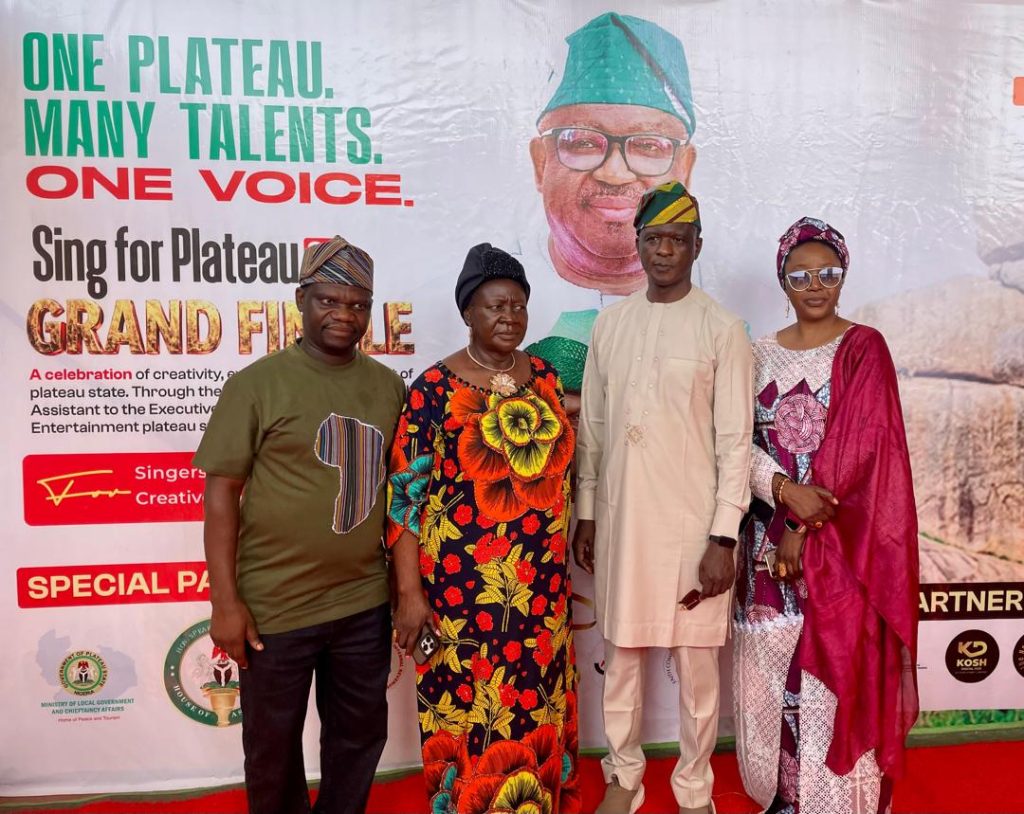
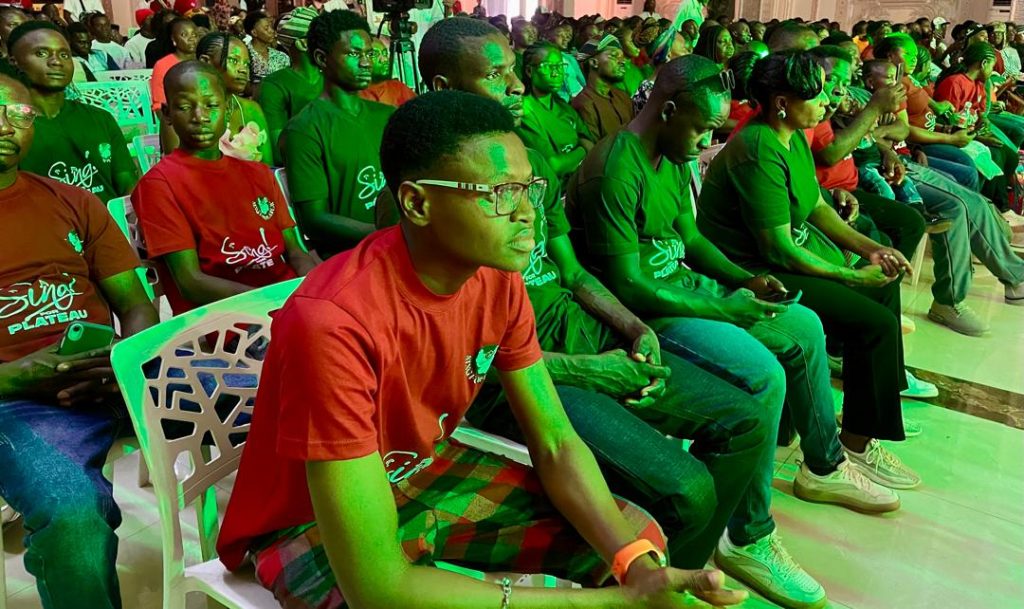
The grand finale of Sing for Plateau, a talent development initiative of the Plateau State Government themed “One Plateau, Many Talents, One Voice,” brought together entertainers, creatives, government officials, and residents at the Usiju World Event Center in Jos on Thursday in a vibrant celebration of creativity, culture, and youth empowerment.

The event showcased the diverse talents of young people across the state, featuring performances from singers, dancers, poets, spoken word artists, comedians, content creators, and other creative professionals. The competition attracted 102 participants, all of whom were presented with certificates of participation in recognition of their contributions and commitment.

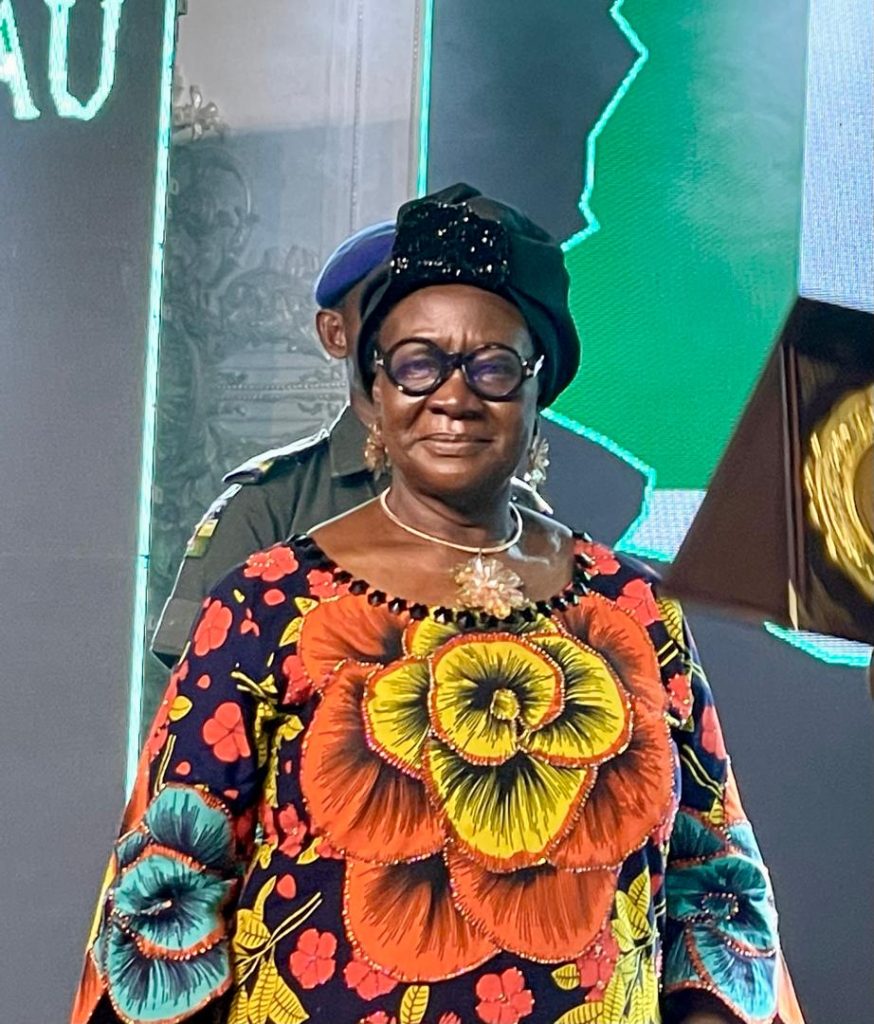
Representing Governor Caleb Mutfwang at the event, Deputy Governor Ngo Josephine Piyo described Sing for Plateau as more than a talent competition, noting that it serves as a platform for celebrating the creativity, resilience, and potential of Plateau youths.

She said the governor remains committed to supporting initiatives that empower young people, promote entrepreneurship, and strengthen the creative industry as a driver of economic growth and social transformation. According to her, talent development extends beyond entertainment and can create livelihoods, inspire innovation, and contribute meaningfully to society.

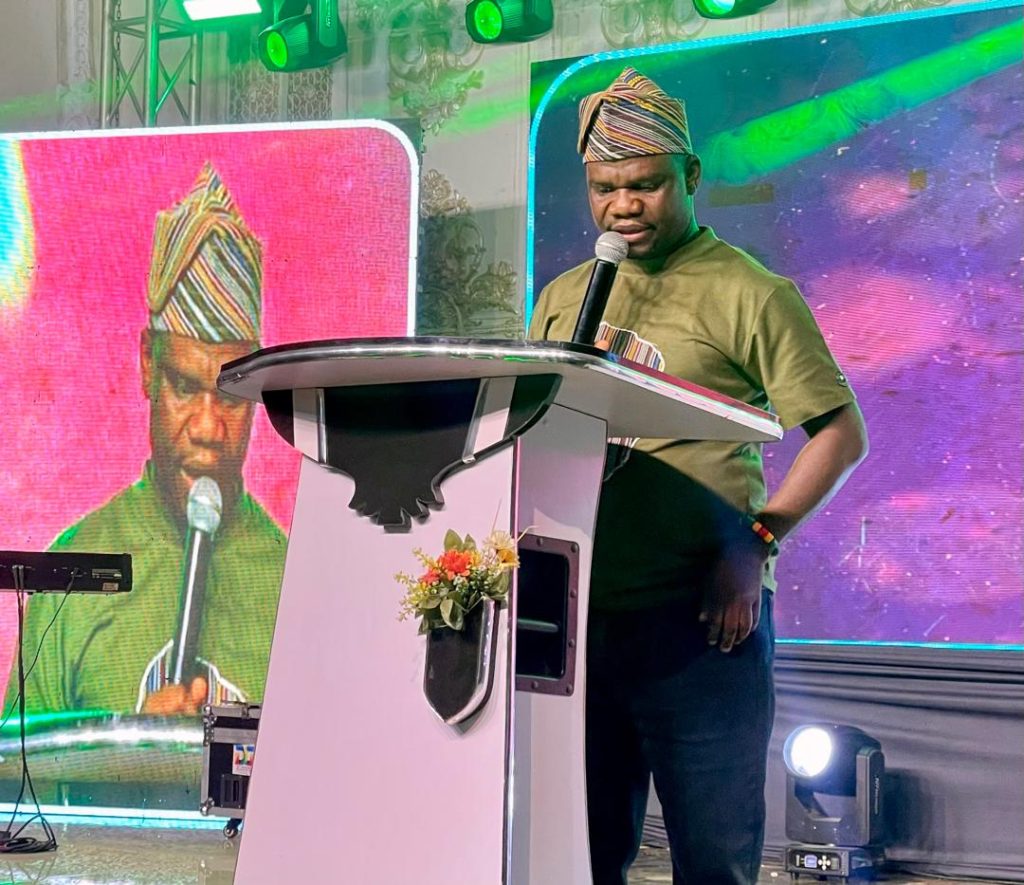
The Convener of the programme and Senior Special Assistant to the Governor on Creativity and Entertainment, Barr. Ezra Jinang, said the initiative was conceived to rebrand Plateau State and challenge negative perceptions by enabling young creatives to tell the state’s story through their talents.

Jinang disclosed that the competition received 102 entries across singing, dancing, poetry, and digital content creation categories. He praised the transparent selection process handled by industry veterans and encouraged young people to embrace patriotism, creativity, and excellence.

Also speaking, the General Manager of the Plateau State Tourism Corporation, Chuwang Nyam Pwajok, described the initiative as a strategic platform for discovering and nurturing talent. He noted that many successful figures in Nigeria’s entertainment and creative industries have roots in Jos, reaffirming Plateau’s reputation as a hub of artistic excellence.

Pwajok commended the Mutfwang administration for its sustained support for the creative sector through partnerships and programmes aimed at creating opportunities for young talents to thrive.

At the climax of the event, Mic Fix emerged as the overall winner, securing the N1 million grand prize after a rigorous selection process conducted by a panel of judges and industry professionals.

The audience was treated to electrifying performances throughout the evening, underscoring the depth of talent within the state. Organizers said the initiative is expected to become an annual platform for talent discovery, cultural promotion, and youth development.
The event concluded with renewed calls for greater investment in the creative industry as a tool for economic growth, social cohesion, and the positive projection of Plateau State to national and global audiences.

Posted on — Leave a comment

Bagos Commends Reps Over State Police Bill, Urges State Assemblies to Back Amendment

Former member of the House of Representatives and 2027 APC candidate for Jos South/Jos East Federal Constituency, Hon. Dachung Musa Bagos, has lauded the 10th House of Representatives for passing the constitutional amendment bill seeking the establishment of State Police in Nigeria.

In a statement issued on Thursday, Bagos described the passage of the bill as a bold, timely, and patriotic move aimed at tackling the nation’s growing security challenges, including banditry, kidnapping, terrorism, and violent attacks.

According to him, the proposed State Police structure would strengthen Nigeria’s security architecture by improving intelligence gathering, enhancing response times, and deepening community policing efforts at the grassroots level.

Bagos noted that he had consistently advocated for a decentralized policing system long before his election into the National Assembly in 2019, maintaining that State Police remains one of the most practical solutions to the country’s persistent insecurity.

While acknowledging concerns about the possible abuse of State Police by state governments, he argued that such fears should not derail the reform. Instead, he called for the establishment of strong constitutional safeguards, accountability measures, and institutional checks to prevent misuse and ensure the system serves the public interest.

The former lawmaker further appealed to the 36 State Houses of Assembly to urgently consider and approve the constitutional amendment, stressing that their support is critical to securing the required two-thirds majority needed to complete the amendment process.

He described the current stage of the legislation as a defining moment in Nigeria’s efforts to address insecurity and urged stakeholders across political and regional divides to prioritize the safety and welfare of citizens above all other interests.

Bagos added that Nigeria could draw lessons from countries where decentralized policing has contributed significantly to effective law enforcement and public safety, emphasizing that the time had come for decisive action toward building a more secure nation.

Posted on — Leave a comment

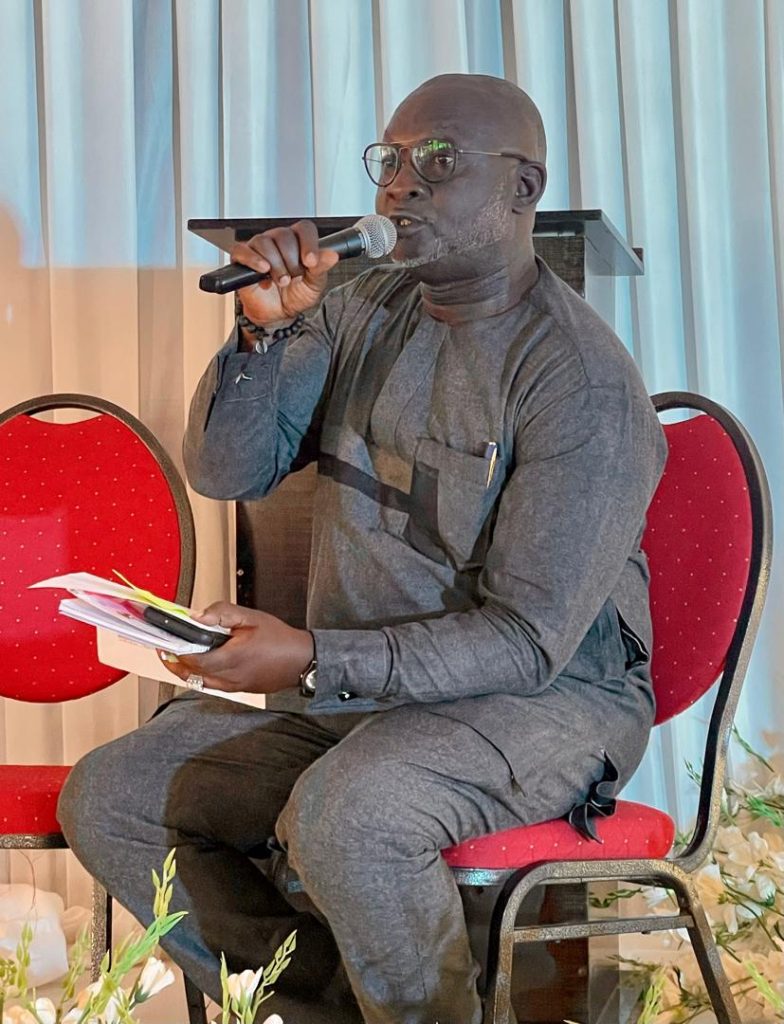
Stakeholders Call for Rethinking Early Warning Systems at Plateau Peace Architecture Forum

Peace stakeholders from across Plateau State have called for a reassessment of existing early warning and response mechanisms to address evolving security challenges and strengthen collective action for sustainable peace.

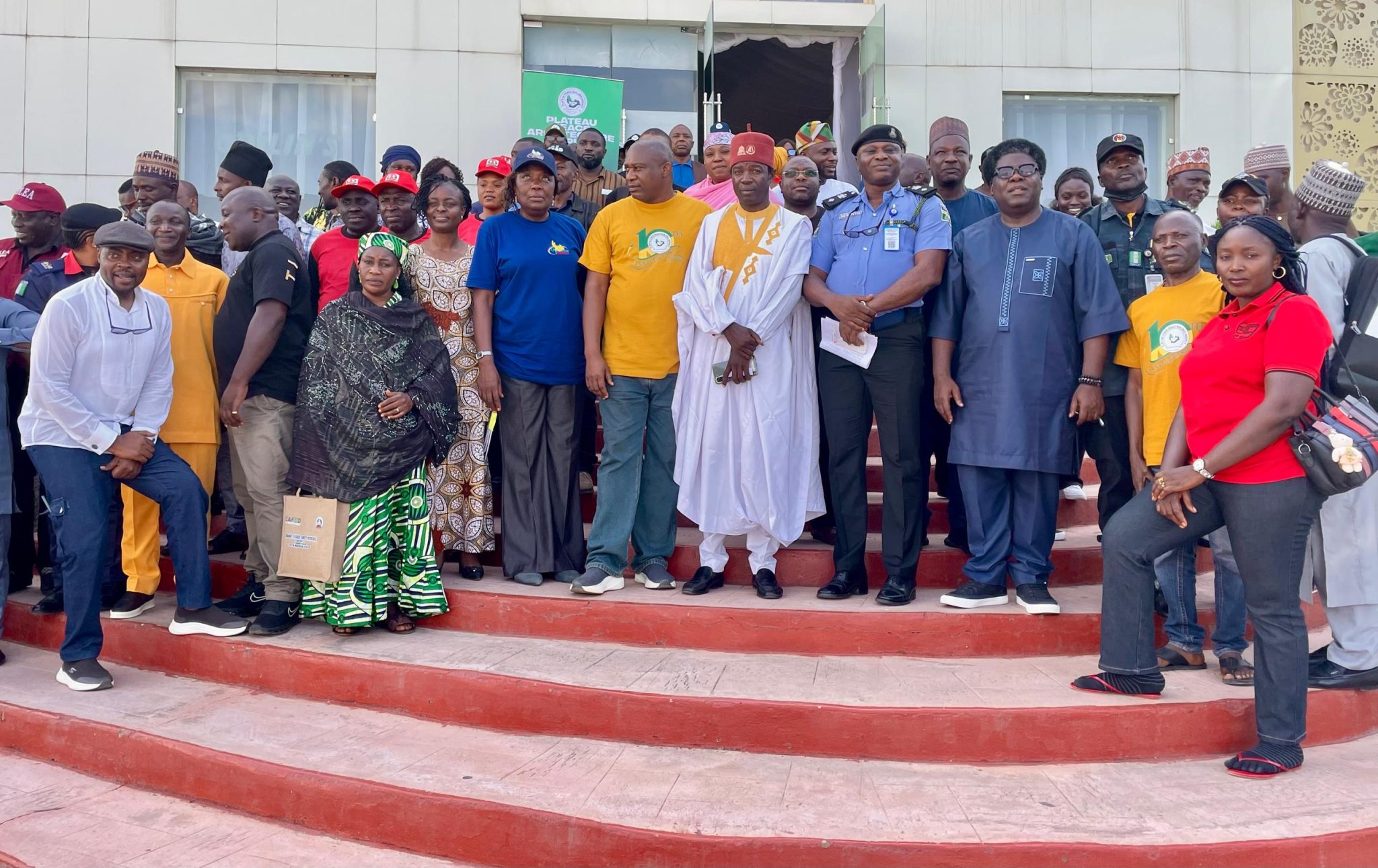
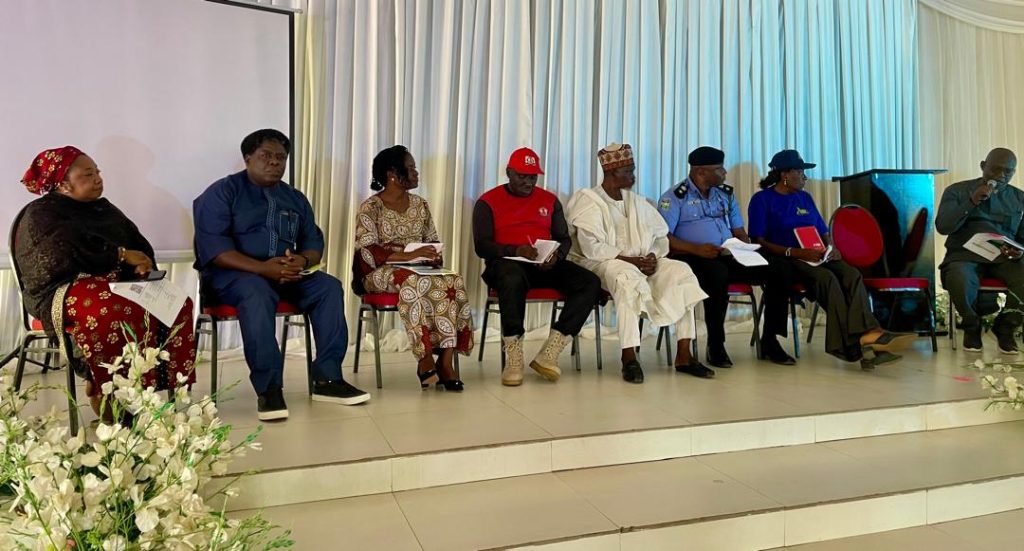
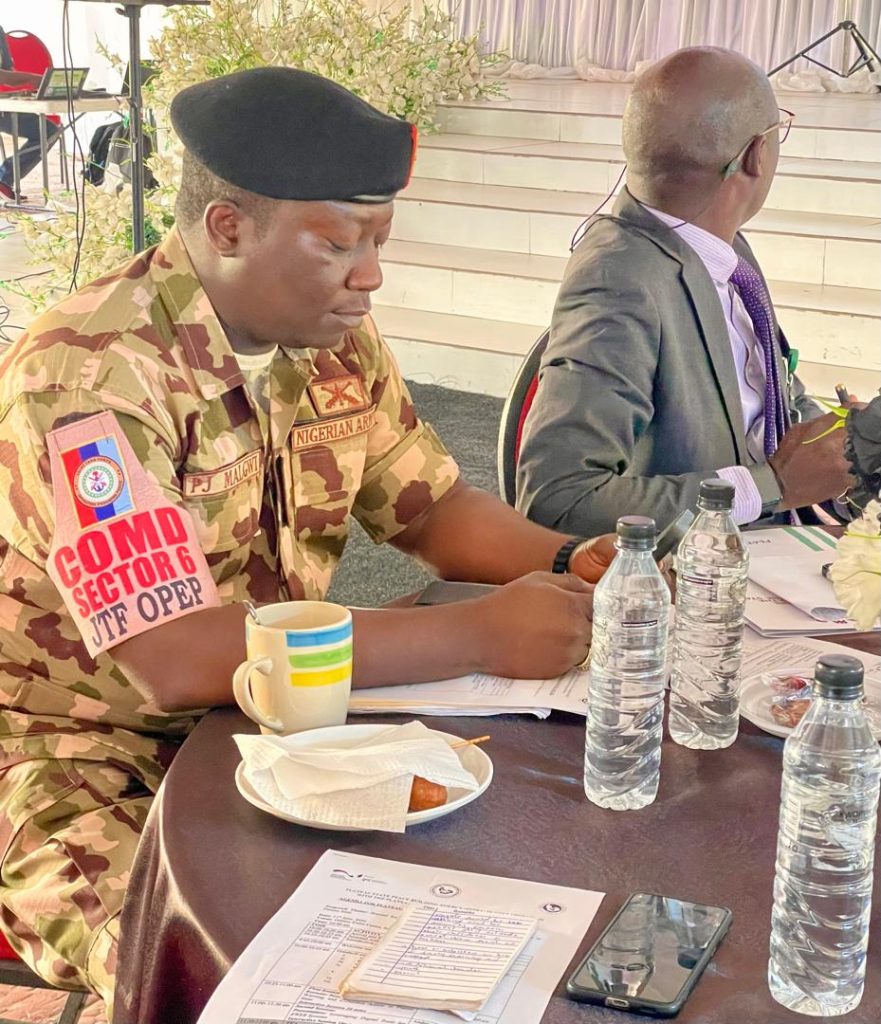
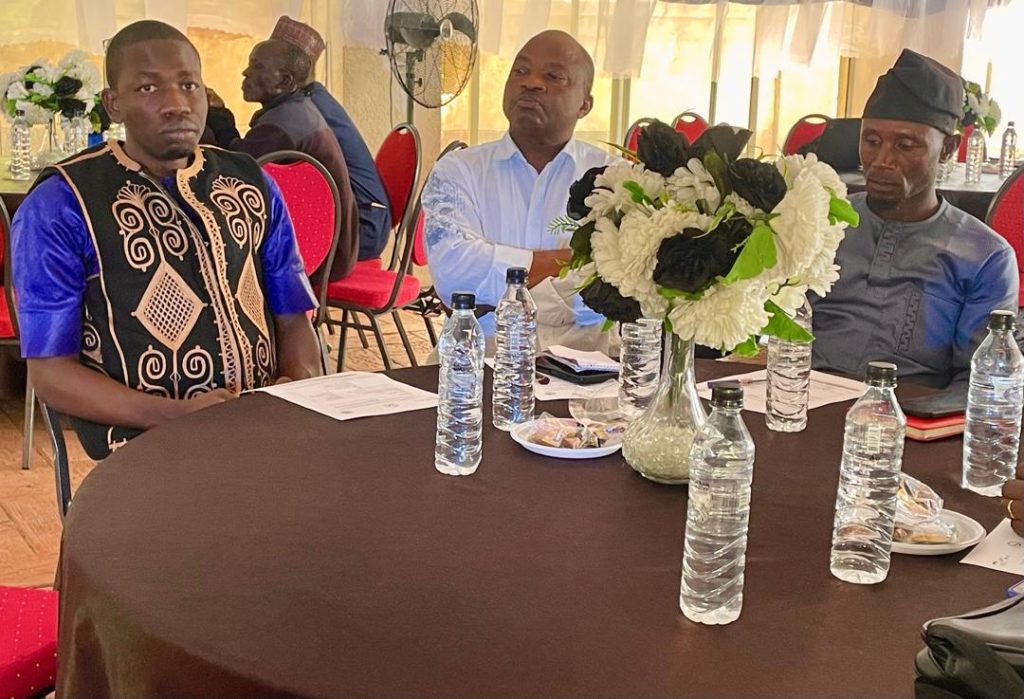
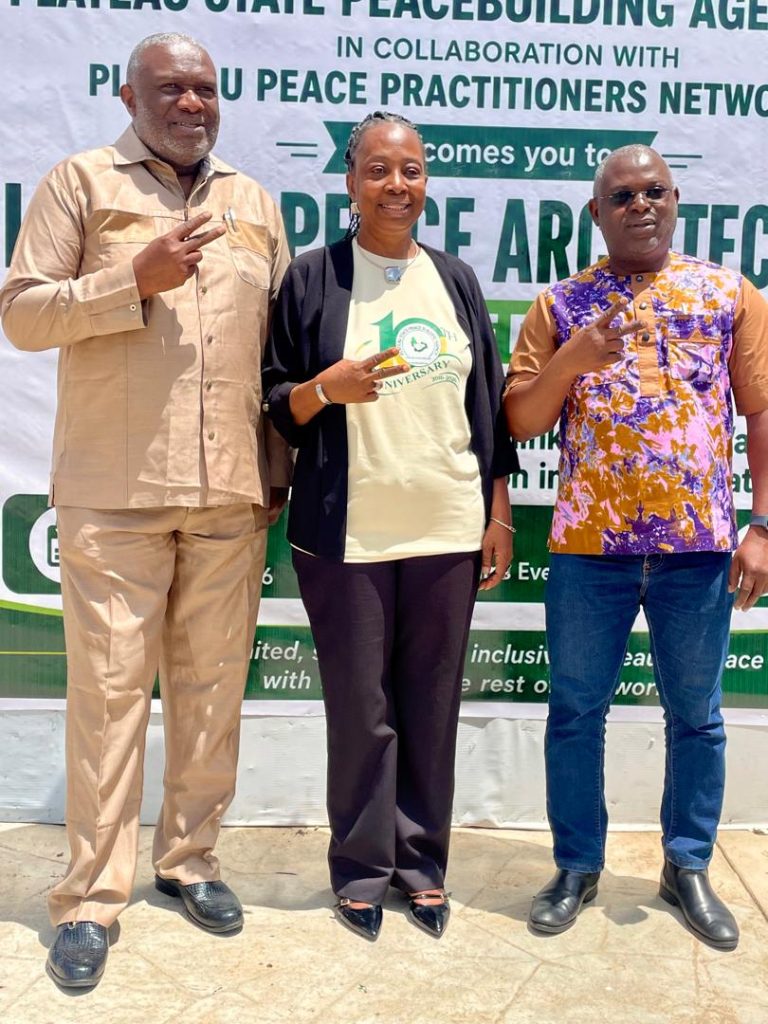
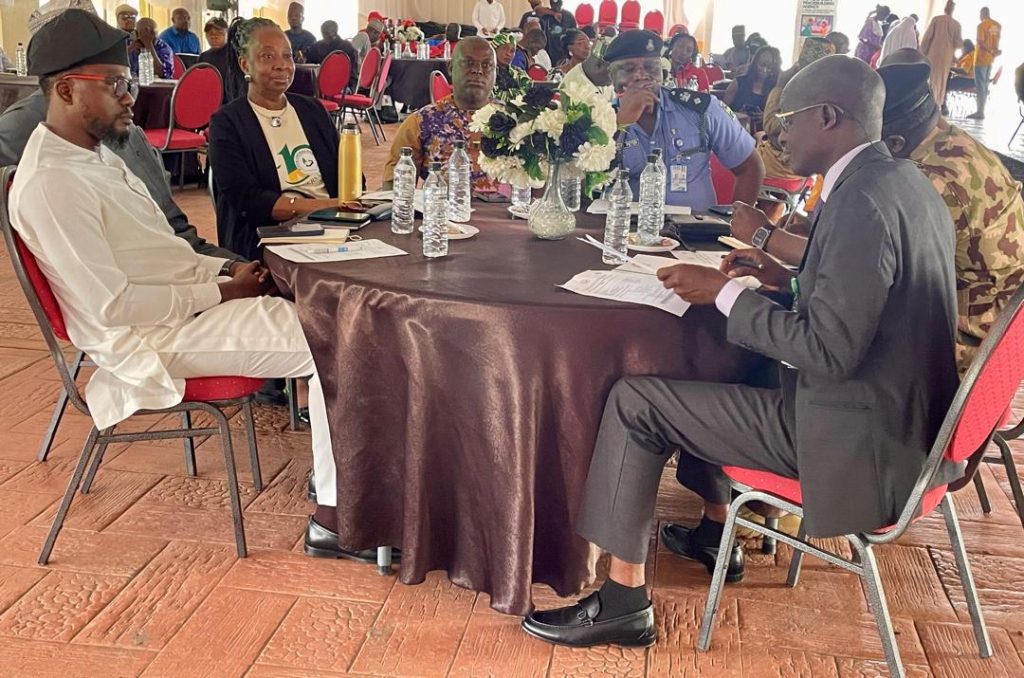
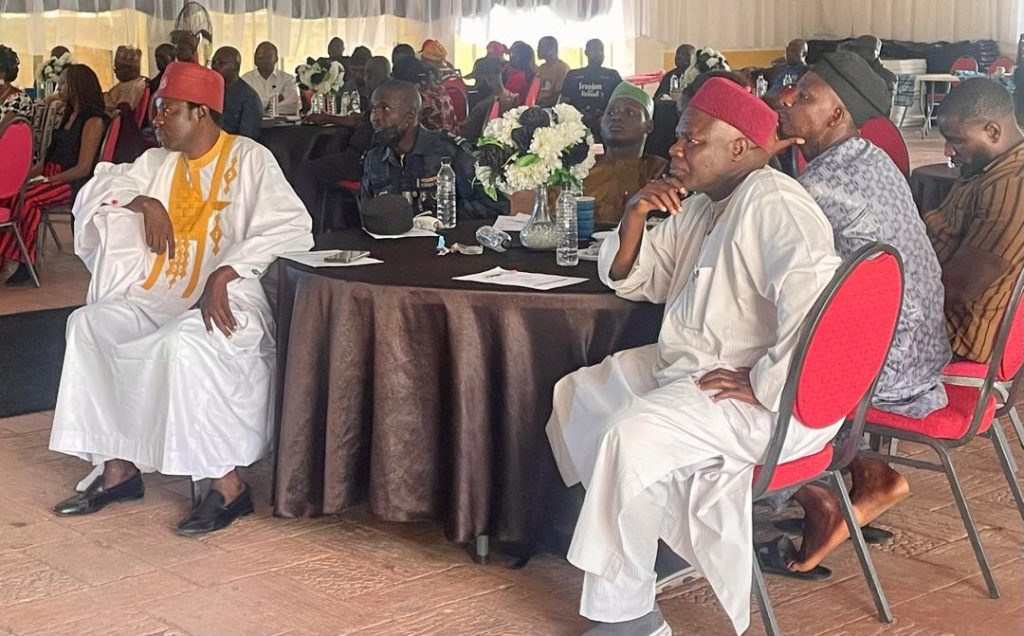
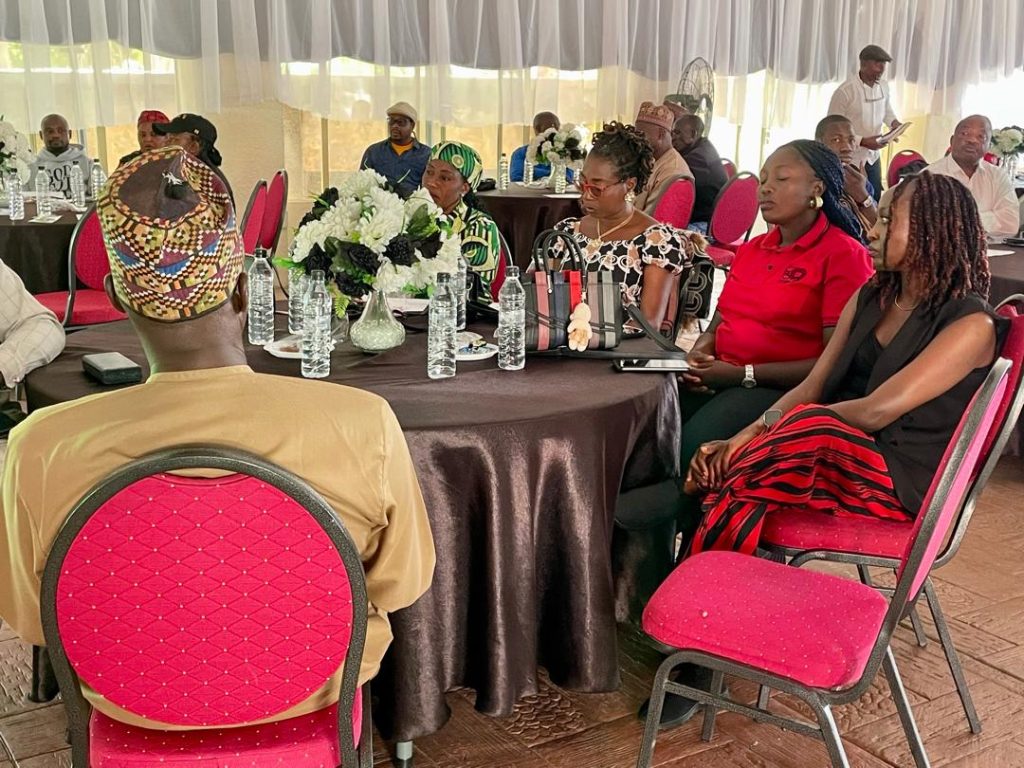
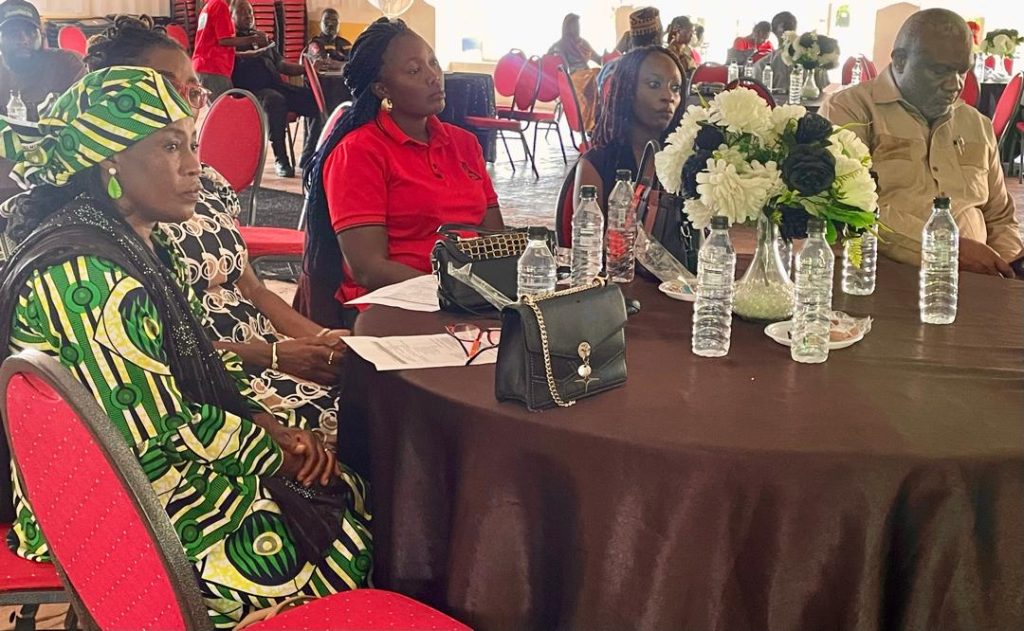
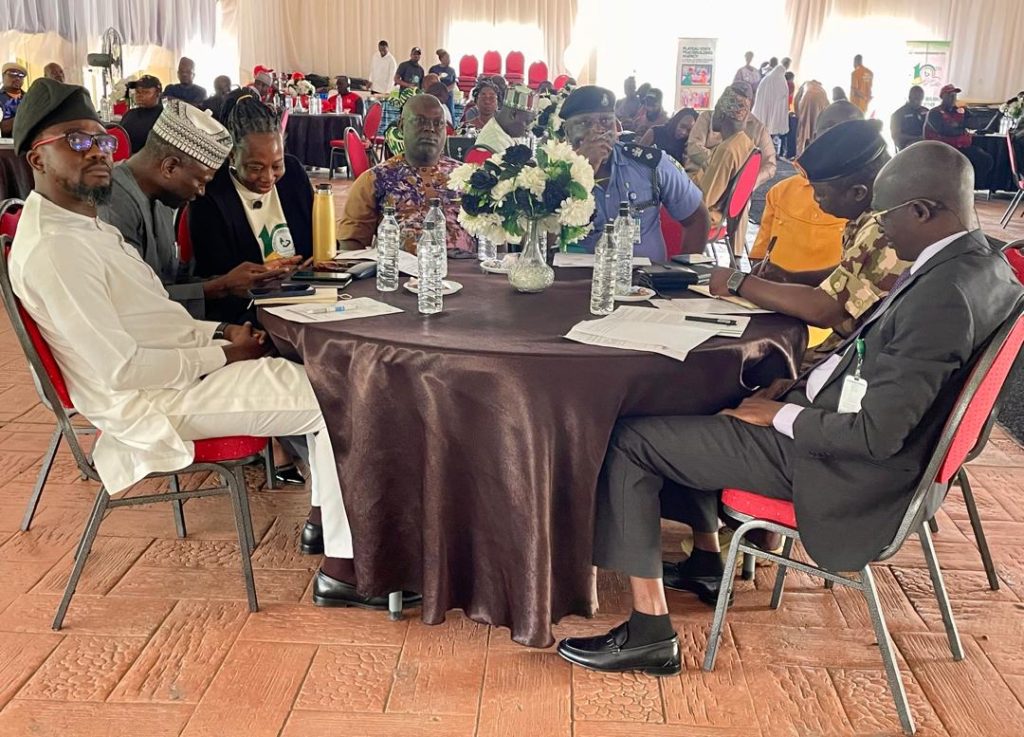
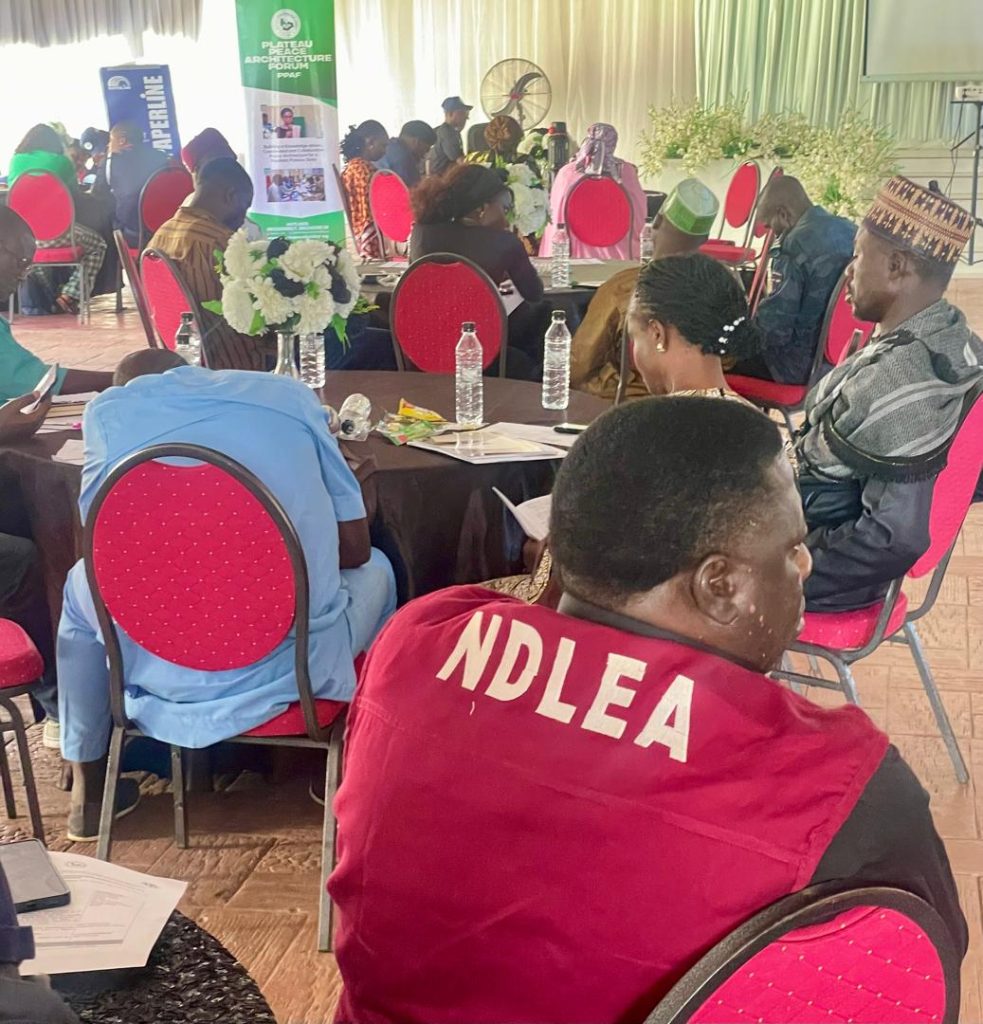
The call was made on Thursday during the June 2026 edition of the Plateau Peace Architecture Forum (PPAF), organized by the Plateau State Peace Building Agency (PPBA) in collaboration with the Plateau Peace Practitioners Network (PPPN) at the Odilins Event Center in Jos.

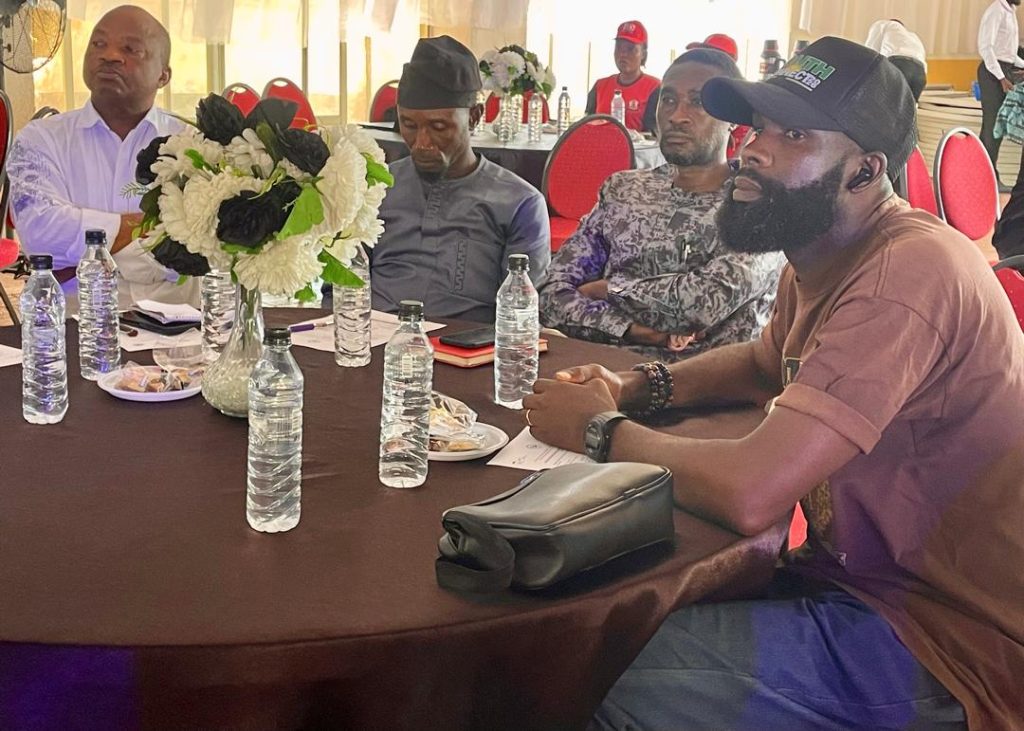
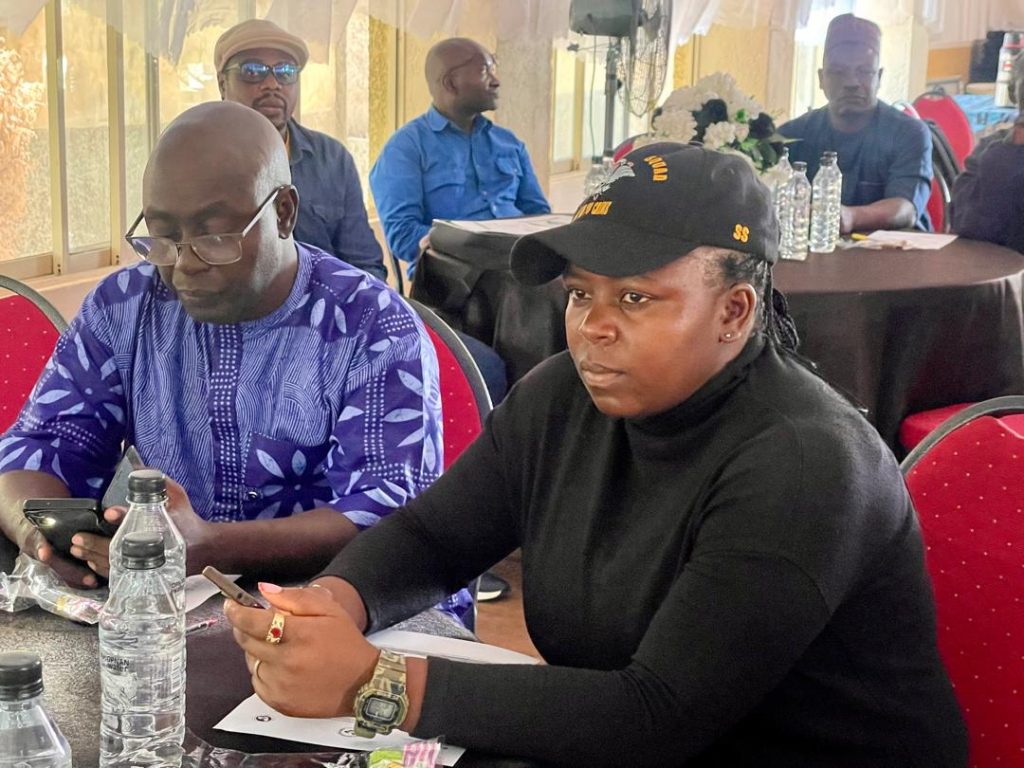
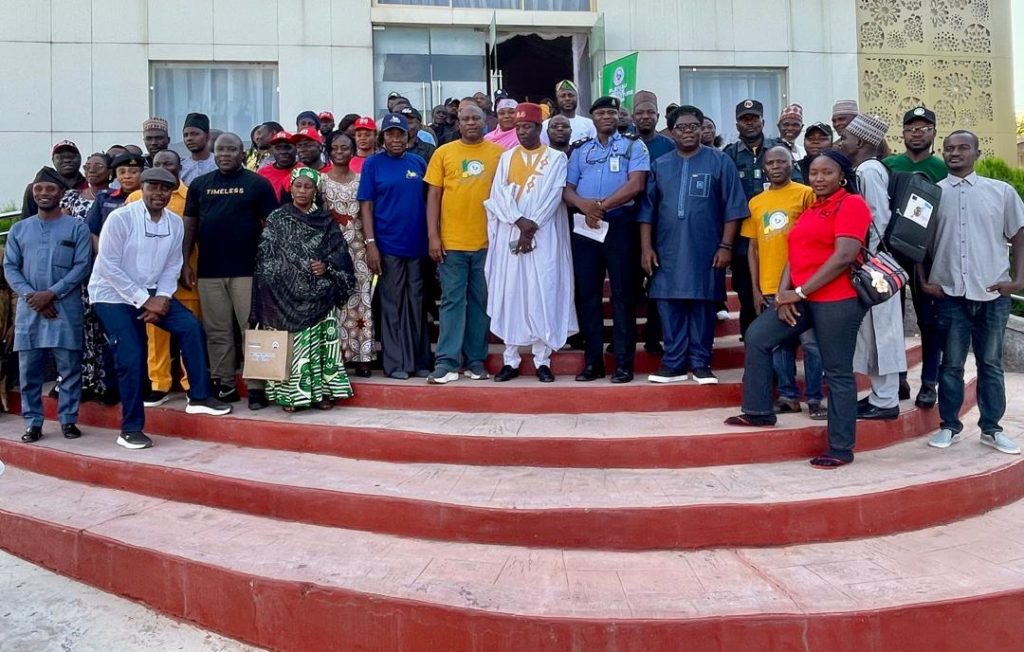
The forum, themed “Beyond Response: Rethinking Early Warning and Collective Action in Plateau State,” brought together community leaders, security agencies, peace practitioners, government officials, civil society organizations, development partners, women and youth groups to deliberate on emerging security threats and strategies for preventing violent conflict.

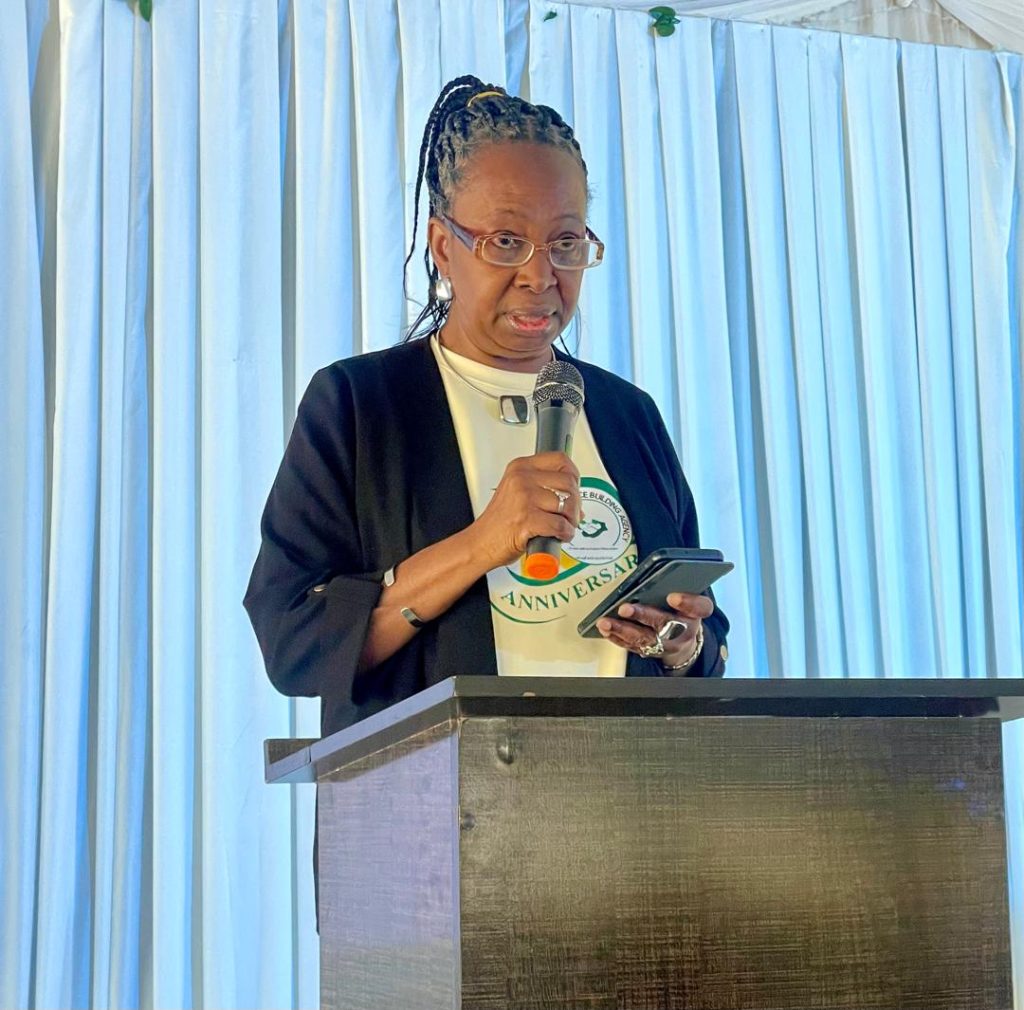
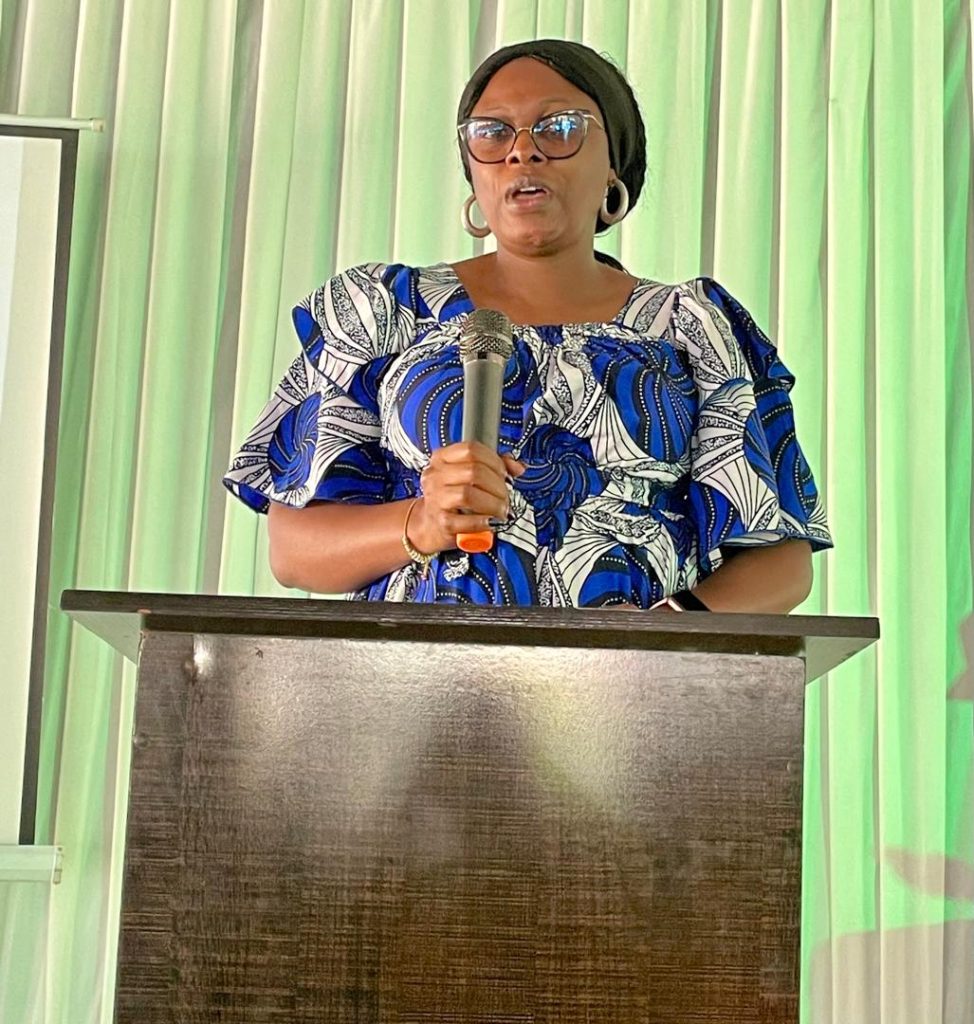
In her opening remarks, the Director General of the Plateau State Peace Building Agency, Dr. Julie G. Sanda, described the forum as an important platform for reflection, learning and dialogue on peace and security issues. She acknowledged the progress made through dialogue, conflict prevention, community engagement and collaboration among stakeholders but stressed the need to rethink traditional approaches to early warning systems in light of changing security realities.

According to her, communities often possess knowledge of potential threats, making it necessary to move beyond information gathering toward effective preparedness, rapid response and coordinated action. She urged stakeholders to explore innovative strategies that would improve prevention efforts and enhance community protection across the state.

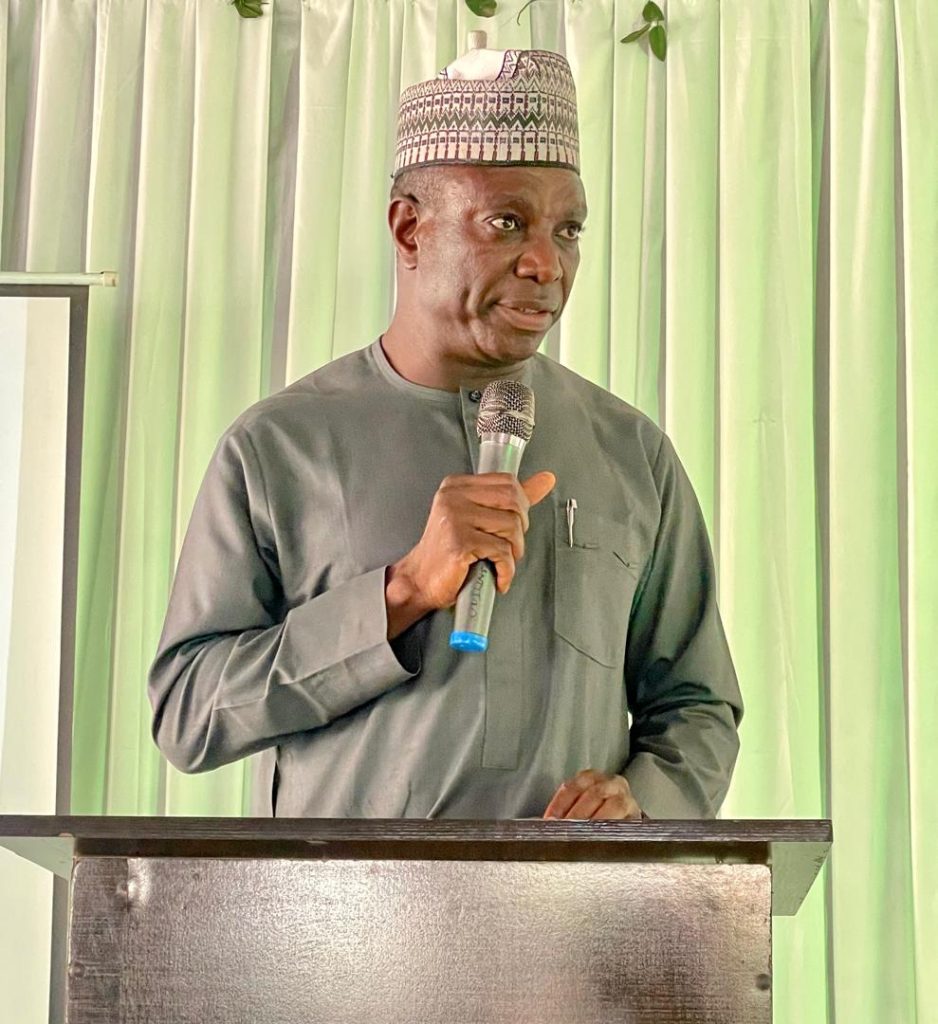
Representing the Secretary to the Plateau State Government, Nathaniel Michael Roy, Director of Health and Special Services, emphasized the importance of collective action among government institutions, traditional rulers, religious leaders, civil society organizations, women, youth and development partners. He reaffirmed the state’s commitment to promoting peace, justice, inclusion and sustainable development.
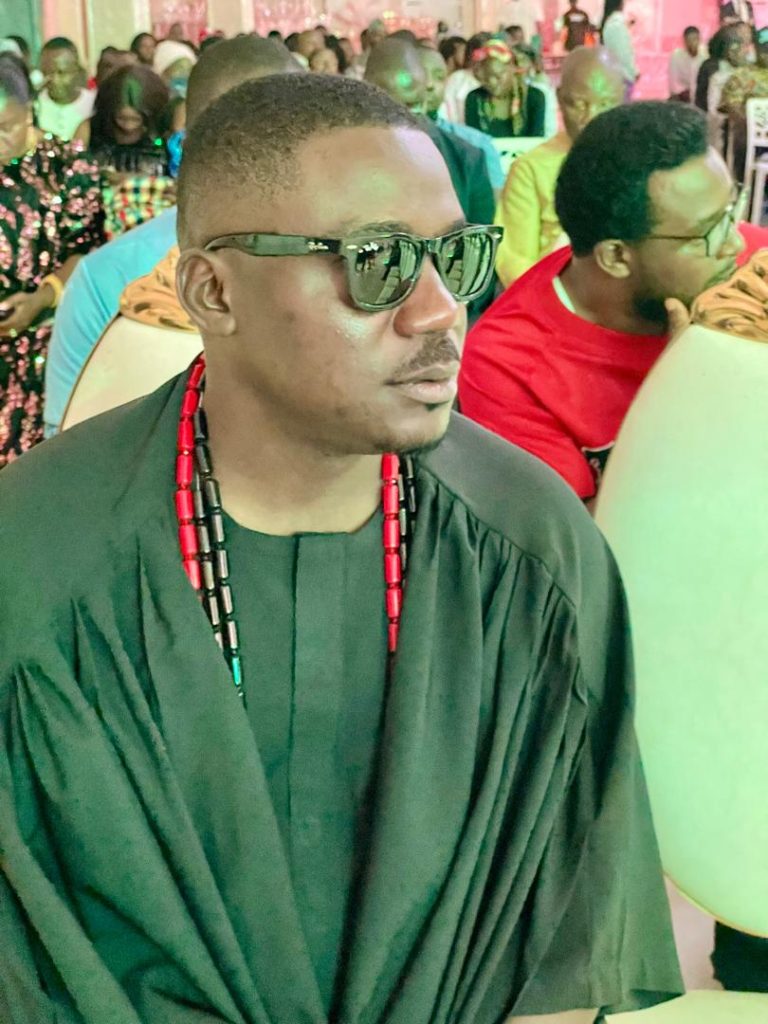
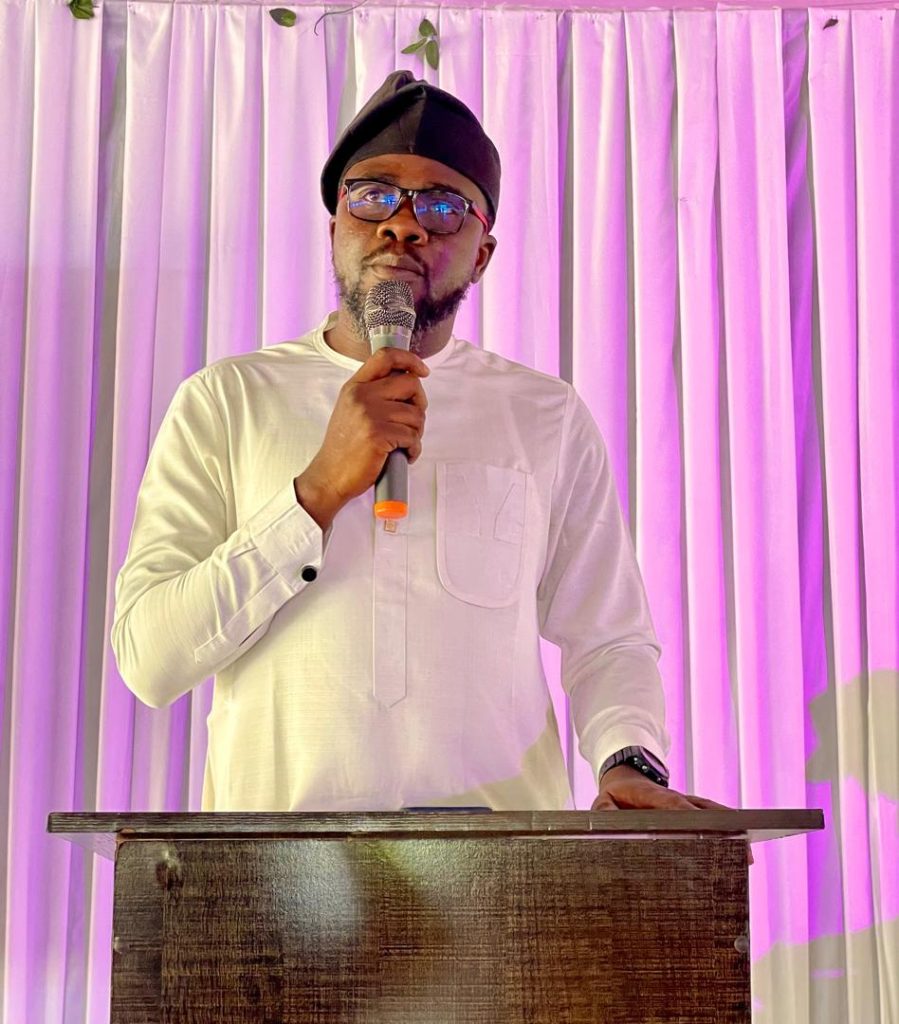
President of the Plateau Peace Practitioners Network, Nanman Bali, described the forum as timely given the resurgence of violence in parts of the state. He called for a review of existing early warning and response systems to ensure they remain effective in addressing contemporary security challenges.
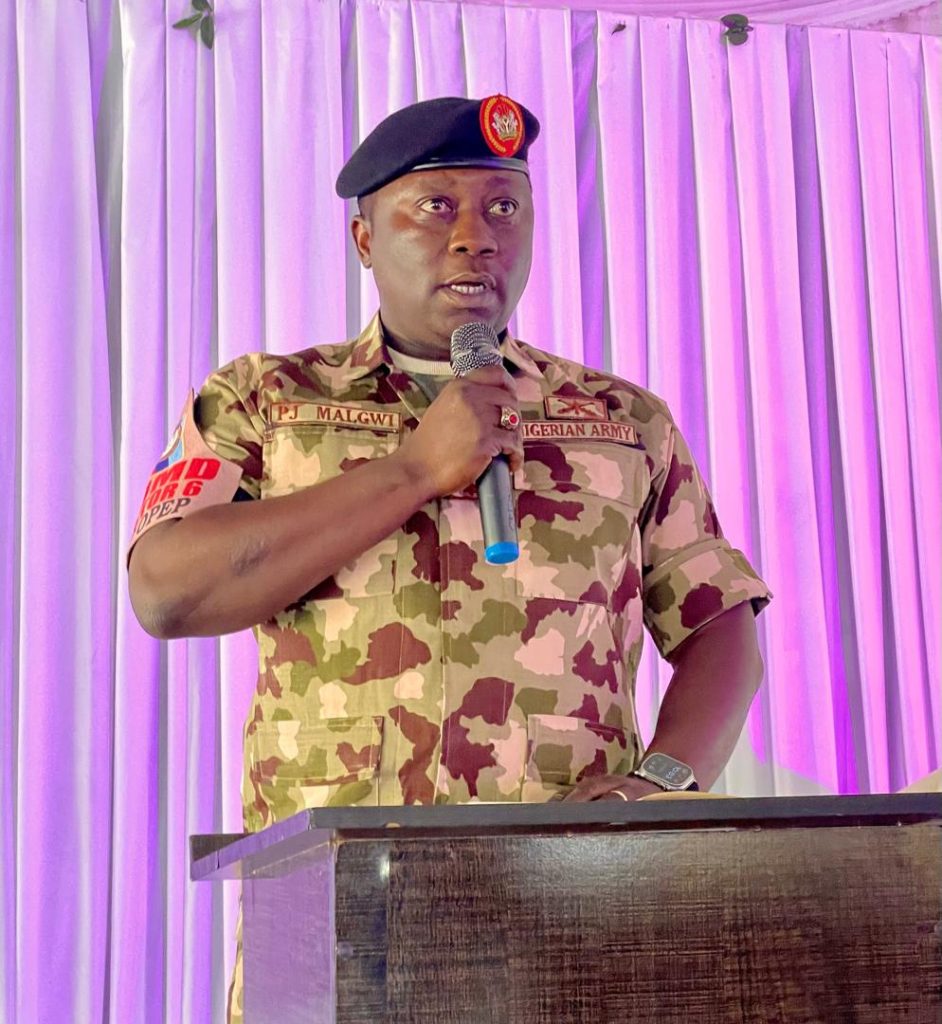
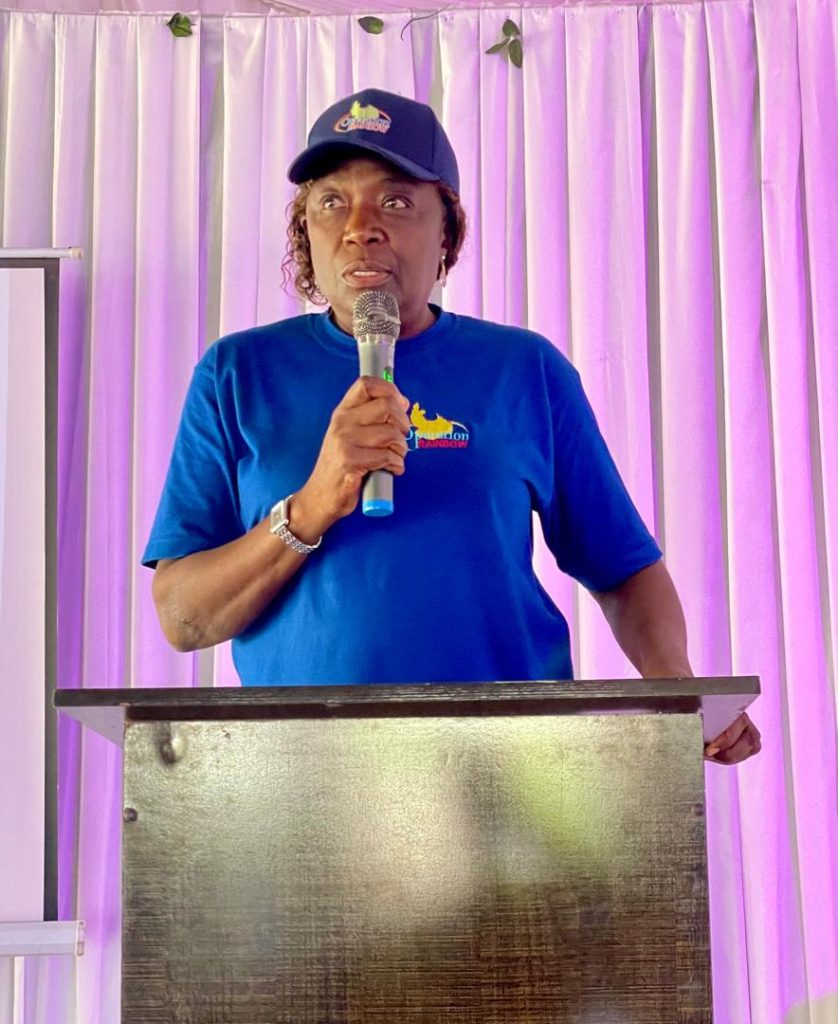
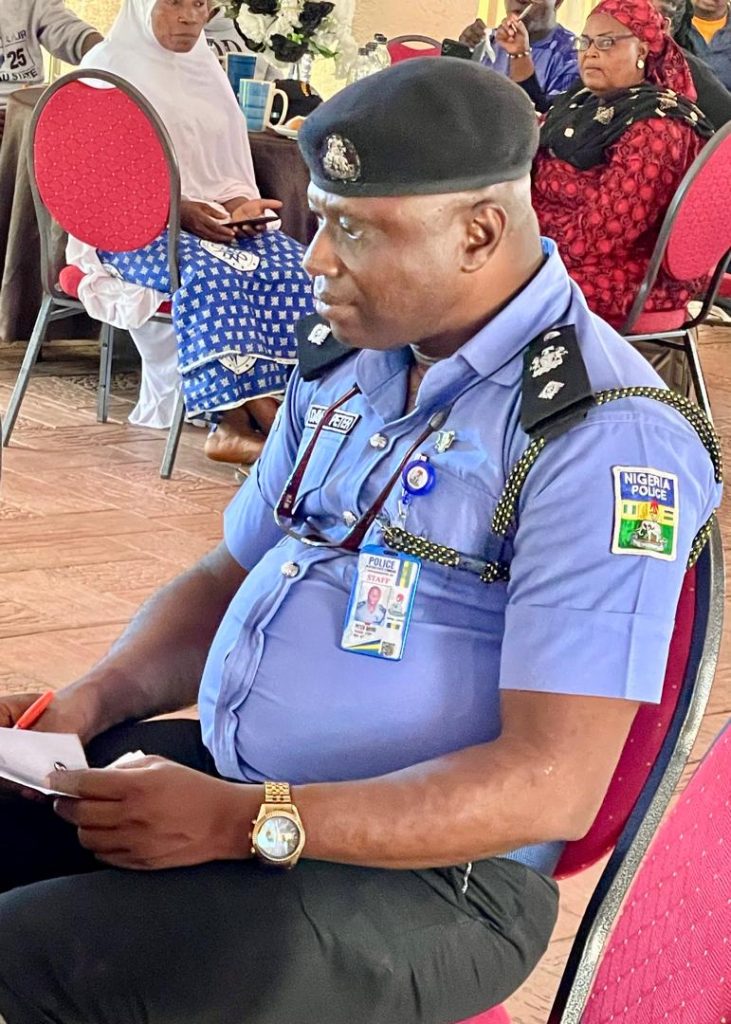
Representing the Commander of Operation Enduring Peace, P.Y. Malgwi stressed that evolving threats, including isolated attacks, masked assailants and conflicts linked to herder movements, require a review of existing peacebuilding strategies. He noted that while significant progress has been made, criminal elements continue to adapt, making stronger collaboration between security agencies and peace actors essential.

Also speaking, Fadassah Othman, representing the Special Adviser on Security to the Governor, Brigadier General Gakji Shipi, urged participants to critically examine security challenges facing Plateau State and develop practical recommendations that would strengthen peace and stability.

The Governor’s Special Envoy on Peace and Security, Professor Chris Kwaja, challenged stakeholders to critically assess the effectiveness of existing early warning systems and the level of synergy among security agencies, government institutions and communities. He stressed the need to distinguish between communal conflicts and organized crime, arguing that both require different approaches. Kwaja further emphasized accountability, justice, social inclusion and transitional justice as key components of sustainable peace.

Representing GIZ, Dr. Yop Aku highlighted the need to move beyond identifying threats to focusing on planning, research, resource mobilization and coordinated action. He warned that organized crime is increasingly shaping security dynamics and called for stronger institutional preparedness and practical implementation of peacebuilding recommendations.

Similarly, Usman Usman, representing the United Nations Development Programme (UNDP), noted that the challenge is often not the absence of information but the limited capacity to respond effectively. He advocated stronger community-centered early warning systems, improved coordination and proactive prevention strategies.

The forum featured presentations by Rev. Samuel Goro, who spoke on “Beyond Response: Rethinking Early Warning and Collective Action in Plateau State,” and Andrew Gani-Ikilama of Ritji Tech Hub, who delivered a presentation on “Leveraging Digital Tools for Early Warning and Early Response Systems.”

A panel discussion on “Early Warning in the Current Context of Plateau: What Works? Successes, Gaps, Coordination Challenges and Opportunities for Strengthening Collective Action” brought together representatives of the Nigeria Forest Guard, Operation Rainbow, Community Peace Architecture Forum (CPAF), the Nigeria Police Force, women and youth groups, civil society organizations and humanitarian actors.

The event concluded with an interactive question-and-answer session, while action points and stakeholder feedback were coordinated by Kenneth Dakop.

Participants expressed optimism that the recommendations from the forum would strengthen early warning mechanisms, improve coordination among stakeholders and contribute to lasting peace and security across Plateau State.