Posted on — Leave a comment

FG Summons PENGASSAN, Dangote To Emergency Meeting Over Dispute

The Federal Government has summoned the Petroleum and Natural Gas Senior Staff Association of Nigeria (PENGASSAN) and the management of Dangote Refinery to an emergency conciliation meeting scheduled for Monday in Abuja, following the union’s threat to embark on strike.

Minister of Labour and Employment, Muhammad Maigari Dingyadi, who disclosed this in a statement over the weekend, said the meeting would be held in his office as part of efforts to douse tensions arising from the ongoing face-off between the two parties.

Dingyadi urged the leadership of PENGASSAN to suspend its planned strike, which is expected to commence on Monday, to allow for dialogue in a peaceful atmosphere.

“The Ministry of Labour and Employment, through the Director of Trade Union Services and Industrial Relations, has extended invitations to the leadership of PENGASSAN and the management of Dangote Refinery to attend a conciliation meeting in my office on Monday,” he said.

The minister warned that industrial action in the petroleum sector would not only lead to heavy revenue losses for the country but also compound economic hardship for citizens and threaten national security.

He assured both sides that the Federal Government was committed to resolving the dispute amicably and in the best interest of the nation.

Posted on — Leave a comment

Police Official Vehicle Stolen From Force Headquarters In Abuja, Authorities Launch Manhunt

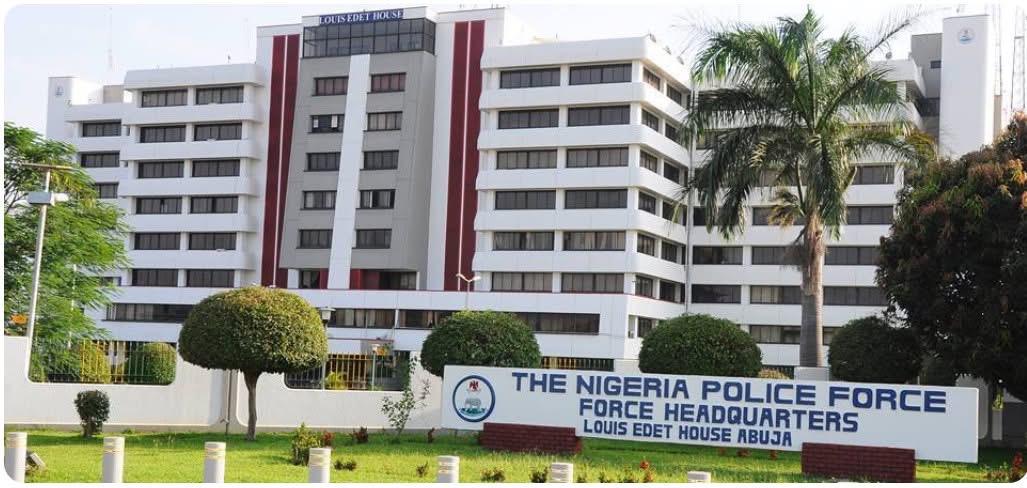
The Nigeria Police Force has announced the theft of one of its official vehicles, a Toyota Buffalo Land Cruiser, from the premises of the Force Headquarters in Abuja.

According to an internal wireless message from the Commissioner of Police (DFA, Katsina Command) relaying information from the Force Criminal Investigation Department (FCID), the vehicle, with chassis number JTELU71JX0B027126 and registration number NPF 5594 D, went missing on July 28, 2025.

The vehicle was attached to the Department of Operations at Force Headquarters, Louis Edet House, Abuja.

It was reported missing after being removed from the official parking lot.

Police authorities say the case is under active investigation and have directed all area commands, divisional police officers, and formations nationwide to be on the lookout for the missing vehicle.

“Grateful be informed that Sig. No. CR:3000/FDPS/FHQS/Abj/Vol.2/189 DTO: 271231/08/2025 received from Nigpol Dops Abuja that a police official’s vehicle, a Toyota Land Cruiser, was involved in an accident. JTELU71JX0B027126, Rec No. NPF 5594 D, attached to Department of Operations FHQ, Abuja was declared missing/stolen or removed from where parked on 28/07/2025 from parking lot of FHQ, Louis Edet House Abuja,” the police message said.

“Case is under investigation. Grateful disseminate to formations, area commands, and divisions for possible recovery. Inform mine for necessary action.”

Security operatives have been urged to treat the matter as “very important” and report any leads that could aid recovery.

Source: SaharaReporters

Posted on — Leave a comment

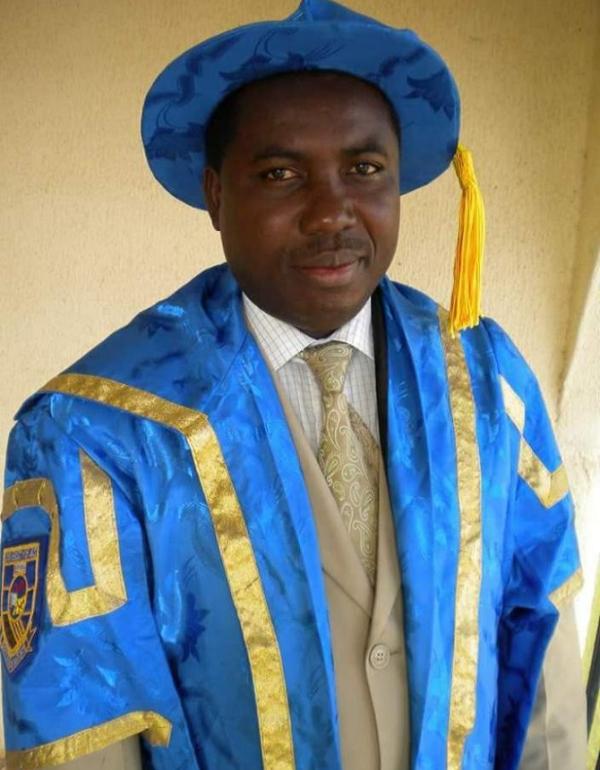
Prof. Joash Amupitan Tipped as Likely Successor to INEC Chairman Yakubu

As the tenure of Prof. Mahmood Yakubu, Chairman of the Independent National Electoral Commission (INEC), draws to a close in November, speculations are mounting over his possible successor. Reports suggest that Prof. Joash Ojo Amupitan (SAN), Deputy Vice-Chancellor (Administration) at the University of Jos, may be in line for the top electoral role.

Prof. Amupitan, a distinguished legal scholar and Senior Advocate of Nigeria, has spent over three decades in academia and public service. He began his career at the University of Jos in 1989 as an Assistant Lecturer and rose to the rank of Professor in 2008. His elevation to SAN in 2014 further solidified his reputation as a respected legal luminary.

Specializing in Evidence Law, Corporate Governance, and Electoral Law reforms, Prof. Amupitan has held numerous leadership positions, including Dean of the Faculty of Law, Chairman of the Committee of Deans and Directors, and membership on the Governing Councils of both the University of Jos and the Nigerian Institute of Advanced Legal Studies.

A prolific researcher with over 50 academic publications, he has supervised dozens of postgraduate students. Hailing from Ijumu, Kogi State, Prof. Amupitan’s wealth of experience has positioned him as a strong contender for Nigeria’s top electoral office.

Posted on — Leave a comment

Surge in NELFUND Applications, New Guidelines Fuel Debate Over Equity and Transparency

The Nigerian Education Loan Fund (NELFUND) is experiencing heightened attention across social media, news sites, and campus forums, as students and stakeholders analyze recent figures and the fund’s evolving guidelines.

Over the past months, NELFUND has disbursed over ₦73 billion to beneficiaries, reaching approximately 366,000 students so far. This scale of disbursement underscores a sizable uptake and a growing dependency on government-backed loans to access tertiary education.

However, public discourse has focused not just on volume, but on who is benefitting. Several reports have pointed to a marked regional skew in applications, with northern geopolitical zones submitting a disproportionately high number relative to southern states. Critics argue that disparities in awareness, institutional engagement, or socio-economic pressures may be at play.

In response to mounting calls for clarity, NELFUND and the Federal Government recently released strengthened guidelines for administering the scheme in public tertiary institutions. Key elements include:

  • Eligibility criteria (NIN, BVN, JAMB data) and strict verification timelines for institutions.
  • Direct disbursement of tuition fees to institutions, while maintaining optional upkeep allowances to students.
  • Repayment to begin two years after NYSC or equivalent service, at a 10% monthly income deduction for salaried beneficiaries.
  • Measures to ensure fairness, transparency, and sanctions for fraud or institutional noncompliance.

On social media platforms including X (formerly Twitter) and student-oriented pages, reactions have ranged from optimism to skepticism. Many students welcome the interest-free structure of the loans, seeing them as a lifeline against prohibitive tuition costs. Others warn that without robust monitoring and inclusive access, the scheme risks reinforcing existing inequalities.

Policy analysts caution that the real test will be in repayment behavior once beneficiaries enter the workforce, and whether regulatory safeguards can deter misuse. As NELFUND scales, observers say the government must double down on outreach, especially in underserved southern states, and foster institutional capacity to manage the process fairly.

In sum, NELFUND’s rising visibility reflects both hopeful opportunity and mounting scrutiny, a delicate balance between expanding access and preserving equity in Nigeria’s higher education financing.

Posted on — Leave a comment

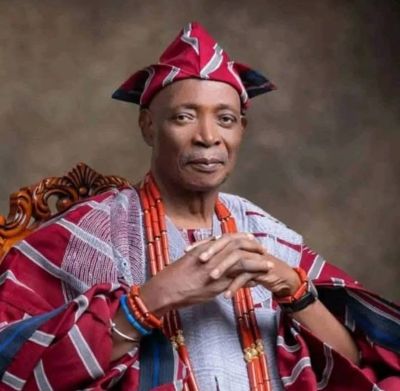
Oba Rashidi Ladoja Crowned 44th Olubadan of Ibadanland in Momentous Ceremony

In a landmark event for Ibadan’s cultural and political life, former Oyo State Governor Rashidi Adewolu Ladoja has been formally installed as the 44th Olubadan of Ibadanland. The crowning ceremony took place on September 26, 2025, at the revered Ose Meji Temple in Ibadan South-East LGA, after a series of age-old rites and rituals.

The day began with Ladoja’s reception of the Akoko leaf at the Labosinde Compound, Oja’ba, a symbolic affirmation of royal acceptance by the Ibadan kingmakers. From there, he proceeded in regal procession to the Ose Meji House, where the final rites and crowning were conducted under strict traditional protocol.

Governor Seyi Makinde, who had interrupted his annual leave to attend, is expected to formally present the staff and instrument of office to the new monarch at Mapo Hall later in the day, marking the official transfer of authority. Already, major thoroughfares including Total Garden to Mapo, Gate to Beere, and Challenge to Beere were reported packed with cheering residents and well-wishers celebrating the coronation.

Ladoja’s ascendancy to the throne follows the passing of the 43rd Olubadan, Oba Owolabi Olakulehin, who died on July 7, 2025. His reign is the culmination of a 32-year journey through Ibadan’s hierarchical chieftaincy structure, which saw him advance through numerous ranks—beginning in 1993 when he became Jagun Olubadan—before rising to Otun Olubadan in 2024. At age 81, this makes him the first person to have served at the levels of senator, governor, and now paramount traditional ruler in Ibadan.

Well-wishers and dignitaries have flooded in with congratulations. Among them, Femi Akande, on behalf of the Femi Alake Foundation, hailed Ladoja’s installation as a momentous cultural victory for Ibadanland, praising his seasoned statesmanship and pledging support for his reign.

As Ibadan rejoices, the new Olubadan faces the challenge of uniting a diverse city, preserving its traditional legacy, and fostering development in a period of high expectations.

Posted on — Leave a comment

Two Female Teachers Arraigned For Allegedly Defiling Pupil In Kaduna

Two teachers of Zaria Children School, Kaduna State, were on Thursday arraigned before a chief magistrates’ court in Tudun-Wada, Zaria, over the alleged defilement of a minor student.

The prosecutor, ASC Mustapha Abdulkadir, said the two teachers were standing trial on charges hinged on an unnatural offence (lesbianism).

He said the alleged offence is contrary to section 259 of the Kaduna State Penal Code Law 2017.

The prosecutor told the court that on September 11, one Yahaya Aliyu of the Tudun Jukun area, Zaria, came to the Nigeria Security and Civil Defence Corps (NSCDC), Zaria Area Command, and reported against the defendants.

He stated that the defendants are Atoyebi-Eunice Temitope (female) of No. 2, Dogon Bauchi, Sabon Gari, Zaria, and Damilola Adeyemo (female) of Hanwa New Extension, Zaria, and three others who are now at large.

Mr Abdulkadir alleged that on September 18, when the nominal complainant’s wife was bathing the victim, an 11-year-old pupil in Junior Secondary School (JSS 1), she observed that the victim had been molested.

“Upon interrogation at home, the victim mentioned the names of the defendants and alleged that it started sometime in 2023, when the victim was in primary three.

“The victim also alleged that the first defendant, Temitope (known to the victim as Mrs Okasha), took the victim to a toilet near class 4A during the long break lesson period and put an object into her private part.

“She alleged that the incident happened over three different times and further alleged that Mrs Okasha threatened to inform kidnappers to abduct her if she disclosed the affair to anybody,’’ he said.

The prosecutor also told the court that on September 16, when the school resumed, the second defendant, Ms Adeyemo, called the victim upstairs (the secondary school section) and entered the female toilet with her.

He added that while in the female toilet, the second defendant inserted something into her private part using an object that looked like a syringe.

The prosecutor told the court that the alleged actions of the defendants violate section 259 of the Kaduna State Penal Code Law 2017, as amended.

Senior Magistrate Rabi Hashim adjourned the matter until October 22 for further mention, pending legal advice from the Kaduna State Ministry of Justice.

She also ordered that the defendants be remanded at Zaria Correctional Centre.

Apoju Sunday-Adeyemi, the school principal, who did not deny the allegations against the teachers, stated that the issues were still under investigation.

“I don’t want to comment further on a matter that is before the court of law,’’ he said.
(NAN)

Posted on — Leave a comment

More than Ever, Nigeria Needs State Police – Nankpak Cirfat

Nigeria’s journey as a federation has always been defined by the struggle to balance unity with diversity. With over 300 ethnic groups, diverse religions, and wide cultural differences, the architects of the federation formally shaped under the Lyttleton Constitution of 1954 envisioned a system where power would be shared between the center and the regions.

At the heart of federalism lies the principle of autonomy, where each level of government exercises authority over certain institutions. Yet, in Nigeria’s case, many argue that what exists today is a federation only in name. From the recurring tussles over resource control to persistent calls for restructuring, the cracks in the system are evident. But perhaps the most urgent symptom of this imbalance is the country’s inability to manage its worsening insecurity. With violent crimes multiplying and the central police force stretched beyond its limits, the question of state policing is no longer just academic It has become a matter of survival.
In many classical federations such as the United States, Canada, and Australia, state or provincial police forces coexist with federal security agencies. Each state maintains law and order within its jurisdiction, while the federal government handles broader national security issues. This layered approach not only reflects true federalism but also ensures that security is responsive, localized, and effective.

For years, insecurity has eaten deep into the soul of our nation. From banditry and kidnapping in the North, to separatist agitations in the South-East, to oil theft and militancy in the Niger Delta, our centralized policing structure has proven overstretched and ineffective. Citizens live in fear, communities are vulnerable, and the federal police command remains too far removed to respond swiftly and decisively.
State policing offers us a way forward. It is not just a reform of structure but a reform of trust. A state-controlled police force can be more responsive, closer to the people, and better equipped with local knowledge. Officers who understand the terrain, speak the language, and share the cultural context are far more effective at intelligence gathering and crime prevention. Beyond that, communities are more likely to collaborate with security structures they feel are accountable to them.

We already see the shadows of this future in regional security outfits like Amotekun in the South-West and Ebube Agu in the South-East. In Ondo State, Amotekun operatives have successfully curbed rising cases of kidnapping along major highways, restoring confidence to travelers. In Oyo State, farmers reported being able to return to farmlands previously abandoned due to herdsmen-related attacks, thanks to the presence of Amotekun. These are imperfect but important experiments — proof that Nigerians are not only ready for state policing, but desperate for it. The constitutional bottlenecks are what remain.

Critics argue that state policing might be abused by governors or local elites. This concern is valid. But rather than abandon the idea, we must design strong institutional safeguards. Transparency, independent oversight bodies, and citizen-driven accountability mechanisms can ensure that state policing strengthens democracy rather than undermines it. Civil society organizations, like Connected Development (CODE), have consistently demonstrated through initiatives such as FollowTheMoney that citizen monitoring builds trust and accountability in governance. The same principle can be applied to policing.

The link between security and development cannot be overstated. When insecurity thrives, investment withers, schools close, farmers abandon their lands, and young people lose hope. If Nigeria is to protect its resources, from farmlands to oil pipelines, then security must be localized and proactive. State policing, therefore, is not just a law enforcement issue; it is an economic and developmental necessity.

True federalism is a journey, not an event. State policing will not solve all our problems, but it is a critical step in the right direction. It will decentralize power, build trust between government and citizens, and lay the foundation for states to manage both their security and their resources more responsibly.

Nigeria has reached a tipping point. Every day we delay reform, more lives are lost, more communities are displaced, and more young people lose faith in the promise of this country. Policymakers must rise above partisan interests and prioritize the safety of citizens. The National Assembly must urgently revisit constitutional amendments to pave the way for state policing, while state governments must commit to transparent recruitment, training, and oversight.

Other federations like the United States, India, and South Africa have shown that multi-layered policing systems work, combining federal oversight with local responsiveness. Nigeria cannot afford to remain stuck in a centralized model that has consistently failed its people.

More than ever, Nigeria needs state police, not tomorrow, not someday, but now. Citizens deserve a system that protects them, empowers them, and brings governance closer to their realities. Anything less is a betrayal of the very idea of federalism.

Posted on — Leave a comment

Plateau Peace Building Agency Unveils Creative Expressions at Art Exhibition for Peace

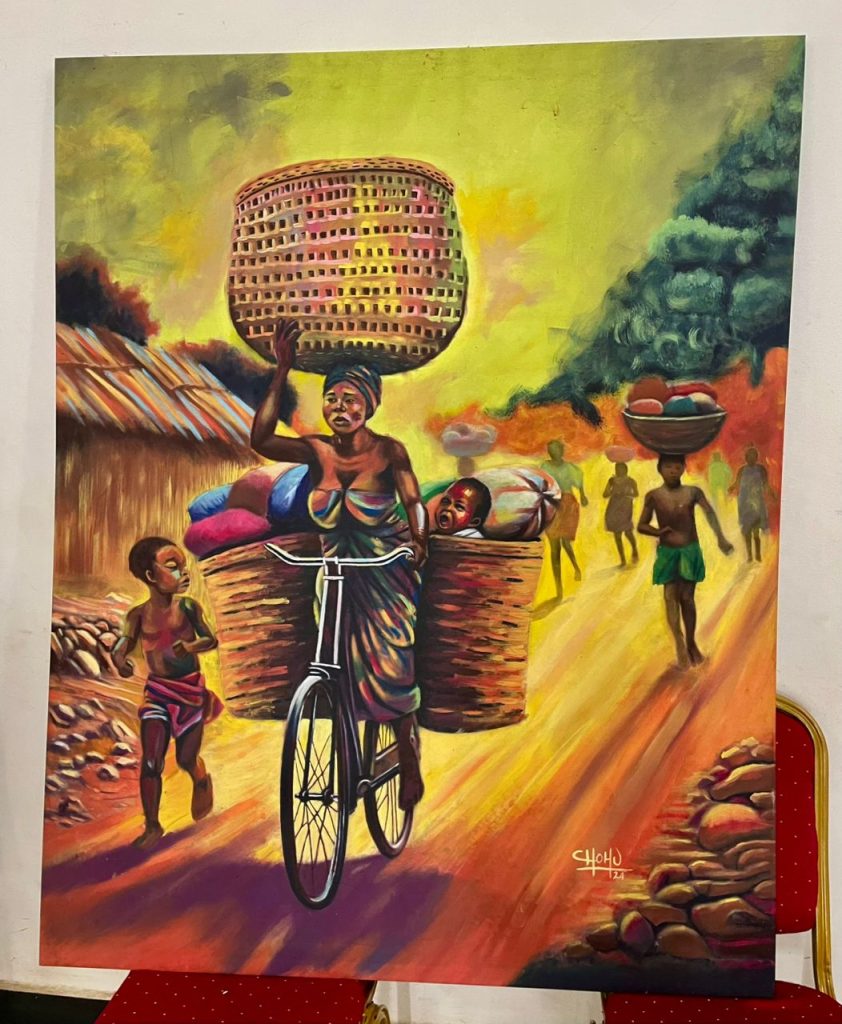
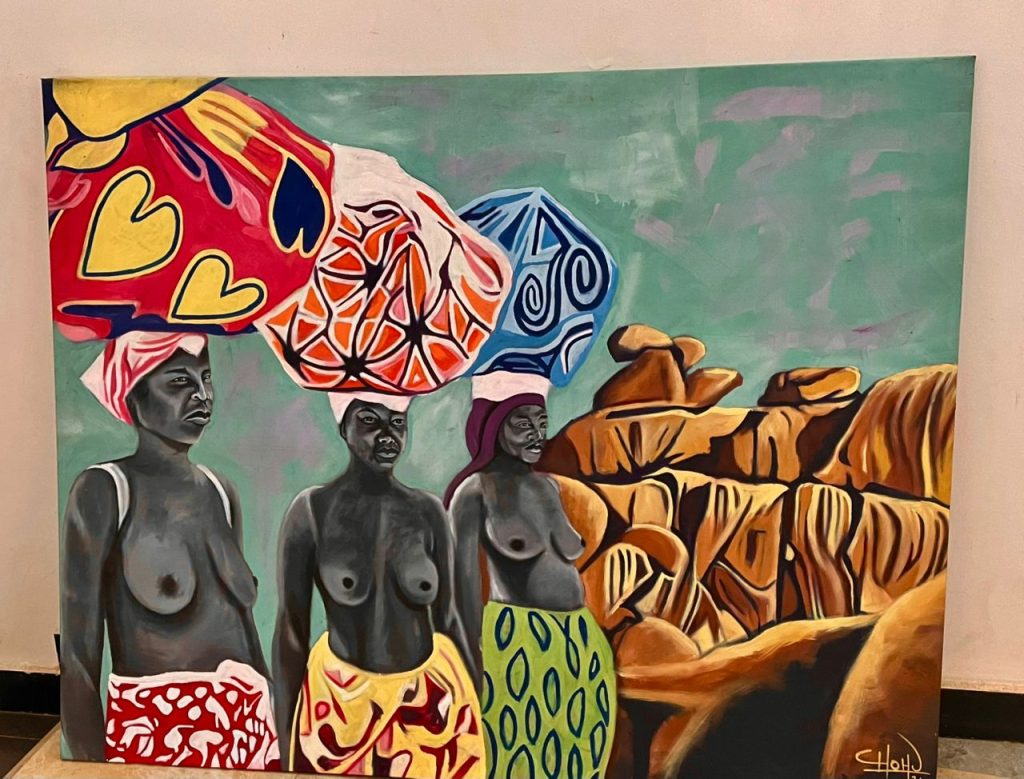
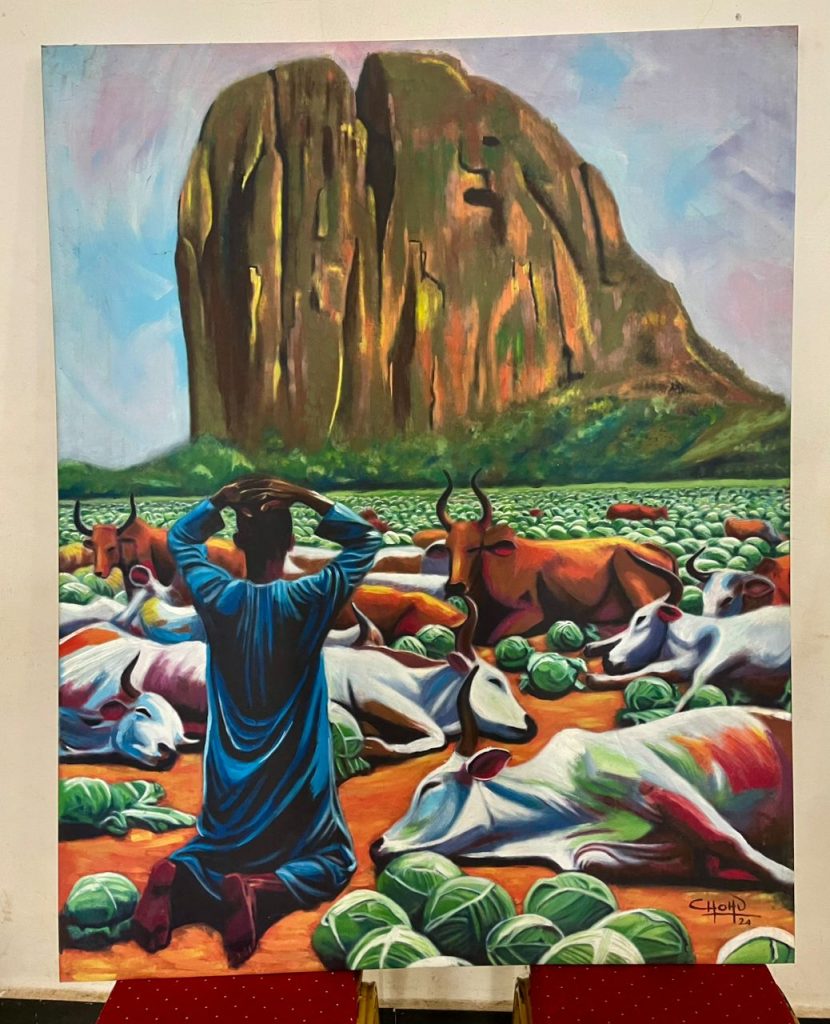
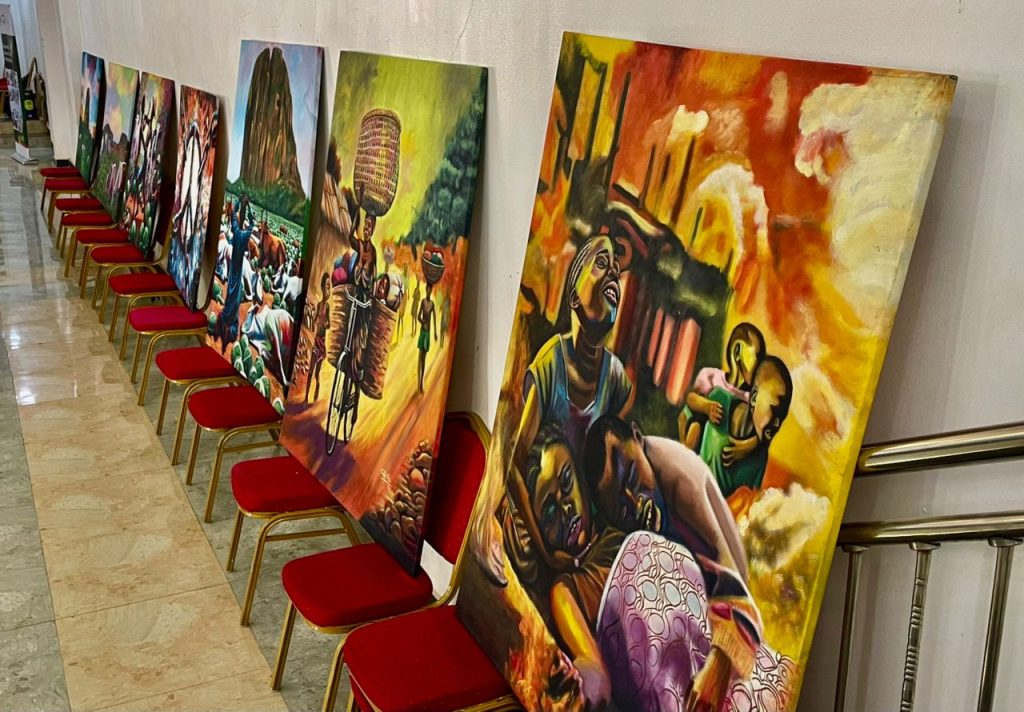
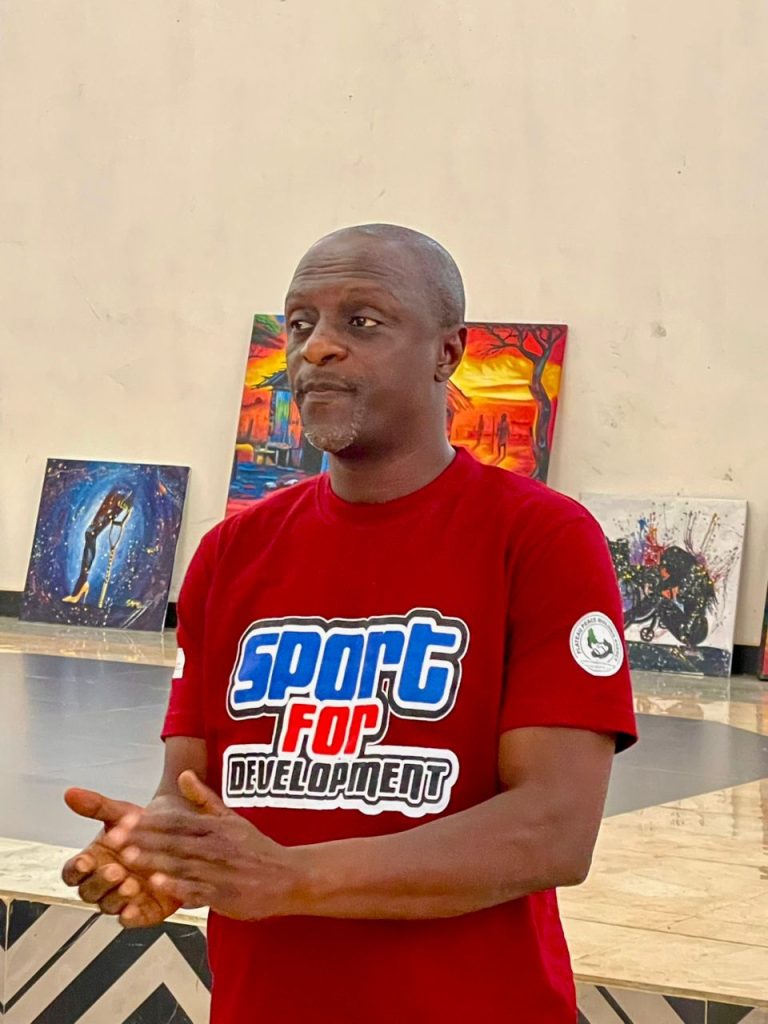
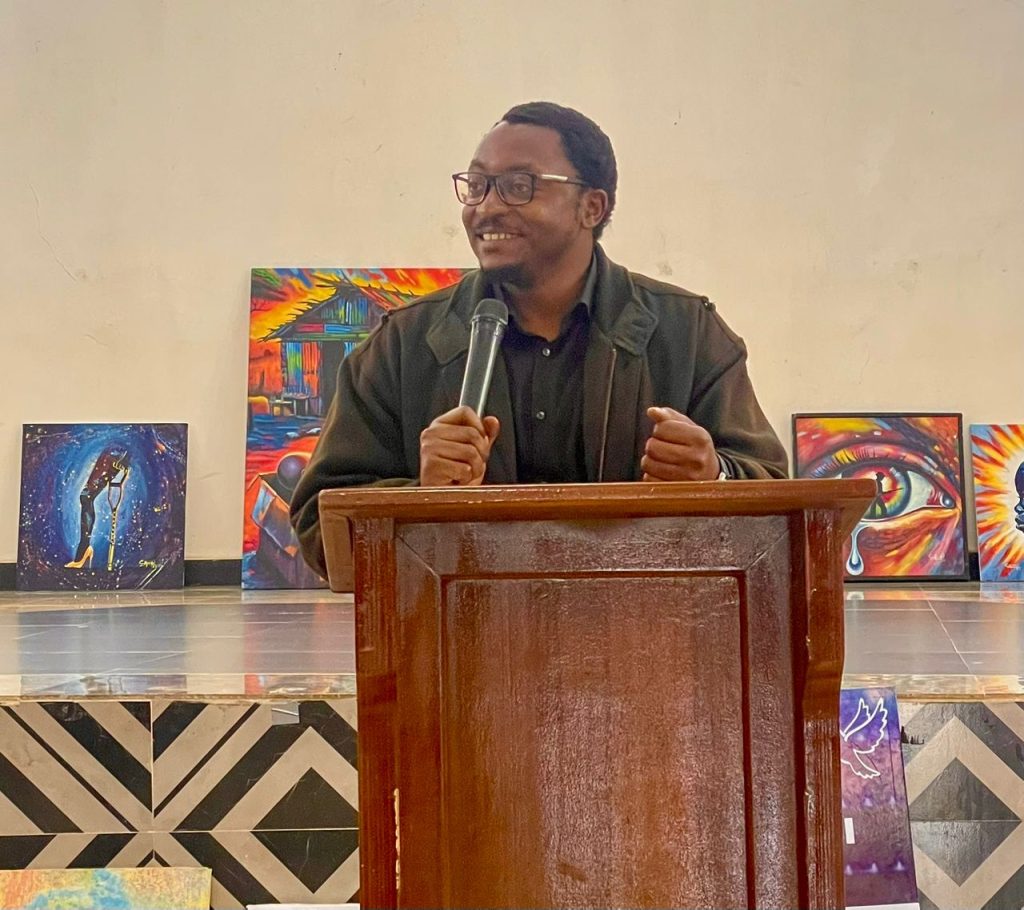
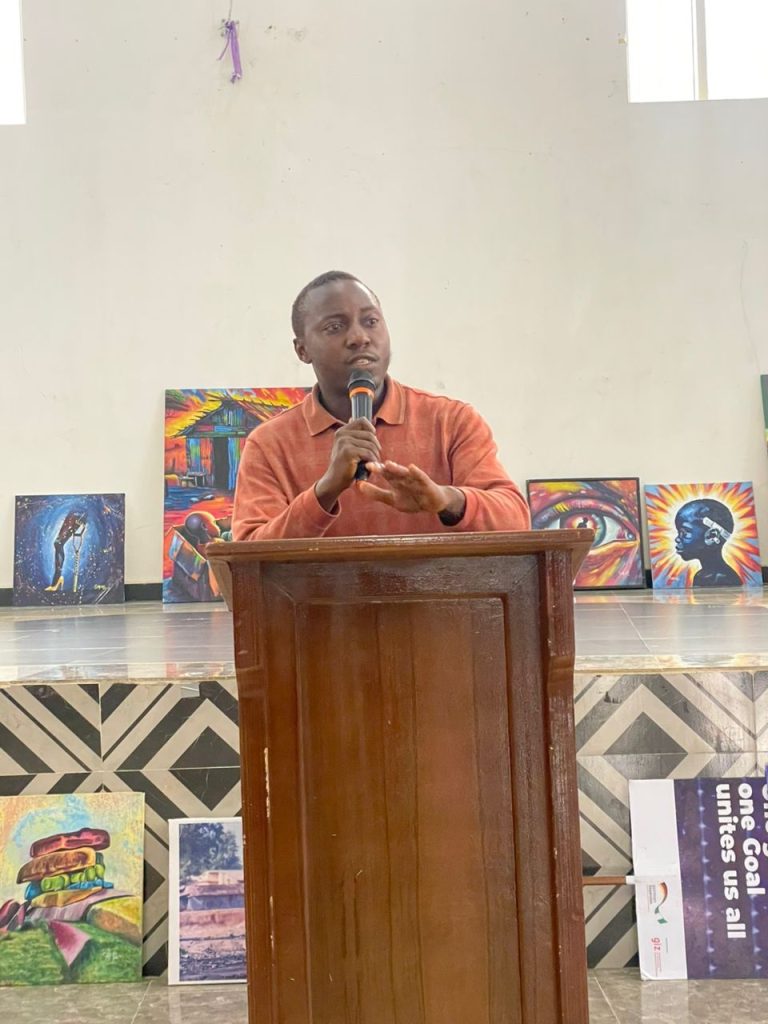
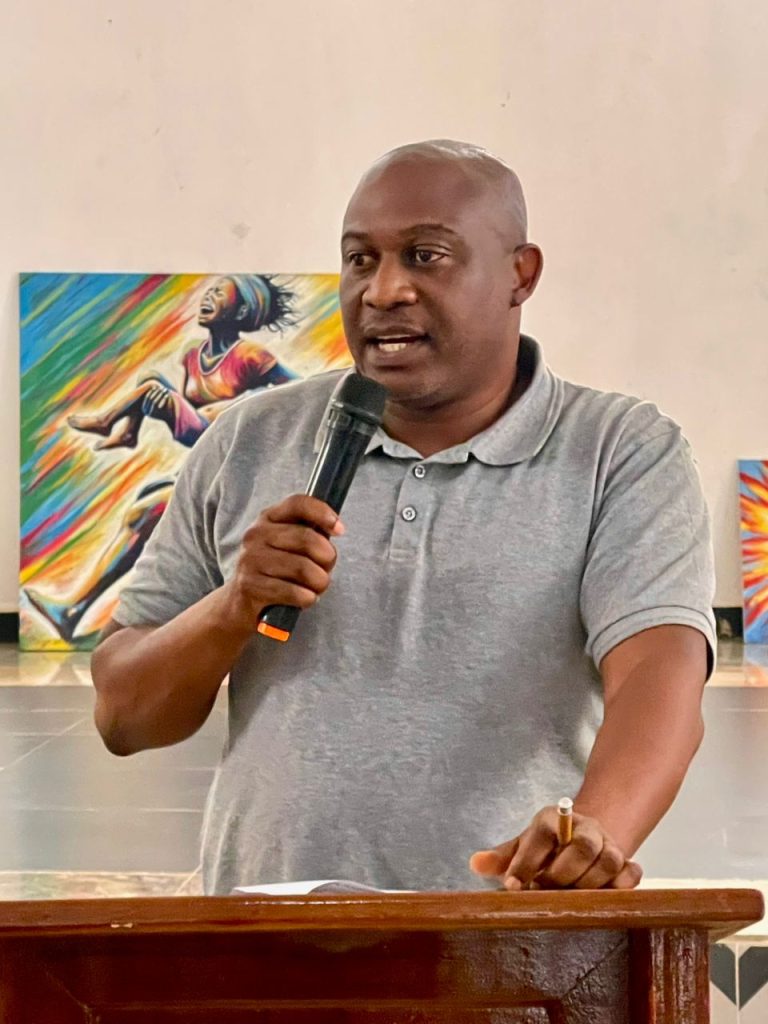
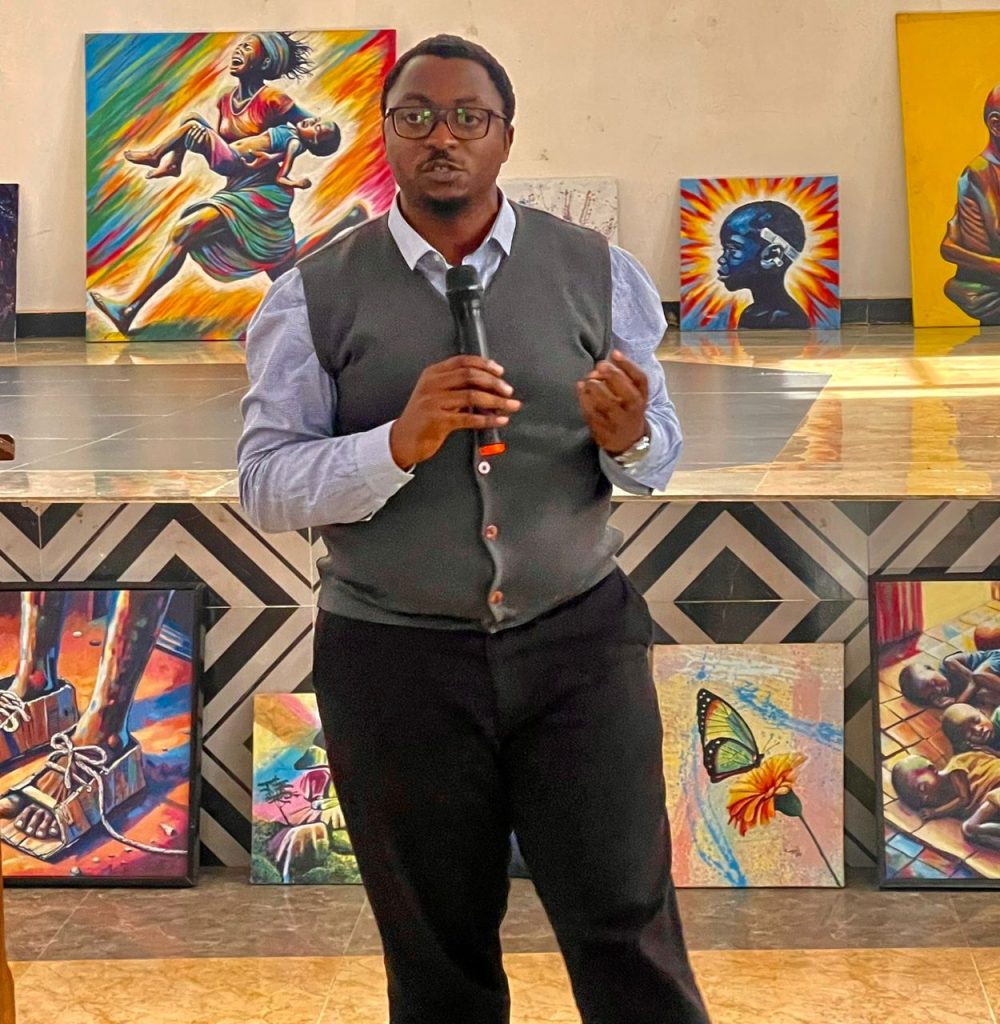
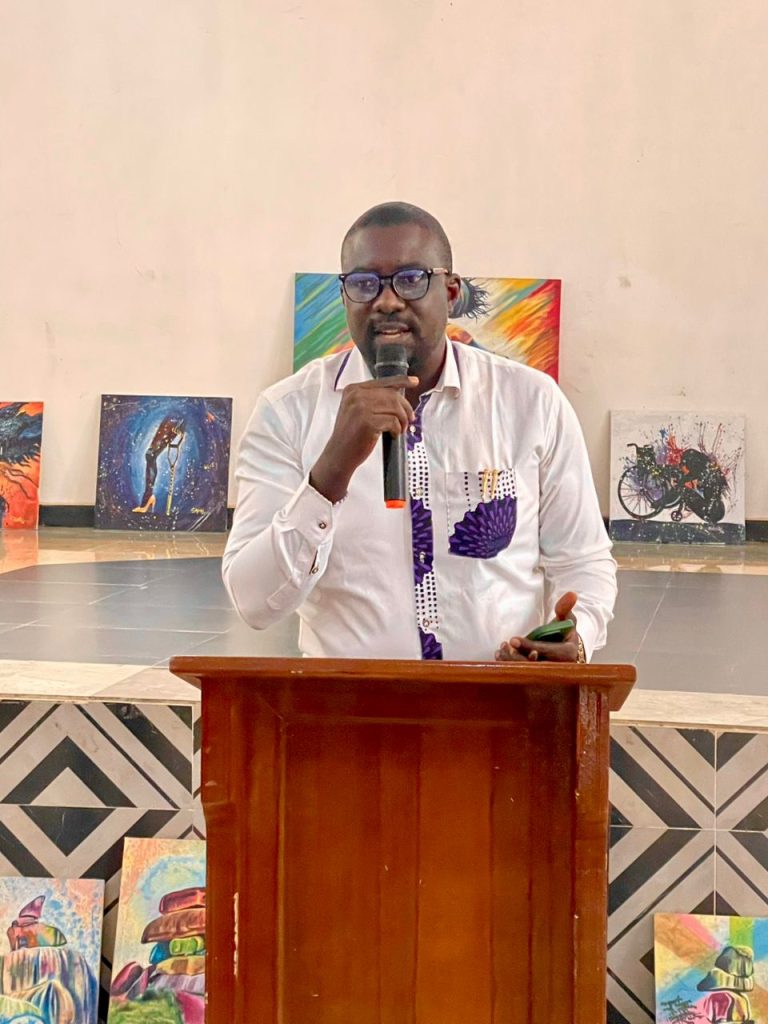
The Plateau Peace Building Agency (PPBA), in collaboration with GIZ, hosted an Art Exhibition for Peace at the Villa Grande Hotel, Jos, on 24 September 2024, as part of the International Day of Peace activities. Themed “Act Now for a Peaceful Plateau,” the event showcased how art and creative expressions can foster healing, resilience, and peaceful coexistence while promoting inclusive dialogue through cultural narratives.

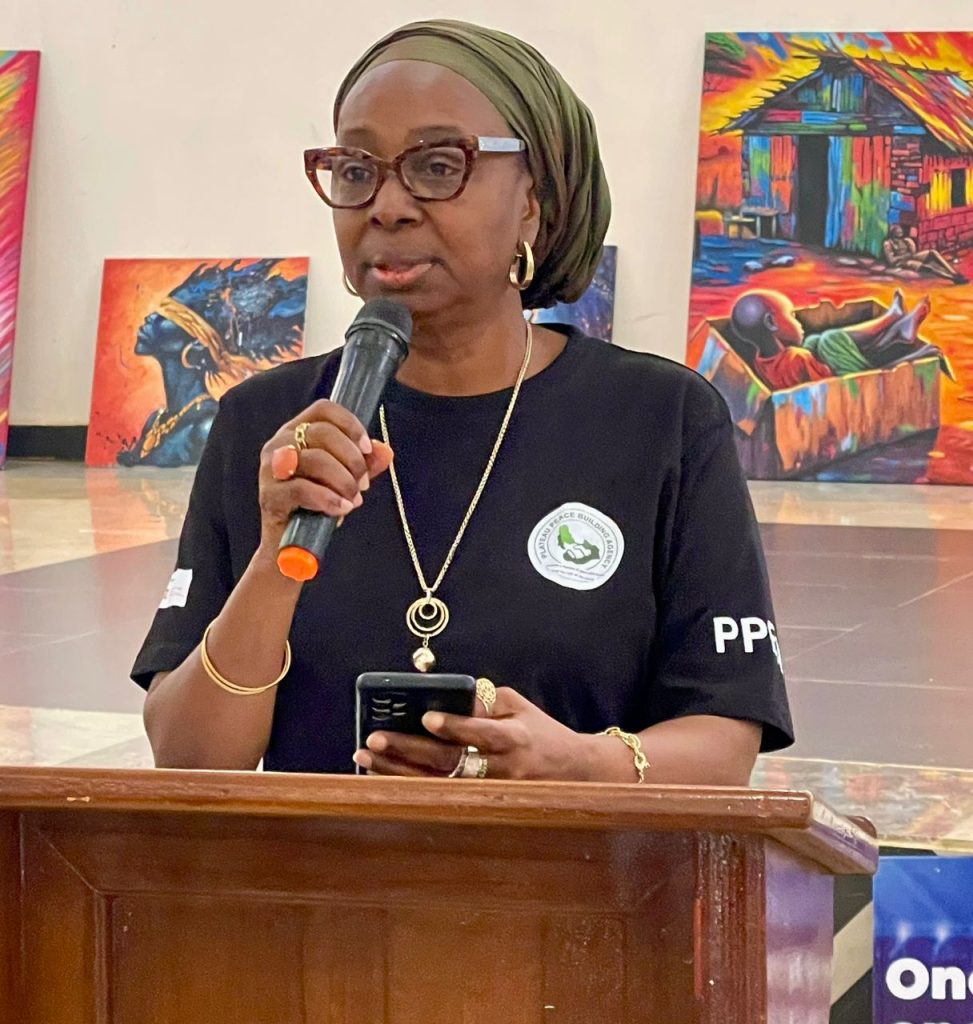
In her welcome address, the Director General of the Plateau Peace Building Agency, Dr. Julie G. Sanda, emphasized that the exhibition was more than an artistic showcase but a collective statement of commitment to peace. She recalled a symbolic photograph of Christians and Muslims standing together in solidarity on the Plateau, noting that such acts remind us of the possibilities of mutual respect and shared humanity. She stressed that poetry, drama, music, and visual art are powerful tools for reshaping narratives, softening hearts, and building resilience.

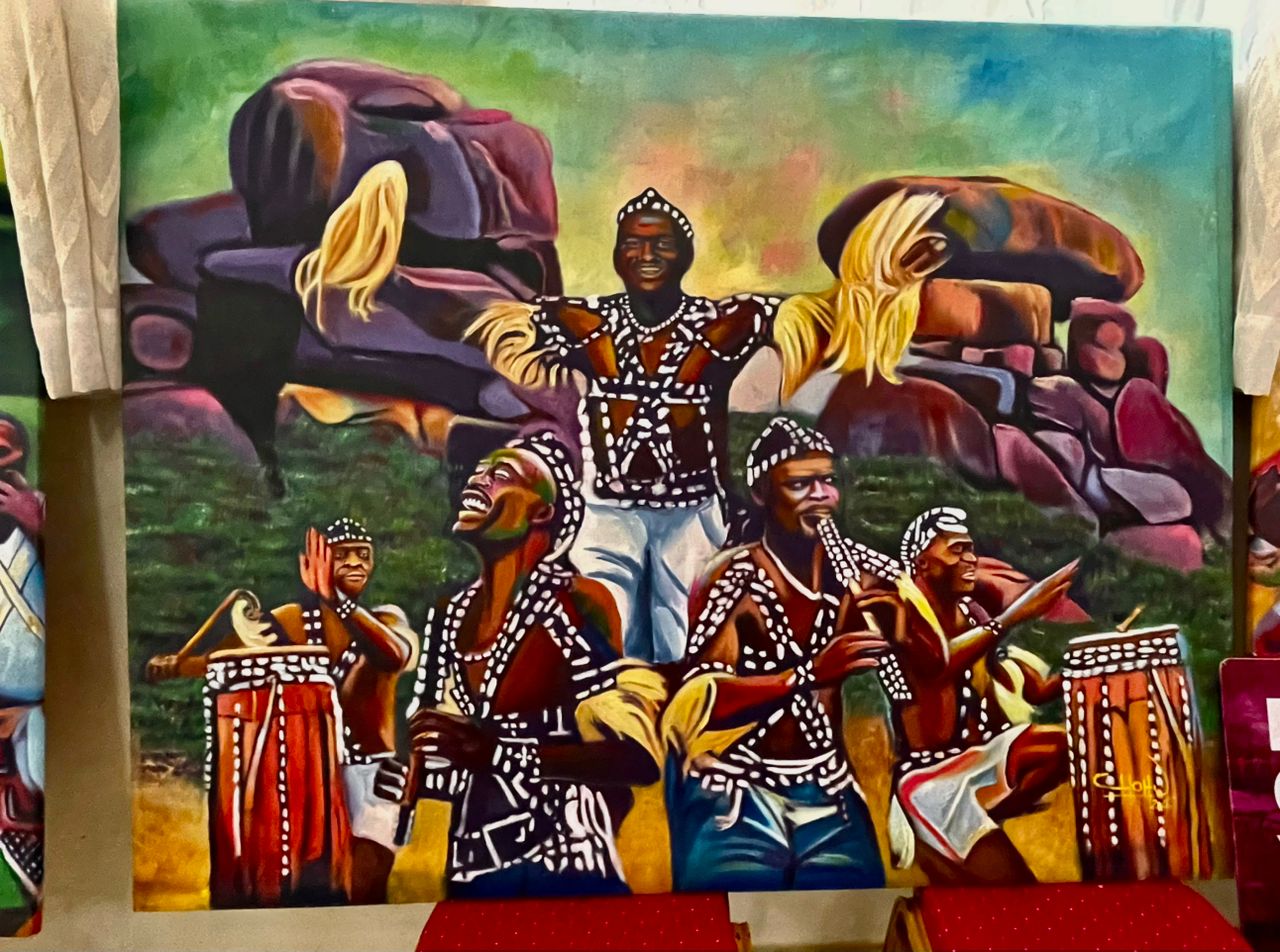
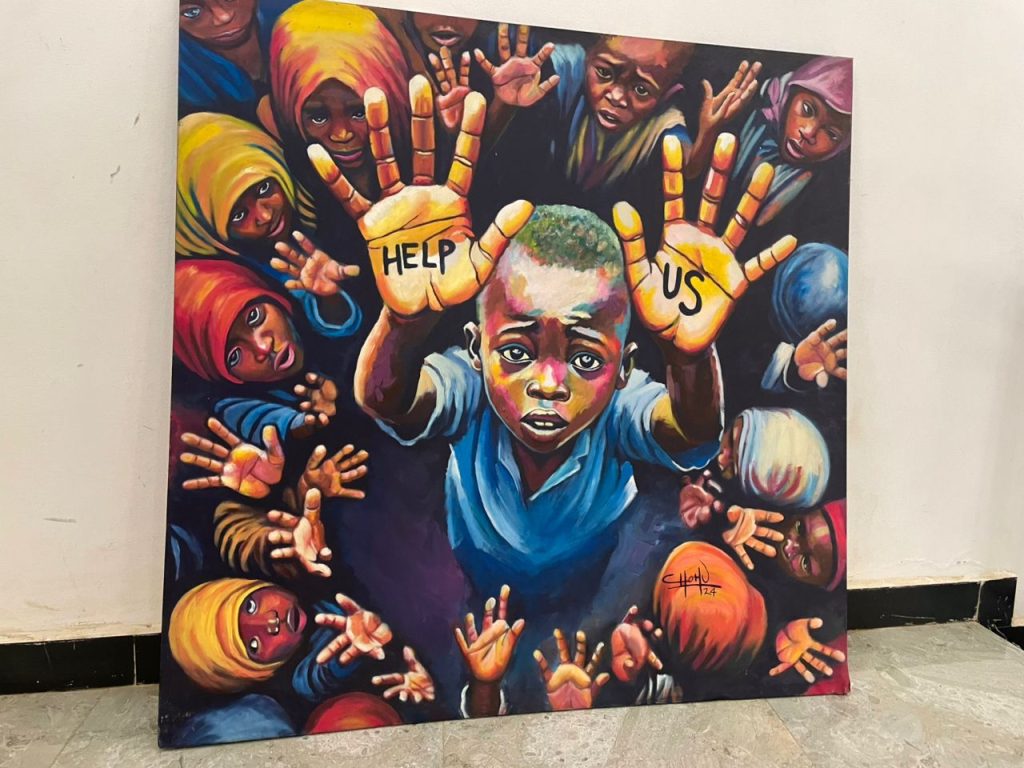
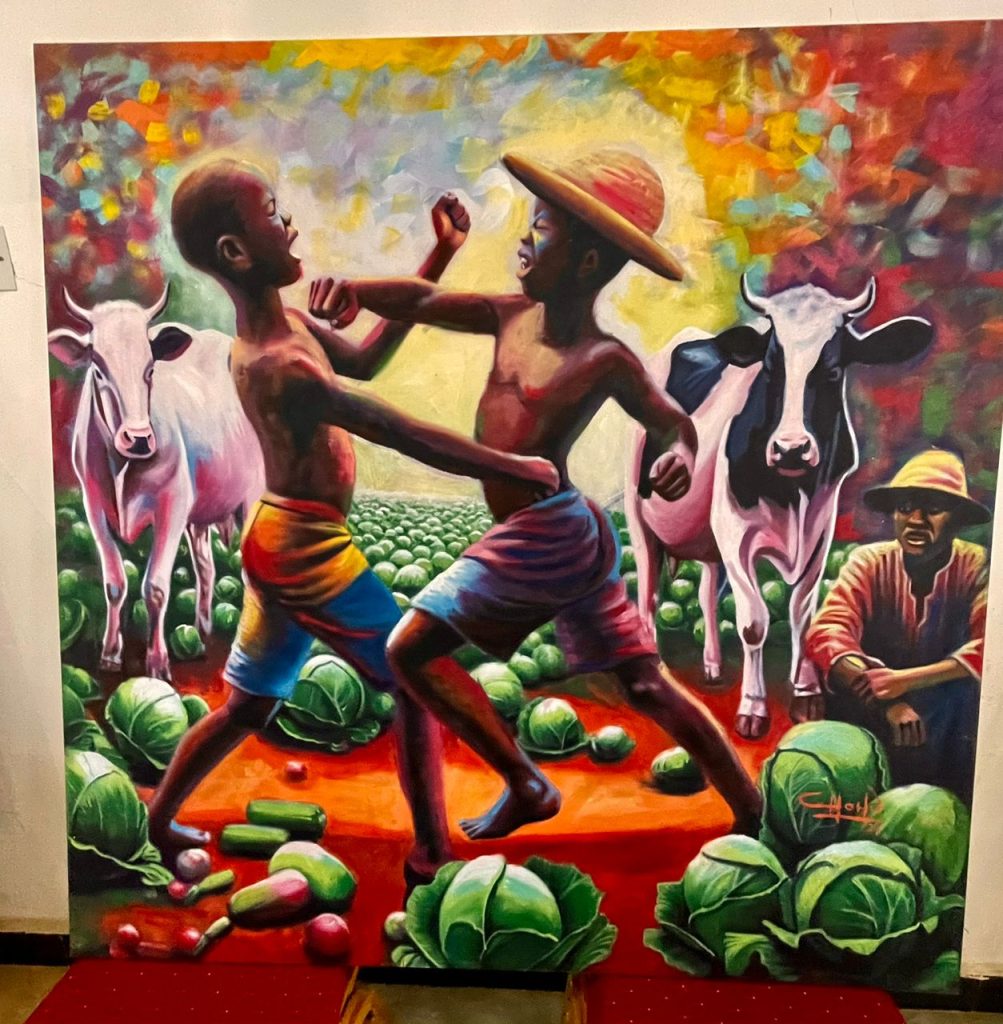
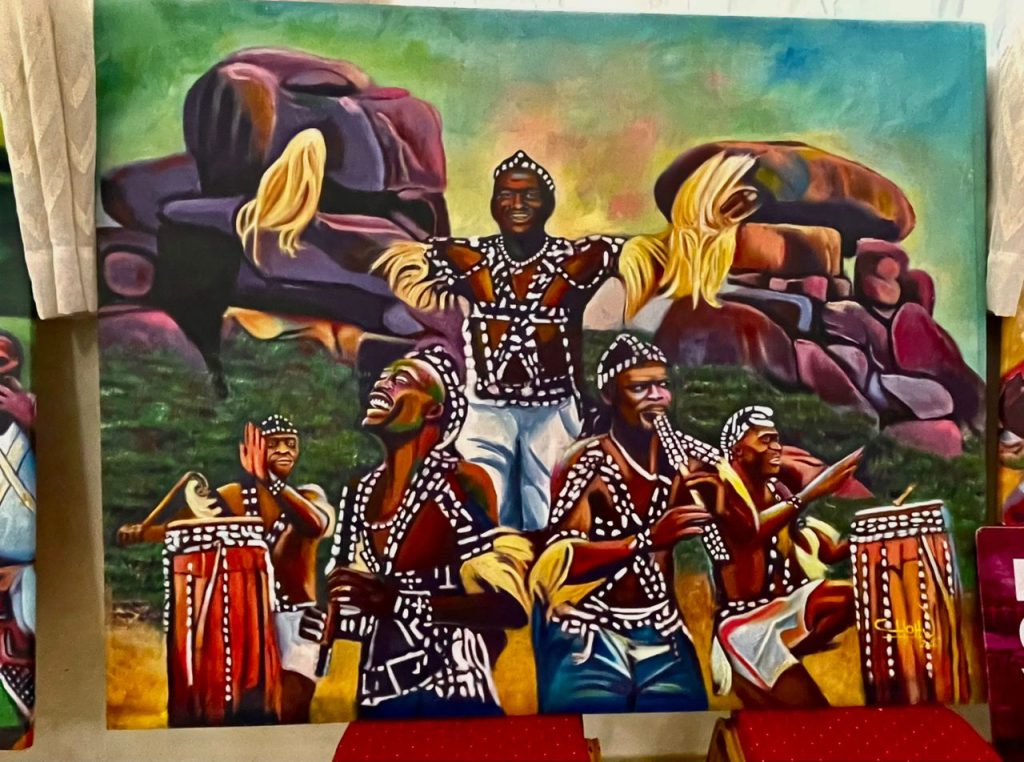
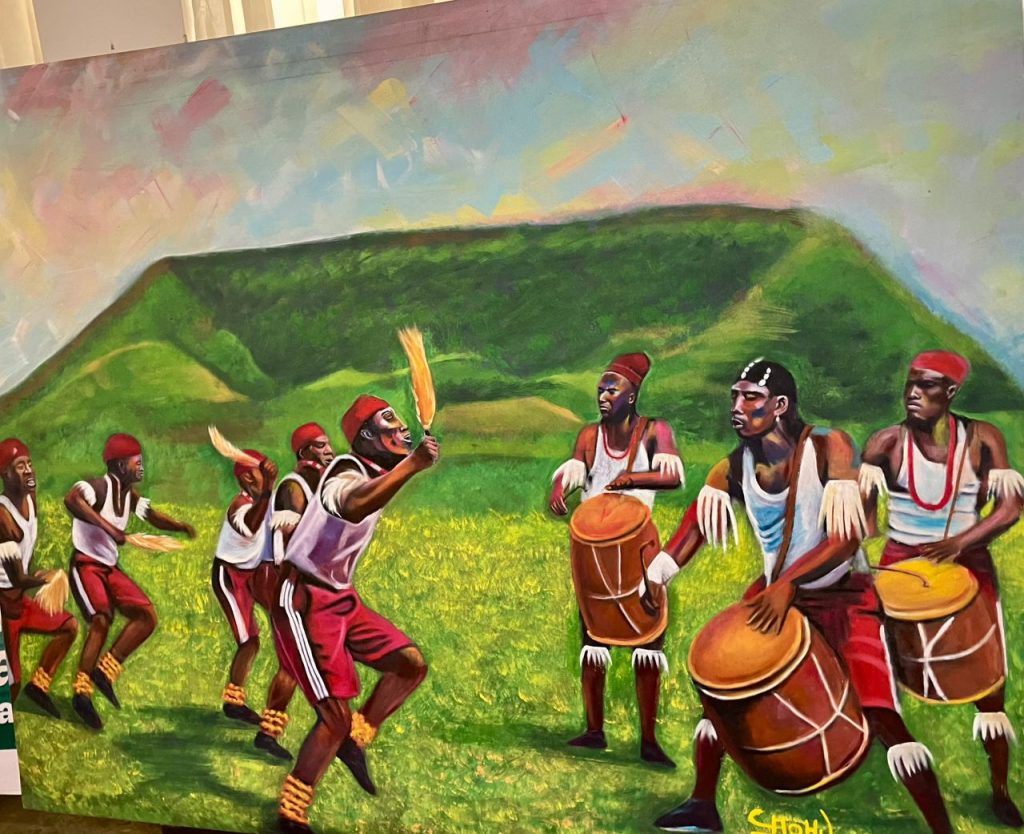
One of the highlights of the event was the presentation by Chohu E. Joshua (Artraktion), who explained the inspiration behind his series of paintings. His artworks reflected stories of peaceful Plateau communities disrupted by conflict, farmer-herder disputes, displacement, and the struggles of vulnerable groups such as women and persons with disabilities. He portrayed peace as a dove caged by hatred and bitterness, calling on society to replace violence with empathy. Joshua noted that for him, art is a non-violent tool to fight for peace, amplify the voices of victims, and preserve memory.

The program also featured rich cultural expressions including music, drama, spoken word, and storytelling performances, which reinforced the theme of unity and healing through creativity.

Presentations at the event included “Art as a Voice for Peace and Healing” by Tim Kunat of Discover Jos, who emphasized the role of creative industries in peacebuilding, and “Advocacy on Environmental Justice and Climate Change: Recycling for Art” by Mr. Dotun and his team from the Center for Earth Works (CFEW), highlighting how sustainable practices can contribute to both environmental protection and social harmony.

The exhibition concluded with a guided tour, networking sessions, and interactive discussions, leaving participants inspired to embrace art not just as entertainment but as a tool for dialogue, healing, and transformation toward a peaceful Plateau.

Posted on — Leave a comment

Nigerian Content Creator, Mandy Kiss, Set To Have S3x With 100 Men In 24 Hours

Nigerian content creator, Mandy Kiss
Nigerian content creator, Ayomiposi Oluwadahunsi, better known as Mandy Kiss, has announced plans to attempt a Guinness World Record (GWR) for the highest number of sexual partners in one day.

She made the announcement in an Instagram post on Monday, where she shared a flier bearing the GWR logo. The post revealed that the attempt is scheduled to begin on October 30.

According to the flier sighted by our correspondent, the target is to engage with “100 men” within 24 hours.

The event is expected to take place in Ikorodu, Lagos, although the specific venue was not disclosed.

“100 men for 24 hours. I can and I will,” Mandy wrote in the caption.

It is still unclear whether Guinness World Records has approved or will recognise such a category.

This is not the first time such a record has been attempted. In 2004, American adult film actress Lisa Sparxxx was reported to have had sex with 919 men in 22 hours in Warsaw, Poland.

She later clarified that the event actually involved about 150 participants over a 7.5-hour period. Despite the publicity, Guinness World Records has never officially recognised the claim.

Posted on — Leave a comment

Plateau Peace Building Agency Hosts Appreciative Inquiry Workshop on Peace

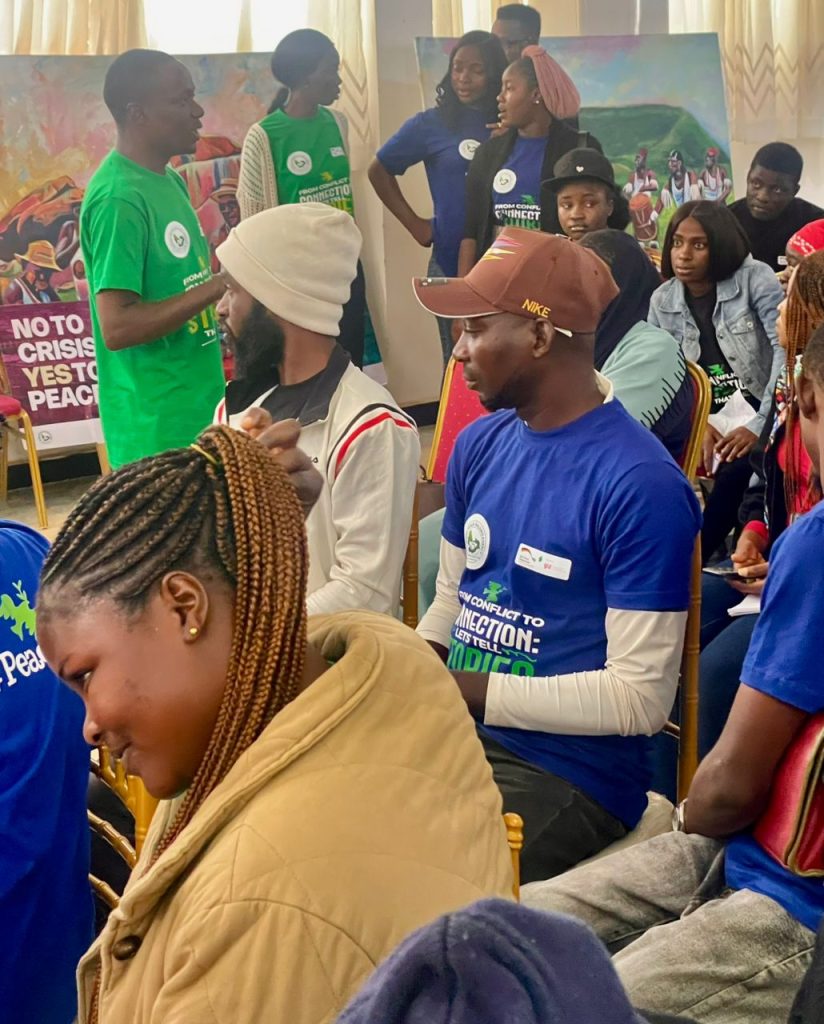
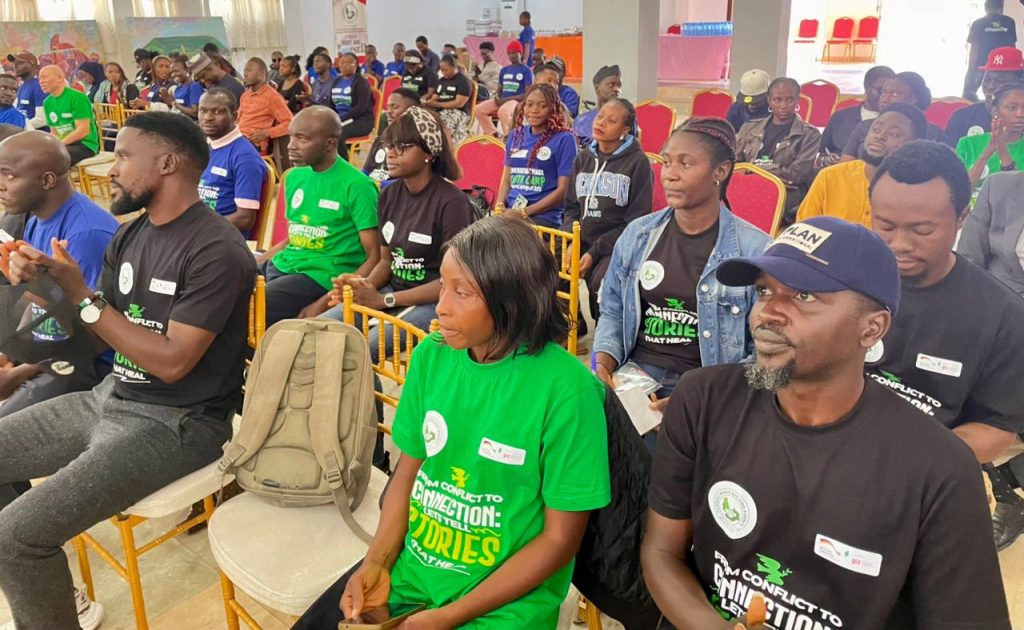
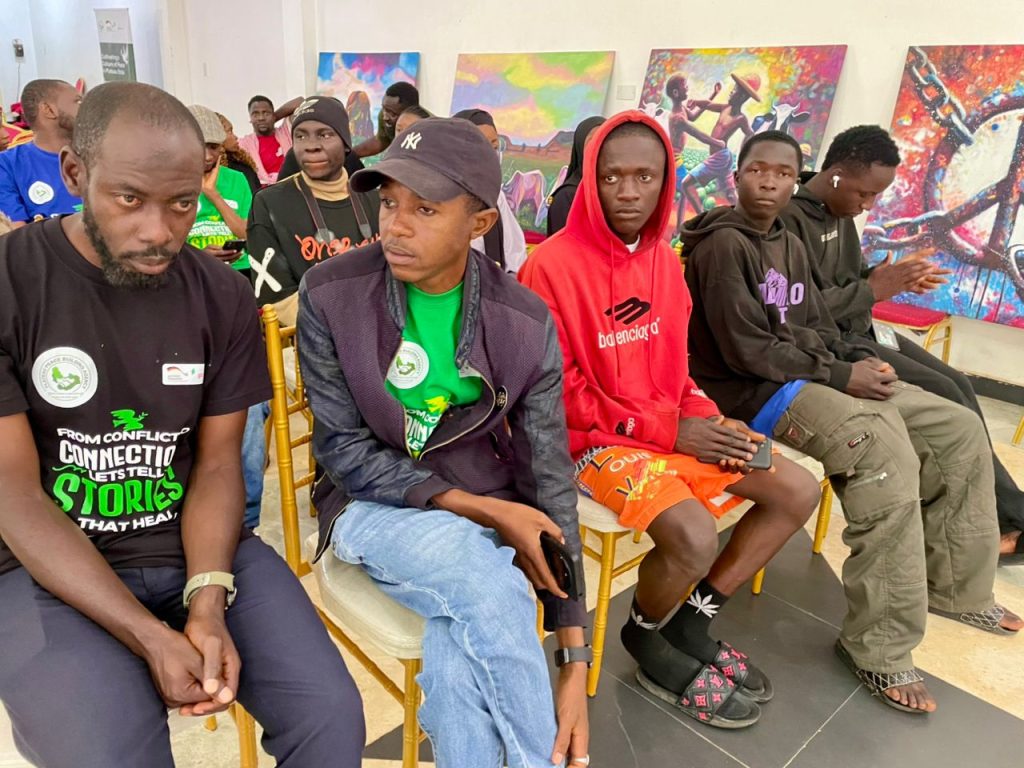
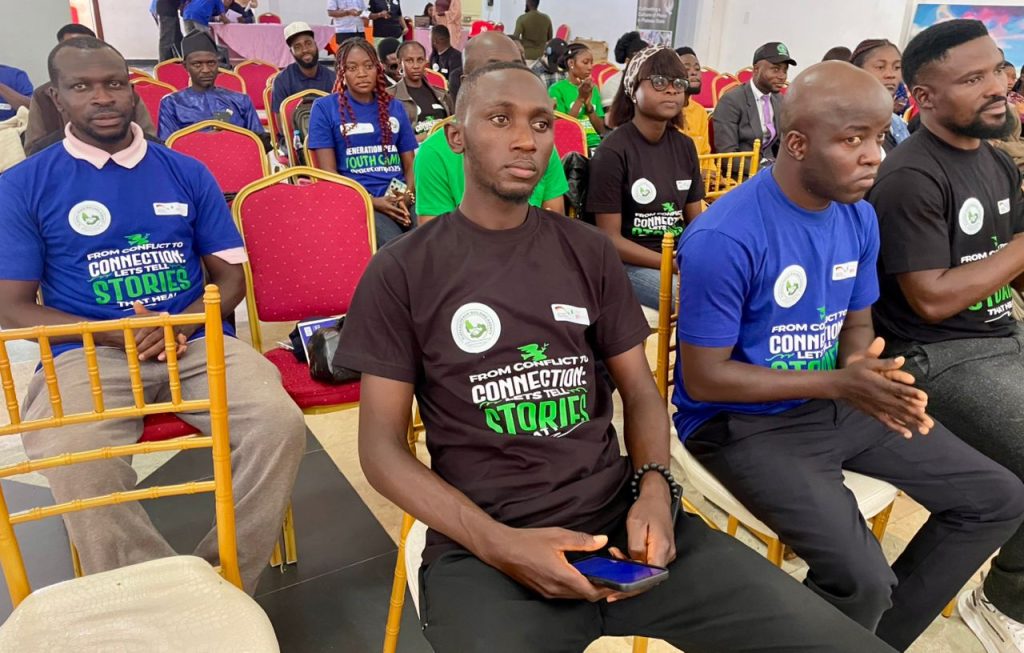
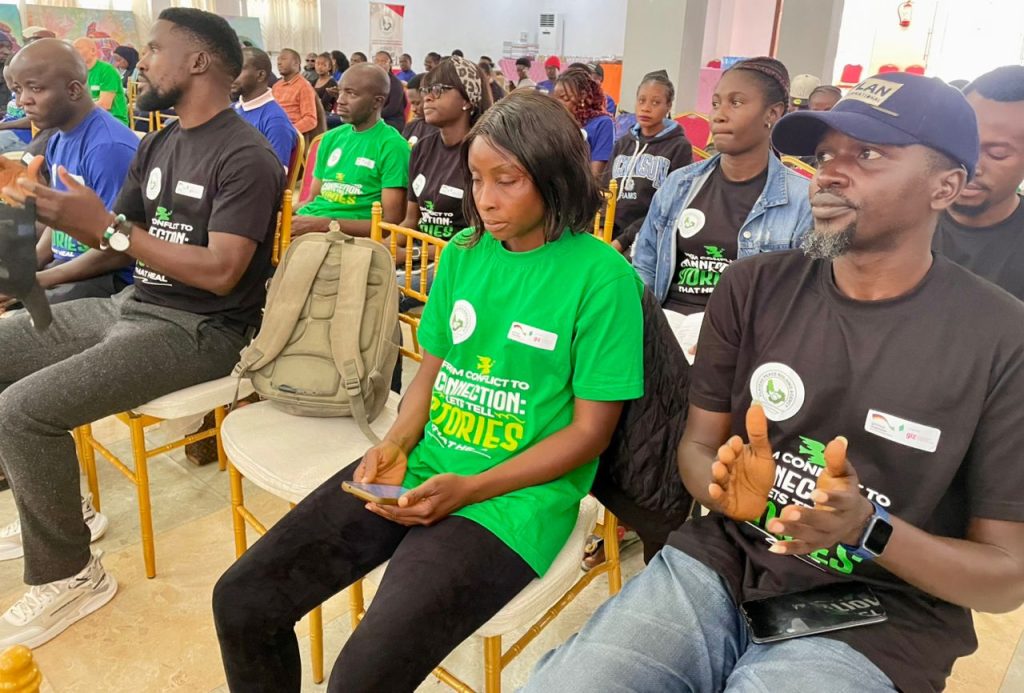
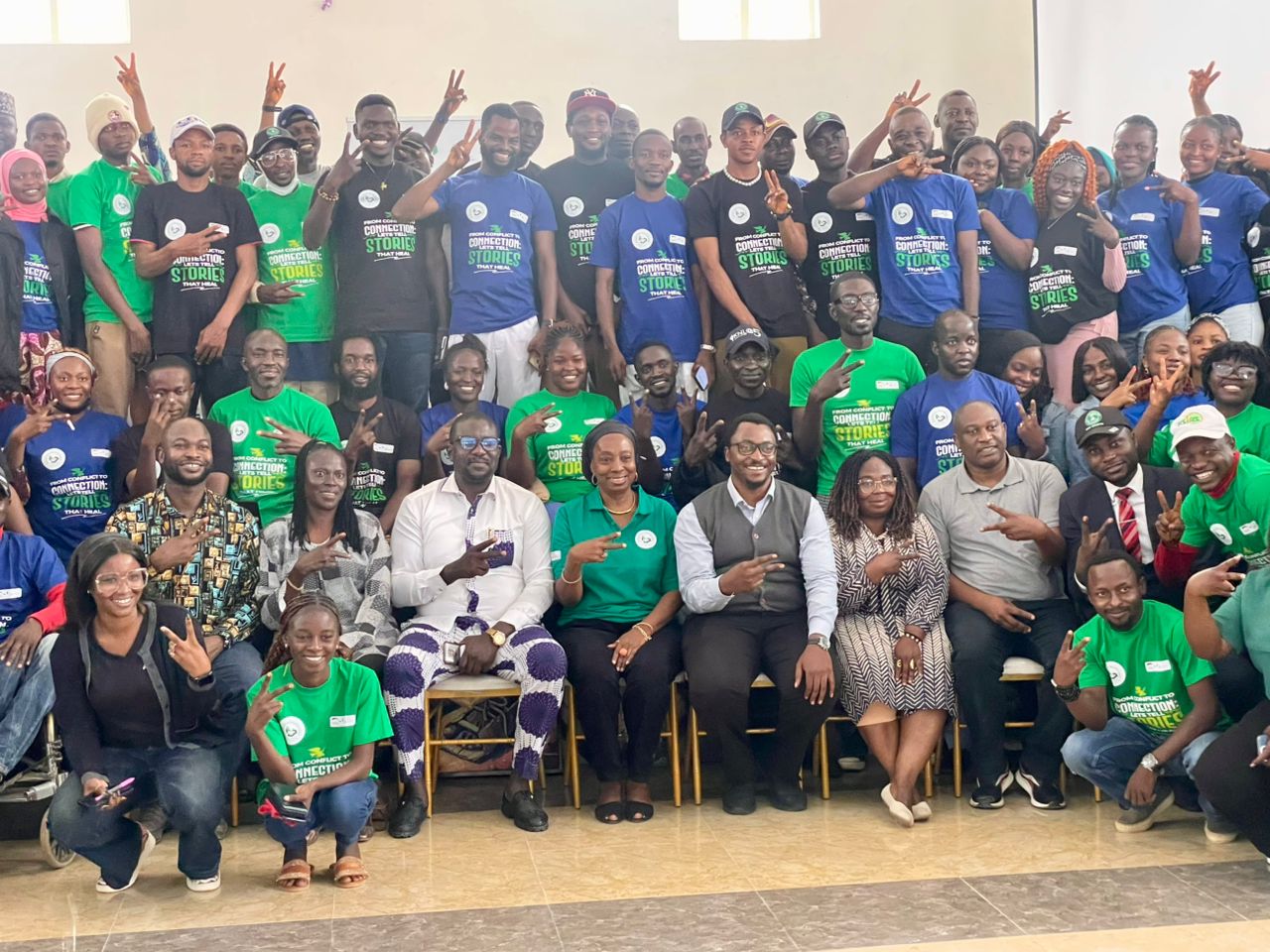
As part of activities marking the 2025 International Day of Peace, the Plateau Peace Building Agency (PSPBA), in collaboration with the GIZ Peacecore II Project and other stakeholders, organized an Appreciative Inquiry Workshop in Jos with the theme “Act Now, Speak Peace: Positive Methods for Old Times.” The event brought together peacebuilders, youth leaders, media practitioners, government officials, and civil society representatives to explore how digital storytelling, innovation, and social media can sustain peace.

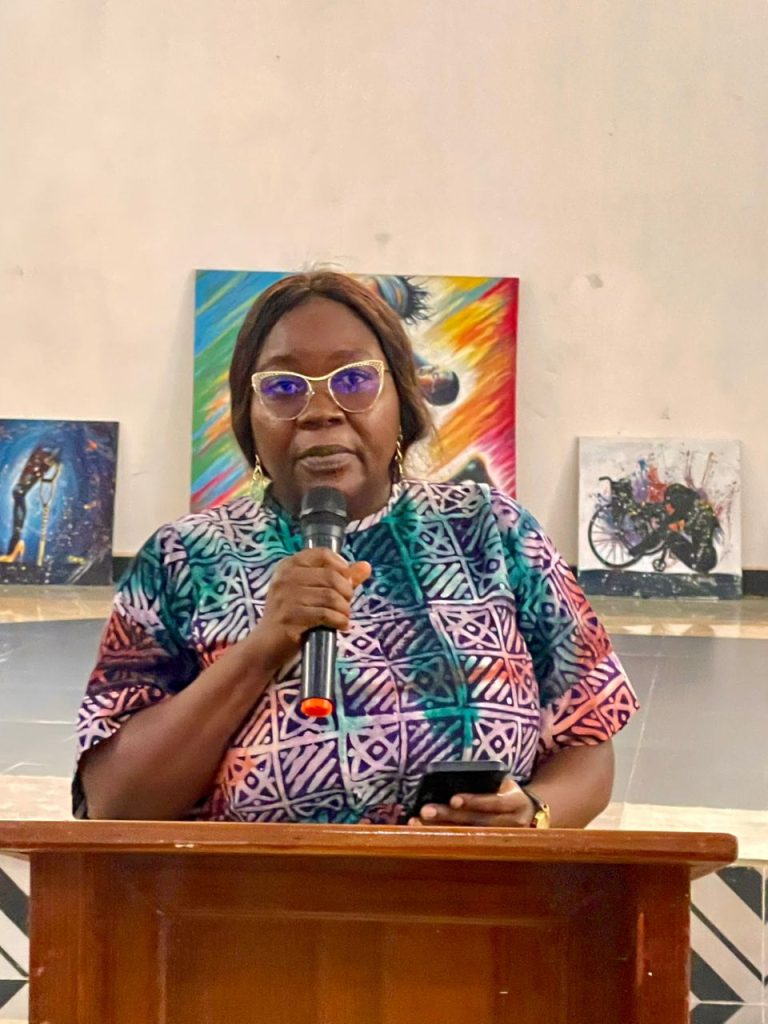
Welcoming participants, Elkanah Izam, Director of Administration at PSPBA, represented the Director General, Dr. Julie G. Sanda. He highlighted the workshop as part of a broader “Month of Peace” initiative, which included community advocacy, youth events, environmental campaigns, and cultural exhibitions. Izam urged participants to embrace the opportunity, stressing that their contributions were crucial to lasting peace in Plateau State and beyond.

In her remarks, Suzan Gopuk, Senior Adviser with GIZ Peacecore II, applauded the collaborative spirit of the engagement. She acknowledged support from the German Federal Ministry of Economic Cooperation and Development, encouraging participants to channel creativity and collective energy toward amplifying positive change and fostering inclusive dialogue.

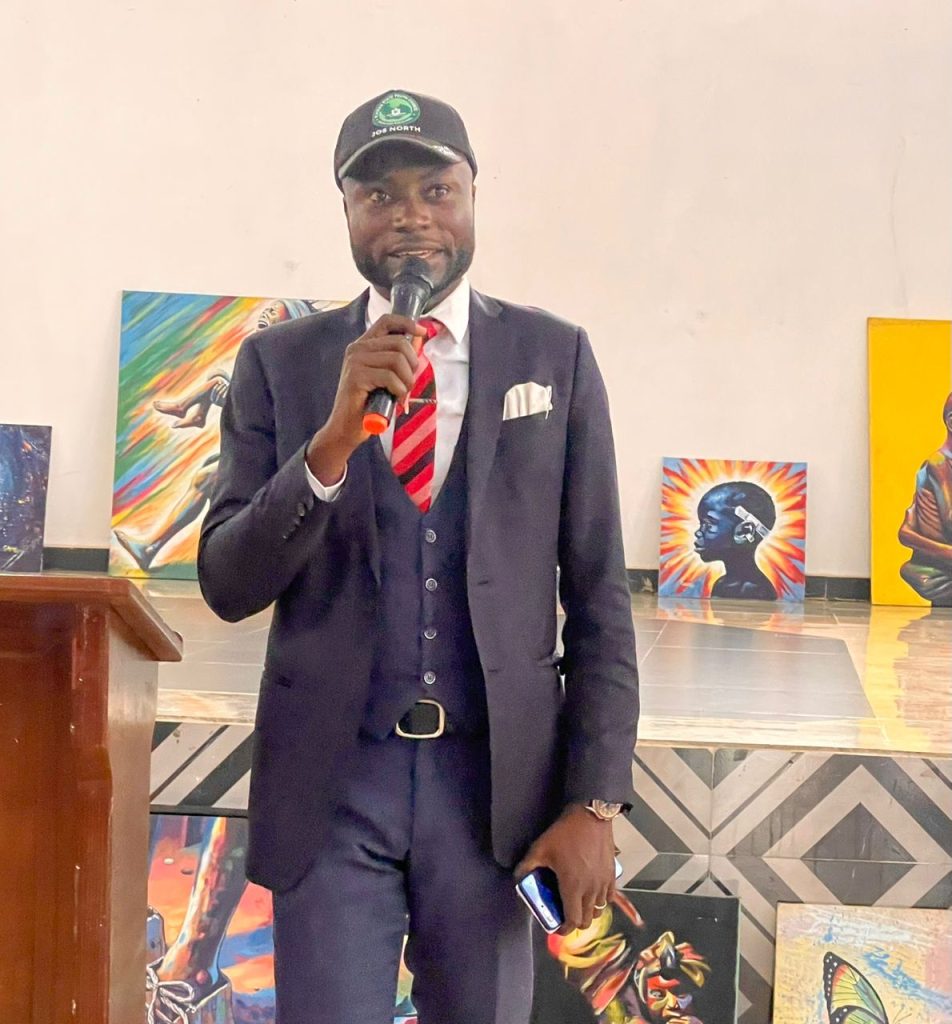
Representing young voices, Plateau Youth Council Chairman (Jos North), Paul Stephen Mancha, called on youths to resist manipulation by violent actors. He emphasized condemning evil without ethnic or religious bias, commending PPBA and GIZ for prioritizing youth inclusion. Mancha also encouraged networking and collaboration among participants as vital tools for peace advocacy.

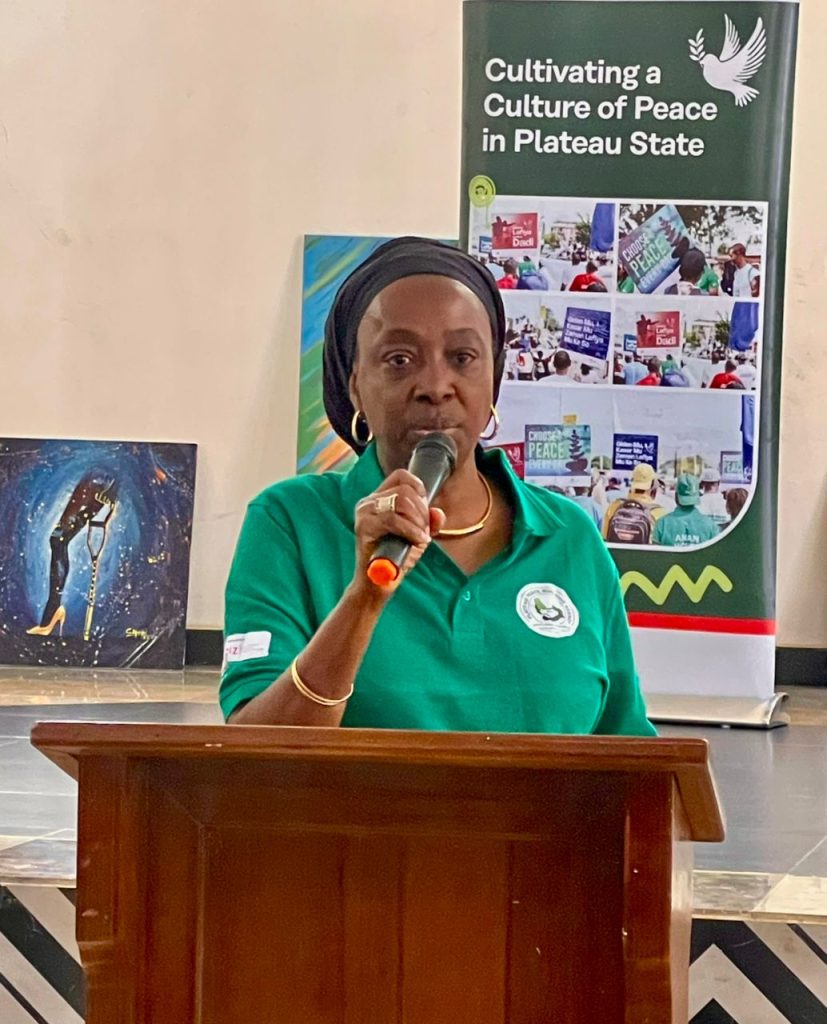
Closing the workshop, PSPBA DG Dr. Julie G. Sanda expressed delight with the outcomes, underscoring the potential of young people to responsibly use social media for positive impact. She emphasized that small local efforts could eventually inspire global change.

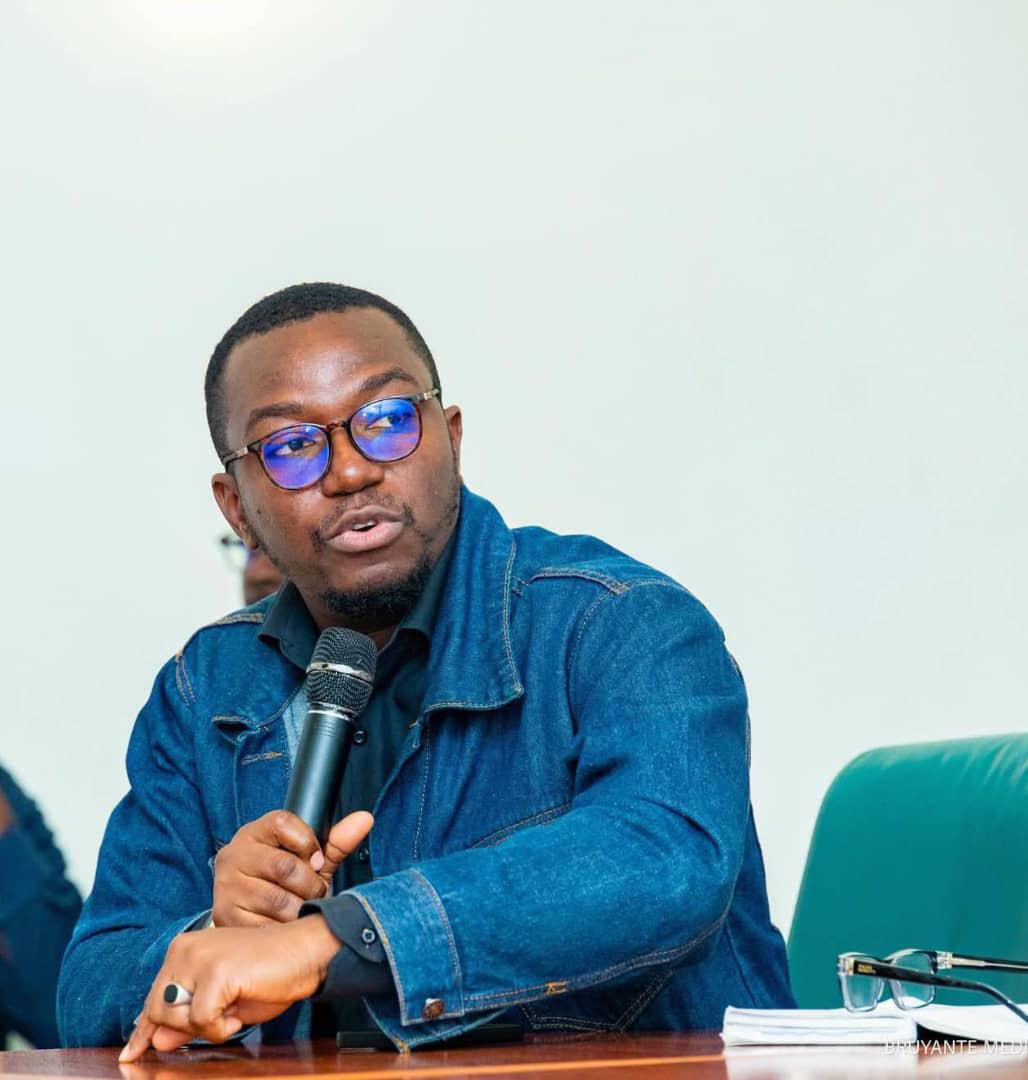
The workshop featured insightful sessions from resource persons. Izam presented on “Appreciative Inquiry and Peacebuilding,” stressing the power of positive storytelling. Mathew Tegha, Chairman of Plateau Bloggers and Online Media Association, demonstrated how social media content can prevent conflict. Kenneth Dakop, PPBA’s Strategic Communication Lead, discussed responsible communication and the dangers of fake news. Tim Kunat of Discover Jos highlighted opportunities in combining creativity, entrepreneurship, and social campaigns, while the Center for Earth Works linked environmental justice to peacebuilding.

Interactive discussions allowed participants to exchange experiences, clarify concepts, and generate practical ideas for their communities.

In conclusion, the workshop not only celebrated the International Day of Peace but also deepened collaboration among peace actors. It highlighted the transformative role of digital platforms, storytelling, and youth engagement in building resilient, peaceful communities. Participants departed motivated and better equipped to champion peace within and beyond Plateau State.