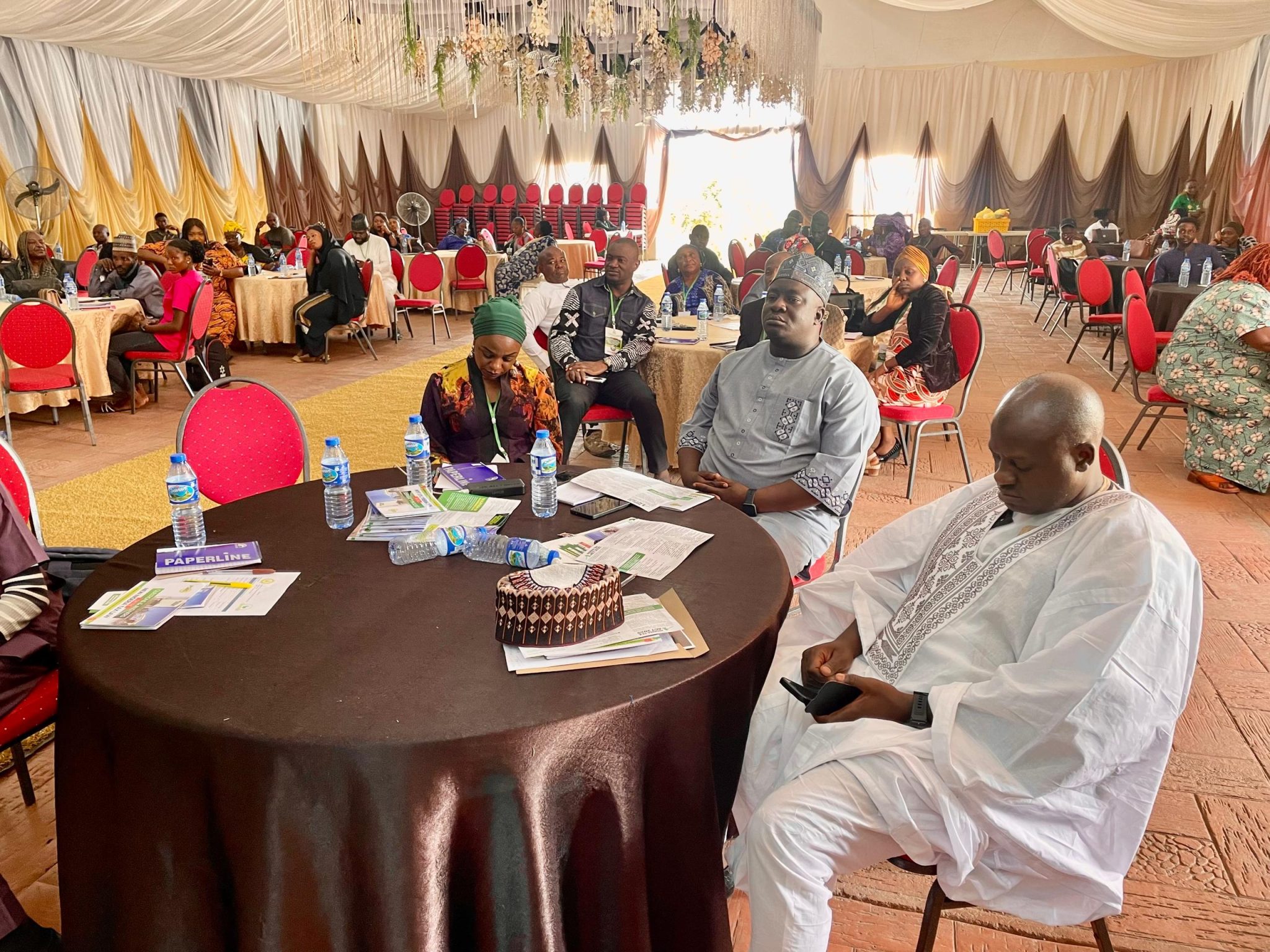
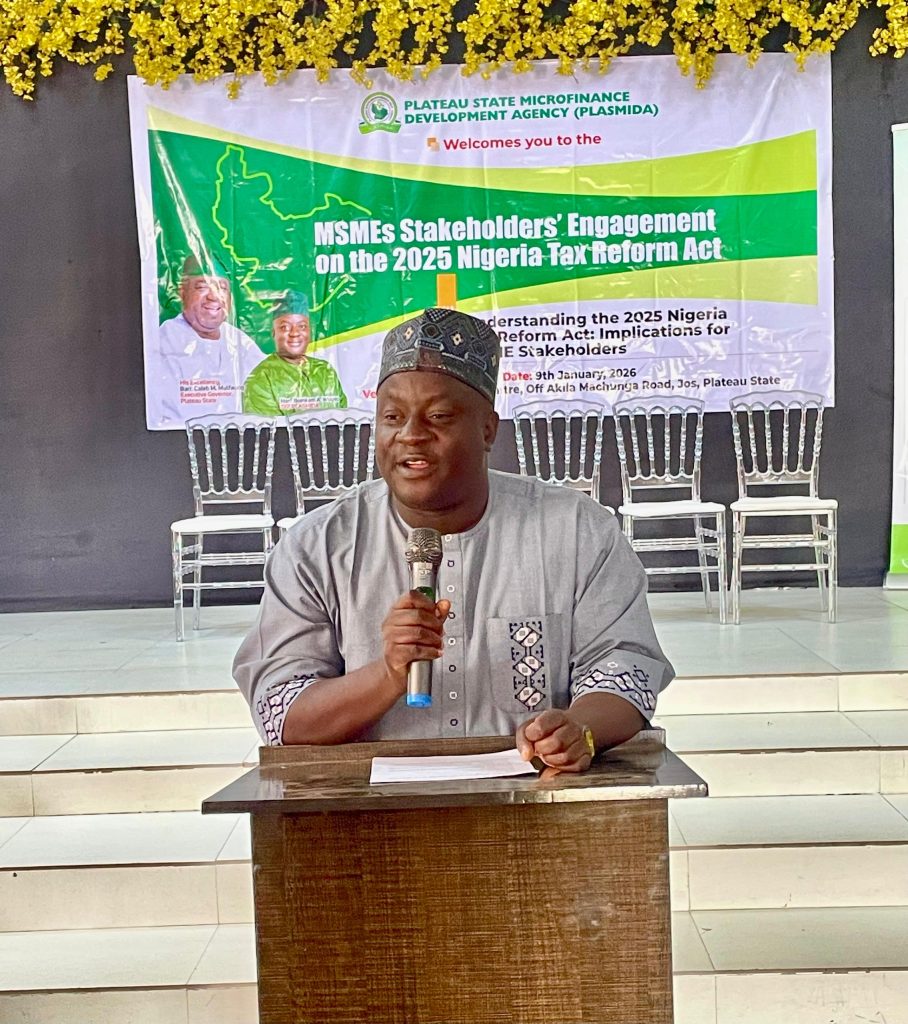
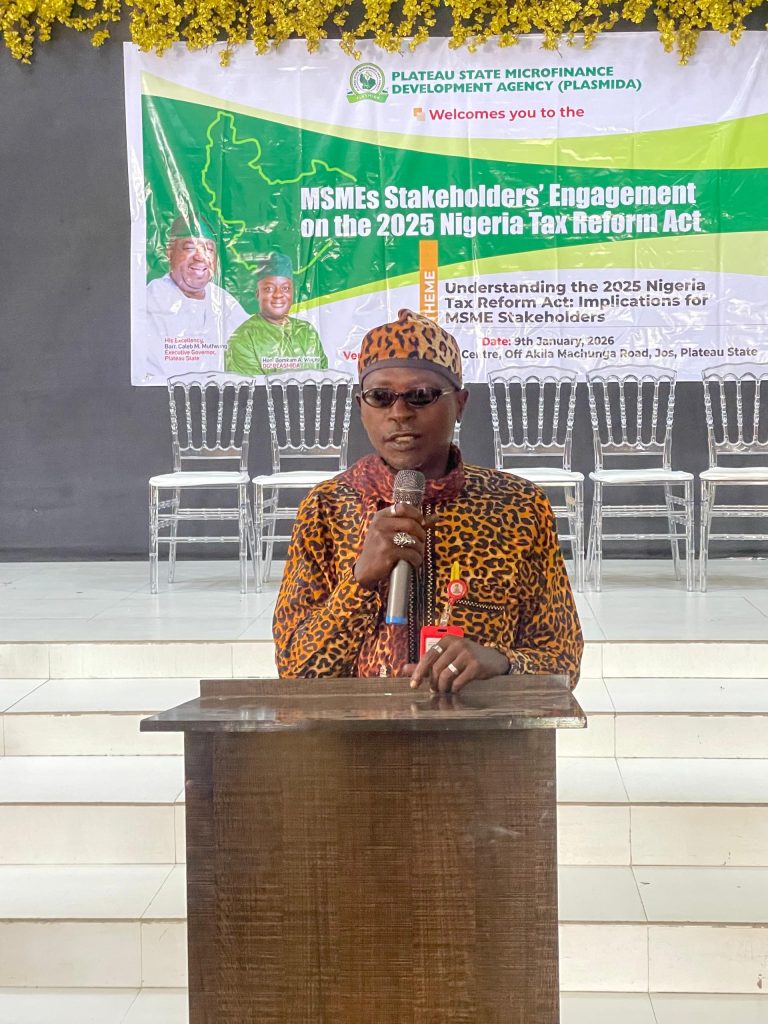
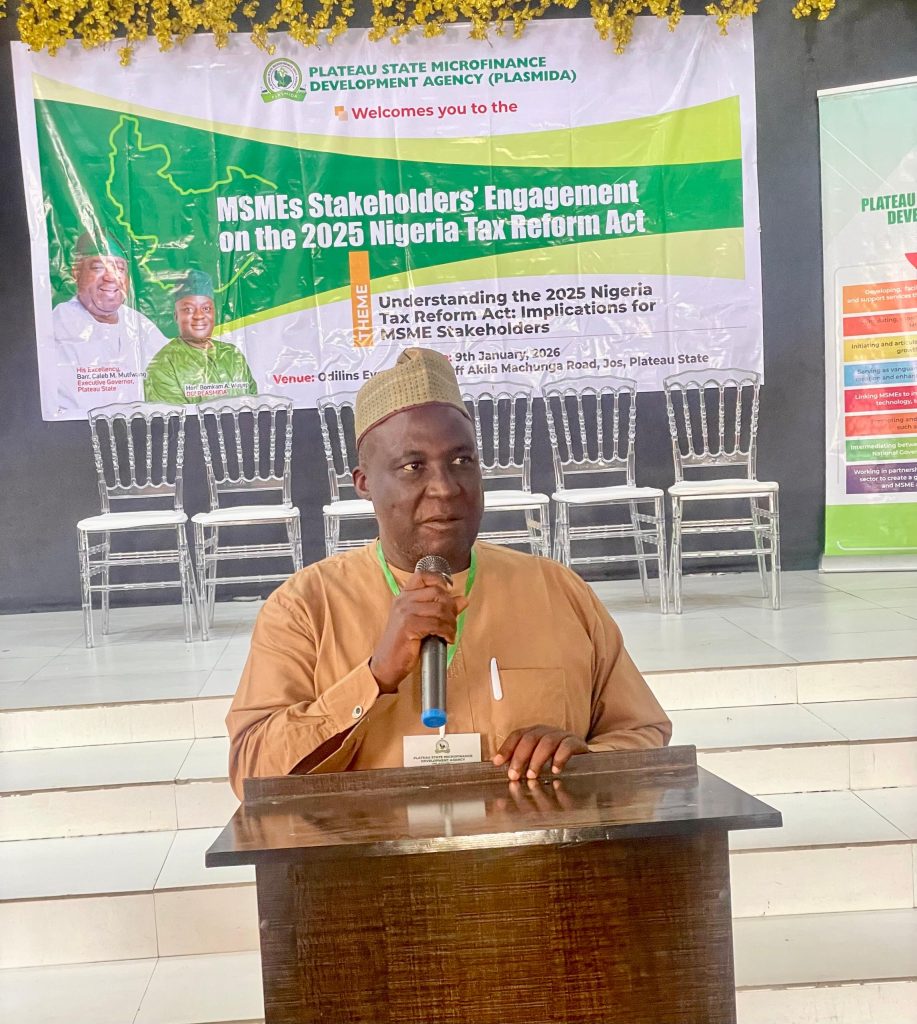
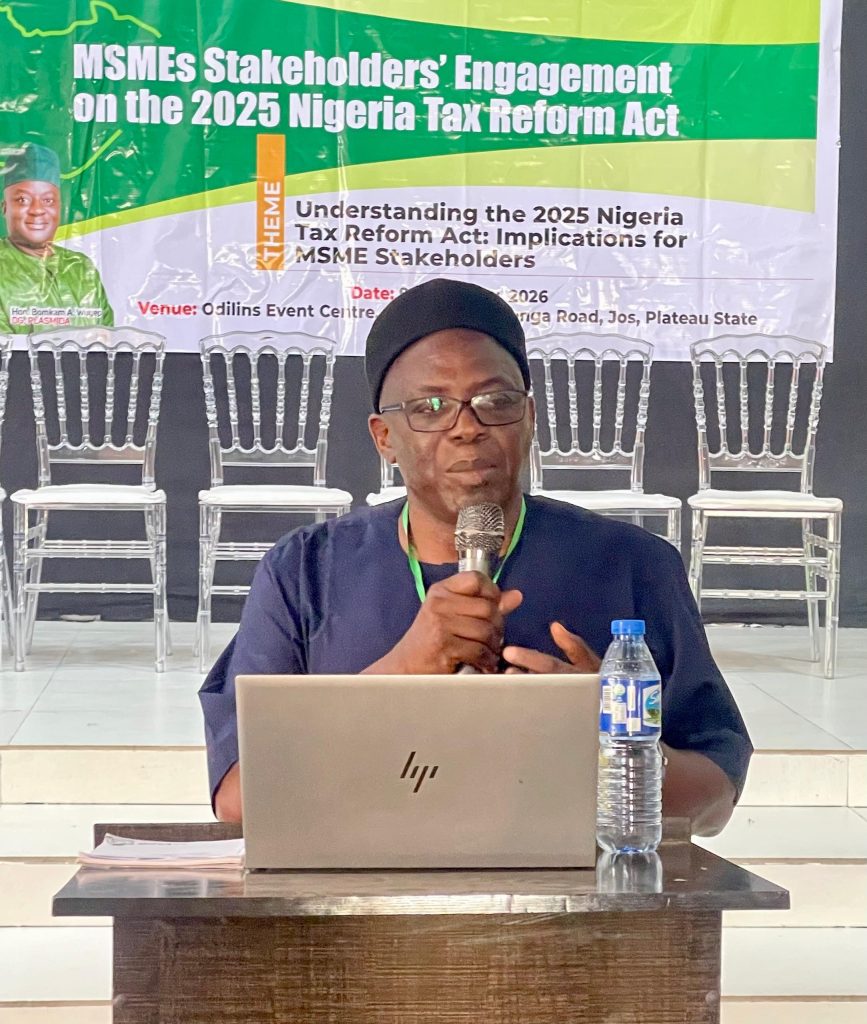
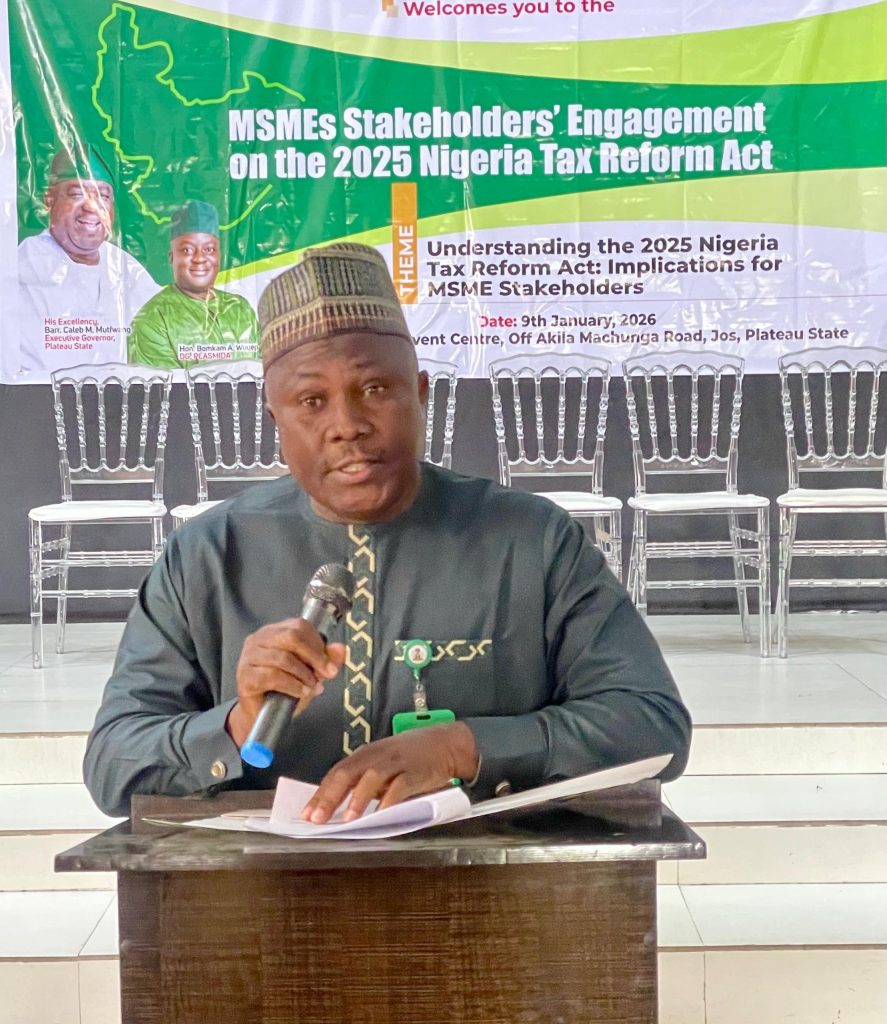
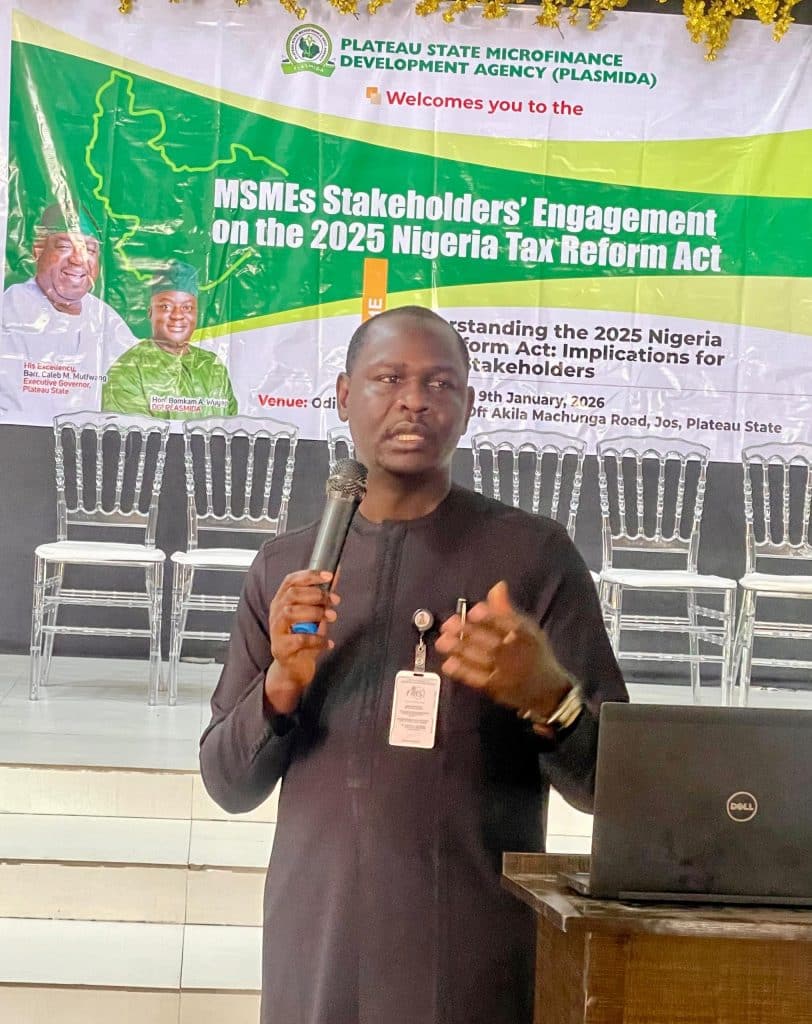
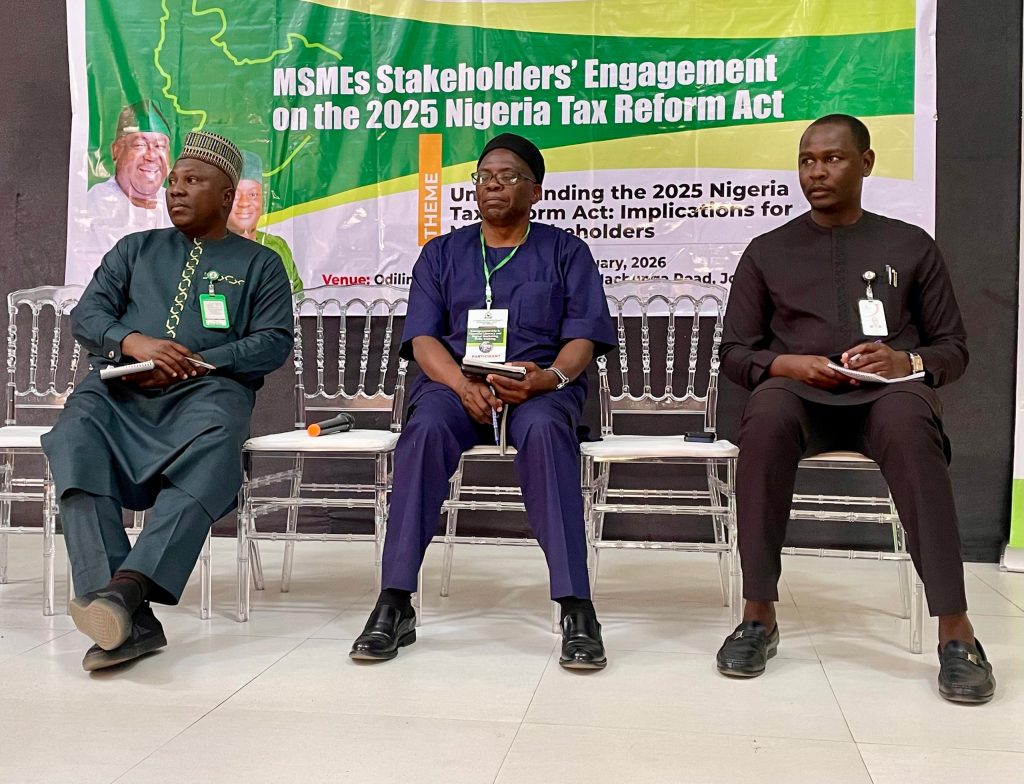
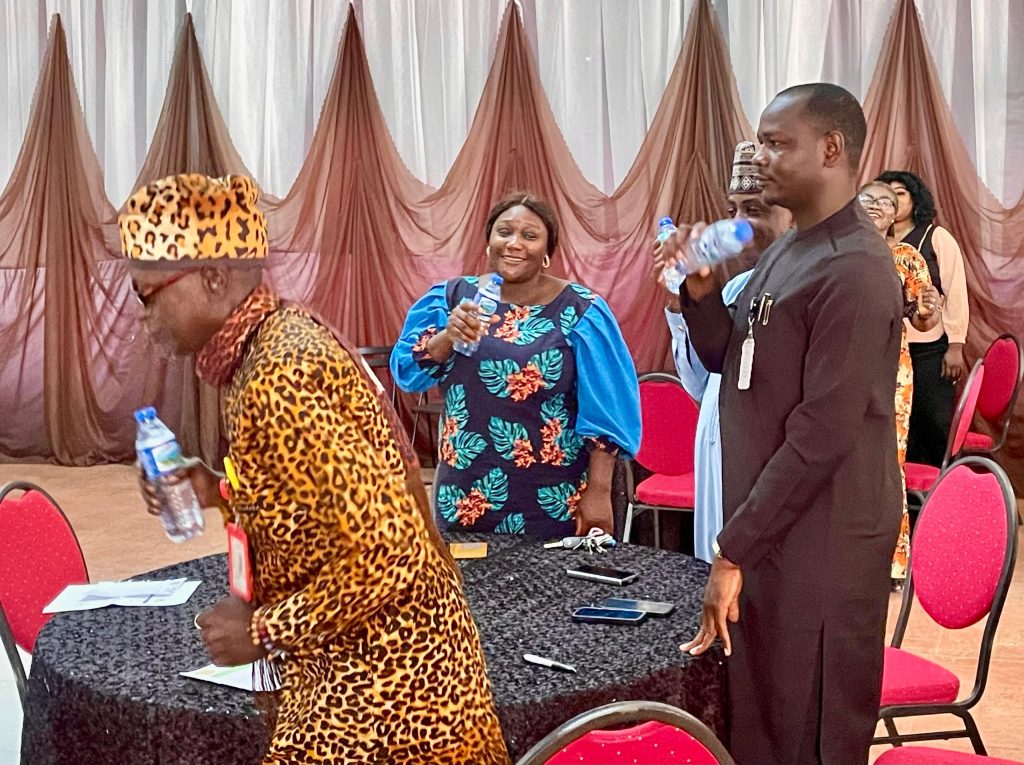
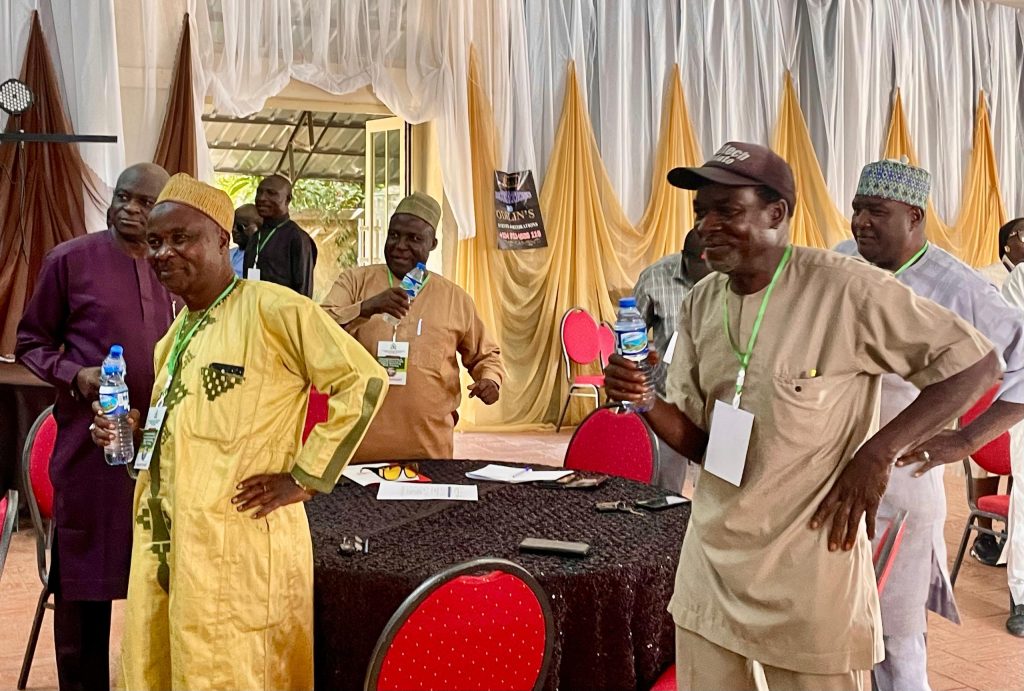
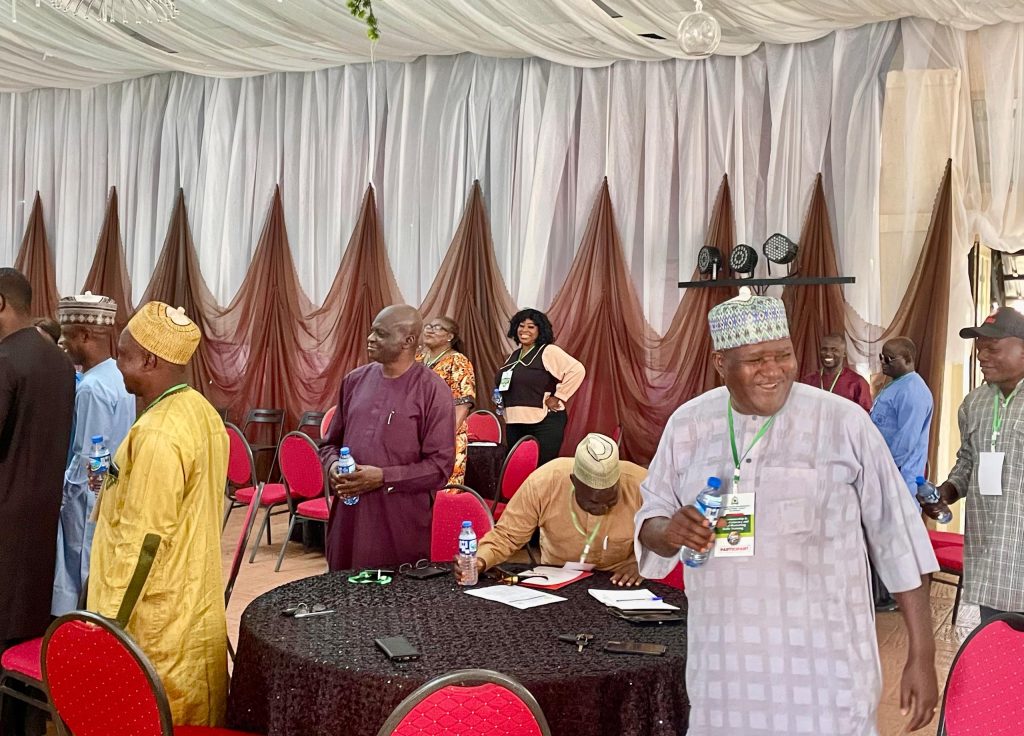
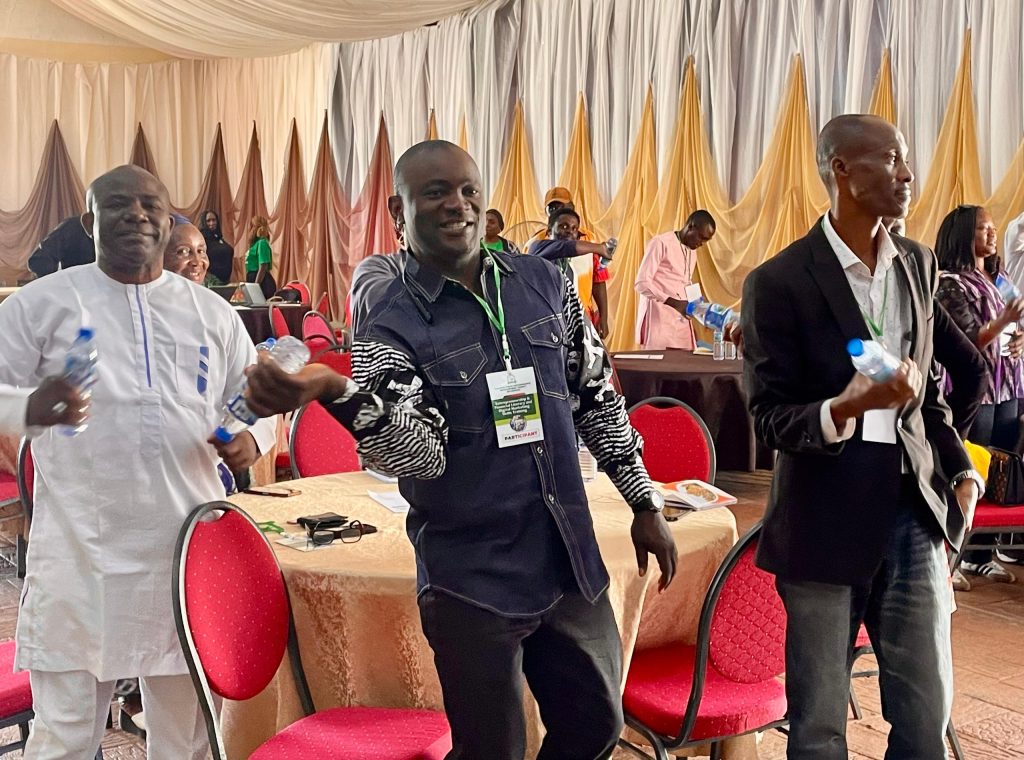
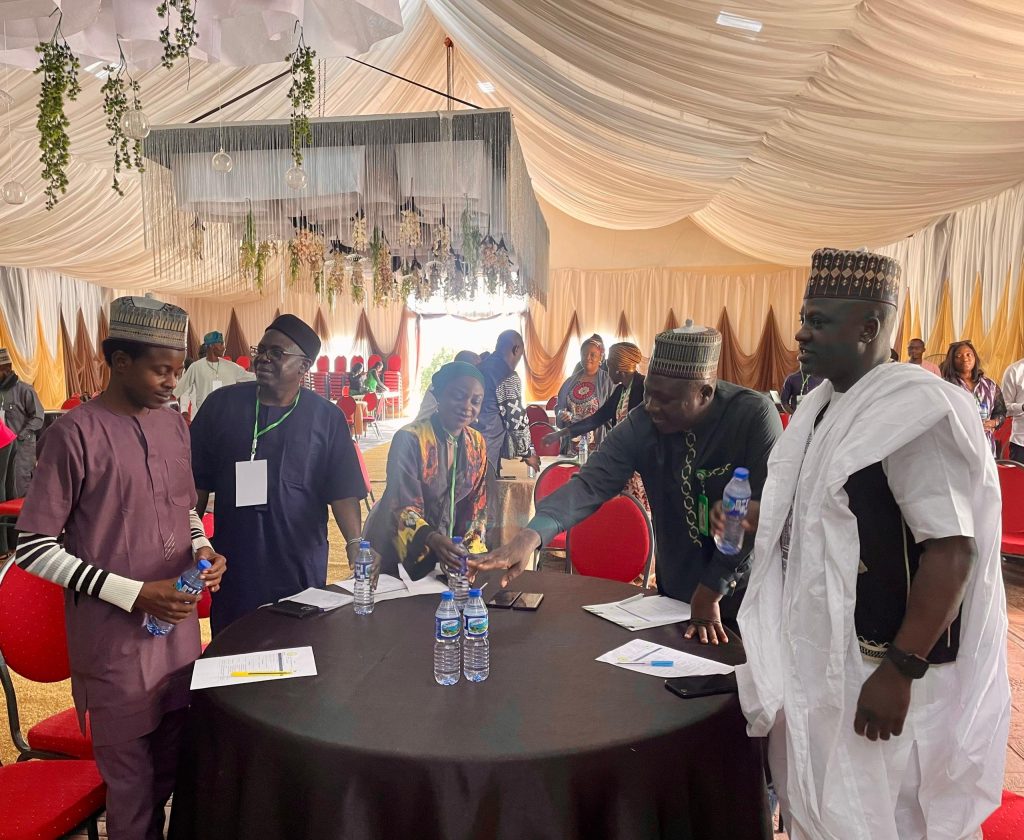
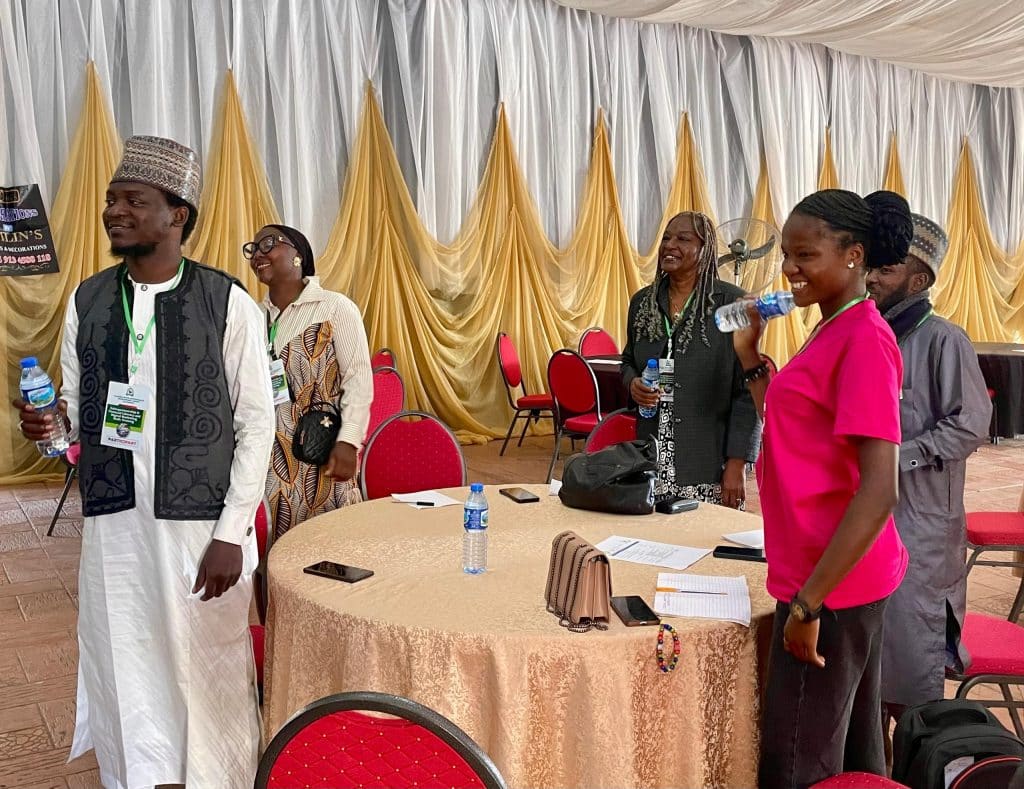
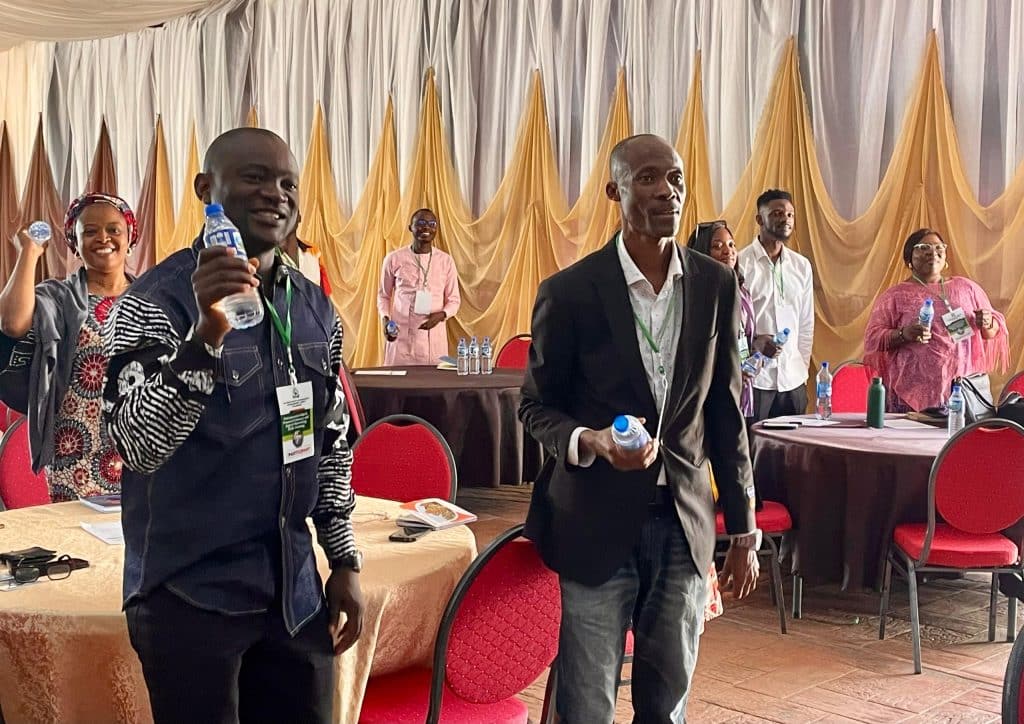
The Plateau State Microfinance Development Agency (PLASMIDA) on Thursday convened key stakeholders for an engagement on the 2025 Nigeria Tax Reform Act and its implications for Micro, Small, and Medium Enterprises (MSMEs). The event, held at the Odilins Event Centre in Jos, brought together government agencies, business associations, private sector players, and development partners under the theme: “Understanding the 2025 Nigeria Tax Reform Act: Implications for MSME Stakeholders.”
Speaking at the event, the Director General of PLASMIDA, Hon. Bomkam Ali Wuyep, said the sensitization came at a strategic moment for the state’s business ecosystem.
“MSMEs remain the backbone of our economy, driving job creation, innovation and inclusive growth,” he said. “Clarity, fairness and predictability in taxation are essential for sustainable MSME development, and this is what the 2025 Tax Reform Act seeks to address.”
He explained that the engagement aims to help entrepreneurs understand their tax obligations and compliance requirements, adding that PLASMIDA remains committed to supporting MSMEs through access to finance, capacity building, and policy sensitization.
“We want our entrepreneurs to engage, ask questions, and position themselves for growth under the new reforms,” he added.
The State Manager of SMEDAN, Mr. Jonathan Janfa, challenged the widely held perception that Plateau State is a civil service–driven economy.
“Plateau is an entrepreneurial hub; only a fraction of our people work in the public sector,” he said. “Thousands are thriving in business and their success stories are growing daily.”
He noted that many entrepreneurs had expressed concerns about the 2025/2026 tax reforms, stressing that proper understanding would prevent misinformation and fear.
“When people understand the system, compliance improves and businesses adapt better,” Janfa added. “This engagement is coming at the right time and it will benefit MSMEs across the state.”
Representing the private sector, the Executive Director of PLACCIMA, Mr. Dauda Gashi, said reforms often cause uncertainty because of insufficient public sensitization.
“Taxation affects the private sector more than any other group,” Gashi stated. “Timely awareness ensures smoother implementation and reduces anxiety among business owners.”
He commended PLASMIDA for organizing one of the first sensitization engagements on the tax reforms in the state.
“This forum is a critical step toward reducing misconceptions,” he said. “We need more of these engagements to guide businesses through the transition and sustain economic growth.”
Highlights of the event included presentations on the key provisions of the 2025 Nigeria Tax Reform Act by Victor Yakong, Nigeria Revenue Service (NRS/FIRS); expectations and administrative pathways for Plateau State by Paul Arin, Plateau State Internal Revenue Service (PSIRS); and streamlined enterprise registration and compliance procedures by Ibrahim Bala, State Manager Corporate Affairs Commission (CAC). The session also featured a panel discussion and open Q&A segment where participants asked questions and shared practical concerns.
The engagement concluded with a call for sustained collaboration between government agencies, private sector actors, and MSMEs to ensure that the reforms drive transparency, growth, and economic inclusion across Plateau State.