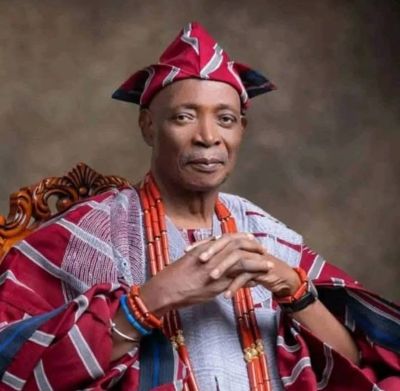
In a landmark event for Ibadan’s cultural and political life, former Oyo State Governor Rashidi Adewolu Ladoja has been formally installed as the 44th Olubadan of Ibadanland. The crowning ceremony took place on September 26, 2025, at the revered Ose Meji Temple in Ibadan South-East LGA, after a series of age-old rites and rituals.
The day began with Ladoja’s reception of the Akoko leaf at the Labosinde Compound, Oja’ba, a symbolic affirmation of royal acceptance by the Ibadan kingmakers. From there, he proceeded in regal procession to the Ose Meji House, where the final rites and crowning were conducted under strict traditional protocol.
Governor Seyi Makinde, who had interrupted his annual leave to attend, is expected to formally present the staff and instrument of office to the new monarch at Mapo Hall later in the day, marking the official transfer of authority. Already, major thoroughfares including Total Garden to Mapo, Gate to Beere, and Challenge to Beere were reported packed with cheering residents and well-wishers celebrating the coronation.
Ladoja’s ascendancy to the throne follows the passing of the 43rd Olubadan, Oba Owolabi Olakulehin, who died on July 7, 2025. His reign is the culmination of a 32-year journey through Ibadan’s hierarchical chieftaincy structure, which saw him advance through numerous ranks—beginning in 1993 when he became Jagun Olubadan—before rising to Otun Olubadan in 2024. At age 81, this makes him the first person to have served at the levels of senator, governor, and now paramount traditional ruler in Ibadan.
Well-wishers and dignitaries have flooded in with congratulations. Among them, Femi Akande, on behalf of the Femi Alake Foundation, hailed Ladoja’s installation as a momentous cultural victory for Ibadanland, praising his seasoned statesmanship and pledging support for his reign.
As Ibadan rejoices, the new Olubadan faces the challenge of uniting a diverse city, preserving its traditional legacy, and fostering development in a period of high expectations.
Two teachers of Zaria Children School, Kaduna State, were on Thursday arraigned before a chief magistrates’ court in Tudun-Wada, Zaria, over the alleged defilement of a minor student.
The prosecutor, ASC Mustapha Abdulkadir, said the two teachers were standing trial on charges hinged on an unnatural offence (lesbianism).
He said the alleged offence is contrary to section 259 of the Kaduna State Penal Code Law 2017.
The prosecutor told the court that on September 11, one Yahaya Aliyu of the Tudun Jukun area, Zaria, came to the Nigeria Security and Civil Defence Corps (NSCDC), Zaria Area Command, and reported against the defendants.
He stated that the defendants are Atoyebi-Eunice Temitope (female) of No. 2, Dogon Bauchi, Sabon Gari, Zaria, and Damilola Adeyemo (female) of Hanwa New Extension, Zaria, and three others who are now at large.
Mr Abdulkadir alleged that on September 18, when the nominal complainant’s wife was bathing the victim, an 11-year-old pupil in Junior Secondary School (JSS 1), she observed that the victim had been molested.
“Upon interrogation at home, the victim mentioned the names of the defendants and alleged that it started sometime in 2023, when the victim was in primary three.
“The victim also alleged that the first defendant, Temitope (known to the victim as Mrs Okasha), took the victim to a toilet near class 4A during the long break lesson period and put an object into her private part.
“She alleged that the incident happened over three different times and further alleged that Mrs Okasha threatened to inform kidnappers to abduct her if she disclosed the affair to anybody,’’ he said.
The prosecutor also told the court that on September 16, when the school resumed, the second defendant, Ms Adeyemo, called the victim upstairs (the secondary school section) and entered the female toilet with her.
He added that while in the female toilet, the second defendant inserted something into her private part using an object that looked like a syringe.
The prosecutor told the court that the alleged actions of the defendants violate section 259 of the Kaduna State Penal Code Law 2017, as amended.
Senior Magistrate Rabi Hashim adjourned the matter until October 22 for further mention, pending legal advice from the Kaduna State Ministry of Justice.
She also ordered that the defendants be remanded at Zaria Correctional Centre.
Apoju Sunday-Adeyemi, the school principal, who did not deny the allegations against the teachers, stated that the issues were still under investigation.
“I don’t want to comment further on a matter that is before the court of law,’’ he said. (NAN)
Nigeria’s journey as a federation has always been defined by the struggle to balance unity with diversity. With over 300 ethnic groups, diverse religions, and wide cultural differences, the architects of the federation formally shaped under the Lyttleton Constitution of 1954 envisioned a system where power would be shared between the center and the regions.
At the heart of federalism lies the principle of autonomy, where each level of government exercises authority over certain institutions. Yet, in Nigeria’s case, many argue that what exists today is a federation only in name. From the recurring tussles over resource control to persistent calls for restructuring, the cracks in the system are evident. But perhaps the most urgent symptom of this imbalance is the country’s inability to manage its worsening insecurity. With violent crimes multiplying and the central police force stretched beyond its limits, the question of state policing is no longer just academic It has become a matter of survival. In many classical federations such as the United States, Canada, and Australia, state or provincial police forces coexist with federal security agencies. Each state maintains law and order within its jurisdiction, while the federal government handles broader national security issues. This layered approach not only reflects true federalism but also ensures that security is responsive, localized, and effective.
For years, insecurity has eaten deep into the soul of our nation. From banditry and kidnapping in the North, to separatist agitations in the South-East, to oil theft and militancy in the Niger Delta, our centralized policing structure has proven overstretched and ineffective. Citizens live in fear, communities are vulnerable, and the federal police command remains too far removed to respond swiftly and decisively. State policing offers us a way forward. It is not just a reform of structure but a reform of trust. A state-controlled police force can be more responsive, closer to the people, and better equipped with local knowledge. Officers who understand the terrain, speak the language, and share the cultural context are far more effective at intelligence gathering and crime prevention. Beyond that, communities are more likely to collaborate with security structures they feel are accountable to them.
We already see the shadows of this future in regional security outfits like Amotekun in the South-West and Ebube Agu in the South-East. In Ondo State, Amotekun operatives have successfully curbed rising cases of kidnapping along major highways, restoring confidence to travelers. In Oyo State, farmers reported being able to return to farmlands previously abandoned due to herdsmen-related attacks, thanks to the presence of Amotekun. These are imperfect but important experiments — proof that Nigerians are not only ready for state policing, but desperate for it. The constitutional bottlenecks are what remain.
Critics argue that state policing might be abused by governors or local elites. This concern is valid. But rather than abandon the idea, we must design strong institutional safeguards. Transparency, independent oversight bodies, and citizen-driven accountability mechanisms can ensure that state policing strengthens democracy rather than undermines it. Civil society organizations, like Connected Development (CODE), have consistently demonstrated through initiatives such as FollowTheMoney that citizen monitoring builds trust and accountability in governance. The same principle can be applied to policing.
The link between security and development cannot be overstated. When insecurity thrives, investment withers, schools close, farmers abandon their lands, and young people lose hope. If Nigeria is to protect its resources, from farmlands to oil pipelines, then security must be localized and proactive. State policing, therefore, is not just a law enforcement issue; it is an economic and developmental necessity.
True federalism is a journey, not an event. State policing will not solve all our problems, but it is a critical step in the right direction. It will decentralize power, build trust between government and citizens, and lay the foundation for states to manage both their security and their resources more responsibly.
Nigeria has reached a tipping point. Every day we delay reform, more lives are lost, more communities are displaced, and more young people lose faith in the promise of this country. Policymakers must rise above partisan interests and prioritize the safety of citizens. The National Assembly must urgently revisit constitutional amendments to pave the way for state policing, while state governments must commit to transparent recruitment, training, and oversight.
Other federations like the United States, India, and South Africa have shown that multi-layered policing systems work, combining federal oversight with local responsiveness. Nigeria cannot afford to remain stuck in a centralized model that has consistently failed its people.
More than ever, Nigeria needs state police, not tomorrow, not someday, but now. Citizens deserve a system that protects them, empowers them, and brings governance closer to their realities. Anything less is a betrayal of the very idea of federalism.
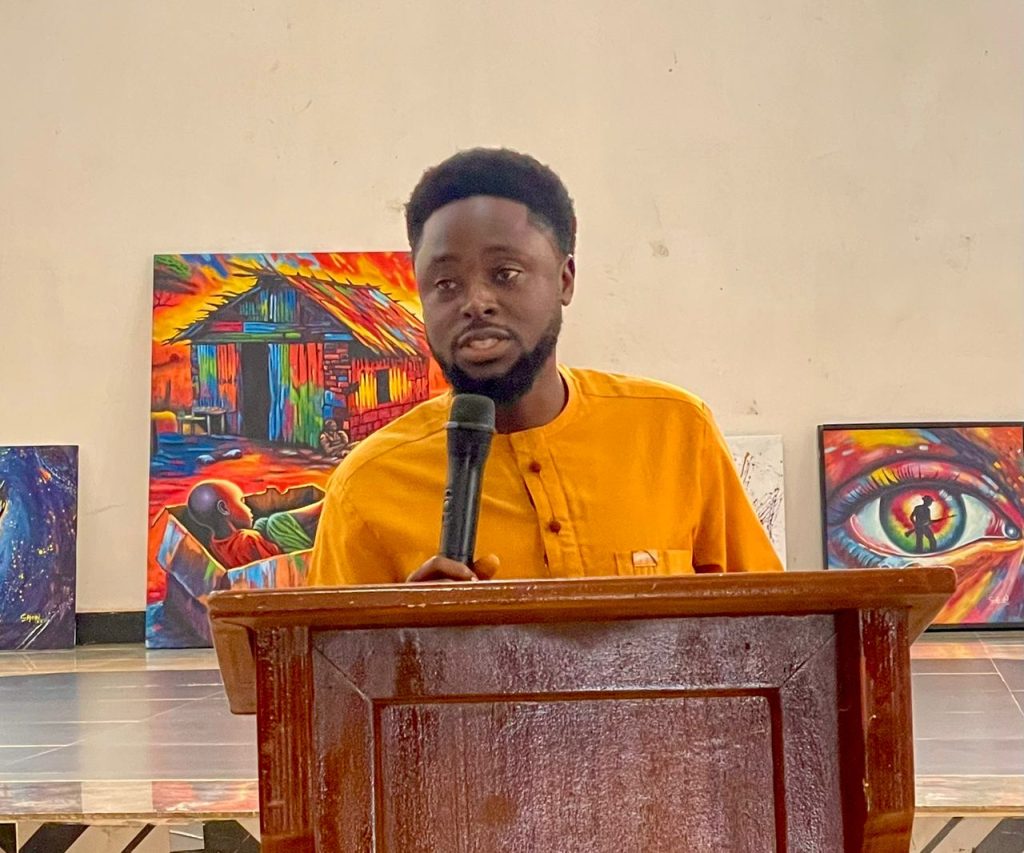
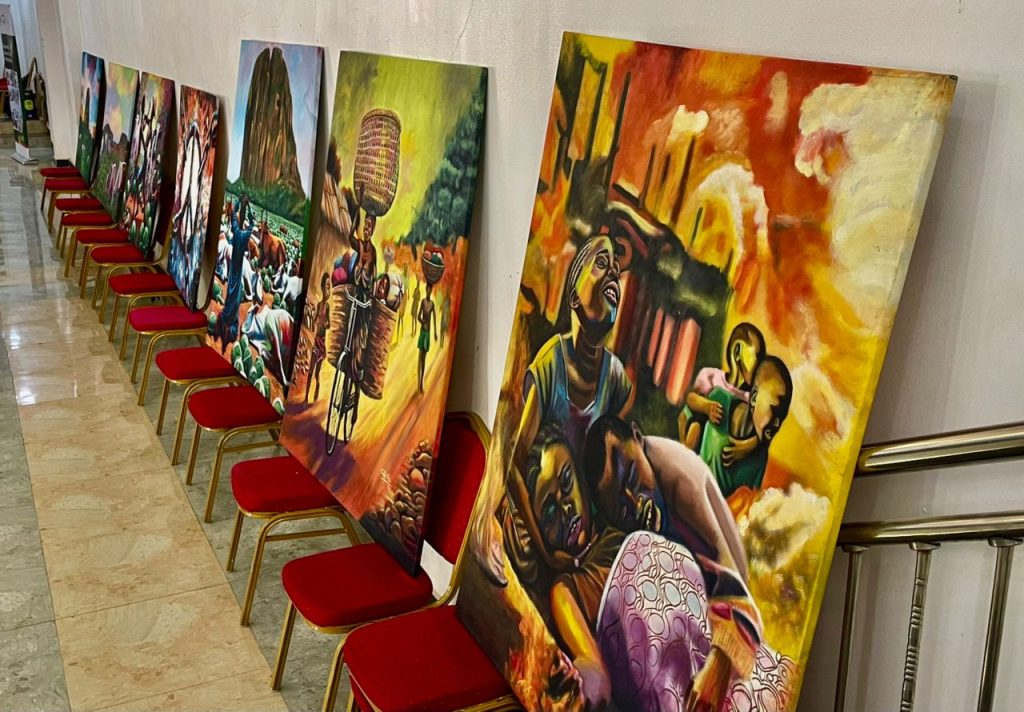
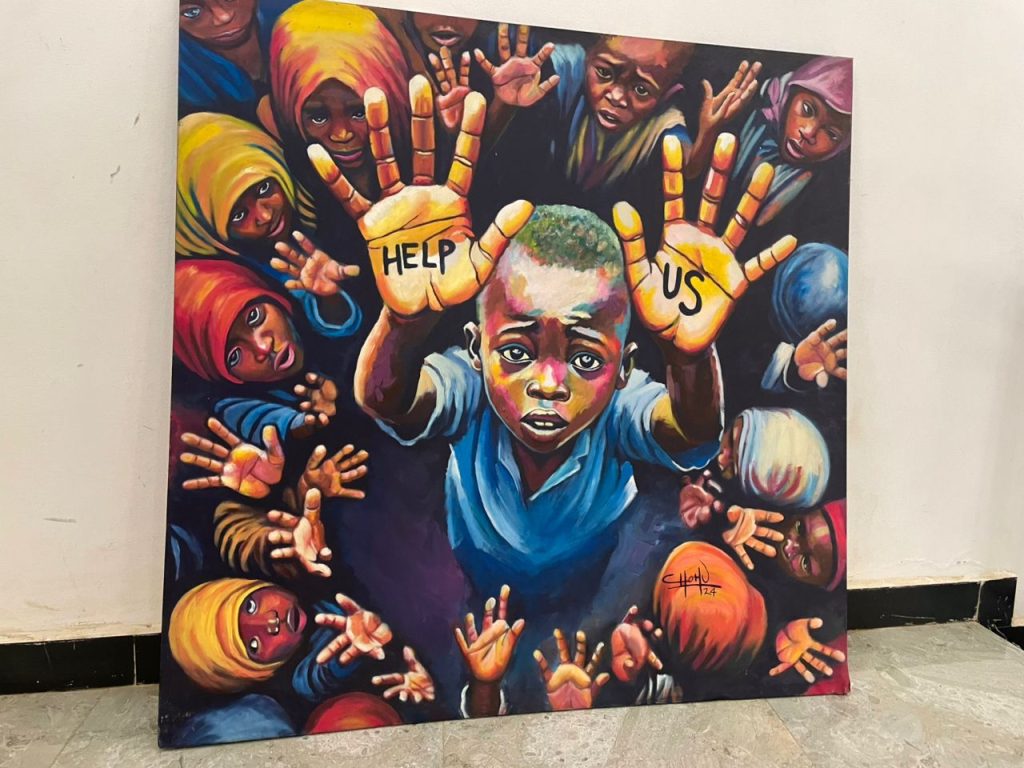
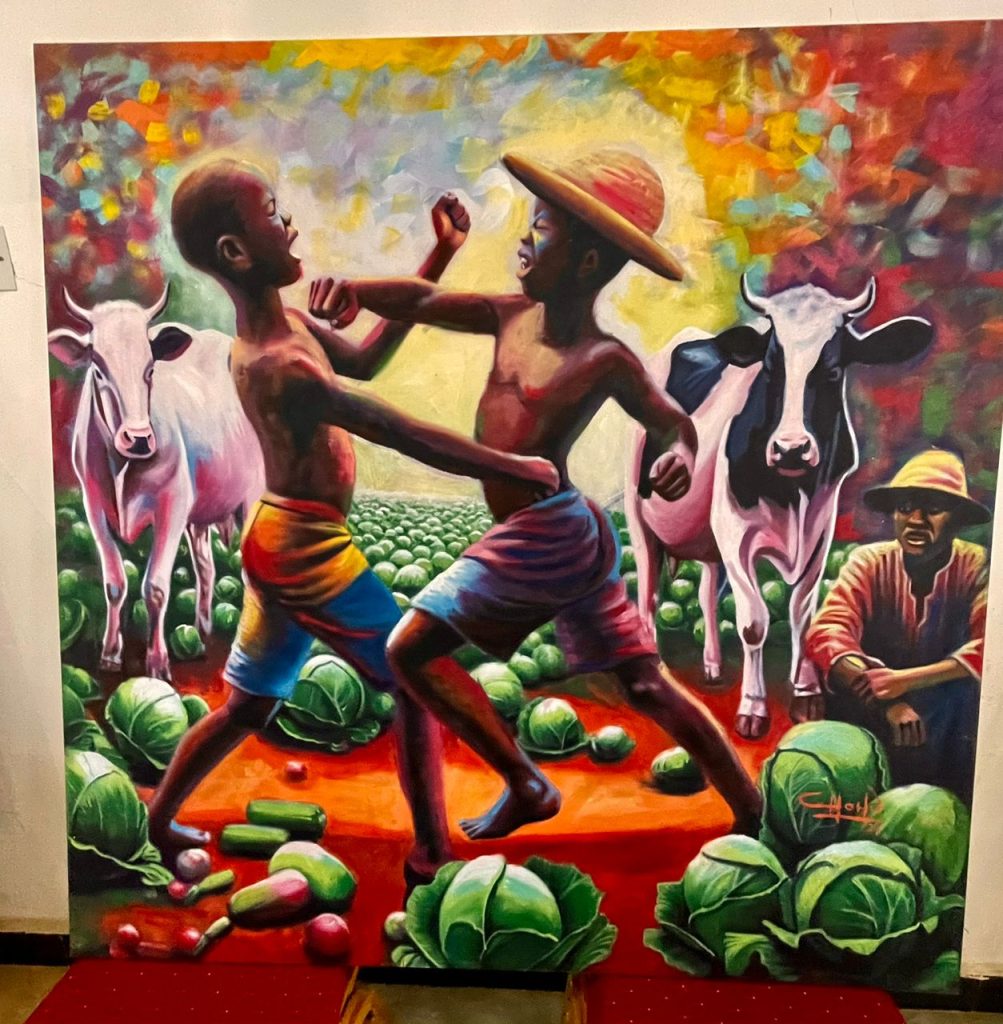
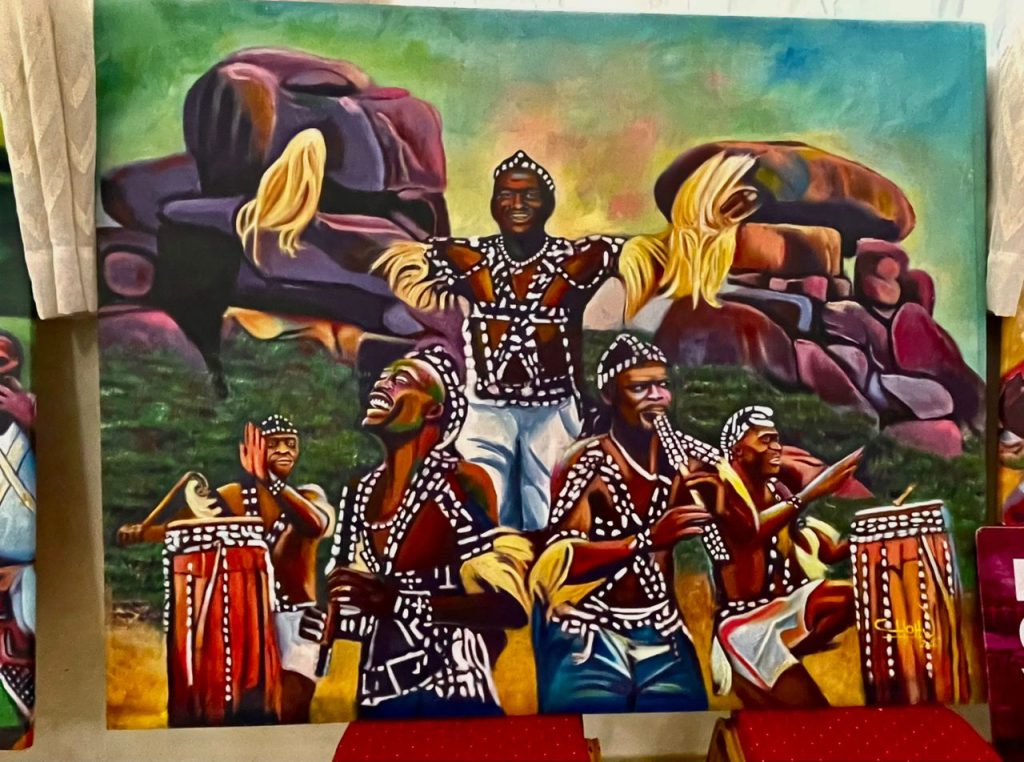
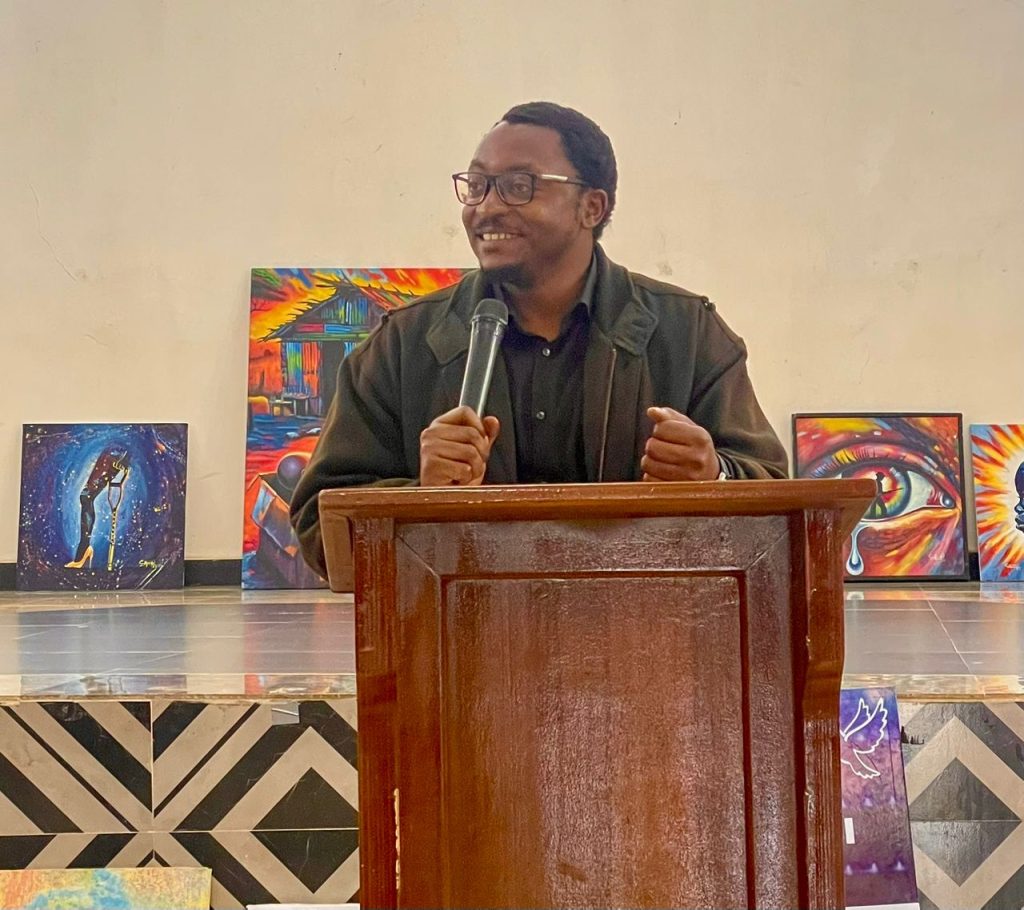
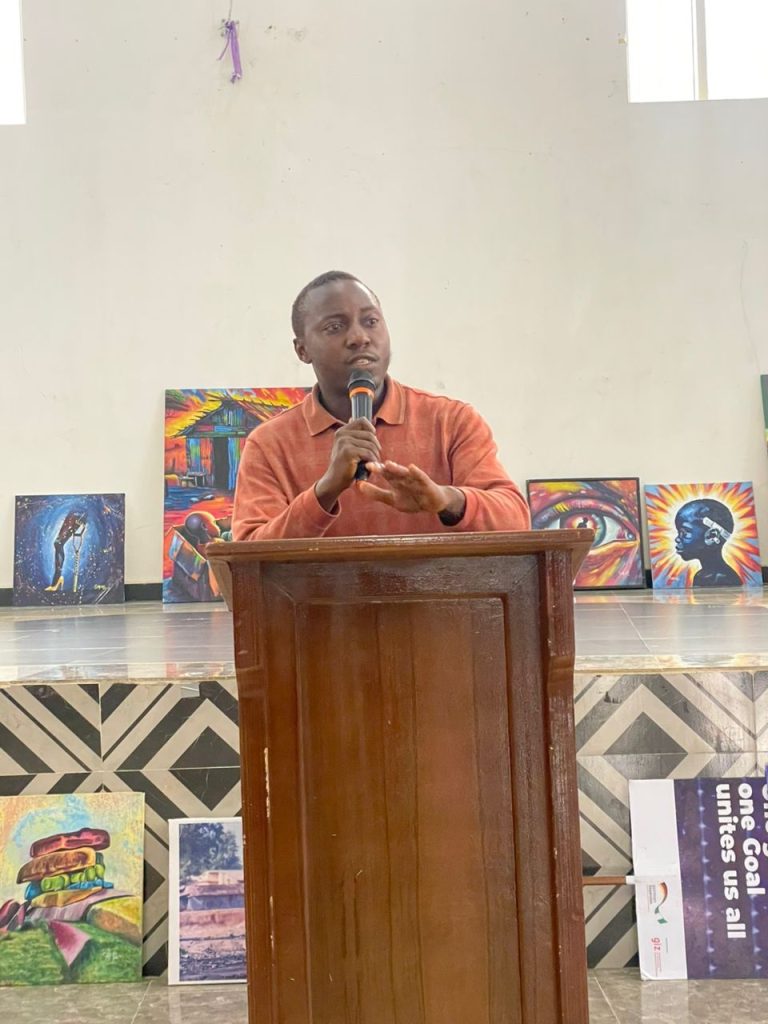
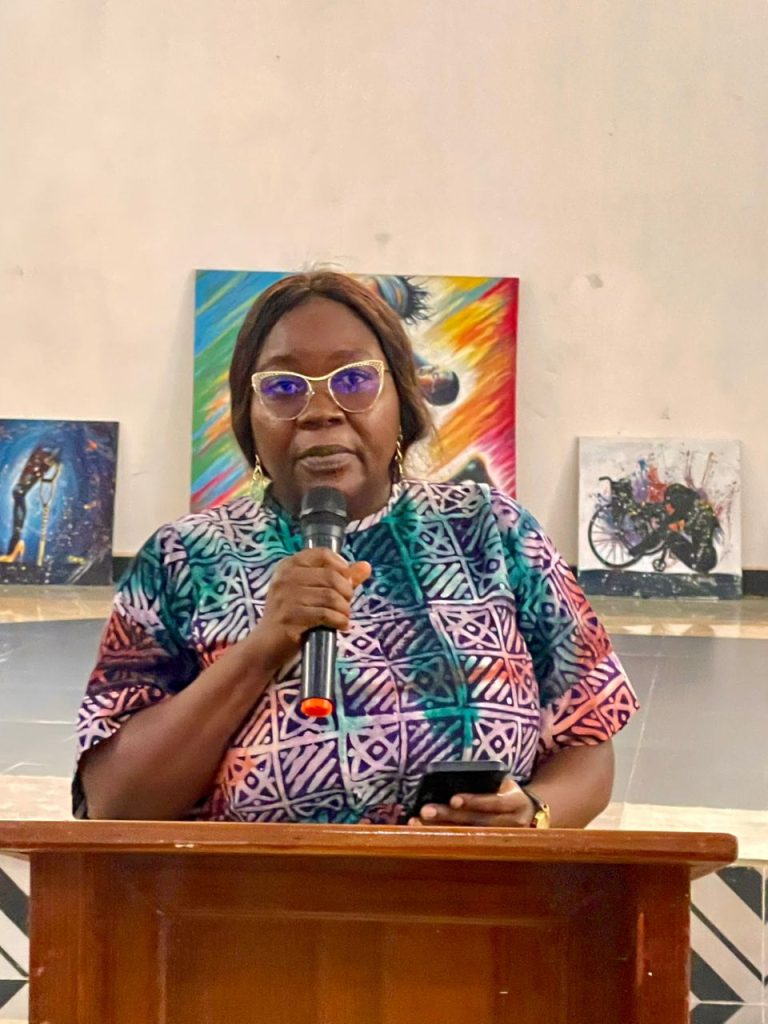
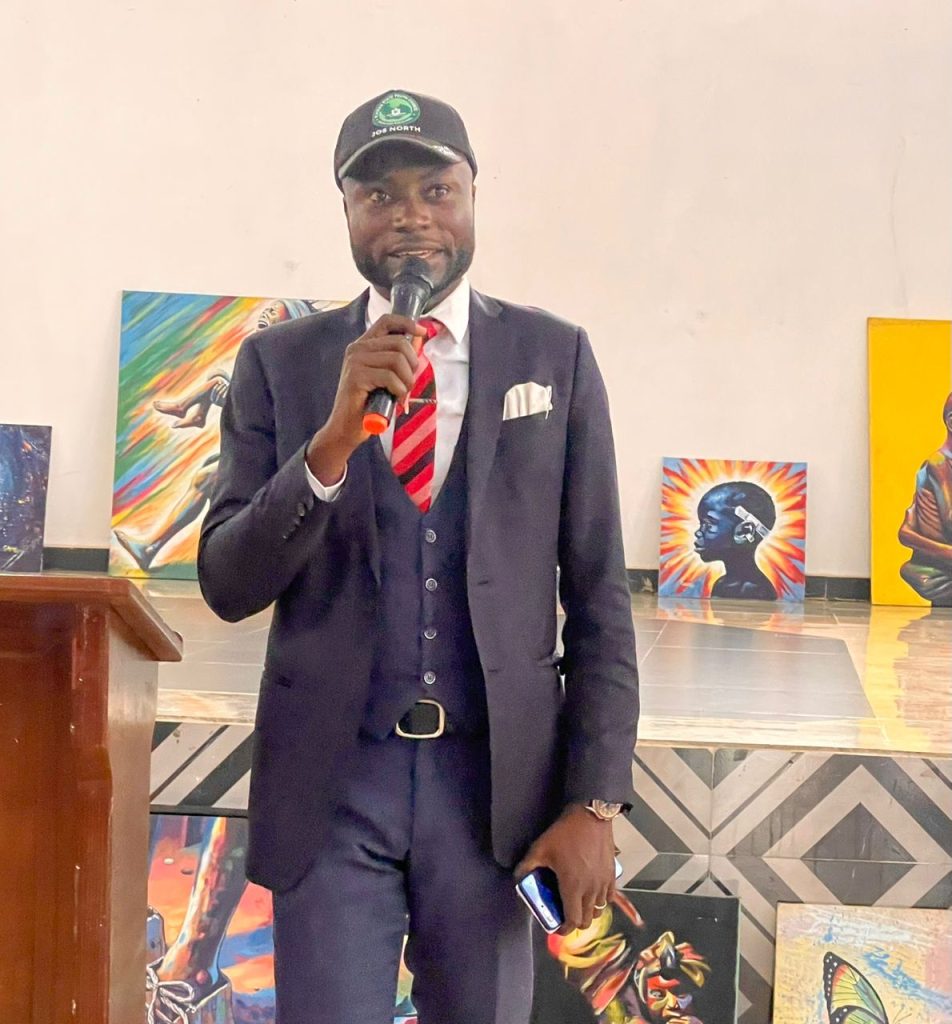
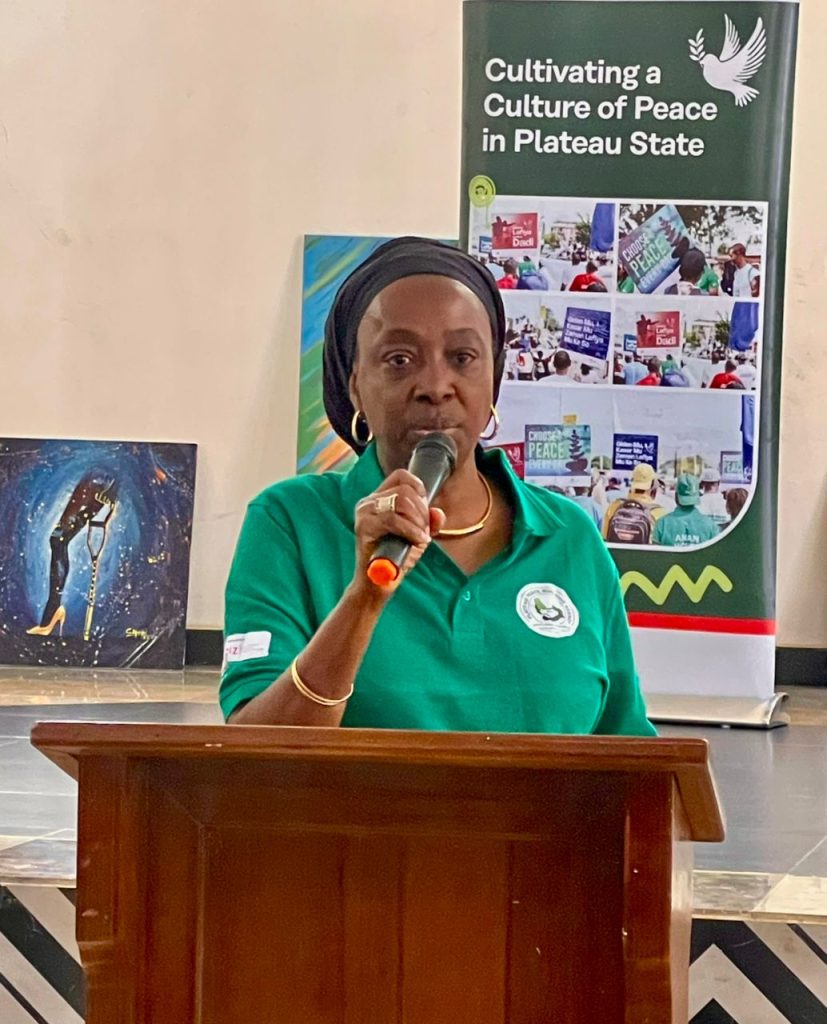
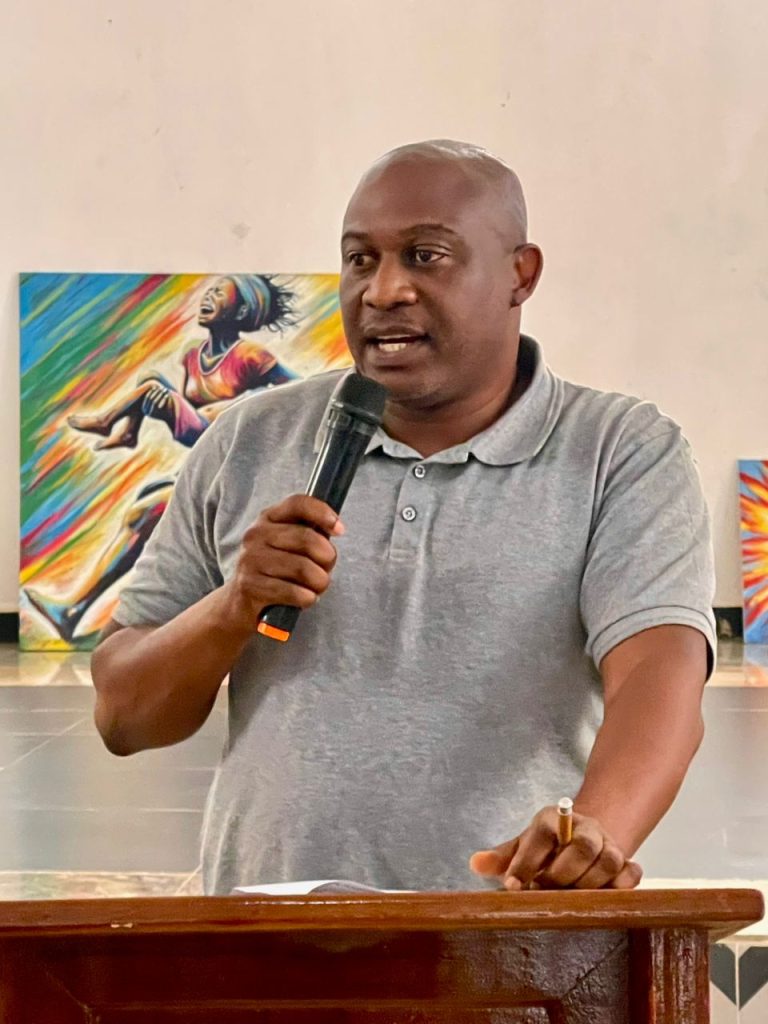
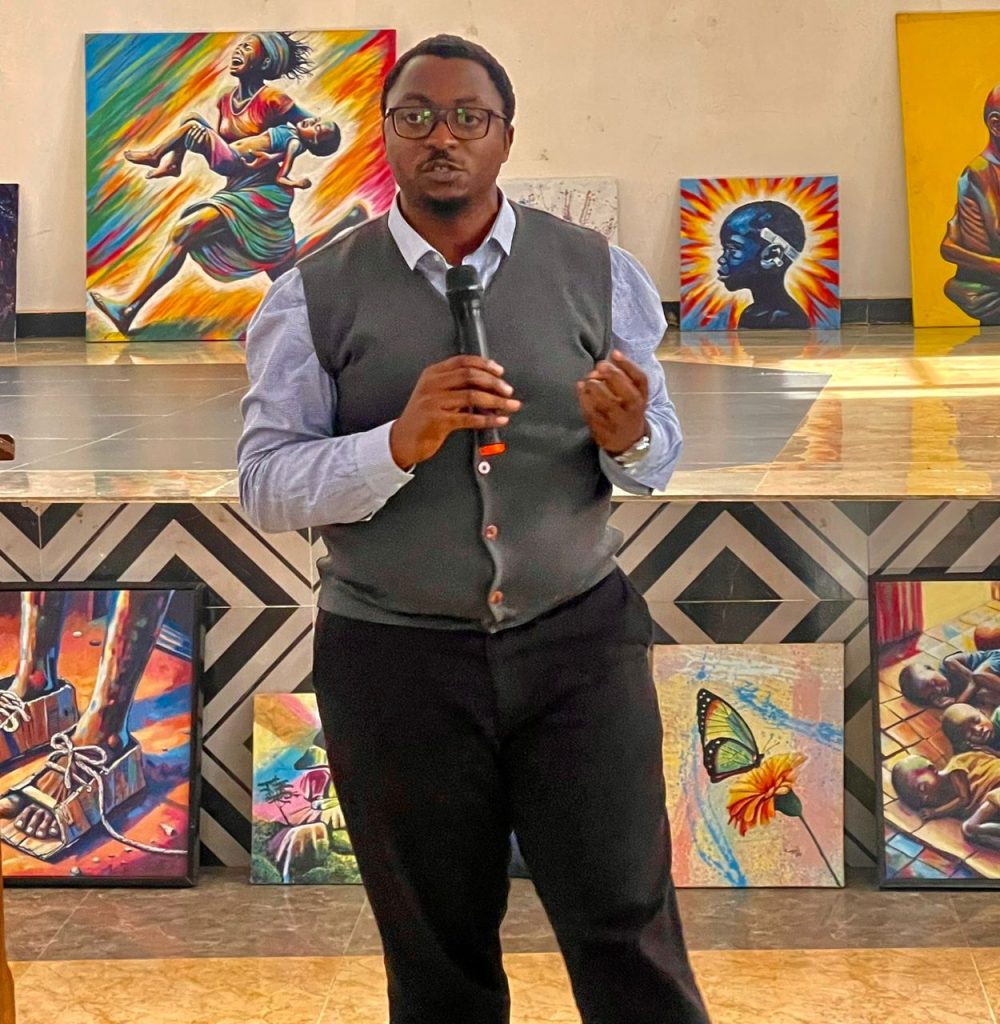
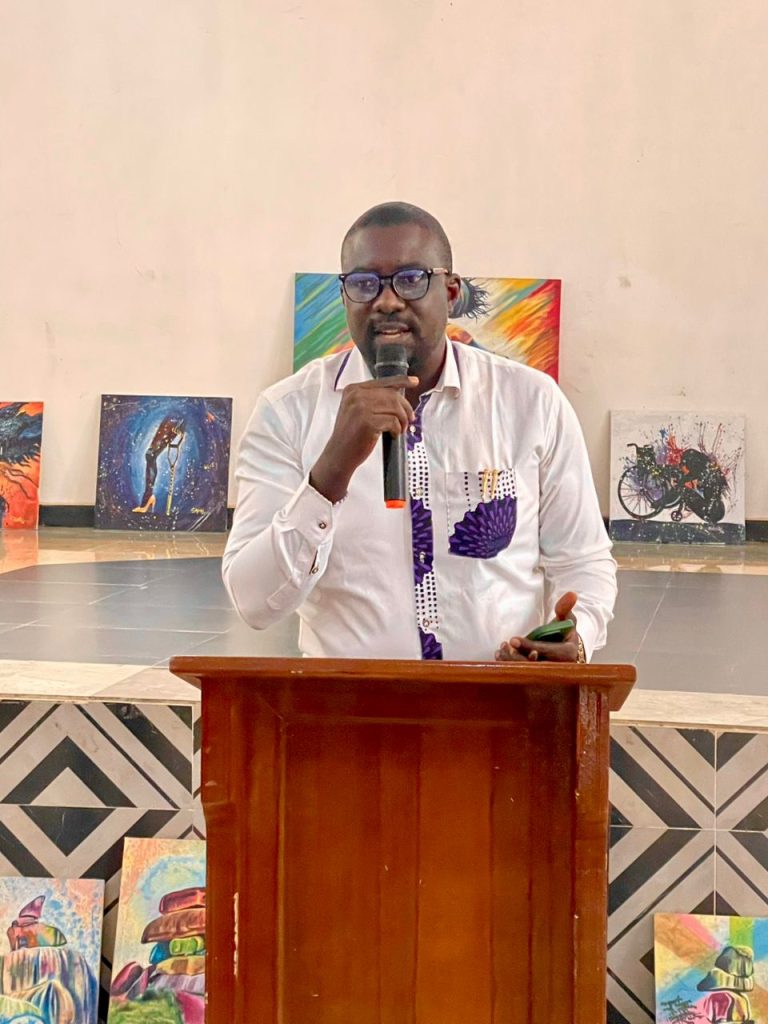
The Plateau Peace Building Agency (PPBA), in collaboration with GIZ, hosted an Art Exhibition for Peace at the Villa Grande Hotel, Jos, on 24 September 2024, as part of the International Day of Peace activities. Themed “Act Now for a Peaceful Plateau,” the event showcased how art and creative expressions can foster healing, resilience, and peaceful coexistence while promoting inclusive dialogue through cultural narratives.
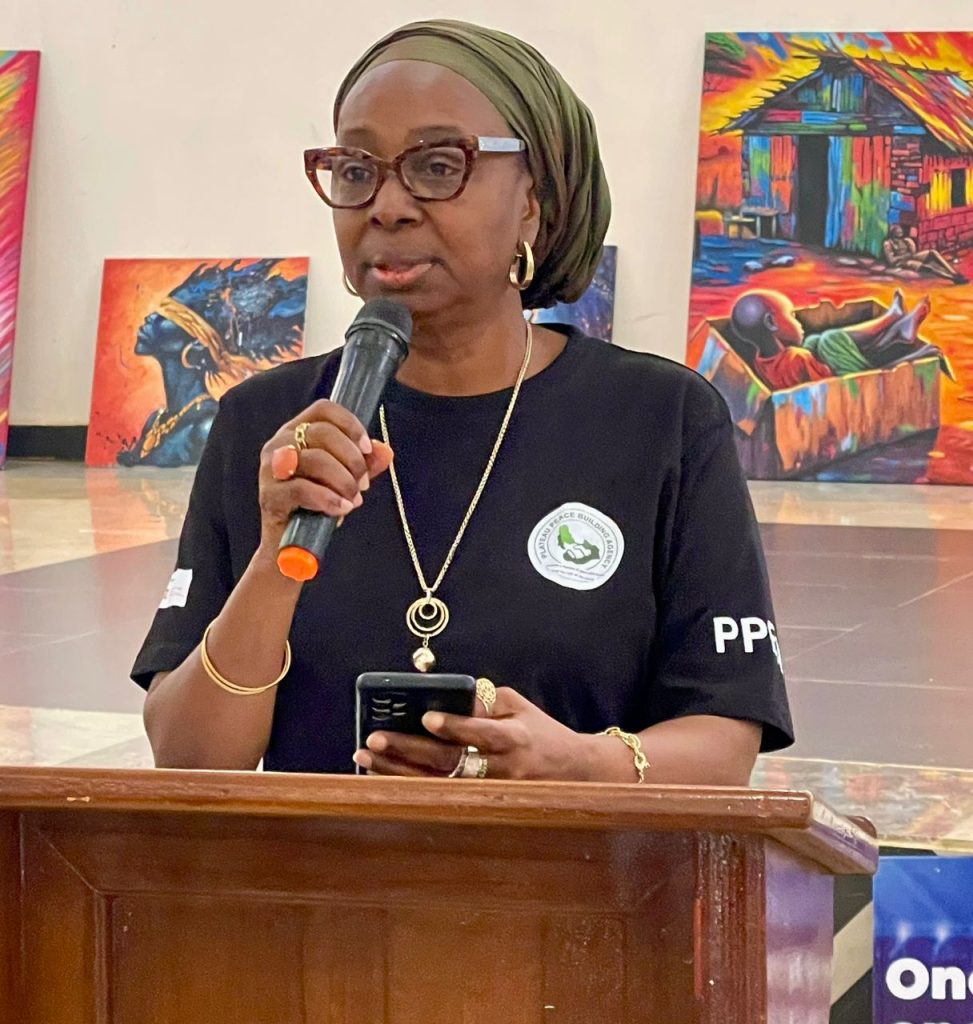
In her welcome address, the Director General of the Plateau Peace Building Agency, Dr. Julie G. Sanda, emphasized that the exhibition was more than an artistic showcase but a collective statement of commitment to peace. She recalled a symbolic photograph of Christians and Muslims standing together in solidarity on the Plateau, noting that such acts remind us of the possibilities of mutual respect and shared humanity. She stressed that poetry, drama, music, and visual art are powerful tools for reshaping narratives, softening hearts, and building resilience.
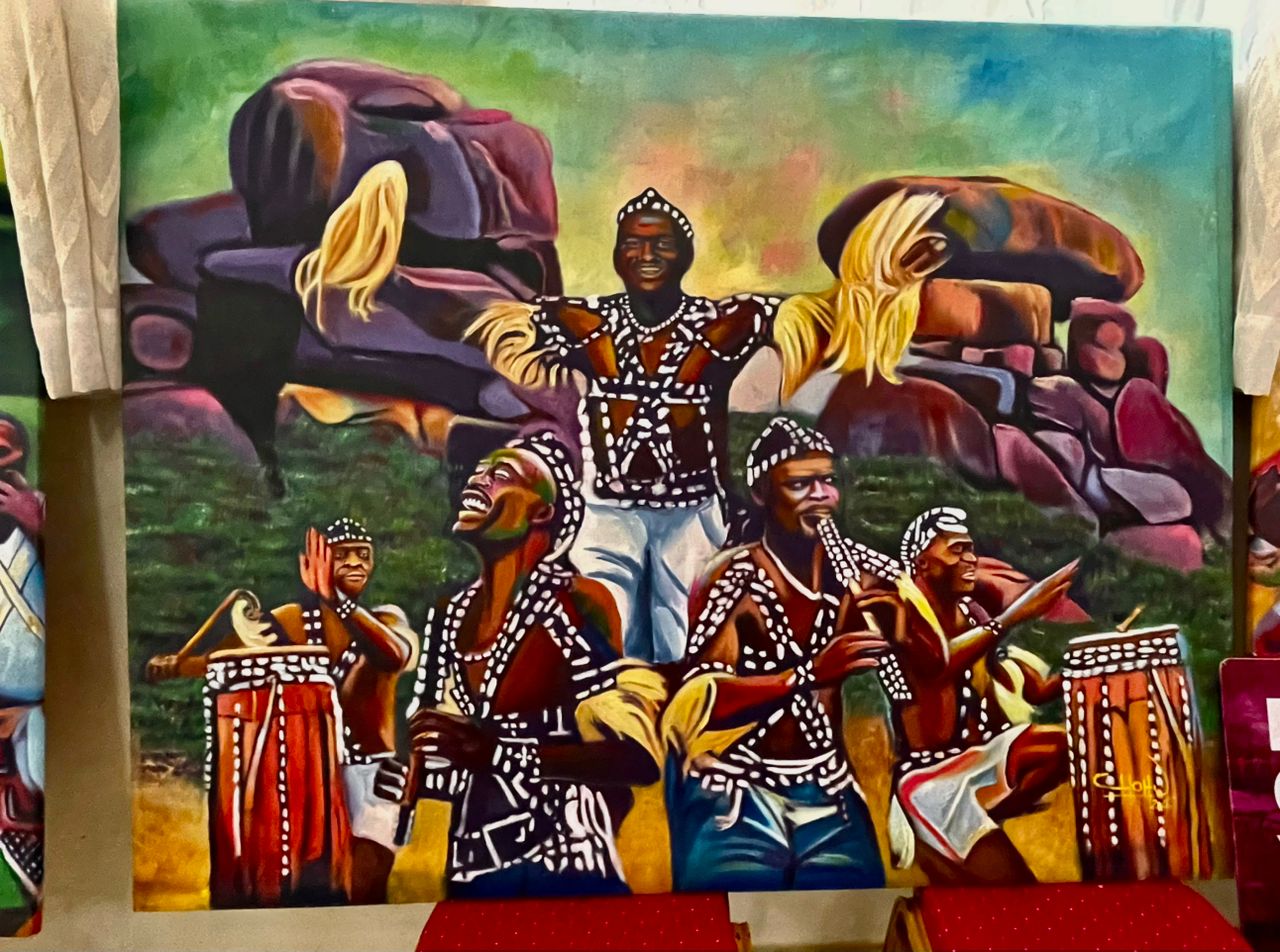
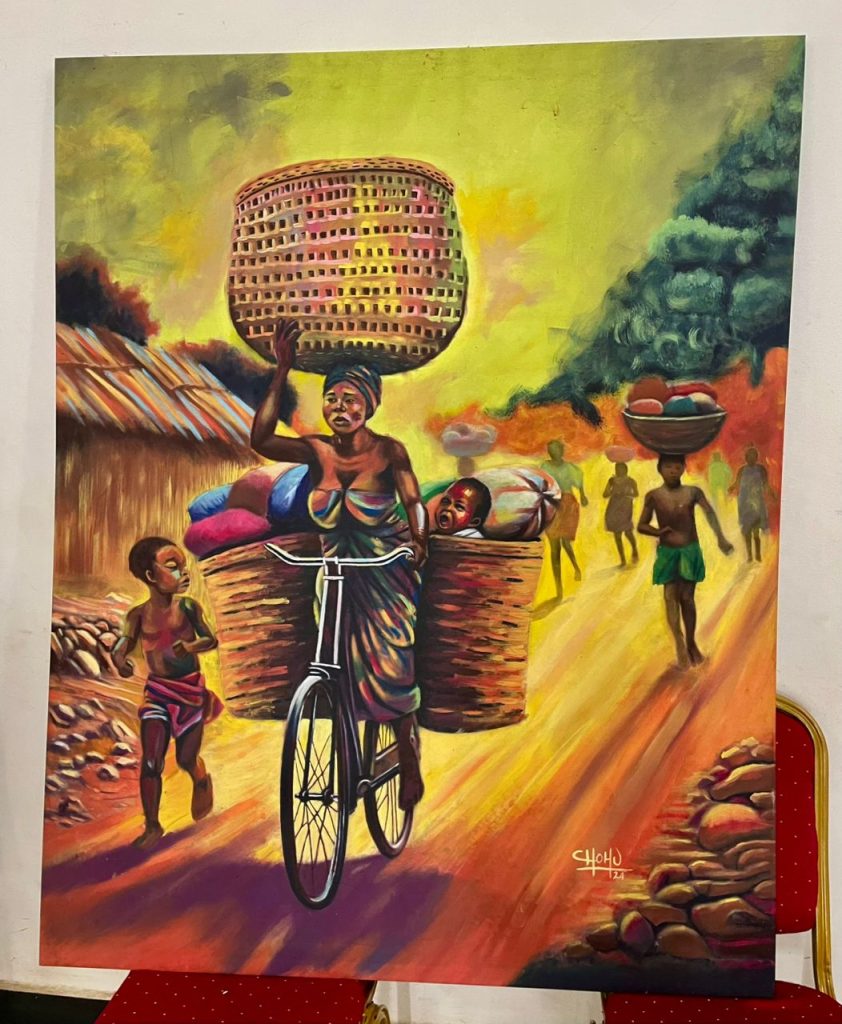
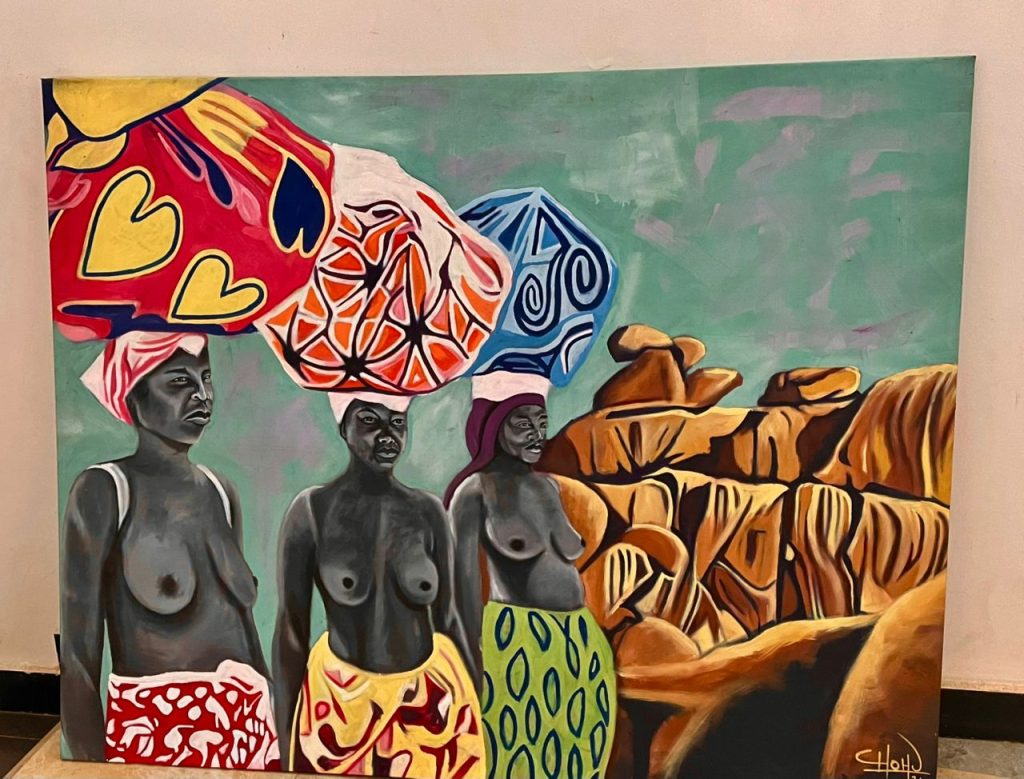
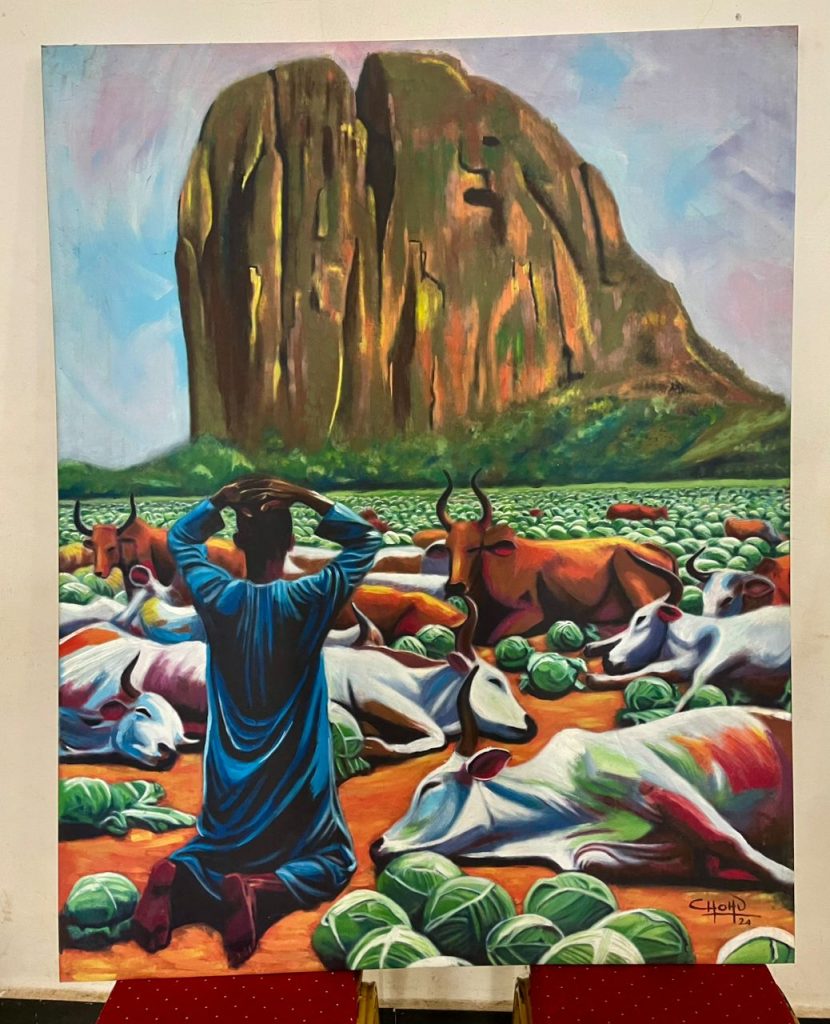
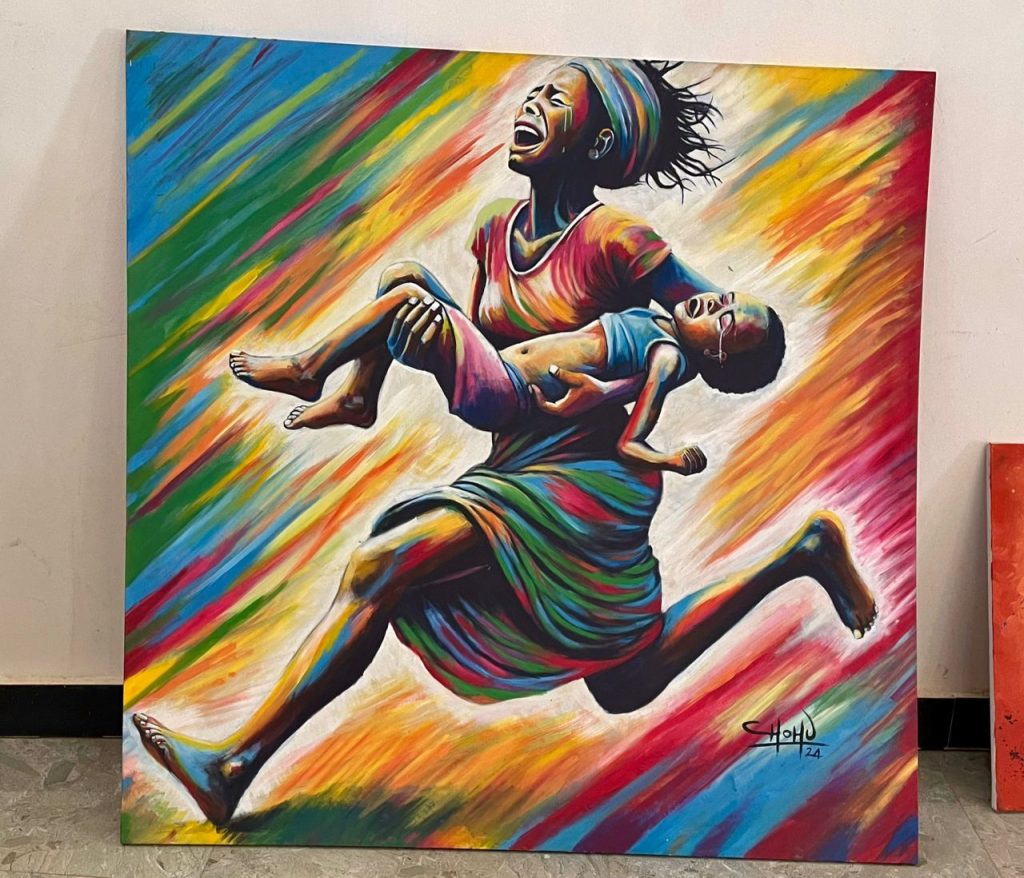
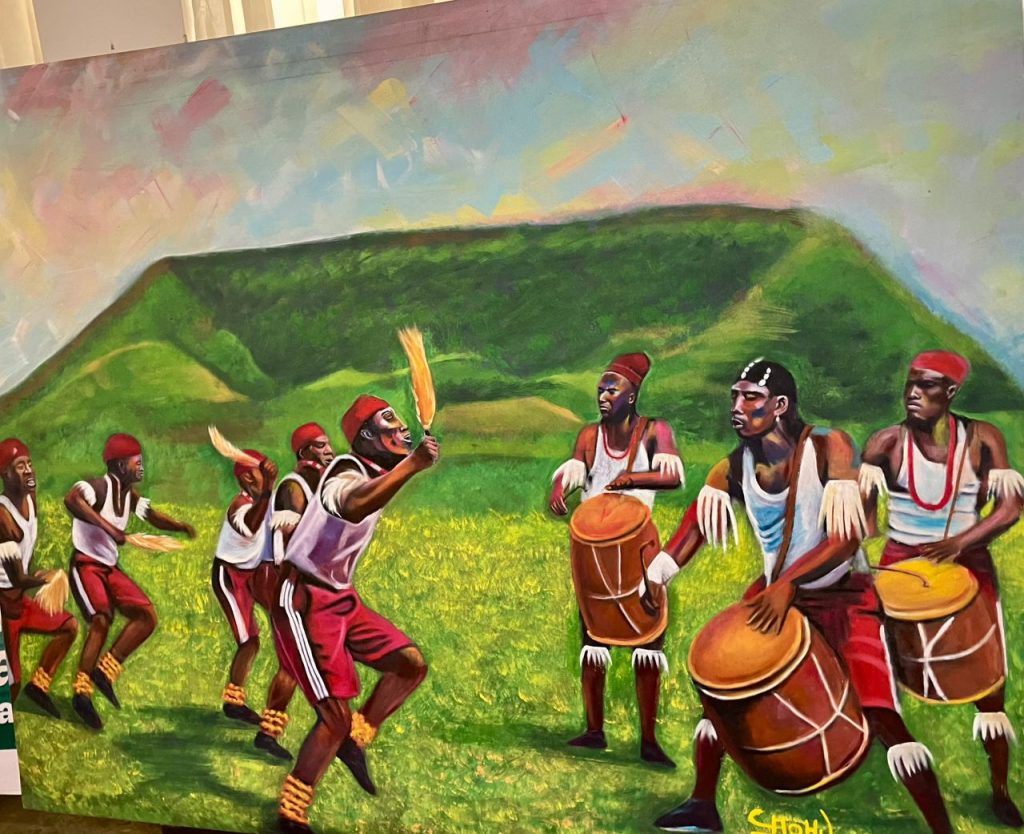
One of the highlights of the event was the presentation by Chohu E. Joshua (Artraktion), who explained the inspiration behind his series of paintings. His artworks reflected stories of peaceful Plateau communities disrupted by conflict, farmer-herder disputes, displacement, and the struggles of vulnerable groups such as women and persons with disabilities. He portrayed peace as a dove caged by hatred and bitterness, calling on society to replace violence with empathy. Joshua noted that for him, art is a non-violent tool to fight for peace, amplify the voices of victims, and preserve memory.
The program also featured rich cultural expressions including music, drama, spoken word, and storytelling performances, which reinforced the theme of unity and healing through creativity.
Presentations at the event included “Art as a Voice for Peace and Healing” by Tim Kunat of Discover Jos, who emphasized the role of creative industries in peacebuilding, and “Advocacy on Environmental Justice and Climate Change: Recycling for Art” by Mr. Dotun and his team from the Center for Earth Works (CFEW), highlighting how sustainable practices can contribute to both environmental protection and social harmony.
The exhibition concluded with a guided tour, networking sessions, and interactive discussions, leaving participants inspired to embrace art not just as entertainment but as a tool for dialogue, healing, and transformation toward a peaceful Plateau.
Nigerian content creator, Mandy Kiss Nigerian content creator, Ayomiposi Oluwadahunsi, better known as Mandy Kiss, has announced plans to attempt a Guinness World Record (GWR) for the highest number of sexual partners in one day.
She made the announcement in an Instagram post on Monday, where she shared a flier bearing the GWR logo. The post revealed that the attempt is scheduled to begin on October 30.
According to the flier sighted by our correspondent, the target is to engage with “100 men” within 24 hours.
The event is expected to take place in Ikorodu, Lagos, although the specific venue was not disclosed.
“100 men for 24 hours. I can and I will,” Mandy wrote in the caption.
It is still unclear whether Guinness World Records has approved or will recognise such a category.
This is not the first time such a record has been attempted. In 2004, American adult film actress Lisa Sparxxx was reported to have had sex with 919 men in 22 hours in Warsaw, Poland.
She later clarified that the event actually involved about 150 participants over a 7.5-hour period. Despite the publicity, Guinness World Records has never officially recognised the claim.
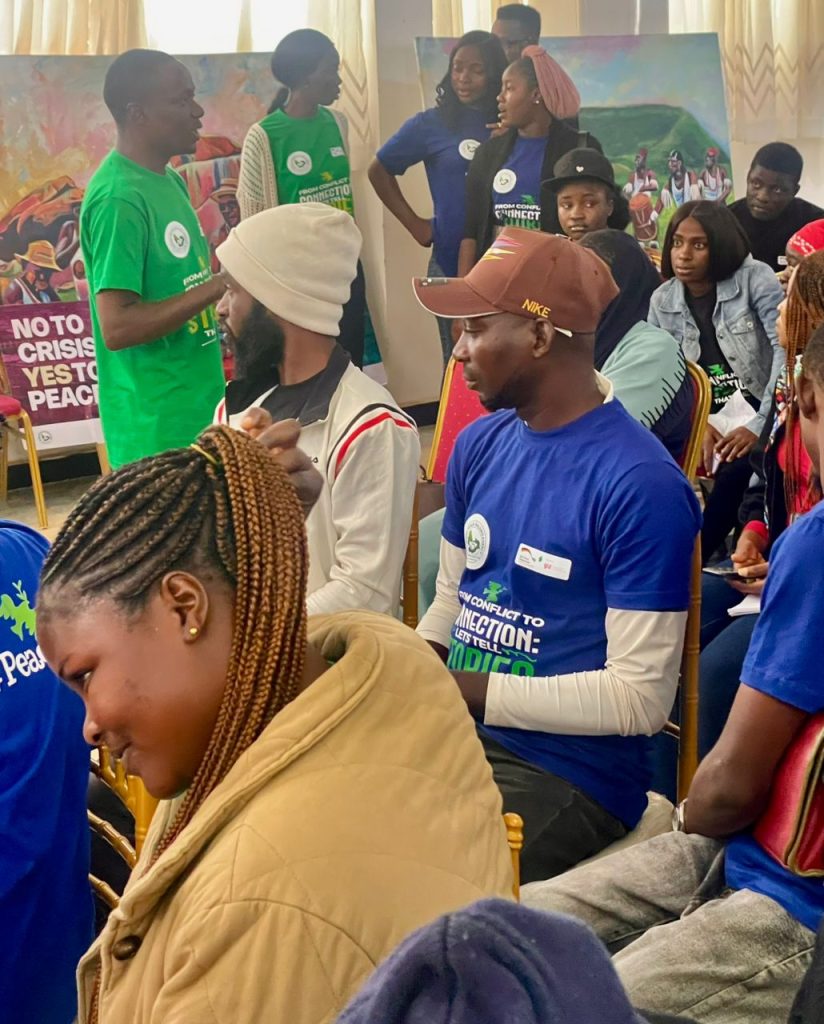
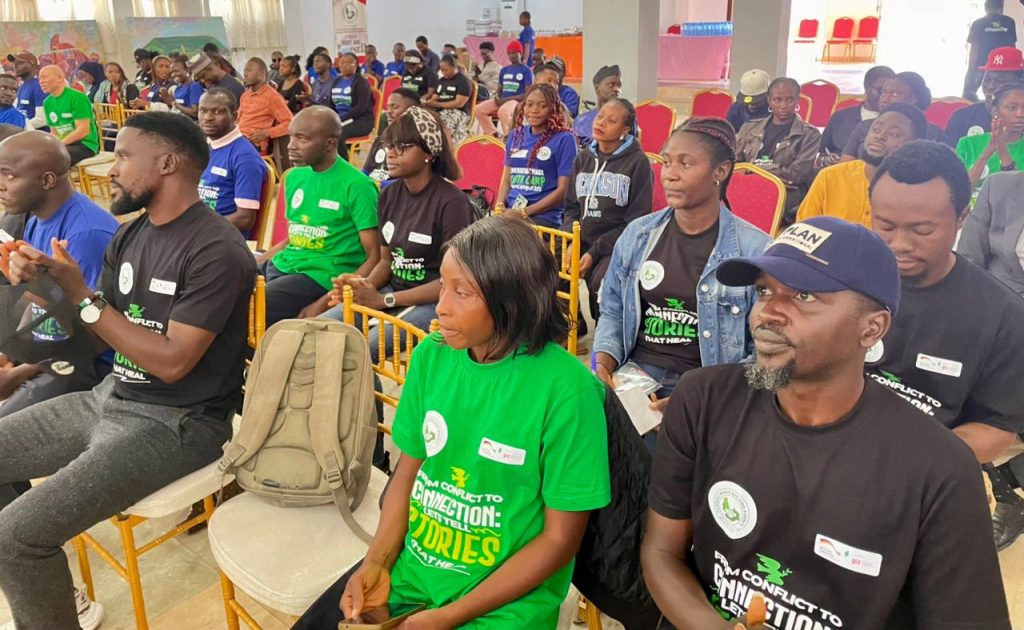
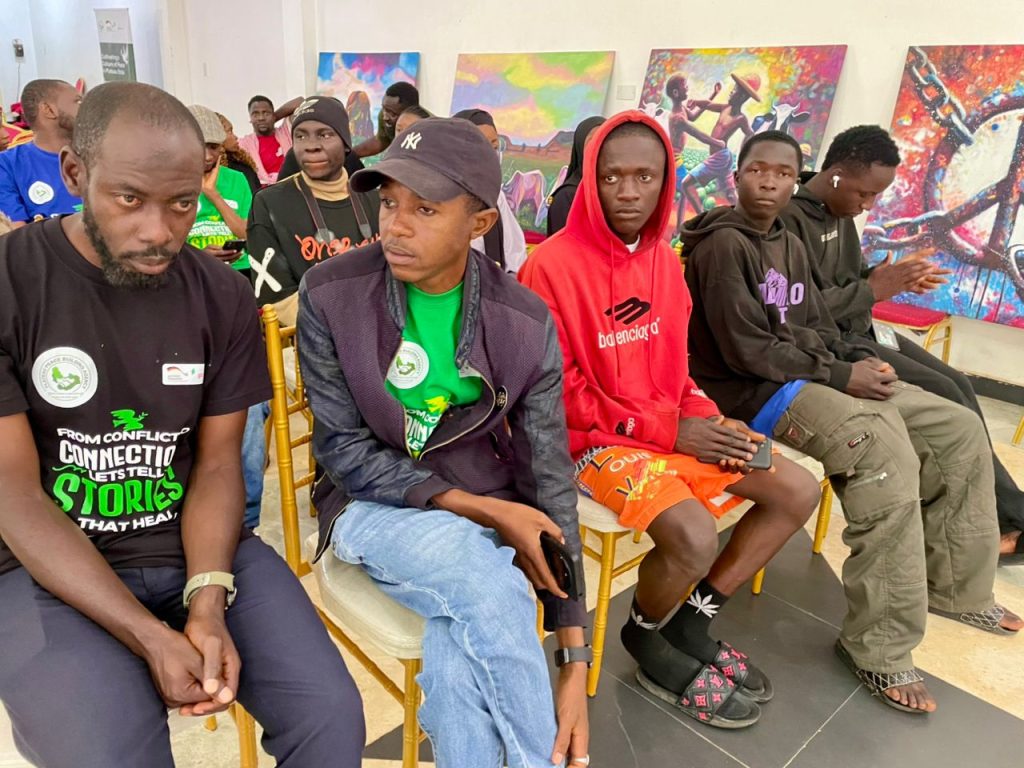
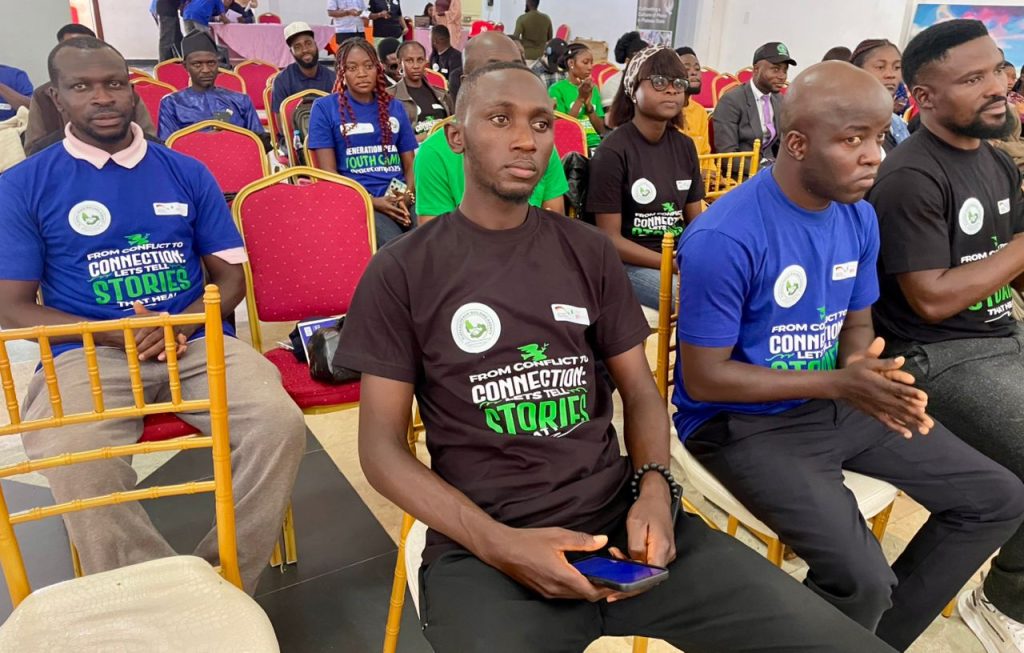
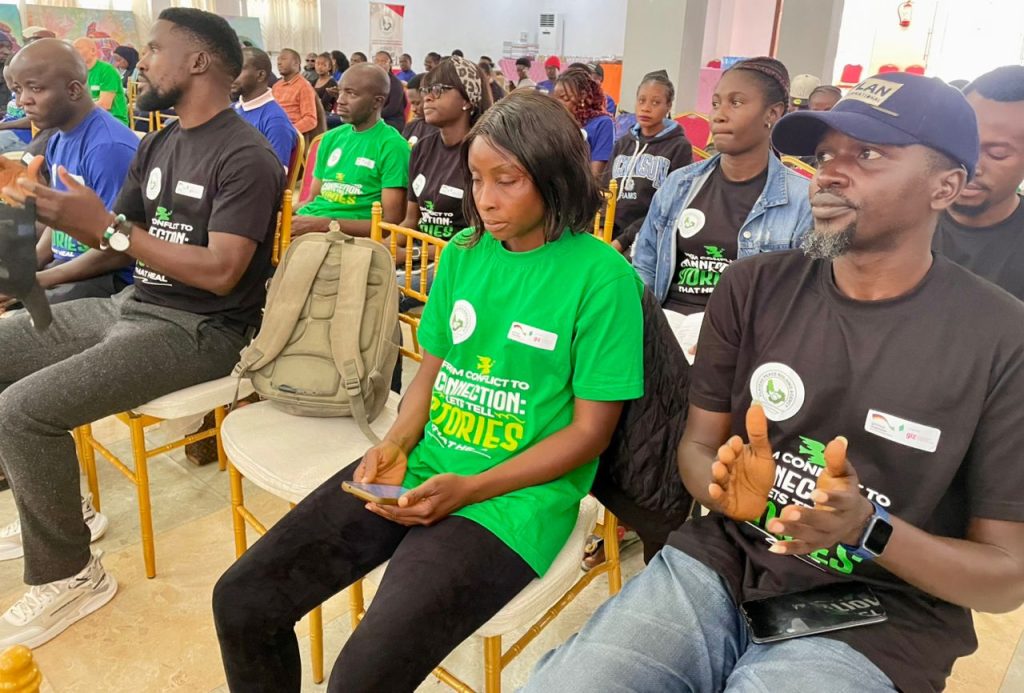
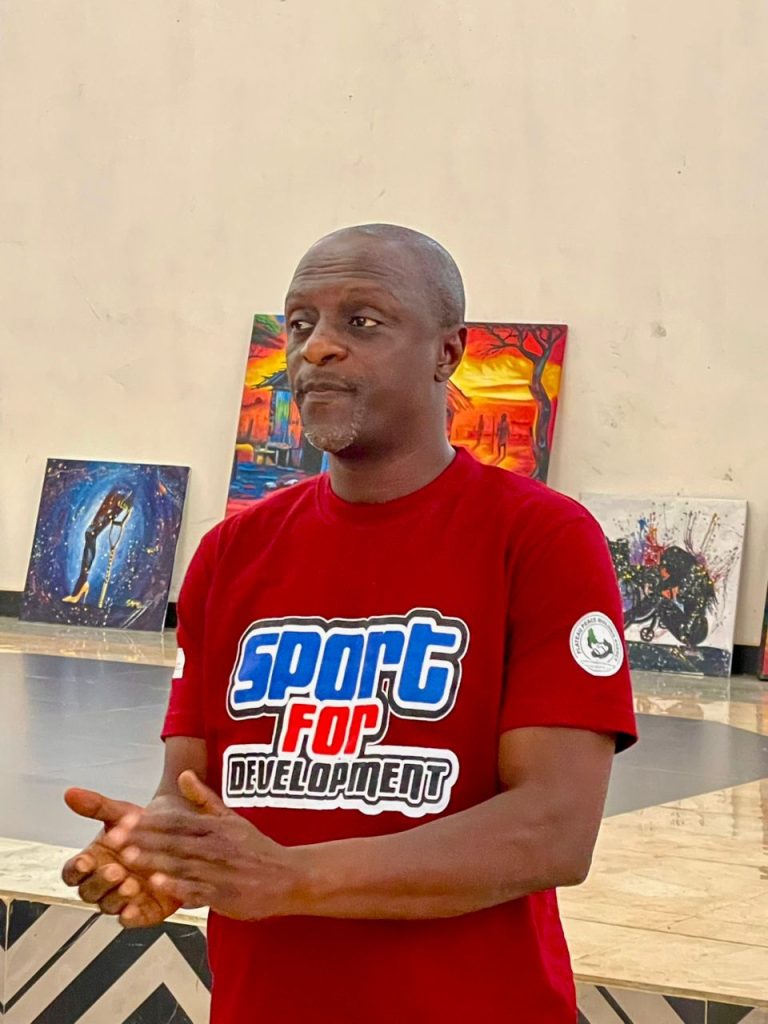
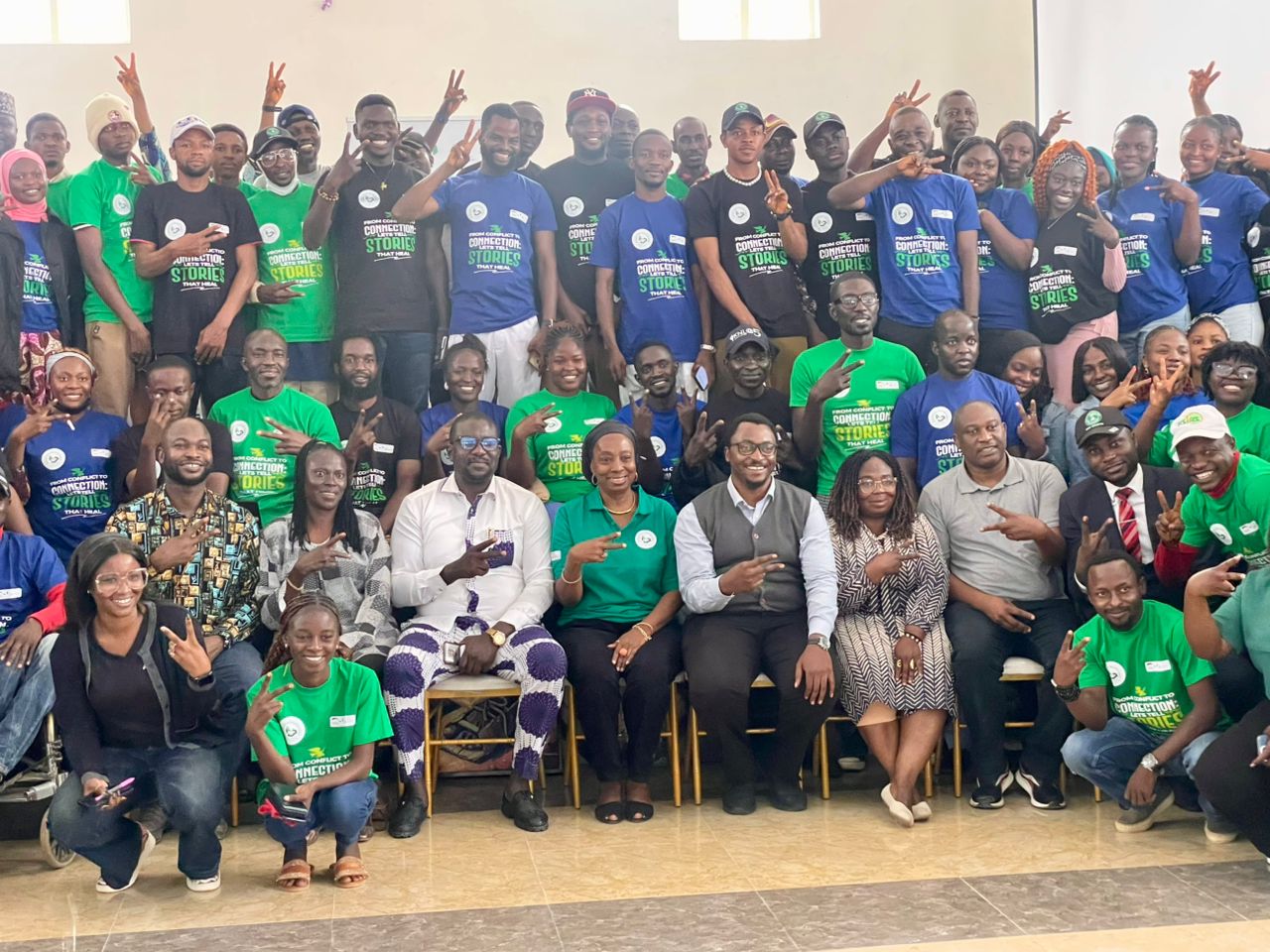
As part of activities marking the 2025 International Day of Peace, the Plateau Peace Building Agency (PSPBA), in collaboration with the GIZ Peacecore II Project and other stakeholders, organized an Appreciative Inquiry Workshop in Jos with the theme “Act Now, Speak Peace: Positive Methods for Old Times.” The event brought together peacebuilders, youth leaders, media practitioners, government officials, and civil society representatives to explore how digital storytelling, innovation, and social media can sustain peace.
Welcoming participants, Elkanah Izam, Director of Administration at PSPBA, represented the Director General, Dr. Julie G. Sanda. He highlighted the workshop as part of a broader “Month of Peace” initiative, which included community advocacy, youth events, environmental campaigns, and cultural exhibitions. Izam urged participants to embrace the opportunity, stressing that their contributions were crucial to lasting peace in Plateau State and beyond.
In her remarks, Suzan Gopuk, Senior Adviser with GIZ Peacecore II, applauded the collaborative spirit of the engagement. She acknowledged support from the German Federal Ministry of Economic Cooperation and Development, encouraging participants to channel creativity and collective energy toward amplifying positive change and fostering inclusive dialogue.
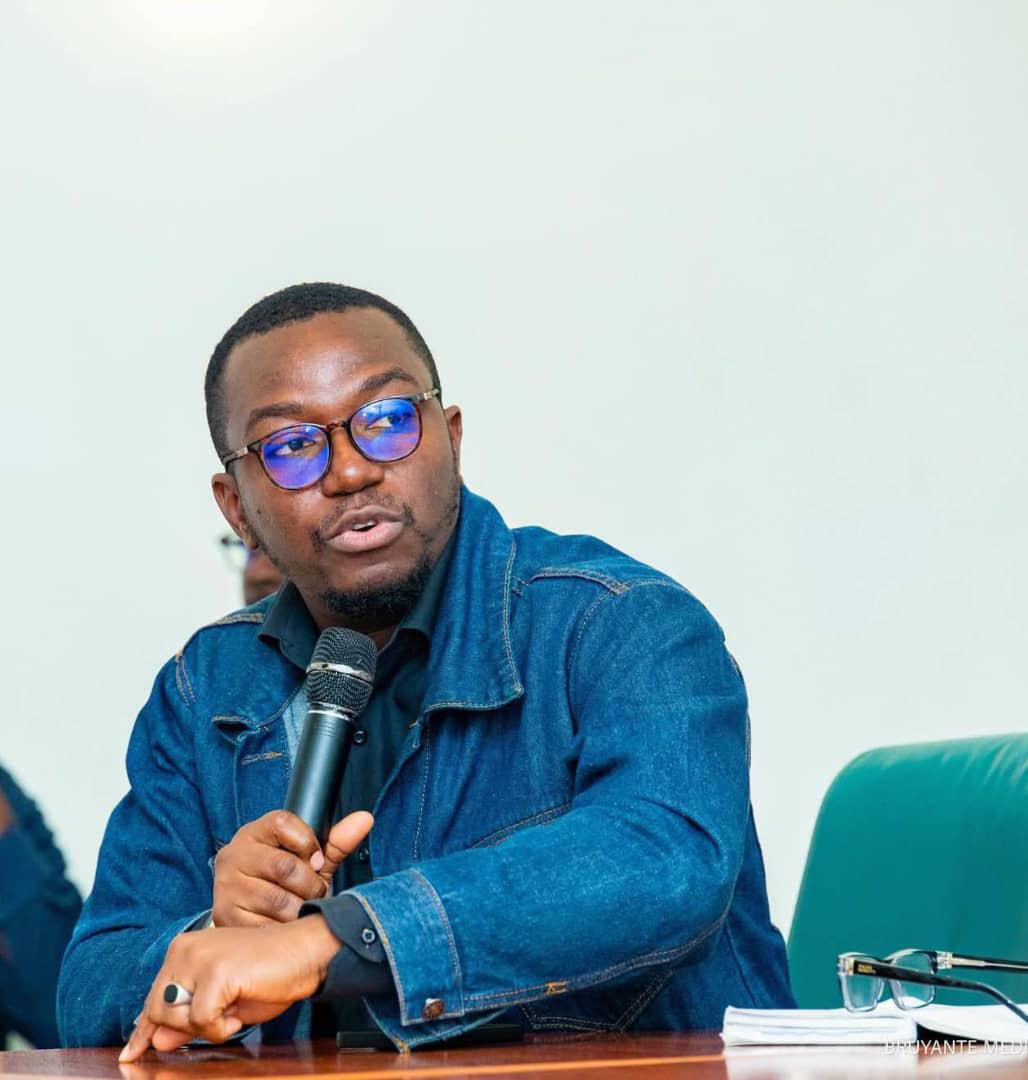
Representing young voices, Plateau Youth Council Chairman (Jos North), Paul Stephen Mancha, called on youths to resist manipulation by violent actors. He emphasized condemning evil without ethnic or religious bias, commending PPBA and GIZ for prioritizing youth inclusion. Mancha also encouraged networking and collaboration among participants as vital tools for peace advocacy.
Closing the workshop, PSPBA DG Dr. Julie G. Sanda expressed delight with the outcomes, underscoring the potential of young people to responsibly use social media for positive impact. She emphasized that small local efforts could eventually inspire global change.
The workshop featured insightful sessions from resource persons. Izam presented on “Appreciative Inquiry and Peacebuilding,” stressing the power of positive storytelling. Mathew Tegha, Chairman of Plateau Bloggers and Online Media Association, demonstrated how social media content can prevent conflict. Kenneth Dakop, PPBA’s Strategic Communication Lead, discussed responsible communication and the dangers of fake news. Tim Kunat of Discover Jos highlighted opportunities in combining creativity, entrepreneurship, and social campaigns, while the Center for Earth Works linked environmental justice to peacebuilding.
Interactive discussions allowed participants to exchange experiences, clarify concepts, and generate practical ideas for their communities.
In conclusion, the workshop not only celebrated the International Day of Peace but also deepened collaboration among peace actors. It highlighted the transformative role of digital platforms, storytelling, and youth engagement in building resilient, peaceful communities. Participants departed motivated and better equipped to champion peace within and beyond Plateau State.
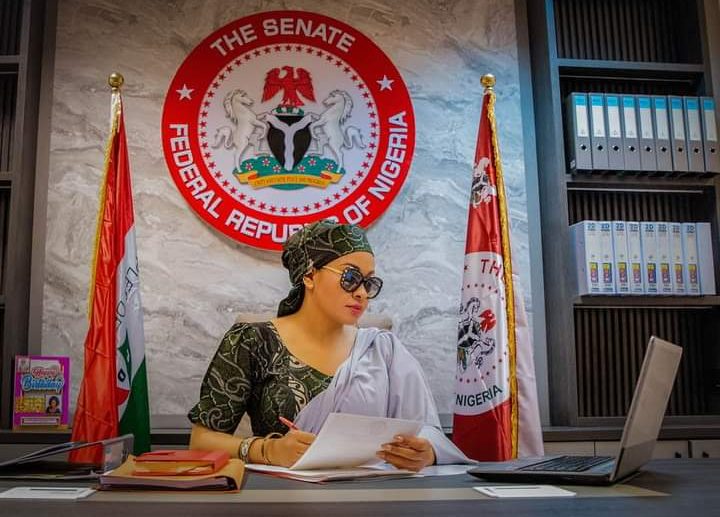
Security operatives have unsealed the office of Senator Natasha Akpoti-Uduaghan, representing Kogi Central, at the National Assembly.
The office, located in suite 2.05 of the Senate Wing, had been locked following her suspension from the red chamber earlier this year.
The development gives the Kogi senator access to her office and the premises of the National Assembly.
Akpoti-Uduaghan, a lawyer, was suspended for six months by the Senate over alleged breaches of its standing rules.
The suspension sparked outrage across the country, with the Nigeria Labour Congress (NLC), Civil Society Organisations, and Afenifere demanding her reinstatement.
On July 4, the Federal High Court sitting in Abuja ruled that the suspension was excessive and unconstitutional.
Despite the judgment, the Senate insisted she could not resume her duties without a fresh resolution or a definitive court order.
With her office now reopened, Akpoti-Uduaghan may be on course to resume her legislative activities.
Her lawyers have argued that she is not a flight risk and remains innocent until proven guilty, while further court proceedings are awaited.
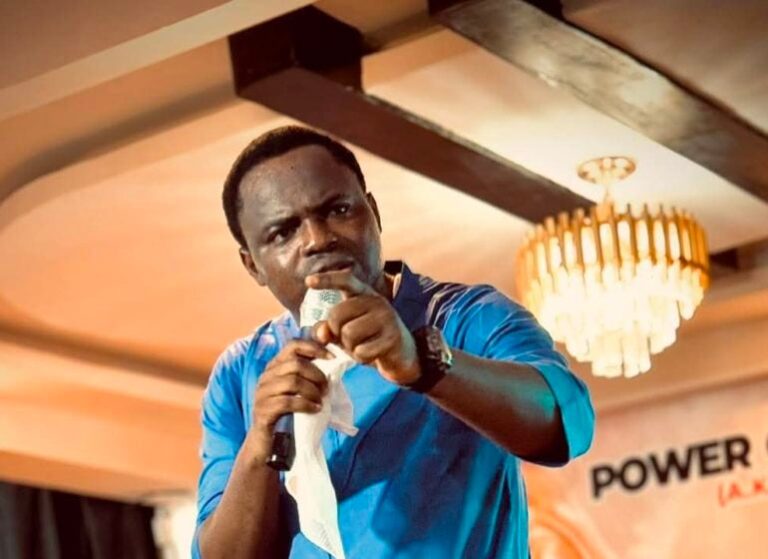
A shocking video involving Michael Noah, the head pastor of Power of God Kingdom in Sierra Leone, has gone viral, capturing him threatening to “deport” a church member’s daughter from Australia if she fails to send him $1,000 within seven days.
In the controversial video, Noah, who appears to be a Nigerian, is seen telling the member, a woman, about a vision he had concerning a land dispute involving her daughter.
“I see someone asking you to look for land to purchase, and I see problems between you and your daughter because of it,” he said.
The woman confirmed that the vision was accurate and that her daughter was indeed in conflict with the sellers of a property.
“Yes, sir. She already bought the land, and we are now having problems with the people she bought it from,” she replied.
The pastor questioned why they had not sought his counsel first. He declared himself as “Jagaban,” asserting that any other spiritual source was “fake”.
Noah then claimed credit for the daughter’s successful relocation abroad, suggesting that her current troubles were a direct result of her failure to buy a piece of land for him as a form of appreciation.
He thereafter issued a direct ultimatum, demanding $1,000 as a condition for “massive restoration”.
“Why do people not take counselling from Jagaban? I am the man Jagaban, any other is fake,” he said.
“Your daughter is a member of the church. I remember praying and prophesying that she would travel, and she did. Now, within two years, she is buying landed properties, yet she didn’t buy for me, the one who prayed for her.
“That is why she was scammed, and it will happen again. Tell her that if she wants massive restoration, before the end of the month, she must make sure she gives me $1,000.”
The situation escalated when Noah called the woman’s daughter directly. Repeating his threat, he stated, “I will deport you the same way I sent you there. To end this matter and stop you from being victimised again, $1,000 must be sent to my account.
“I’m giving you and your mum seven days to find the money; if you don’t, I will deport you the way I took you there. The oracle has spoken,” he added.
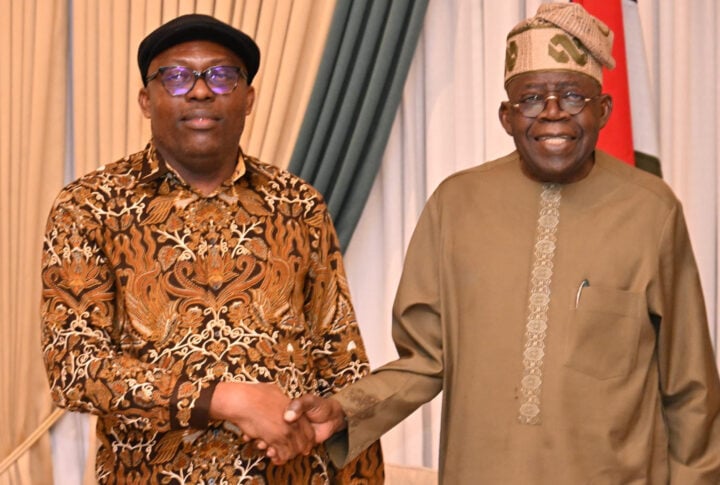
President Bola Tinubu is currently meeting behind closed doors with Rivers State governor, Sir Sim Fubara at the Presidential Villa, Abuja.
Fubara arrived the seat of power about 6:20p.m., clad in a white caftan and black cap.
This is the governor’s first meeting with the President after his six months suspension and the lifting of state of emergency in the state on September 18, 2025.
President Tinubu, in a broadcast on March 18, declared a state of emergency in Rivers State, suspended democratic structure and appointed a sole administrator to oversee the affairs of the state.
At the time of filing this report, the agenda of the meeting was not made public.
The Rivers State governor came shortly after the President met separately with the Chairman of Nigeria Governors Forum and governor of Kwara State, AbdulRahman AbdulRasaq; Chairman of the Progressive Governors Forum and governor of Imo State, Senator Hope Uzodimma; Speaker of House of Representatives, Tajudeen Abass; Executive Chairman of the Federal Inland Revenue Service, FIRS, Zacch Adedeji; Minister of Finance and Coordinating Minister of the Economy, Wale Edun, among others.
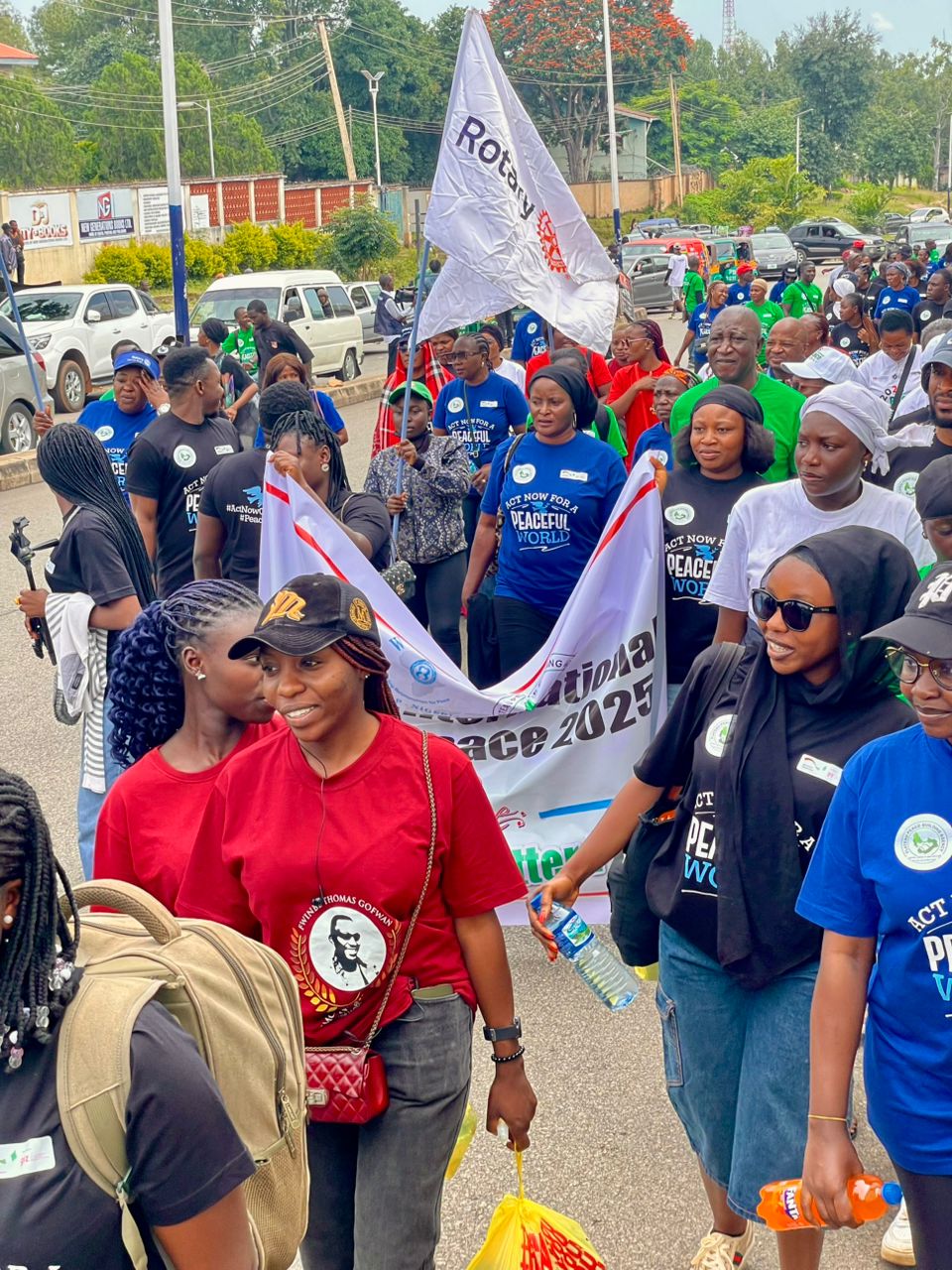
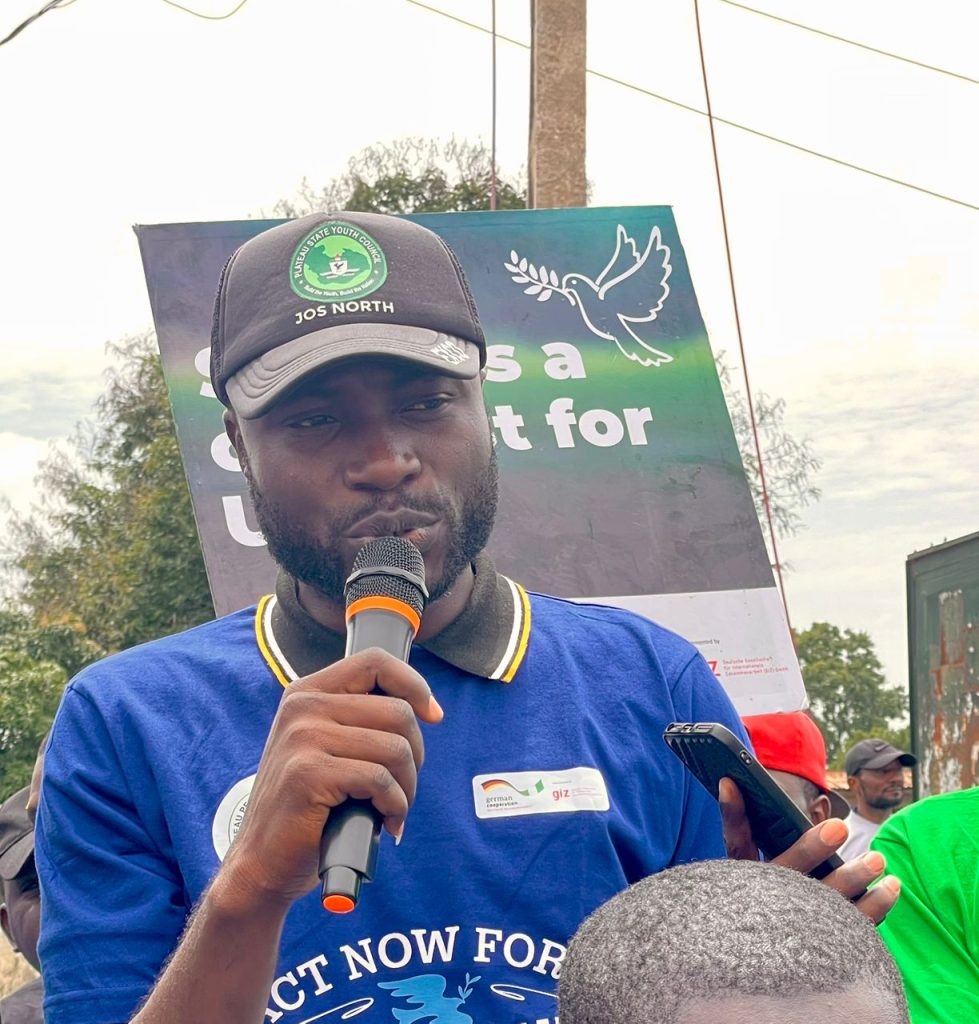
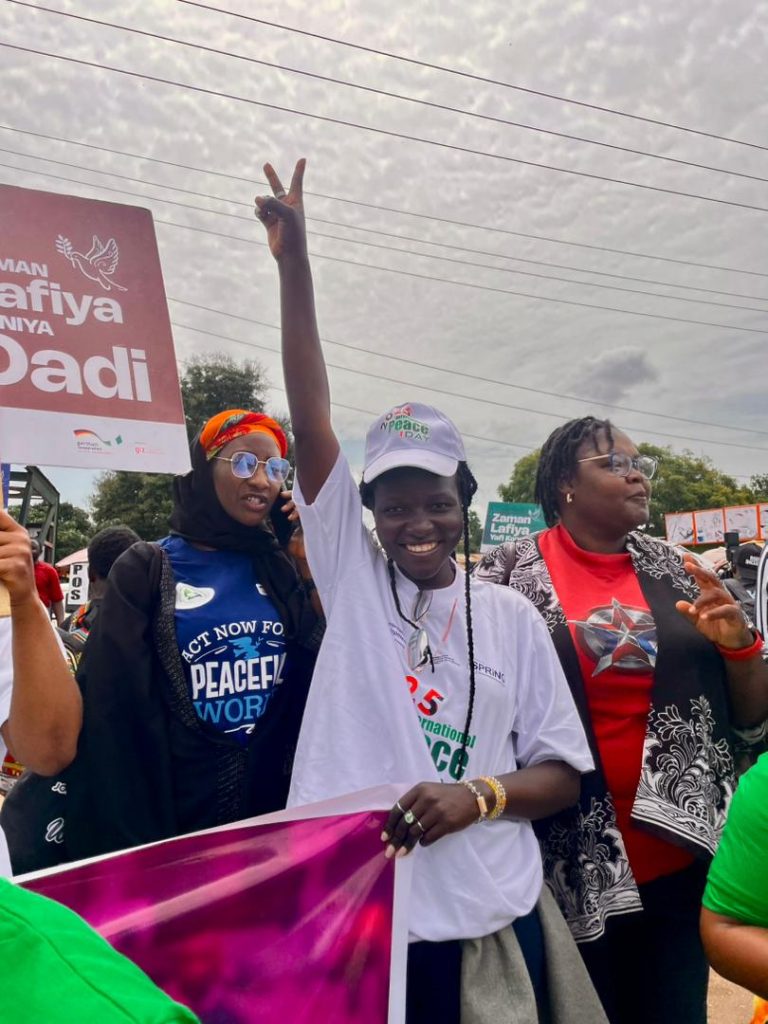
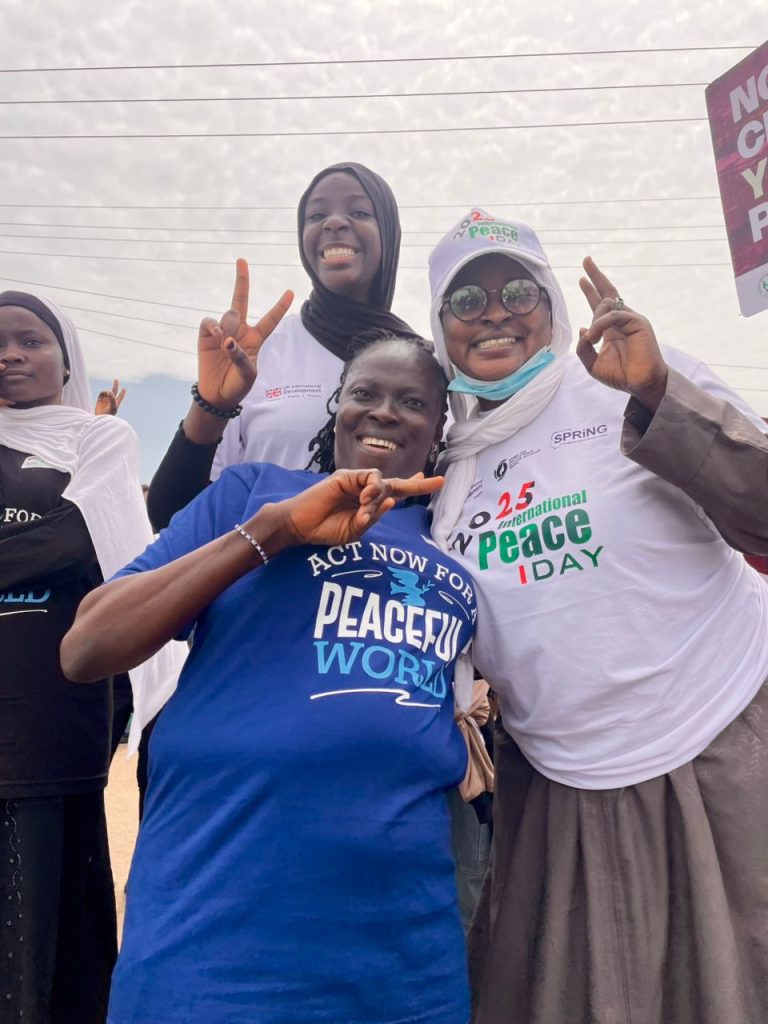
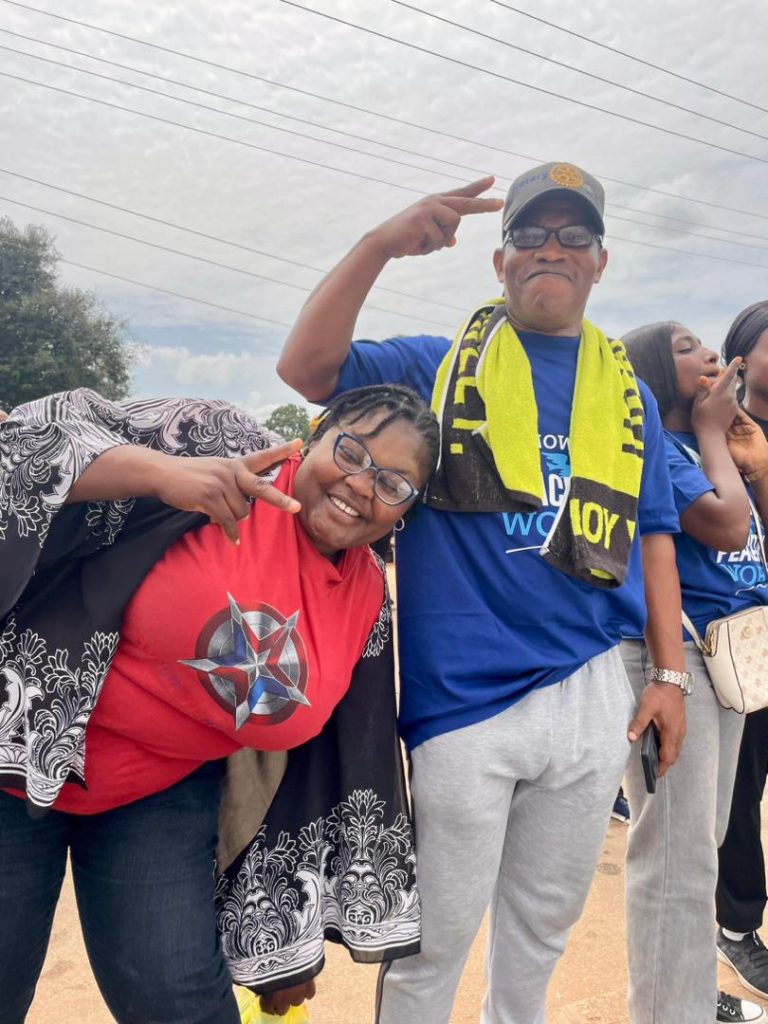
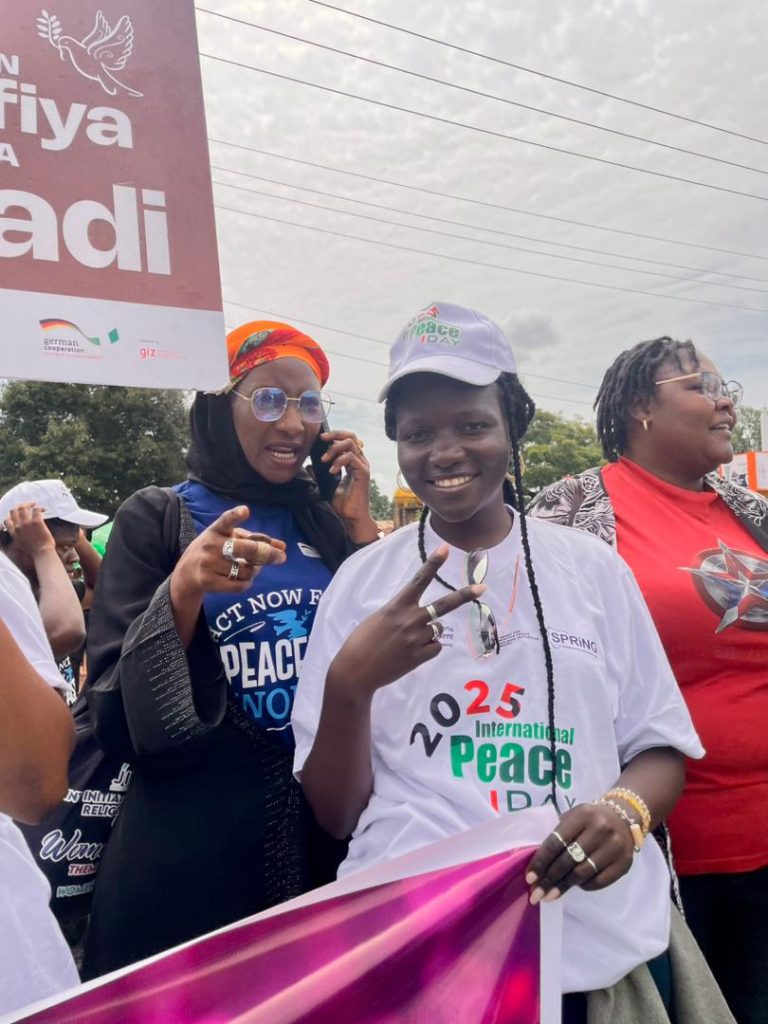
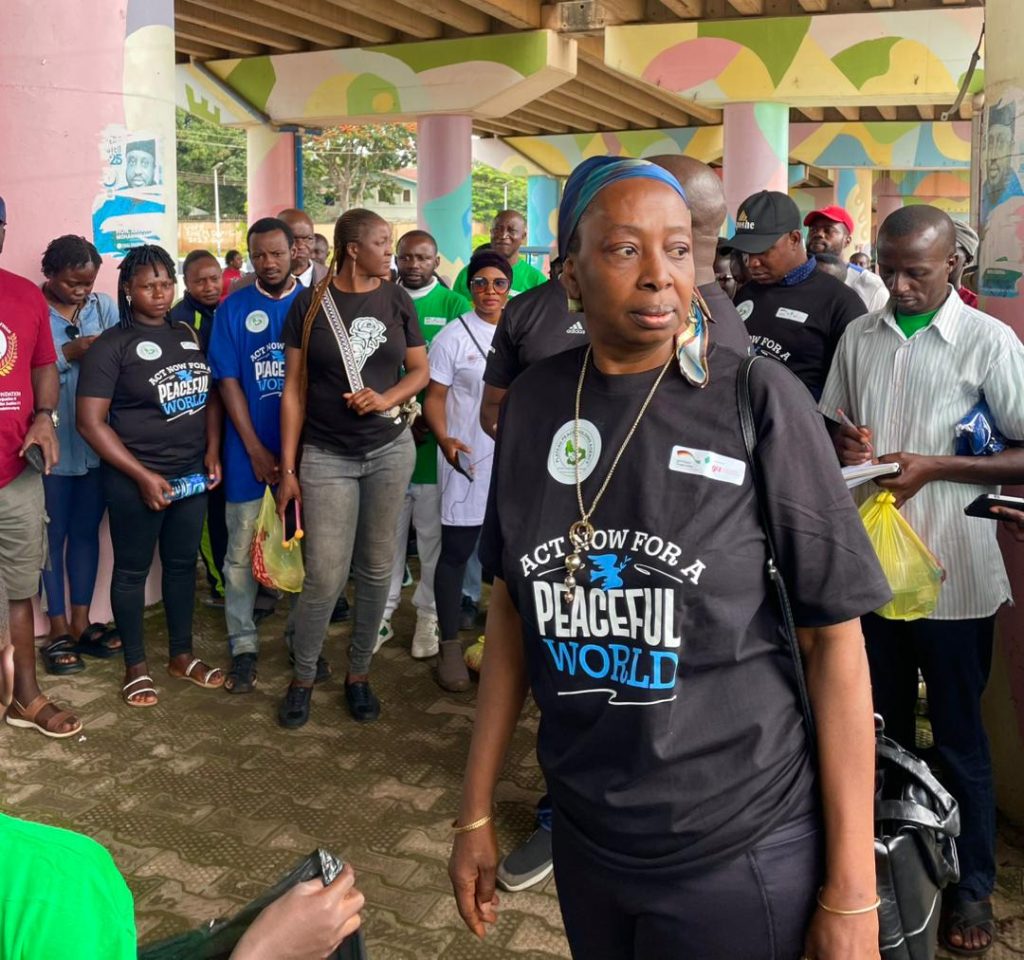
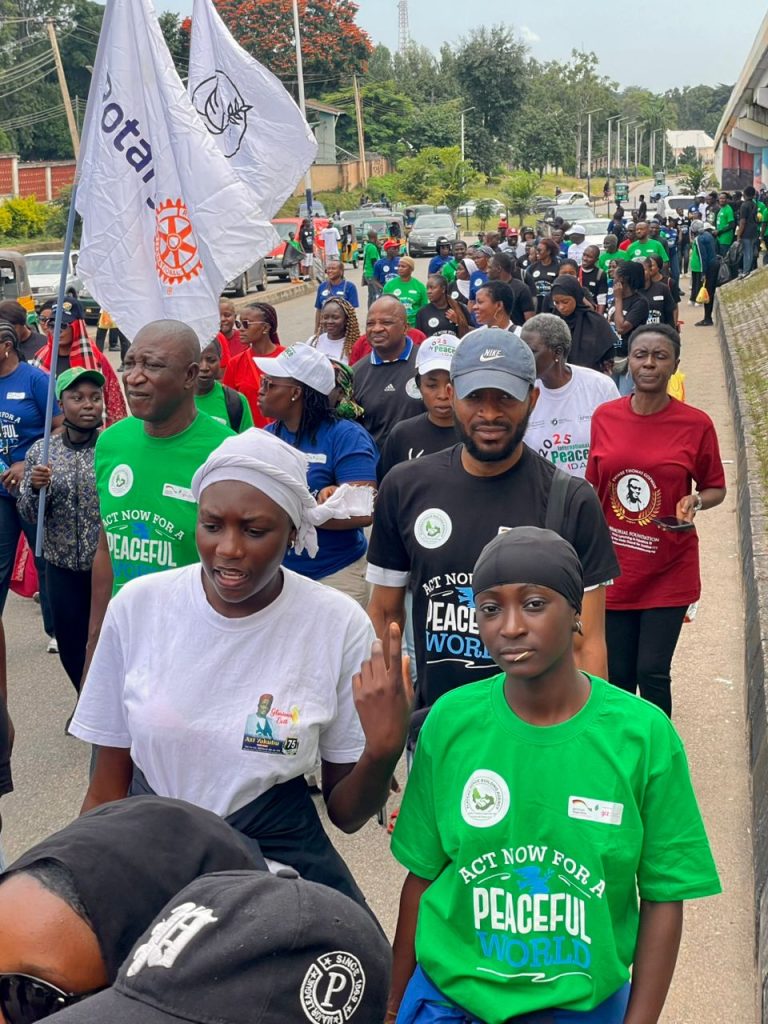
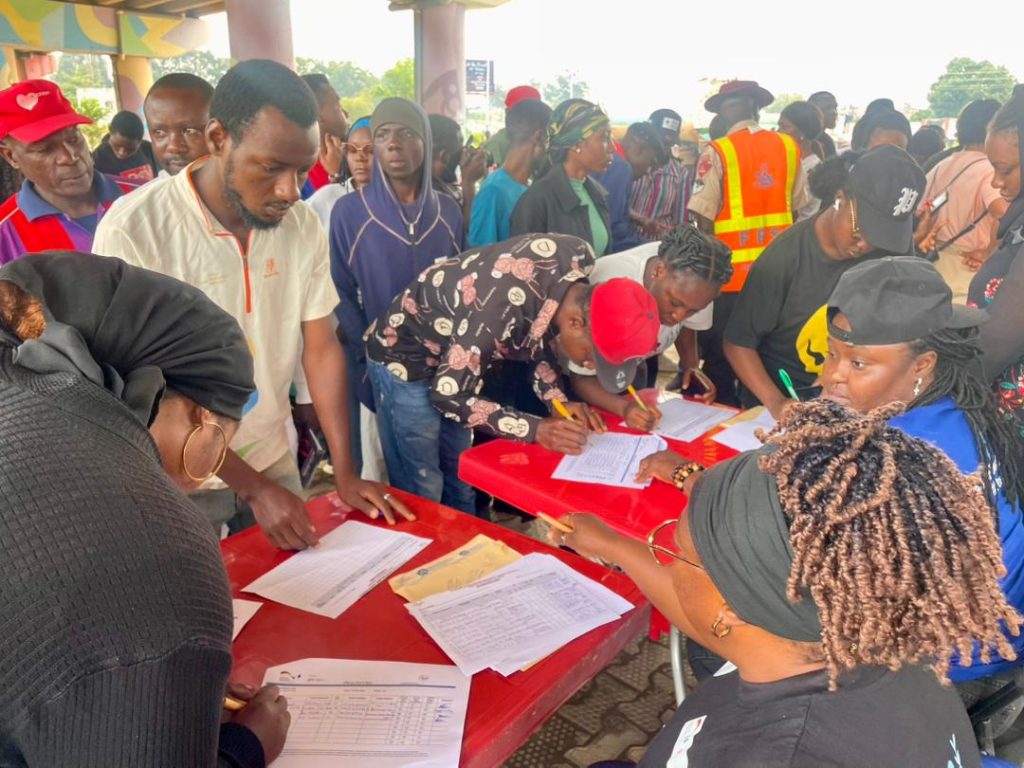
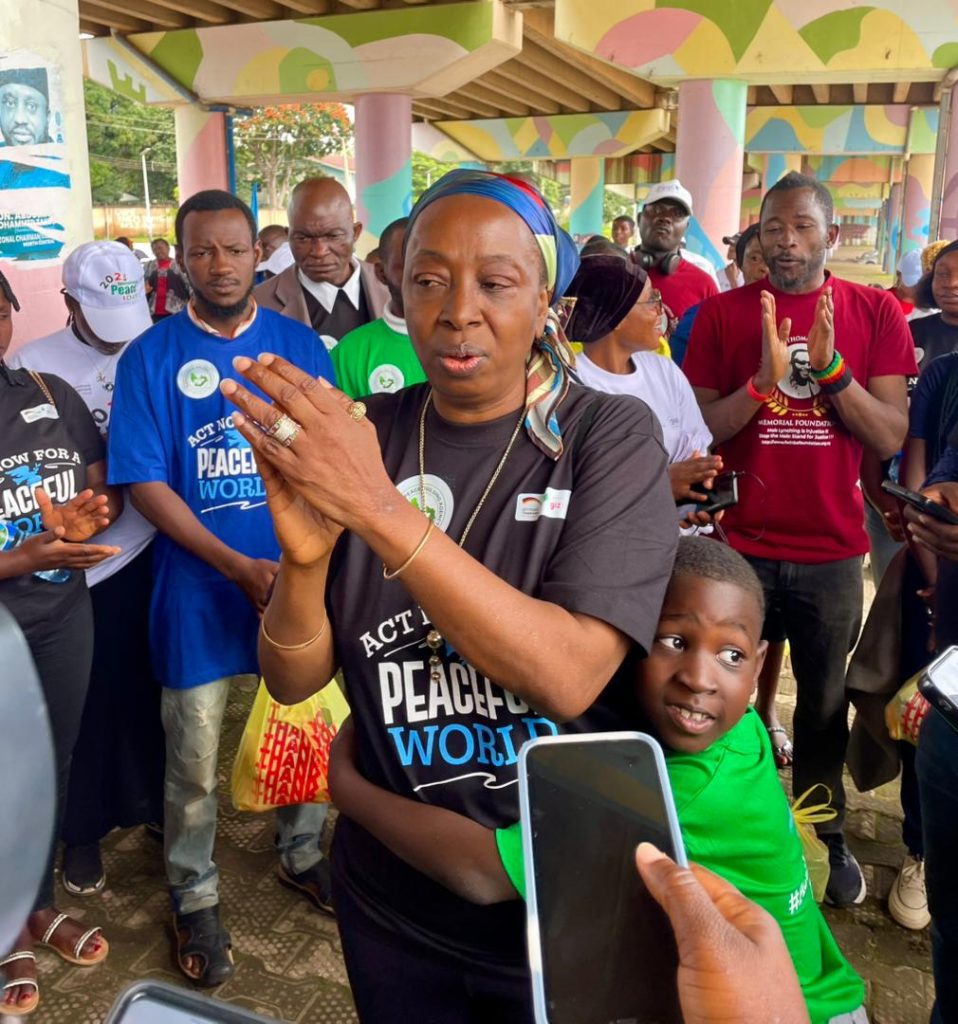
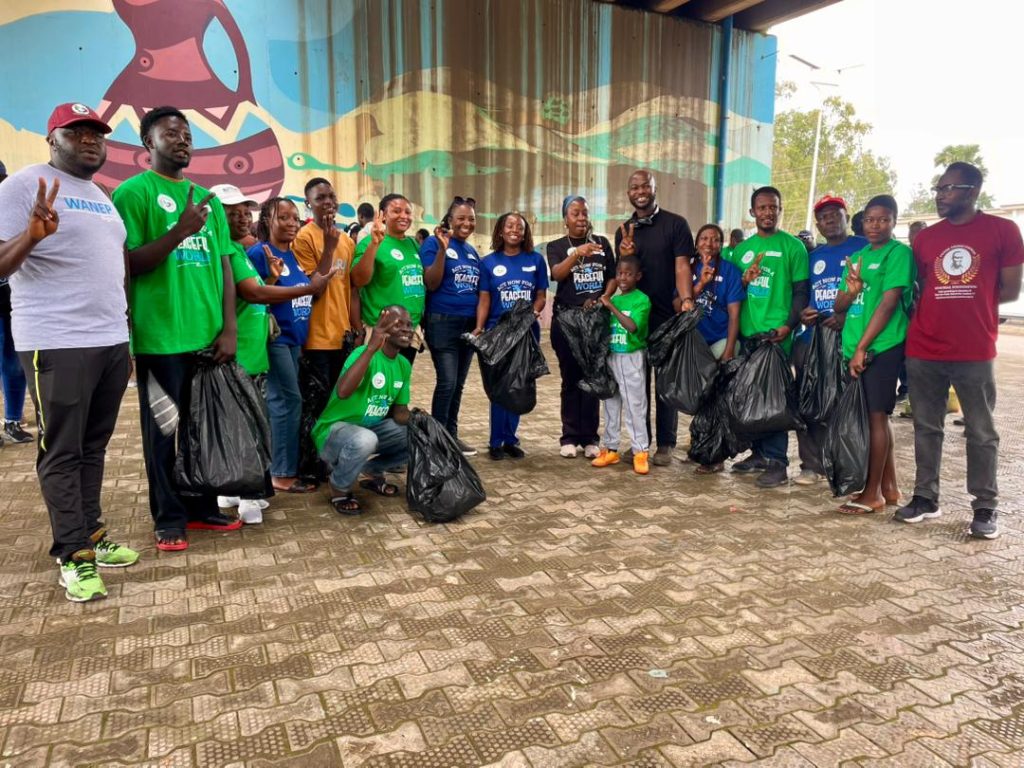
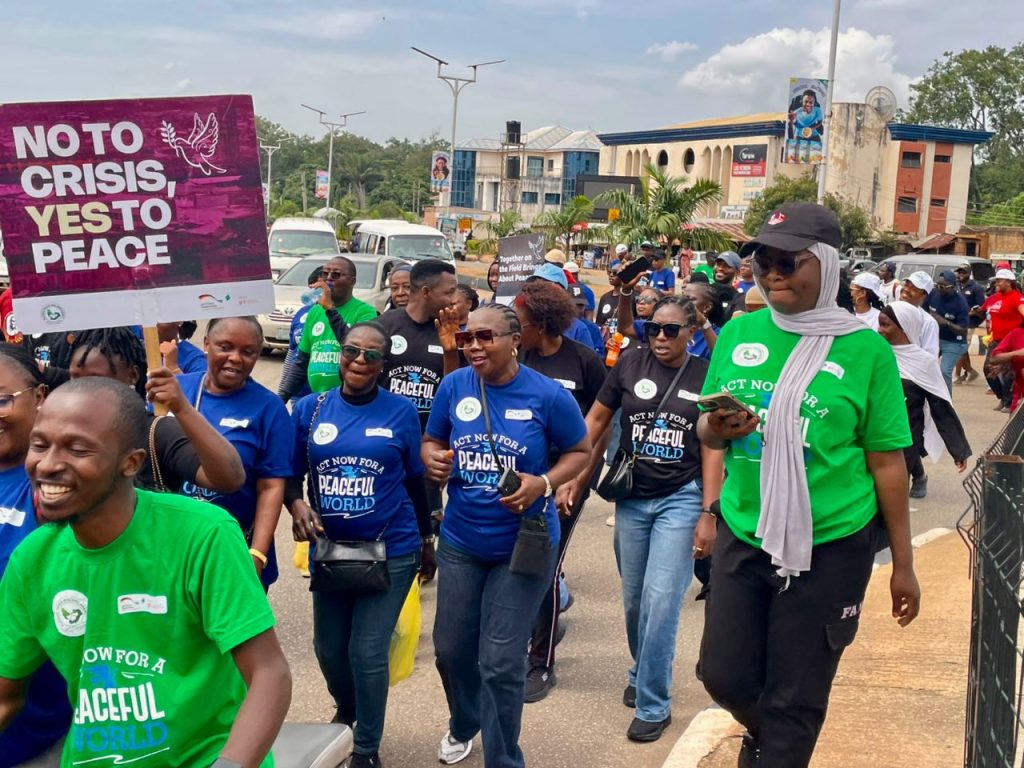
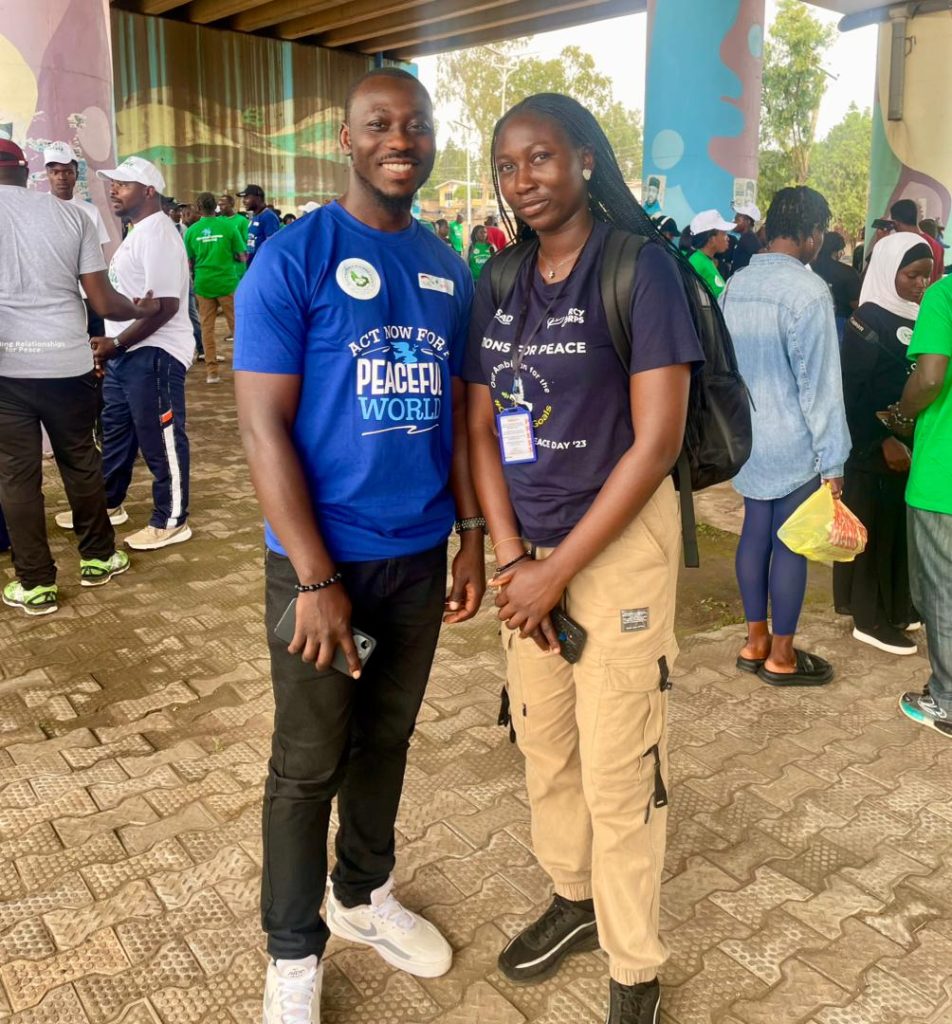
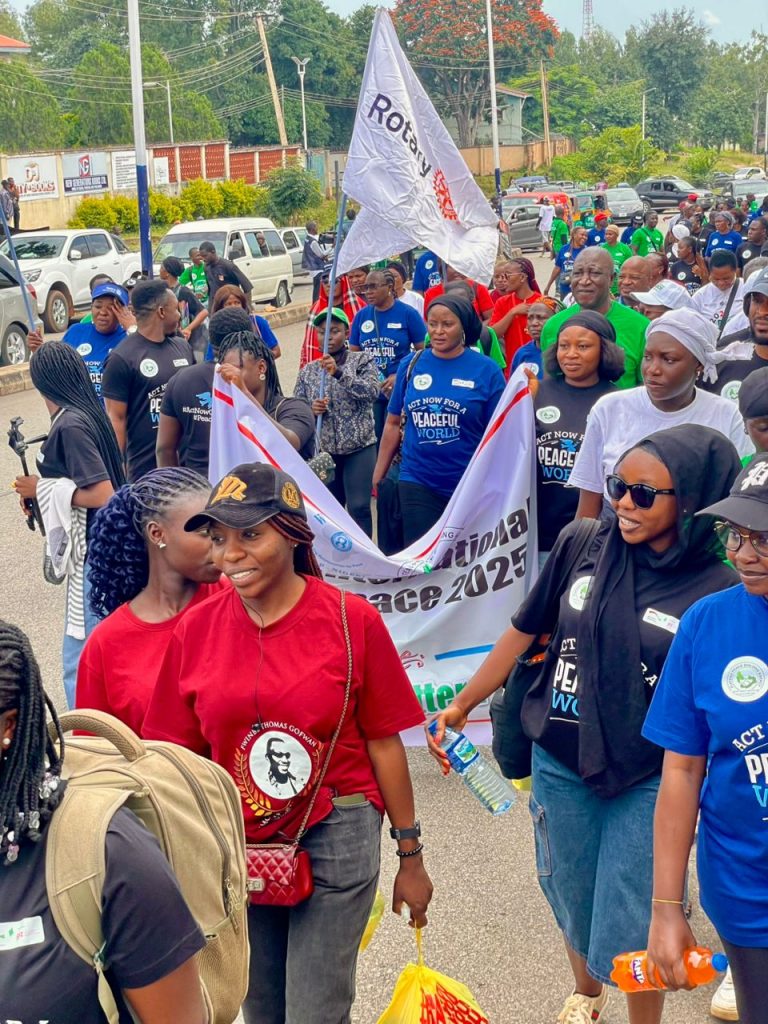
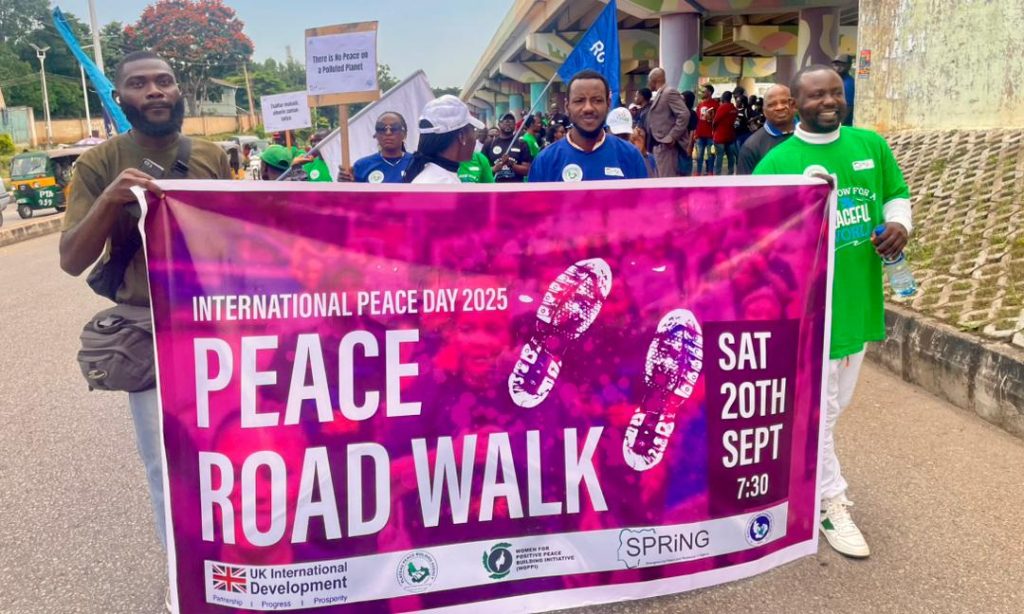
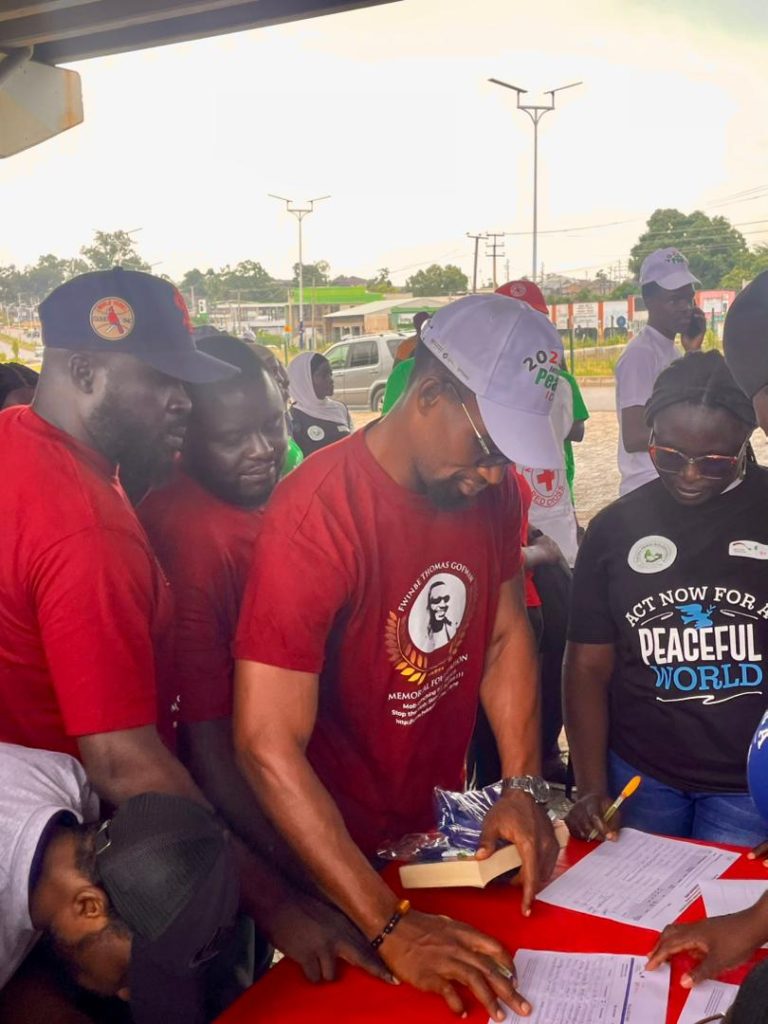
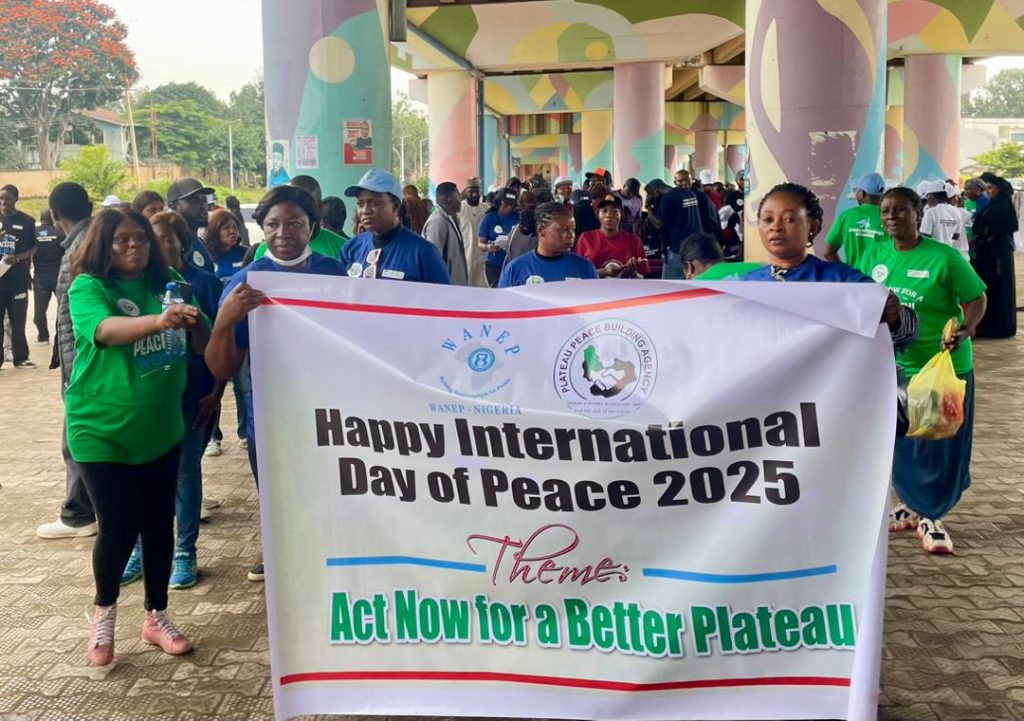
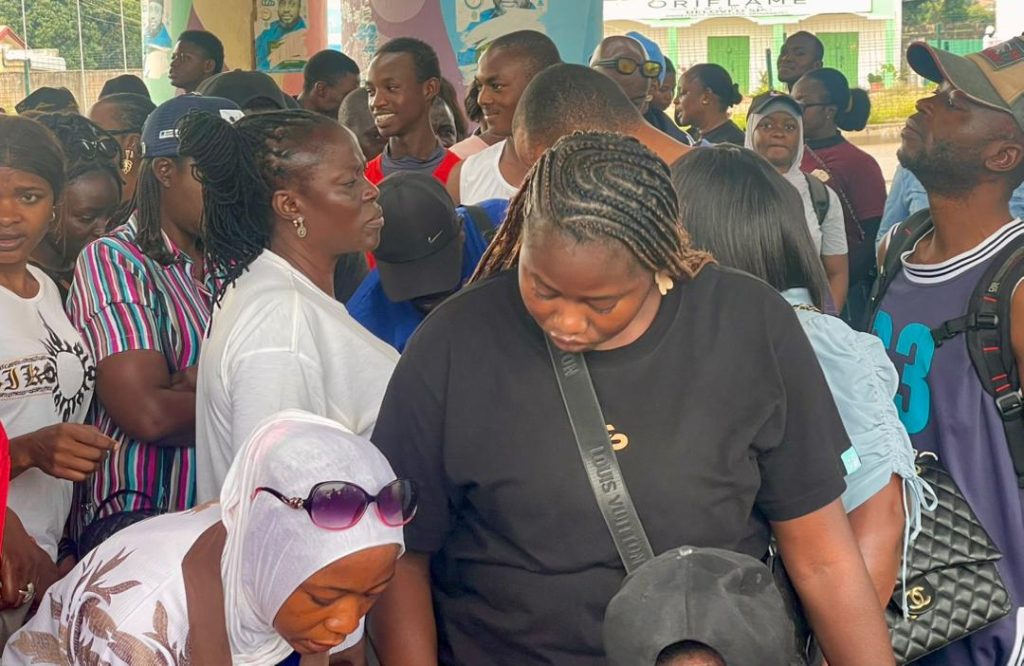
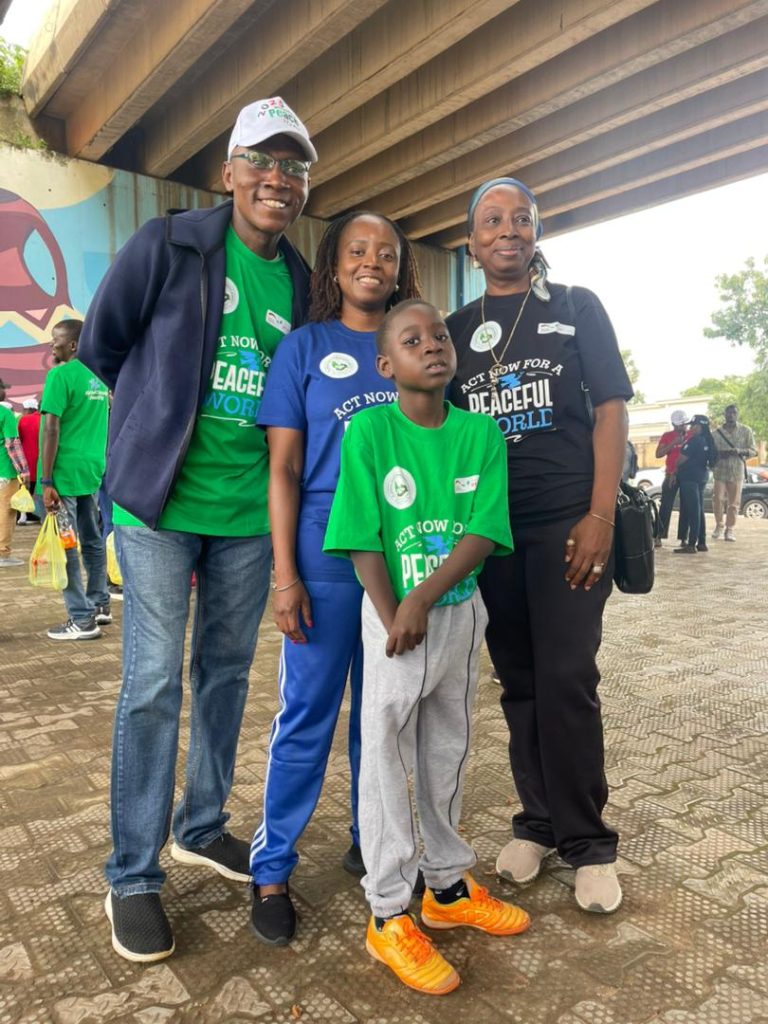
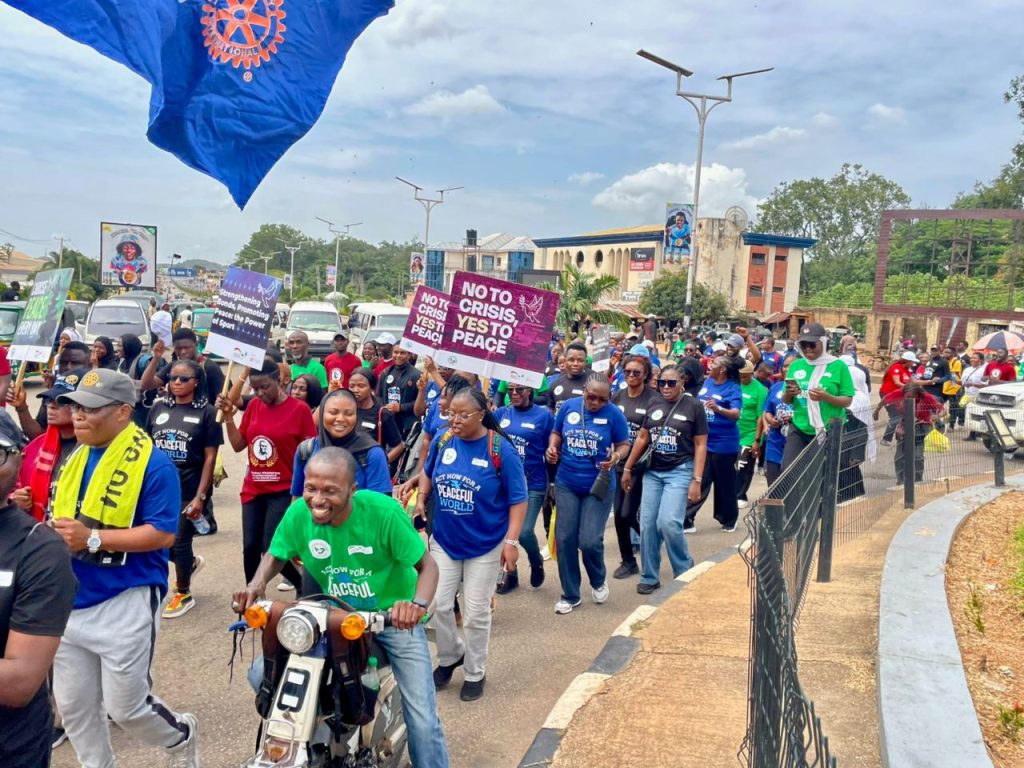
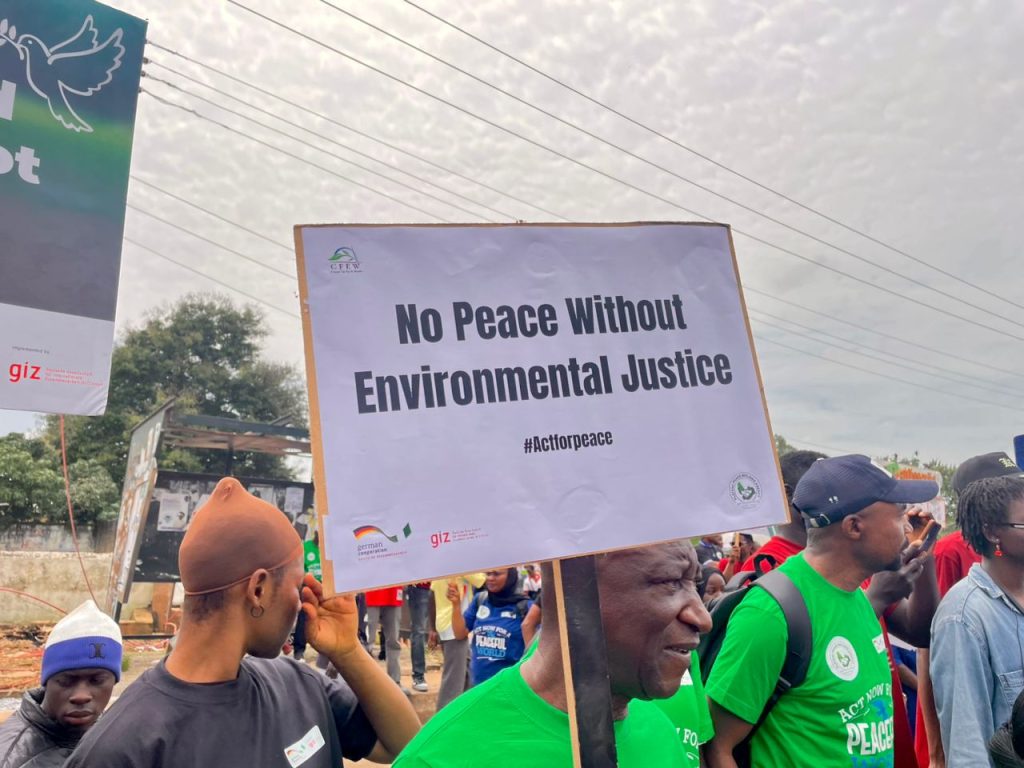
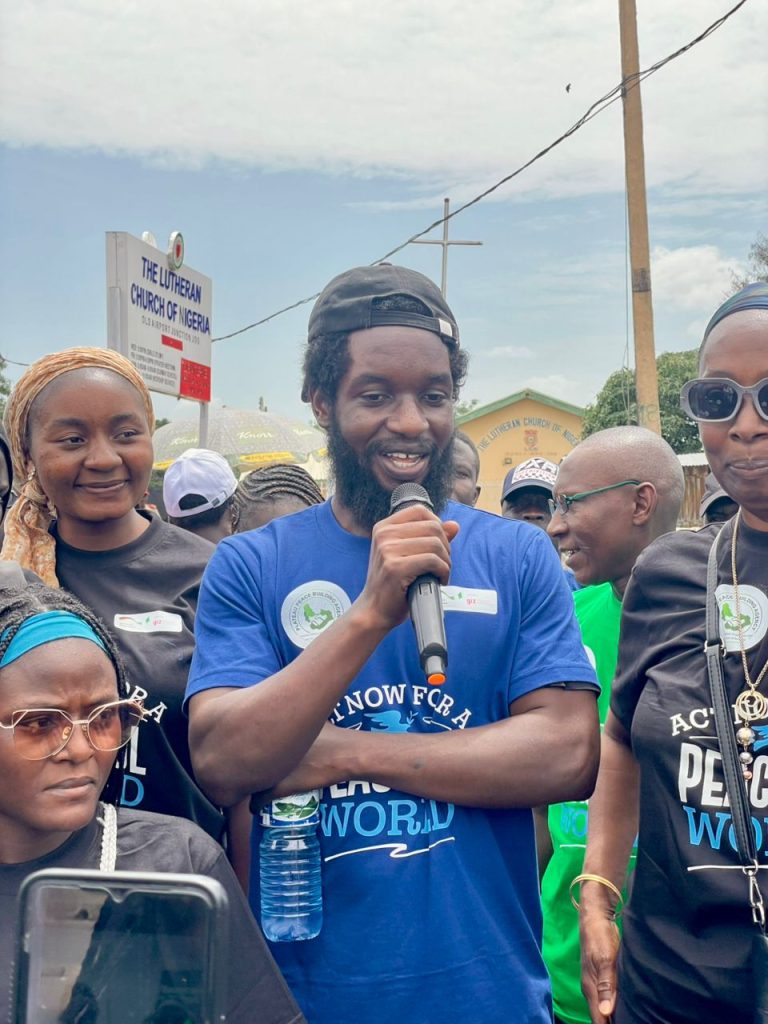
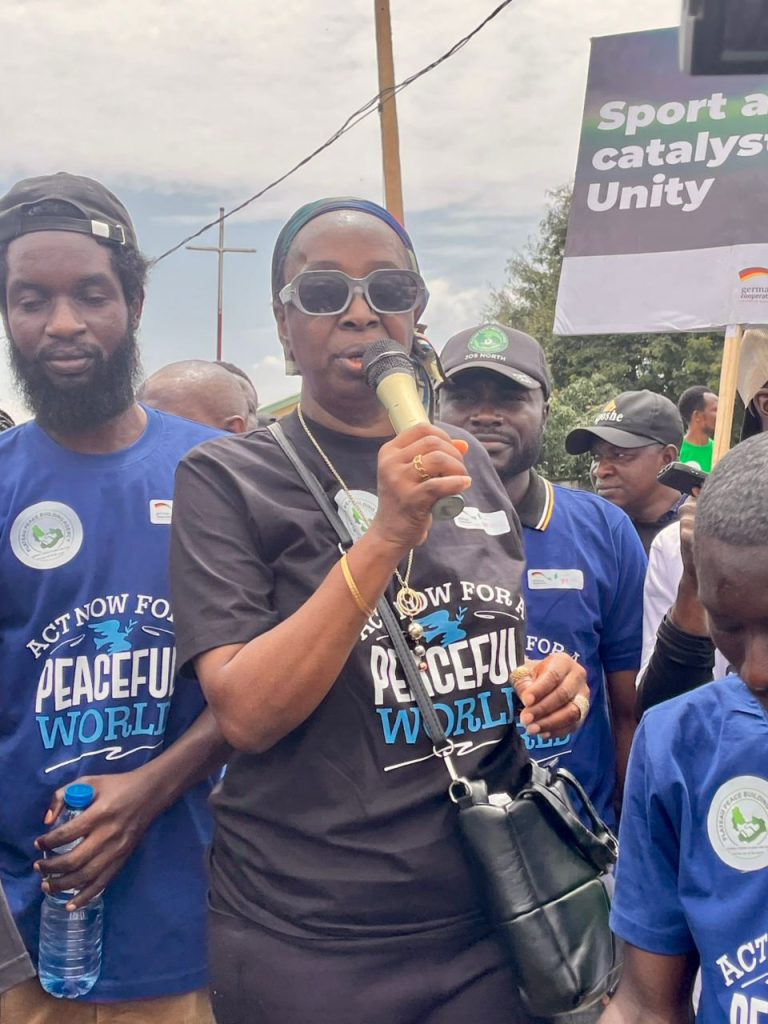
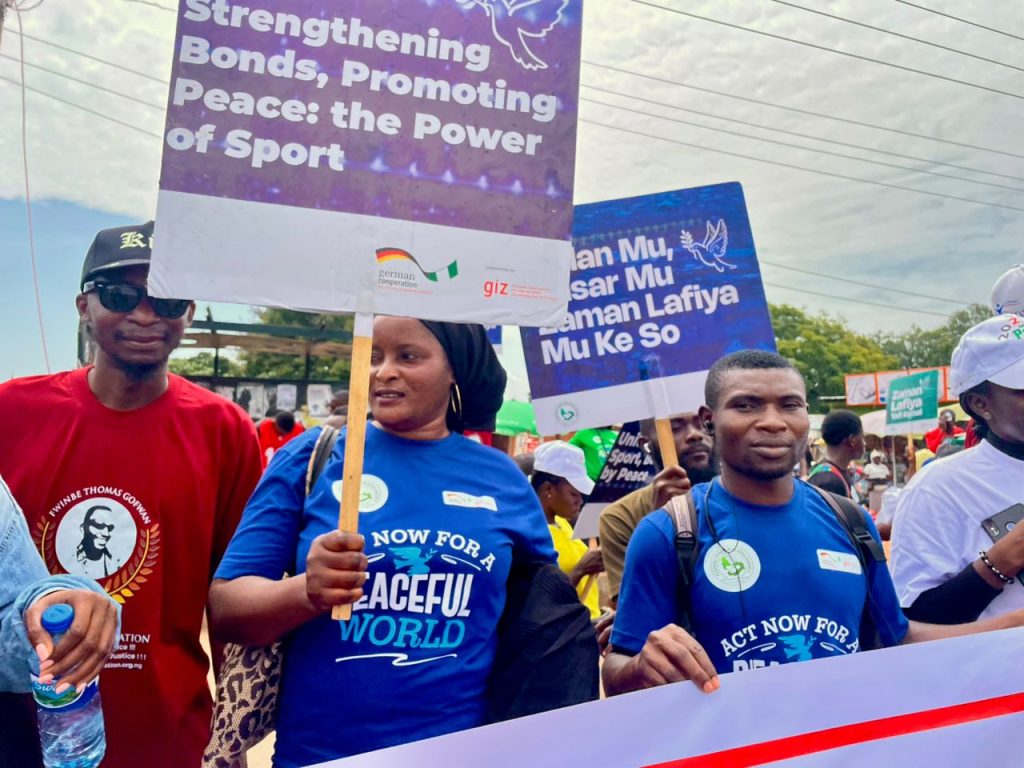
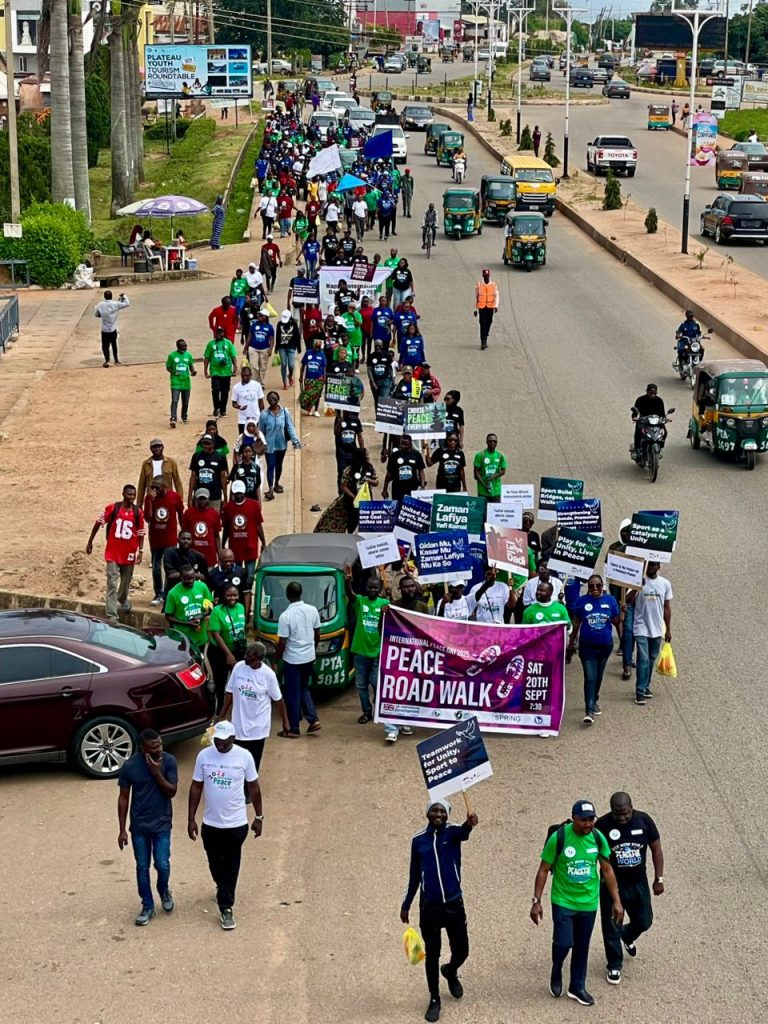
The Plateau Peace Building Agency, in collaboration with GIZ, the Plateau Peace Practitioners Network (PPPN), and other partners, marked the 2025 International Day of Peace with a symbolic Peace Walk in Jos. The walk, which took off from Secretariat Junction Bridge and terminated at Old Airport Roundabout, drew hundreds of participants including youths, women, men, children, persons with disabilities, peace practitioners, and civil society groups.
The event formed part of the #ActNowCampaign, aligning with the global theme, “Act Now for a Peaceful World.” On the Plateau, however, the slogan was localized as “Act Now for a Peaceful Plateau,” reflecting the agency’s commitment to sustaining peace across the state.
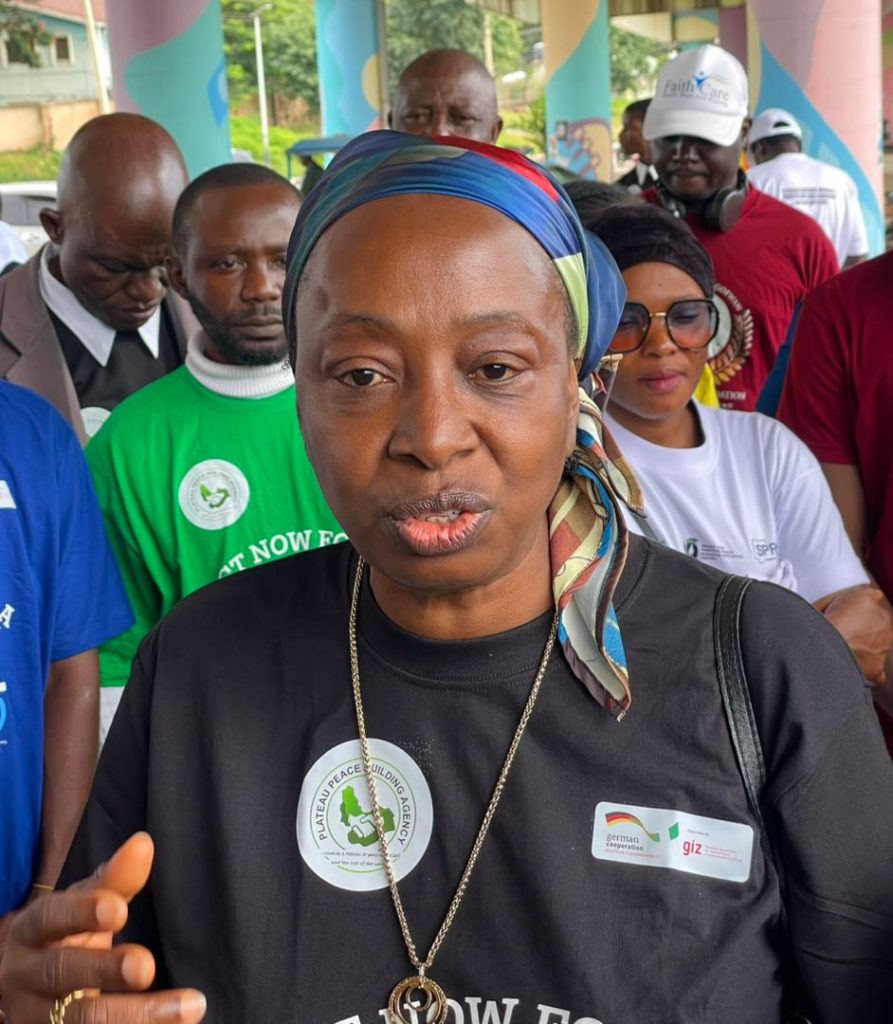
Addressing the gathering, the Director General of the Plateau Peace Building Agency, Dr. Julie G. Sanda, welcomed participants and applauded their commitment to peace. She described peacebuilding as a “multi-stakeholder enterprise” requiring everyone’s input. “Peace must start from us, it must start from our home, it must start from the Plateau. Our vision and motto is to build a Plateau at peace with itself and with the rest of the world,” she stated. Dr. Sanda expressed gratitude to partners, particularly GIZ Peace Corps, the Plateau Peace Practitioners Network, and other groups for their support. She also highlighted the agency’s focus on empowering women and youth, pointing out the presence of the Generation Peace Ambassadors as evidence of the growing role of young people in peace processes.
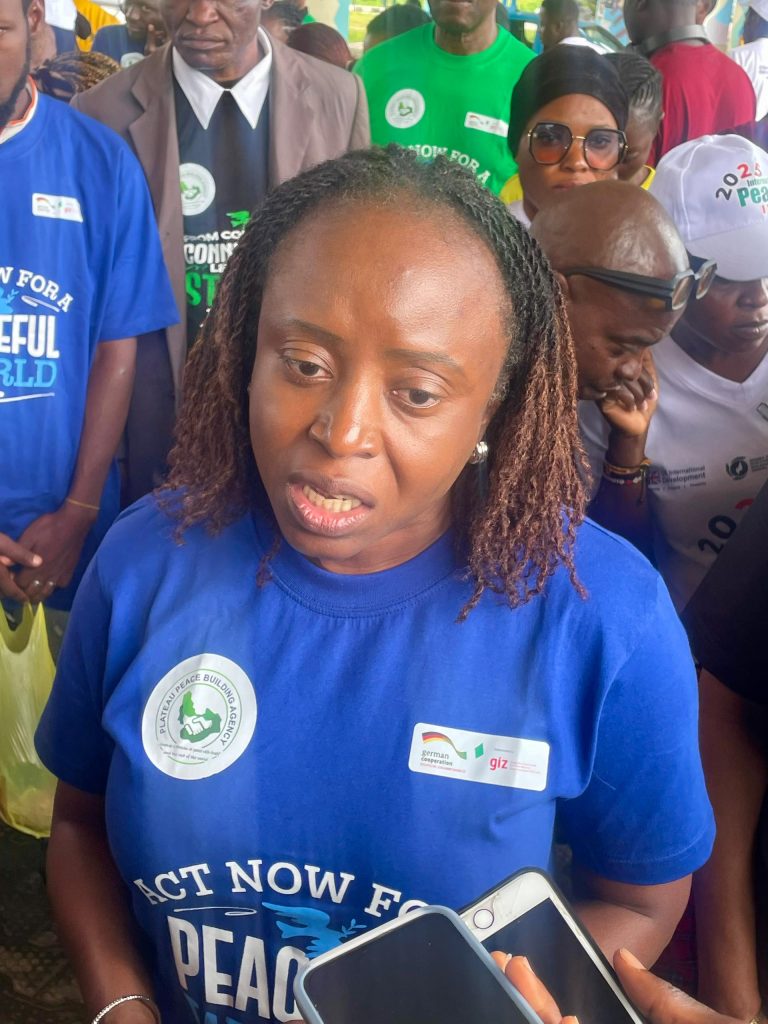
Similarly, Myriam Wedraogo, Head of Peacecore II at GIZ, reaffirmed the commitment of the German government to peace initiatives on the Plateau. She expressed delight at the strong mobilization of diverse groups, from women and youth to persons with disabilities. “The Peace Walk, beyond the mere event, portrays our individual and collective steps toward peaceful and inclusive societies, and this peace agenda is a high priority for the German government through the Peace Corps project implemented by GIZ,” she noted.
From the civil society angle, Nanmak Dukdam Bali, Chairman of the Plateau Peace Practitioners Network, stressed the importance of collaboration, describing the Peace Walk as a symbol of unity. He emphasized that peace activities would extend beyond the day’s walk, listing ongoing programs including prayers, a church service, and a tree-planting campaign. “The symbol of our work today is that we can do this together, and it will not just end with the walk,” he said, urging citizens to take part in the upcoming activities.
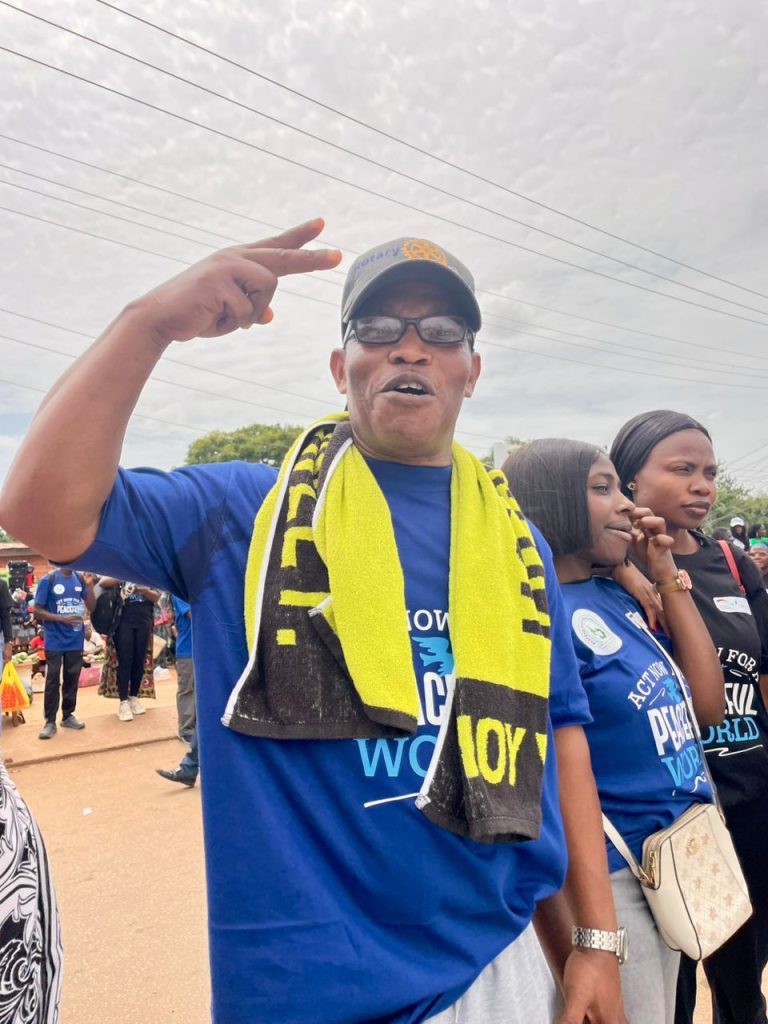
The event also featured contributions from Rotary International, represented by Rotarian Monday Akubuokeu, Past Assistant District Governor of District 9127. He explained that peace is one of Rotary’s core areas of intervention globally and locally, with the organization working closely with the Peace Agency on awareness campaigns. “The peace we have enjoyed in Jos is as a result of activities like this. Rotary is non-religious, non-tribal, and inclusive of all occupations, and one organization that does not joke with peace is Rotary. That’s why today we are out in our numbers to celebrate,” he remarked.
The voices of young people were also amplified through the Plateau Youth Council, Jos North, led by its Chairman, Paul Stephen Mancha. He introduced the council’s slogan: “Build a Youth, Build a Nation”, stressing that youth empowerment is central to lasting peace. Mancha commended the Plateau Peace Building Agency, GIZ, and other partners for involving youths in the peace process and pledged that young people would continue to collaborate with government and organizations to keep Plateau peaceful, united, and prosperous.
The Peace Walk, filled with chants, music, and displays of solidarity, highlighted Plateau’s progress in fostering peace despite its history of conflict. Stakeholders collectively emphasized that peacebuilding is not a one-day affair but a continuous process requiring inclusivity, collaboration, and sustained action.
As the International Day of Peace was commemorated worldwide, the Plateau event stood as a strong reminder that when governments, organizations, and citizens unite around a common cause, the vision of a peaceful society becomes achievable.